

By Zakeyu Mamba
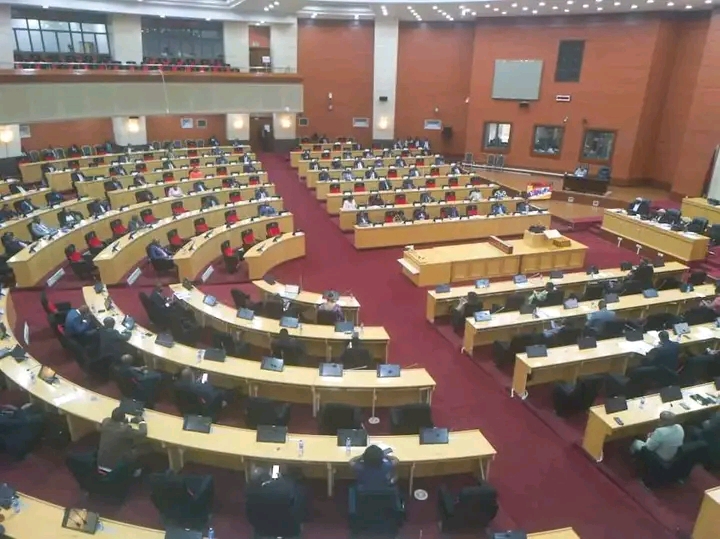
LILONGWE-(Maravi-Post)-Public debate has intensified following President Professor Arthur Peter Mutharika’s decision not to assent to the Constituency Development Fund (CDF) Bill that was passed by Members of Parliament last year.
Rather than focusing solely on political disagreements, analysts say the move highlights broader concerns about governance, accountability, and economic management.
Governance expert Latimu Matenje argues that the President’s stance reflects adherence to democratic principles, particularly the need to safeguard public resources and ensure that development initiatives genuinely benefit citizens.
Matenje notes that through the Ministries of Justice and Finance, the CDF framework requires careful scrutiny to ensure transparency and effectiveness.
He believes that, if properly managed, the fund has the potential to transform lives by bringing development closer to communities, but only under strong oversight mechanisms.
Another analyst, Joseph Kandiyesa, has taken a more cautious view, suggesting that the country should first assess the practical outcomes of the proposed law before drawing firm conclusions.
He says the legislation is still new and untested, making it important to evaluate whether it would achieve its intended goals without creating financial strain.
Kandiyesa also pointed out that the President’s refusal to sign the bill may have significant implications.
According to him, the concerns raised by Mutharika are largely centred on protecting Malawi’s economic interests and ensuring fiscal discipline at a time when the country faces serious economic challenges.
Overall, commentators agree that the debate over the CDF Bill goes beyond partisan politics.
Instead, it raises critical questions about how development funds should be managed, who should control them, and how best to balance decentralised development with national economic stability.






