

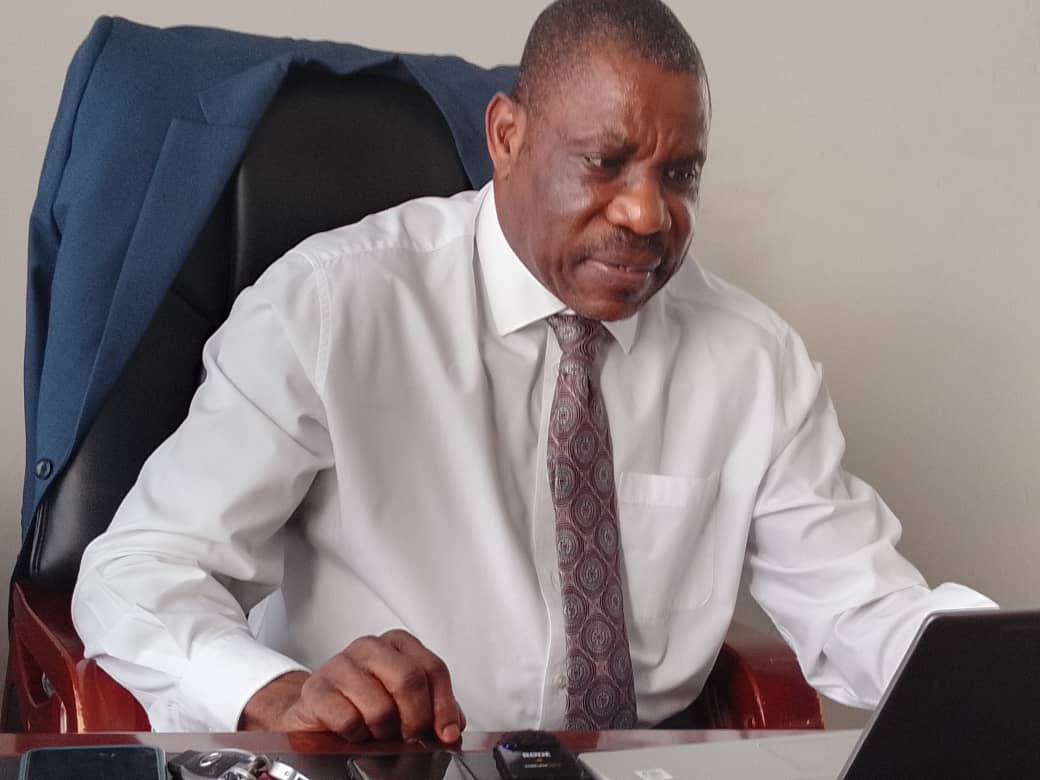
BLANTYRE-(MaraviPost)-The Consumers Association of Malawi (CAMA) has attributed the recent sharp fuel price hike to prolonged government and parliamentary interference in the operations of the Malawi Energy Regulatory Authority (MERA), arguing that the economic shock could have been avoided if the regulator had been allowed to operate independently.
Speaking to MaraviPost, CAMA Executive Director John Kapito said fuel prices would have increased gradually and with far less pain if MERA had been permitted to execute its mandate without political pressure.
Instead, he said sustained interference delayed necessary adjustments, culminating in a sudden and severe hike that has heavily burdened consumers.
Kapito argued that MERA’s hands were effectively tied by government actions, making it impossible for the regulator to conduct incremental price reviews that would have cushioned the public from a major shock.
He stressed that the blame should not fall on MERA staff, whom he described as professionals constrained by political decisions beyond their control.
“This situation is man made and it was avoidable,” Kapito said,
calling on government to “get its hands off MERA” and allow the institution to operate strictly within its legal framework. Where weaknesses exist in the law, he added,
Parliament should amend the Act rather than interfere with day to day regulatory decisions.
He warned that continued political interference would only prolong the suffering of ordinary Malawians, noting that undermining independent institutions erodes public confidence and weakens service delivery.
While acknowledging that higher fuel prices inevitably hurt consumers, Kapito emphasized that pricing should not be confused with availability.
He argued that selling fuel below cost creates scarcity, which ultimately drives prices even higher through black market trading.
He cited recent market experiences in which fuel shortages led to extreme price distortions, with consumers paying several times the official price simply because fuel was unavailable.
Kapito maintained that ensuring consistent fuel availability would restore mobility, support business activity and help the economy stabilize over time, even if the adjustment period remains painful.
Turning to unscrupulous traders, he issued a stern warning against exploiting the situation by unjustifiably hiking prices of goods and services beyond what is warranted by fuel adjustments.
He said consumer protection bodies, working closely with the media, would closely monitor markets in the coming weeks.
He also called on the media to play a constructive role by exposing abuses while giving consumers hope and confidence that their interests are being safeguarded.
However, he concluded that while traders must be held accountable, the primary responsibility lies with government.






