Malawi’s leading women champions unite to combat gender-based violence: Minister Mary Navicha, first lady Gertrude Mutharika lead the charge

In a powerful and heartfelt call to action on November 25th, marking the International Day for the Elimination of Violence against Women, Malawi’s First Lady, Prof. Gertrude Mutharika, and Minister of Gender, Mary Navicha, have united their voices to renew the nation’s commitment to ending gender-based violence (GBV) in all its forms.

Their combined leadership and unwavering dedication have raised the profile of this critical issue across the country, inspiring citizens to join hands in creating a safer, more equitable Malawi.

Prof. Gertrude Mutharika, a passionate advocate for women’s rights and safety, launched the 16 Days of Activism against Gender-Based Violence under the national theme, “Unite to End Gender Based Violence in Malawi.”

Her message was clear and resonant: the fight against GBV requires the collective effort of every Malawian — men, women, and youth alike. “A safe woman is a strong nation,” she affirmed, emphasizing the indispensable role that women’s safety plays in the nation’s overall strength and progress.

Her appeal was not just symbolic but deeply rooted in the realities faced by many women in Malawi.

Gender-based violence, which includes physical, emotional, sexual, and psychological abuse, remains a pervasive challenge, disrupting families and communities and threatening the country’s social fabric.

In a nation where tradition and modernity often intersect, Prof. Mutharika’s leadership stands as a beacon of hope, urging society to break the silence and stigma surrounding violence against women.

Complementing the First Lady’s call, Minister Mary Navicha has added a vital dimension to the discourse by addressing the often overlooked issue of violence against men.

Speaking candidly, Navicha acknowledged that while women and girls are predominantly victimized, men also face abuse, and their plight deserves attention and support.

This inclusive approach broadens the national conversation on GBV, ensuring no victim is marginalized or ignored.

Minister Navicha also brought to light the emerging threat of online abuse, a form of gender-based violence that is increasingly affecting women and girls in Malawi.

She urged the public and organizations alike to take this digital menace seriously, highlighting the need for robust measures to combat cyber exploitation and harassment.

In particular, she appealed to women and girls to exercise caution by avoiding the sharing of explicit images, a step she believes can help prevent digital exploitation and protect vulnerable individuals from further harm.

Her remarks showed a nuanced understanding of the evolving landscape of violence, reflecting a progressive stance that aligns with global efforts to address GBV in all its manifestations.

Navicha’s emphasis on digital safety is a critical reminder that the fight against gender-based violence must keep pace with technological advances that, while beneficial, can also be weaponized.

Minister Navicha’s leadership has been recognized and supported at the highest level of government, with President Professor Arthur Peter Mutharika appointing her to serve as Minister of Gender.

Her appointment signals a strong governmental commitment to tackling GBV, backed by a woman who is both knowledgeable and passionate about the cause.

Navicha’s approach combines advocacy, education, and practical strategies to engage communities, institutions, and policymakers in building a comprehensive response to gender violence.

Together, these two remarkable women embody the spirit of resilience and determination needed to confront one of Malawi’s most pressing social challenges.

They have become symbols of hope and change, inspiring not only government officials but also grassroots organizations, civil society, and ordinary citizens to take concrete steps toward a violence-free society.

Their messages resonate deeply in a country where cultural norms and economic hardships sometimes perpetuate cycles of abuse.

By standing united, Prof. Mutharika and Minister Navicha are helping to dismantle harmful stereotypes and encouraging a culture of respect, equality, and safety for all individuals, regardless of gender.

The First Lady’s statement that “A safe woman is a strong nation” encapsulates a profound truth—when women are protected and empowered, the entire nation benefits.

This vision aligns with Malawi’s broader developmental goals, recognizing that gender equality is not only a matter of human rights but also a driver of economic growth and social stability.

Meanwhile, Minister Navicha’s inclusive approach ensures that the gender-based violence agenda is comprehensive and sensitive to the needs of all victims. Her focus on digital abuse also positions Malawi to engage with contemporary challenges that many countries are only beginning to address.

As the 16 Days of Activism unfold, the country is witnessing a renewed energy and commitment to eradicate gender-based violence.

Educational campaigns, community dialogues, and policy reforms are being prioritized, with both Prof. Gertrude Mutharika and Minister Mary Navicha at the forefront of these efforts. Their leadership is galvanizing a movement that transcends political lines and social divisions, uniting Malawians in a common cause.

This united front is critical because gender-based violence thrives in silence and isolation. By breaking the silence, these leaders are encouraging survivors to come forward, seek help, and find justice.

They are also challenging perpetrators to be held accountable, signaling that such violence will no longer be tolerated.

The partnership between the First Lady and the Minister of Gender exemplifies how high-profile women leaders can influence national attitudes and policies.

Their commitment is not just ceremonial; it is active and ongoing, involving engagement with communities, collaboration with NGOs, and advocacy within government structures.

Moreover, their public profiles bring visibility to GBV issues at a time when global attention is focused on gender equality and women’s rights.

Malawi’s efforts, led by these two leaders, contribute to the international movement to end violence against women and girls, aligning the country with global frameworks such as the Sustainable Development Goals (SDGs).

In a society where patriarchal norms have long held sway, the voices of Prof. Gertrude Mutharika and Mary Navicha represent a transformative force. They are redefining leadership by prioritizing compassion, inclusivity, and action.

Their work underscores that ending gender-based violence is not just about protecting women and girls but about building a just society where everyone can thrive free from fear.

As Malawi continues this vital journey, the nation can take pride in having such dedicated women at the helm—leaders who are not only advocates but also role models, showing that change is possible when courage and commitment unite.

The call to “Unite to End Gender Based Violence in Malawi” is more than a slogan; it is a rallying cry that has found its champions in Mary Navicha and Gertrude Mutharika.

Their leadership lights a path forward, inviting every Malawian to join hands in creating a future where dignity, respect, and safety are guaranteed for all.

May their tireless efforts inspire lasting change and a Malawi where violence is nothing but a dark memory, replaced by hope, justice, and equality for every citizen.


Discover more from The Maravi Post

Subscribe to get the latest posts sent to your email.

The Maravi Post

Revised 2025/26 Malawi’s Fiscal Plan: Reflects a balanced approach to fiscal management, fair taxation

The midyear budget review recently presented by Minister of Finance, Economic Development and Decentralization, Joseph Mwanaamveka, has sparked significant discussion and debate, highlighting various aspects of fiscal management and accountability.

The involvement of the Democratic Progressive Party (DPP) government in conducting an independent review of the budget adds a layer of credibility to the findings.

This independent assessment has helped to ensure transparency and accountability in the budgetary process, allowing for a more comprehensive understanding of the financial situation left by previous Chakwera regime.

However, the introduction of a new Pay As You Earn (PAYE) tax structure has raised concerns among employees, as it is expected to reduce their monthly net pay.

This change can potentially lead to dissatisfaction among the workforce, thereby affecting morale and productivity.

It is crucial for the Mkulukuta Moyo government take steps to communicate the rationale behind this tax adjustment and consider its implications on the average citizen.

Furthermore, the review has brought to light significant over-expenditure in state residences and the Office of the President and Cabinet departments, which have reportedly consumed their entire annual budget within just half a year.

This revelation is alarming and underscores the need for stricter financial controls and oversight to prevent wasteful spending and ensure that public funds are used effectively.

Perhaps one of the most concerning findings of the review is the diversion of fuel intended for public use to a private organization.

This not only raises ethical questions but also highlights potential corruption and mismanagement within the government.

Such practices undermine public trust and call for immediate investigation and corrective measures to ensure accountability.

Moving forward, the commitment to free primary and secondary school education is a commendable initiative that promotes equal access to education for all children.

This policy not only alleviates the financial burden on families but also encourages higher enrollment rates and retention in schools.

Investing in education is crucial for long-term economic growth and social development, as it equips the younger generation with the skills and knowledge necessary for the future workforce.

Furthermore, the implementation of austerity economic measures reflects a responsible approach to fiscal management in various facets.

The decision to halt travel allowance for the President sets a precedent for accountability and prioritizes the allocation of resources towards essential services.

By restricting travel and mandating economy class for government officials, the government demonstrates a commitment to cost-saving measures while still allowing for necessary engagements.

The directive that no new government vehicles should be purchased helps to curb unnecessary expenditures and redirects funds to more critical areas.

While the suspension of new recruitments limit job creation in the short term, it can help stabilize the budget and focus on optimizing existing resources.

Again, the introduction of a 0.05% levy on bank and mobile money transfers is a strategic move to generate additional revenue.

Of course, this levy is relatively low but it can provide a steady stream of income for the government while still allowing citizens to access financial services without significant burden.

Furthermore, the implementation of new taxes on rental properties is a necessary step to ensure that all sectors contribute fairly to the national budget.

This measure can help increase government revenue, which can be reinvested into public services and infrastructure.

Additionally, the decision to charge visa fees based on reciprocity is a fair approach to international relations.

It encourages other countries to treat Malawian citizens equally and can also help bolster government revenue from tourism and international business.

It is obvious that the increase in Value Added Tax (VAT) from 16.5% to 17.5% is a significant move to enhance government revenue.

While this will lead to higher prices for consumers, it is essential for funding public services and infrastructure projects.

However, it is crucial that the Mkulukuta Moyo government communicates the necessity of this increase to the public to maintain transparency and trust.

In conclusion, the midyear budget review reflects a balanced approach to fiscal management, prioritizing essential services while implementing measures to generate revenue.

The focus on education, austerity, and fair taxation demonstrates a commitment to sustainable economic growth and social equity.

However, it will be important for the Mutharika Government to monitor the impact of these measures on citizens and adjust policies as necessary to ensure that the economic burden does not disproportionately affect the vulnerable populace.


Discover more from The Maravi Post

Subscribe to get the latest posts sent to your email.

The Maravi Post

Why a Coup won’t work in Modern-Day Nigeria

President Bola Tinubu

By Tony Ogunlowo

In the runup to the October 1st Independence celebrations Sahara Reporters leaked a story that a bloody coup aimed at destabilizing , and overthrowing, the democratic government of President Tinubu had been thwarted.

There is still no official confirmation of this todate even though top service chiefs have been replaced and more than 40 officers have been arrested by the DSS who allegedly have had them under surveillance since August 2024.

Nigeria is a different country to the way it was in the 60s, 70s and 80s when anybody, presumably any disgruntled junior officer, could just pick up a gun, overthrow the incumbents, become Head of State and start their dictatorships: Africa, and mostly certainly Nigeria, have moved on from the Abachas and Idi-Amins of the past.

A military junta coming into power will abolish all laws and will rule by degree, so it’ll be a question of them shouting ‘jump’ and the people going ‘how high?’. Nigerians have long evolved beyond this and it’ll only bring out the people , en-masse, to protest. And as we’ve seen from previous mass protests, such as #ENDSARS, it’s not easy to crush the will of the people anymore. No more are they scared of a soldier with a gun. And with SM to pass the word around and keep everyone up to date; a medium even the junta can’t control or shut down completely as we’ve seen when the Buhari-led government tried shutting down Twitter usage in Nigeria, people just used VPNs to get around the ban. So a government overall control of the media is out of the question.

Nigerians have tasted the freedom of democracy, however imperfect it may be, and a return to a repressive military will not be welcomed with open arms: people now have the right to elect whoever they want to rule them instead of having somebody imposed upon them.

For a military coup to be successful the military will have to coral the people into a pen they can control: this can work in countries like Mali or Niger where the entire populace is less than the population of Lagos state. In Nigeria, a country of more than 200 million souls plus, the military is already stretched beyond its limits fighting insurgencies in the North and South-East so a new military junta won’t have the might – or equipment – to control the country successfully.

Mali and Niger armed forces removed democratically elected Presidents and their governments on the grounds of absolute abuse of office. Some will argue that the same should happen in Nigeria.

Whilst I’m not a big fan of President Tinubu it’s got to be said  he’s been in power for less than two years and he inherited a mess from Buhari who in turn inherited it from Jonathan, who….need I go back any further? Logically thinking, anybody coming into power, military or civilian, will not have the power to change things overnight, as the people want, and the hardship will continue. For those old enough to remember when the Buhari/Idiagbon junta ousted Shehu Shagari from power in 1983 change did not happen overnight: it was a gradual undertaking and things weren’t as bad as they are now. So a military junta coming in will just huff and puff without getting anything done.And to make matters worse the international community will be watching and will impose extremely tough sanctions upon the nation in effect crippling all business transactions in and out of the country. And if they go as far as declaring an oil embargo and call in all loans obtained, the country will be finished. Further more ECOWAS, the OAU – including President Trump’s USA – may decide on a military intervention to forcibly remove the junta from power because democracy can not be seen to fail in Nigeria, Africa’s most populous nation, as it has in Mali,Niger and elsewhere.( – and don’t forget Trump is looking for any excuse to bomb ‘disgraced’ Nigeria anyway!). If people think life under Tinubu is hard, then it’ll become unbearable.

In an earlier article ( “Are Coups in Africa still a Good thing?) I did point out that if we are going to practice democracy the African way there should be provision to remove inept and corrupt leaders the African way (aka a coup d’etat). Without sounding like I’m contradicting myself, people like the late Robert Mugabe needed a palace coup to remove him from office ( – as may well Paul Biya of Cameroon) for the systematic abuse of the democratic process that kept him in power. The same can be said also of the autocratic democracies of Niger, Mali etc who were also overthrown by the military. But the question is, as I pointed out then, is where do you draw the line?

Nigeria is still a fledgling democracy, I say is still in its infancy and mistakes will be made as we learn as once did the great democracies of the Western world: we are going to screw things up, abuse things but eventually we’ll get it right ( – whenever that might be!) as they say Rome wasn’t built in a day. Allowing the boys in khaki back will just send us back to square one and all the efforts of those who fought for modern-day democracy in Nigeria, like MKO, would have been in vain.

So the idea that a semi-illiterate gun-totting ‘who-build-dis-garda’ Army General seizes power and miraculously restores the country to its former glory, overnight, is not going to happen. It’s simply against the Law of Averages.


Discover more from The Maravi Post

Subscribe to get the latest posts sent to your email.

The Maravi Post

Editorial: Chakwera’s unshaken faith signals a renewed chapter for MCP, Malawi

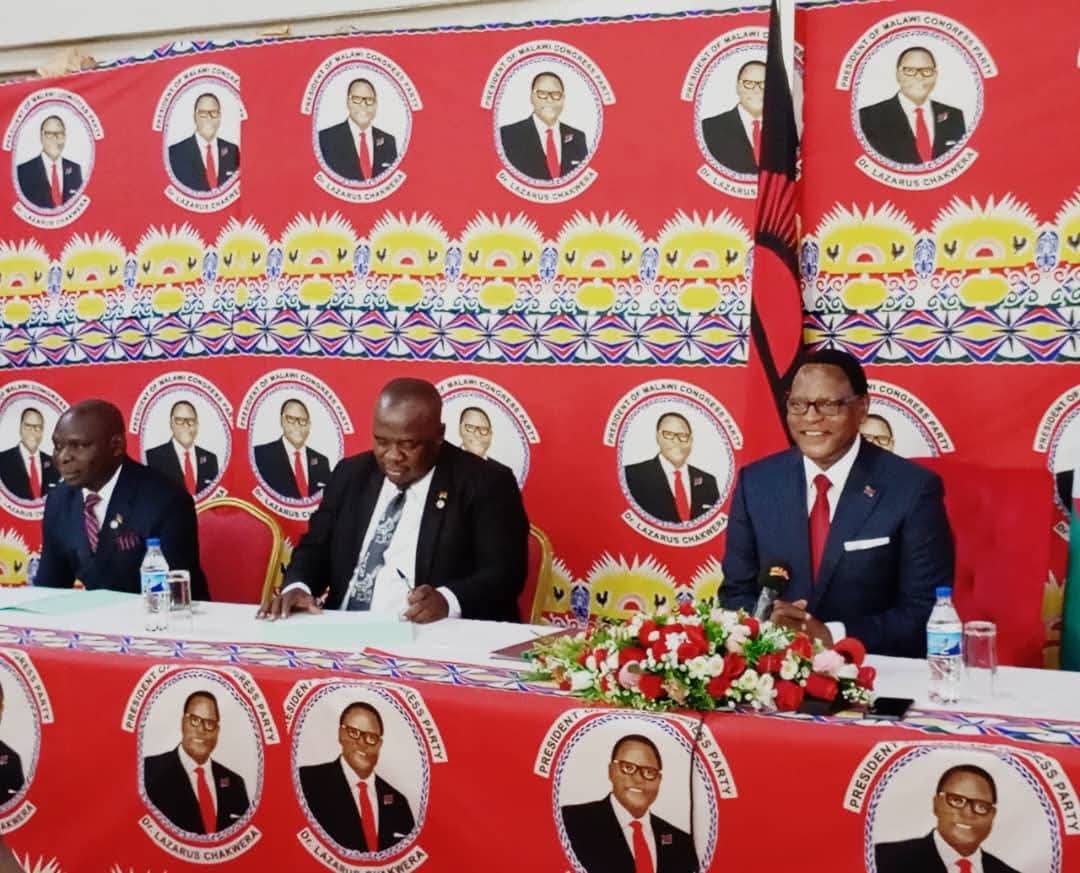
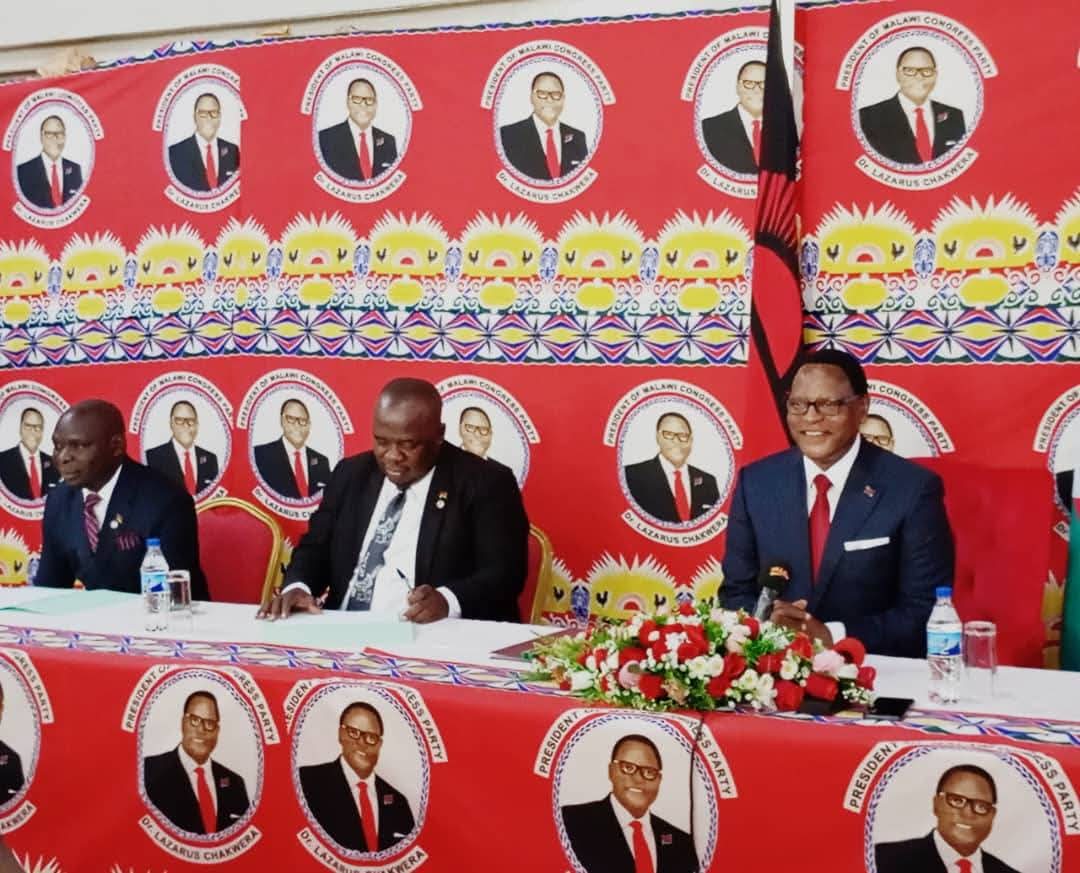
When Malawi Congress Party (MCP) president Lazarus Chakwera addressed the nation in Lilongwe, what stood out most was his unwavering faith in God despite the party’s loss in the September 16, 2025 Presidential Election.

His message carried a tone of resilience and spiritual conviction, suggesting that defeat had not diminished his sense of purpose or calling.

Chakwera’s posture reflected the mindset of a leader who sees political setbacks not as endings but as moments of reflection and recalibration.

By grounding his message in faith, he reminded Malawians that leadership is not only about winning elections but also about maintaining moral clarity in difficult moments.

His remarks also hinted at a deliberate effort to steady the MCP during a period of uncertainty, projecting stability to supporters who may still be grappling with the election outcome.

Chakwera’s confidence in divine guidance suggested that he views MCP’s current challenges as temporary hurdles rather than permanent barriers.

This spiritual framing could help calm internal tensions within the party, particularly among factions that may be questioning the party’s direction post-election.

It also positioned Chakwera as a leader prepared to continue shaping Malawi’s political landscape, regardless of his position outside government.

In a country where faith strongly influences public perception, Chakwera’s message is likely to resonate widely among citizens who value humility and steadfastness in leadership.

His comments ultimately conveyed the image of a man unwilling to let political defeat define his legacy, choosing instead to reaffirm the values he believes will anchor both the party and the nation moving forward.

For many Malawians, this statement may serve as a reminder that leadership grounded in faith can be a source of national unity in times of political transition.


Discover more from The Maravi Post

Subscribe to get the latest posts sent to your email.

The Maravi Post

Chakwera’s press briefing falls short of national expectations

BLANTYRE-(MaraviPost)-In a political landscape hungry for clarity and direction, former President Lazarus Chakwera’s recent press briefing on Monday was anticipated as a pivotal moment for Malawi’s public discourse.

After months of silence following his electoral defeat, many citizens, stakeholders, and political analysts alike were eager to hear from him—not just as a former leader, but as a key figure in shaping Malawi’s future trajectory amidst pressing national concerns.

Instead, what unfolded was a brief announcement about his acceptance of a Commonwealth assignment to Tanzania, leaving the nation grappling with disappointment, unanswered questions, and a sense of missed opportunity.

The timing and content of the press briefing have sparked widespread condemnation and intense debate across social, political, and media circles.

For a man who once commanded the highest office in Malawi and enjoyed the trust of millions who voted for him, one would expect a more comprehensive engagement with the public. Yet, Chakwera chose to dedicate this rare public appearance to inform the nation of his new role abroad, without addressing the urgent domestic issues that many feel demand his insight and leadership.

The Commonwealth assignment to Tanzania, aimed at supporting peace and stability efforts, is undoubtedly important.

It reflects the recognition of Chakwera’s stature on the international stage and his potential to contribute to regional peacebuilding initiatives.

However, the manner in which this announcement was delivered—through what many perceive as an overhyped press briefing rather than a simple press release—raises questions about the strategic counsel surrounding the former president. Was this briefing genuinely necessary? Or was it a misstep that squandered a crucial platform to reconnect with a nation still grappling with unresolved challenges?

Critics argue that Chakwera’s advisors failed him and, by extension, the Malawian public. Calling a press briefing implies a substantive engagement, a sharing of significant news or perspectives that warrant public attention and dialogue.

The expectation was not simply to hear about a foreign assignment, but to gain insight into Chakwera’s reflections on his political journey since the elections, his views on national reconciliation, and his stance on ongoing issues such as the tragic Chikangawa plane crash proposed fresh commission of inquiry.

This disaster, which claimed numerous lives, has generated calls for a fresh commission of inquiry, underscoring a broader demand for accountability and transparency from all leaders, including former presidents.

Instead, Chakwera’s silence on these critical matters has left many feeling abandoned at a time when the country yearns for unity and leadership beyond electoral politics. The public’s hunger for answers and direction was palpable.

They wanted to hear whether Chakwera would support efforts to heal the nation, contribute to meaningful dialogue on governance and justice, or outline his future plans within Malawi’s political or civic arena. Instead, the briefing offered a narrow focus, confined to his personal career move, without acknowledging the broader national mood or the responsibility that comes with his past role.

This episode also highlights a deeper issue about political communication and leadership accountability in Malawi.

Public figures, especially those who have held the highest offices, carry a responsibility that transcends personal ambitions. Their words and actions can either foster hope or deepen disillusionment.

By failing to seize this moment to speak candidly and comprehensively, Chakwera inadvertently fueled skepticism about his commitment to national interests and raised doubts about the quality of advice he receives.

There is also a broader lesson to be learned about managing public expectations.

A press briefing is not merely a formality; it is a platform that can shape narratives, build trust, and influence public sentiment.

When used effectively, it can unify a nation and inspire collective action. When squandered, as in this case, it risks alienating the very people who once placed their faith in a leader.

Many observers have suggested that if the sole purpose was to announce an international assignment, a straightforward press release or a smaller media statement would have sufficed, preserving the gravitas of a formal briefing for more substantive engagements.

Moreover, the timing of this announcement—coming at a moment when the nation is grappling with sensitive issues—raises questions about priorities.

Malawi is at a crossroads, facing challenges that require dialogue, healing, and visionary leadership. The Chikangawa tragedy alone demands attention from all leaders, including former presidents, to restore public confidence in governance and safety.

By sidestepping these issues, Chakwera missed an opportunity to demonstrate empathy, responsibility, and continued engagement with the country’s well-being.

In essence, this press briefing was a test of leadership beyond office, a chance for Chakwera to redefine his role as a statesman and elder figure in Malawi’s political landscape.

Unfortunately, the narrowness of the message and the absence of engagement on critical issues have left many feeling that he has retreated from public life rather than embraced it in a new, more mature capacity.

The silence on pressing national matters after such a long absence from the public eye felt like a void where leadership should have been.

Looking forward, the expectations for former President Chakwera remain high.

Malawi, like many nations, benefits from the active participation of experienced leaders who can offer wisdom, bridge divides, and champion causes that transcend partisan politics.

If Chakwera is to maintain relevance and respect, he must consider how best to communicate with his countrymen in ways that acknowledge their concerns and aspirations.

Future engagements should demonstrate openness, accountability, and a willingness to contribute constructively to national discourse.

For now, the legacy of this press briefing is one of missed potential and public frustration.

It serves as a reminder that leadership is not just about titles or assignments abroad but about meaningful connection and service to one’s people at home.

Chakwera’s journey post-presidency is still unfolding, and whether he chooses to respond to this moment with renewed commitment to Malawi’s pressing issues remains to be seen.

But the nation watches, hopeful that the next time he steps into the public eye, it will be with a message that truly matters and a vision that inspires.

The former president’s decision to call a press briefing only to announce his foreign assignment, while omitting commentary on pressing national issues, reflects poorly on his leadership and advisory team. It was a missed opportunity to re-engage with a nation eager for direction and reassurance.

Malawi deserves better from its leaders, past and present, and should expect them to rise to the occasion when history calls.


Discover more from The Maravi Post

Subscribe to get the latest posts sent to your email.

The Maravi Post

Speak up like a brave person: Reflections on “CHIGOBA” Bakili Muluzi TV

In today’s digital age, personalities like Bakili Muluzi TV (BMTV)-which has been operating undercover) have become household names, particularly among Malawians who follow online platforms for news, commentary, and public discourse. With a style that is both bold and unfiltered, Muluzi has captured the attention — and sometimes the ire — of audiences across the country.

Sylvester Kalizang’oma recently weighed in on Muluzi’s approach, urging people to “speak up like a brave person.”

Indeed, watching Bakili Muluzi TV, it is easy to see why such advice resonates. His on-screen presence is audacious, direct, and unapologetic — qualities that often make viewers either cheer or cringe.

Kalizang’oma notes that some may be tempted to label Muluzi as reckless, brash, or even arrogant.

Yet, as Muluzi himself has implied with the phrase “akulu akulu” — referring to leaders or people in authority — his approach is purposeful. Even if his style causes temporary discomfort, it often challenges those in power to reflect and, in some cases, respond.

This tension between audacity and responsibility is what makes Muluzi’s platform so compelling. In a media landscape where cautious reporting is the norm, he chooses to push boundaries.

His commentary is bold, but it is also rooted in a desire to hold leaders accountable and provoke public discussion.

Of course, the very qualities that make him popular also invite criticism. Some accuse him of sensationalism, while others suggest his unfiltered commentary risks misunderstanding or conflict.

But in an era where ordinary citizens struggle to have their voices heard, figures like Bakili Muluzi TV remind us of the value of fearless communication.

Kalizang’oma’s advice — to speak boldly yet responsibly — applies not only to media personalities but to all citizens who wish to engage with governance, policy, or public debate.

Muluzi’s work demonstrates that speaking out, even when it ruffles feathers, can serve a greater purpose: holding leaders accountable and encouraging open discourse.

In the end, Bakili Muluzi TV is more than just an online personality.

He symbolizes the power of audacity, the influence of digital media, and the role of fearless voices in shaping public dialogue.

As Kalizang’oma aptly puts it, if we are to speak out, we must do so like brave individuals — unafraid, thoughtful, and ready to stand by our words.


Discover more from The Maravi Post

Subscribe to get the latest posts sent to your email.

The Maravi Post