The Dakar Declaration – Pan-African cooperation & global solidarity

In the spirit of the Arusha Declaration and the Porto Alegre Declaration we have come together in Dakar from all corners of the world to face a world in crisis under the theme of African Economic and Monetary Sovereignty.

We are a group of scholars, policy-makers, and activists from Africa, Asia, Europe and North America, some of us economists, others political scientists, historians, sociologists and anthropologists. We address this declaration to African governments, African institutions and external actors and agencies that constrain Africa’s economic and monetary sovereignty.

Our existing international economic order is at the heart of the contemporary crises. The Global South suffers disproportionately from these multiple crises. Africa’s adverse incorporation into the capitalist order is the problem. We are integral to the system which could not thrive without our exploitation. We dissent from the dominant paradigm in economics which conceptualizes the economy in almost quasi-natural terms and describes a benign world devoid of unequal power relations.

Our global crises are multifaceted: climate breakdown, biodiversity depletion, pollution, speculative finance, war, and rampant inequalities. There is a general crisis of the neoliberal capitalist order with a turn to a resistant form of imperialism. Geopolitical turmoil is a dangerous symptom of both.

We do not accept this set of crises but confront and seek alternatives to it in solidarity with workers, the landless, peasants, women, climate activists and similar groups. For these reasons, we launch the Dakar Declaration with the aim of initiating lasting and trusting cooperation with initiatives and movements that share Share A unit of ownership interest in a corporation or financial asset, representing one part of the total capital stock. Its owner (a shareholder) is entitled to receive an equal distribution of any profits distributed (a dividend) and to attend shareholder meetings.
its spirit.

Ten strategic aims serve as our yardstick for action:

  1. Most of our governments will not implement the transformations we need. We need to become the masses that always push for more.
  2. Yet, we need strong states, democratic and responsible states. But even more than that, we need stronger peoples to defend those states and push them to always do more for the majority. African states can and should mobilize African labor and resources to meet Africa’s own needs, resuscitating the developmental ambitions of the early post- independence period.
  3. With a world breaking apart into more regional trade blocs, building regional alliances becomes necessary and possible. The reassertion of our economic and monetary sovereignty and the subjection of foreign interests to our internal needs and interests becomes easier. This growth in policy sovereignty to structurally transform our economies and societies can enable us to fundamentally tackle long standing issues of poverty, social development, and democratization.
  4. We must work to build a new multilateralism where global policy fora and institutions are inclusive, democratic, and reflective of the concerns of the Global South’s populations.
  5. Militarism and imperialism cannot continue to politically mould the world system. We defend a positive neutralism with respect to the historic colonial-imperial bloc, and non-cooperation with their interference in African affairs.
  6. Global inequalities arising from ecological breakdown and exposure to volatilities in finance and commodity prices put the Global South at a particular disadvantage which we need to overcome.
  7. Recurrent debt crises have to end. We need to develop a global approach to correct the harmful impact of excessive foreign currency debt — including that issued by the IMF IMF
    International Monetary Fund
    Along with the World Bank, the IMF was founded on the day the Bretton Woods Agreements were signed. Its first mission was to support the new system of standard exchange rates.

    When the Bretton Wood fixed rates system came to an end in 1971, the main function of the IMF became that of being both policeman and fireman for global capital: it acts as policeman when it enforces its Structural Adjustment Policies and as fireman when it steps in to help out governments in risk of defaulting on debt repayments.

    As for the World Bank, a weighted voting system operates: depending on the amount paid as contribution by each member state. 85% of the votes is required to modify the IMF Charter (which means that the USA with 17,68% % of the votes has a de facto veto on any change).

    The institution is dominated by five countries: the United States (16,74%), Japan (6,23%), Germany (5,81%), France (4,29%) and the UK (4,29%).
    The other 183 member countries are divided into groups led by one country. The most important one (6,57% of the votes) is led by Belgium. The least important group of countries (1,55% of the votes) is led by Gabon and brings together African countries.

    http://imf.org


    — and odious debts. Widespread, deep, and swift debt write-downs are essential. They must be focused on supporting economic transformation.

  8. We need to stop the ongoing theft of wealth, committed by transnational corporations (TNCs), which flows into the Global North when TNCs transfer their earnings in tax havens and then invest them in financial markets, all this clothed in the harmless language of “Foreign Direct Investment”. To that end, measures such as capital controls, restrictions on tax evasion and illicit financial flows and fair taxation of TNCs must be actively promoted and implemented.
  9. We have to tackle historically persistent inequalities rooted in the emergence and global expansion of the capitalist system. We also need a global reparations agenda to address in a fair manner the multifaceted ecological crisis. We must seek to elaborate this agenda technically, legitimize it, advocate it, defend it, and implement it. We support the efforts of our African American and Caribbean sisters and brothers in their specific labors for reparatory justice.
  10. We act, teach, research, and mobilize in our local and national contexts, regionally and transnationally. We do these with the aim of building a lasting movement and acquire real influence in our political processes.

We are calling for a Pan-African, South-South cooperation and global solidarity for our collective cause. We invite you all to our gatherings during which we share our experiences, evaluate our progress, and plan the next steps.

The time is now!

Signatories

Charles Abugre, Ghana

Broulaye Bagayoko, Mali

C.P. Chandrasekhar, India

Demba Moussa Dembélé, Senegal

Daniela Gabor, Romania/United Kingdom

Eric Toussaint, Belgium

Nancy Kachingwe, Malawi/Zimbabwe

Jomo Kwame Sundaram, Malaysia

Ismaïla Malick Sy, Senegal

Ndongo Samba Sylla, Senegal

Lisa Tilley, United Kingdom

Souad Aden-Osman, Ethiopia

Max Ajl, Tunisia/USA

Alexandre Abreu, Portugal

Asghar Adelzadeh, South Africa/USA

Dereje Alemayehu, Ethiopia/Germany

Ikal Angelei, Kenya

Hanene Bergaoui, Tunisia/Germany

Horman Chitonge, South Africa

Carla Coburger, Germany

Caroline Cornier, Germany/France

Ndeye Fadiaw Diagne, Senegal

Dialo Diop, Senegal

Henriette Faye, Senegal

Andrew Fischer, Netherlands

Maha Ben Gadha, Tunisia

Hamza Hamouchene, Algeria/United Kingdom

Jason Hickel, United Kingdom

Nimi Hoffmann, United Kingdom/South Africa

Tetteh Hormeku, Ghana

Florian Horn, Germany/Belgium

Peter James Hudson, USA

Fadhel Kaboub, Tunisia/USA

Mary Karimu, Ghana

Rasmane Kientega, Burkina Faso

Ingrid Kvangraven, Norway/United Kingdom

Kai Koddenbrock, Germany

Imen Louati, Tunisia

Jamee Moudud, USA

Godwin Murunga, Kenya/Senegal

Fathimath Musthaq, Maldives/USA

Alvin Mosioma, Kenya

Kaba Nabe, Guinea

Redge Nkosi, South Africa

Jane Obuchi, Kenya

Franklin Obeng-Odoom, Ghana/Finland

Adebayo Olukoshi, Nigeria/South Africa

Keston Perry, Trinidad and Tobago/USA

Lebohang Liepollo Pheko, South Africa

Stefano Prato, Italy

Matthew Robinson, USA

Chafik Ben Rouine, Tunisia

Arif Rüzgar, Germany/Belgium

Ebrima Sall, Senegal

Matthias Schmelzer, Germany

Jean-Michel Servet, France

Howard Stein, USA

Crystal Simeoni, Kenya

Fiona Tregenna, South Africa

Dzodzi Tsikata, Ghana/United Kingdom

Source

The Atlantic: Some Republicans ‘can’t wait’ for Trump to die

IE 11 is not supported. For an optimal experience visit our site on another browser.

  • TN State Sen.: Police unit behind Tyre Nichols’ death lacked oversight

    05:59

  • AZ Secy. of State decries MAGA election lies as ‘terrorism’

    05:36

  • Now Playing

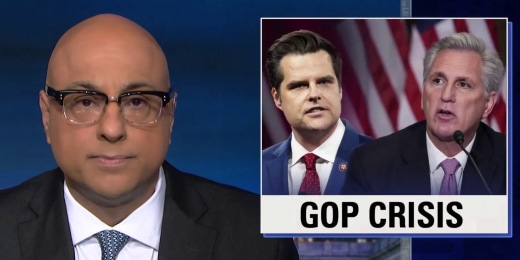
    The Atlantic: Some Republicans ‘can’t wait’ for Trump to die

    04:50

  • UP NEXT

    Fmr. NYPD Det.: Tyre Nichols’ video is ‘toxic police culture manifest’

    08:18

  • Keith Ellison: Prosecutors have a real shot at justice for Tyre Nichols

    07:05

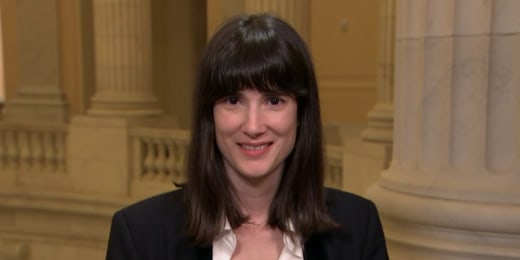
  • Mom, mechanic, & Democrat ‘thrilled’ with new roles in the U.S House

    03:37

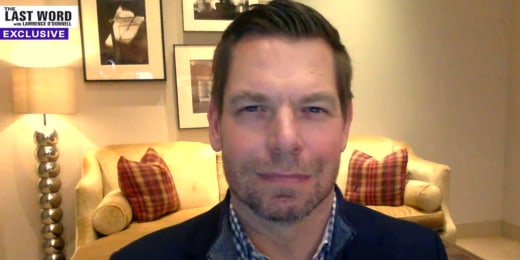
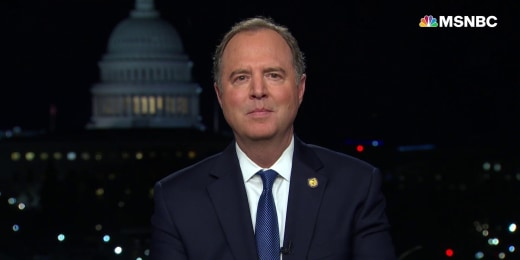
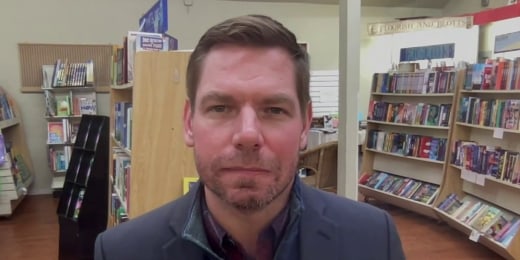
  • Exclusive: Rep. Adam Schiff explains why he is running for U.S. Senate

    06:10

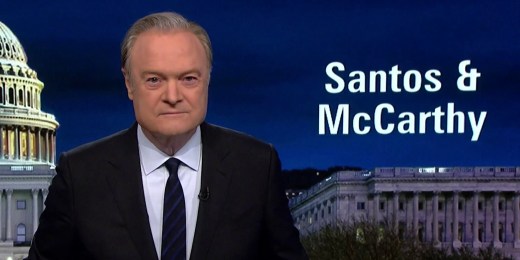
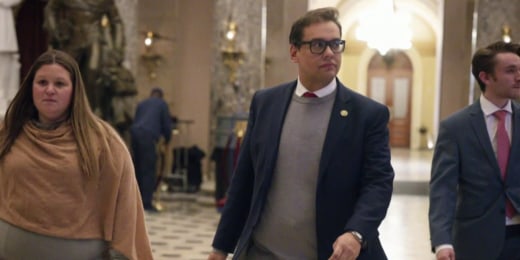
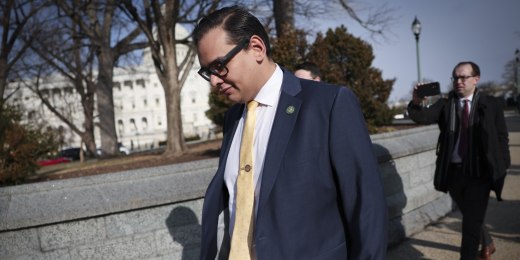
  • Lawrence: George Santos is a ‘perfect monument’ to House GOP lies

    09:55

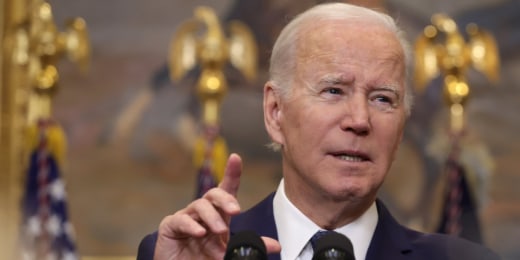
  • Biden on sending tanks to Ukraine: We want an end to this war

    06:54

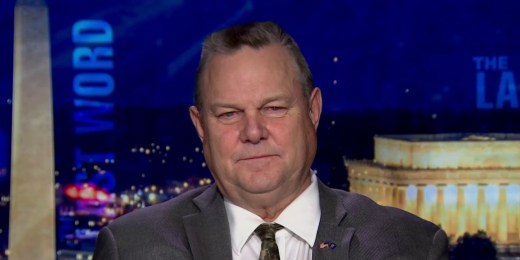
  • Sen. Tester: ‘Over my dead body’ will Republicans pass 30% sales tax bill

    08:57

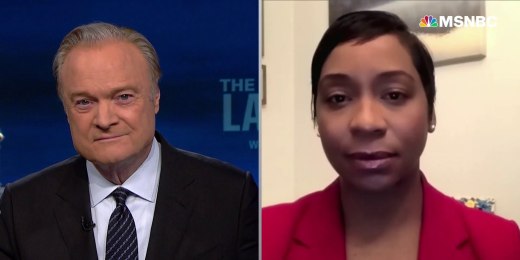
  • Lawrence on why Andrea Joy Campbell is a ‘miracle’

    11:33

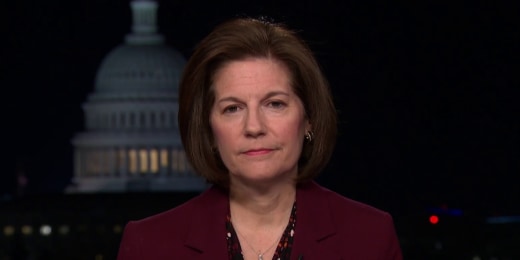
  • Sen. Cortez Masto: Democrats are key to stopping ‘extremist’ abortion bans

    05:08

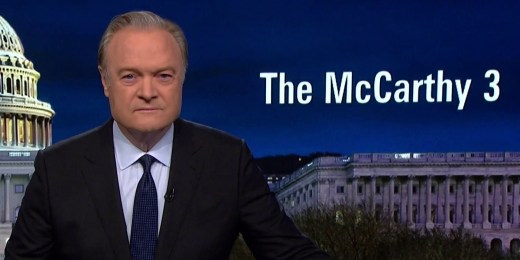
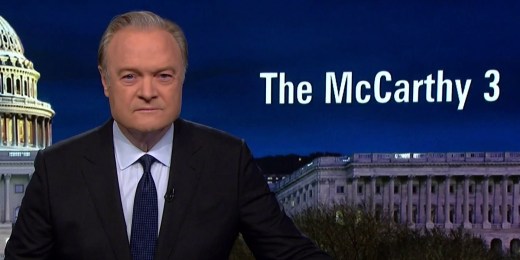
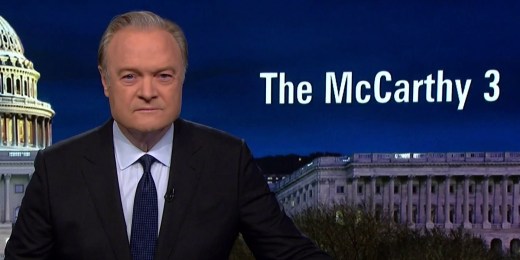
  • Lawrence on McCarthy: No speaker has ever reached so low for so little

    07:30

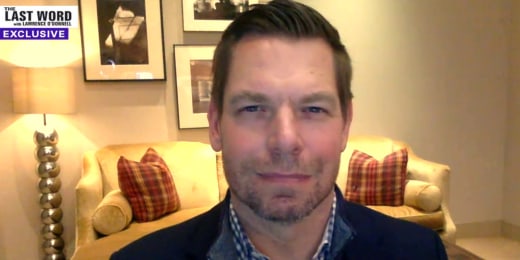
  • Rep. Swalwell: McCarthy is abusing his power ‘to exact political vengeance’

    07:54

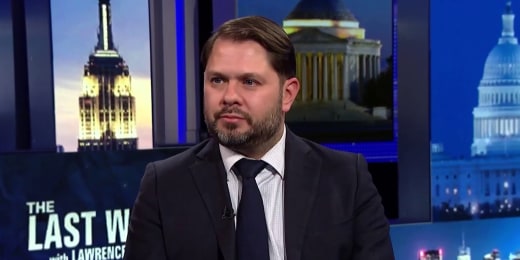
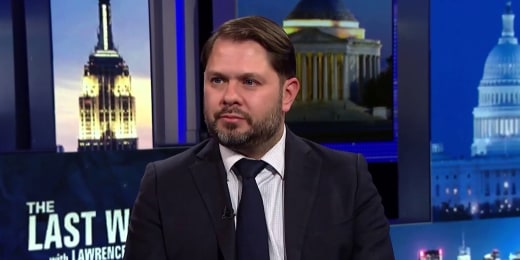
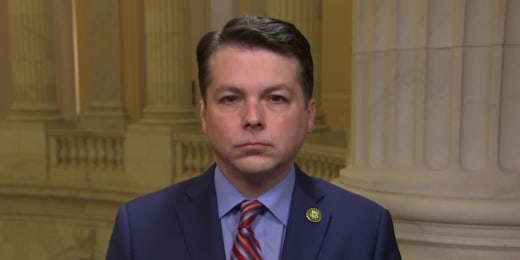
  • Exclusive: Rep. Ruben Gallego on why he’s challenging Sen. Kyrsten Sinema

    04:17

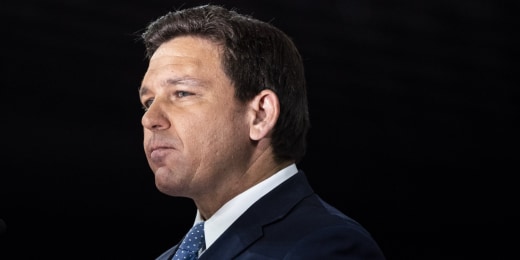
  • ‘Shocked & disappointed’: Ron DeSantis blocks African American studies course

    04:57

  • Sen. Smith: Overturning Roe v. Wade was just ‘the beginning’ for GOP

    04:53

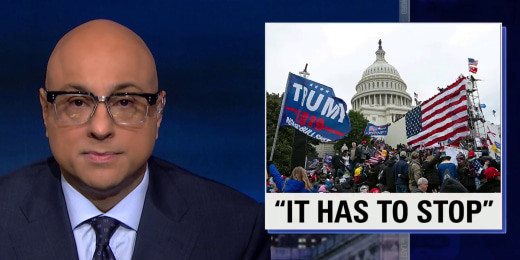
  • Velshi: Trump’s diminished status in GOP could make him a greater threat to democracy

    07:51

  • Lawrence on SCOTUS leak report: What about Ginni Thomas?

    09:11

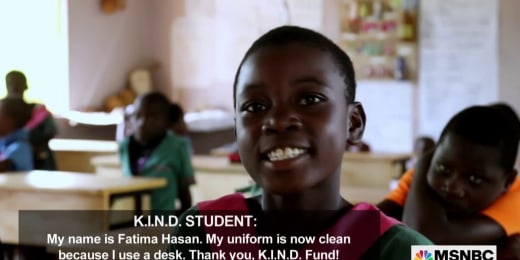
  • Joyce Chisale: Students of Malawi ‘still moving’ to reach their dreams

    08:26

04:50

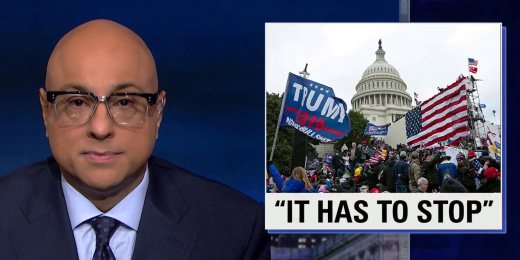
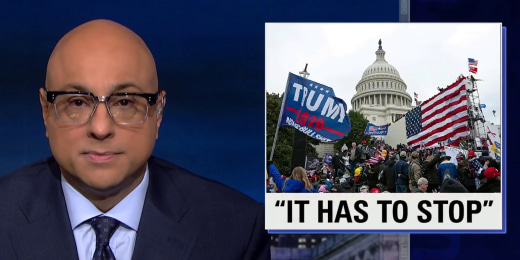
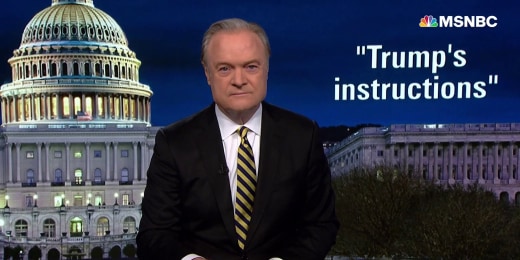
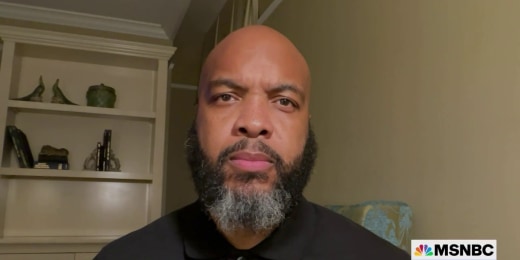
Staff Writer for The Atlantic, McKay Coppins, joins MSNBC’s Ali Velshi to discuss his reporting that finds many in the GOP want Trump out of the way before 2024 and are secretly hoping his health or an indictment will solve their problem.

Source

Exclusive: Rep. Adam Schiff explains why he is running for U.S. Senate

IE 11 is not supported. For an optimal experience visit our site on another browser.

  • Mom, mechanic, & Democrat ‘thrilled’ with new roles in the U.S House

    03:37

  • Now Playing

    Exclusive: Rep. Adam Schiff explains why he is running for U.S. Senate

    06:05

  • UP NEXT

    Lawrence: George Santos is a ‘perfect monument’ to House GOP lies

    09:55

  • Biden on sending tanks to Ukraine: We want an end to this war

    06:54

  • Sen. Tester: ‘Over my dead body’ will Republicans pass 30% sales tax bill

    08:57

  • Lawrence on why Andrea Joy Campbell is a ‘miracle’

    11:33

  • Sen. Cortez Masto: Democrats are key to stopping ‘extremist’ abortion bans

    05:08

  • Lawrence on McCarthy: No speaker has ever reached so low for so little

    07:30

  • Rep. Swalwell: McCarthy is abusing his power ‘to exact political vengeance’

    07:49

  • Exclusive: Rep. Ruben Gallego on why he’s challenging Sen. Kyrsten Sinema

    04:17

  • ‘Shocked & disappointed’: Ron DeSantis blocks African American studies course

    04:56

  • Sen. Smith: Overturning Roe v. Wade was just ‘the beginning’ for GOP

    04:53

  • Velshi: Trump’s diminished status in GOP could make him a greater threat to democracy

    07:45

  • Lawrence on SCOTUS leak report: What about Ginni Thomas?

    09:11

  • Joyce Chisale: Students of Malawi ‘still moving’ to reach their dreams

    08:21

  • Tribe: What matters is SCOTUS abortion decision, not the leak

    03:30

  • Lawrence: Insurrectionists are in charge of the House of Representatives

    13:26

  • K.I.N.D. students say ‘zikomo!’

    03:26

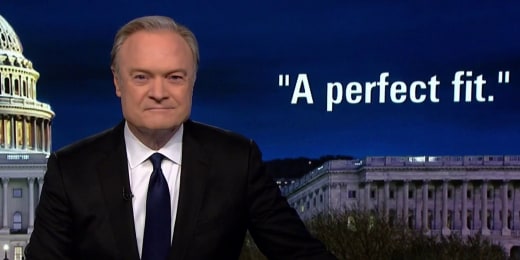
  • Lawrence: Why Santos is ‘a perfect fit’ for Speaker McCarthy’s House

    05:28

  • George Santos’s multiple aliases ‘fit with mystery surrounding his background’

    02:39

06:05

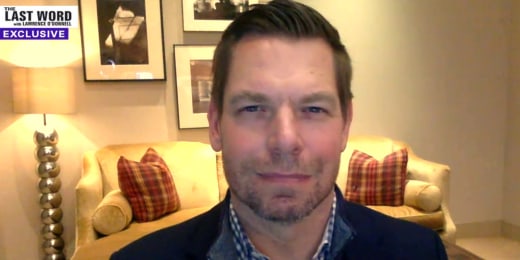
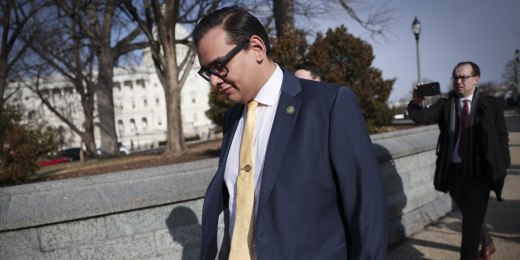
Rep. Adam Schiff (D-CA) joins MSNBC’s Lawrence O’Donnell for an exclusive interview after announcing his run for U.S. Senate in 2024, saying “democracy remains deeply at risk” from GOP extremists.
Source

Exclusive: Rep. Ruben Gallego on why he’s challenging Sen. Kyrsten Sinema

IE 11 is not supported. For an optimal experience visit our site on another browser.

  • Lawrence on McCarthy: No speaker has ever reached so low for so little

    07:30

  • Rep. Swalwell: McCarthy is abusing his power ‘to exact political vengeance’

    07:49

  • Now Playing

    Exclusive: Rep. Ruben Gallego on why he’s challenging Sen. Kyrsten Sinema

    04:17

  • UP NEXT

    ‘Shocked & disappointed’: Ron DeSantis blocks African American studies course

    04:56

  • Sen. Smith: Overturning Roe v. Wade was just ‘the beginning’ for GOP

    04:53

  • Velshi: Trump’s diminished status in GOP could make him a greater threat to democracy
    07:45

  • Lawrence on SCOTUS leak report: What about Ginni Thomas?

    09:11

  • Joyce Chisale: Students of Malawi ‘still moving’ to reach their dreams

    08:21

  • Tribe: What matters is SCOTUS abortion decision, not the leak

    03:30

  • Lawrence: Insurrectionists are in charge of the House of Representatives

    13:26

  • K.I.N.D. students say ‘zikomo!’

    03:26

  • Lawrence: Why Santos is ‘a perfect fit’ for Speaker McCarthy’s House

    05:28

  • George Santos’s multiple aliases ‘fit with mystery surrounding his background’

    02:39

  • GA Dem. Party Chair: ‘I am the beneficiary’ of MLK’s legacy

    02:39

  • Trymaine Lee Previews MSNBC Town Hall on Racial Healing

    03:55

  • George Santos’s old roommates say he stole shirts, checks & a designer scarf

    05:33

  • McQuade: Trump deposition suggest he’s worried about more accusations

    02:37

  • Ali Velshi: Republicans are taking the debt ceiling hostage

    08:15

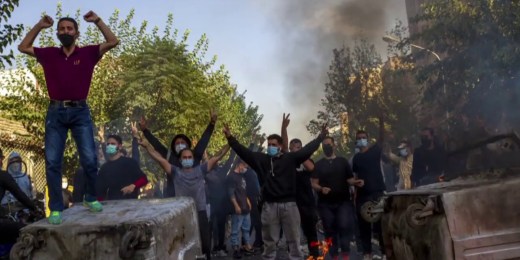
  • ‘This is just the beginning’: Activist says Iran protests are now a revolution

    07:06

  • Rep. Swalwell torches Speaker McCarthy’s corrupt bargain with George Santos

    02:54

04:17

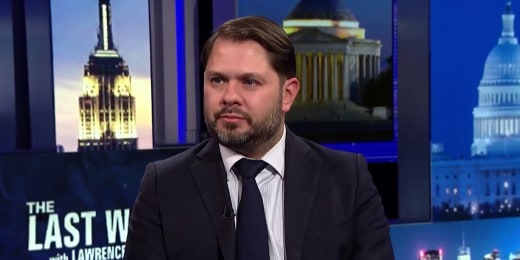
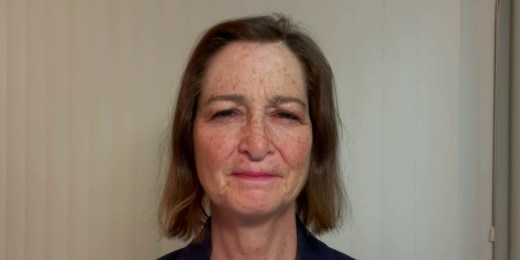
Congressman Ruben Gallego of Arizona joins MSNBC’s Lawrence O’ Donnell in his first nationally televised interview since announcing his run for Arizona Senate in 2024. Rep. Gallego is the first Democrat to challenge Sen. Sinema, who he says “abandoned” working class families in Arizona.

Source

Velshi: Trump’s diminished status in GOP could make him a greater threat to democracy

IE 11 is not supported. For an optimal experience visit our site on another browser.

  • ‘Shocked & disappointed’: Ron DeSantis blocks African American studies course

    04:56

  • Sen. Smith: Overturning Roe v. Wade was just ‘the beginning’ for GOP

    04:53

  • Now Playing

    Velshi: Trump’s diminished status in GOP could make him a greater threat to democracy

    07:45

  • UP NEXT

    Lawrence on SCOTUS leak report: What about Ginni Thomas?

    09:11

  • Joyce Chisale: Students of Malawi ‘still moving’ to reach their dreams

    08:21

  • Tribe: What matters is SCOTUS abortion decision, not the leak

    03:30

  • Lawrence: Insurrectionists are in charge of the House of Representatives

    13:26

  • K.I.N.D. students say ‘zikomo!’

    03:26

  • Lawrence: Why Santos is ‘a perfect fit’ for Speaker McCarthy’s House

    05:28

  • George Santos’s multiple aliases ‘fit with mystery surrounding his background’

    02:39

  • GA Dem. Party Chair: ‘I am the beneficiary’ of MLK’s legacy

    02:39

  • Trymaine Lee Previews MSNBC Town Hall on Racial Healing

    03:55

  • George Santos’s old roommates say he stole shirts, checks & a designer scarf

    05:33

  • McQuade: Trump deposition suggest he’s worried about more accusations

    02:37

  • Ali Velshi: Republicans are taking the debt ceiling hostage

    08:15

  • ‘This is just the beginning’: Activist says Iran protests are now a revolution

    07:06

  • Rep. Swalwell torches Speaker McCarthy’s corrupt bargain with George Santos

    02:54

  • Lawrence on Trump’s ‘blaring pathological lies’ about docs probe

    09:25

  • How House Democrats could avert GOP debt ceiling disaster

    04:14

  • Rep. Schiff: McCarthy sees intel. committee ‘as his political plaything’

    02:47

07:45

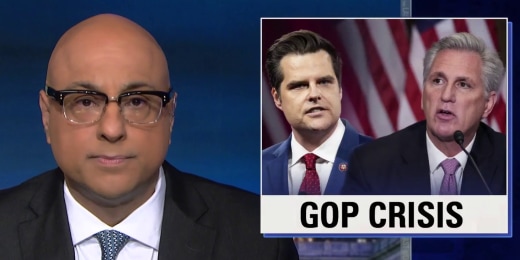
MSNBC’s Ali Velshi discusses how the waning influence and legal peril former president Donald Trump is facing could make him even more extreme in his efforts to capture attention and voters’ support.

Source

John Chilembwe: a new statue celebrates Malawi Pan-Africanist the world forgot

Samson Kambalu is a Malawian conceptual artist, writer and academic, whose sculpture Antelope was installed on the Fourth Plinth in Trafalgar Square in London in September 2022. The Fourth Plinth was originally designed for a large scale equestrian statue of a British monarch but is now reserved for a contemporary sculpture, chosen every two years. This is is the most significant public sculpture award in the UK. Antelope is a bronze sculpture depicting two figures: John Chilembwe, a Baptist preacher and Pan-Africanist who in 1915 led the first uprising against the British occupation and colonial rule of Malawi (then Nyasaland), and his friend, a British missionary named John Chorley. Its sheer scale and subject matter provide a powerful counterpoint to the imperial iconography of Trafalgar Square. Historian Susan Williams discusses the work with Kambalu.

How did you arrive at the choice of Chilembwe?

Chilembwe’s photograph from 1914 chose me. When I moved to Oxford to pick up a professorship at Ruskin School of Art, the first thing I did was to visit Weston Library, where British colonial bureaucrats deposited documentation of their lives in the colonies. The Malawi-related archives produced the mysterious photograph of Reverend John Chilembwe, of Providence Industrial Mission, wearing a white hat, standing next to a white man, John Chorley, of Zambezi Industrial Mission.

I had wondered why Reverend Chilembwe drew attention to his hat. He is wearing it sideways for effect. It turns out that Africans were forbidden to wear hats in the presence of white people during colonial times, and Chilembwe had created this photograph at the opening of his church as an act of defiance, with support from his friend. Africans were also forbidden to run a mission. Chilembwe would be killed months later, in an uprising against colonial injustices.

When the London Mayor’s office got in touch asking me to propose for the Fourth Plinth, I had the photograph as wallpaper on my phone. I immediately decided that I would propose a work based on the photograph. For me, it is his killing by colonial police months later that dictated the final look of the sculpture. Chilembwe looms over his white friend like a ghost.

Why is it called Antelope?

Chilembwe’s name means “antelope”. It alludes not only to the animal, but also to the Chewa principal mask, Kasiya Maliro, a womb disguised as an antelope. For the Chewa people of Malawi, it’s a symbol of radical generosity. Chilembwe’s photograph very much recalls aspects of Nyau masking, a Chewa secret society marked by prodigious gift giving through play, the Gule Wamkulu. Often transgressive, their purpose is to speak truth to power. Chilembwe hangs on to his African heritage even as he steps forward as a modern Malawian.

Malawi society, where I’m from, is heavily inspired by masking, and Nyau masking is all about critical thinking. When the masks come out from their secretive workshops (or dambwes) in the ancestral graveyards, received knowledge is questioned in unorthodox performances and prodigious gifts, opening up new ways of looking at the world.

Antelope shares Trafalgar Square with other statues which celebrate Britain’s imperial and military conquests, such as Nelson’s Column. The iconography of Antelope might be anti-imperialist, but it is also very much a piece of British history.

What remains of Chilembwe’s memory?

Chilembwe features on Malawi’s banknotes and he is remembered in a public holiday every year on 15 January – Chilembwe Day. But as I grew up in Malawi, the then President for Life, Hastings Kamuzu Banda, rendered Chilembwe as a peripheral figure in the fight for Malawi’s independence.

A revisiting of Chilembwe during the research for this sculpture revealed to me a man who was much more critical to the birth of Malawi as a nation. He was the first Malawian to resist colonial rule beyond tribal lines.

Why does this work of art matter today?

The statue will remain on the Fourth Plinth for two years. After that I think it would look good at the Smithsonian National Museum of African American History and Culture in Washington DC. Chilembwe was sponsored by many black churches in America, and taking this sculpture to America after its stay on Trafalgar Square would be Chilembwe returning the gift of liberty, freedom, to the American people. I’d like a copy too in Malawi, and another copy in Britain, and in Europe.

Chilembwe, who trained as a Baptist minister in the US before returning to Nyasaland in 1901, is believed to have influenced Pan-Africanists such as Marcus Garvey. But whereas they are widely known, Chilembwe has remained an obscure figure outside Malawi. I think Antelope will change this.

I hope we can now begin to detail the African colonial experience beyond generalisations of African or black.

Source