The Chinese government is working to prevent continued diplomatic fallout and protect its image in Africa after racist videos of African children made by a Chinese man living in Malawi surfaced this week.
The BBC’s investigative report into the videos found a man named Lu Ke who allegedly filmed African children unknowingly saying offensive things in Mandarin such as “I’m a black monster and I have a low IQ.” The videos were then sold on a Chinese website, according to the BBC.
The news sparked outrage in Malawi, with netizens expressing their fury on Twitter and Foreign Minister Nancy Tembo saying the country felt “disgusted, disrespected and deeply pained.”
After the Chinese Embassy in Malawi was initially criticized for its tepid response to the scandal, dismissing the videos as old news because they were filmed in 2020, they released a new, stronger statement on Thursday.
The embassy said, “The Chinese community in Malawi has voiced their condemnation to racism in strong words,” adding that “the isolated case by a fool individual does not change the whole picture.”
China’s top diplomat in the region, Wu Peng, has also been engaging in damage control. He went to Malawi on Tuesday, where he met government officials, tweeting, “Nice to feel in person the Warm Heart of Africa. Malawi is a beautiful country with lovely people.”
Wu Peng also tweeted, “I just reached an agreement with Malawian FM that both #China&#Malawi have zero tolerance for racism. China has been cracking down on these unlawful acts in the past yrs. We’ll continue to crack down on such racial discrimination videos in the future.”
The day after his visit, Malawi’s Ministry for Foreign Affairs tweeted about a new Chinese scholarship opportunity for Malawians to study in China for a master’s degree, which some skeptics online saw as another way for Beijing to mitigate the fallout from the scandal.
Many Malawians are unconvinced by China’s apologies. The online news publication Malawi 24 reported that a Malawi-based group, the Centre for Democracy and Economic Development Initiatives, has called on the police to trace all Chinese nationals in the country and find out whether they’re there illegally or misrepresenting their reasons for being in the country.
Ralph Mathekga, a South African political analyst, told VOA that China has a history of racism toward Africans, yet governments on the continent were often loath to raise such issues because of Beijing’s economic clout.
“The video is not too surprising. … I think China is never brought to account in human rights and race relations in the country’s relationship with Africa,” he said.
But Cobus van Staden from the South African Institute of International Affairs said the videos could still be damaging.
“These kinds of depictions of Africans have a long, bad historical precedence. … I think it could be harmful for China’s image on the continent,” van Staden told VOA.
In Washington, Marco Rubio, a Republican senator from Florida and one of the most vocal China critics in Congress, tweeted about the BBC documentary, saying it was “disgusting and inhumane” and directly blaming the Communist Party of China.
In recent years, one of Beijing’s key talking points has been racism in the United States. Chinese officials and state media regularly focus on high-profile cases of police killings of African Americans like George Floyd to accuse the U.S. of racism and human rights abuses.
Nigeria’s health sector is one that has suffered all forms of neglect as other key sectors, such as education. At almost 62 years (by October 1), and blessed with enough resources, both human and capital, the country, by all standards, should have been more developed to the point of contending for a World Power status. But this is obviously not the case. Historically, though, Nigeria has undergone various forms of development: from the days of colonial rule, through self rule characterised by years of military dictatorship with intermittent civilian rule, to the present day democracy, the country could easily be said to have seen the good, bad, and ugly of its existence as a country. Unfortunately, however, this has not reflected in what the country has become today by global consideration, compared to even some countries that have far less resources to boast of, and hence considered poorer. Consequently, its history, particularly the nasty side, keeps repeating itself, and this manifests in virtually all sectors of the country’s being, one of which is the Health Sector. Like all sectors of Nigeria’s economy, the health sector has not been given the attention it deserves, resulting in not just those who have the wherewithal to seek effective and reliable health care outside the shores of the land, but also brain drain of the country’s finest health care providers to other countries. Nigeria, no doubt, currently faces tremendous health challenges. Experts have at various points sought to identify these challenges from different perspectives. In spite of the diverse reasons they arrived at, all are agreed on three: Corruption, Lack of proper funding, and Bad (or poor) management of resources. Available statistics on Nigeria’s health sector paint a grim picture: an average of 20,000 Nigerians travel to India each year for medical assistance due to the absence of a solid healthcare system at home; and Nigeria is responsible for a high amount of under-five child death. In a recent report, the United Nations Children Education Fund (UNICEF) said “preventable or treatable infectious diseases such as malaria, pneumonia, diarrhea, measles and HIV/AIDS account for more than 70per centof an estimated one million under-five deaths in Nigeria”. The World Health Organisation (WHO) also stated in another report that nearly ten percent of newborn deaths in the world last year occurred in Nigeria, and that five countries accounted for half of all newborn deaths, with Nigeria third on the list. These countries are India (24 per cent), Pakistan (10per cent), Nigeria (9per cent), the Democratic Republic of the Congo (4per cent) and Ethiopia (3per cent). Most newborn deaths occurred in two regions: Southern Asia (39per cent) and sub-Saharan Africa (38per cent). Although some other studies, like the Global Burden of disease, show steady improvements in child survival rates, the persistent rate of avoidable deaths in Nigeria truly calls for concern. The question that readily comes to mind is why Nigeria’s health sector is in such precarious state, given its human and capital resources, which are globally acclaimed as the best? Is it the result of lack of personnel? This is not likely, considering that about 77per cent of African American doctors in the United States (US) are Nigerians. In fact, Nigerians have achieved notable feats in American medicine to the point that there is now a popular joke that if all Nigerians withdrew their services from the health sector in the US, the sector would collapse. In this wise, the story of the Nigerian Doctor, Oluyinka Olutoye, based in Houston, is still very fresh: he made history not long ago by bringing out a foetus from a mother’s womb, removed a tumour, and then successfully restored the unborn baby in the womb. there is hardly any top medical institution in the US or Europe where you will not find Nigerians managing at the top echelon. Universities, both in Nigeria and abroad, annually churn out hundreds of qualified medical doctors that could compete favourably with their peers in the globe to a reasonable extent, even with the disadvantage of a beleaguered educational system suffering from the same plague as its health counterpart. This brings one to the issue of corruption in Nigeria’s health sector, which, not surprisingly, is only a manifestation of what all other sectors of the economy are and which ultimately points to the fact that those who are in governance have not deemed it necessary to improve the sector, knowing that they could afford the best treatment in the world. Government’s performance in the health sector in terms of creating the enabling environment for the development of the health sector, at best, has been abysmal. Investment in infrastructure has been poor and meager remuneration for health workers has resulted in a massive brain drain to the US and Europe, where they are highly taken care of. According to the President of the Medical and Dental Consultants Association of Nigeria (MDCAN), Dr Victor Makanjuola, more than 100 of its members left the country in the past 24 months. As at 2020, Nigeria had a doctor-patient ratio of 1:2,753, in sharp contrast to the World Health Organisation’s (WHO) minimum recommended ratio of 1:400 or 600. In his words, “the mass exodus of medical and dental consultants to more developed countries has brought significant disruptions to Nigeria’s health care ecosystem”. Meanwhile, the annual budget of the government for the health sector is 4.17per cent of the total national budget, which is the equivalent to only $5 per person per year. Hardly does a year pass without a major national strike by nurses, doctors, or health consultants. The major reasons for these strikes are poor salaries and lack of government investment in the health sector. Unfortunately, many Nigerians cannot afford services of private hospitals, because they are simply too expensive. Finance is obviously a major problem for patients. Consequently, it would not be out of place for one to think that management of the National Health Scheme (NHS) through the Health Maintenance Organisations (HMOs) would help people secure better quality health care. But, here, again, corruption has crushed this opportunity and made quality medical care inaccessible for people who contributed to the system, because they do not get the value of their contribution. In terms of funding, despite the myriads of healthcare issues experienced by Nigerians, the Federal Government has continued to pay lip service to funding the health sector. With each subsequent Minister of Health in Nigeria, the country’s return to democratic rule in 1999 assumes office with high hopes of transforming the health sector, majority of them left the position with little or no positive effect to the sector, and, by extension, not making any significant impact on the health of Nigerians. Some even left the sector worse off. This is partly due to their poor policy formulations, leadership styles, or insurmountable challenges they met on ground, which also include the unwillingness of relevant authorities, such as the Presidency and National Assembly, to do the needful. Global economic and development experts have often said for any nation to be considered strong economically, and on human capital development, it must have given priority to the education, and health of its citizenry. This seems to be why in April 2001, members of the African Union (AU), including Nigeria, met in Abuja and agreed to allocate 15 per cent of their national budgets to the health sector with the belief that if this was done, the poor health indices across the continent would be resolved in five years. Unfortunately, Nigeria could not use the same clout it exhibited in bringing these countries together to make that “Abuja Declaration” come alive: Nigeria had since then refused to honour an agreement it played host to 21 years ago, resulting in the poor health indices, high mortality rate and reduced life expectancy rate currently experienced in the country. Since the declaration, the highest health allocation for Nigeria was in 2012 where 5.95 per cent was allotted to the health sector. In 2014, it allocated N216.40 billion (4.4per cent) , in 2015, it was N237 billion (5.5per cent), while in 2016 and 2017 it was 4.23per cent and 4.16per cent respectively. 2018 followed the same trend, with further reduction of the proposed health sector allocation from 4.16 per cent in 2017 to 3.9 per cent, even with the ever growing health sector concerns. Meanwhile, (WHO) says, for Nigeria to be seen to prioritise healthcare, it must at least spend a minimum of N6, 908 per Nigerian in a year. When multiplied by 200 million people it will amount to N1.4 trillion. WHO, also recommended a minimum of 13 per cent of annual budget for health. Notably, the Nigerian Government has not tilted towards the WHO’s 13 per cent, not to talk about the AU’s 15 per cent, even as some countries have started raising their health budgetary allocation towards fully keying into the WHO recommendation of 13 per cent or the Abuja Declaration by the African Union of 15 per cent. Rwanda, for instance, reportedly devoted 18 per cent of its total 2016 budget to healthcare; Botswana budgeted 17.8 per cent; Malawi, 17.1 per cent; Zambia, 16.4 per cent; and Burkina Faso, 15.8 per cent. Nigeria, on the other hand, still lags behind in this regard, a situation that has had direct consequences on the funding capacity of the Health Ministry and its affiliated agencies and parastatals, thereby making the fight against poor healthcare very unrealistic. For instance, while N340 billion was allocated to the health sector in the 2018 national budget, how much was indeed released by the Federal Government to the sector at the end of the day, and how much was actually spent could not be ascertained. This brings to the fore the challenge of “bad management of resources”, which are even in adequate at the point of allocation, and possible release, which cannot be ascertained. This scenario vividly captures the situation at the lower two tiers of the health sector – State and Local Government – which even spend far less in percentage. Here, however, Rivers State stands out, as the incumbent Governor, Nyesom Wike, made the health sector part of his priority. Since he assumed office in 2015, He has touched virtually all facets of the health sector from infrastructural development, through provision of equipment, and man power development for the sector. It started with the workforce in the primary healthcare community, which was on strike, and the secondary health care sector, which was either shut down or facilities dilapidated when he assumed office. Governor Wike quickly swung into action with what later became his characteristic energy and proactive leadership style by first recalling the striking Primary Health workers to work, and also paid House Officers at the then Braithwaite Memorial Specialist Hospital (BMSH) their outstanding dues and allowances, inherited from the previous administration. The question likely to be playing in the hearts of keen observers of the health sector in the State may not be far from whether his successor can continue from where he will stop at the end of his tenure. At the Federal level, there have been calls for a way forward. Most of such calls harp on the need for policy makers in the country and health professionals in Nigeria and the Diaspora to come together and come up with a blue print for the sector. Such blueprint should have a time frame for each stage, and be genuinely followed to the letter. They also propose a genuine and deliberate effort by the Federal Government to meet either the WHO’s 13 percent or AU’s 15 percent of total budget to the development of the health sector in terms of infrastructural and human capacity development, and equipment, as well as ensure that such monies are put into the use they are meant for.
Death has been announced of Zambia’s veteran politician Sikota Wina who was also the country’s first Minister of Health.
Mr Sikotwa was a member of the Legislative Council and the National Assembly.
He also held the posts of Minister for Local Government and Minister of Information, Broadcasting and Tourism.
The deceased was born on 31 August 1931 and was originally married to Glenda Puteho McCoo, an African-American, before marrying Nakatindi Wina, a politician and member of the Barotseland royal family, in the 1970s.
ATLANTA (AGV): A statement signed by 32 Malawians mainly in the Diaspora has been submitted to Malawi President Lazarus chakwera stating their displeasure with his leadership style and the ongoing crisis and corruption going on in the country since he assumed power after court ordered elections.
The signees demand accountability and ask the government to rise to the occasion and fulfill the responsibility bestowed on it by the electorate on 23 June 2020
STATEMENT ON THE LEADERSHIP CRISIS AND CORRUPTION IN MALAWI
Opposition leader Dr Lazarus Chakwera (Malawi Congress Party) went on to form a coalition with fellow opposition politician Dr Saulos Chilima (UTM)
We, Malawian academics, and professionals in the diaspora, note with great concern the growing leadership crisis in Malawi and the worsening socio-economic conditions which have made life unbearable for ordinary Malawians. We are disappointed that the promise of a new dawn represented by the decisions of the High Court, sitting as the Constitutional Court, and the Malawi Supreme Court of Appeal, which nullified the 2019 presidential election and ordered a fresh presidential election, remains unfulfilled.
The Tonse Alliance government revealed, upon assuming power, mindboggling levels of looting and corruption committed under the previous government. Malawians expected that the new government would draw a line behind state looting and corruption, firstly, by investigating and prosecuting all those implicated and, secondly, by putting in place mechanisms to prevent the recurrence of such crimes. Indeed, in his own words, the newly elected president repeatedly proclaimed that one of his government’s priorities was to “clear the rubble” of corruption that had permeated the Malawian body politic. Malawians were hopeful that, at last, they had voted into power a government that would fight corruption not just with empty words but with concrete actions.
However, almost two years down the line, corruption and looting are getting worse. We are alarmed at the regularity with which revelations about new corruption and looting scandals are being made. These scandals have implicated those at the very top of the government, businesspeople, civil servants, police, and military officials. In response, the government has, at best, exhibited an indifferent attitude and, at worst, behaved in a manner that suggests a coverup or an intention to obstruct the course of justice.
Institutions legally empowered to investigate and prosecute corruption, such as the Anti- Corruption Bureau (ACB), have been weakened and isolated. Intimidation tactics have included public emasculation of the Director General of the ACB and the deployment of mercenary protesters. Presidential instructions to the ACB also undermine its independence.
Moreover, the police and other law enforcement agencies are pursuing investigations and prosecution of alleged perpetrators of massive theft and abuse of state resources only half-heartedly or, at any rate, without any apparent sense of urgency. The Ministry of Justice, which is supposed to be the bastion of the rule of law, has lost direction.
At the centre of this depressing state of affairs is the absence of political leadership. Within government, there appears to be no political will to address for the last time the growing socio-economic and other problems the country faces. On its part, the opposition is fragmented and lacks the legitimacy and credibility to serve as a rallying point for change. For the ordinary person, there is no hope. Malawi faces an existential crisis as a country, a crisis which is human-made, and is therefore humanly resolvable. The erosion of faith in the ability or willingness of the government and political leaders to address the country’s mounting socio-economic crisis does not augur well for the future of politics in our country.
Aside from the promise of a new dawn that was ushered in by the election of the Tonse Alliance, there was also the promise of an enhanced form of civic engagement in political and public affairs by ordinary Malawians. Civil society – represented by non-governmental organizations, religious and faith-based organizations, professional associations, youth and
women’s organizations, individual social and political activists, among others – played a significant role in keeping the previous government under a watchful eye and subjecting it to legitimate criticism on issues of corruption and bad governance. We note with disappointment, however, that while some of these civil society voices have remained vigilant in identifying the failures of leadership and the broken promises of change under the Tonse Alliance government, others have become muted, willfully, or otherwise, or seem to have been co-opted into the culture of corruption that they previously decried.
We call upon the government to rise to the occasion and fulfill the responsibility bestowed on it by the electorate on 23 June 2020. We believe that the legal and policy tools to fight corruption are in place, and concrete action in this regard does not need to wait for future public consultations, including a conference on corruption. We urge:
The ruling parties to review the promises they made to the people of Malawi and ensure that they make a genuine effort to adopt and implement policies that would improve the economy and living conditions of the people.
The government and all its agencies to uphold the rule of law and respect the independence of all crime-fighting agencies. The government must provide adequate support to these agencies.
The Ministry of Justice to fulfill its responsibilities professionally and ensure that justice is administered in a just and fair manner.
The government should suspend all those implicated in corruption and looting, without prejudice to their constitutionally guaranteed right to presumption of innocence and ensure that criminal allegations are investigated and prosecuted expeditiously.
The government to strengthen all institutions of accountability and ensure that they function under optimum conditions and independently.
Civil society organizations to remain vigilant, independent, and principled in demanding accountability and transparency from those who hold power.
Signed
Sibo Banda, Maynooth University Law Department, Ireland
Alex Chanthunya, Private Attorney, Maryland, United States
Josiah Chavula, Computer Scientist, University of Cape Town, South Africa
Danwood Chirwa, Dean and Professor of Law, University of Cape Town, South Africa
Wanangwa Chirwa, Professor and SAFCOL Forestry Chair, University of Pretoria, South Africa
Dr. Daniel Dube, Fellow of the American College of Physicians, Consultant Physician, Plum Telemed Inc, United States
Mafaniso Hara, Professor, PLAAS, University of the Western Cape, South Africa
James Kadyampakeni, Chief Economic Advisor, Government of Canada
Alexander Kambiri, Development Management Specialist, Bonn, Germany
George Lwanda, Economist, Trade and Development Expert, the Gambia
Dr. John Lwanda, Hon. Senior Research Fellow, Institute of Health & Wellbeing, Glasgow University, United Kingdom
Tom Likambale, Ottawa, Canada
Tiyanjana Maluwa, H. Laddie Montague Chair in Law & Professor of Law and International Affairs, Penn State University School of Law, United States
Samuel Manda, Professor and Head of Department of Statistics, University of Pretoria, South Africa
Sam A. Mchombo, Associate Professor, Department of African American Studies, University of California at Berkeley, United States
Mtendewaka Mhango, Professor and Dean of Law, University of Lesotho, Lesotho
Martin Mkandawire, Professor of Chemistry, Cape Breton University, Nova Scotia, Canada
Fulata Lusungu Moyo, Founder and Board Member, Thimlela-STREAM, Dullier, Switzerland
Lupenga J. Mphande, Associate Professor and Director of Study Abroad, Department of African American and African Studies, Ohio State University, United States
Mpalive-Hangson Msiska, Reader Emeritus in English and Humanities, Birkbeck, University of London, United Kingdom
Leah Mwambene, Professor and Deputy Dean of Law, University of the Western Cape, South Africa
Dr. Cromwell P Msuku, Child and Adolescent Psychiatrist (Retired), Buffalo, NY, United States
Chatonda Mtika, Electrical Engineer, Washington, DC, United States
Mwiza Munthali, Civil Society Activist, formerly of TransAfrica, Washington, DC, United States
Dr. Geoffrey S. Mwaungulu, FACP (Internal Medicine), Former Medical Director for Medicare Advantage, Inverness, FL, United States
Paul Mzandu, Senior Programmer Analyst, Department of National Defence, Canada
Cedrick G. Ngalande, Senior Principal Systems Engineer, Raytheon Intelligence & Space Systems, Los Angeles, United States
Bryne Ngwenya, Professor of Microbial Geochemistry, University of Edinburgh, United Kingdom
Louis Nthenda, Professor Emeritus and Writer, Fujisawa City, Japan
Linda L. Semu, Professor of Sociology, McDaniel College, Maryland, United States
Paul Tiyambe Zeleza, Associate Provost and the North Star Distinguished Professor, Case Western Reserve University, United States
Tuberculosis (TB) is an infectious disease, which remains a major public health problem globally. In the year 2020, the estimated number of people who died from tuberculosis is 1.3 million among HIV-negative people and 214,000 among HIV-positive.1 Current pharmacotherapy of tuberculosis involves a combination of at least four drugs. Rifamycins are key components of pharmacotherapy for both active and latent TB.
Rifamycins are a class of antibiotics isolated from Amycolatopsis in 1957. Four distinct semi-synthetic rifamycin analogs (rifampicin, rifabutin, rifapentine, and rifaximin) are approved for clinical use. Rifampicin, rifabutin, and rifapentine are used for the treatment of TB and chronic staphylococcal infections.2 Rifapentine given once weekly for 12 weeks with isoniazid is effective and well tolerated in the treatment of latent TB.3 Rifaximin is poorly absorbed from the gastrointestinal tract and is indicated for the treatment of traveler’s diarrhea, functional bloating, irritable bowel syndrome, and small bowel bacterial overgrowth.4
Variable exposure to anti-TB drugs may be associated with unfavorable treatment outcomes.5 Factors associated with drug exposure variability of anti-TB drugs, such as age, gender nutritional status, human immune-deficiency virus, diabetes, and genetic polymorphism, were described in various previous studies.6–9 There has been a notable development in recent years on how genetic variations in drug-metabolizing enzymes and transporters contribute to variation in exposure and response to the drugs.10,11 As the local and systemic concentrations of anti-TB drugs are affected by genetic variations in drug-metabolizing enzymes and transporters, pharmacokinetic and pharmacogenetic studies are increasingly performed to optimize TB treatments.12,13
Rifamycins are thought to be metabolized by microsomal hepatic carboxylesterases (CES), and serine esterase arylacetamide deacetylase (AADAC) to 25-deacetylrifamycins.14,15 The uptake, distribution, and excretion of rifampicin are mediated by membrane drug transporters. There are two transporters superfamilies; the solute carrier (SLC) transporters and the adenosine triphosphate (ATP)-binding cassette (ABC) transporters.16 SLC superfamily consists of more than 400 membrane-bound family proteins. Multiple studies revealed that the SLCO1B1 sinusoidal influx transporter influences rifampicin influx,17,18 and the SLCO1B1 *15 haplotype is associated with rifampin-induced liver injury.19 Most ABC transporters in eukaryotic cells mediate the efflux of the substrate from the cells. ABC transporters influence the hepatocellular concentration of rifampicin.20–23 Rifamycins are substrates of P glycoprotein (P-gp), coded for by the polymorphic ABCB1 gene.24 Rifampicin also induces ABCB1 gene expression.25 Although SLCO1B1 and ABCB1 gene products have been reported to influence rifamycins pharmacokinetics, there is no candidate gene identified so far for therapeutic drug monitoring.
Recently, advances in technology and scientific discoveries in the medical arena have enabled the practitioner to individualize drug therapy. The keen interest to personalize TB treatment has been a point of discussion over the last decade.26–29 The use of pharmacokinetics and pharmacogenetics of anti-tubercular drugs as tools for TB treatment optimization has been discussed previously.13,18 However, there is a scarcity of comprehensive data on the pharmacogenetics of rifamycins. This systematic review was, therefore, designed to evaluate the influence of genetic polymorphism in rifamycins metabolizing enzymes and transporters on their pharmacokinetics.
Methods
This systematic review was carried out following Preferred Reporting Items for Systematic Reviews and Meta-Analyses (PRISMA) statements (Table S1). The protocol has been registered at PROSPERO with registration number CRD42020206029.
Search Strategy
Relevant studies were identified through a search of PubMed, Web of Science, Embase, and Scopus databases. The following combination of words was used: pharmacokinetics OR concentration OR “drug concentration” AND rifamycins OR rifampin OR rifampicin OR rifabutin OR rifapentine OR rifaximin AND SLCO1B1 OR ABCB1 OR carboxylesterase OR CES OR Arylacetamide deacetylase OR AADAC AND “Genetic polymorphism” OR pharmacogenetics OR pharmacogenomics OR “single nucleotide polymorphisms” OR SNP. Further, a hand-search was done from reference lists of studies included to identify eligible studies. There was no limitation on the dates of publication or publication status. Publications available only in the English language were included. The search was refined to studies of human participants.
Eligibility Criteria
The following were the eligibility criteria for the inclusion of studies: 1. Human participant studies; 2. Studies that reported on pharmacokinetic parameters of rifamycins; 3. Studies in which study participants were genotyped for rifamycins metabolizing enzyme or transporters gene; and 4. Studies that reported on the pharmacokinetic parameters of rifamycins and the effect of genetic variation on pharmacokinetics.
Quality Assessment
Validated tools exist for genetic association studies methodological quality assessment. We used the quality of genetic association studies (Q-Genie)30 tool to assess the quality of included studies. Using the checklist adopted (Table S2) from Q-Genie TS assessed the quality of selected studies.
Data Extraction
Two (TS and GM) independently extracted data from all included publications using a pre-prepared data extraction format which included items as follows: first author, publication year, study drug, sample size, type of pharmacokinetic parameters assessed, a country in which the study was conducted, participant characteristics, genetic polymorphism investigated, pharmacokinetic parameter results and its association with genetic polymorphism. The disparity between the two reviewers during data extraction was resolved through discussion.
No contact with the authors was done for missing data and the data presented in this review were extracted from the articles.
Results
Included and Excluded Study
A total of 115 articles related to genetic polymorphism of drug-metabolizing enzymes and drug transporters with the pharmacokinetics of rifamycins were retrieved from PubMed, Web of Science, Scopus, and Embase databases. Hand search identified two additional articles which were not obtained during the database search. As shown in the PRISMA flowchart (Figure 1) 51 duplicates were removed. The remaining 66 articles were screened by title and abstract for predefined criteria, and 47 were excluded. The reasons for exclusion of studies from titles and abstracts were (1) review articles (N=3); (2) studies focusing on drugs other than rifamycins (N=26); (3) studies that did not have information on the pharmacokinetics of rifamycins but only genetic information reported (N=8); and (4) studies in which only pharmacokinetics data were reported without genetic information (N=10). Furthermore, four articles were excluded after reading them fully. Of the four articles excluded; one article did not contain rifamycins data, one study was done on healthy participants and the other two articles did not contain pharmacokinetic parameters.
Figure 1 PRISMA flow diagram showing the literature search for studies that investigated the effect of genetic variations in drug metabolizing enzymes and drug transporters on the pharmacokinetics of rifamycins.
Notes: PRISMA figure adapted from Liberati A, Altman D, Tetzlaff J, et al. The PRISMA statement for reporting systematic reviews and meta-analyses of studies that evaluate health care interventions: explanation and elaboration. Journal of clinical epidemiology. 2009;62(10). Creative Commons.
Characteristics of Included Studies
Of the 15 articles selected for qualitative data synthesis, most of the studies (N=14) focused on SLCO1B1 gene polymorphism association with the pharmacokinetics of rifamycins (Table S3). Specifically, seven studies evaluated the association of SLCO1B1 gene polymorphism and pharmacokinetics,31–37 three studies SLCO1B1 and ABCB1 gene polymorphism with pharmacokinetics,38–40 one study SLCO1B1 and AADAC gene polymorphism with pharmacokinetics,41 one study SLCO1B1, and CES gene polymorphism with pharmacokinetics,42 and two studies SLCO1B1, AADAC, and CES gene polymorphism with pharmacokinetics.43,44 Only one study investigated the association between CES gene polymorphism with pharmacokinetics.45 The most studied rifamycins are rifampicin (thirteen studies) and rifapentine (two studies). No study is available that reported the pharmacokinetic-pharmacogenetic association for rifabutin and rifaximin.
There was variation among studies in sample size, the type of study participants, and the pharmacokinetics parameter compared with gene polymorphism. The smallest sample size was 34,39 while the largest was 256.34 The study participants were TB patients from 13 different countries and races. The majority of the studies were done on adults, but one study data were obtained from children.42 In some studies, participants were TB-HIV co-infected patients. The pharmacokinetics parameters commonly compared with gene polymorphism were maximum concentration (Cmax), AUC (area under the curve), and clearance. However, methods for blood sample collection and pharmacokinetic parameter determination varied among studies.
Association Between Drug Transporter and Rifamycins Pharmacokinetics
Association Between Polymorphism of SLCO1B1 and Rifamycins Pharmacokinetics
SLCO1B1 gene encodes for an Organic Anion Transport Proteins 1B1 (OATP1B1). It is located on chromosome 12. OATP1B1 is a transmembrane protein involved in the uptake of various drugs including rifamycins from the blood into the hepatocyte.46 Currently, 191 clinical variants have been reported. SLCO1B1c.521T>C (rs4149056), where the valine amino acid changed to alanine at position 174, was reported to affect drug response.47 Eight studies assessed the effect of rs4149056 SNPs on rifamycin pharmacokinetic parameters. Among these studies, only Huerta-García et al reported increased AUC among heterozygous CT for SLCO1B1 521T>C than the other genotypes. However, the observed increase in AUC was not statistically significant.39 A summary of specific transporters influence on pharmacokinetics is presented in Table 1.
Table 1 Summary of the Studies Reported the Drug Transporter (SLCO11 and ABC1B) Gene Polymorphisms Association with Rifamycins Pharmacokinetics Variation
SLCO1B1 g.38664C>T (rs4149032) was reported in twelve studies. rs4149032 is an intronic SNP most common in the African population.48,49 Gengiah et al reported high frequency in the SLCO1B1 (rs4149032) gene polymorphism and its association with low median rifampicin C2.5hr in the heterozygous and homozygous variant carriers.32 Similarly, Chigutsa et al reported high allelic frequency of the SLCO1B1 rs4149032 polymorphism and 28% reductions in the bioavailability of rifampin for homozygous variants.40 No statistically significant increase in the rifampicin exposure for the homozygous TT of g.38664 C > T (rs4149032) was observed in the study of Kim et al.37 However, the large number of studies reviewed here did not report any observed significant effect of SLCO1B1 rs4149032 SNP polymorphism with rifamycin pharmacokinetic variation.
SLCO1B1 c.388A>G (rs2306283) is another SNP in the SLCO1B1 gene. This SNP causes a change of asparagine amino acid to aspartic at 130, but the effect of this change on the transporter function is not clear yet. Huerta-García et al reported the AG genotype derived from SNP SLCO1B1 c.388A>G was associated with lower rifampicin AUC0–24 h values compared to those with AA genotype.39 In post hoc analysis, Dompreh et al observed that the SLCO1B1 c.388AA genotype was associated with low rifampin concentrations compared to those with c.388GG.42 The five remaining studies did not report any association between rs2306283 SNP and rifamycin pharmacokinetics. The SNP SLCO1B1 c.463 C>A (rs11045819) is another variant allele of the SLCO1B1 gene reported to affect rifamycin pharmacokinetics. According to Weiner et al, patients with SLCO1B1c.463C>A variant allele had 42% lower rifampin exposure, 34% lower peak concentration levels, and 63% greater apparent oral clearance compared with SLCO1B1 c.463CC.36 However, the remaining five studies did not report any association between rs11045819 SNPs and rifamycin pharmacokinetics.
Association Between Polymorphism of ABCB1 and Pharmacokinetics
ABCB1 (ATP-binding cassette sub-family B member 1) genes encode for P-gp also known as multidrug resistance protein 1 (MDR1). P-gp is a transmembrane protein, which acts as an energy-dependent drug efflux pump. It decreases intracellular drug accumulation, thereby decreasing the effectiveness of many drugs.50 The ABCB1c.3435 C>T (rs1045642), ABCB1c.G2677 T/A (rs2032582) and ABCB1c.1236C>T (rs1128503) SNPs are the most common nonsynonymous and synonymous SNPs studied.51 Rifamycins are a substrate and inducer of the ABCB1 gene.52 The decrease in rifampicin exposure with the time of treatment is partly explained by the induction of the ABCB1 gene. Three studies assessed the effect of four ABCB1, rs1045642 rs2032582, rs1128503, and rs3842 (ABCB1c.4036A>G) SNPs. Huerta-García et al demonstrated that the rs1045642 TT genotype is a predictor that explains 34.8% of the variability in rifampicin Cmax and 48.5% of the variability in AUC0–24 h.39 However, the other two studies did not replicate this observed result of Huerta-García et al.38,40
Association Between Drug-Metabolizing Enzyme and Pharmacokinetics
Rifamycins are metabolized by esterase enzymes. The esterase enzymes implicated in the metabolism of rifamycins are hepatic carboxylesterases (CES), and serine esterase arylacetamide deacetylase (AADAC). Two carboxylesterases, CES1 and CES2, are recognized to play major roles in drug metabolism. These enzymes metabolize rifamycins to their respective deacetylrifamycins.14,15,53 Polymorphism of the CES1 and CES2 genes have been shown to influence the metabolism of several drugs.54 However, few studies investigated the effect of CES1 and CES2 gene variants on rifamycin metabolism (Table 2).
Table 2 Summary of the Studies Reported the Drug-Metabolizing Enzyme (AADAC and CES) Gene Polymorphisms Association with Rifamycins Pharmacokinetics Variation
Sloan et al investigated CES1 rs12149368 SNP effect on rifampicin pharmacokinetics in Malawian tuberculosis patients. The rs12149368 variant does not affect the plasma rifampicin concentration43 (Table 2). Song et al identified 10 variations in CES2 in Korean TB patients. Among the ten variants three closely linked SNPs, c.-2263A>G (rs3759994, g.738A>G), c.269–965A>G (rs4783745, g.4629A>G), and c.1612+136G>A (g.10748G > A), may alter the metabolism of rifampicin by affecting the efficiency of transcription of the gene. In particular, the CES2 c.-2263A>G variant, which is found in the promoter region is associated with increased plasma concentrations of rifampicin.45
Shimazu et al reported that microsomes from a liver sample genotyped as AADAC*3/AADAC*3 showed decreased enzyme activities, compared with others. However, the allelic frequency is low, 1.3% European American, and 2.0% African American. The AADAC*2 (rs1803155) allele, which has a higher frequency has also shown reduced enzyme activity. The recent report of Francis et al and Weiner et al revealed that rs1803155 SNP has a significant effect on rifapentine exposure in tuberculosis patients. The mean AUC-24 of rifapentine decreased by 10.2% in black tuberculosis patient carriers of AADAC rs1803155 G versus A allele.44 The odds increase for GG allele carriers. A similar result was reported by Francis et al. Patients carrying the AA variant of AADAC rs1803155 were found to have a 10.4% lower clearance of rifapentine.41 However, another study from Malawi showed that AADAC rs1803155 SNP did not affect rifampicin pharmacokinetics.43
Discussion
This systematic review provides current updates on the impact of genetic polymorphisms of drug transporters and drug-metabolizing enzymes on the pharmacokinetics of rifamycins. The overall finding suggests that the polymorphism in the drug transporter SLCO1B1 rs4149032, rs2306283, rs11045819, and ABCB1 rs1045642 and metabolizing enzyme AADACrs1803155 and CES2 c.-22263A>G (g.738A>G) of rifamycins partly contributes to the variability of pharmacokinetic parameters in tuberculosis patients.
The SLCO1B1 gene is located on chromosome 12. Fifteen exons and many variants have been identified in the SLCO1B1 gene. The missense mutation of rs4149056 (c.521T>C) where the wild type T is substituted with variant C causes a change in amino acid of OATP1B1 protein from valine to alanine at 174 positions. This change has been implicated in reduced OATP1B1 protein function and is associated with an increased risk for statin-induced muscle toxicity.55 However, an increase in the exposure to rifamycins was not reported in seven studies, and the one study, which reported an increase in AUC for the heterogeneous variant is also statistically non-significant. Lower frequency of rs4149056 CC variant in African populations56 where the majority of studies were done and small sample size may contribute to no difference in the pharmacokinetics. rs2306283 (388A>G) SNP causes a change of asparagine amino acid to aspartic at 130 positions. The consequence of this change on the transporter function is not well elucidated. The patients who were homozygous wild type (AA)42 and heterozygous (AG)39 were reported to have lower rifampicin exposure. Similarly, no myopathy was observed with rs2306283 polymorphism which was observed in other SLCO1B1 genes in patients taking statins suggesting no effect or increased activity of the mutant variant.57
rs11045819, which is located on exon 4, is another missense variant known in SLCO1B1gene. Of the four studies that assessed the impact of rs11045819 SNPs on rifampicin pharmacokinetics, only Weiner et al reported lower rifampicin exposure, lower peak concentration levels and greater apparent oral clearance with the SLCO1B1 rs11045819 variant allele (CA) compared to the wild-type allele (CC).36 This is consistent with a previous report that rs11045819 polymorphism increases OATP1B1 transporter activity and decreases systemic exposure of the OATP1B1 substrate.58,59
The well-studied SLCO1B1 gene SNPs believed to affect rifamycin pharmacokinetics is rs4149032. The rs4149032 is an intron-located SNP and is reported to have a high allelic frequency. The effect of SLCO1B1 rs4149032 on gene expression and OATP1B1 protein transporter function is not clear yet. Nevertheless, SLCO1B1 rs4149032 polymorphism was found to be associated with lower rifampicin exposures. Emmanuel et al and Gengiah et al reported that patients who are homozygous mutant and heterozygous for rs4149032 polymorphism have lower bioavailability and Cmax respectively of rifampicin.32,40 In addition, Kim et al observed lower oral clearance and higher rifampicin exposure for rs4149032 homozygous wild type (TT).37
Rifampicin significantly increases gene expression, protein levels, and efflux activity of ABCB1.25,60 It is also a substrate for P-glycoprotein.61 Huerta-García et al demonstrated that the rs1045642 SNPs, which is a silent mutation, is associated with rifampicin pharmacokinetics. Patients with CC or CT genotypes showed lower values of Cmax and AUC 24 compared to those with a TT genotype.39 Although the rs1045642 SNPs is a silent mutation, previous studies have shown that rs1045642 affects the P-gp protein either by being in linkage disequilibrium with other functional SNPs or by allele-specific differences in the codon usage affecting the protein folding and function.62,63 The observed change in the rifampicin pharmacokinetics with rs1045642 SNPs may be attributed to the above explanation.
Rifamycins are metabolized by the esterase enzyme family; microsomal hepatic carboxylesterases (CES), and serine esterase arylacetamide deacetylase (AADAC) to 25-deacetylrifamycins.14 Three esterase enzymes AADAC, CES1, and CES2 have been reported as enzymes responsible for rifamycin deacetylation. Several genetic polymorphisms of the CES1 and CES2 genes have been shown to affect drug metabolism. For example, variations of the CES1 gene have been reported to affect the metabolism of dabigatran oseltamivir, imidapril, and clopidogrel. Similarly, CES2 gene polymorphisms have been found to affect aspirin and irinotecan.54 Few studies are available that report the association of CES1 and CES2 variants and rifamycin pharmacokinetics. Song et al evaluated 10 SNPs of CES2 and found increased plasma rifampicin concentrations with the CES2 c.-22263A>G (g.738A>G) variants.45 Although Dompreh et al did not report similar results,42 the higher frequency of this variant allele warrants further investigation.
AADAC is primarily expressed in the liver and metabolizes clinically important drugs including rifamycins. Three, namely, AADAC*1 (wild-type), AADAC*2, and AADAC*3, where the latter two have decreased enzymatic activity, were reported so far.14,15 Recently, Francis et al and Weiner et al reported AADAC rs1803155 SNPs to have a significant effect on rifapentine metabolism. Shortly, a mutant variant of rs1803155 (AA) has decreased activity and decreased clearance of rifapentine. On the other hand, patients who have the wild type (GG) have shown decreased rifapentine exposure.41,44 Furthermore, Gabriele et al discovered the presence and inter-individual variation of AADAC in the human lung.64 These findings suggest the important role of AADAC pharmacogenetics in tuberculosis drug therapy.
Exposure to rifamycins in particular rifampicin is a crucial variable for successful tuberculosis treatment outcomes. The high inter-individual variability in rifamycins pharmacokinetics have been associated with various factors such as diabetes mellitus65 and partly HIV co-infection.66,67 The majority of studies included in this review included patients with co-morbid conditions. The sample size is also inadequate for some studies.
In conclusion, the genetic polymorphism of drug transporters and drug-metabolizing enzymes has an impact on rifamycin pharmacokinetics. However, based on the available data, it is difficult to identify candidate SNPs in the drug transporters SLCO1B1 and ABCB1 for therapeutic drug monitoring. On the other hand, the effect of drug-metabolizing enzyme SNPs on the rifamycin pharmacokinetics is promising but needs more studies. In general, further controlled clinical studies with adequate sample size are required to characterize the genetic variation influence on the pharmacokinetics of rifamycins for tuberculosis chemotherapy optimization.
Funding
A study reported in this publication was supported by the Fogarty International Center and National Institute of Allergy and Infectious Diseases of the National Institutes of Health under Award Number D43 TW009127 and by the Center for Innovative Drug Development and Therapeutic Trials for Africa (CDT-Africa), Addis Ababa University. The content is solely the responsibility of the authors and does not necessarily represent the official views of the National Institutes of Health or CDT-Africa, Addis Ababa University.
2. William J, Burman KG. Comparative pharmacokinetics and pharmacodynamics of the rifamycin antibacterials. Clin Pharmacokinet. 2001;40(5):327–341. doi:10.2165/00003088-200140050-00002
3. Surey J, Stagg HR, Yates TA, et al. An open label, randomised controlled trial of rifapentine versus rifampicin based short course regimens for the treatment of latent tuberculosis in England: the HALT LTBI pilot study. BMC Infect Dis. 2021;21(1):90. doi:10.1186/s12879-021-05766-9
4. Shayto RH, Abou Mrad R, Sharara AI. Use of rifaximin in gastrointestinal and liver diseases. World J Gastroenterol. 2016;22(29):6638–6651. doi:10.3748/wjg.v22.i29.6638
5. Sileshi T, Tadesse E, Makonnen E, Aklillu E. The impact of first-line anti-tubercular drugs’ pharmacokinetics on treatment outcome: a systematic review. Clin Pharmacol. 2021;13:1–12. doi:10.2147/CPAA.S289714
6. Ramachandran G, Hemanth Kumar AK, Bhavani PK, et al. Age, nutritional status and INH acetylator status affect pharmacokinetics of anti-tuberculosis drugs in children. Int J Tuberc Lung Dis. 2013;17(6):800–806. doi:10.5588/ijtld.12.0628
7. Daskapan A, Idrus LR, Postma MJ, et al. A systematic review on the effect of HIV infection on the pharmacokinetics of first-line tuberculosis drugs. Clin Pharmacokinet. 2019;58(6):747–766. doi:10.1007/s40262-018-0716-8
8. Alfarisi O, Mave V, Gaikwad S, et al. Effect of diabetes mellitus on the pharmacokinetics and pharmacodynamics of tuberculosis treatment. Antimicrob Agents Chemother. 2018;62(11):e01383–18. doi:10.1128/AAC.01383-18
9. Mtabho CM, Semvua HH, van den Boogaard J, et al. Effect of diabetes mellitus on TB drug concentrations in Tanzanian patients. J Antimicrob Chemother. 2019;74(12):3537–3545. doi:10.1093/jac/dkz368
10. Afsar NA, Bruckmueller H, Werk AN, Nisar MK, Ahmad HR, Cascorbi I. Implications of genetic variation of common drug metabolizing enzymes and ABC transporters among the Pakistani population. Sci Rep. 2019;9(1):7323. doi:10.1038/s41598-019-43736-z
11. Ahmed S, Zhou Z, Zhou J, Chen S-Q. Pharmacogenomics of drug metabolizing enzymes and transporters: relevance to precision medicine. Genom Proteom Bioinform. 2016;14(5):298–313. doi:10.1016/j.gpb.2016.03.008
12. Choi R, Jeong BH, Koh WJ, Lee SY. Recommendations for optimizing tuberculosis treatment: therapeutic drug monitoring, pharmacogenetics, and nutritional status considerations. Ann Lab Med. 2017;37(2):97–107. doi:10.3343/alm.2017.37.2.97
13. Motta I, Calcagno A, Bonora S. Pharmacokinetics and pharmacogenetics of anti-tubercular drugs: a tool for treatment optimization?. Expert Opin Drug Metab Toxicol. 2018;14(1):59–82. doi:10.1080/17425255.2018.1416093
14. Nakajima A, Fukami T, Kobayashi Y, Watanabe A, Nakajima M, Yokoi T. Human arylacetamide deacetylase is responsible for deacetylation of rifamycins: rifampicin, rifabutin, and rifapentine. Biochem Pharmacol. 2011;82(11):1747–1756. doi:10.1016/j.bcp.2011.08.003
15. Shimizu M, Fukami T, Kobayashi Y, et al. A novel polymorphic allele of human arylacetamide deacetylase leads to decreased enzyme activity. Drug Metab Dispos. 2012;40(6):1183–1190. doi:10.1124/dmd.112.044883
16. Keogh J, Hagenbuch B, Rynn C, Stieger B, Nicholls G. Chapter 1 membrane transporters: fundamentals, function and their role in ADME. Drug transporters: volume 1: role and importance in ADME and drug development. 1: the royal society of chemistry; 2016: 1–56.
17. Shugarts S, Benet LZ. The role of transporters in the pharmacokinetics of orally administered drugs. Pharm Res. 2009;26(9):2039–2054. doi:10.1007/s11095-009-9924-0
18. Thomas L, Sekhar Miraj S, Surulivelrajan M, Varma M, Sanju CSV, Rao M. Influence of single nucleotide polymorphisms on rifampin pharmacokinetics in tuberculosis patients. Antibiotics. 2020;9(6):307. doi:10.3390/antibiotics9060307
19. Li LM, Chen L, Deng GH, et al. SLCO1B1 *15 haplotype is associated with rifampin-induced liver injury. Mol Med Rep. 2012;6(1):75–82. doi:10.3892/mmr.2012.900
20. Mohammad IS, He W, Yin L. Understanding of human ATP binding cassette superfamily and novel multidrug resistance modulators to overcome MDR. Biomed Pharmacother. 2018;100:335–348. doi:10.1016/j.biopha.2018.02.038
21. Köck K, Grube M, Jedlitschky G, et al. Expression of adenosine triphosphate-binding cassette (ABC) drug transporters in peripheral blood cells: relevance for physiology and pharmacotherapy. Clin Pharmacokinet. 2007;46(6):449–470. doi:10.2165/00003088-200746060-00001
22. Marin JJG. Plasma membrane transporters in modern liver pharmacology. Scientifica. 2012;2012:428139. doi:10.6064/2012/428139
23. Juan-Carlos P-DM, Perla-Lidia -P-P, Stephanie-Talia -M-M, Mónica-Griselda A-M, Luz-María T-E. ABC transporter superfamily. An updated overview, relevance in cancer multidrug resistance and perspectives with personalized medicine. Mol Biol Rep. 2021;48(2):1883–1901. doi:10.1007/s11033-021-06155-w
24. Schuetz EG, Schinkel AH, Relling MV, Schuetz JD. P-glycoprotein: a major determinant of rifampicin-inducible expression of cytochrome P4503A in mice and humans. Proc Nat Acad Sci. 1996;93(9):4001–4005. doi:10.1073/pnas.93.9.4001
25. Martinec O, Biel C, de Graaf IAM, et al. Rifampicin induces gene, protein, and activity of P-glycoprotein (ABCB1) in human precision-cut intestinal slices. Front Pharmacol. 2021;12:684156.
26. Khan N, Das A. Can the personalized medicine approach contribute in controlling tuberculosis in general and India in particular?. Precis Clin Med. 2020;3(3):240–243. doi:10.1093/pcmedi/pbaa021
27. da Silva Alcobia MC, Nogueira L, Villar M, et al. Precision medicine in tuberculosis treatment – a role for pharmacogenetics?. Eur Respir J. 2018;52(suppl 62):PA2689.
28. Mahomed S, Padayatchi N, Singh J, Naidoo K. Precision medicine in resistant tuberculosis: treat the correct patient, at the correct time, with the correct drug. J Infect. 2019;78(4):261–268. doi:10.1016/j.jinf.2019.03.006
29. Lange C, Aarnoutse R, Chesov D, et al. Perspective for precision medicine for tuberculosis. Front Immunol. 2020;11:2442. doi:10.3389/fimmu.2020.566608
30. Sohani ZN, Meyre D, de Souza RJ, et al. Assessing the quality of published genetic association studies in meta-analyses: the quality of genetic studies (Q-Genie) tool. BMC Genet. 2015;16(1):50. doi:10.1186/s12863-015-0211-2
31. Naidoo A, Chirehwa M, Ramsuran V, et al. Effects of genetic variability on rifampicin and isoniazid pharmacokinetics in South African patients with recurrent tuberculosis. Pharmacogenomics. 2019;20(4):224–240. doi:10.2217/pgs-2018-0166
32. Gengiah TN, Botha JH, Soowamber D, Naidoo K, Abdool Karim SS. Low rifampicin concentrations in tuberculosis patients with HIV infection. J Infect Dev Countries. 2014;8(8):987–993. doi:10.3855/jidc.4696
33. Jeremiah K, Denti P, Chigutsa E, et al.. Nutritional supplementation increases rifampin exposure among tuberculosis patients coinfected with HIV. Antimicrob Agents Chemother. 2014;58(6):3468–3474. doi:10.1128/AAC.02307-13
34. Ramesh K, Hemanth Kumar AK, Kannan T. SLCO1B1 gene polymorphisms do not influence plasma rifampicin concentrations in a South Indian population. Int J Tuberc Lung Dis. 2016;20(9):1231–1235. doi:10.5588/ijtld.15.1007
35. Mukonzo JK, Kengo A, Kutesa B, et al. Role of pharmacogenetics in rifampicin pharmacokinetics and the potential effect on TB-rifampicin sensitivity among Ugandan patients. Trans R Soc Trop Med Hyg. 2020;114(2):107–114. doi:10.1093/trstmh/trz108
36. Weiner M, Peloquin C, Burman W, et al. Effects of tuberculosis, race, and human gene SLCO1B1 polymorphisms on rifampin concentrations. Antimicrob Agents Chemother. 2010;54(10):4192–4200. doi:10.1128/AAC.00353-10
37. Kim ES, Kwon BS, Park JS, et al. Relationship among genetic polymorphism of SLCO1B1, rifampicin exposure and clinical outcomes in patients with active pulmonary tuberculosis. Br J Clin Pharmacol. 2021;87(9):3492–3500. doi:10.1111/bcp.14758
38. Medellin-Garibay SE, Huerta-Garcia AP, Rodriguez-Baez AS, et al. A population approach of rifampicin pharmacogenetics and pharmacokinetics in Mexican patients with tuberculosis. Tuberculosis. 2020;124:101982.
39. Huerta-García AP, Medellín-Garibay SE, Salazar-González RA, et al.Anthropometric and genetic factors associated with the exposure of rifampicin and isoniazid in Mexican patients with tuberculosis. Ther Drug Monit. 2019;41:648–656.
40. Chigutsa E, Visser ME, Swart EC. The SLCO1B1 rs4149032 polymorphism is highly prevalent in South Africans and is associated with reduced rifampin concentrations: dosing implications. Antimicrob Agents Chemother. 2011;55(9):4122–4127. doi:10.1128/AAC.01833-10
41. Francis J, Zvada SP, Denti P, et al.. A population pharmacokinetic analysis shows that arylacetamide deacetylase (AADAC) gene polymorphism and HIV infection affect the exposure of rifapentine. Antimicrob Agents Chemother. 2019;63(4). doi:10.1128/AAC.01964-18.
42. Dompreh A, Tang X, Zhou J, et al.. Effect of genetic variation of NAT2 on isoniazid and SLCO1B1 and CES2 on rifampin pharmacokinetics in Ghanaian children with tuberculosis. Antimicrob Agents Chemother. 2018;62(3). doi:10.1128/AAC.02099-17.
43. Sloan DJ, McCallum AD, Schipani A, et al.. Genetic determinants of the pharmacokinetic variability of rifampin in Malawian adults with pulmonary tuberculosis. Antimicrob Agents Chemother. 2017;61(7). doi:10.1128/AAC.00210-17.
44. Weiner M, Gelfond J, Johnson-Pais TL, et al. Decreased plasma rifapentine concentrations associated with AADAC single nucleotide polymorphism in adults with tuberculosis. J Antimicrob Chemother. 2021;76(3):582–586. doi:10.1093/jac/dkaa490
45. Song SH, Chang HE, Jun SH, et al. Relationship between ces2 genetic variations and rifampicin metabolism. J Antimicrob Chemother. 2013;68(6):1281–1284. doi:10.1093/jac/dkt036
46. Niemi M, Pasanen MK, Neuvonen PJ. Organic anion transporting polypeptide 1B1: a genetically polymorphic transporter of major importance for hepatic drug uptake. Pharmacol Rev. 2011;63(1):157–181. doi:10.1124/pr.110.002857
47. Al-Salameh A, Danchin N, Verstuyft C, et al. Association between rs4149056 variant in SLCO1B1 and early discontinuation of statin after acute myocardial infarction. Pharmacogenomics. 2020;21(3):163–172. doi:10.2217/pgs-2019-0109
48. Rajman I, Knapp L, Hanna I. Genetic diversity in drug transporters: impact in African populations. Clin Transl Sci. 2020;13(5):848–860. doi:10.1111/cts.12769
49. Aklillu E, Habtewold A, Ngaimisi E, et al. SLCO1B1 gene variations among Tanzanians, Ethiopians, and Europeans: relevance for African and worldwide precision medicine. Omics. 2016;20(9):538–545. doi:10.1089/omi.2016.0119
50. Luker GD, Flagg TP, Sha Q, et al. MDR1 P-glycoprotein reduces influx of substrates without affecting membrane potential. J Biol Chem. 2001;276(52):49053–49060.
51. Bosch TM, Meijerman I, Beijnen JH, Schellens JH. Genetic polymorphisms of drug-metabolising enzymes and drug transporters in the chemotherapeutic treatment of cancer. Clin Pharmacokinet. 2006;45(3):253–285. doi:10.2165/00003088-200645030-00003
52. Williamson B, Dooley KE, Zhang Y, Back DJ, Owen A. Induction of influx and efflux transporters and cytochrome P450 3A4 in primary human hepatocytes by rifampin, rifabutin, and rifapentine. Antimicrob Agents Chemother. 2013;57(12):6366–6369. doi:10.1128/AAC.01124-13
53. Jamis-Dow CA, Katki AG, Collins JM, Klecker* RW. Rifampin and rifabutin and their metabolism by human liver esterases. Xenobiotica. 1997;27(10):1015–1024. doi:10.1080/004982597239994
54. Merali Z, Ross S, Paré G. The pharmacogenetics of carboxylesterases: CES1 and CES2 genetic variants and their clinical effect. Drug Metabol Drug Interact. 2014;29(3):143–151. doi:10.1515/dmdi-2014-0009
55. Linskey DW, English JD, Perry DA, et al. Association of SLCO1B1 c.521T>C (rs4149056) with discontinuation of atorvastatin due to statin-associated muscle symptoms. Pharmacogenet Genom. 2020;30(9):208–211. doi:10.1097/FPC.0000000000000412
56. Santos PC, Soares RAG, Nascimento RM, et al. SLCO1B1 rs4149056 polymorphism associated with statin-induced myopathy is differently distributed according to ethnicity in the Brazilian general population: Amerindians as a high risk ethnic group. BMC Med Genet. 2011;12(1):136. doi:10.1186/1471-2350-12-136
57. Turongkaravee S, Jittikoon J, Lukkunaprasit T, Sangroongruangsri S, Chaikledkaew U, Thakkinstian A. A systematic review and meta-analysis of genotype-based and individualized data analysis of SLCO1B1 gene and statin-induced myopathy. Pharmacogenomics J. 2021;21(3):296–307. doi:10.1038/s41397-021-00208-w
58. Dudenkov TM, Ingle JN, Buzdar AU, et al. SLCO1B1 polymorphisms and plasma estrone conjugates in postmenopausal women with ER+ breast cancer: genome-wide association studies of the estrone pathway. Breast Cancer Res Treat. 2017;164(1):189–199. doi:10.1007/s10549-017-4243-3
59. Ramsey LB, Moncrieffe H, Smith CN, et al. Association of SLCO1B1 *14 allele with poor response to methotrexate in juvenile idiopathic arthritis patients. ACR Open Rheumatol. 2019;1(1):58–62. doi:10.1002/acr2.1008
60. Westphal K, Weinbrenner A, Zschiesche M, et al. Induction of P-glycoprotein by rifampin increases intestinal secretion of talinolol in human beings: a new type of drug/drug interaction. Clin Pharmacol Ther. 2000;68(4):345–355. doi:10.1067/mcp.2000.109797
61. Sissung TM, Baum CE, Kirkland CT, Gao R, Gardner ER, Figg WD. Pharmacogenetics of membrane transporters: an update on current approaches. Mol Biotechnol. 2010;44(2):152–167. doi:10.1007/s12033-009-9220-6
62. Bouatou Y, Stenz L, Ponte B, Ferrari S, Paoloni-Giacobino A, Hadaya K. Recipient rs1045642 polymorphism is associated with office blood pressure at 1-year post kidney transplantation: a single center pharmacogenetic cohort pilot study. Front Pharmacol. 2018;9. doi:10.3389/fphar.2018.00009
63. Kimchi-Sarfaty C, Oh JM, Kim IW, et al. A “silent” polymorphism in the MDR1 gene changes substrate specificity. Science. 2007;315(5811):525–528. doi:10.1126/science.1135308
64. Gabriele M, Puccini P, Lucchi M, Aprile V, Gervasi PG, Longo V. Arylacetamide deacetylase enzyme: presence and interindividual variability in human lungs. Drug Metab Dispos. 2019;47(9):961–965. doi:10.1124/dmd.119.087031
65. Metwally AS, El-Sheikh E-S, Galal AAA. The impact of diabetes mellitus on the pharmacokinetics of rifampicin among tuberculosis patients: a systematic review and meta-analysis study. Diabetes Metab Syndr. 2022;16(2):102410. doi:10.1016/j.dsx.2022.102410
66. Chideya S, Winston CA, Peloquin CA, et al. Isoniazid, rifampin, ethambutol, and pyrazinamide pharmacokinetics and treatment outcomes among a predominantly HIV-infected cohort of adults with tuberculosis from Botswana. Clin Infect Dis. 2009;48(12):1685–1694. doi:10.1086/599040
67. Nardotto GHB, Bollela VR, Rocha A, Della Pasqua O, Lanchote VL. No implication of HIV coinfection on the plasma exposure to rifampicin, pyrazinamide, and ethambutol in tuberculosis patients. Clin Transl Sci. 2022;15(2):514–523.
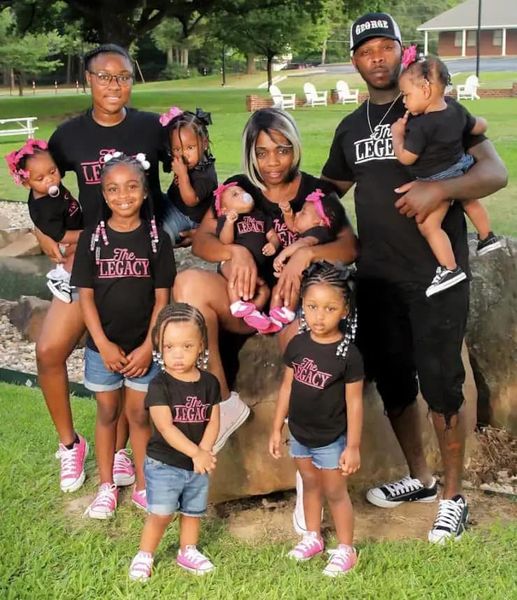
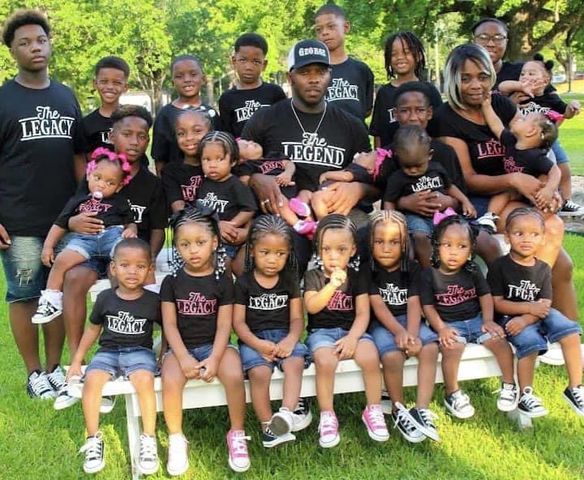
An African American man has sparked outrage on social media after posting photos of all thirty-three of his children with various baby mamas.
The man took to Facebook to share photos of his adorable children, referring to himself as the “Legend.”
He thanked his children’s mothers for being present, lending support, and staying to care for their children. He mentioned the names of his baby mamas to express his gratitude for their love and efforts, while also revealing that nine of his children were missing from the family photo.
He captioned, “The LEGEND The LEGACY WILL LIVE FOREVER 💕💕💙💙💪🏾💪🏾😍😍😍 I want to thank my kid’s mothers for helping me make dis day possible I want thank Rushelle Leonard &Emmalee Ja’Shay Carraway Mecie Okra& UncleBilly Jackson Nana@ Tammy LaNell Miles alsoKortlyn Nycole for staying & helping with my kid’s thanks Nykedra Kedrapooh Haggerty for our photoshoot & being understanding with 9 missing it still turned out good I’m truly blessed 😘😘🤞🏾🤞🏾”.