Patrick Lyoya escaped violence in Congo. Then US police killed him.

  • About 4.6 million, or one in 10, Black people living in American are immigrants, according to a January report from Pew Research Center.
  • Although they are only 7% of the non-citizen population, Black immigrants make up 20% of deportations on criminal grounds, according to a 2018 Black Alliance for Just Immigration report.

When the Lyoya family arrived in the United States in 2014 after facing years of war and persecution in the Democratic Republic of Congo, the refugees thought they had finally made it.

They were living in Malawi when they won asylum to live in the U.S., part of a growing number of refugees from Congo in Michigan.

“They told us that in America, there’s peace, there’s safety, you’re not going to see killing anymore, that it was basically a safe haven,” Dorcas Lyoya said in Congolese during an interview with the Detroit Free Press, part of the USA TODAY Network, through a translator. 

But this month, her first-born son, Patrick Lyoya, was fatally shot in the back of the head by a police officer after a struggle, an incident that has outraged civil rights advocates and led to protests in Grand Rapids, Michigan.

WHAT WE KNOW:Patrick Lyoya killed after struggle with officer during Grand Rapids traffic stop

Lyoya’s death and others like it can rattle the sense of security of Black immigrants and refugees who came to the U.S. to escape violence only to find themselves vulnerable to the same brutality and racism African Americans encounter from police as well as the additional specter of federal immigration authorities, immigration advocates told USA TODAY.

“It’s shocking to Black migrants who have this vision of the United States as the land of the free and the home of the brave,” said Nana Gyamfi, executive director of the Black Alliance for Just Immigration. “There’s a notion that police here are going to be different.”

Patrick Lyoya was killed after struggling with a police officer during a traffic stop.

Patrick Lyoya’s death brings fear in growing Black immigrant community

About 4.6 million, or 1 in 10, Black people living in American are immigrants and that number is projected to double by 2060, according to a January report from Pew Research Center. The Black immigrant population is racially and ethnically diverse, but in the last decade Africans have become one of the fastest growing segments through refugee admissions and the diversity visa lottery program, according to the Migration Policy Institute.

Although refugee admissions hit a record low in 2021, over the past two fiscal years people from the Congo became the the largest group of refugees to settle in Michigan, according to data from the U.S. State Department. 

Grand Rapids is home to the largest Congolese refugee population in the state thanks to employment opportunities as well as family and social connections like churches, said Chris Cavanaugh, director of Samaritas’ New American Resettlement program in West Michigan.

‘OUR COMMUNITY DESERVES ANSWERS’:Michigan police release video of fatal shooting of Patrick Lyoya after traffic stop in Grand Rapids

Samaritas helps refugees meet many of their immediate needs and offers a cultural orientation on what it means to live life in America, he said. But they didn’t talk much about the racial implications of being Black in America until George Floyd’s murder sparked a nationwide racial justice protest movement in 2020, which Cavanaugh said a number of Congolese refugees joined.

In the wake of Lyoya’s death, Cavanaugh said Samaritas is hoping to support refugee communities by providing resources to help them access services in their native language including during interactions with law enforcement.

“Certainly the Congolese community is feeling some fear, kind of scared over what happened and I would say rightfully so,” Cavanaugh said. “Those maybe who have much less English skills are just more apprehensive about getting pulled over or how they’re supposed to respond in certain situations.”

Dr. Pamela Grayson raises her fist as "Young King" Solomon Grayson, 6, peaks behind her sign during a Mothers Against Police Brutality candlelight vigil for Botham Jean at the Jack Evans Police Headquarters on Friday, Sept. 7, 2018, in Dallas.

A history of violence, from Amadou Diallo in 1999 to Botham Jean in 2018

Many Black immigrants and refugees are surprised when they encounter violence from both police and immigration officials, Gyamfi said.

“We have to deal with the violence that police inflict on us because we’re Black,” Gyamfi said. “And then the additional violence that then often is inflicted on us by ICE in this immigration enforcement system because of our migrant status.”

But Black migrants have long been subjected to the same racism and brutality that disproportionately affects Black Americans.

‘I’M LEAVING, AND I’M JUST NOT COMING BACK’:Fed up with racism, Black Americans head overseas

Protests broke out for several weeks in 1999 after Guinean immigrant Amadou Diallo was killed by four white police officers in New York City who said they thought his wallet was a gun. All four officers were acquitted of second-degree murder charges. That same year, Patrick Dorismond, a 26-year-old Haitian American, was killed by police sparking another wave of protests in New York. 

In 2016, prosecutors declined to charge a suburban San Diego police officer for fatally shooting 38-year-old Alfred Olango, who arrived in the United States as a refugee from Uganda in 1991. Then, Amber Guyger, a former Dallas police officer, was convicted of murder for the 2018 killing of Botham Jean, a native of the Caribbean island of St. Lucia. 

‘Double-barreled racism’ embedded in immigration laws, law enforcement

Black immigrants are also disproportionately detained and deported by Immigration and Customs Enforcement, said Bill Ong Hing, a law and migration studies professor at the University of San Francisco.

“Embedded in the immigration laws are these anti-Black aspects beginning with the visa system,” Hing said. “They face this double-barreled racism when it comes to law enforcement.”

Although they are only 7% of the non-citizen population, Black immigrants make up 20% of those deported on criminal grounds, according to a 2018 report from the Black Alliance for Just Immigration.

Even minor offenses can trigger deportation proceedings, which can make common interactions with police like traffic stops more tense. Black drivers in Michigan are more likely to be pulled over, searched and arrested by troopers, a study of 2020 traffic stops found.

OPINION:Police should stop making minor traffic stops that too often turn into major tragedies

“The way that most Black migrants end up getting deported is through contact with the police,” Gyamfi said. “There is an awareness that this can happen and there is a lot of anxiety around any type of police contact.”

Hing, founder of the Immigrant Legal Resource Center, said more immigration advocacy organizations began paying attention to this issue in the wake of Floyd’s death. Personal experiences of racism and high-profile cases like Lyoya’s have also started to shift the way Black migrants view themselves.

“They may start out seeing themselves as different from African Americans, but realize that the mainstream, including the police, treat them like any other Black person which is not good,” he said.

Contributing: The Associated Press

Contact Breaking News Reporter N’dea Yancey-Bragg at nyanceybra@gannett.com or follow her on Twitter @NdeaYanceyBragg

Source

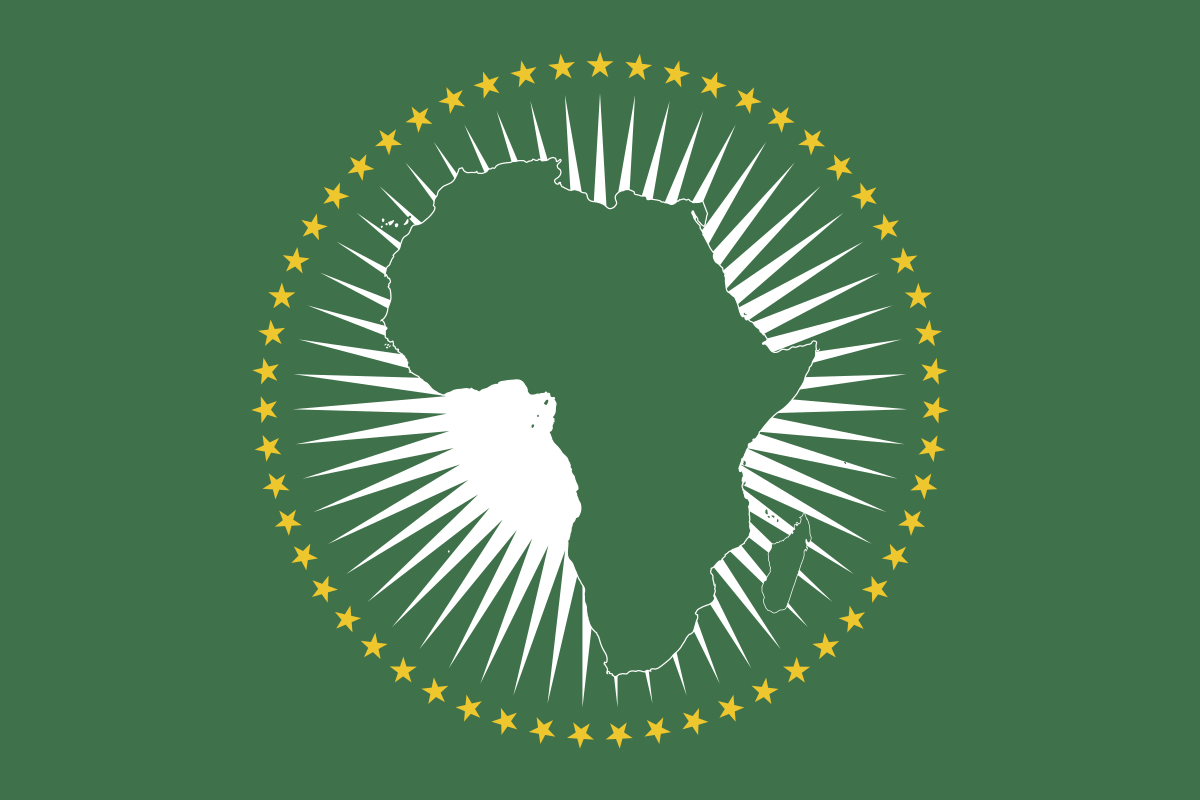
African Union (AU) at 20: Advances, challenges, and future opportunities, By Toyin Falola

The AU was established with a vision to achieve “an integrated, prosperous and peaceful Africa, driven by its own citizens and representing a dynamic force in global arena.” Hence, the birth of the AU marked a shift in the focus of Africa’s foremost pan-African institution away from mainly the support of anti-colonial and anti-apartheid (liberation) movements to the task of greater integration for expedited development.

I am happy that the Thabo Mbeki Foundation has chosen, as its focus for 2022, the history and evaluation of the African Union, which was officially launched twenty years ago in South Africa.

The African Union (AU), Africa’s foremost continental organisation, has come of age. Some twenty years ago, in July of 2002, this prestigious African institution came into being in continuance of the Pan-African vision of an independent, united and prosperous Africa shared by the continent’s independent leadership, for which they set up its parent institution, the Organisation of African Unity (OAU). This occasion of the commemoration of the African Union’s twentieth anniversary provides an opportunity for all of Africa to come together and listen to each other as a way of determining how well the continental organisation has fared in achieving the goals for which it was set up; what challenges have limited its success; how to surmount these challenges; and what opportunities there are in a fully operational continental organisation in today’s global geopolitics.

The establishment of the OAU on May 25, 1963 marked the culmination of diverse and far-reaching political trends, on and off the continent. Its ideological basis can be found in the late nineteenth century Pan-Africanist movement, which had its origins amongst Black American intellectuals — Martin Delany and Alexander Crummel — in the United States of America (USA). Canvassing for a Black nation independent of the U.S.A as the only means to ensuring the prosperity of Black peoples, their ideas caught on and were further developed by W. E. B Du Bois and Marcus Garvey, who urged a return to the continent. The Pan-African idea was picked up and advanced on the continent by several prominent intellectuals and heads of state, including Kwame Nkrumah of Ghana, Julius Nyerere of Tanzania, Kenneth Kaunda of Zambia, and Sekou Toure of Guinea. These individuals provided practical expressions of Pan-African ideals in Africa, applying them to the African reality of colonial subjugation and other forms of foreign oppression. 

Therefore, when the Heads of Africa’s thirty-two independent states gathered in Addis Ababa, Ethiopia, to sign the OAU Charter in 1963, it was with a common belief that for Africa to achieve its potential and aspirations, it must be free from external control, and its peoples must rise above racial, ethnic, and national differences and work together cooperatively in the spirit of brotherhood and solidarity. As a result, Article II of the OAU’s founding Charter included an agenda to promote African unity and solidarity; coordinate and intensify their cooperation and efforts to achieve a better life for Africa’s people; protect their sovereignty, territorial integrity, and independence; obliterate all forms of colonialism in Africa; and encourage international cooperation, with due regard for the Charter of the United Nations and the Universal Declaration of Human Rights.

Armed with a pledge of cooperation in all aspects of social endeavour, politics, economics, education, health, science, and defence by member states, the OAU immediately embarked upon what was then the foremost obstacle to its agenda of a united and prosperous Africa — the struggle for the independence of all African states under colonialism and other forms of foreign oppression (apartheid). In this regard, the OAU Coordinating Committee for the Liberation of Africa swung into action, organising diplomatic, financial, and logistical support for liberation movements wherever they existed in Africa. The organisation was involved in the independence agitation of Guinea Bissau, Angola, Mozambique, Central African Republic, Namibia (former South West Africa) and the struggle against the apartheid regime in South Africa. It was also active in defending its member nations’ integrity and sovereignty, and resolving border disputes. This impact was especially observed in the Congo, where strategic raw materials have always been a source of unrest, in Nigeria during a civil war that threatened the unity of the Federal Republic, and in Egypt during the 1967 Israeli occupation.

In pursuance of its mandate, the AU has recorded reasonable successes through direct contributions and international community collaborations. It has been active in minimising and settling conflicts in conflict-prone areas like Somalia and Sudan; it has successfully arbitrated post-election violent conflicts in Kenya, Comoros and Cote de’ Ivoire; and it has intervened in coup situations by ensuring a return back to civilian rule.

Another landmark achievement of the OAU was the ambition to create an economically integrated Africa. In this instance, it was instrumental to the establishment of Regional Economic Communities (RECS), notably the Economic Community of West African States (ECOWAS), the East African Community (EAC), the Common Market for Eastern and Southern Africa (COMMESA), the South African Development Coordinating Commission (SADCC), and the Arab Maghreb Union. In addition, it established the African Economic Community (AEC) in 1991, which was expected to expand into a common market, a customs union, and an African monetary union.

Notwithstanding the OAU’s commendable achievements, its membership identified a need to refocus the organisation’s attention away from its decolonisation agenda and more towards promoting peace and stability as a prerequisite to an eventual political and economic integration that will ensure African interests in an increasingly geopolitically quartered world. To that effect, the Heads of Government of the OAU came to a consensus and issued the Sirte Declaration of September 1999, calling for the establishment of an African Union that would accelerate the process of integration on the continent to enable her to compete favourably in a changing global economy and address any social and political challenges arising from globalisation. Thus, the African Union (AU) came into existence in 2002.

The AU was established with a vision to achieve “an integrated, prosperous and peaceful Africa, driven by its own citizens and representing a dynamic force in global arena.” Hence, the birth of the AU marked a shift in the focus of Africa’s foremost pan-African institution away from mainly the support of anti-colonial and anti-apartheid (liberation) movements to the task of greater integration for expedited development. Among the AU’s stated goals are: Achieving greater unity and solidarity among African countries and peoples; defending the territorial integrity and independence of its member states; accelerating the continent’s political and socio-economic integration; promoting common positions on issues of concern to the continent and its peoples; promoting sustainable economic, political, and cultural development; fostering cooperation in all fields of human endeavour to raise African peoples’ living standards; protecting and promoting human and people’s rights in accordance with the African Charter on Human and People’s Rights; and promoting peace, security, and stability on the continent.

In pursuance of its mandate, the AU has recorded reasonable successes through direct contributions and international community collaborations. It has been active in minimising and settling conflicts in conflict-prone areas like Somalia and Sudan; it has successfully arbitrated post-election violent conflicts in Kenya, Comoros and Cote de’ Ivoire; and it has intervened in coup situations by ensuring a return back to civilian rule. Unrestricted by the OAU’s ‘non-interference’ concept, the AU has reserved the authority, through its Peace and Security Council, to intervene in the domestic affairs of member nations to promote peace and safeguard democracy, even employing military action in circumstances of genocide and crimes against humanity. Through its voluntary ‘Peer Review Mechanism’, whereby individual member states concede to be assessed by a group of experts collected from other member states, the AU has been able to encourage democracy and good governance on the continent. The AU has also established a practice of sending election monitoring teams (Observer Missions) to all member states to guarantee that the terms of the African Charter on Democracy, Elections, and Governance (2007) are followed.

Many untapped opportunities can be gained from an objective, independent, and people-oriented continental union. Without some of the AU’s encumbrances — vested interests and constitutional limitations — the continental organisation can do much more to ensure good governance, peace, stability and economic prosperity through extensive collaborative networks that transcend any cultural, national, and regional divide.

The AU has demonstrated strategic leadership on the continent. Africa has presented a common front on several issues that have shaped global debates and decisions through its activities. It had some impact on the terms of engagement between the UN and regional organisations. By achieving an African consensus, it has been able to drum support for African candidates vying for positions in international organisations, such as Nigeria’s Okonjo Iweala as director-general of the World Trade Organisation, Ethiopia’s Tedros Adhanom Ghebreyesus as secretary-general of the World Health Organisation, and Rwanda’s Louise Mushikiwabo as secretary-general of the Organisation Internationale de la Francophonie. The AU has also demonstrated commendable leadership and served as an advisor to governments and intergovernmental agencies.

In pursuit of its agenda of African prosperity, the AU put necessary declarations and institutions in place that promote economic integration among its fifty-four member states. It has established development organisations such as the African Union Development Agency-NEPAD and progressive frameworks such as the African Continental Free Trade Area (AfCFTA) and Agenda 2063. There have been proposals for an African Monetary Union and an African Central Bank, even though these have not seen a political will by member states to bring them to fruition. The AU also made considerable efforts to ensure that the COVID-19 vaccines are available to its member states.

Financial dependence, poorly governed states and a constant push for reforms have been identified as some of the impediments to the AU’s progress. Other factors identified include the development of the ‘cult of personality, concentration of power in the office of the chairperson of the commission and the shrinking spaces for popular participation in decision making.’ The AU exhibited some flaws in its decision-making when it relocated its July 2012 bi-annual summit from Lilongwe, Malawi, to Addis Ababa, for the former’s refusal to invite Omar al-Bashar because he had been charged with war crimes by the International Criminal Court (ICC). Also reprehensible is its practice of appointing leaders with questionable democratic credentials as chairpersons. Other issues that cast aspersion on the AU’s image and performance include its inability to find a lasting solution to Africa’s teeming educated and unemployed youths, the recent resurgence of coups and violent conflicts, and its romance with China, which has seen the latter gain increasing and unbalanced concessions on the continent.

Many untapped opportunities can be gained from an objective, independent, and people-oriented continental union. Without some of the AU’s encumbrances — vested interests and constitutional limitations — the continental organisation can do much more to ensure good governance, peace, stability and economic prosperity through extensive collaborative networks that transcend any cultural, national, and regional divide. To achieve this, the AU must be seen to uphold the highest standards and be more people-oriented.

Toyin Falola, a professor of History, University Distinguished Teaching Professor, and Jacob and Frances Sanger Mossiker Chair in the Humanities at The University of Texas at Austin, is the Bobapitan of Ibadanland.


WATCH: Governor Yahaya Bello’s Roadmap to Hope 2023

[embedded content]


CITIZEN-FM AD

CITIZEN-FM AD


Support PREMIUM TIMES’ journalism of integrity and credibility

Good journalism costs a lot of money. Yet only good journalism can ensure the possibility of a good society, an accountable democracy, and a transparent government.

For continued free access to the best investigative journalism in the country we ask you to consider making a modest support to this noble endeavour.

By contributing to PREMIUM TIMES, you are helping to sustain a journalism of relevance and ensuring it remains free and available to all.

Donate


TEXT AD: Why women cheat: what every Nigerian man should know


<!—-> <!—->


PT Mag Campaign AD

PT Mag Campaign AD

Source

African Union (AU) at 20: Advances, challenges, and future opportunities, By Toyin Falola

The AU was established with a vision to achieve “an integrated, prosperous and peaceful Africa, driven by its own citizens and representing a dynamic force in global arena.” Hence, the birth of the AU marked a shift in the focus of Africa’s foremost pan-African institution away from mainly the support of anti-colonial and anti-apartheid (liberation) movements to the task of greater integration for expedited development.

I am happy that the Thabo Mbeki Foundation has chosen, as its focus for 2022, the history and evaluation of the African Union, which was officially launched twenty years ago in South Africa.

The African Union (AU), Africa’s foremost continental organisation, has come of age. Some twenty years ago, in July of 2002, this prestigious African institution came into being in continuance of the Pan-African vision of an independent, united and prosperous Africa shared by the continent’s independent leadership, for which they set up its parent institution, the Organisation of African Unity (OAU). This occasion of the commemoration of the African Union’s twentieth anniversary provides an opportunity for all of Africa to come together and listen to each other as a way of determining how well the continental organisation has fared in achieving the goals for which it was set up; what challenges have limited its success; how to surmount these challenges; and what opportunities there are in a fully operational continental organisation in today’s global geopolitics.

The establishment of the OAU on May 25, 1963 marked the culmination of diverse and far-reaching political trends, on and off the continent. Its ideological basis can be found in the late nineteenth century Pan-Africanist movement, which had its origins amongst Black American intellectuals — Martin Delany and Alexander Crummel — in the United States of America (USA). Canvassing for a Black nation independent of the U.S.A as the only means to ensuring the prosperity of Black peoples, their ideas caught on and were further developed by W. E. B Du Bois and Marcus Garvey, who urged a return to the continent. The Pan-African idea was picked up and advanced on the continent by several prominent intellectuals and heads of state, including Kwame Nkrumah of Ghana, Julius Nyerere of Tanzania, Kenneth Kaunda of Zambia, and Sekou Toure of Guinea. These individuals provided practical expressions of Pan-African ideals in Africa, applying them to the African reality of colonial subjugation and other forms of foreign oppression. 

Therefore, when the Heads of Africa’s thirty-two independent states gathered in Addis Ababa, Ethiopia, to sign the OAU Charter in 1963, it was with a common belief that for Africa to achieve its potential and aspirations, it must be free from external control, and its peoples must rise above racial, ethnic, and national differences and work together cooperatively in the spirit of brotherhood and solidarity. As a result, Article II of the OAU’s founding Charter included an agenda to promote African unity and solidarity; coordinate and intensify their cooperation and efforts to achieve a better life for Africa’s people; protect their sovereignty, territorial integrity, and independence; obliterate all forms of colonialism in Africa; and encourage international cooperation, with due regard for the Charter of the United Nations and the Universal Declaration of Human Rights.

Armed with a pledge of cooperation in all aspects of social endeavour, politics, economics, education, health, science, and defence by member states, the OAU immediately embarked upon what was then the foremost obstacle to its agenda of a united and prosperous Africa — the struggle for the independence of all African states under colonialism and other forms of foreign oppression (apartheid). In this regard, the OAU Coordinating Committee for the Liberation of Africa swung into action, organising diplomatic, financial, and logistical support for liberation movements wherever they existed in Africa. The organisation was involved in the independence agitation of Guinea Bissau, Angola, Mozambique, Central African Republic, Namibia (former South West Africa) and the struggle against the apartheid regime in South Africa. It was also active in defending its member nations’ integrity and sovereignty, and resolving border disputes. This impact was especially observed in the Congo, where strategic raw materials have always been a source of unrest, in Nigeria during a civil war that threatened the unity of the Federal Republic, and in Egypt during the 1967 Israeli occupation.

In pursuance of its mandate, the AU has recorded reasonable successes through direct contributions and international community collaborations. It has been active in minimising and settling conflicts in conflict-prone areas like Somalia and Sudan; it has successfully arbitrated post-election violent conflicts in Kenya, Comoros and Cote de’ Ivoire; and it has intervened in coup situations by ensuring a return back to civilian rule.

Another landmark achievement of the OAU was the ambition to create an economically integrated Africa. In this instance, it was instrumental to the establishment of Regional Economic Communities (RECS), notably the Economic Community of West African States (ECOWAS), the East African Community (EAC), the Common Market for Eastern and Southern Africa (COMMESA), the South African Development Coordinating Commission (SADCC), and the Arab Maghreb Union. In addition, it established the African Economic Community (AEC) in 1991, which was expected to expand into a common market, a customs union, and an African monetary union.

Notwithstanding the OAU’s commendable achievements, its membership identified a need to refocus the organisation’s attention away from its decolonisation agenda and more towards promoting peace and stability as a prerequisite to an eventual political and economic integration that will ensure African interests in an increasingly geopolitically quartered world. To that effect, the Heads of Government of the OAU came to a consensus and issued the Sirte Declaration of September 1999, calling for the establishment of an African Union that would accelerate the process of integration on the continent to enable her to compete favourably in a changing global economy and address any social and political challenges arising from globalisation. Thus, the African Union (AU) came into existence in 2002.

The AU was established with a vision to achieve “an integrated, prosperous and peaceful Africa, driven by its own citizens and representing a dynamic force in global arena.” Hence, the birth of the AU marked a shift in the focus of Africa’s foremost pan-African institution away from mainly the support of anti-colonial and anti-apartheid (liberation) movements to the task of greater integration for expedited development. Among the AU’s stated goals are: Achieving greater unity and solidarity among African countries and peoples; defending the territorial integrity and independence of its member states; accelerating the continent’s political and socio-economic integration; promoting common positions on issues of concern to the continent and its peoples; promoting sustainable economic, political, and cultural development; fostering cooperation in all fields of human endeavour to raise African peoples’ living standards; protecting and promoting human and people’s rights in accordance with the African Charter on Human and People’s Rights; and promoting peace, security, and stability on the continent.

In pursuance of its mandate, the AU has recorded reasonable successes through direct contributions and international community collaborations. It has been active in minimising and settling conflicts in conflict-prone areas like Somalia and Sudan; it has successfully arbitrated post-election violent conflicts in Kenya, Comoros and Cote de’ Ivoire; and it has intervened in coup situations by ensuring a return back to civilian rule. Unrestricted by the OAU’s ‘non-interference’ concept, the AU has reserved the authority, through its Peace and Security Council, to intervene in the domestic affairs of member nations to promote peace and safeguard democracy, even employing military action in circumstances of genocide and crimes against humanity. Through its voluntary ‘Peer Review Mechanism’, whereby individual member states concede to be assessed by a group of experts collected from other member states, the AU has been able to encourage democracy and good governance on the continent. The AU has also established a practice of sending election monitoring teams (Observer Missions) to all member states to guarantee that the terms of the African Charter on Democracy, Elections, and Governance (2007) are followed.

Many untapped opportunities can be gained from an objective, independent, and people-oriented continental union. Without some of the AU’s encumbrances — vested interests and constitutional limitations — the continental organisation can do much more to ensure good governance, peace, stability and economic prosperity through extensive collaborative networks that transcend any cultural, national, and regional divide.

The AU has demonstrated strategic leadership on the continent. Africa has presented a common front on several issues that have shaped global debates and decisions through its activities. It had some impact on the terms of engagement between the UN and regional organisations. By achieving an African consensus, it has been able to drum support for African candidates vying for positions in international organisations, such as Nigeria’s Okonjo Iweala as director-general of the World Trade Organisation, Ethiopia’s Tedros Adhanom Ghebreyesus as secretary-general of the World Health Organisation, and Rwanda’s Louise Mushikiwabo as secretary-general of the Organisation Internationale de la Francophonie. The AU has also demonstrated commendable leadership and served as an advisor to governments and intergovernmental agencies.

In pursuit of its agenda of African prosperity, the AU put necessary declarations and institutions in place that promote economic integration among its fifty-four member states. It has established development organisations such as the African Union Development Agency-NEPAD and progressive frameworks such as the African Continental Free Trade Area (AfCFTA) and Agenda 2063. There have been proposals for an African Monetary Union and an African Central Bank, even though these have not seen a political will by member states to bring them to fruition. The AU also made considerable efforts to ensure that the COVID-19 vaccines are available to its member states.

Financial dependence, poorly governed states and a constant push for reforms have been identified as some of the impediments to the AU’s progress. Other factors identified include the development of the ‘cult of personality, concentration of power in the office of the chairperson of the commission and the shrinking spaces for popular participation in decision making.’ The AU exhibited some flaws in its decision-making when it relocated its July 2012 bi-annual summit from Lilongwe, Malawi, to Addis Ababa, for the former’s refusal to invite Omar al-Bashar because he had been charged with war crimes by the International Criminal Court (ICC). Also reprehensible is its practice of appointing leaders with questionable democratic credentials as chairpersons. Other issues that cast aspersion on the AU’s image and performance include its inability to find a lasting solution to Africa’s teeming educated and unemployed youths, the recent resurgence of coups and violent conflicts, and its romance with China, which has seen the latter gain increasing and unbalanced concessions on the continent.

Many untapped opportunities can be gained from an objective, independent, and people-oriented continental union. Without some of the AU’s encumbrances — vested interests and constitutional limitations — the continental organisation can do much more to ensure good governance, peace, stability and economic prosperity through extensive collaborative networks that transcend any cultural, national, and regional divide. To achieve this, the AU must be seen to uphold the highest standards and be more people-oriented.

Toyin Falola, a professor of History, University Distinguished Teaching Professor, and Jacob and Frances Sanger Mossiker Chair in the Humanities at The University of Texas at Austin, is the Bobapitan of Ibadanland.


WATCH: Governor Yahaya Bello’s Roadmap to Hope 2023

[embedded content]


CITIZEN-FM AD

CITIZEN-FM AD


Support PREMIUM TIMES’ journalism of integrity and credibility

Good journalism costs a lot of money. Yet only good journalism can ensure the possibility of a good society, an accountable democracy, and a transparent government.

For continued free access to the best investigative journalism in the country we ask you to consider making a modest support to this noble endeavour.

By contributing to PREMIUM TIMES, you are helping to sustain a journalism of relevance and ensuring it remains free and available to all.

Donate


TEXT AD: Why women cheat: what every Nigerian man should know


<!—-> <!—->


PT Mag Campaign AD

PT Mag Campaign AD

Source

The African Union (AU) At Twenty: Advances, Challenges, and Future Opportunities

By Toyin Falola


Thabo Mbeki, former South African President.

I am glad to be back in South Africa. The retreat of the COVID pandemic is renewing our established connections and cooperation. I am equally happy that the Thabo Mbeki Foundation has chosen, as its focus for 2022, the history and evaluation of the African Union which was officially launched twenty years ago in South Africa.

The African Union (AU), Africa’s foremost continental organisation, has come of age. Some twenty years ago, in July of 2002, this prestigious African institution came into being in continuance of the Pan-African vision of an independent, united and prosperous Africa shared by the continent’s independent leadership for which they set up its parent institution, the Organization of African Unity (OAU). This occasion of the commemoration of the African Union’s twentieth anniversary provides an opportunity for all of Africa to come together and listen to one other as a way of determining how well the continental organisation has fared in achieving the goals for which it was set up; what challenges have limited its success; how to surmount these challenges; and what opportunities there are in a fully operational continental organisation in today’s global geopolitics.

The establishment of the OAU on May 25, 1963, marked the culmination of diverse and far-reaching political trends on and off the continent. Its ideological basis can be found in the late nineteenth century Pan-Africanist movement, which had its origins amongst Black American Intellectuals—Martin Delany and Alexander Crummel—in the United States of America (USA). Canvassing for a Black nation independent of the USA as the only means to ensuring the prosperity of Black peoples, their ideas caught on and were further developed by W. E. B Du Bois and Marcus Garvey, who urged a return to the continent. The Pan-African idea was picked up and advanced on the continent by several prominent intellectuals and heads of state, including Kwame Nkrumah of Ghana, Julius Nyerere of Tanzania, Kenneth Kaunda of Zambia, and Sekou Toure of Guinea. These individuals provided practical expressions of Pan-African ideals in Africa, applying them to the African reality of colonial subjugation and other forms of foreign oppression.

Therefore, when the Heads of Africa’s thirty-two independent states gathered in Addis Ababa, Ethiopia, to sign the OAU Charter in 1963, it was with a common belief that for Africa to achieve its potential and aspirations, it must be free from external control, and its peoples must rise above racial, ethnic, and national differences and work together cooperatively in the spirit of brotherhood and solidarity. As a result, Article II of the OAU’s founding Charter included an agenda to promote African unity and solidarity; coordinate and intensify their cooperation and efforts to achieve a better life for Africa’s people; protect their sovereignty, territorial integrity, and independence; obliterate all forms of colonialism in Africa; and encourage international cooperation, with due regard for the Charter of the United Nations and the Universal Declaration of Human Rights.

Armed with a pledge of cooperation in all aspects of social endeavour, politics, economics, education, health, science, and defence by member states, the OAU immediately embarked upon what was then the foremost obstacle to its agenda of a united and prosperous Africa—the struggle for the independence of all African states under colonialism and other forms of foreign oppression (apartheid). In this regard, the OAU Coordinating Committee for the Liberation of Africa swung into action, organising diplomatic, financial, and logistical support for liberation movements wherever they existed in Africa. The organisation was involved in the independence agitation of Guinea Bissau, Angola, Mozambique, Central African Republic, Namibia (former South West Africa) and the struggle against the apartheid regime in South Africa. It was also active in defending its member nations’ integrity and sovereignty and resolving border disputes. This impact was especially observed in the Congo, where strategic raw materials have always been a source of unrest, in Nigeria during a civil war that threatened the unity of the Federal Republic, and in Egypt during the 1967 Israeli occupation.

Another landmark achievement of the OAU was the ambition to create an economically integrated Africa. In this instance, it was instrumental to the establishment of Regional Economic Communities (RECS), notably the Economic Community of West African States (ECOWAS), the East African Community (EAC), the Common Market for Eastern and Southern Africa (COMMESA), the South African Development Coordinating Commission (SADCC), and the Arab Maghreb Union. In addition, it established the African Economic Community (AEC) in 1991, which was expected to expand into a common market, a customs union, and an African monetary union.

Notwithstanding the OAU’s commendable achievements, its membership identified a need to refocus the organisation’s attention away from its decolonisation agenda and more towards promoting peace and stability as a prerequisite to an eventual political and economic integration that will ensure African interests in an increasingly geopolitically quartered world. To that effect, the Heads of Government of the OAU came to a consensus and issued the Sirte Declaration of September 1999, calling for the establishment of an African Union that would accelerate the process of integration on the continent to enable her to compete favourably in a changing global economy and address any social and political challenges arising from globalisation. Thus, the African Union (AU) came into exist3ence in 2002.

The AU was established with a vision to achieve “an integrated, prosperous and peaceful Africa, driven by its own citizens and representing a dynamic force in global arena.” Hence, the birth of the AU marked a shift in the focus of Africa’s foremost pan-African institution away from mainly the support of anti-colonial and anti-apartheid (liberation) movements to the task of greater integration for expedited development. Among the AU’s stated goals are: achieving greater unity and solidarity among African countries and peoples; defending the territorial integrity and independence of its member states; accelerating the continent’s political and socio-economic integration; and promoting common positions on issues of concern to the continent and its peoples; promoting sustainable economic, political, and cultural development; fostering cooperation in all fields of human endeavour to raise African peoples’ living standards; protecting and promoting human and people’s rights in accordance with the African Charter on Human and People’s Rights; and promoting peace, security, and stability on the continent.

In pursuance of its mandate, the AU has recorded reasonable successes through direct contributions and international community collaborations. It has been active in minimising and settling conflicts in conflict-prone areas like Somalia and Sudan, successfully arbitrated post-election violent conflicts in Kenya, Comoros and Cote de’ Ivoire, and has intervened in coup situations by ensuring a return back to civilian rule. Unrestricted by the OAU’s ‘non-interference’ concept, the AU has reserved the authority, through its Peace and Security Council, to intervene in the domestic affairs of member nations to promote peace and safeguard democracy, even employing military action in circumstances of genocide and crimes against humanity. Through its voluntary ‘Peer Review Mechanism’, whereby individual member states concede to be assessed by a group of experts collected from other member states, the AU has been able to encourage democracy and good governance on the continent. The AU has also established a practice of sending election monitoring teams (Observer Missions) to all member states to guarantee that the terms of the African Charter on Democracy, Elections, and Governance (2007) are followed.

The AU has demonstrated strategic leadership on the continent. Africa has presented a common front on several issues that have shaped global debates and decisions through its activities. It had some impact on the terms of engagement between the UN and regional organisations. By achieving an African consensus, it has been able to drum support for African candidates vying for positions in international organisations, such as Nigeria’s Okonjo Iweala as Director-General of the World Trade Organization, Ethiopia’s Tedros Adhanom Ghebreyesus as Secretary-General of the World Health Organization, and Rwanda’s Louise Mushikiwabo as Secretary-General of the Organization Internationale de la Francophonie. The AU has also demonstrated commendable leadership and served as an advisor to governments and intergovernmental agencies.

In pursuit of its agenda of African prosperity, the AU put necessary declarations and institutions that promote economic integration among its fifty-four member states. It has established development organisations such as the African Union Development Agency (NEPAD) and progressive frameworks such as the African Continental Free Trade Agreement (AfCFTA) and Agenda 2063. There have been proposals for an African Monetary Union and an African Central Bank, even though these have not seen a political will by member states to bring them to fruition. The AU also made considerable efforts to ensure that the COVID-19 vaccines are available to its member states.

Financial dependence, poorly governed states and a constant push for reforms have been identified as some of the impediments to the AU’s progress. Other factors identified include the development of the ‘cult of personality, concentration of power in the office of the chairperson of the commission and the shrinking spaces for popular participation in decision making.’ The AU exhibited some flaws in its decision-making when it relocated its July 2012 bi-annual summit from Lilongwe, Malawi, to Addis Ababa for the former’s refusal to invite Omar al-Bashar because he had been charged with war crimes by the International Criminal Court of Justices (ICC). Also reprehensible is its practice of appointing leaders with questionable democratic credentials as chairpersons. Other issues that cast aspersion on the AU’s image and performance include its inability to find a lasting solution to Africa’s teeming educated and unemployed youths, the recent resurgence of coups and violent conflicts, and its romance with China, which has seen the latter gain increasing and unbalanced concessions on the continent.

Many untapped opportunities can be gained from an objective, independent, and people-oriented continental union. Without some of the AU’s encumbrances—vested interests and constitutional limitations—the continental organisation can do much more to ensure good governance, peace, stability and economic prosperity through extensive collaborative networks that transcend any cultural, national, and regional divide. To achieve this, the AU must be seen to uphold the highest standards and be more people-oriented.

Let me close this conversation by thanking the former President Thabo Mbeki, the Mbeki Foundation, and The Thabo Mbeki School for the honour of inviting me to address various groups. I thank the students for listening to me.

*Prof Falola’s delivered this address at a forum in honour of Mr. Thabo Mbeki, former South African President.

Post Views: 0

Comments

comments

Source

12 of the best movies by Black creators to watch on Netflix now

Actors get all the attention, but to make a movie truly great, you need a winning combination of writers, directors, and producers, as well as onscreen talent. To make a strong film that authentically portrays its Black characters, you need Black creatives in those decision-making positions. It’s a very simple concept, people!

To shed a little more light on the incredible writers, directors, and producers that put their hearts and souls into crafting our favorite flicks, we’ve put together a list of must-see movies on Netflix made by Black creators — and we’ve done the same for TV shows. Time to load up that queue.

1. Mudbound

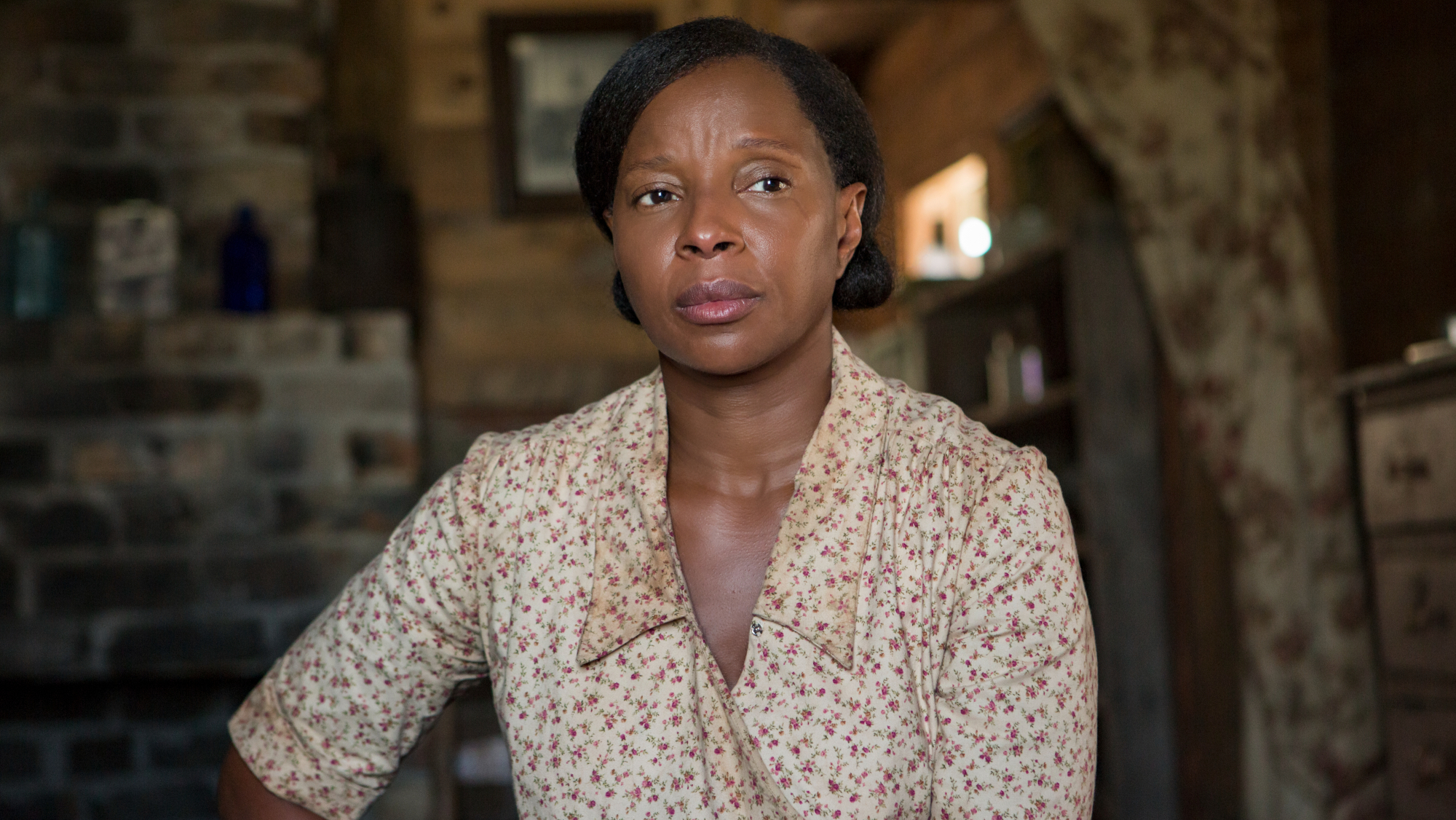
A woman gazes forward in "Mudbound"


Credit: Steve Dietl

Based on the novel of the same name, Mudbound follows two American soldiers (Garrett Hedlund and Jason Mitchell) who return from WWII changed men. Their rural Mississippi town, however, has not evolved with them. 

Director Dee Rees became the first Black woman ever nominated for a best adapted screenplay Academy Award for the exceptional script, which she wrote alongside Virgil Williams. Mary J Blige also garnered both a best supporting actress and a best original song nomination — the first time in history someone has been nominated for an acting and song award in the same year. Mudbound is a riveting and deeply affecting historical drama about two intertwined families navigating an era of intense social change.

How to watch: Mudbound is streaming on Netflix.

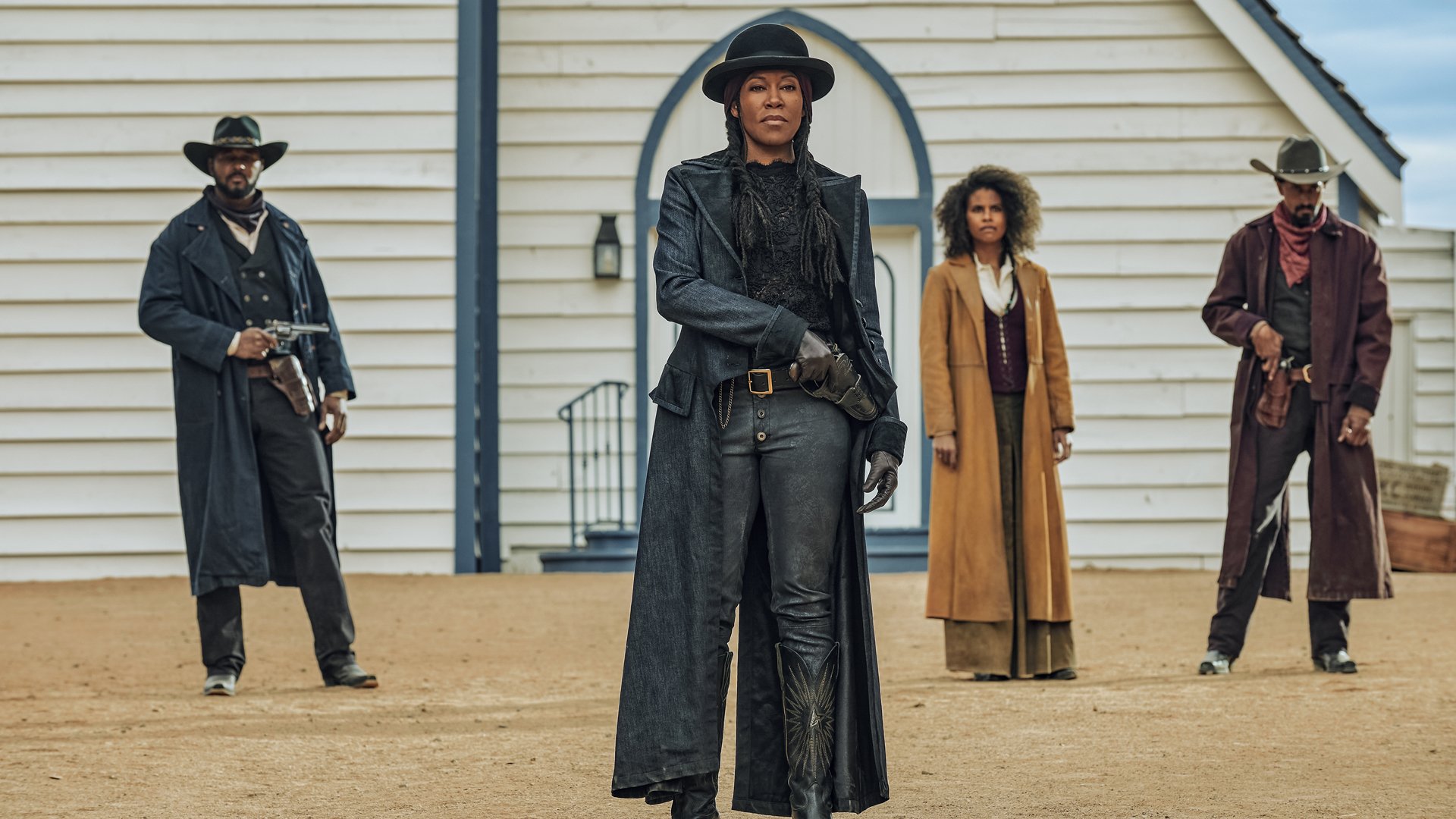
J.T. Holt, Regina King, Zazie Beetz, and Justin Clarke stand in a Western set in costume.

Do not mess with Treacherous Trudy.
Credit: David Lee / Netflix

Directed by Jeymes Samuel, The Harder They Fall, not only boasts an incredible cast — Jonathan Majors, Idris Elba, Regina King, Zazie Beetz, LaKeith Stanfield, and Delroy Lindo — but defiantly reclaims the Western, even before the opening credits roll. A tale of heroes and villains, the film follows Nat Love (Majors), on a quest for revenge against the formidable Rufus Buck (Elba). But he’ll have to make his gunslinging way through “Treacherous” Trudy Smith (Regina King) and Cherokee Bill (Stanfield).

As Mashable’s Kristy Puchko writes in her review, “Bursting with dazzling Black stars, the Netflix-made Western introduces some of the fascinating Black cowpokes who made their mark on the Wild West. Co-writer/director Jeymes Samuel resurrects their legends with style, attitude, and an opening title card that teases, ‘While the events of this story are fictional…These. People. Existed.'” — Shannon Connellan, UK Editor.

How to watch: The Harder They Fall is now streaming on Netflix.

3. See You Yesterday

A girl works on an electronic project in a garage.

C.J. Walker (Eden Duncan-Smith) tinkering on her time machine.
Credit: Netflix

Eden Duncan-Smith is C.J. Walker, a gifted high school science prodigy who ventures to build a time machine after her brother is killed by the police. With the help of her best friend, she tries to save her brother’s life — but she’ll soon learn that changing the past doesn’t come without consequences. 

Written by Fredrica Bailey and Stefon Bristol, and directed by Bristol, this science-fiction adventure is the perfect combination of teenage hijinks and emotional depth. We’re on one hell of a ride, but we never forget the stakes these young characters are facing. It’s captivating, fun, and a much-needed fresh take on a classic genre. Science-fiction films that center Black lives and Black stories have long been a rarity, but with more A+ entries like See You Yesterday, they’ll hopefully become the norm. 

How to watch: See You Yesterday is streaming on Netflix.

4. She’s Gotta Have It

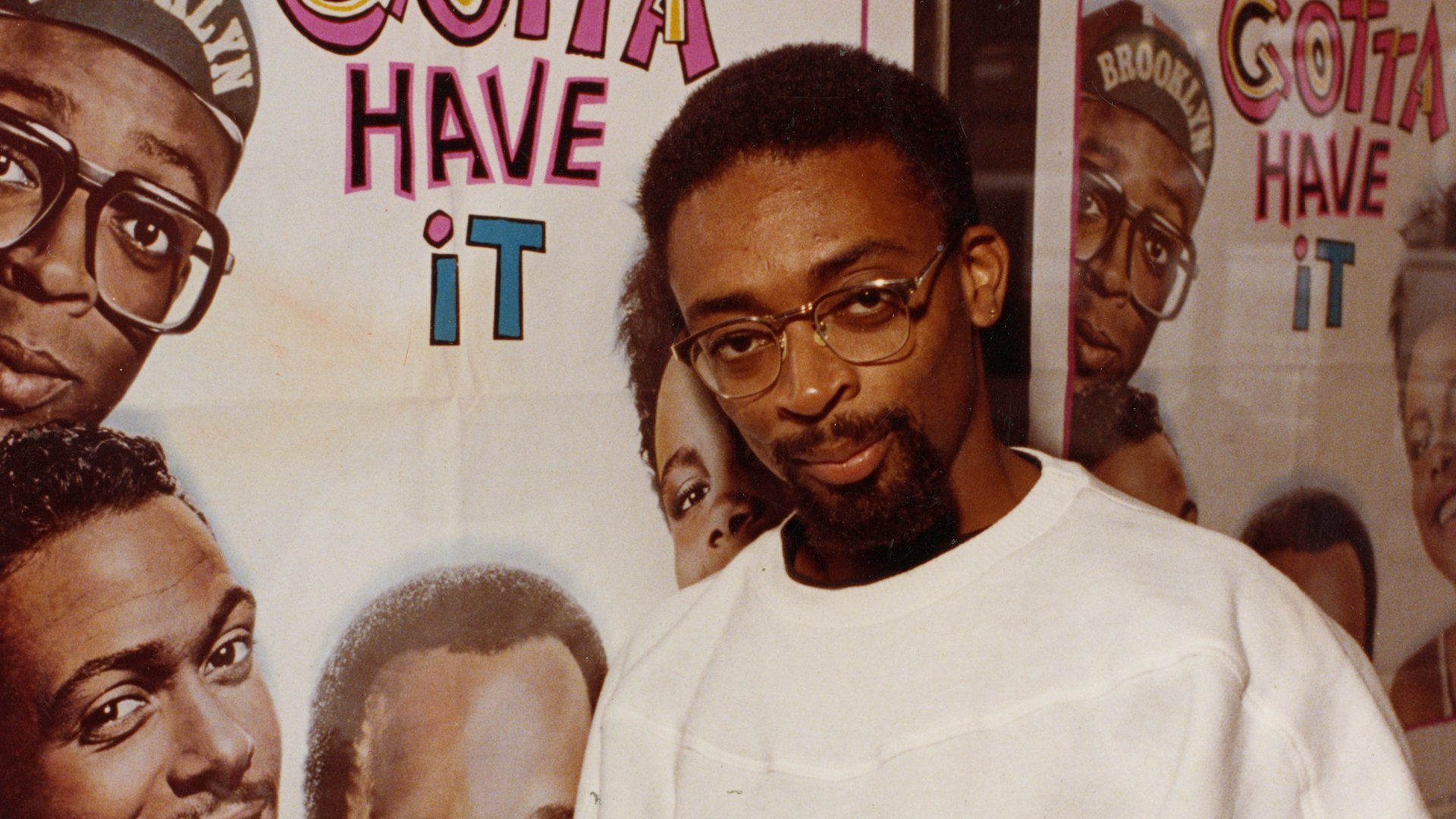
Spike Lee, the director of She's Gotta Have It, poses at the Greenwich Village Theater in New York on Sept. 28, 1986.

Spike Lee at New York’s Greenwich Village Theater in 1986.
Credit: Ted Dully / The Boston Globe via Getty Images

​​Thirty-one years before it was a Netflix series, She’s Gotta Have It was the daring comedy that launched Spike Lee’s career and became a landmark in America’s emerging independent film scene. Filmed on a tight budget on black-and-white stock, this Lee joint centers on Nola Darling (Tracy Camilla Johns), a charming Brooklyn-based graphic artist who is juggling three lovers. When these jealous men demand she choose just one of them, Nola is pushed to consider what she wants from love, sex, and relationships. Critics championed how Lee captured a side of Black experience rarely shown in mainstream movies. The prestigious Cannes Film Festival honored him with the Award of the Youth, while the Independent Spirit Awards gave him the award for best first feature, and Johns best female lead.*Kristy Puchko, Entertainment Editor 

How to watch: She’s Gotta Have It is streaming on Netflix.

The team assembled in "The Old Guard"


Credit: Aimee Spinks / Netflix

Charlize Theron is the hardened leader of a mysterious group of warriors who cannot die in smart blockbuster The Old Guard. Throughout their long, lonely lives, they’ve done what they can to influence history and to nudge humanity in the right direction. And now, just as a dogged investigator is close to uncovering their secret, they’ve found a new member (​​KiKi Layne) who desperately needs their guidance. 

Director Gina Prince-Bythewood (Love and Basketball and The Secret Life of Bees) skilfully juggles the many moving parts of this high-concept, action-packed, superhero flick. Both emotionally intelligent and brutally violent, The Old Guard is a gripping, nonstop adventure that will leave you begging for more.

How to watch: The Old Guard is streaming on Netflix.

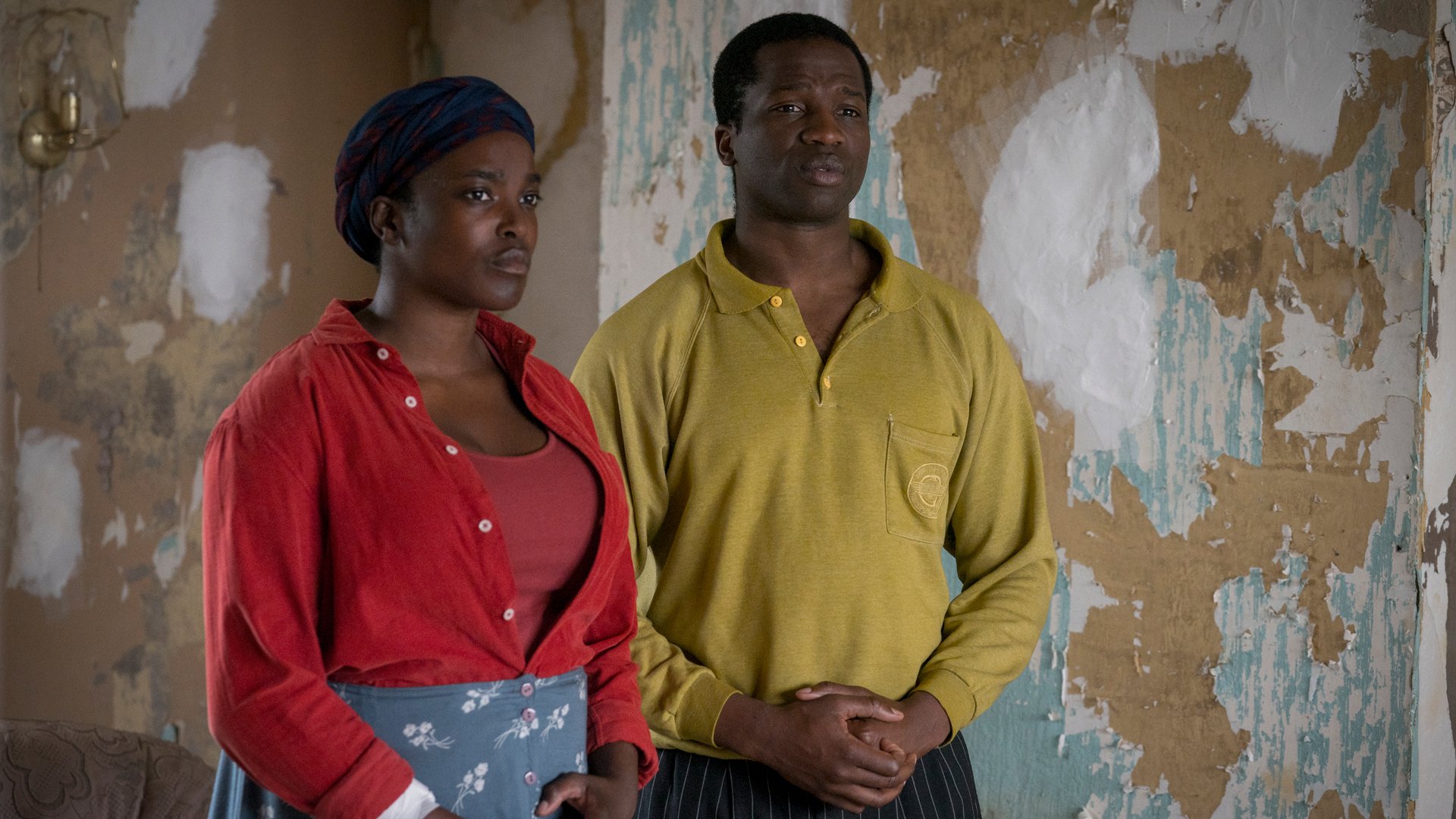
6. His House

A woman in a red shirt and a man in a yellow shirt stand in a room with dilapidated walls.

Rial (Wunmi Mosaku) and Bol (Ṣọpẹ Dìrísù) aren’t alone in their house it seems.
Credit: Aidan Monaghan / Netflix

Written and directed by Remi Weekes, His House is a horror film for the modern era — and one of the best British films to come out of 2020. Two refugees from South Sudan arrive in London after a harrowing journey that killed their daughter. They try to move forward with their new life, but a supernatural presence in their home refuses to let them forget their past. Seamlessly blending the daily dread of the refugee experience with the horror of a paranormal visitor, His House is an impressive debut film from Weekes. It’s unique, it’s socially conscious, and it’s downright terrifying. 

How to watch: His House is streaming on Netflix.

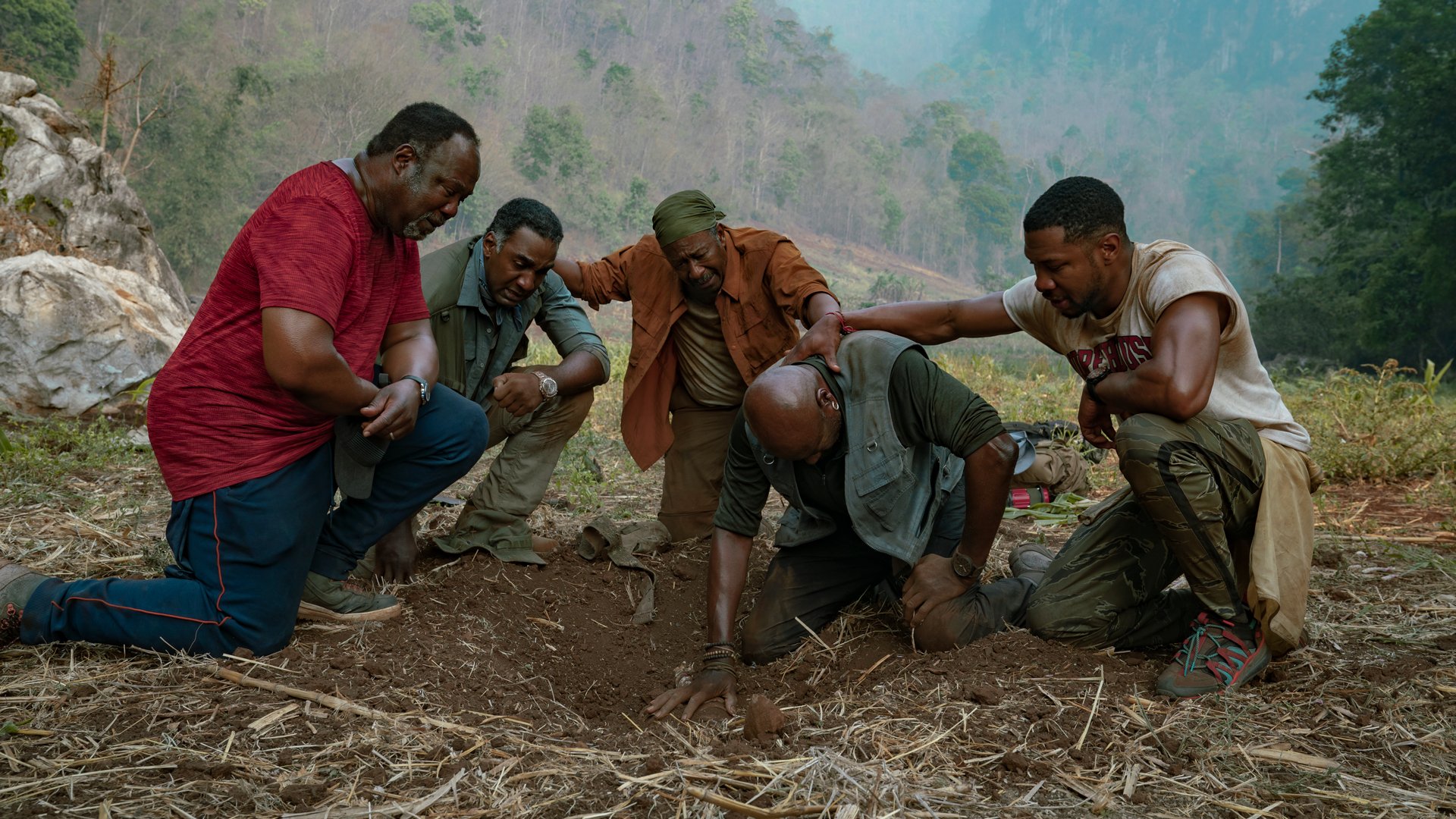
Five men look into a shallow newly dug hole in the middle of the wilderness.

Melvin (Isiah Whitlock Jr.), Eddie (Norm Lewis), Otis (Clarke Peters), Paul (Delroy Lindo), and David (Jonathan Majors).
Credit: David Lee / Netflix

Mashable’s Adam Rosenberg reviewed Da 5 Bloods in the summer of 2020, writing: “In the midst of widespread IRL social upheaval that many hope will finally start to undo the trauma wrought by centuries of deeply embedded prejudice, this new movie delivers a powerful sense of perspective.” Spike Lee’s war film, a keenly impactful meditation on systemic racism, stars Delroy Lindo, Jonathan Majors, Clarke Peters, the late Chadwick Boseman, and more.*Alison Foreman, Entertainment Reporter 

How to watch: Da 5 Bloods is streaming on Netflix.

8. Really Love

Kofi Siriboe (from Queen Sugar and Girls Trip) is Isaiah Maxwell, an artist trying to make a name for himself in Washington D.C. With his mind focused on his career, falling in love is the last thing on his radar — until he meets a law student named Stevie Richmond (Yootha Wong-Loi-Sing).

Really Love is a tender and beautiful love story written by Felicia Pride and Angel Kristi Williams, and directed by Williams. The supporting cast here is top notch, with Uzo Aduba, Mack Wilds, Naturi Naughton, Suzzanne Douglas, Jade Eshete, Blair Underwood, Michael Ealy all sparkling on the sidelines as the two young lovers explore their place in the world. Sweet, touching, and authentic, Really Love is Black romance at its best.

How to watch: Really Love is streaming on Netflix.

9. 13th

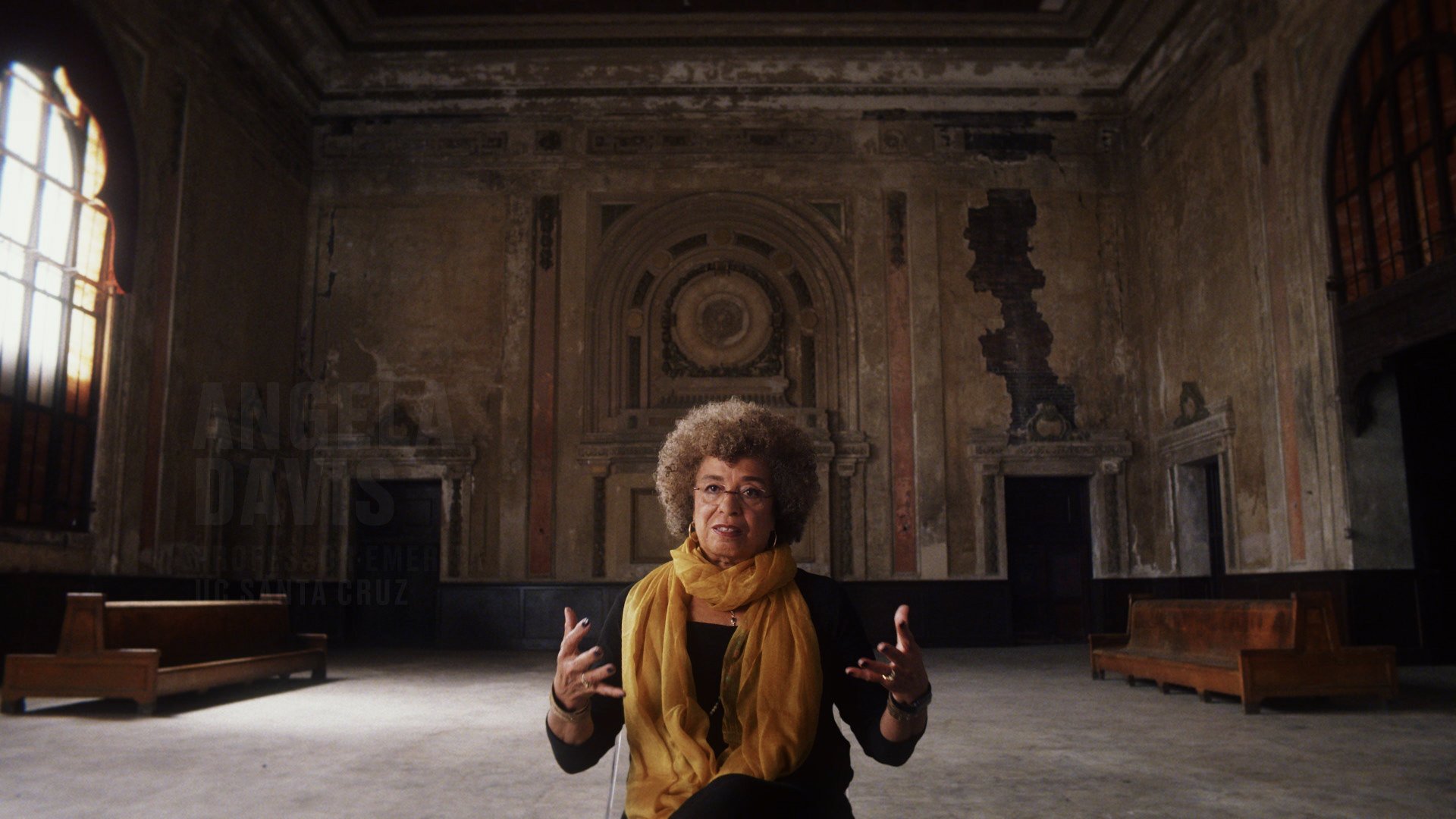
Angela Davis speaks to the camera in "13th"


Credit: Netflix

Before Brian Banks, Free Meek, and even True Justice, Ava DuVernay’s groundbreaking 13th educated audiences nationwide about mass incarceration and the widespread wrongful imprisonment of Black Americans.

The Emmy-winning documentary, titled to reference the 13th Amendment — the amendment that abolished slavery — not only elevates the voices of those who have fallen victim to America’s broken justice system, it exposes those who made such a system possible, such as proponents of Jim Crow-era statutes and the multiple former presidents and political leaders that contributed to the Republican Party’s war on drugs (which enlisted Bill Clinton as well). 13th extensively enlightens viewers on how a majority of Black Americans unfairly serve time in the prison industrial complex. *Tricia Crimmins, Entertainment Reporter  

How to watch: 13th is streaming on Netflix.

10. Roxanne Roxanne

A woman in a striped sweater in front of a microphone puts headphones on and closes her eyes.

Chanté Adams takes on the role of Roxanne Shanté.
Credit: Netflix

Written and directed by Michael Larnell, Roxanne Roxanne explores the life and early career of rapper Roxanne Shanté. In the late ’80s and early ’90s, a teenage Roxanne carves out a name for herself as a fierce battle MC while navigating the dangers of living in the Queensbridge Houses in Queens, New York. Chanté Adams received the Sundance Special Jury Prize for breakthrough performance for her fiery portrayal of the young rapper. With a production team that included Forest Whitaker, Pharrell Williams, and Nina Yang Bongiovi (who discovered Ryan Coogler), music by RZA, and a supporting cast that features Mahershala Ali and Nia Long, Roxanne Roxanne is a must-see biopic.

How to watch: Roxanne Roxanne is streaming on Netflix.

11. Homecoming: A Film By Beyoncé

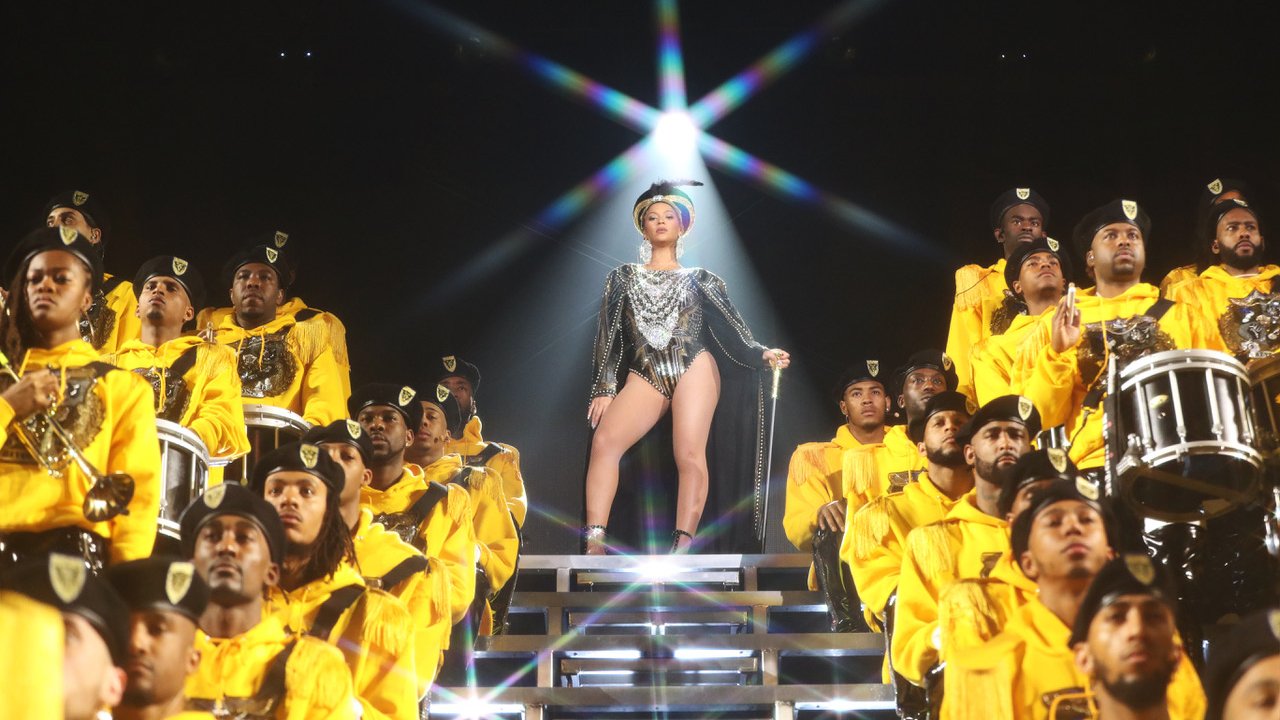
Beyonce stands onstage, surrounded by performers in yellow, in "Homecoming"


Credit: Courtesy of Parkwood Entertainment

It’s not often that we get to look behind the curtain when it comes to Beyoncé, and though Homecoming is tempered, it deeply satisfies that craving.

One of the best music documentaries on Netflix, the film follows the legendary performer as she dominates Coachella 2018, but the surprise gig also happens to be her biggest since giving birth to twins Rumi and Sir. Over the course of two hours, you watch Beyoncé ascend the stage like a phoenix rising, relishing the show’s homage to historically Black colleges across the country. In between, she opens up about the creative process how the overall vision comes to life. It’s the closest some of us will ever get to a Beyoncé concert, and we truly feel at home.*Proma Khosla, Entertainment Reporter 

How to watch: Homecoming is streaming on Netflix.

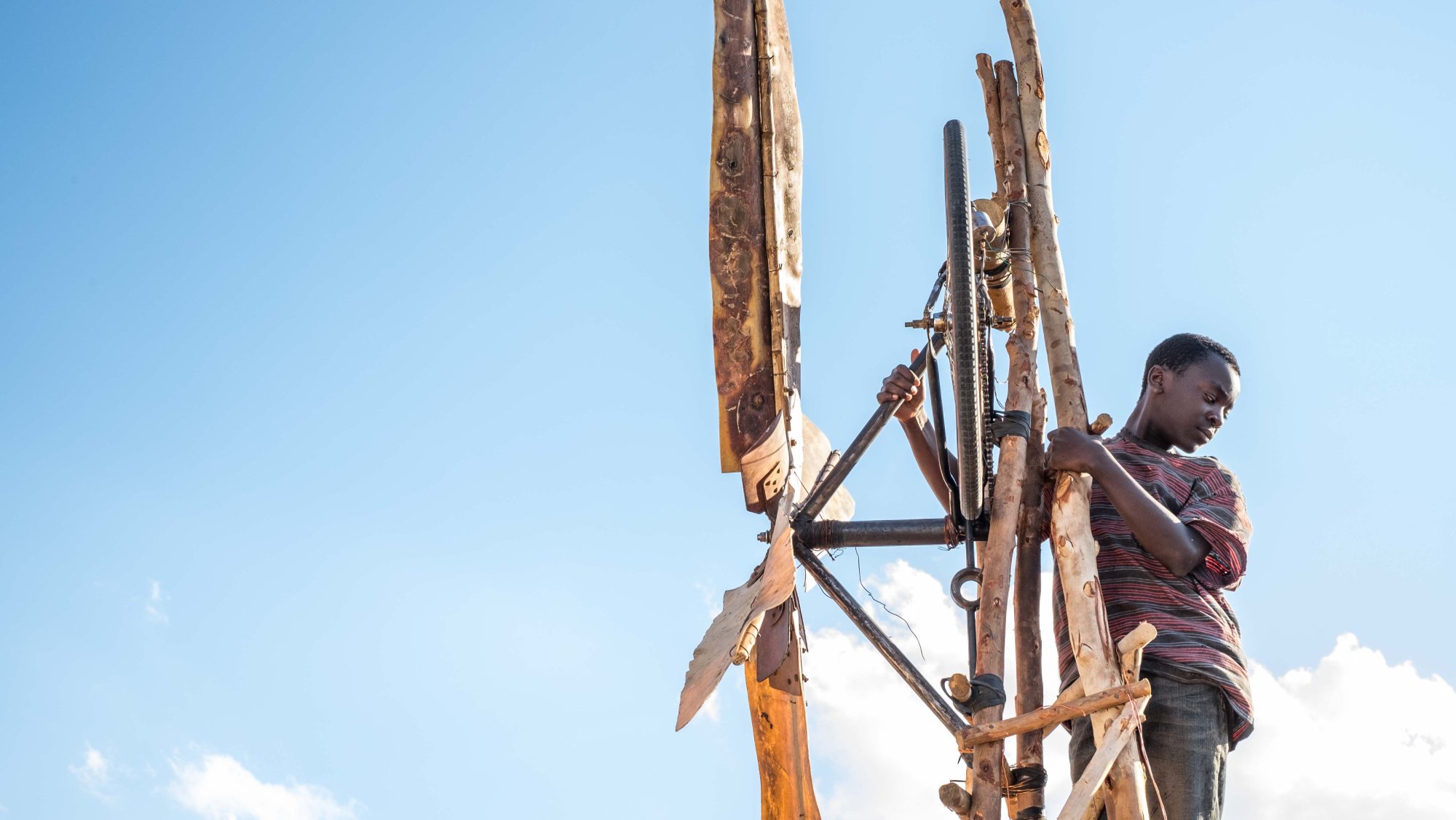
12. The Boy Who Harnessed the Wind

A Black boy looks down from his invention in "The Boy Who Harnessed the Wind"


Credit: Ilze Kitshoff / Netflix

Based on a true story and a memoir bearing the same title, The Boy Who Harnessed the Wind is a Malawi-set drama from first-time director Chiwetel Ejiofor. It stars Maxwell Simba as William Kamkwamba, a young boy who loves to tinker with science and technology but can’t attend school because his family can’t afford it.

In the mid-2000s, social and economic strife leave William’s village in dire straits. He concocts a plan to save his village from a drought by building an energy-producing windmill, but there’s one obstacle: His doubting father, Trywell (Ejiofor). The Boy Who Harnessed the Wind is a touching, at times heartbreaking, and ultimately uplifting story of a young boy finding his own way to triumph over adversity.* — A.F. 

How to watch: The Boy Who Harnessed the Wind is streaming on Netflix.

Asterisks (*) indicate the entry comes from a previous Mashable list.

Source

Dr. Yvette McQueen, a global traveling physician with roots in Winston

This writer continues to write about Black Health and Wellness which was the theme for the 2022 Black History Month. During this research, several more African American medical doctors were discovered who were residents of Louisville or have roots from Louisville. This research will be used to inspire African American students to consider the medical field as a career. Dr. Yvette McQueen has roots in Louisville. She is the daughter of Joshua and Mary Johnson McQueen who grew up and completed secondary school in Louisville, MS.  She has two sisters, Dr. Ethlyn McQueen Gibson of Yorktown, VA (Doctor of Nurse Practice, DNP) and Teresa Ann McQueen Thompson a teacher.

Dr. Yvette McQueen, MD is an Emergency Medicine Specialist in Jacksonville, FL and has over 24 years of experience in the medical field. She graduated from Medical College Of Ohio medical school in 1998. She has indicated that she accepts Telehealth appointments.

Dr. McQueen is a global physician on a mission to educate about health, travel wellness and disease prevention.  She is an Emergency Medicine physician and Travel Doctor; working as a physician across the US and the Caribbean.  She is a travel group physician ensuring healthy and safe travel of the clients before and during the international trip.  Dr. McQueen is a speaker, blogger, bestselling author x 3, consultant, CPR and First Aid instructor; wilderness emergency care training and international teacher.   She has traveled to 30+ international countries and organizes international medical missions.  “My education and diverse experiences have driven me to serve a purpose of travel and health, my two passions. I can share the knowledge I have gained over my years of travel to show you how to travel efficiently, healthy and economically while still having quality experiences.” She traveled to Africa, for hospital training/teaching in Rwanda and Tanzania. She also provides Wellness Lifestyle Coaching, Wellness Retreats, and is a member of the Wellness Tourism Association.


Dr. McQueen is originally from Cleveland, OH; she obtained her MD degree from Medical College of Ohio/Toledo and Emergency Medicine Residency trained in Detroit, MI.  She has over 19 years of experience as an Emergency Medicine physician, several US state medical licenses and a medical license in Malawi, East Africa.  After initially working in academic centers, she became an independent contractor to combine her passion of medicine and travel as a Locum Tenens physician (physicians who take temporary assignments). She travels around the US providing hospitals physician coverage in their Emergency Departments.  As a Locums physician, it allows her time for her other interests in community health education, nutrition counseling, medical & spiritual international missions. Dr. McQueen is CEO of MedQueen LLC, a health education and Continuing Medical Education (CME) event planning company.  She is involved with the Malawi Mission Project of Hopewell Church, Jacksonville, FL; she organized their first medical mission providing eyeglasses, spiritual counseling, Women Health lectures and medical treatment to over 1300 villagers in Dowa, Malawi.  

Dr. McQueen is also interested in history, interior decorating, event planning and writing. 

Source