Crisis Hits Oil Industry and Energy Transition Alike

Civil Society, Climate Change, Conferences, Development & Aid, Economy & Trade, Editors’ Choice, Energy, Environment, Featured, Global Governance, Headlines, Integration and Development Brazilian-style, Latin America & the Caribbean, Projects, Regional Categories
Energy

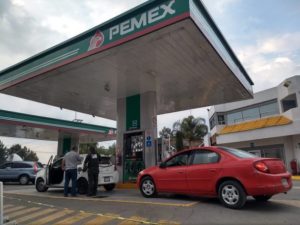
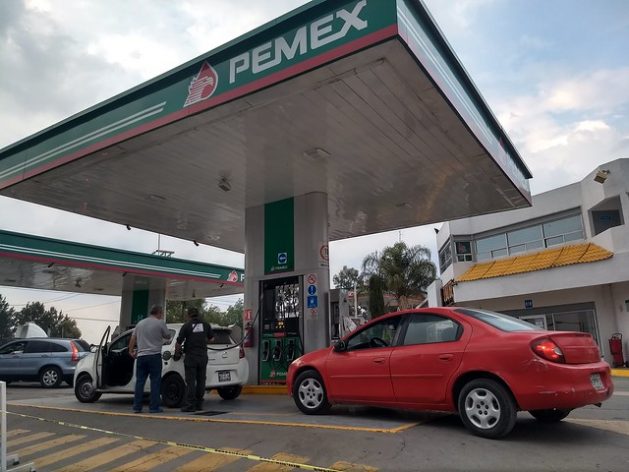
Mexico's state-run oil giant Pemex faces a difficult outlook due to the fall in international oil prices and the crisis resulting from the coronavirus pandemic, which threatens its production and finances, in a situation analysed during the 29th La Jolla Energy Conference, organised online by the Institute of the Americas. CREDIT: Emilio Godoy/IPS

Mexico’s state-run oil giant Pemex faces a difficult outlook due to the fall in international oil prices and the crisis resulting from the coronavirus pandemic, which threatens its production and finances, in a situation analysed during the 29th La Jolla Energy Conference, organised online by the Institute of the Americas. CREDIT: Emilio Godoy/IPS

MEXICO CITY, May 22 2020 (IPS) – While it attempts to cushion the effects of the coronavirus pandemic, the Latin American and Caribbean region also faces concerns about the future of the energy transition and state-owned oil companies.


These questions were discussed at the 29th La Jolla Energy Conference, organised by the Institute of the Americas. It was held online May 18-22, rather than bringing together more than 50 speakers at the institute’s headquarters in the coastal district of San Diego, in the U.S. state of California, in the midst of the COVID-19 pandemic.

Alfonso Blanco of Uruguay, executive secretary of the Latin American Energy Organisation (OLADE), said during a session on global trends and the regional energy industry that the changes seen during the pandemic will spread after the crisis and will be long-lasting.

“There will be structural transformations and we are convinced that most consumer behaviors will change after the pandemic. Demand will vary due to changes in the main areas of transportation and other energy areas. The effects on fossil fuel consumption will be strong and there will be a greater impact on renewable energies,” he said.

OLADE, a 27-member regional intergovernmental organisation for energy coordination, estimates that electricity demand has fallen by 29 percent in Bolivia compared to 2019, as a result of the severe acute respiratory syndrome coronavirus 2 (SARS-CoV-2), which causes COVID-19, and by 26 percent in Argentina, 22 percent in Brazil and 11 percent in Chile.

“There will be structural transformations and we are convinced that most consumer behaviors will change after the pandemic. Demand will vary due to changes in the main areas of transportation and other energy areas. The effects on fossil fuel consumption will be strong and there will be a greater impact on renewable energies.” — Alfonso Blanco

Likewise, final energy demand plummeted 14 percent in Brazil compared to 2019, 11 percent in both the Andean and Southern Cone regions, nine percent in Mexico, seven percent in Central America and five percent in the Caribbean.

As countries went into lockdown to curb the spread of COVID-19, electricity consumption by businesses and factories declined, due to the suspension of activities.

Leonardo Sempertegui, legal advisor to the Organisation of Petroleum Exporting Countries (OPEC), said the pandemic may be a wake-up call for countries lagging behind in the energy transition.

“This may be the new normal. The structure and governance of the energy architecture to cope with the next phase are changing dramatically. Energy poverty and the energy transition cannot be solved regardless of who controls a resource; these challenges cannot wait,” he said in the same session.

In Latin America, nations like Argentina, Bolivia, the Dominican Republic, Ecuador, Honduras and Uruguay have made progress in the energy transition since 2015, while Brazil has slid backwards and countries like Mexico are stuck in the same place, according to the World Economic Forum’s Energy Transition Index, released May 13.

As the region heads into the fourth month of the pandemic, countries are assessing their electricity markets, which have been shaken by the crisis.

Nations like Argentina, Chile, Colombia and Peru have resorted to long-term electricity auctions, which have generated low prices for renewables, while Mexico suspended such schemes in 2019.

In Argentina, as Andrés Chambouleyron, a non-resident fellow at the Institute of the Americas, explained, industrial consumption fell by 50 percent and electricity distributors have not been able to obtain sufficient revenues to cover fixed costs or electricity purchases.

The government has thus provided financing to Cammesa – the electricity wholesale market administration company – to pay the generators, since it is bound by contracts to buy the energy.

“There will be a permanent change in electricity consumption in Argentina. We have cheaper gas than before; the models say that you have to use more gas because it is cheaper than other sources. We won’t see much change in Argentina’s energy mix, and that could extend to all of Latin America,” said Chambouleyron, who warned of breach of and renegotiation of contracts for energy purchases.

Low oil prices threaten to slow down the energy transition in Latin America, although renewable energies already compete with the costs of fossil fuels, agreed experts at the 29th La Jolla Energy Conference, organised online by the Institute of the Americas. The photo shows solar panels on a house in Ajijic, in the western Mexican state of Jalisco. CREDIT: Emilio Godoy/IPS

Low oil prices threaten to slow down the energy transition in Latin America, although renewable energies already compete with the costs of fossil fuels, agreed experts at the 29th La Jolla Energy Conference, organised online by the Institute of the Americas. The photo shows solar panels on a house in Ajijic, in the western Mexican state of Jalisco. CREDIT: Emilio Godoy/IPS

While renewables are already competing in price with conventional sources, low oil and gas prices undermine their expansion, a predicament that alternative energy sources have been facing in recent years.

In addition, the rise in the cost of international credit and the fluctuations of the dollar against local currencies may make generation more expensive.

In another session on the outlook for state-owned oil companies, Marta Jara, former president of Uruguay’s public oil company ANCAP, said the current crisis could accelerate the transition, but called it a “major challenge”.

“The temptation is to be opportunistic and forget the roadmap of the energy transition. We must invest in sustainable energy systems, decarbonise transport. It is important to secure funding and create jobs. I hope the crisis opens the door to be more innovative,” she said.

Viable or not?

The plunge in fossil fuel prices is damaging the finances of the region’s oil producing countries, such as Argentina, Bolivia, Brazil, Colombia, Ecuador, Mexico, Peru and Venezuela, and state companies in the sector are facing problems with regard to planning and operations.

But it benefits net importers, like the countries of Central America or Chile, whose oil bills have shrunk, while for consumers in both oil producing and importing countries the cost of electricity could go down.

“The most competitive will be the countries with lower oil extraction costs. Some projects will not be economically viable. We will see greater economic problems than in 2019,” predicted Lisa Viscidi, director of the Energy, Climate Change and Extractive Industries Programme at the non-governmental Inter-American Dialogue, during a panel on the situation in several Caribbean nations.

The pandemic and a rise in Saudi production announced on Mar. 10 led to a collapse in oil prices and the consequent risk of bankruptcies in the industry. State-owned oil companies have fared better than others so far in the crisis.

In another session on the outlook for state-owned oil companies, John Padilla, managing director of the private consulting firm IPD Latin America, stated that “it will take time to get out of this situation, with effects for the region, and the need for great efficiency.

“Most nations have been exporters, efficiency will be the key. What has not been done is to cultivate domestic and regional markets, state enterprises are not going to play the same role as they always have,” he said.

Public companies such as Brazil’s Petrobras and Colombia’s Ecopetrol entered the crisis in a better position than Mexico’s Pemex, Venezuela’s PDVSA and Argentina’s YPF, according to experts.

“These are difficult times, even for the best prepared. We can hope that if the country and its company are in trouble, if governments need money, they can get more out of the companies,” said Francisco Monaldi, interim director of the Baker Institute for Public Policy’s Latin America Initiative at the private Rice University in the U.S. state of Texas.

In his view, “Mexico is in better fiscal conditions, it should not be a problem. But Pemex can drag Mexico down. If the government doesn’t change direction, it could become a serious problem,” he said as an example.

Although Pemex will increase its investment in 2020, the oil company reported losses of 20 billion dollars in the first quarter of this year. Due to the crisis, Petrobras limited its investment to 3.5 billion dollars and its daily production to 200,000 barrels, and postponed the sale of eight refineries.

For Lucas Aristizábal, a senior director in Fitch Ratings’ Latin American corporates group, some state-owned oil companies are viable and others are not.

“In 2021, the financial contribution of oil will be lower for governments. If they want the companies to play a key role, they will put more pressure on their financial structure. The current situation illustrates the economics of these corporations,” he said during the forum.

Pemex and YPF were already losing money per barrel in 2019, while Petrobras has more balanced production costs.

On the oil horizon, and in the midst of the COVID-19 crisis, Guyana has become the rising star, although there is still political uncertainty, as the result of the Mar. 2 presidential elections is still unclear.

“It’s hard to predict what will happen. There is a risk of U.S. sanctions that would not affect investment in the sector, but would pose a political risk to the country,” said Thomas Singh, in the Department of Economics at the public University of Guyana.

The country expects to extract 600,000 barrels per day by 2024 and take in revenues of five billion dollars, with reserves exceeding five billion barrels.
  Source

Mexico’s Development Banks Fuel the Fossil Energy Trade

Active Citizens, Civil Society, Development & Aid, Economy & Trade, Editors’ Choice, Energy, Environment, Featured, Headlines, Integration and Development Brazilian-style, Latin America & the Caribbean, Projects, Regional Categories

Energy

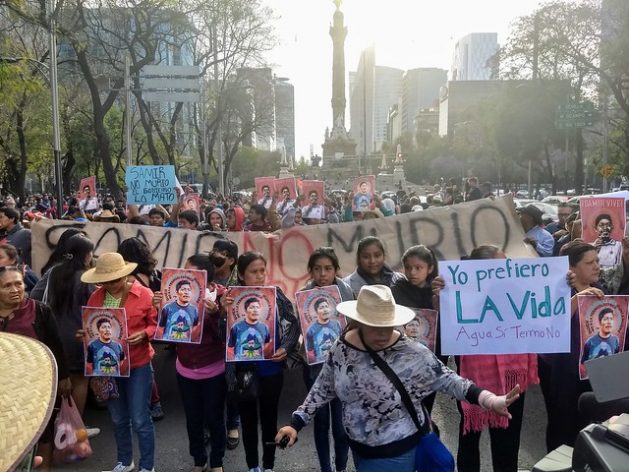
Demonstrators demand clarification of the murder of land rights activist Samir Flores and the shutdown of a thermoelectric plant in the state of Morelos, in central Mexico, in a February 2019 protest on Mexico City's emblematic Paseo Reforma. CREDIT: Emilio Godoy/IPS

Demonstrators demand clarification of the murder of land rights activist Samir Flores and the shutdown of a thermoelectric plant in the state of Morelos, in central Mexico, in a February 2019 protest on Mexico City’s emblematic Paseo Reforma. CREDIT: Emilio Godoy/IPS

MEXICO CITY, May 20 2020 (IPS) – Since 2012, Teresa Castellanos has fought the construction of a gas-fired power plant in Huexca, in the central Mexican state of Morelos, adjacent to the country’s capital.


“We don’t want the power plant to operate, because it will cause irreparable damage, polluting the water and air. This project was imposed on us; we have to defend the water and the land. This is not an industrial zone,” the activist, coordinator of the Huexca Resistance Committee, told IPS.

During the tests, the constant noise of the turbines also altered the life of this small community of just over 1,000 people, mostly farmers, near the Cuautla River, within the rural municipality of Yecapixtla.

“Development banks must have safeguards and principles for sustainable investment. National regulations are needed, which define climate finance and green finance, what principles govern them, what are the climate risks. The trend should be to increasingly finance green projects and less and less hydrocarbons.” — Liliana Estrada

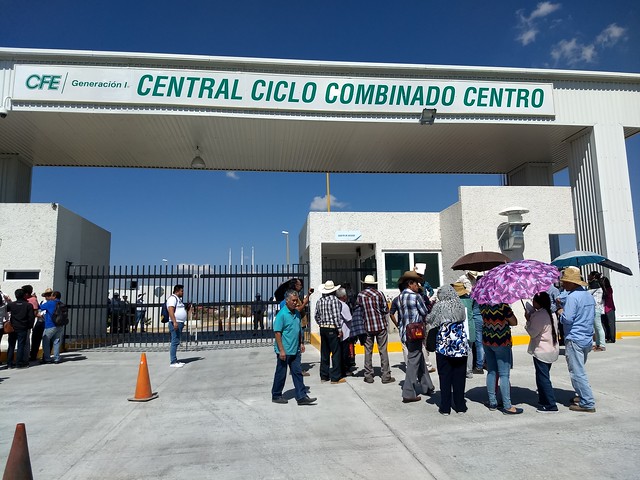
The Central Combined Cycle Plant, located in Huexca and with a capacity of 620 megawatts based on gas and steam, is part of the Morelos Integral Project (PIM), developed by the state Federal Electricity Commission (CFE). It also consists of an aqueduct and a gas pipeline that crosses the states of Morelos, Puebla and Tlaxcala.

The People’s Front in Defence of Land and Water of Morelos, Puebla and Tlaxcala and its ally, the Permanent Assembly of the People of Morelos, have managed to get several court orders that have blocked the operation of the plant, the 12-km aqueduct and the 171-km gas pipeline since 2015.

Castellanos, who has won an international and a national award for her activism, has been involved in the battle against the plant from the very start, which has earned her persecution and threats.

The opposition to the power plant by local communities that depend on planting corn, beans, squash and tomatoes and raising cattle and pigs, focuses on the lack of consultation, the threat to their agricultural activity, due to the extraction of water from the rivers, and the discharge of liquid waste.

In February 2019, a public consultation that did not meet international standards supported the completion of the project.

A few days earlier, activist Samir Flores had been murdered, a crime that remains unsolved – just one more instance of violence against environmentalists in Mexico. Despite Flores’ murder, the government of leftist President Andrés Manuel López Obrador went ahead with the referendum and upheld the result.

Public funds have fuelled the conflict, as the state-owned National Bank of Public Works and Services (Banobras) lent some 55 million dollars for the pipeline.

As in the case of other projects, development banks have become a financial pillar for the oil industry in Latin America’s second-largest nation, population 130 million.

The National Bank of Foreign Trade (Bancomext), Banobras and Nacional Financiera (Nafin) have funneled millions of dollars into building pipelines and oil and gas facilities in recent years, even though the climate change crisis makes it necessary to abandon such investments.

They have also financed renewable energy projects, but in much smaller amounts than fossil fuels.

The construction and operation of the Central Combined Cycle Plant, of the state Federal Electricity Commission, financed with public funds, unleashed a conflict with residents of Huexca, a small community in the central Mexican state of Morelos, which has brought the operation of the thermoelectric plant to a halt. CREDIT: Emilio Godoy/IPS

The construction and operation of the Central Combined Cycle Plant, of the state Federal Electricity Commission, financed with public funds, unleashed a conflict with residents of Huexca, a small community in the central Mexican state of Morelos, which has brought the operation of the thermoelectric plant to a halt. CREDIT: Emilio Godoy/IPS

Energy reform pillar

The energy reform that then conservative president Enrique Peña Nieto (2012-2018) enacted in 2013 opened the sector to private capital, broke the monopoly of the state-owned Petroleos Mexicanos (Pemex) oil giant and CFE, and made Mexico an attractive market for international investment in the sector.

To support this transformation, the state development banks also opened their coffers.´

Since 2012, Banobras, which finances infrastructure and public works and services, has lent at least 721 million dollars for the construction of gas pipelines, 10.2 billion dollars for oil and gas projects, 251 million dollars for electrical cogeneration, from steam generated in hydrocarbon plants, and eight million dollars for the construction of a thermoelectric plant that will burn fuel oil in the northwestern state of Baja California Sur.

Bancomext, which provides financing to exporters, importers and nine strategic sectors, has delivered some 500,000 dollars to oil companies in the eastern state of Tamaulipas and another 446 million dollars in Mexico City. It has also provided 65.4 million dollars to gas initiatives in the northern state of Nuevo Leon and 626.7 million dollars in Mexico City.

In addition, it has contributed 1.5 billion dollars for the supply of gas through pipelines to the final consumer; 324 million dollars for the extraction of oil and gas; 216 million dollars for the construction of public works for oil and gas; 126 million dollars for the manufacture of products derived from oil and coal; nearly seven million dollars for oil refining; 0.65 million dollars for the commercialisation of fuels; 0.25 million dollars for the drilling and maintenance of hydrocarbon wells; as well as 0.25 million dollars for oil platform maintenance and services.

In February, Bancomext granted a loan of 7.1 million dollars to Grupo Diarqco, in what it presented as the first credit to a private Mexican company in the industry, to exploit an oil field in the southeastern state of Tabasco.

Nafin, which grants credits and guarantees to public and private projects, created in 2014 the Energy Impulse Programme for these initiatives, endowed with more than a billion dollars.

It also manages, along with the economy ministry, the Public Trust to Promote the Development of Energy Industry National Suppliers and Contractors, designed for the industrial promotion of local production chains and direct investment in the energy industry, which this year has a fund of some 41 million dollars.

Missing: social and environmental safeguards

As in the case of the Morelos Integral Project, the gas pipelines have been a source of conflict with local communities, arising from the lack of socio-environmental safeguards and standards to guarantee that a project and its financing will respect the human rights of potentially affected communities.

Nafin and Banobras lack such safeguards, while Bacomext has had an “Environmental and Social Risk Management System Guide” since 2017, with no evidence of whether and how it has been applied to energy projects financed since then.

Since 2003, three platforms of international standards have emerged, to which Mexico’s development banks have not adhered, on human rights; social and environmental assessments and impacts; the application of safeguards; stakeholder participation; complaint resolution; and transparency.

The planet needs 80 percent of the global hydrocarbon reserves to stay underground in order for the temperature increase to remain at 1.5 degrees Celsius, as set out in the Paris Agreement on climate change.

The treaty, signed by 196 countries and territories in 2015, will enter into force at year-end and is considered indispensable to avoid irreversible climate disasters and human catastrophes.

Liliana Estrada, a researcher with the Climate Finance Group of Latin America and the Caribbean, told IPS that most investment in energy still goes to fossil fuels.

“After the reform, they have to enter into strategic projects and follow the guidelines of the government; they cannot go against these strategic lines. The gas and gas pipelines became strategic,” with the boost to the megaprojects of the López Obrador administration, said the representative of this coalition of non-governmental organisations and academics.

These credits are part of the fossil fuel subsidies that Mexico has pledged, to several international bodies, to eliminate.

The Mexican energy industry has also attracted international private banks, which have lent 55.95 billion dollars to 12 corporations, according to “Banking on Climate Change: Fossil Fuel Finance Report 2020”, released in March by six international environmental organisations.

The CFE received some 5.4 billion dollars from 12 banks between 2016 and 2019, and Pemex received 48.3 billion dollars from 20 foreign banks.

Based on Huexca’s experience, Castellanos demanded that these investments be stopped.

“If it’s our company, as the government says, then we can close it down. We have to defend the space in which we live, because we only have one planet and it belongs to all of us, it belongs to every living being, and it is our obligation to contribute something to this planet, because we are only here for a short while, we are guests of the earth”, she said.

Estrada called for sustainable financing regulations and questioned the lack of government leadership in this regard.

“Development banks must have safeguards and principles for sustainable investment,” she said. “National regulations are needed, which define climate finance and green finance, what principles govern them, what are the climate risks. The trend should be to increasingly finance green projects and less and less hydrocarbons.”

  Source

Checkmate! China’s Coronavirus Connection

Asia-Pacific, Civil Society, Development & Aid, Featured, Global, Headlines, Health, TerraViva United Nations

Opinion

Dr Simi Mehta is the CEO and Editorial Director of Impact and Policy Research Institute (IMPRI), New Delhi. She can be reached at simi@impriindia.org.

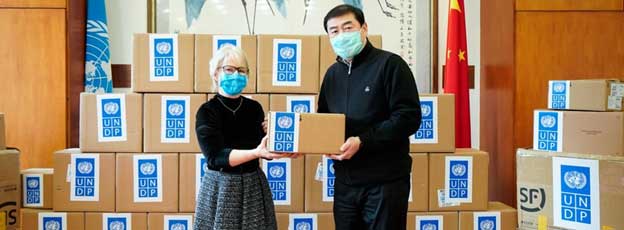
Handover ceremony at UN compound in Beijing for donation of critical medical supplies to the Chinese government. Credit: UNDP China

NEW DELHI, May 20 2020 (IPS) – Coronavirus outbreaks in China and later across the globe have been unprecedented in both its scale and impacts. In the era of changing world order, this pandemic has drawn the global attention towards the threats posed by the non-traditional security challenges.


All military prowess and records of economic progress have been rendered impotent vis-à-vis the coronavirus disease. With a total of around 5 million cases worldwide (and only about 83,000 in China), the wheels of power display of major powers like the US, China, Russia, Spain, France, Germany, Italy have come to a grinding halt.

The objectives of national health policy, health security of the countries, including the concept of collective health security of the World Health Organization (WHO), and the United Nations have raised questions on their seriousness, claimed efficacy and efficiency.

Regarding the origins of the virus, there have been different narratives. This article analyses the discourse claiming that research and development programmes for medicine, vaccines, and treatment for health risks and planning and investment for intensive research on bioweapons by major powers led to the creation of the dangerous strand of contagion called the novel coronavirus.

Allegations on China

There is no denying that the place where it all originated was in Wuhan, China. Thousands of people began to suffer with a respiratory illness that could not be cured. The WHO has described coronavirus as part of the family of viruses, which ranges from the common cold to Middle East Respiratory Syndromes (MERS) and SARS.

It has the capability to transmit between animals and humans. Very soon, a school of thought contrary to the claims of the Chinese government that it was in the wet market selling exotic and wild animals- including bats, that was the cause of this pandemic, began to emerge.

However, counter-claims posit that The Wuhan Institute of Virology National Biosafety Laboratory in the vicinity of the wet market had deliberately created this virus. What raises arguments in favour of the counter-claims include: China did not raise an alarm globally about the existence, leave aside spread of the virus until major outbreaks were reported from late January 2020 onwards.

Various conspiracy theories have been circulating that this virus was made to escape the laboratory as bio-weapons either by accident or design. Some reports have also claimed that this virus was originally stolen by Chinese agents from Canadian laboratory in July 2019, which has level 4 of biosafety- dealing with the most dangerous pathogens for which there are few available vaccines or treatments, similar to that possessed by the Wuhan laboratory.

Further, it has rejected international fact-finding mission into its country. Newspapers like the Wall Street Journal and The New York Times and the Washington Post have suffered collateral damage and some of their employees have been asked to wind up their operations in the country.

Even academic research papers on coronavirus has borne the brunt by the gag-order of the Chinese authorities to intervene in the independence of the scientific process. Those research articles focusing on the COVID-19 have to now undergo extra vetting before they are submitted for publication.

As a result, the initial global empathy for the Chinese suffering from the wrath of this virus steadily turned into suspicion and panic. This culminated into pent up anger seeking reparations from China for being culpable for the origin and spread of COVID-19.

Unfazed by Chinese criticism, US President Donald Trump eloquently named the coronavirus as the Chinese virus. He has also accused the WHO of siding with China in hiding the facts and suspended its contribution to the multi-lateral body and said that the WHO “should be ashamed of themselves because they are like the public-relations agency for China.”.

Calls for an international investigation to know the ‘truth’ behind the origin and spread of the virus have become intense. With its one-party authoritarian system, China was initially on the defensive and flagrantly refused all such calls; which, in effect added to the case in point that there is ‘something’ that it wanted to hide from the rest of the world.

However, with growing international pressures and the most recent draft resolution led by Australia and the EU and supported by 122 countries at the World Health Assembly of WHO, China finally relented and agreed to the call for a “comprehensive review” of COVID-19 pandemic in an “objective and impartial manner”.

It is even pointing to the proactive help it is providing to several countries, in terms of sending protective gears, face masks, gloves, etc. However, complaints have been raised as several of these have malfunctioned and/or were defective.

Conclusion

In 1919 George A. Soper1 wrote that the deadly Spanish Flu pandemic that swept around the earth was without any precedents, and that there had been no such catastrophe ‘so sudden, so devastating and so universal’. He remarked that, “The most astonishing thing about the pandemic was the complete mystery which surrounded it. Nobody seemed to know what the disease was, where it came from or how to stop it. Anxious minds are inquiring today whether another wave of it will come again”.

With close to 3 million positive cases and around 0.2 million deaths worldwide, the coronavirus has compelled people to draw parallels with the history of lethal viruses like the 1918 Spanish flu.

This great human tragedy created by COVID-19 is compounded because of the absence of a definitive cure and/or a vaccine. Experts opine that it would be possible only by the first quarter of 2021. The prevailing obscurity in China with respect to the causes of origin and global spread of the virus has led to conspiracy theories to emanate from various parts of the international community. Demands have begun to be made to hold China accountable for the health crisis and that it should pay the countries of the world for their health and economic hardships.

Trump has indicated that the US has begun its investigations to claim ‘substantial’ damages from China as the ‘whole situation could have been stopped at the source’. The champion of having China included in the world system- Henry Kissinger warned that COVID-19 was a danger to the liberal international order.

Even a veteran Cabinet Minister of Government of India, Nitin Gadkari stated in an interview to a private news channel that the coronavirus is ‘not a natural virus, rather it emerged from a lab’.

This, perhaps explains India’s cautious next steps of charging its northern neighbour China as the country responsible for the manufacture of the virus that has brought incredible and unprecedented mayhem in the lives, livelihoods and economies around the world.

Therefore, it would be in the best interests of China to ensure transparency and allow international investigations into the disease, as it is totally unbecoming of permanent member of the UN Security Council wielding veto powers.

The worldwide panic created by the prevailing health insecurity would redefine the meaning, definition and practical implications for programmes and policy of all countries of the world. Putting it into perspective, the global health management body- the WHO needs to be reformed, and so should the UN Security Council.

It remains to be seen how the world navigates through the crisis and whether comprehensive public health would figure in their national security agendas in the post-COVID-19 world order. Nonetheless, it is time that the multilateral agencies take suo moto cognizance of the havoc created by China and act as per the norms of international law for ensuring collective security.

1 Major George A. Soper was Sanitation Engineer with Department of Health, USA. His area of specialty included study of typhoid fever epidemics. He was also the managing director of American Cancer Society from 1923 to 1928.

  Source

Housing is Both a Prevention & Cure for COVID-19

Civil Society, Development & Aid, Editors’ Choice, Featured, Global, Global Governance, Headlines, IPS UN: Inside the Glasshouse, Poverty & SDGs, TerraViva United Nations

Opinion

Maimunah Mohd Sharif is United Nations Under-Secretary-General and Executive Director of UN-Habitat & Leilani Farha is the former UN Special Rapporteur on the Right to Adequate Housing, and Global Director of The Shift.

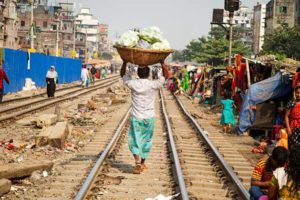
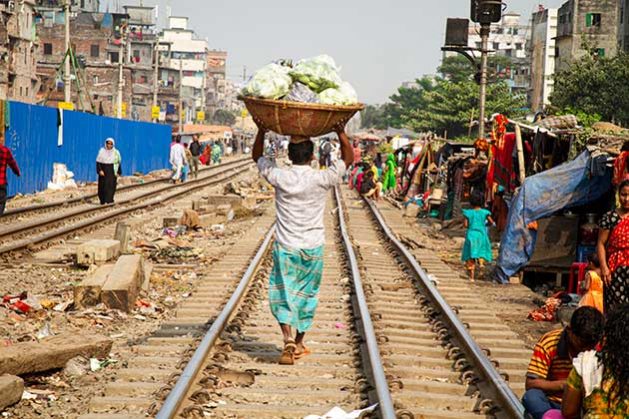
The Bijoy Sarani Railway Slum in Dhaka, Bangladesh. Credit: UNHabitat/Kirsten Milhahn

NAIROBI, Kenya, May 13 2020 (IPS) – Public health officials are calling the “stay home” policy the sacrifice of our generation. To flatten the curve of COVID-19 infections, this call of duty is now emblazoned on t-shirts, in street art and a celebrity hashtag.


But for the 1.8 billion people around the world living in homelessness and inadequate shelter, an appeal to “stay home” as an act of public health solidarity, is simply not possible. Such a call serves to highlight stark and long-standing inequalities in the housing market. It underscores that the human right to shelter is a life or death matter.

Throughout this global pandemic, governments are relying on access to adequate housing to slow the viral spread through self-isolating or social distancing policies. Yet, living conditions in poor or inadequate housing actually create a higher risk of infection whether from overcrowding which inhibits physical distancing or a lack of proper sanitation that makes regular hand-washing difficult.

At the most extreme, people experiencing homelessness must choose between sleeping rough or in shelters where physical distancing and adequate personal hygiene are almost impossible. Homeless populations and people living in inadequate housing often already suffer from chronic diseases and underlying conditions that make COVID-19 even more deadly.

It is now clear, housing is both prevention and cure – and a matter of life and death – in the face of COVID-19. Governments must take steps to protect people who are the most vulnerable to the pandemic by providing adequate shelter where it is lacking and ensuring the housed do not become homeless because of the economic consequences of the pandemic.

These crucial measures include stopping all evictions, postponing eviction court proceedings, prohibiting utility shut-offs and ensuring renters and mortgage payers do not accrue insurmountable debt during lockdowns.

In addition, vacant housing and hotel rooms should be allocated to people experiencing homelessness or fleeing domestic violence. Basic health care should be provided to people living in homelessness regardless of citizenship status and cash transfers should be established for people in urgent need.

Steps should be quickly taken to establish emergency handwashing facilities and health care services for at-risk and underserved communities and informal settlements.

In many cities and countries, emergency measures are already moving in this direction.

Berlin opened a hostel to temporarily house up to 200 homeless people, catering to all nationalities. The Welsh government pledged GBP10 million to local councils for emergency homeless housing by block booking empty lodging like hotels and student dormitories.

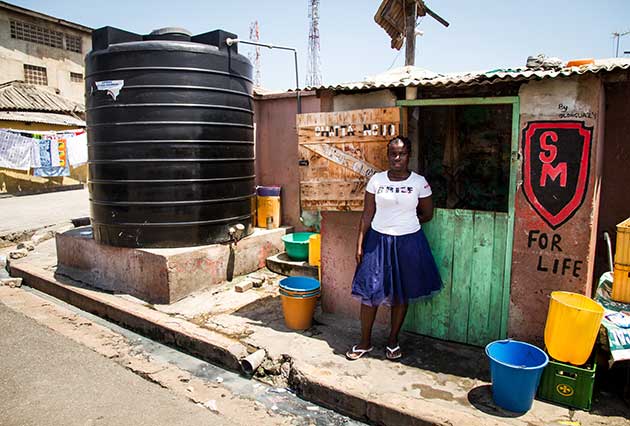
A woman outside a community run water facility in Old Town, Accra Ghana. Credit: UNHabitat/Kirsten Milhahn

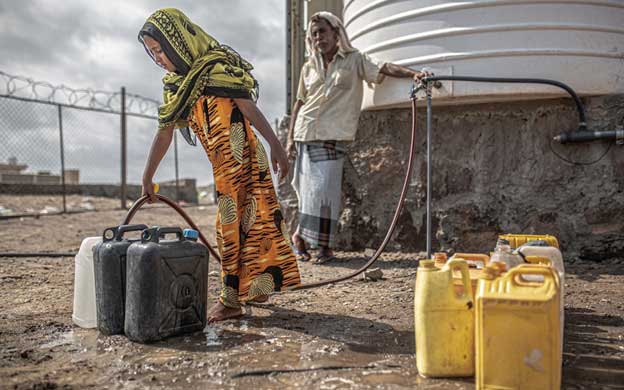
In South Africa where under half of all households have access to basic handwashing facilities and in Kenya, where it is under a quarter of households, governments are increasing access to water for residents living in rural areas and informal settlements by providing water tanks, standpipes, and sanitation services in public spaces.

Many jurisdictions, such as Canada’s province of British Columbia, have suspended evictions. The eviction ban means landlords cannot issue a new notice to end a tenancy for any reason and existing orders will not be enforced.

Spain, France, the United Kingdom and the United States have announced mortgage postponements in an effort to curb potential defaults.

National and local governments are also working with the private sector to tackle housing issues. For example, Singaporean firms with government backing are providing accommodation for Malaysian workers who had been commuting to Singapore daily.

And as they are no tourists in Barcelona, the city has agreed with the Association of Barcelona Tourist Apartments to allocate 200 apartments for emergency housing for vulnerable families, homeless people and those affected by domestic violence.

Some cities are leveraging citizen solidarity. Residents of Los Angeles are making hand-washing stations for homeless people living in a depressed area known as Skid Row which are installed and maintained by a local community centre.

All of these urgent measures and more are desperately needed and demonstrate the way in which housing is inherently connected to our collective public health. These successful interventions also show concrete ways that governments and communities can effectively tackle the pre-existing global housing crisis – a crisis which affected at least 1.8 billion people worldwide, even before the pandemic.

In 2018 the European Federation of National Organisations Working with the Homeless reported that homelessness had skyrocketed across the continent. In the United States, 500,000 people are currently homeless, 40 per cent of whom are unsheltered.

In April last year, the Organization for Economic Cooperation and Development (OECD) warned that rent is currently the biggest expense for households accounting on average for one-third of their income. In the last two decades, housing prices have grown three times faster than incomes.

The current global housing system treats housing as a commodity. In times of crisis, the inefficiencies of the market are clear with the public sector expected to absorb liabilities.

This is not sustainable and many cities are struggling to find shelter for their citizens. COVID-19 has brought into sharp relief the housing paradox – in a time when people are in n desperate need for shelter, apartments and houses sit empty. This market aberration needs correcting.

Governments are at a crossroads. They can treat COVID-19 as an acute emergency and address immediate needs without grappling with hard questions and fundamental questions about the global housing system.

Or they can take legislative and policy decisions to address immediate needs, while also addressing the present housing system’s structural inequalities, putting in place long term ‘rights-based’ solutions to address our collective right to adequate shelter. Housing must be affordable, accessible and adequate.

COVID-19 is unlikely to be the last pandemic or global crisis that we face. What we do now will shape the cities we live in, and how resilient we will be in the future.

  Source

NGOs – with Local Groups in the Lead – are on COVID-19 Frontlines

Civil Society, Featured, Global, Headlines, Health, Human Rights, Humanitarian Emergencies, Inequity, TerraViva United Nations

Opinion

Abby Maxman is President & CEO of Oxfam America

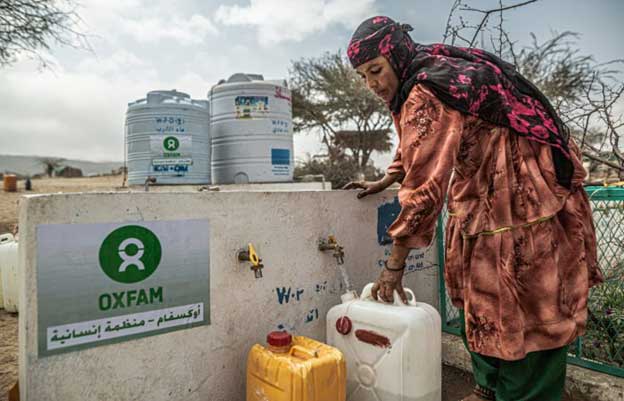
Credit: Oxfam America

BOSTON, USA, May 11 2020 (IPS) – NGOs, at the international, national – and most of all local – level are on the frontlines every day.

I just heard from Oxfam staff in Bangladesh, that when asked whether they were scared to continue our response with the Rohingya communities in Cox’s Bazar, they replied: “They are now my relatives. I care about them — and this is the time they need us most.’”


These people – and those that they and others are supporting around the globe – are at the heart of this crisis and response.

As we talk about global figures and strategies, we must remember we are talking about parents who must decide whether they should stay home and practice social distancing or go to work to earn and buy food so their children won’t go hungry; women who constitute 70% of the workers in the health and social sector globally; people with disabilities and their carers; those who are already far from home or caught in conflict; people who don’t know what information to believe and follow, as rumours swirl.

Looking more broadly, we see that the COVID-19 crisis is exposing our broken and unprepared system, and it is also testing our values as a global community. COVID-19 is adding new and exacerbating existing threats of conflict, displacement, gender-based violence, climate change, hunger and inequality, and too many are being forced to respond without the proper resources – simple things like clean water, soap, health care and shelter. We must be creative and nimble to adapt our response in this new reality.

Most vulnerable communities

We know too well that when crisis hits, women, gender diverse persons, people with disabilities and their carers, the elderly, the poor, and the displaced suffer the worst impacts as existing gender, racial, economic and political inequalities are exposed.

Abby Maxman

These communities need to be at the center of our response, and we, as the international community, must listen to their needs, concerns and solutions.

Access

As we continue to ramp up our response, we must have access to the communities most in need. Likewise, COVID-19 cannot be used as an excuse to stop those greatest in need from accessing humanitarian aid.

Border closures are squeezing relief supply and procurement chains; Lockdowns and quarantines are blocking relief operations; And travel restrictions for aid workers have been put in place, disrupting their ability to work in emergency response programs.

Authorities should absolutely take precautions to keep communities safe, but we need to work at all levels to also ensure life-saving aid can still get through and people’s rights are upheld.

Local and national NGOs are on the frontline of the COVID-19 response, and communities’ access to the essential services and lifesaving assistance they provide must be protected. We also know that with effective community engagement, we can gain better and more effective access to communities.

Humanitarian NGOs and partners are adapting our approaches to continue vital humanitarian support while fulfilling our obligation to “do no harm.”

This adaptive approach, and our experience of ‘safe programming,’ shifting to remote management where possible; and scaling back some operations where necessary—will all be crucial as COVID-19 restrictions continue to amplify protection concerns and risk of sexual exploitation and abuse.

Funding

To mount an effective response, we must draw on our collective experience, but this crisis also offers an opportunity to change the way we work, including setting up new funding mechanisms to allow our system to leverage the complementary roles we all play in a humanitarian response.

Overall, NGOs urgently need funding that is flexible, adaptive, and aligned with Grand Bargain commitments. Our work is well underway, but more is needed to get resources to the frontlines.

We need to better resource country based pooled funds, which are crucial for national and local NGOs. Now more than ever, donors must support flexible mechanisms to increase funding flows to NGO partners.

Next Steps

In closing, the international community needs to come together to battle this pandemic in an inclusive and a responsive way that puts communities at the heart of solutions. Even while we respond in our own communities, we must see and act beyond borders if we are ever to fully control this pandemic.

The planning and response to COVID-19 need to be directly inclusive of local and national NGOs, women’s rights organizations, and refugee-led organizations leaders. We must address this new threat, while still responding to other pressing needs for a holistic response.
This means continuing our response to the looming hunger crisis, maintaining access to humanitarian aid, and supporting existing services including sexual and reproductive health and gender-based violence services.

We need to ensure humanitarian access is protected to reach the most vulnerable.

And funding needs to be quickly mobilized through multiple channels to reach NGOs and must be flexible both between needs and countries.

This much is clear: We cannot address this crisis for some and not others. We cannot do it alone. The virus can affect anyone but disproportionately affects the most marginalized. It is our collective responsibility to ensure that our global response includes everyone.

We owe it to those dedicated staff and their honorary “relatives” in Cox’s Bazar, and all those like them around the globe, to get this right.

This article was adapted from Abby Maxman’s comments as the NGO representative at the UN’s Launch of the Updated COVID-19 Global Humanitarian Response Plan on May 7, 2020.

  Source

The Role of Civil Society in Times of Crisis

Asia-Pacific, Civil Society, Featured, Headlines, Health, Poverty & SDGs, TerraViva United Nations

Opinion

What is the role of civil society in this massive national exercise to ensure that every citizen of the country has food to eat, quality health services, and livelihood opportunities? I believe there is plenty we can do

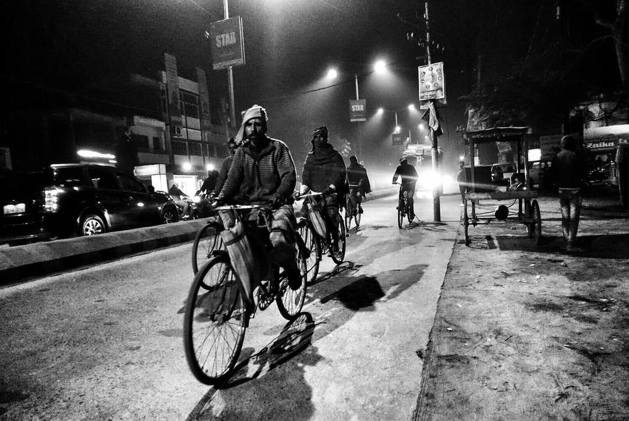
This is an opportunity for civil society to highlight the plight of migrant labourers that existed even before the pandemic.. Picture courtesy: Anand Sinha

RAJASMAND, RAJASTHAN, India, May 8 2020 (IPS) – The ongoing COVID-19 pandemic has shown us something that most of us haven’t seen in our lifetimes: Large numbers of people unable to have two meals a day. 


The tragedy is that the government has enough and more foodgrains to feed people during this time; the real issue is of distribution—both in terms of broken supply chains, as well as the insistence of the government to limit distribution to beneficiaries under the National Food Security Act (NFSA), ie, priority ration card holders. This approach is flawed because the NFSA has many exclusions, with some of the poorest of the poor, nomadic or Adivasi communities, and the urban poor being left out. Moreover, ration cards are of no use to migrant workers stuck outside their home state.

How much attention we pay to the millions who have been worst affected by COVID-19 and the lockdown will determine whether or not we come out of this crisis

There are similar issues of exclusion in other services as well, such as livelihoods and healthcare. This is where civil society must step in—to put pressure on the government to universalise these services.

We, at the Mazdoor Kisan Shakti Sangathan (MKSS) and through many networks, have been petitioning the government to distribute foodgrains to everyone, and we need to apply this kind of pressure at a larger scale. We’ve seen this work in the past, in the case of programmes such as NFSA (that focuses on food security) and the Mahatma Gandhi National Rural Employment Guarantee Act (NREGA)—both these were a result of consultative processes between the government and civil society. In fact, these rights-based legislations are providing us with the framework for public service delivery during this crisis, and they need to be effectively enhanced.

Therefore, if the government does not listen, we have to make them listen. I believe the people of this country know how to engage with the government—even when we disagree with our leaders, or they don’t listen to us. We live in a constitutional democracy, and the mantle therefore lies with citizens and civil society organisations to put pressure on the government, and to recreate society on the principles of equality, respect, and solidarity. In the short term, this means that we need to build a national movement to ensure that everyone gets access to food, livelihood, and healthcare.

But how can we do this, given the urgency of the situation and the restrictions that have come with it? What is our role in this massive national exercise to ensure that every citizen of the country has food to eat, quality health services, and livelihood opportunities? I believe there is plenty we can do.

Build a network of civil society

Civil society will have to build a network that cuts across the country. We will need to map the different organisations and groups providing relief in every district, block, and down to every village. We can do this because we have volunteers and workers—from field staff of nonprofits to government school teachers—all over the country, and we know whom we can contact for any information or assistance at any place.

The strength of civil society lies in knowing and being the small, decentralised units that have taken responsibility for their entire area—identifying the number of people in the area, the relief needed, the gaps in government relief, the challenges on the ground, and so on. By bringing them together and forming a network, we can enable these units to call upon each other for assistance, such as procuring material or rebuilding supply chains. Most importantly, the network can have a voice at the national-level that says everyone is entitled to benefits, even if they are not ration card holders or active workers under NREGA.

Stand in solidarity with those delivering essential services

COVID-19 is a high-risk disease, and we need to be very careful; but we cannot simply lock ourselves in our homes, because then those who are most vulnerable will not survive. Essential services absolutely have to continue. We have to build systems and mechanisms for safe delivery of services, and public servants have to be motivated, and given economic and moral support. Even though this has to be primarily done by the government, civil society organisations have a huge role to play as well.

For instance, we need to stand in solidarity with those who are currently delivering these services—frontline health workers, sanitation workers, people running ration shops and kirana stores, those making home deliveries of goods, and so on. We have to understand their problems and put pressure on the government to support them. The Delhi government recently announced insurance of INR 1 crore for frontline workers. That is the kind of security we should demand for every individual delivering services in this period. We have to build a movement around them.

These essential jobs could also be the answer to protecting the livelihoods of the poor during this time, by creating a fallback public works programme, unprecedented in scale. Civil society can demonstrate this model to the government. We need to chart the vital services required today, such as delivering rations and caregiving, and show to the government how people can be employed in these roles. This will not only help communities affected by the pandemic, but the mechanism of doing so might help others in turn.

Continue social movements in innovative ways

We might not be able to organise rallies or protests during the lockdown, but social movements must not stop finding ways to mobilise public opinion. When the lockdown first happened, we filed a case in the Supreme Court to say that all active workers under NREGA should be given wages for all 21 days. The case is being heard via video conferencing. So, we have to explore all options that help put pressure on the government.

We can engage with the state, send press notes, exchange information within our networks of civil society organisations, and document what’s happening on the ground. This way, we can raise issues at the state- and national-level. There are restrictions everywhere, but we cannot stop. We have to be innovative.

Civil society leaders and activists must also continue writing for newspapers and alternative media to highlight the situation of the most vulnerable, and do it in a more organised way, by taking the unheard voices and disseminating them using our networks. These must not just be confined to stories of suffering, but include positive stories and creative practices as well—of people working together despite socio-economic differences. Civil society can also help advocate that best practices in one state be replicated in others.

This is an opportunity for civil society to highlight the plight of migrant labourers that existed even before the pandemic—their work and living conditions, the insecurity of work, and the fact that they have no real social support from the state. We’ve heard people say that they didn’t realise that the migrant workforce is the backbone of our economy. Therefore, in addition to looking after their welfare and security, we must recognise their contribution, and build respect for them and their work—not as a favour, but as a means to empower them.

Many civil society organisations have been working with domestic workers, industrial workers, mine workers, street vendors, or other informal sector workers, but we haven’t managed to get them together and build them into the potent, powerful force that they could be. Perhaps now is the time for us to do that.

This is also an opportunity for civil society to counter the communal narrative that took over the country a few weeks ago. By taking the lead in organising multifaith relief efforts and highlighting positive stories of unity across religious lines, we have to show that the only way to overcome this crisis is by working together. We need to demonstrate compassion and care at this time, and shift the focus of politics to those values.

Work with the government

The role of civil society does not stop at putting pressure on the government. There are many areas that the government is unable to reach; we have to reach there. We have to use our transparency and accountability mechanisms to monitor the government’s work and make sure state resources are well-used. We also need to proactively find the gaps, and help fill those gaps.

The government structure is working well in some areas and not working in others. In some of those places, the government is itself asking for our help. Given the enormity of the intervention required, the government cannot do it on its own, and civil society cannot replace the vast role of the government in facing this crisis. While civil society organisations can take responsibility for one area and fully ensure the well-being of the people there, we must also work with local governments, help people access relief measures down to every rural and urban ward, and fill the gaps in the government’s response. Panchayats and local self-governments also have a very big role to play in this effort.

Apart from this, each one of us needs to think hard of the ways in which we can contribute. As individuals, we can immediately start looking at those around us—in our villages and our localities. Some of us can provide economic resources to plug the government’s gaps; others can take up the job of distribution. Individuals can also devote their time and join campaigns. There needs to be a concerted campaign for instance, to use the excessive foodgrain stocks to universalise the PDS, at least for the next few months. We also need to support the demand for an enhanced employment guarantee programme for rural and urban areas. We don’t realise how powerful the middle-class, English-speaking elite in India is; if they raise their voice enough, we will see improved situations around us.

And lastly, let us not forget democracy at this time—the right to speak, the right to challenge, the right to argue—because today, the only thing millions of poor people have is a voice. We need to amplify that voice to ensure that the most vulnerable get the most support, and those who are affluent only get something if it helps the most vulnerable. How much attention we pay to the millions who have been worst affected by COVID-19 and the lockdown will determine whether or not we come out of this crisis.

The article is based on Nikhil’s online discussion with the team members of Azim Premji Philanthropic Initiatives, Azim Premji University, and Azim Premji Foundation.

Nikhil Dey was one of the founding members of the Mazdoor Kisan Shakti Sangathan (MKSS).

This story was originally published by India Development Review (IDR)

  Source