COP26: The Roadmap Plotting the Way to a Historic Meeting – Or Not

Civil Society, Climate Action, Climate Change, Conferences, Editors’ Choice, Environment, Featured, Global, Global Governance, IPS UN: Inside the Glasshouse, Regional Categories
Climate Change

The Madrid climate summit in 2019, COP25, left important pending issues that the conference in Glasgow, which begins on Sunday Oct. 31, will have to resolve. CREDIT: Emilio Godoy/IPS

The Madrid climate summit in 2019, COP25, left important pending issues that the conference in Glasgow, which begins on Sunday Oct. 31, will have to resolve. CREDIT: Emilio Godoy/IPS

MEXICO CITY, Oct 29 2021 (IPS) – The climate summit in Glasgow, Scotland, the most important since 2015, may go down in history as a milestone or as another exercise in frustration, depending on whether or not it resolves the thorny pending issues standing in the way of curbing global warming.


If successful, it could be placed on a par with the 2010 Cancun meeting, which rescued the negotiations after the previous year’s failure in Copenhagen, and Paris, where an agreement was reached in 2015 which defined voluntary emission reductions and a limit to global warming.

But if the summit fails, it will be compared to Copenhagen (COP15), the 2009 conference, and Madrid (COP25), the 2019 summit, whose progress was considered more than insufficient by environmental organisations and academics.

Former Mexican climate negotiator Roberto Dondisch said it is difficult to predict success or failure at the 26th Conference of the Parties (COP26) of the United Nations Framework Convention on Climate Change (UNFCCC), which will take place in Glasgow in the northern UK Oct. 31 to Nov. 12.

“This time we are not seeking an agreement, but trying to work out unresolved issues. The same thing happened in Paris, but a space was created to solve it. The reports are not very promising in terms of where we are at and what we must do. The conditions are very complicated; the will is there, but not the results,” Dondisch, a distinguished fellow at the Washington, DC-based non-governmental Stimson Center, told IPS.

Climate governance has come a long way since the first COP.

Background

In 1992, the United Nations Conference on Environment and Development, held in Rio de Janeiro on the 20th anniversary of the first U.N. Conference on the Human Environment in Stockholm in 1972, brought together political leaders, scientists, representatives of international organisations and civil society to address the impact of human activities on the environment.

One of the results of the so-called Earth Summit was the creation of the UNFCCC, at a time when there was already evidence of global warming caused by human activity.

In fact, as early as 1990, the Intergovernmental Panel on Climate Change (IPCC), created by the U.N. General Assembly in 1988 and composed of scientists from all over the world entrusted with the responsibility of assessing the existing scientific knowledge related to climate phenomena, released its first report.

Report after report, the IPCC has become a key part of the global climate framework for understanding and addressing the crisis of rising temperatures and their impacts.

Seven years later, in 1997, the member states of the UNFCCC negotiated the Kyoto Protocol (KP), signed in that Japanese city during COP3, which established mandatory emission reduction targets for 36 industrialised countries and the European Union as a bloc, listed in Annex II of the agreement.

In Kyoto, the nations of the developing South were exempted from this obligation in Annex I of the pact.

After the first compliance period (2008-2012), the parties agreed on another period for 2013-2020, which in practice never entered into force, until the protocol was replaced by the Paris Agreement.

The KP, which came into effect in 2005 – without the participation of key countries such as the United States and Russia – also has its own Conference of the Parties serving as the meeting of the Parties to the Kyoto Protocol (CMP), which oversees its implementation and takes decisions to promote its effective implementation.

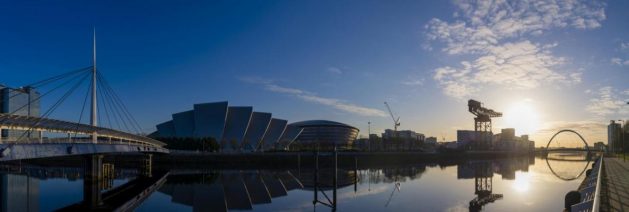
A view of the main venue for COP26 in Glasgow. Expectations are high for the outcome of the conference, but the two-week discussions and meetings must negotiate an obstacle course to reach concrete results in keeping with the severity of the climate emergency. CREDIT: UNFCCC

A view of the main venue for COP26 in Glasgow. Expectations are high for the outcome of the conference, but the two-week discussions and meetings must negotiate an obstacle course to reach concrete results in keeping with the severity of the climate emergency. CREDIT: UNFCCC

The relatively uneventful COP19 in Warsaw in 2013 served to testify to the birth of the Warsaw International Mechanism for Loss and Damage associated with Climate Change Impacts (WIM), whose rules of operation and financing will be central to the Glasgow discussions.

Climate policies will be the focus of COP26, co-chaired by the United Kingdom and Italy, which had to be postponed for a year due to covid-19 pandemic restrictions.

COP26 will address rules for carbon markets, climate finance for at least 100 billion dollars annually, gaps between emission reduction targets and necessary reductions, strategies for carbon neutrality by 2050, adaptation plans, and the local communities and indigenous peoples platform.

But missing from the agenda of the two weeks of discussions will be the goal of hundreds of billions of greenbacks per year, which has been postponed to 2023 – a sign that funding for mitigation and adaptation to climate change is the hot potato for the parties.

Complex architecture

The UNFCCC entered into force in 1994 and has been ratified by 196 parties, with the participation of the EU as a bloc, the Cook Islands and Niue – South Pacific island nations – in addition to the 193 U.N. member states.

The parties to the binding treaty subscribe to a universal convention that recognises the existence of climate change caused by human activities and assigns developed countries the main responsibility for combating the phenomenon.

The COPs, in which all states parties participate, govern the Convention and meet annually in global conferences where they make decisions to achieve the objectives of the climate fight, adopted unanimously or by consensus, especially after the KP failed to reach the negotiated goals.

In Paris, at COP21, member countries agreed on voluntary pollution reduction targets to keep the temperature increase below 1.5 degrees Celsius, considered the indispensable limit to contain disasters such as droughts and destructive storms, with high human and material costs.

These targets are embodied in the Nationally Determined Contributions (NDCs), in which countries set out their 2030 and 2050 goals. Only 13 nations have submitted a second version of their measures since they began submitting their actions to the UNFCCC Secretariat in Bonn, Germany, in 2016.

The Paris Agreement, in force since 2020 and so far ratified by 192 states parties, has its own Meeting of the Parties (MOP), which monitors compliance and takes decisions to promote compliance.

Each COP also draws thousands of business delegates, non-governmental organisations, international organisations, scientists and journalists.

In addition, a parallel alternative summit will bring together social movements from around the world, advocating an early phase-out of fossil fuels, rejecting so-called “false solutions” such as carbon markets, and calling for a just energy transition and reparations for damage and redistribution of funds to indigenous communities and countries of the global South.

Sandra Guzmán, director of the Climate Finance Programme at the non-governmental Climate Policy Initiative – with offices in five countries – foresees a complex summit, especially in terms of financing.

“No one knows for sure how loss and damage will be covered. Developed countries don’t want to talk about more funds. The scenario for political agreement is always difficult. The expectation is that the COP will move forward and establish a package of progress and build a good bridge to the next meeting,” she told IPS from London.

For 30 years, the parties to the UNFCCC have been doing the same thing, without achieving the desired reduction in emissions or control of global warming. If COP26 follows the same mechanics, the results are unlikely to change at the end of the two weeks of discussions and activities in which more than 25,000 people will participate.
 

COP26 Could Get Hot, but Southern African Region Needs it to be Cool and Committed

Africa, Biodiversity, Climate Action, Climate Change, Conferences, Environment, Featured, Food and Agriculture, Headlines, Humanitarian Emergencies, TerraViva United Nations

Climate Action

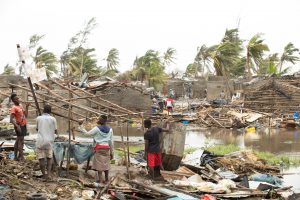
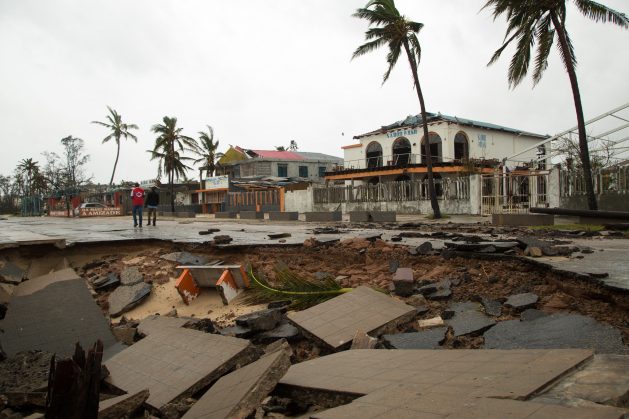
The Southern African region is particularly vulnerable to climate change while only being responsible for a fraction of emissions. It is hoped that COP26 will deliver tangible benefits to the area which has already suffered severe impacts of climate change like the effects of Cyclone Idai, Mozambique, in March 2019. Credit: Denis Onyodi: IFRC/DRK/Climate Centre

Johannesburg, Oct 26 2021 (IPS) – COP26 is almost upon us, and dire warnings abound that it’s boom or bust for a greener future. Meanwhile, everybody boasts about what they will do to cool down our planet, but there is a disjuncture between talk and action. Even Queen Elizabeth II of the host country, the United Kingdom, has grumbled publicly that not enough action is taking place on climate change.


In the Southern Africa region, the SADC’s member countries are clear that the developed countries must stump up the money to help them deliver their promises to reduce carbon emissions and carry out a raft of measures to combat global warming. All the SADC countries are signatories to the Paris Agreement.

The region has joined the cry of other African countries that the continent suffers most from climate change but hardly contributes to the causes of the phenomenon – emitting less than 4% of the world’s greenhouse gasses.
According to research undertaken on behalf of the UN, climate change adaptation needs for Africa were estimated to be $715 billion ($0.715 trillion) between 2020 and 2030.

In southern Africa, each country has its own Nationally Developed Contribution plan for dealing with climate change, including costs. Of course, funding will be needed to achieve these goals. Developing countries have pledged a $100bn annual target to help the developing world tackle climate change. All the Southern African countries will need a slice of this funding. The Green Climate Fund was established under the Cancun Agreements in 2010 as a dedicated financing vehicle for developing countries.

In the lead up to COP26, the fund is under scrutiny. Tanguy Gahouma, chair of the African Group of Negotiators at COP26, has said: “African countries want a new system to track funding from wealthy nations that are failing to meet the $100bn annual target.”

The Organisation for Economic Co-operation and Development (OECD) estimates this funding stood at $79.6bn in 2019. OECD data reveals that from 2016-19 Africa only got 26 percent of the funding.

Gahouma said a more detailed shared system was needed that would keep tabs on each country’s contribution and where it went on the ground.

“They say they achieved maybe 70 percent of the target, but we cannot see that,” Gahouma said.
“We need to have a clear road map how they will put on the table the $100bn per year, how we can track (it),” he said. “We don’t have time to lose, and Africa is one of the most vulnerable regions of the world.”

Amar Bhattacharya, from the Brookings Institution, says about the fund, “Some progress has been made – but a lot more needs to be done.”

Denmark’s development coordination minister Flemming Møller Mortensen has warned that only a quarter of international climate finance for developing countries goes to adaptation.

COP26 may turn into a squabble over money and perhaps an attack on developed countries as they are blamed for creating the problems of climate change in the first place by using fossil fuels for the last two centuries. G20 countries account for almost 80% of global greenhouse gas emissions.

Again, it is all about the money. Many developed countries do not want to change; their economies (and their rich elites) are wedded to fossil fuels. There are also problems with paying for adaptation. Will the rich countries fund the developing countries to green themselves up?

Southern Africa will need to deal pragmatically with the outcomes of COP26 as it becomes crucial to deal with climate change impacts – like the vulnerability to intense storms like Cyclone Idai, which hit Mozambique in March 2019. Credit: Denis Onyodi: IFRC/DRK/Climate Centre

Professor Bruce Hewitson, the SARCHI Research Chair in Climate Change Climate System Analysis Group, Dept Environmental & Geographical Sciences at the University of Cape Town, told IPS: “The well-cited meme that Africa is the continent most vulnerable to climate change impacts is true, as is the common response that Africa needs external aid to implement adaptation and development pathways compatible to climate mitigation. However, such messages hide a myriad of political realities about the difference between what is ideal and what is likely.”

Hewitson argues that what emerges from COP26 is an exercise in hope and belief.

“It’s a tightrope walk trying to balance competing demands and self-interests. At the end of the day, Africa will need to pragmatically deal with a compromised outcome and face the climate challenges as best possible under limited resources,” he says.

If Africa goes to COP26 with a begging bowl attitude, it could face the risk of dancing to the strings of the powerful and rich nations.

“Climate change impacts Africa in a multiplicity of ways, but at the root is when the local climate change exceeds the viability threshold of our infrastructural and ecological systems. Hence, arguably the largest challenge to responding to climate change is to expand and enable the regional capacity of the science and decision-makers to responsibly steer our actions in an informed and cohesive way; Africa needs to lead the design of Africa’s solutions,” says Hewitson.

While he argues that some of the best innovation is happening in Africa, it requires resources, and the COVID-19 pandemic has decreased international funding.

“Each community has unique needs and unique challenges, needing unique local solutions that are context-sensitive and context-relevant, and this will inevitably include the pain of some socio-economic and political compromise.”
The southern African region’s climate woes chime with the problems faced by a legion of developing countries. We have Mauritius’s threatened Indian Ocean islands, Seychelles, Madagascar, Comoros and those offshore of Tanzania and Mozambique, plus many thousands of miles of coastline. We have inland waterways. We have jungles, forests, vast plains and deserts. All prey to the viciousness of global warming.

The SADC’s climate change report quotes an academic paper by Rahab and Proudhomme that from 2002 “there has been a rise in temperatures at twice the global average.”

According to the SADC, “A Climate Change Strategy is in place to guide the implementation of the Climate Change Programme over a Fifteen-year period (2015 – 2030). The plan is innovative in terms of food security, preserving and expanding carbon sinks (which play a major role in stabilising the global climate) and tackling problems in urban areas that cause global warming like high energy consumption, poor waste management systems and inefficient transport networks.

Out of the region’s fifteen member countries, South Africa is the biggest culprit when it comes to greenhouse gas emissions.

South African President Cyril Ramaphosa recently said, “We need to act with urgency and ambition to reduce our greenhouse gas emissions and undertake a transition to a low-carbon economy.”

This is a big ask for the region’s economic powerhouse with entrenched mining interests, an abundance of coal and a huge fleet of coal-fired power stations.

Recently, Mining and Energy Minister Gwede Mantashe said South Africa must systematically manage its transition away from coal-fired power generation and not rush a switch to renewable energy sources.

“I am not saying coal forever… I am saying let’s manage our transition step by step rather than being emotional. We are not a developed economy, we don’t have all alternative sources.”

Angola has some of the most ambitious targets for transition to low-carbon development in Africa. The country committed to reducing up to 14% of its greenhouse gas emissions – commentators have met this with scepticism.
Mozambique, not – as yet – a significant carbon emitter, has potential, through its vast natural gas resources, to provide the wherewithal to heat the planet in a big way.

The Democratic Republic of the Congo – a least-developed country, has committed to a 17% reduction by 2030 in emissions. The DRC has the world’s second-largest tropical rainforest – a major carbon sink.

Other SADC countries that suffer from climate change but do very little to cause it are Lesotho, Swaziland, Botswana, Madagascar, which is currently suffering from a climate-induced famine; Malawi, Tanzania, Namibia and Zambia.

While talking up the need to cut emissions, Zambia’s neighbour Zimbabwe said it would increase electricity and coal supply to the iron and steel sectors, thus adding to emissions.

Mauritius, Seychelles and Comoros are all vulnerable Island economies and have a lot in common with the many other island states throughout the world and are very low carbon emitters but extremely vulnerable to climate change especially rising sea levels.

Despite all the problems emerging in the lead up to COP 26, we need to take to heart the fact that scientists and commentators worldwide are warning that COP26 must deliver a way forward that works for our planet and our people. Southern Africa and the African continent as a whole can contribute with innovation and enthusiasm by tapping into the vast potential of our youthful population.


Latin America Heads to Glasgow Climate Summit with Half-Empty Hands

Civil Society, Climate Action, Climate Change, Conferences, Development & Aid, Editors’ Choice, Energy, Environment, Featured, Global Governance, Headlines, Latin America & the Caribbean, Regional Categories

Climate Change

This article is part of IPS coverage ahead of the COP26 climate change conference, to be held Oct. 31-Nov. 12 in Glasgow.

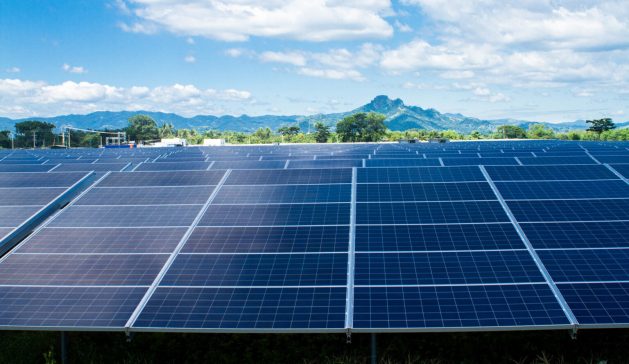
A solar power plant in El Salvador, with 320,000 panels, is one of the largest such installations in Central America, whose countries are striving to convert the energy mix to renewable sources, but whose plans were slowed by the covid pandemic. CREDIT: Edgardo Ayala/IPS

A solar power plant in El Salvador, with 320,000 panels, is one of the largest such installations in Central America, whose countries are striving to convert the energy mix to renewable sources, but whose plans were slowed by the covid pandemic. CREDIT: Edgardo Ayala/IPS

MEXICO CITY, Oct 25 2021 (IPS) – Latin America and the Caribbean are heading to a new climate summit with a menu of insufficient measures to address the effects of the crisis, in the midst of the impact of the covid-19 pandemic.


The world’s most unequal region, which is the hardest hit by the effects of climate change and highly vulnerable to the impacts of the climate crisis, has yet to engage in the fight against this emergency head-on, according to analysts and studies.

Tania Miranda, director of Policy and Stakeholder Engagement in the Environment and Climate Change Programme of the U.S.-based non-governmental Institute of the Americas, said Latin America’s high climate ambitions have not been supported by the measures necessary to reduce emissions.

“Goals are aspirational. If they are not backed up with policies and financing, they remain empty promises. There is a need for financing and the implementation of strategies and public policies that will lead them to fulfill their commitments. Billions of dollars are needed,” the researcher told IPS from San Diego, California, where the Institute is based.

Miranda is the author of the report “Nationally Determined Contributions Across the Americas. A Comparative Hemispheric Analysis,” which evaluates the climate targets of 16 countries, including the United States and Canada.

In her study, she analyses pollutant emission reduction targets, plans for adaptation to the climate crisis, dependence on external financing, long-term carbon neutrality commitments and the state of pollution abatement.

Climate policies will be the focus of the 26th Conference of the Parties (COP26) to the United Nations Framework Convention on Climate Change (UNFCCC), which will take place Oct. 31 to Nov. 12 in Glasgow, Scotland in the north of the United Kingdom, after being postponed in that same month in 2020 due to the pandemic.

COP26 will address rules for carbon markets, at least 100 billion dollars annually in climate finance, the gaps between nationally determined contributions (NDCs) and the necessary reductions, strategies for carbon neutrality by 2050, adaptation plans, and the local communities and indigenous peoples platform.

A parallel alternative summit will also be held, bringing together social movements from around the world, advocating an early phase-out of fossil fuels, rejecting so-called “false solutions” such as carbon markets, and calling for a just energy transition and reparations for damage and redistribution of funds to indigenous communities and countries of the global South.

The Glasgow conference is considered the most important climate summit, due to the need to accelerate action in the face of alarming data on global warming since the adoption of the Paris Agreement at COP21, held in December 2015 in the French capital.

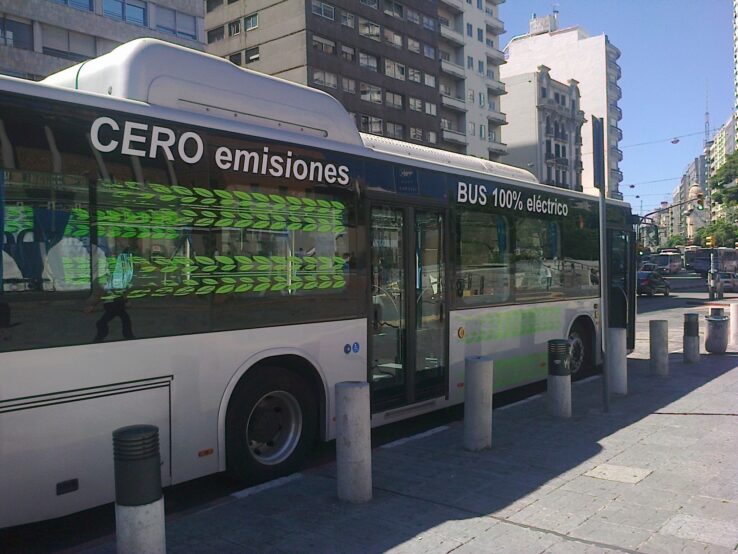
A zero-emission electric bus is parked on a downtown street in Montevideo. Public transport is beginning to electrify in Latin America's cities as a way to contain CO2 emissions, but plans have been delayed and cut back due to the covid pandemic. CREDIT: Inés Acosta/IPS

A zero-emission electric bus is parked on a downtown street in Montevideo. Public transport is beginning to electrify in Latin America’s cities as a way to contain CO2 emissions, but plans have been delayed and cut back due to the covid pandemic. CREDIT: Inés Acosta/IPS

Since then, 192 signatories to the binding treaty have submitted their first NDCs.

But just 13 countries worldwide sent their new climate contributions in 2020 to the UNFCCC Secretariat based in Bonn, despite calls from its secretary, Patricia Espinosa of Mexico, for all parties to the treaty to do so that year.

Of these, only four from this region – Argentina, Grenada, Mexico and Suriname – submitted the second updated version of their contributions.

Although they are voluntary commitments, the NDCs are a core part of the Paris Agreement, based on the goal of curbing the temperature rise to 1.5 degrees Celsius, considered the minimum and indispensable target to avoid irreversible climate disasters and, consequently, human catastrophes.

In the NDCs, nations must set their goals for 2030 and 2050 to reduce greenhouse gas (GHG) emissions responsible for global warming, taking a specific year as a baseline, outline the way they will achieve these goals, establish the peak year of their emissions and when they would achieve net zero emissions, i.e. absorb as many gases as they release into the atmosphere.

In addition, to contain the spread of the coronavirus and its impacts, the region has taken emergency economic decisions, such as providing support for companies of all sizes, as well as for vulnerable workers.

But these post-pandemic recovery packages lack green components, such as commitments to sustainable and cleaner production.

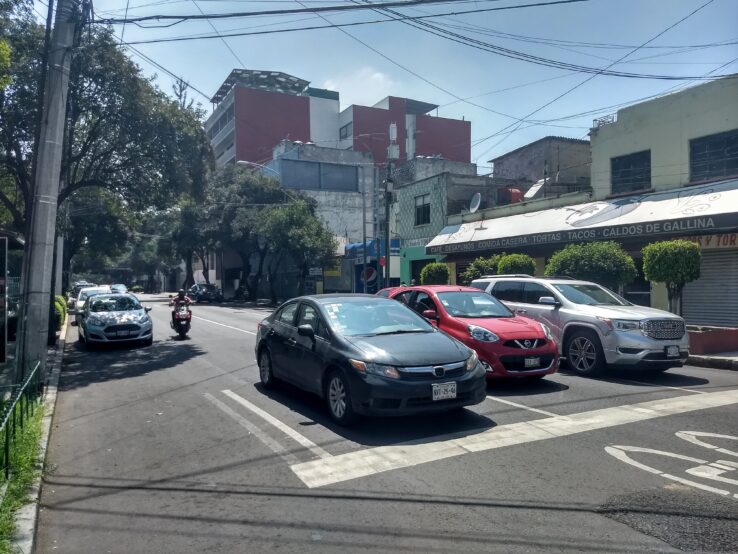
 A street in Mexico City shows reduced traffic due to covid restrictions. Automotive transport is one of the largest generators of polluting emissions in Latin America and the Caribbean. But the transition to a cleaner vehicle fleet, with the increase in the number of electric vehicles and other alternatives, is moving very slowly. CREDIT: Emilio Godoy/IPS

A street in Mexico City shows reduced traffic due to covid restrictions. Automotive transport is one of the largest generators of polluting emissions in Latin America and the Caribbean. But the transition to a cleaner vehicle fleet, with the increase in the number of electric vehicles and other alternatives, is moving very slowly. CREDIT: Emilio Godoy/IPS

Shared irresponsibilities

While some countries, such as Argentina and Chile, improved their pledges, others like Brazil and Mexico scaled down or kept their pledges unchanged.

The measures of Argentina, Brazil, Mexico and Colombia are in code red, as they are highly insufficient to contain global warming, according to the Climate Action Tracker.

In the case of the first three, the largest Latin American economies, the governments are prioritising the financing of increased fossil fuel exploitation, which would result in a rise in emissions in 2030, the Tracker highlights.

Chile’s and Peru’s measures are classified as insufficient and Costa Rica’s as almost sufficient.

That Central American nation, Colombia and Peru are on track to meet their commitments by 2030 and 2050, the Tracker notes.

In the case of Argentina, Chile and Ecuador, they would need additional measures to achieve their goals. At the other extreme are Brazil and Mexico, the biggest regional polluters, which have strayed from the medium- and long-term path.

Enrique Maurtúa, senior climate policy advisor for the non-governmental Environment and Natural Resources Foundation (FARN), said that Argentina is an example of the countries in the region that are caught between these contradictions.

“Argentina follows the line of what is happening in several countries in the region. In terms of commitments, it does its homework, what it is supposed to do, it is preparing a long-term strategy. But those commitments are not in line with what Argentina is doing behind closed doors,” the expert told IPS from Buenos Aires, where the Foundation is based.

As part of this approach, the Argentine Congress is debating a draft Hydrocarbon Investment Promotion Regime to provide fiscal stability to the sector for the next 20 years.

In addition, the government weakened the carbon tax, which averages a 10 dollar charge, through exemptions and the exclusion of gas, and is preparing a sustainable mobility strategy that dispenses with hydrogen.

Mexico is following a similar path, as the government favours support for the state-owned oil company Pemex and the government’s electric utility Comisión Federal de Electricidad, is building a refinery in the state of Tabasco, on the southeastern coast of the country, and has stalled actions aimed at an energy transition.

On Dec. 29, 2020, Mexico released its updated NDC, without increasing the emissions reduction target, to the disappointment of environmental organisations, and in contravention of the Paris Agreement and its own climate change law.

But on Oct. 1 it was reported that a federal court annulled the update, considering that there was an illegal reduction in the mitigation goals, so the 2016 measures remain in force until the government improves on them.

Isabel Bustamante, a member of the Fridays for Future Mexico movement who will attend COP26, questioned Mexico’s climate stance.

“It does not take a solid stance. We need declarations of climate emergency throughout the country and to make resources more readily available. We are concerned about the focus on more fossil fuel production,” she told IPS from the southeastern city of Mérida.

President Andrés Manuel López Obrador is facing pressure from the environmental sector, but does not seem adept at changing course. He is even sending mixed signals, such as his announcement on Oct. 18 that the country will raise climate targets in 2022.

 At most service stations in Brazil, consumers can choose between gasoline and ethanol, the price of which is attractive when it does not exceed 70 percent of that of gasoline. But users only opt for biofuel when it is economically attractive, so it does not contribute to alleviating the emission of polluting gases. CREDIT: Mario Osava/IPS

At most service stations in Brazil, consumers can choose between gasoline and ethanol, the price of which is attractive when it does not exceed 70 percent of that of gasoline. But users only opt for biofuel when it is economically attractive, so it does not contribute to alleviating the emission of polluting gases. CREDIT: Mario Osava/IPS

The COP and the question marks it raises for the region

The UNFCCC stated in September that the NDCs presented are insufficient to curb warming to 1.5 degrees C.

Miranda believes COP26 could be beneficial for the region.

“Expectations are very high. We need the big polluters to be present. There will be pressure for tangible results. The region knows where its needs are, it has many opportunities to use ecosystems to reduce emissions,” she said.

Maurtúa, for his part, stresses that the main results will depend on the concrete financing and means of implementation of the Paris Agreement.

“Developed countries have to make financial contributions to the transition in developing countries. Industrialised nations are asking for more ambition, but they have to provide financing,” he argued.

In the expert’s opinion, “it is what the region needs. There are signs of willingness in Costa Rica, Colombia and Chile. But that is not happening in the case of Argentina or Mexico.”

For young people like Bustamante, the summit needs to offer more real action and fewer empty offers. “We expect an urgent climate action agenda to emerge. We need to stop investments in fossil fuel infrastructure, which compromises our near future. We will not stop until we do,” she said.

Under pressure due to the urgency of pending matters and within the constraints imposed by the pandemic, Glasgow could be a defining benchmark of a real global commitment to address the climate emergency, which is causing more and more destruction.


UN Warned of Two Dangers Ahead: Health of the Human Race & Survival of the Planet

Civil Society, Climate Action, Climate Change, Conservation, Environment, Featured, Global, Headlines, Natural Resources, TerraViva United Nations

Opinion

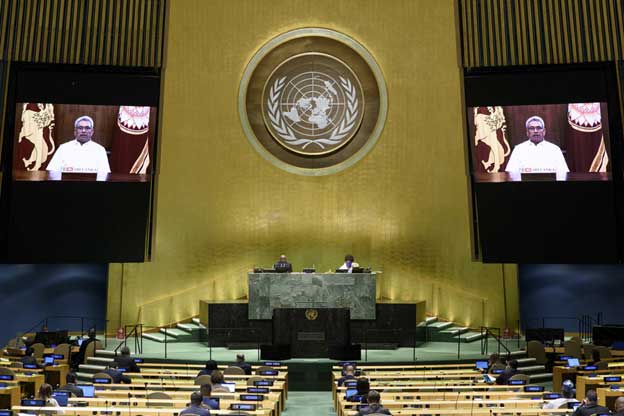
President Gotabaya Rajapaksa (on screen) of Sri Lanka addresses the general debate of the General Assembly’s seventy-fifth session. Credit: UN Photo/Loey Felipe

LONDON, Oct 5 2021 (IPS) – Addressing the UN General Assembly last month President Gotabaya Rajapaksa of Sri Lanka raised several concerns, two that had to do with health. One concerned the health of the human race; the other the health of Planet Earth on which man struggles increasingly to survive.


It is understandable for the President to draw the world’s attention to the current pandemic that plagues the people of Sri Lanka as it does the populations of most other nations that constitute the UN family that have struggled in the last two years to overcome COVID-19 which has brought some nations almost to their knees.

As we know some countries have dealt with the spreading virus more effectively and efficiently than others because they relied on the correct professional advice and had the right people in the places instead of dilettantes with inflated egos.

The immediacy of the pandemic with its daily effects on health care and peoples’ livelihoods is seen as urgent political and health issues unlike the dangers surrounding our planet which, to many, appear light miles away while still others treat it with large doses of scepticism.

Quite rightly President Rajapaksa pointed to the dangers ahead for the survival of the planet – as underscored in the recent report of the Inter-government Panel on Climate Change (IPCC) — due to human activity and said that Sri Lanka, among other measures, aims to increase its forest cover significantly in the future.

What really matters is whether those on the ground — like some of our politicians and their acolytes who seem to think that saving the planet is somebody else’s responsibility but denuding the forests and damaging our eco-systems for private gain is theirs — pay heed to the president’s alarm signals that should appropriately have been sounded at least a decade ago.

But what evoked a quick response was not the call for international action to save the people from the pandemic or the planet from climate change as President Rajapaksa told the UN but what he told the UN chief Antonio Guterres at their New York meeting.

While reiterating Sri Lanka’s stance that internal issues should be resolved through domestic mechanisms what aroused interest was the president’s sudden and unexpected readiness to invite the Sri Lankan Tamil diaspora scattered across the Global North and in smaller numbers elsewhere, for discussions presumably on reconciliation, accountability and other outstanding matters.

One would have thought that there would be a gush of enthusiasm from some sections of the Tamil diaspora which had previously shown an interest in being involved in a dialogue with the Sri Lanka Government over a range of issues that concern the Tamil community.

But the few reactions that have been reported from a few Tamil organisations appear lukewarm. Yes, the Non-Resident Tamils of Sri Lanka (NRTSL), a UK-based group, welcomed the President’s announcement saying that “engagement with the diaspora is particularly important at the time when multiple challenges face Sri Lanka”.

However, there was a caveat. The NRTSL is supportive of “open, transparent and sincere engagement of the government of Sri Lanka,” the organisation’s president V. Sivalingam was quoted as saying.

The better-known Global Tamil Forum (GTF) called it a “progressive move” and welcomed it. But its spokesman Suren Surenderan questioned what he called President Rajapaksa’s “sudden change of mind”.

Surendiran said that in June President Rajapaksa was due to meet the Tamil National Alliance (TNA) but that meeting was put off without a new date been fixed.

“When requests are made by democratically elected representatives of Tamil people in Sri Lanka to meet with the President, they are “deferred with flimsy excuses”, {and} now from New York he has declared that he wants to engage with us, Tamil diaspora,” Surendiran said rather dismissively in a statement.

Though the Sri Lanka Tamil diaspora consists of many organisations and groups spread across several continents there has been a studied silence from most of them, a sign that many of them are sceptical about how genuine the gesture is.

In March this year, after the UN Human Rights Council passed a highly critical resolution on Sri Lanka, the Rajapaksa government proscribed several Tamil diaspora organisations and more than 300 individuals labelling them terrorist or terrorist linked. These included Tamil advocacy organisations such as the British Tamil Forum, Global Tamil Forum, Canadian Tamil Congress, Australian Tamil Congress and the World Tamil Coordinating Committee.

Precisely seven years earlier in March, the Mahinda Rajapaksa government banned 424 persons and 16 diaspora organisations.

The problem for the present administration is that if it is intent on inviting Tamil organisations to participate in talks it would have to lift the existing bans on individuals and groups without which they are unlikely to talk with the government.

As transpired before peace talks at various times between the government and the LTTE, the Tamil groups are most likely to insist on participation as legitimate organisations untainted by bans. That is sure to be one of the key conditions, if not the most important pre-condition.

It is also evident that the Tamil diaspora is not a homogenous entity. It consists of moderate organisations that are ready to resolve the pressing issues within a unitary Sri Lanka, to those at the other end of the spectrum still loyal to the LTTE ideology and demanding a separate state.

If the Government cherry-picks the participants-particularly the ones that are more likely to collaborate with the administration, it would be seen as an attempt to drive a huge wedge in the Tamil diaspora.

That could well lead to the excluded groups strengthening their existing links with political forces in their countries of domicile including politicians in government as one sees in the UK and Canada, for instance, and Tamil councillors in other elected bodies to increase pressure on Sri Lanka externally.

That is why some Tamil commentators already brand this as a “diversionary move” to lessen the international moves against Colombo.

What would be the reactions of powerful sections of the Buddhist monks and the ultranationalist Sinhala Buddhists who strongly supported a Gotabaya presidency?.

And across the Palk Strait there are the 80 million or so Tamils in Tamil Nadu and an Indian Government watching developments with a genuine interest and concern.

Neville de Silva is a veteran Sri Lankan journalist who was Assistant Editor of the Hong Kong Standard and worked for Gemini News Service in London. Later he was Deputy Chief-of-Mission in Bangkok and Deputy High Commissioner in London.

  Source

IUCN World Conservation Congress Warns Humanity at ‘Tipping Point’

Biodiversity, Civil Society, Climate Action, Climate Change, Conferences, Conservation, Environment, Featured, Global, Headlines, Natural Resources, TerraViva United Nations

Conservation

President Macron and Harrison Ford among speakers at the Congress Opening Ceremony. Credit: IUCN Ecodeo

St Davids, Wales, Oct 4 2021 (IPS) – The world’s most influential conservation congress, meeting for the first time since the onset of the COVID-19 pandemic, has issued its starkest warning to date over the planet’s escalating climate and biodiversity emergencies.


“Humanity has reached a tipping point. Our window of opportunity to respond to these interlinked emergencies and share planetary resources equitably is narrowing quickly,” the International Union for Conservation of Nature (IUCN) declared in its Marseille Manifesto at the conclusion of its World Conservation Congress in the French port city.

“Our existing systems do not work. Economic ‘success’ can no longer come at nature’s expense. We urgently need systemic reform.”

The Congress, held every four years but delayed from 2020 by the pandemic, acts as a kind of global parliament on major conservation issues, bringing together a unique combination of states, governmental agencies, NGOs, Indigenous Peoples’ Organisations and affiliate members. Its resolutions and recommendations do not set policy but have shaped UN treaties and conventions in the past and will help set the agenda for three key upcoming UN summits – food systems security, climate change and biodiversity.

“The decisions taken here in Marseille will drive action to tackle the biodiversity and climate crises in the crucial decade to come,” said Dr Bruno Oberle, IUCN Director-General.

“Collectively, IUCN’s members are sending a powerful message to Glasgow and Kunming: the time for fundamental change is now,” he added, referring to the UN Climate Change Conference (COP26) to be hosted by the UK in November, and the UN Convention on Biological Diversity (COP 15) to be held in China in two parts, online next month and in person in April-May 2022.

The week-long IUCN Congress, attended in Marseille by nearly 6,000 delegates with over 3,500 more participating online, was opened by French President Emmanuel Macron who declared: “There is no vaccine for a sick planet.”

He urged world leaders to make financial commitments for conservation of nature equivalent to those for the climate, listing such tasks as ending plastic pollution, stopping the deforestation of rainforests by eradicating their raw materials in supply chains, and phasing out pesticides.

Congress participants during an Exhibition event of the Sixth Global Coral Reef Monitoring Network. Credit: IUCN Ecodeo

China’s prime minister, Li Keqiang, said in a recorded message that protecting nature and tackling the climate crisis were “global not-traditional security issues”.

While noting that some scientists fear that the climate emergency is “now close to an irreversible tipping point”, the Marseille Manifesto also spoke of “reason to be optimistic”.

“We are perfectly capable of making transformative change and doing it swiftly… To invest in nature is to invest in our collective future.”

Major themes that dominated the IUCN Congress included: the post-2020 biodiversity conservation framework; the role of nature in the global recovery from the pandemic; the climate emergency; and the need to transform the global financial system and direct investments into projects that benefit nature.

Among the 148 resolutions and recommendations voted in Marseille and through pre-event online voting, the Congress called for 80 percent of the Amazon and 30 percent of Earth’s surface—land and sea—to be designated “protected areas” to halt and reverse the loss of wildlife.

Members also voted overwhelmingly to recommend a moratorium on deep-sea mining and reform the International Seabed Authority, an intergovernmental regulatory body.

“The resounding Yes in support for a global freeze on deep seabed mining is a clear signal that there is no social licence to open the deep seafloor to mining,” Jessica Battle, leader of the WWF’s Deep Sea Mining Initiative, said, quoted by AFP news agency.

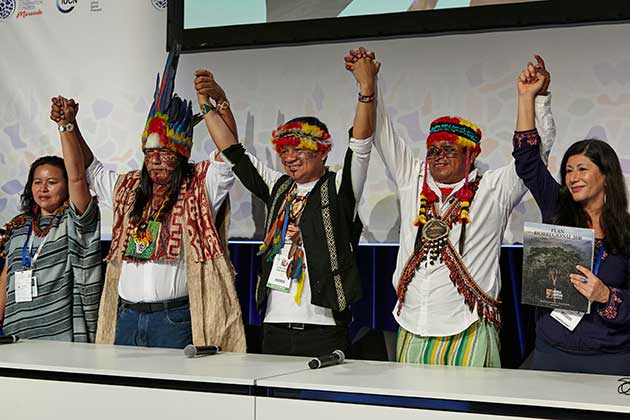
The emergency motion calling for four-fifths of the Amazon basin to be declared a protected area by 2025 was submitted by COICA, an umbrella group representing more than two million indigenous peoples across nine South American nations. It passed with overwhelming support.

Representatives from COICA and Cuencas Sagradas present their bioregional plan for the Amazon during a press conference. Credit: IUCN Ecodeo

Jose Gregorio Diaz Mirabal, general coordinator of COICA and a leader of the Curripaco people in Venezuela, said the proposal was a “plan for the salvation of indigenous peoples and the planet”.

The Amazon has lost some 10,000 square kilometres every year to deforestation over the past two decades. Brazil is not an IUCN member and thus could not take part in the vote which runs against President Jair Bolsonaro’s agenda.

The five-page Marseille Manifesto makes repeated references to indigenous peoples and local communities, noting “their central role in conservation, as leaders and custodians of biodiversity” and amongst those most vulnerable to the climate and nature emergencies.

“Around the world, those working to defend the environment are under attack,” the document recalled.

Global Witness, a campaign group, reported that at least 227 environmental and land rights activists were killed in 2020, the highest number documented for a second consecutive year. Indigenous peoples accounted for one-third of victims. Colombia had the highest recorded attacks.

The resolution calling for 30 percent of the planet’s land and ocean area to be given protected status by 2030, said selected zones must include “biodiversity hotspots”,  be rigorously monitored and enforced, and recognise the rights of indigenous peoples to their lands, territories and resources. The  ‘30 by 30’ target is meant as a message to the UN biodiversity summit which is tasked with delivering a treaty to protect nature by next May.

Many conservationists are campaigning for a more ambitious target of 50 percent.

However, the 30 by 30 initiative, already formally backed by France, the UK and Costa Rica, is of considerable concern to some indigenous peoples who have been frequently sidelined from environmental efforts and sometimes even removed from their land in the name of conservation.

The IUCN Congress also released its updated IUCN Red List. The Komodo dragon, the world’s largest lizard, was reclassified from ‘vulnerable’ status to ‘endangered’, while 37 percent of shark and ray species are now reported to be threatened with extinction. Four species of tuna are showing signs of recovery, however.

Craig Hilton-Taylor, head of IUCN’s Head of Red List Unit, said the current rate of species extinctions is running 100 to 1,000 times the ‘normal’ or ‘background’ rate, a warning that Earth is on the cusp of the sixth extinction event. The fifth, known as the Cretaceous mass extinction event, occurred 65 million years ago, killing an estimated 78 percent of species, including the remaining non-avian dinosaurs.

One of the more controversial motions adopted – on “synthetic biology” or genetic engineering – could actually promote the localised extinction of a species. The motion opens the way for more research and experimentation in technology called gene drive. This could be used to fight invasive species, such as rodents, snakes and mosquitos, which have wiped out other species, particularly birds, in island habitats.

It was left to Harrison Ford, a 79-year-old Hollywood actor and activist, to offer hope to the Congress by paying tribute to young environmentalists.

“Reinforcements are on the way,” he said. “They’re sitting in lecture halls now, venturing into the field for the very first time, writing their thesis, they’re leading marches, organising communities, are learning to turn passion into progress and potential into power…In a few years, they will be here.”

Andrea Athanas, senior director of the African Wildlife Foundation, affirmed there was a sense of optimism in the Marseille air, in recognition that solutions are at hand.

“Indigenous systems were lauded for demonstrating harmonious relationships between people and nature. Protected areas in some places have rebounded and are now teeming with wildlife. The finance industry has awoken to the risks businesses run from degraded environments and are calculating those risks into the price of capital.

“Crisis brings an opportunity for change, and the investments in a post COVID recovery present a chance to fundamentally reshape our relationship with nature, putting values for life and for each other at the centre of economic decision-making,” he told IPS.

View the complete Marseille Manifesto here.