In Glasgow, Indigenous People Pound the Table for Their Rights

Civil Society, Climate Action, Climate Change, Conferences, Editors’ Choice, Environment, Featured, Global, Global Governance, Headlines, Human Rights, Indigenous Rights, IPS UN: Inside the Glasshouse, Regional Categories
Climate Action

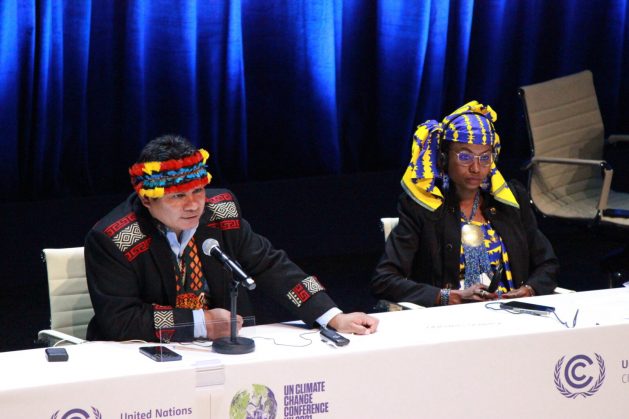
In the face of substantial international offers of funding for indigenous lands and forests at COP26, indigenous peoples are calling for specific schemes for their participation. Shuar leader Katan Kontiak (left) of Ecuador and Hindou Oumarou Ibrahim of Chad took part in a Nov. 2 forum on the indigenous peoples and local communities platform. CREDIT: Emilio Godoy/IPS

GLASGOW, Nov 4 2021 (IPS) – “For my people, the effects of climate change are a daily reality. The rainy season is shorter and when it rains, there are floods. And we have suffered from drought,” said Hindou Oumarou Ibrahim, a member of the Wodaabe or Mbororo pastoral people of Chad.


For the founder of the non-governmental Association of Indigenous Women and Peoples of Chad, one pernicious effect is the violence generated, because “when resources are lost, people fight for them – for water, for example,” she told IPS after a forum on the progress made by native groups at the climate summit in Glasgow, Scotland.

Around the world, indigenous peoples face the ambiguity of protecting ecosystems, such as forests or coastal zones, while at the same time suffering the onslaught of climate fury unleashed by humanity’s addiction to fossil fuels, like droughts, destructive storms and rising sea levels.

For decades, native peoples have insisted that their traditional knowledge can contribute to the fight against climate change. The emergence of the covid-19 pandemic in 2020 reaffirmed the results of treating nature as just another commodity.

Although in the last decade, indigenous representatives have gained a place at environmental summits, such as the 26th Conference of the Parties (COP26) of the United Nations Framework Convention on Climate Change (UNFCCC), which began on Sunday Oct. 31 in this city in the UK, now they want to be more than just token participants.

“We hope that the summit takes indigenous communities into account. We need funds that go directly to indigenous peoples,” Graciela Coy, an indigenous woman from Ak’Tenamit (our people, in the Q’eqchi’ language), a non-governmental organisation that works in northern Guatemala, told IPS.

Representatives of indigenous organisations have gained a place in every part of the COP. They participate as observers in the official sessions where the agreements are debated, in the parallel summit of social movements and in all the other forums held during the two weeks of the climate conference.

One of the expectations this year among indigenous people is the approval of the three-year working plan of the Local Communities and Indigenous Peoples Platform that emerged at COP21, which approved the Paris Agreement in 2015.

The proposal must be approved by the Facilitative Working Group, composed of seven indigenous and seven government representatives and endorsed at COP24, held in the Polish city of Katowice in 2018. It must then be ratified by the plenary of the 196 Parties to the COP and is to include capacity building activities for indigenous groups, the mapping of measures for their participation in the UNFCCC and financing.

Between 2019 and 2021, the group conducted 11 activities, with no physical sessions due to the pandemic.

Climate policies are the focus of COP26, which ends Nov. 12, after being postponed for a year as a result of the covid-19 pandemic.

Government delegates at COP26 are addressing carbon market rules, climate finance of at least 100 billion dollars per year, gaps between emission reduction targets and necessary reductions, strategies for carbon neutrality by 2050, adaptation plans and the working programme for the local communities and indigenous peoples platform.

Victoria Tauli-Corpuz, an indigenous activist from the Kankana-ey Igorot people of the Philippines, said the inclusion of human rights in the financing of emission reductions and adaptation to the effects of the climate crisis, as well as in the creation of carbon markets, is fundamental.

“Indigenous peoples also suffer from climate solutions, such as renewable energy projects. There must be effective safeguards that allow for the protection of indigenous peoples’ rights” in climate policies, the former U.N. Special Rapporteur on the Rights of Indigenous Peoples between 2014 and 2020 told IPS.

This respect has become urgent in areas such as the Amazon, the main jungle in Latin America shared by eight countries and a French territory, whose indigenous inhabitants have suffered the deterioration caused by the inroads made by agribusiness, livestock, soybean, hydrocarbon and mining companies, as well as the construction of dams, railroads, highways and river ports.

For this reason, Tuntiak Katan, a member of the indigenous Shuar people of Ecuador and general coordinator of the Global Alliance of Territorial Communities (GATC), told IPS that the removal of extractive activities from this ecosystem is a fundamental condition for making progress in protection of the climate.

“Indigenous peoples already protect 950 million hectares of land worldwide. What we are asking for is the protection of 80 percent of the Amazon by 2025. We are the voice of the women, children and elders” who suffer the impacts on the territories, said Katan, vice-coordinator of the non-governmental Coordinating Body of Indigenous Organisations of the Amazon River Basin (Coica).

The most recent scientific evidence shows that native peoples are the most effective protectors of tropical forests, which is why greater efforts are required for their conservation in the face of growing threats.
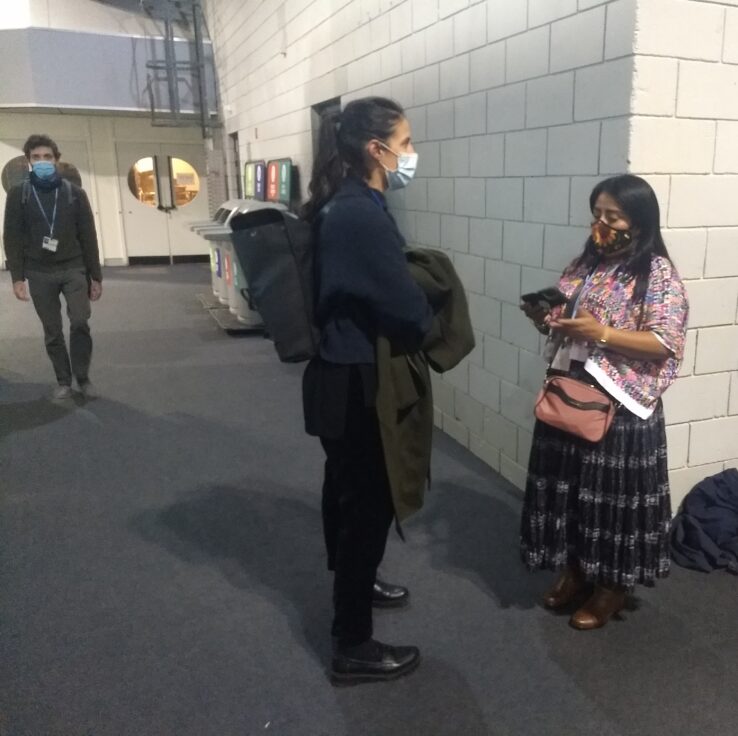
Q'eqchí' indigenous activist Graciela Coy (R) from Guatemala called during the Glasgow climate summit for the promised international funds to go directly to indigenous peoples. CREDIT: Emilio Godoy/IPS

Q’eqchí’ indigenous activist Graciela Coy (R) from Guatemala called during the Glasgow climate summit for the promised international funds to go directly to indigenous peoples. CREDIT: Emilio Godoy/IPS

More than empty promises

In the face of the abundant offers made during the first week of COP26 activities to promote indigenous land tenure and reforestation, indigenous peoples were skeptical and demanded direct participation in these schemes.

Oumarou Ibrahim and Coy agreed on the need to define mechanisms to ensure that the resources provided reach the territories directly.

World leaders “must be our partners. Funding must be tailored to the needs of the people. The question is how the resources are going to reach indigenous peoples directly,” said Oumarou Ibrahim.

In Coy’s opinion, the fight against climate change requires the allocation of funds, which should be transferred “to indigenous peoples, as there is a lot of international aid” that does not always materialise in local communities.

In an acceptance of what native peoples have been demanding for years, the governments of Germany, the Netherlands, Norway, the United Kingdom, the United States and 17 private funders announced on Nov. 1 the provision of 1.7 billion dollars to help indigenous and local communities preserve tropical forests between 2021 and 2025.

It is estimated that each year only 270 million dollars are allocated to forest care and just 46 million dollars go to the direct guardians of the forest: their ancestral inhabitants.

Direct multilateral funding to aboriginal populations has been a recurring barrier to efforts to protect natural resources.

For example, the Green Climate Fund (GCF), created at COP16 in Cancun in 2010, has financed 121 community livelihood projects and delivered a total of 1.4 billion dollars.

For a total of 190 projects, it has disbursed two billion dollars and another six billion are in the pipeline. In addition, it has committed another 10 billion for projects. It has also registered 113 institutions to receive funds, but none of them are indigenous.

Furthermore, on Nov. 2, more than 105 nations signed up to the “Glasgow Leaders’ Declaration on Forests and Land Use” which sets the target of zero deforestation by 2030.

Indigenous peoples are also demanding to be included in the Nationally Determined Contributions (NDCs), the voluntary commitments adopted by each country for 2030 and 2050 in order to comply with the Paris Agreement and on which the goal of containing global warming to 1.5 degrees Celsius is based.

“We just need a push,” said Katan. “We are sure of what we do and that is why it is good that they are offering financing. But what needs to be done is to abandon extractivism and get the oil, mining and agribusiness companies out of our territories, and apply a holistic vision, combined with the vision of the indigenous peoples.”

Even if COP26 does not produce the results desired by indigenous peoples, they will continue to care for natural resources and to demand climate justice.

IPS produced this article with the support of Iniciativa Climática in Mexico and the European Climate Foundation.
  Source

From Taliban to Taliban: Cycle of Hope, Despair on Women’s Rights

Asia-Pacific, Civil Society, Gender, Headlines, Human Rights, TerraViva United Nations

Opinion

Heather Barr is associate women’s rights director at Human Rights Watch

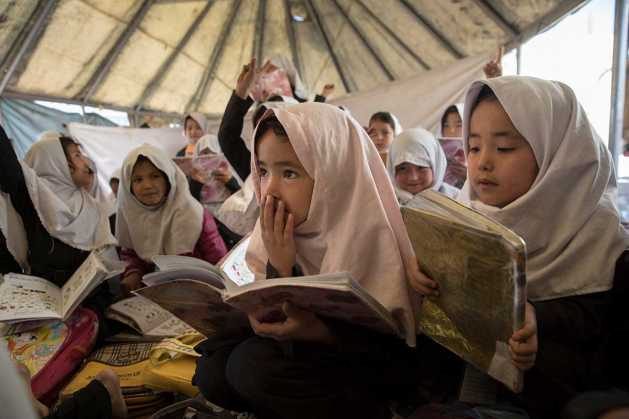
Taliban violations of the rights of women and girls are uniquely extreme. No other country openly bars girls from studying on the basis of gender. Credit: 2017 Paula Bronstein for Human Rights Watch

LONDON, Oct 29 2021 (IPS) – Secondary schools have reopened for boys but remain closed to the vast majority of girls. Women are banned from most employment; the Taliban government added insult to injury by saying women in their employ could keep their jobs only if they were in a role a man cannot fill—such as being an attendant in a women’s toilet. Women are mostly out of university, and due to new restrictions it is unclear when and how they can return. Many female teachers have been dismissed.


The policy of requiring a mahram, a male family member as chaperone, to accompany any woman leaving her home, is not in place according to a Kabul official but Taliban members on the street are still sometimes enforcing it, as well as harassing women about their clothing. The Taliban have systematically closed down shelters for women and girls fleeing domestic violence. Women’s sports have been banned.

The Taliban have appointed an all-male cabinet. They abolished the Ministry of Women’s Affairs, and handed over the women’s ministry building to the reinstated Ministry of Vice and Virtue, which was responsible for some of the worst abuses against women during the Taliban’s previous period in power from 1996 to 2001.

This was the situation two months after the Taliban had regained control of the Afghan capital, Kabul, as the US and its allies departed, wrapping up their 20-year engagement in Afghanistan’s 40-year war.

Afghan women are fighting for their rights. They tried to negotiate with the Taliban, and when that failed, they protested. The Taliban broke up their protests, beating protesters and the journalists covering the protests, and then banned unauthorized protest.

The US and the whole international community seem a bit stunned and unsure of what to do. It forms a sadly perfect bookend to the days after the 9/11 attacks, when the US and its allies grieved and raged and then emphasized Taliban abuses of women and girls to help them build support for their invasion of Afghanistan.

The US has long had an uneven—and self-serving—track record on defending women’s rights abroad. But the US is not alone being unsure of what to do to protect the rights of women and girls under Taliban rule.

Even governments priding themselves on their commitment to women’s rights have struggled to find solutions. They have also struggled to make the rights of Afghan women and girls a top priority at a moment when troop-contributing nations are licking their wounds, and concerns about Afghanistan again becoming a host to international terrorist operations could overshadow concerns about human rights.

Humanitarian crisis

Taliban attacks on rights are not the only problem women and girls are facing. Afghanistan’s economy is in free fall, set off by widespread lost income, cash shortages, rising food costs, being severed from global financial systems, and an abrupt halt to the development assistance that made up 75 percent of the previous government’s budget.

This crisis, like most humanitarian crises, will cause the most harm to women and girls. Officials with the UN and several foreign governments are warning of economic collapse and risks of worsening acute malnutrition and outright famine. Surveys by the World Food Program (WFP) reveal that over nine in ten Afghan families have insufficient food for daily consumption, with half saying that they ran out of food at least once in the previous two weeks. One in three Afghans is already acutely hungry.

In December 2020, the UN Children’s Fund, UNICEF, had already warned that an estimated 3.1 million children—half of Afghanistan’s children —were acutely malnourished. Other United Nations reports warn that over 1 million more children could face acute malnutrition in the coming year. By mid-2022, 97 percent of Afghans may be below the poverty line.

Healthcare workers and teachers, many of them women, have not been paid for months, and the healthcare system is collapsing. Where schools for girls are open, few students attend, out of fear that they cannot move to and from school safely, along with financial problems, and a sense of despair about their future. And unpaid teachers may or may not teach.

Weak international response

Even as it became increasingly clear over the course of years that cheerful US and NATO statements about their progress in defeating the Taliban were papering over huge and growing cracks, few could imagine a Taliban return as abrupt as the one that took place in August 2021. Few would have predicted this level of humanitarian crisis and collapse of essential services within weeks of the end of a 20-year military, political, and development engagement by at least 42 countries costing an estimated $2.3 trillion.

The early weeks of resumed Taliban rule seemed marked by indecision and slow response by the international community, in spite of a G7 pledge on August 24, following an emergency meeting, that “We will work together, and with our allies and regional countries, through the UN, G20 and more widely, to bring the international community together to address the critical questions facing Afghanistan.”

A special session of the UN Human Rights Council on August 24 produced no meaningful progress. The UN Security Council in September renewed the mandate of the UN mission in Afghanistan but did not take specific steps to strengthen the mission’s human rights work, which faced staffing gaps and problems after some staff left their posts or were evacuated.

A subsequent meeting of the Human Rights Council produced agreement to appoint a special rapporteur on human rights in Afghanistan, with a mandate including monitoring and advocating for the rights of women and girls. This is a less powerful mechanism than the fact-finding mission a broad coalition of human rights organizations had called for.

The resolution creating the role of special rapporteur provided the person with greater staffing resources than most special rapporteurs but did not accelerate the on-boarding process. Under the standard timeline, the rapporteur and their team won’t be in place until mid-2022.

An announcement by the International Criminal Court’s prosecutor called into question the role that body will play in protecting human rights in Afghanistan. The court’s Office of the Prosecutor had been considering action in Afghanistan since 2007 and opened an investigation in 2020.

Alleged war crimes and crimes against humanity within the court’s jurisdiction in Afghanistan include: attacks against civil servants including female officials; attacks on schools particularly girls’ schools; and rape and other sexual violence against women and girls. The investigation was suspended nearly as soon as it was opened, however, while the Office of the Prosecutor considered a request from the former Afghan government to defer to national proceedings.

The prosecutor on September 27, 2021, announced that he would seek authorization from the court to resume investigations in the absence of any prospect of genuine national proceedings, but would focus on crimes committed by the Taliban and Islamic State and “deprioritize” other aspects of the investigation.

This approach sends a message that some victims in Afghanistan are more entitled to justice than others, and risks undermining the legitimacy of the court’s investigation.

There is significant variety in the views of key countries about engaging with the new Taliban authorities in Afghanistan. Regional politics are fraught and complex. China and Russia may see themselves as benefitting from a shift in global power dynamics due to the US defeat in Afghanistan, and they and others including Pakistan and Qatar seem more ready than countries that contributed troops to engage with the Taliban. China, Russia and Pakistan were among only five countries that voted against the Human Rights Council resolution to establish a special rapporteur.

“Feminist foreign policy” and the Taliban

Women’s rights activists have made important progress around the world in the 20 years since the Taliban were previously in power, from 1996 to 2001. These advances make the Taliban’s violations of the rights of women and girls even more cruel and intolerable than they were in 2001 and should help spur action by countries that have made progress to right these wrongs.

In recent years, several countries—including Sweden, Canada, Mexico, and France—proclaimed that they have a “feminist foreign policy.” According to the Swedish government, a feminist foreign policy “means applying a systematic gender equality perspective throughout the whole foreign policy agenda.”

Feminist foreign policy is also a recognition that you cannot have human security when half the population is oppressed and living in fear. As Germany’s foreign minister wrote in 2020, “Numerous studies demonstrate that societies in which women and men are on equal footing are more secure, stable, peaceful, and prosperous.”

What Concerned Governments Should Do

How should a world increasingly embracing “feminist foreign policy” respond to Taliban violations of the rights of women and girls in 2021?

The first step is to muster political will. Lack of political may be a particular challenge in the wake of the withdrawal of foreign troops, but it is not a new problem. During the decades of international presence, troop-contributing nations paid lip service and contributed funding toward women’s rights, but rarely political capital, and over time the lip service and cash dwindled too.

In 2011, the Washington Post reported that efforts to support women’s rights were being stripped out of US programs, quoting an official who said, “All those pet rocks in our rucksack were taking us down.” In a disturbing indication of lack of focus on women’s rights, many government and aid organizations have in recent weeks sent all-male delegations to meet with the Taliban, undermining any efforts they are making to press for greater respect for women’s rights.

Then there is a need for the international community to reach as much consensus as possible about what the problems are and what should be done. There are signs that even countries that have been more open to engaging with the Taliban have been disappointed by their unwillingness to appoint an inclusive government and their violations of women’s and girls’ rights.

The Taliban government excludes not just women but also largely excludes religious minorities and most non-Pashtun ethnic groups. Even China, Russia, Pakistan and Iran have all called for the Taliban to form an “inclusive government.” Pakistan Prime Minister Imran Khan has said that banning girls from education in Afghanistan would be “un-Islamic.” Qatar’s foreign minister called the Taliban’s ban on girls’ education “very disappointing.”

The Taliban’s unbending stance on the rights of women and girls is so extreme that this, and its opposition to an inclusive government, may drive broad concern about their actions and help the international community build consensus about how to engage. The US may not be the most able leader for this process and may prefer not to lead.

Other countries and institutions, including countries that have pledged to have a feminist foreign policy, majority Muslim countries, and organizations like the EU, should consider taking on greater leadership than they have so far, in response to a weak response from the US.

Next comes the need for a plan. Whatever the plan is, it should avoid any actions that would worsen Afghanistan’s deepening humanitarian crisis and disproportionately affect women and girls. There are signs of emerging agreement for humanitarian assistance and essential services, with the United Nations Development Program having made arrangements to pay salaries of healthcare workers on a temporary basis.

But major issues remain unresolved, suffering from a lack consensus by the international community, including how to respond to Taliban efforts to exclude women from working for aid agencies . Women workers are essential to ensure that aid reaches women and women-headed households. so permitting women humanitarian workers to do their jobs is not setting a condition on humanitarian assistance so much as an operational necessity to be able to deliver that assistance.

The international community has struggled to identify what leverage they have that can be used to influence the Taliban. The situation has been complicated by opaqueness on the Taliban side. Governments and donors need to figure out what the Taliban want from the international community, how much and where the Taliban are willing to compromise to get what they want. And they need to identify what other pressures—including the demands of their own members and the risk of Taliban fighters defecting to the Islamic State—constrain the Taliban from compromise.

Equipped with this knowledge, the international community should recognize that almost every country on the planet—except six, conspicuously including the US, plus Iran, Palau, Somalia, Sudan, and Tonga—has ratified the Convention on the Elimination of All Forms of Discrimination against Women (CEDAW). Afghanistan ratified the convention in 2003. The convention requires countries to “pursue by all appropriate means and without delay a policy of eliminating discrimination against women.”

This promise has not been fulfilled in any country; no country has achieved full gender equality and disparities in access to education and employment, wage gaps, and failure to adequately respond to gender-based violence are common around the world. But even in that context, Taliban violations of the rights of women and girls are uniquely extreme.

No other country openly bars girls from studying on the basis of gender. It is shocking to see a country intentionally destroy its system for responding to gender-based violence and dismantle institutions such as the Ministry of Women’s Affairs that were designed to strengthen compliance with CEDAW.

The leverage the international community has to influence the Taliban needs to be deployed in defense of the rights of women and girls. Doing this will be a complex, difficult, and long-term task. But as

CEDAW members, and, in many cases, countries that used women’s rights to sell a war and spent 20 years promising eternal solidarity to Afghan women and girls, the international community owes them this effort.

  Source

How the Social Sector Thinks About Tech Is Wrong

Asia-Pacific, Civil Society, Development & Aid, Headlines

Opinion

Instead of investing resources in building a solution from scratch, it’s smarter to research existing solutions and tools that can be modified for specific needs, the authors say. Credit: Unsplash / Marvin M

Oct 26 2021 (IPS) – Today, technology has become integral to almost all aspects of work—from implementing and standardising processes and collecting data to monitoring and evaluation and helping an organisation scale. This was increasingly apparent during the COVID-19 pandemic, when all organisations turned to technologies like WhatsApp and Zoom to stay connected and deliver their programmes to communities. And yet in the nonprofit sector, tech is viewed as an overhead rather than being fundamental to the functioning of an organisation.


When building budgets for programmes, nonprofits (and donors) must change their mindsets and look at tech as core infrastructure; without this orientation, organisations lose out because they are bearing the cost of technology anyway. It makes no sense not to account for it properly.

We misunderstand technology

1. Tech is an enabler, not the solution

When it comes to nonprofits implementing tech, there are a few misconceptions or assumptions we have encountered during our work at Tech4Dev. The first misconception is that tech is the solution. Tech is, in fact, an enabler—it enables an effective, efficient solution. It cannot by itself solve problems. For example, using tech for mobile data collection is superb.

However, to use this technology effectively, an organisation must have the processes and systems in place to know what data to collect, the audience from whom they will collect the data, and the field staff trained in the system and reasonably knowledgeable about data collection and biases. In such a scenario, tech enables high-quality data collection, but the secret is in the organisation process.

2. It’s not about the size of an organisation

The second misconception is that there is a ‘right size’ an organisation needs to get to before implementing tech solutions. In other words, tech is not for smaller grassroots organisations. A better way to think about this would be to ask yourself: Do I currently have a solution for the problem at hand, and do I have a systematic way of implementing that solution? If the answer is yes, then size should not be a factor at all.

For instance, we’ve seen small organisations use Google Sheets extremely effectively. So you can use cheap tech at a small scale, and you can also use cheap tech on a large scale. We’ve also seen really poor tech being used in both small organisations as well as large ones.

So it’s not about size but about having a systematic approach, because even though tech makes things more efficient, it also tends to add more complexity and introduce another element that employees will have to learn and work with.

We were working with a nonprofit organisation—let’s call it Team Health—that had a large number of fieldworkers, from whom they would receive data via multiple channels including WhatsApp, emails, and phone calls. None of this data arrived in a standardised or structured manner, nor was any of it recorded. Team Health wanted to change this.

They were keen to introduce an app, assuming that all their fieldworkers would know how to enter the requisite information in the exact way that the tech required, and that would lead to them having standardised data exactly how they needed it.

But because their processes at the time were not standardised, and their fieldworkers were accustomed to a certain way of submitting data, the app would not solve their problem. In fact, it might have made things worse had they gone down that path.

3. Asking donors to ‘fund tech

The third misconception among organisations is that funders are hesitant to pay for tech. Instead of asking donors to ‘fund technology’, nonprofits should articulate why technology is important to the organisation’s core functioning.

They must incorporate it as such in their proposals. We need to educate the funder ecosystem as well as the nonprofit ecosystem for this to become a reality.

Take the case of an organisation—Team Sanitation—working on community toilets for the urban poor in India. They used a fair amount of technology for data collection and geographic information system (GIS) mapping in their day-to-day operations.

These tools were core to their project, and so Team Sanitation started incorporating all costs associated with using these technologies (for example, licensing and operational costs) as necessary project costs in their funding proposals.

And they haven’t got any pushback from donors for doing so. As long as organisations can demonstrate the need for tech within their programmes, most donors will not have any issues supporting such core expenses.

4. Thinking that a custom tech solution needs to be built from scratch

The fourth mistake many organisations make is to think that they need to build custom tech solutions from scratch. But before thinking about this nonprofits need to define their problems and needs.

Detailing what their top problems are, why they are important, and how they impact the work that they are trying to do can help them understand where tech might help, and where it might not. If tech is in fact the way to go, then it’s important to acknowledge that very few nonprofits have a unique problem that they need solved.

The context, communities, and resources might differ, but fundamentally the problem a nonprofit is trying to solve has likely been attempted or solved by somebody else already.

For instance, let’s take the case of an organisation that is in the business of training primary school teachers, and finds that doing this at scale, in person, is cost-prohibitive. Surely, there are others that have faced this issue of cost and scale, and have worked on a solution.

Even still, in the nonprofit sector, there is a tendency to build custom tech platforms when they are not needed. Both funders and nonprofits have been burnt by this, where a solution was built, and in some cases the investment had to be written off, and in others there was little progress to show for it.

Custom tech is not only a waste of resources, time, and effort, but it is also not scalable. For this reason, instead of investing resources in building a solution from scratch, it’s smarter to research existing solutions and tools that can be modified for specific needs.

We’ve seen multiple custom builds of mobile data collection platforms, case management systems, and customer relationship management (CRM) systems across different nonprofits, most of which were inferior and lacking compared to the current open-source and commercially available solutions. ‘Research before build’ is a mantra we follow quite religiously within Tech4Dev.

We need to build a culture of collaboration and sharing knowledge where everyone benefits

Given that there are existing solutions to problems that several nonprofits are trying to solve, the question arises: What are the barriers to accessing such information?

Most nonprofits do not have the technological knowledge or expertise that is helpful in thinking about what tools might be useful for their specific problem. Connecting the dots between the problem and potentially useful technologies is usually the responsibility of the software partner.

However, since software partners often have limited experience in the social sector, their approach to an organisation’s problem is to simply build a solution specifically for the nonprofit. This is far from ideal. Not only do we need software partners that are well versed with the social sector and the problems nonprofits are trying to solve, but we also need nonprofits to strengthen their understanding of tech.

In order to do this, we need to build a knowledge base for tech that everyone can learn from—nonprofits, donors, and software partners. This kind of open ecosystem will also help funders realise when they are funding similar solutions across multiple organisations, and it will help organisations learn from each other’s work.

We must prioritise open-source publishing of the work

To build an accessible ecosystem, the first step is to share existing knowledge with all the relevant stakeholders. Nonprofits should publish their programmes, challenges, solutions, and learning in the public domain. For example, if a nonprofit is spending 300 hours working on a project, it should spend at least 10 hours creating open-source material that helps people understand what it is that they are doing.

Creating awareness through open-sourced content is crucial for organisations in the social sector so they can learn from and support each other better. While this might not happen right away, as more and more nonprofits share their expertise, the social sector can start to build these broader ecosystems faster. Organisations must ideally move beyond the fear of sharing their ‘trade secrets’, in recognition of the fact that paying it forward will benefit them in the long run.

Donors and intermediary organisations have an important role to play

Organisations like IDinsight do an amazing job publishing their work on a timely basis as seen from their blog and LinkedIn pages. Sharing this information helps distribute knowledge across a wide variety of ecosystem players, hence strengthening the ecosystem.

Donors can nudge these organisations to publish their work as it is being done to help disseminate the knowledge as early as possible. We should never wait till we have the perfect, well-crafted report. Publishing things as the work is being done is another mantra for the projects we run within Tech4Dev.

In India today, the onus of facilitating the building of an ecosystem falls more on funders and intermediary organisations than it does on nonprofits. This is because nonprofits are resource-constrained and devote majority of their efforts to their programmes. Moreover, they do not have the kind of influence and clout that donors have, and might not have the skills either.

The first step that funders can take is to move away from traditional contracts that restrict sharing of content and intellectual property (IP) and towards sharing IP in the public domain. Further, given that funders typically work with multiple organisations within a specific sector, they might be better positioned to see the bigger picture here.

They can also help nonprofits choose software partners. Here, they must be sensitive to the skewed funder–nonprofit power dynamic, and play a supportive role rather than a directive one. There is a lot that funders can do to strengthen the tech ecosystem within the social sector. Unfortunately, there are very few donors and organisations focused on this ecosystem.

We need a much greater push towards building ecosystems and platforms at a much faster rate, and providing adequate support to sustain them. The social sector needs such spaces so they can integrate technology better and more smartly across the work they do.

Donald Lobo serves as executive director of the Chintu Gudiya Foundation, a private family foundation based in San Francisco, CA, that funds US-based nonprofits and organisations developing open-source software for the public good. 

Sanjeev Dharap is an entrepreneur and start-up adviser, and has worked in Silicon Valley for over 25 years. He holds an MTech in Computer Science from Pune University, India, and a PhD in Computer Science from Penn State University. He has been involved with Tech4Dev since early 2019

This story was originally published by India Development Review (IDR)

  Source

COP26 Could Get Hot, but Southern African Region Needs it to be Cool and Committed

Africa, Biodiversity, Climate Action, Climate Change, Conferences, Environment, Featured, Food and Agriculture, Headlines, Humanitarian Emergencies, TerraViva United Nations

Climate Action

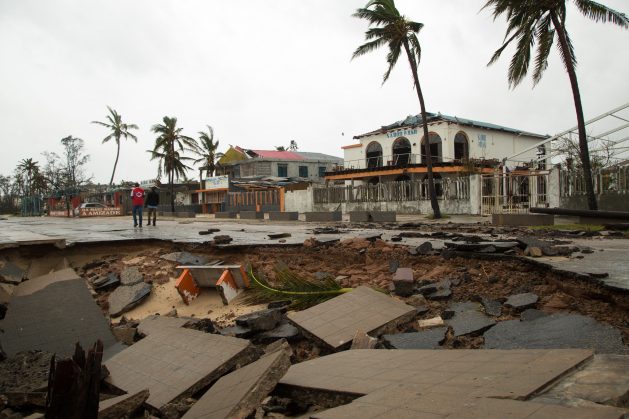
The Southern African region is particularly vulnerable to climate change while only being responsible for a fraction of emissions. It is hoped that COP26 will deliver tangible benefits to the area which has already suffered severe impacts of climate change like the effects of Cyclone Idai, Mozambique, in March 2019. Credit: Denis Onyodi: IFRC/DRK/Climate Centre

Johannesburg, Oct 26 2021 (IPS) – COP26 is almost upon us, and dire warnings abound that it’s boom or bust for a greener future. Meanwhile, everybody boasts about what they will do to cool down our planet, but there is a disjuncture between talk and action. Even Queen Elizabeth II of the host country, the United Kingdom, has grumbled publicly that not enough action is taking place on climate change.


In the Southern Africa region, the SADC’s member countries are clear that the developed countries must stump up the money to help them deliver their promises to reduce carbon emissions and carry out a raft of measures to combat global warming. All the SADC countries are signatories to the Paris Agreement.

The region has joined the cry of other African countries that the continent suffers most from climate change but hardly contributes to the causes of the phenomenon – emitting less than 4% of the world’s greenhouse gasses.
According to research undertaken on behalf of the UN, climate change adaptation needs for Africa were estimated to be $715 billion ($0.715 trillion) between 2020 and 2030.

In southern Africa, each country has its own Nationally Developed Contribution plan for dealing with climate change, including costs. Of course, funding will be needed to achieve these goals. Developing countries have pledged a $100bn annual target to help the developing world tackle climate change. All the Southern African countries will need a slice of this funding. The Green Climate Fund was established under the Cancun Agreements in 2010 as a dedicated financing vehicle for developing countries.

In the lead up to COP26, the fund is under scrutiny. Tanguy Gahouma, chair of the African Group of Negotiators at COP26, has said: “African countries want a new system to track funding from wealthy nations that are failing to meet the $100bn annual target.”

The Organisation for Economic Co-operation and Development (OECD) estimates this funding stood at $79.6bn in 2019. OECD data reveals that from 2016-19 Africa only got 26 percent of the funding.

Gahouma said a more detailed shared system was needed that would keep tabs on each country’s contribution and where it went on the ground.

“They say they achieved maybe 70 percent of the target, but we cannot see that,” Gahouma said.
“We need to have a clear road map how they will put on the table the $100bn per year, how we can track (it),” he said. “We don’t have time to lose, and Africa is one of the most vulnerable regions of the world.”

Amar Bhattacharya, from the Brookings Institution, says about the fund, “Some progress has been made – but a lot more needs to be done.”

Denmark’s development coordination minister Flemming Møller Mortensen has warned that only a quarter of international climate finance for developing countries goes to adaptation.

COP26 may turn into a squabble over money and perhaps an attack on developed countries as they are blamed for creating the problems of climate change in the first place by using fossil fuels for the last two centuries. G20 countries account for almost 80% of global greenhouse gas emissions.

Again, it is all about the money. Many developed countries do not want to change; their economies (and their rich elites) are wedded to fossil fuels. There are also problems with paying for adaptation. Will the rich countries fund the developing countries to green themselves up?

Southern Africa will need to deal pragmatically with the outcomes of COP26 as it becomes crucial to deal with climate change impacts – like the vulnerability to intense storms like Cyclone Idai, which hit Mozambique in March 2019. Credit: Denis Onyodi: IFRC/DRK/Climate Centre

Professor Bruce Hewitson, the SARCHI Research Chair in Climate Change Climate System Analysis Group, Dept Environmental & Geographical Sciences at the University of Cape Town, told IPS: “The well-cited meme that Africa is the continent most vulnerable to climate change impacts is true, as is the common response that Africa needs external aid to implement adaptation and development pathways compatible to climate mitigation. However, such messages hide a myriad of political realities about the difference between what is ideal and what is likely.”

Hewitson argues that what emerges from COP26 is an exercise in hope and belief.

“It’s a tightrope walk trying to balance competing demands and self-interests. At the end of the day, Africa will need to pragmatically deal with a compromised outcome and face the climate challenges as best possible under limited resources,” he says.

If Africa goes to COP26 with a begging bowl attitude, it could face the risk of dancing to the strings of the powerful and rich nations.

“Climate change impacts Africa in a multiplicity of ways, but at the root is when the local climate change exceeds the viability threshold of our infrastructural and ecological systems. Hence, arguably the largest challenge to responding to climate change is to expand and enable the regional capacity of the science and decision-makers to responsibly steer our actions in an informed and cohesive way; Africa needs to lead the design of Africa’s solutions,” says Hewitson.

While he argues that some of the best innovation is happening in Africa, it requires resources, and the COVID-19 pandemic has decreased international funding.

“Each community has unique needs and unique challenges, needing unique local solutions that are context-sensitive and context-relevant, and this will inevitably include the pain of some socio-economic and political compromise.”
The southern African region’s climate woes chime with the problems faced by a legion of developing countries. We have Mauritius’s threatened Indian Ocean islands, Seychelles, Madagascar, Comoros and those offshore of Tanzania and Mozambique, plus many thousands of miles of coastline. We have inland waterways. We have jungles, forests, vast plains and deserts. All prey to the viciousness of global warming.

The SADC’s climate change report quotes an academic paper by Rahab and Proudhomme that from 2002 “there has been a rise in temperatures at twice the global average.”

According to the SADC, “A Climate Change Strategy is in place to guide the implementation of the Climate Change Programme over a Fifteen-year period (2015 – 2030). The plan is innovative in terms of food security, preserving and expanding carbon sinks (which play a major role in stabilising the global climate) and tackling problems in urban areas that cause global warming like high energy consumption, poor waste management systems and inefficient transport networks.

Out of the region’s fifteen member countries, South Africa is the biggest culprit when it comes to greenhouse gas emissions.

South African President Cyril Ramaphosa recently said, “We need to act with urgency and ambition to reduce our greenhouse gas emissions and undertake a transition to a low-carbon economy.”

This is a big ask for the region’s economic powerhouse with entrenched mining interests, an abundance of coal and a huge fleet of coal-fired power stations.

Recently, Mining and Energy Minister Gwede Mantashe said South Africa must systematically manage its transition away from coal-fired power generation and not rush a switch to renewable energy sources.

“I am not saying coal forever… I am saying let’s manage our transition step by step rather than being emotional. We are not a developed economy, we don’t have all alternative sources.”

Angola has some of the most ambitious targets for transition to low-carbon development in Africa. The country committed to reducing up to 14% of its greenhouse gas emissions – commentators have met this with scepticism.
Mozambique, not – as yet – a significant carbon emitter, has potential, through its vast natural gas resources, to provide the wherewithal to heat the planet in a big way.

The Democratic Republic of the Congo – a least-developed country, has committed to a 17% reduction by 2030 in emissions. The DRC has the world’s second-largest tropical rainforest – a major carbon sink.

Other SADC countries that suffer from climate change but do very little to cause it are Lesotho, Swaziland, Botswana, Madagascar, which is currently suffering from a climate-induced famine; Malawi, Tanzania, Namibia and Zambia.

While talking up the need to cut emissions, Zambia’s neighbour Zimbabwe said it would increase electricity and coal supply to the iron and steel sectors, thus adding to emissions.

Mauritius, Seychelles and Comoros are all vulnerable Island economies and have a lot in common with the many other island states throughout the world and are very low carbon emitters but extremely vulnerable to climate change especially rising sea levels.

Despite all the problems emerging in the lead up to COP 26, we need to take to heart the fact that scientists and commentators worldwide are warning that COP26 must deliver a way forward that works for our planet and our people. Southern Africa and the African continent as a whole can contribute with innovation and enthusiasm by tapping into the vast potential of our youthful population.


Latin America Heads to Glasgow Climate Summit with Half-Empty Hands

Civil Society, Climate Action, Climate Change, Conferences, Development & Aid, Editors’ Choice, Energy, Environment, Featured, Global Governance, Headlines, Latin America & the Caribbean, Regional Categories

Climate Change

This article is part of IPS coverage ahead of the COP26 climate change conference, to be held Oct. 31-Nov. 12 in Glasgow.

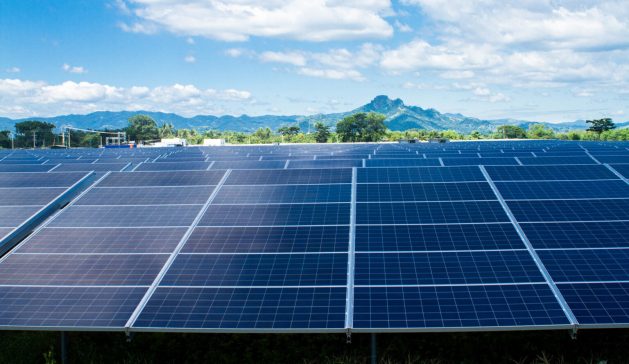
A solar power plant in El Salvador, with 320,000 panels, is one of the largest such installations in Central America, whose countries are striving to convert the energy mix to renewable sources, but whose plans were slowed by the covid pandemic. CREDIT: Edgardo Ayala/IPS

A solar power plant in El Salvador, with 320,000 panels, is one of the largest such installations in Central America, whose countries are striving to convert the energy mix to renewable sources, but whose plans were slowed by the covid pandemic. CREDIT: Edgardo Ayala/IPS

MEXICO CITY, Oct 25 2021 (IPS) – Latin America and the Caribbean are heading to a new climate summit with a menu of insufficient measures to address the effects of the crisis, in the midst of the impact of the covid-19 pandemic.


The world’s most unequal region, which is the hardest hit by the effects of climate change and highly vulnerable to the impacts of the climate crisis, has yet to engage in the fight against this emergency head-on, according to analysts and studies.

Tania Miranda, director of Policy and Stakeholder Engagement in the Environment and Climate Change Programme of the U.S.-based non-governmental Institute of the Americas, said Latin America’s high climate ambitions have not been supported by the measures necessary to reduce emissions.

“Goals are aspirational. If they are not backed up with policies and financing, they remain empty promises. There is a need for financing and the implementation of strategies and public policies that will lead them to fulfill their commitments. Billions of dollars are needed,” the researcher told IPS from San Diego, California, where the Institute is based.

Miranda is the author of the report “Nationally Determined Contributions Across the Americas. A Comparative Hemispheric Analysis,” which evaluates the climate targets of 16 countries, including the United States and Canada.

In her study, she analyses pollutant emission reduction targets, plans for adaptation to the climate crisis, dependence on external financing, long-term carbon neutrality commitments and the state of pollution abatement.

Climate policies will be the focus of the 26th Conference of the Parties (COP26) to the United Nations Framework Convention on Climate Change (UNFCCC), which will take place Oct. 31 to Nov. 12 in Glasgow, Scotland in the north of the United Kingdom, after being postponed in that same month in 2020 due to the pandemic.

COP26 will address rules for carbon markets, at least 100 billion dollars annually in climate finance, the gaps between nationally determined contributions (NDCs) and the necessary reductions, strategies for carbon neutrality by 2050, adaptation plans, and the local communities and indigenous peoples platform.

A parallel alternative summit will also be held, bringing together social movements from around the world, advocating an early phase-out of fossil fuels, rejecting so-called “false solutions” such as carbon markets, and calling for a just energy transition and reparations for damage and redistribution of funds to indigenous communities and countries of the global South.

The Glasgow conference is considered the most important climate summit, due to the need to accelerate action in the face of alarming data on global warming since the adoption of the Paris Agreement at COP21, held in December 2015 in the French capital.

A zero-emission electric bus is parked on a downtown street in Montevideo. Public transport is beginning to electrify in Latin America's cities as a way to contain CO2 emissions, but plans have been delayed and cut back due to the covid pandemic. CREDIT: Inés Acosta/IPS

A zero-emission electric bus is parked on a downtown street in Montevideo. Public transport is beginning to electrify in Latin America’s cities as a way to contain CO2 emissions, but plans have been delayed and cut back due to the covid pandemic. CREDIT: Inés Acosta/IPS

Since then, 192 signatories to the binding treaty have submitted their first NDCs.

But just 13 countries worldwide sent their new climate contributions in 2020 to the UNFCCC Secretariat based in Bonn, despite calls from its secretary, Patricia Espinosa of Mexico, for all parties to the treaty to do so that year.

Of these, only four from this region – Argentina, Grenada, Mexico and Suriname – submitted the second updated version of their contributions.

Although they are voluntary commitments, the NDCs are a core part of the Paris Agreement, based on the goal of curbing the temperature rise to 1.5 degrees Celsius, considered the minimum and indispensable target to avoid irreversible climate disasters and, consequently, human catastrophes.

In the NDCs, nations must set their goals for 2030 and 2050 to reduce greenhouse gas (GHG) emissions responsible for global warming, taking a specific year as a baseline, outline the way they will achieve these goals, establish the peak year of their emissions and when they would achieve net zero emissions, i.e. absorb as many gases as they release into the atmosphere.

In addition, to contain the spread of the coronavirus and its impacts, the region has taken emergency economic decisions, such as providing support for companies of all sizes, as well as for vulnerable workers.

But these post-pandemic recovery packages lack green components, such as commitments to sustainable and cleaner production.

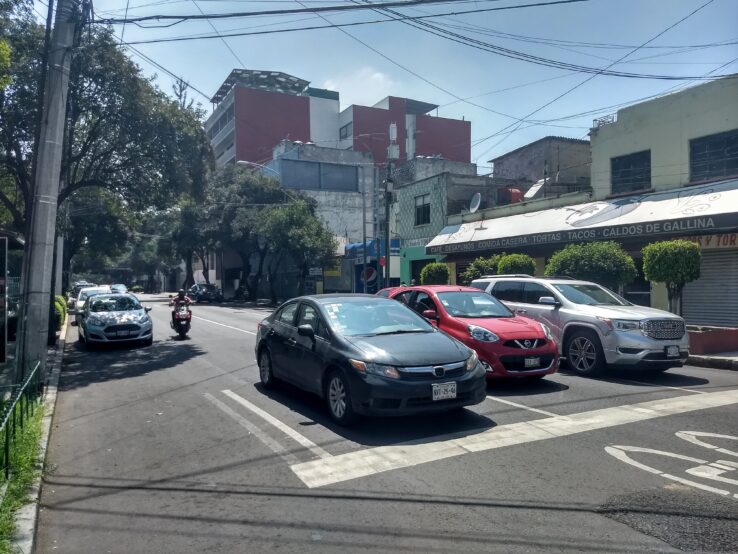
 A street in Mexico City shows reduced traffic due to covid restrictions. Automotive transport is one of the largest generators of polluting emissions in Latin America and the Caribbean. But the transition to a cleaner vehicle fleet, with the increase in the number of electric vehicles and other alternatives, is moving very slowly. CREDIT: Emilio Godoy/IPS

A street in Mexico City shows reduced traffic due to covid restrictions. Automotive transport is one of the largest generators of polluting emissions in Latin America and the Caribbean. But the transition to a cleaner vehicle fleet, with the increase in the number of electric vehicles and other alternatives, is moving very slowly. CREDIT: Emilio Godoy/IPS

Shared irresponsibilities

While some countries, such as Argentina and Chile, improved their pledges, others like Brazil and Mexico scaled down or kept their pledges unchanged.

The measures of Argentina, Brazil, Mexico and Colombia are in code red, as they are highly insufficient to contain global warming, according to the Climate Action Tracker.

In the case of the first three, the largest Latin American economies, the governments are prioritising the financing of increased fossil fuel exploitation, which would result in a rise in emissions in 2030, the Tracker highlights.

Chile’s and Peru’s measures are classified as insufficient and Costa Rica’s as almost sufficient.

That Central American nation, Colombia and Peru are on track to meet their commitments by 2030 and 2050, the Tracker notes.

In the case of Argentina, Chile and Ecuador, they would need additional measures to achieve their goals. At the other extreme are Brazil and Mexico, the biggest regional polluters, which have strayed from the medium- and long-term path.

Enrique Maurtúa, senior climate policy advisor for the non-governmental Environment and Natural Resources Foundation (FARN), said that Argentina is an example of the countries in the region that are caught between these contradictions.

“Argentina follows the line of what is happening in several countries in the region. In terms of commitments, it does its homework, what it is supposed to do, it is preparing a long-term strategy. But those commitments are not in line with what Argentina is doing behind closed doors,” the expert told IPS from Buenos Aires, where the Foundation is based.

As part of this approach, the Argentine Congress is debating a draft Hydrocarbon Investment Promotion Regime to provide fiscal stability to the sector for the next 20 years.

In addition, the government weakened the carbon tax, which averages a 10 dollar charge, through exemptions and the exclusion of gas, and is preparing a sustainable mobility strategy that dispenses with hydrogen.

Mexico is following a similar path, as the government favours support for the state-owned oil company Pemex and the government’s electric utility Comisión Federal de Electricidad, is building a refinery in the state of Tabasco, on the southeastern coast of the country, and has stalled actions aimed at an energy transition.

On Dec. 29, 2020, Mexico released its updated NDC, without increasing the emissions reduction target, to the disappointment of environmental organisations, and in contravention of the Paris Agreement and its own climate change law.

But on Oct. 1 it was reported that a federal court annulled the update, considering that there was an illegal reduction in the mitigation goals, so the 2016 measures remain in force until the government improves on them.

Isabel Bustamante, a member of the Fridays for Future Mexico movement who will attend COP26, questioned Mexico’s climate stance.

“It does not take a solid stance. We need declarations of climate emergency throughout the country and to make resources more readily available. We are concerned about the focus on more fossil fuel production,” she told IPS from the southeastern city of Mérida.

President Andrés Manuel López Obrador is facing pressure from the environmental sector, but does not seem adept at changing course. He is even sending mixed signals, such as his announcement on Oct. 18 that the country will raise climate targets in 2022.

 At most service stations in Brazil, consumers can choose between gasoline and ethanol, the price of which is attractive when it does not exceed 70 percent of that of gasoline. But users only opt for biofuel when it is economically attractive, so it does not contribute to alleviating the emission of polluting gases. CREDIT: Mario Osava/IPS

At most service stations in Brazil, consumers can choose between gasoline and ethanol, the price of which is attractive when it does not exceed 70 percent of that of gasoline. But users only opt for biofuel when it is economically attractive, so it does not contribute to alleviating the emission of polluting gases. CREDIT: Mario Osava/IPS

The COP and the question marks it raises for the region

The UNFCCC stated in September that the NDCs presented are insufficient to curb warming to 1.5 degrees C.

Miranda believes COP26 could be beneficial for the region.

“Expectations are very high. We need the big polluters to be present. There will be pressure for tangible results. The region knows where its needs are, it has many opportunities to use ecosystems to reduce emissions,” she said.

Maurtúa, for his part, stresses that the main results will depend on the concrete financing and means of implementation of the Paris Agreement.

“Developed countries have to make financial contributions to the transition in developing countries. Industrialised nations are asking for more ambition, but they have to provide financing,” he argued.

In the expert’s opinion, “it is what the region needs. There are signs of willingness in Costa Rica, Colombia and Chile. But that is not happening in the case of Argentina or Mexico.”

For young people like Bustamante, the summit needs to offer more real action and fewer empty offers. “We expect an urgent climate action agenda to emerge. We need to stop investments in fossil fuel infrastructure, which compromises our near future. We will not stop until we do,” she said.

Under pressure due to the urgency of pending matters and within the constraints imposed by the pandemic, Glasgow could be a defining benchmark of a real global commitment to address the climate emergency, which is causing more and more destruction.


For Girls, the Biggest Danger of Sexual Violence Lurks at Home

Civil Society, COVID-19, Development & Aid, Editors’ Choice, Gender, Gender Violence, Headlines, Health, Human Rights, Latin America & the Caribbean, Regional Categories

Gender Violence

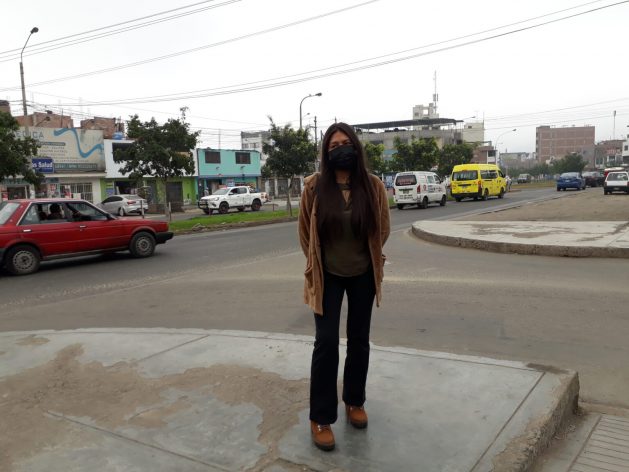
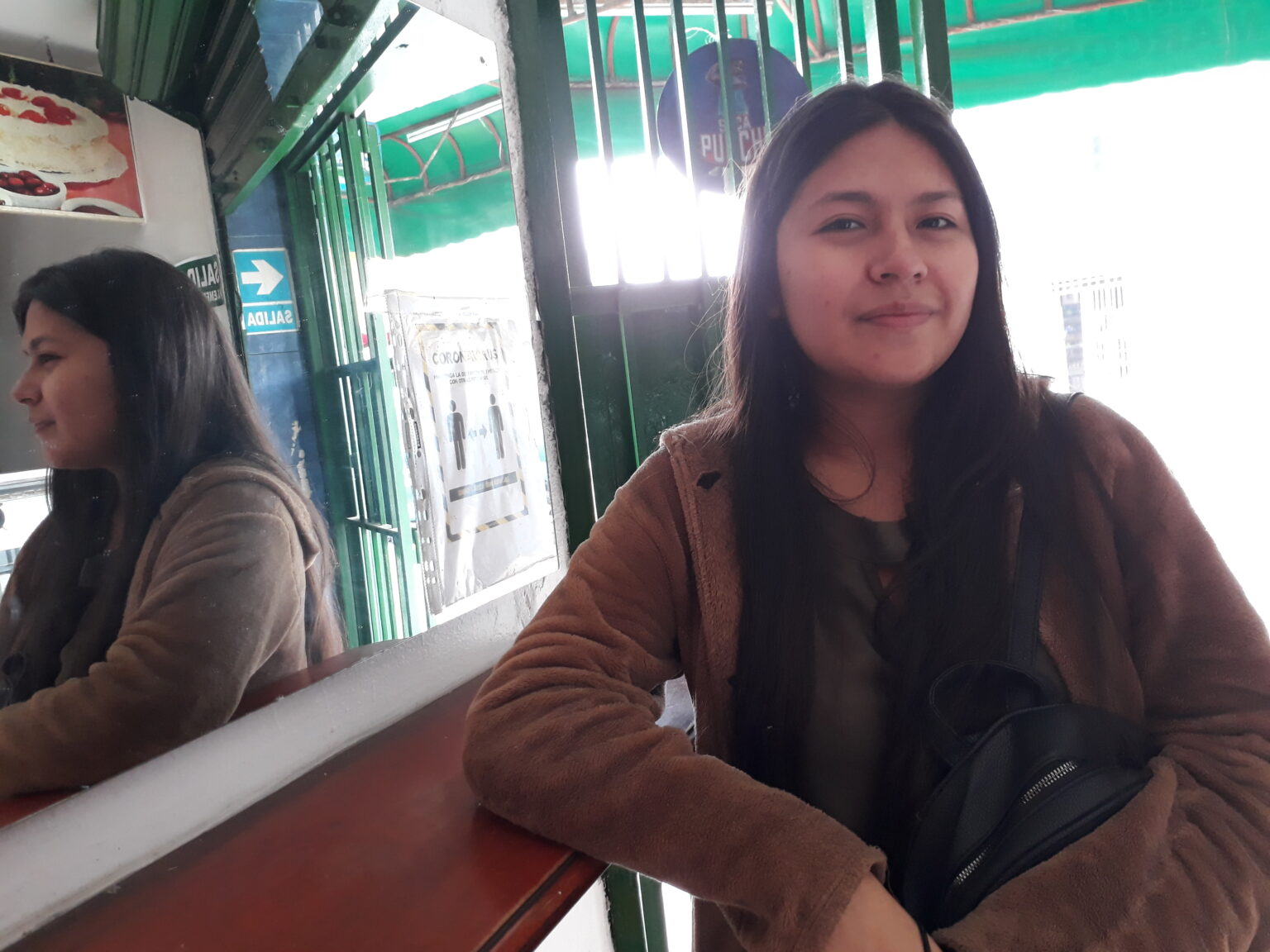
Girls' sexual and reproductive rights activist Mía Calderón stands on San Martín Avenue in San Juan de Lurigancho, the most populous municipality of Peru's capital. She complained that the pandemic once again highlighted the fact that sexual violence against girls comes mainly from someone close to home and that the girls are often not believed. CREDIT: Mariela Jara/IPS

Girls’ sexual and reproductive rights activist Mía Calderón stands on San Martín Avenue in San Juan de Lurigancho, the most populous municipality of Peru’s capital. She complained that the pandemic once again highlighted the fact that sexual violence against girls comes mainly from someone close to home and that the girls are often not believed. CREDIT: Mariela Jara/IPS

LIMA, Oct 22 2021 (IPS) – “During the pandemic, sexual violence against girls has grown because they have been confined with their abusers. If the home is not a safe place for them, what is then, the streets?” Mía Calderón, a young activist for sexual and reproductive rights in the capital of Peru, remarks with indignation.


The 19-year-old university student, whose audiovisual communications studies have been interrupted due to the restrictions set in place to curb the covid-19 pandemic, is an activist who belongs to the youth collective Vayamos in San Juan de Lurigancho, the district of Lima where she lives.

Located to the northeast of the capital, it is a district of valleys and highlands areas higher than 2200 metres above sea level, where water is a scarce commodity and is supplied by tanker trucks. San Juan de Lurigancho was created 54 years ago and its population of 1,117,629 inhabitants, according to official figures, is mostly made up of families who have come to the capital from the country’s hinterland.

Lima’s 43 districts are home to a total of 9.7 million people, and San Juan de Lurigancho has by far the largest population.

In an interview with IPS during a walk through the streets of her district, Calderón said she helped one of her friends during the mandatory social isolation decreed in this Andean nation between March and July 2020, which has been followed by further restrictions on mobility at times of new covid-19 outbreaks.

Since then, classrooms have been closed and education has continued virtually from home, where girls spend most of their time.

“She was in lockdown with her two sisters, her mother and stepfather. But she left before her stepfather could rape her; the harassment had become unbearable. Now she is very afraid of what might happen to her little sisters because he’s still living at home,” she said.

But not all girls and adolescents at risk of sexual abuse have support networks to rely on.

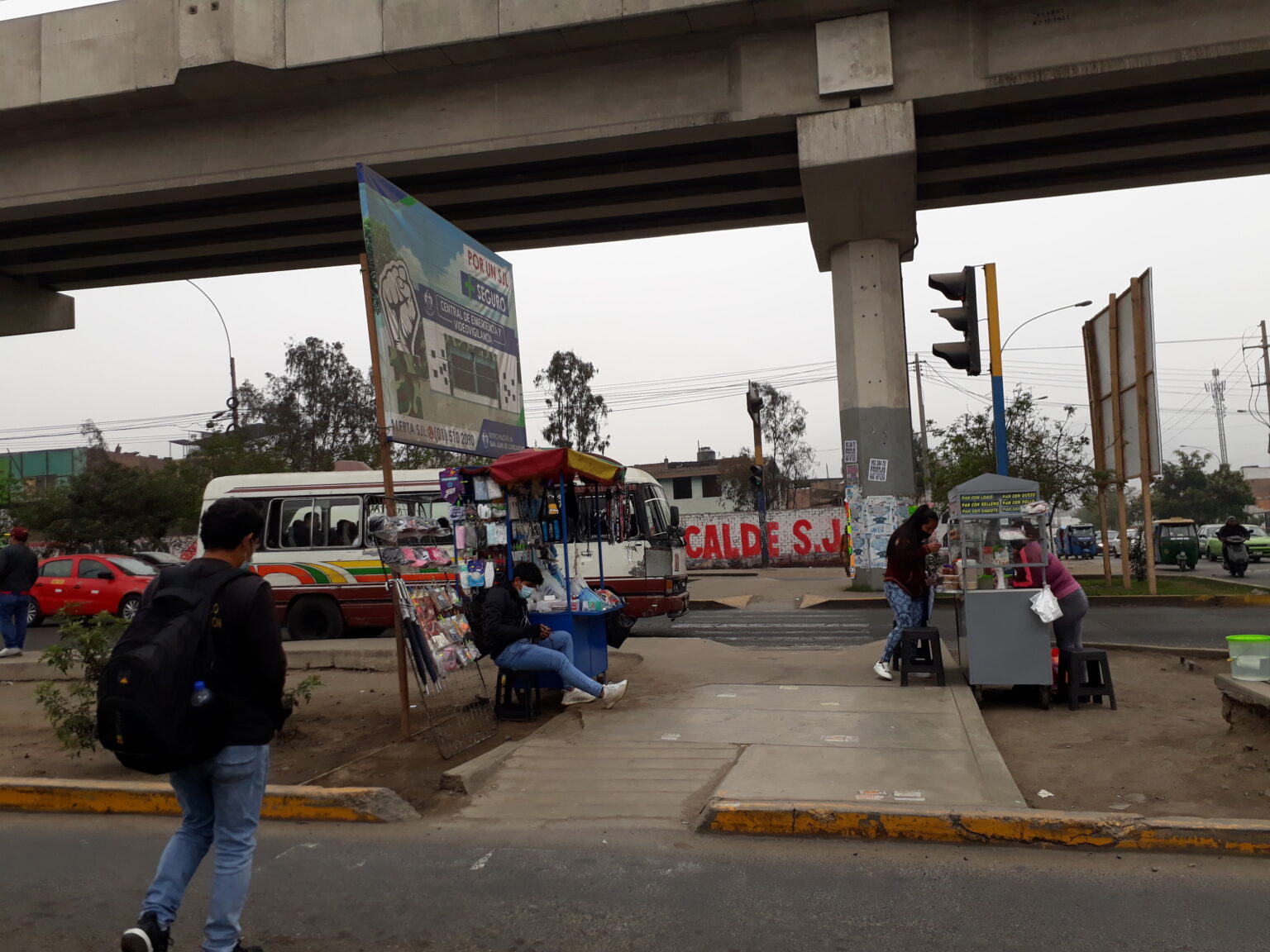
An intersection with hardly any passers-by in San Juan de Lurigancho, one of the 43 districts of the Peruvian capital. There are now fewer children on the streets because schools have been closed since the beginning of the covid pandemic and they receive their education virtually. This keeps them safe from violence in public spaces, but increases the abuse they suffer at home. CREDIT: Mariela Jara/IPS

An intersection with hardly any passers-by in San Juan de Lurigancho, one of the 43 districts of the Peruvian capital. There are now fewer children on the streets because schools have been closed since the beginning of the covid pandemic and they receive their education virtually. This keeps them safe from violence in public spaces, but increases the abuse they suffer at home. CREDIT: Mariela Jara/IPS

Data that exposes the violence

Official statistics reveal a devastating reality: Between early 2020 and August of this year there have been 1763 births to girls under 14 years of age, according to the Health Ministry’s birth registration system (CNV).

All of these pregnancies and births are considered to be the result of rape, as the concept of sexual consent does not apply to girls under 14, who are protected by Peruvian law.

Looking at CNV figures from 2018 to August 2021, the total number increases to 4483, which would mean that on average five girls under the age of 14 give birth in Peru every day.

This is also the conclusion reached by the Latin American and Caribbean Committee for the Defence of Women’s Rights (Cladem), which in September completed a nationwide study on forced child pregnancy in Peru, published on Tuesday, Oct. 19.

For Cladem, forced child pregnancy is any pregnancy of a minor under 14 years of age resulting from rape, who was not guaranteed access to therapeutic abortion, which in the case of Peru is the only form of legal termination of pregnancy.

“These figures are unacceptable, but we know they may be even worse because of underreporting,” Lizbeth Guillén, who until August was the Peruvian coordinator of this Latin American network whose regional headquarters are in Lima, told IPS by telephone.

The activist headed up the project “Monitoring and advocacy for the prevention, care and punishment of forced child pregnancy” which was funded by the United Nations Trust Fund to End Violence against Women between 2018 and August 2021.

An aggravating factor for at risk girls and adolescents was that during the months of lockdown, public services for addressing violence against women were suspended and the only thing available was toll-free telephone numbers, which made it more difficult for victims to file complaints.

“What we have experienced shows us once again that homes are the riskiest places for girls,” said Guillén.

The Cladem study also reveals that the number of births to girls under 10 years of age practically tripled, climbing from nine cases in 2019 to 24 in 2020. And the situation remains worrisome, as seven cases had already been documented this year as of August.

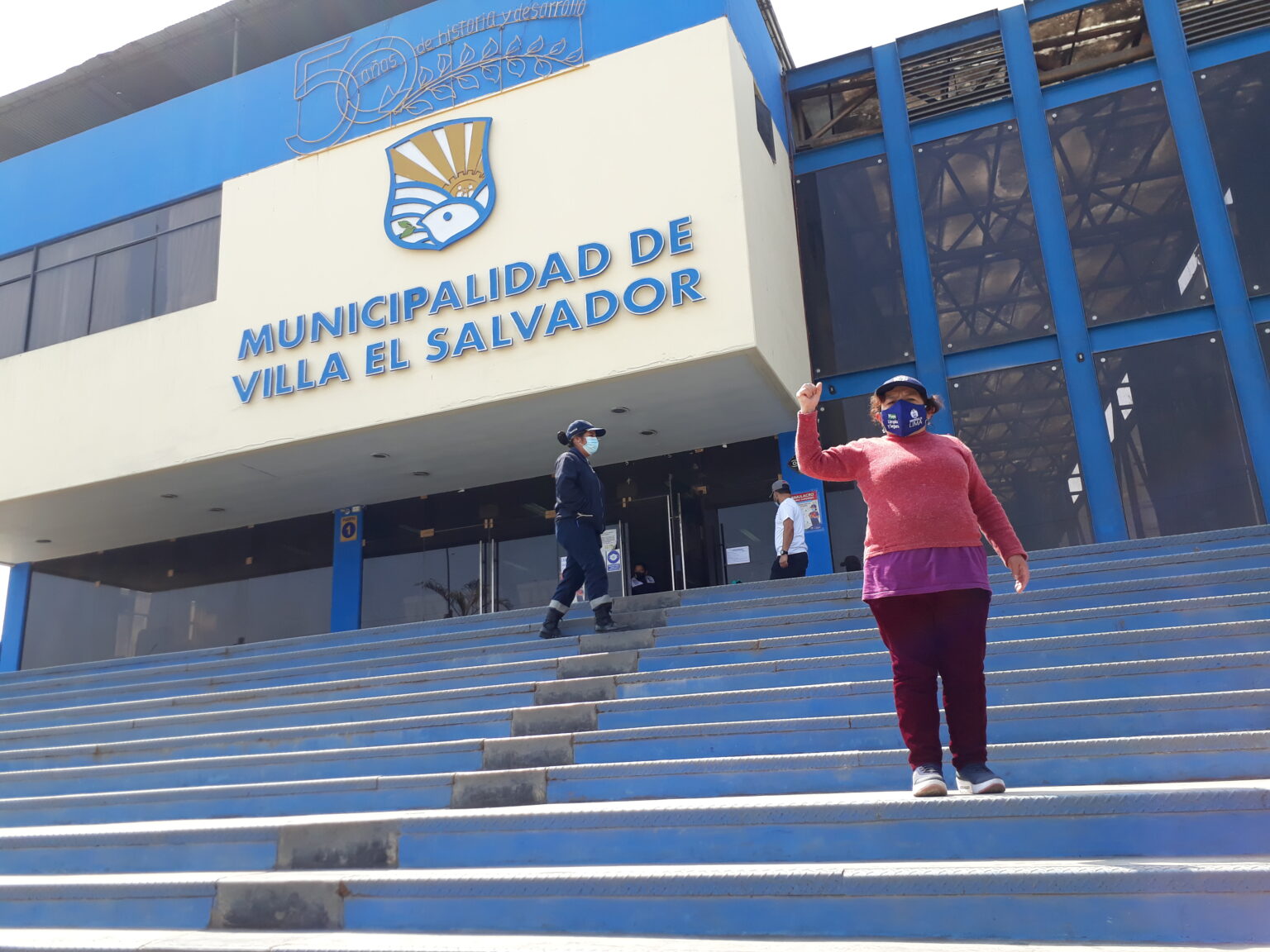
Julia Vargas, 61, works in the municipality of Villa El Salvador, south of Lima, where she has lived since the age of 11 and where she maintains her vocation of service as a health promoter. Through this work she knows first-hand about sexual violence against girls and adolescents, which she says has worsened during the pandemic since they have been confined to their homes with their potential abusers. CREDIT: Mariela Jara/IPS

Julia Vargas, 61, works in the municipality of Villa El Salvador, south of Lima, where she has lived since the age of 11 and where she maintains her vocation of service as a health promoter. Through this work she knows first-hand about sexual violence against girls and adolescents, which she says has worsened during the pandemic since they have been confined to their homes with their potential abusers. CREDIT: Mariela Jara/IPS

One district’s experience

“Sexual violence against girls has been indescribable during this period, worse than covid-19 itself. Men have been taking advantage of their daughters, they think they have authority over them,” said Julia Vargas, a local resident of Villa El Salvador.

This municipality, which emerged as a self-managed experience five decades ago to the south of the capital, offers health promotion as part of its public services to the community.

Vargas, a 61-year-old mother of four grown children, is proud to be a health promoter, for which she has received training from the Health Ministry and from non-governmental organisations such as the Flora Tristán Peruvian Women’s Centre.

“It’s hard to conceive of so much violence against girls,” she told IPS indignantly at a meeting in her district, “and the worst thing is that many times the mothers turn a blind eye; they say if he (their partner) leaves, who is going to support me.”

Studies indicate that women’s economic dependence is a factor that prevents them from exercising autonomy and reinforces unequal power relations that sustain gender-based violence.

Vargas continued: “There was a case of a father who got his three daughters pregnant and made them have clandestine abortions, and do you think the justice system did anything? Nothing! It said there was consent, how can a young girl give consent?!”

“Girls can’t be mistreated this way, they have rights,” she said.

Mía Calderón, a 19-year-old youth activist with the Vayamos collective, demands more and better measures in Peru to defend girls from sexual violence, fueled by the closure of schools since the beginning of the pandemic, which keeps them isolated and in homes where they sometimes live with their abusers. CREDIT: Mariela Jara/IPS

Mía Calderón, a 19-year-old youth activist with the Vayamos collective, demands more and better measures in Peru to defend girls from sexual violence, fueled by the closure of schools since the beginning of the pandemic, which keeps them isolated and in homes where they sometimes live with their abusers. CREDIT: Mariela Jara/IPS

The culprit nearby

Calderón is also familiar with this situation. “The pandemic has highlighted the fact that sexual violence comes mainly from someone close to home and that many times the girls are not believed: ‘you provoked your uncle, your stepfather’, they are told by their families, instead of focusing on the abuser,” she said.

Her collective Vayamos works to help girls have the right to enjoy every stage of their lives. Due to the pandemic, the group had to restrict its face-to-face activities, but as a counterbalance, it increased the publication of content on social networks.

“No girl or adolescent should live in fear of sexual violence or should face any such risk,” she said.

However, Cladem’s research indicates that between 2018 and 2020, there were 12,677 complaints of sexual violence against girls under 14 in the country, the cause of many forced pregnancies.

But official statistics do not differentiate between child and adolescent pregnancy.

The 2019 National Health Survey reported that of the female population between 15 and 19 years of age, 12.6 percent had been pregnant or were already mothers. The percentage in rural areas was higher than the national rate: 22.7 percent.

Youth activist Mia Calderón, health promoter Julia Vargas and Cladem member Lizbeth Guillén all agree on the proposal to decriminalise abortion in cases of rape and on the need for timely delivery of emergency kits by public health services to prevent forced pregnancies and maternity.

These kits contain emergency contraceptive pills, HIV and hepatitis tests, among other components for comprehensive health protection for victims.

“There are regulatory advances such as this joint action protocol between the Ministry of Women and the Health Ministry for a girl victim of violence to access the emergency kit, but in practice it is not complied with due to the personal conceptions of some operators and they deprive the victims of this right,” explained Guillén.

She stressed that in order to overcome the weak response of the State to such a serious problem, it is also necessary to adequately implement existing regulations, guarantee access to therapeutic abortion for girls and adapt prevention strategies, since the danger often lies directly in the home.

  Source