Namibia’s Onshore Drive: Emerging Opportunities Beyond the Deepwater Frontier

With onshore drilling results in hand and key production tests planned for 2026, Namibia’s frontier basins are moving into sharper focus – creating new openings for investors at this year’s Namibia International Energy Conference
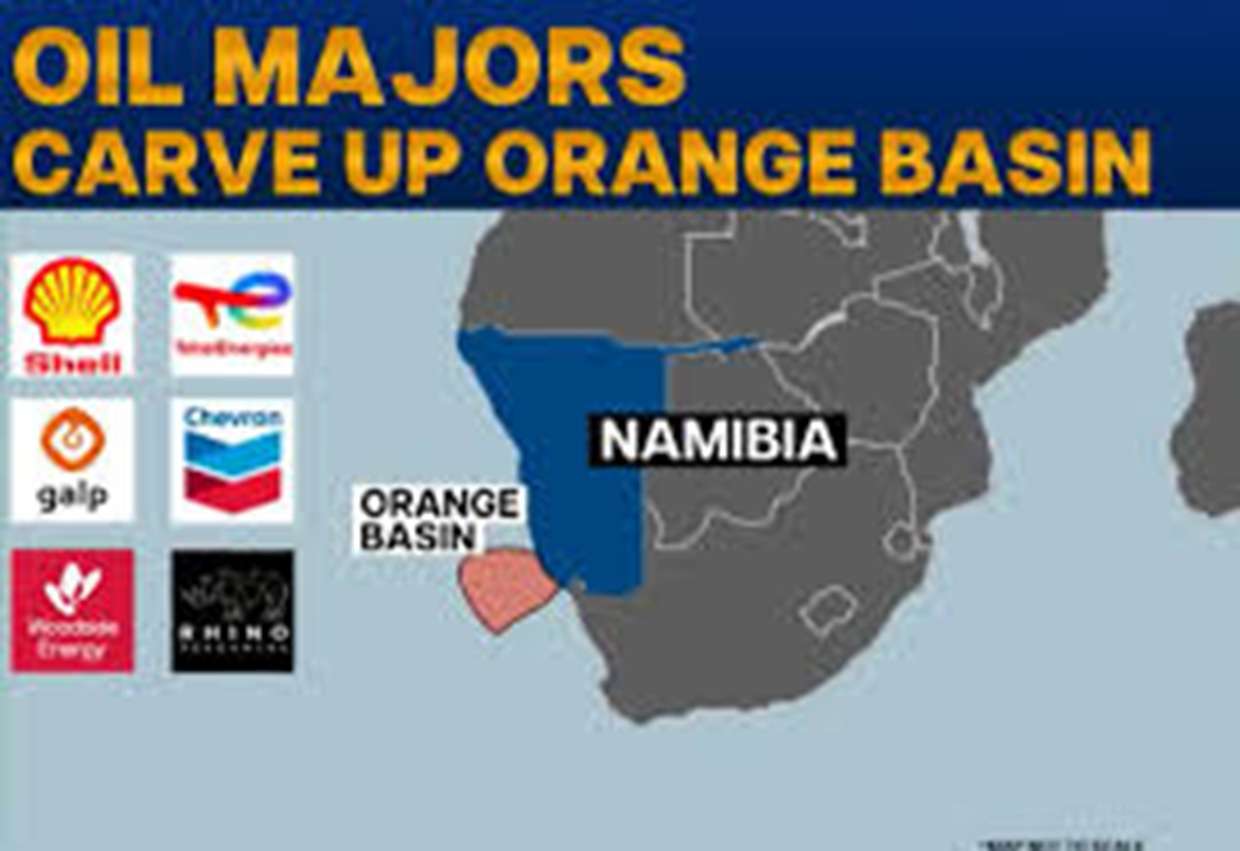
WINDHOEK, Namibia, February 12, 2026/ — Namibia’s upstream narrative has, until recently, been defined by deepwater success in the Orange Basin, where major offshore discoveries have transformed perceptions of the country’s hydrocarbon potential. Galp’s Mopane discovery, estimated to hold up to 10 billion barrels of oil equivalent, alongside TotalEnergies’ Venus find, has firmly positioned Namibia on the global exploration map and underpinned expectations of first offshore oil before the end of the decade. Alongside this offshore momentum, however, a parallel story is unfolding onshore, where frontier basins, lower entry costs and improving geological understanding are drawing increased attention from explorers and investors alike.
What Makes Onshore Namibia Attractive?

Onshore Namibia presents a compelling proposition, particularly in the current global investment climate. Compared with deepwater developments, onshore exploration offers significantly lower drilling and operating costs, shorter project timelines and greater flexibility during appraisal. These advantages help reduce risk while allowing companies to test frontier plays more efficiently – a key factor given that Namibia’s onshore basins remain underexplored by international standards.

The most advanced onshore exploration activity is currently taking place in the Kavango Basin, led by ReconAfrica. In December 2025, the company completed drilling at its Kavango West 1X well to a depth of approximately 4,200 meters. Data collected during drilling confirmed the presence of hydrocarbons across a substantial section of the well, including several zones that could potentially support future production. Additional hydrocarbon indications were identified at deeper levels, pointing to the possibility of multiple viable targets within the basin. While the well was not immediately placed into production, the results marked one of the most significant onshore milestones achieved in Namibia to date and confirmed the existence of a working petroleum system.

Building on these findings, ReconAfrica plans to return to Kavango West 1X in early 2026 to conduct a production test. The results of this program will be critical in determining whether the hydrocarbons identified can be produced at commercial rates and whether the Kavango Basin can progress from exploration concept to viable development. Beyond this initial well, the company controls a substantial onshore acreage position across Namibia and neighboring Angola, providing considerable scope for follow-up drilling and potential farm-in opportunities should results prove encouraging.

Further west, the Owambo Basin represents another onshore frontier attracting growing interest. Exploration efforts led by joint ventures involving Monitor Exploration, 88 Energy and Legend Oil Namibia have focused on gravity, magnetic and environmental surveys under Petroleum Exploration Licence 93. These studies have identified several structural leads, including large closures capable of supporting hydrocarbon trapping within a rift-related petroleum system. While seismic acquisition and interpretation are expected to continue through 2026, the basin is increasingly viewed as a medium-term opportunity that could complement progress in the Kavango Basin.

Exploration and Activity Outlook

Looking ahead, 2026 is shaping up to be a defining year for Namibia’s onshore ambitions. In addition to the planned Kavango West production test, operators are expected to expand geochemical sampling and subsurface studies across multiple lisence areas, both within Namibia and along its onshore extension into Angola. These programs are aimed at reducing exploration risk and supporting investment decisions at a time when African onshore oil and gas spending is forecast to rise, driven by demand for lower-cost, shorter-cycle developments.

As this onshore momentum builds, the Namibia International Energy Conference (NIEC) is emerging as a key forum for engagement between government, operators and investors shaping the country’s upstream future. Scheduled to take place in Windhoek from 14–16 April 2026 under the theme “The Road to First Oil and Beyond,” NIEC brings together policymakers, regulators, explorers, financiers and service providers at a critical point in Namibia’s development trajectory. While offshore projects continue to dominate global headlines, the conference provides onshore explorers with a platform to showcase progress, advance partnerships and engage investors seeking diversification beyond deepwater plays.

For onshore licence holders, NIEC creates tangible opportunities to progress farm-in discussions, secure technical and financial partners and align exploration timelines with national development priorities. As Namibia advances both offshore and onshore, NIEC ensures that policy, investment and technical planning move forward in step.

The African Energy Chamber serves as the strategic partner of NIEC 2026, working alongside government and industry to advance investment, local content and responsible energy development in Namibia.

Distributed by APO Group on behalf of African Energy Chamber.

SOURCE: African Energy Chamber

The Maravi Post

Zambia’s Ruth Nyambe honoured for rejecting $50,000 bribe in major smuggling bust

Zambia’s Ruth Nyambe honoured
Zambia’s Ruth Nyambe honoured for rejecting $50,000 bribe in major smuggling bust

By Jones Gadama

Lusaka, Zambia – In a remarkable demonstration of integrity and dedication to duty, policewoman Ruth Nyambe has been honoured by Zambia’s Anti-Corruption Commission (ACC) for refusing a $50,000 bribe from a suspect caught smuggling $2.3 million in cash and seven gold bars at Kenneth Kaunda International Airport.

The incident, which took place on February 5, 2025, during a routine screening, has drawn widespread praise across the nation for Nyambe’s steadfast commitment to justice.

During the security check, the suspect attempted to bribe Nyambe with an initial offer of $5,000 to overlook the illegal goods. Nyambe rejected the bribe outright, a decision that did not deter the suspect, who then increased the offer to $50,000 in an attempt to secure his release.

Despite the substantial amount, Nyambe stood firm and reported the incident to the Drug Enforcement Commission (DEC), resulting in the immediate arrest of the suspect.

Nyambe’s actions have been lauded by high-ranking officials. The Inspector-General of Police commended her for her “exceptional integrity” and “outstanding performance” in a challenging situation. Speaking at the award ceremony, the Inspector-General noted, “Nyambe’s unwavering commitment to her duty exemplifies the highest standards we seek in our police force. Her refusal to accept bribes, regardless of the amount offered, sends a strong message to those who attempt to undermine our law enforcement agencies.”

The ACC further recognized Nyambe’s courage and moral fortitude by presenting her with the prestigious Integrity Award.

The commission highlighted her refusal to succumb to corruption as a critical step in Zambia’s ongoing fight against bribery and illicit activities. “Ruth Nyambe’s actions demonstrate the kind of leadership and ethical behavior necessary to uphold the rule of law and ensure public trust in our institutions,” said an ACC spokesperson during the presentation.

In addition to her award, Nyambe has been promoted to the rank of Inspector of Police, a move welcomed by her colleagues and superiors alike.

The promotion not only reflects her personal achievements but also serves as an encouragement to other officers to prioritize integrity in their work.

The smuggling operation uncovered during the screening involved a significant amount of cash and gold, valued at approximately $2.3 million and seven gold bars.

Authorities noted that the seizure was a major success in curbing illegal trafficking through one of the country’s busiest airports.

Nyambe’s story has resonated widely, inspiring many within the police service and the general public.

Her decision to report the bribe rather than accept it has been cited as a powerful example for others facing similar ethical dilemmas.

The ACC’s Integrity Award ceremony also served as a platform to reiterate Zambia’s commitment to combating corruption at all levels.

Officials emphasized the importance of supporting officers who demonstrate honesty and accountability.

As Zambia continues to strengthen its efforts against corruption, the recognition of individuals like Ruth Nyambe plays a vital role in reinforcing the values essential for effective governance and public confidence.

The incident at Kenneth Kaunda International Airport underscores the challenges law enforcement officers face in their daily duties.

Nyambe’s exemplary conduct sets a benchmark for professionalism and courage, encouraging others to uphold the principles of justice regardless of personal risk or temptation.

Her story stands as a testament to the impact that one person’s integrity can have on the broader fight against corruption in Zambia. It highlights the critical role that ethical behavior plays in safeguarding the nation’s security and prosperity.

With her promotion and the ACC’s Integrity Award, Ruth Nyambe’s dedication to service is now formally acknowledged, signaling hope for continued progress in the country’s efforts to eliminate bribery and illicit smuggling activities.

As the nation applauds her steadfastness, Nyambe remains a symbol of honor within the police force and a beacon of hope for a corruption-free Zambia.


Discover more from The Maravi Post

Subscribe to get the latest posts sent to your email.

The Maravi Post

KwaZulu-Natal Premier survives no-confidence motion amid calls for secret ballot

KwaZulu-Natal Premier
KwaZulu-Natal Premier survives no-confidence motion amid calls for secret ballot

By Burnett Munthali

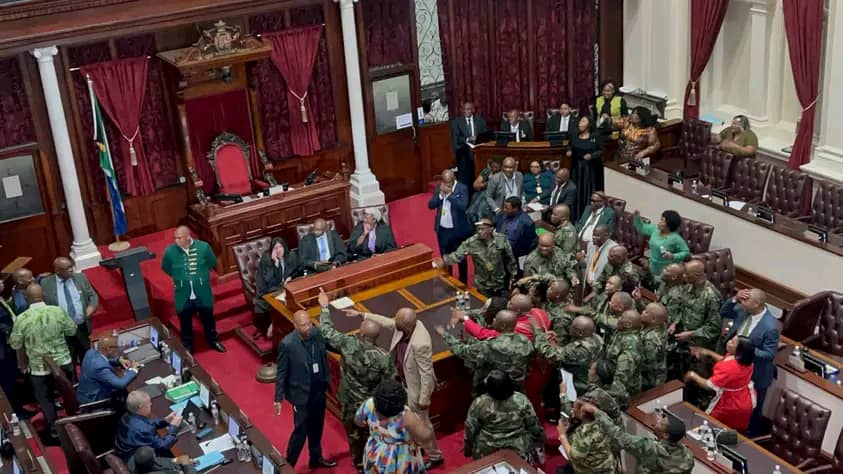
KwaZulu-Natal- (MaraviPost)-The provincial legislature of KwaZulu-Natal witnessed a tense political showdown as the motion of no confidence against Premier Thamsanqa Ntuli failed to secure enough support.

The motion was spearheaded by members aligned with the Mkhonto weSizwe faction, who had sought the Premier’s removal amid growing dissatisfaction with his leadership.

Opposition members, including representatives from the Economic Freedom Fighters (EFF), had requested that the vote be conducted by secret ballot to protect legislators from undue influence.

However, the Speaker of the KwaZulu-Natal legislature maintained that the vote would be conducted openly, rejecting the calls for secrecy.

The open voting process ultimately led to the motion being defeated, allowing Premier Ntuli to retain his position as the head of the provincial government.

The outcome has sparked intense debate among political parties, with critics arguing that the open vote compromised the independence of legislators who may have wanted to vote against the Premier.

Supporters of Premier Ntuli celebrated the result, citing it as a reaffirmation of his mandate and a demonstration of stability within the provincial government.

Political analysts have warned that the failed motion could deepen divisions within the legislature, as the underlying dissatisfaction among certain factions remains unresolved.

The debate over secret versus open ballots has reignited discussions about legislative procedures and the balance between transparency and the protection of elected representatives.

As KwaZulu-Natal continues to navigate political tensions, attention now turns to how the Premier will address opposition concerns while maintaining governance and stability in the province.


Discover more from The Maravi Post

Subscribe to get the latest posts sent to your email.

The Maravi Post

Sweden cuts aid as Tanzania’s post-election crisis deepens

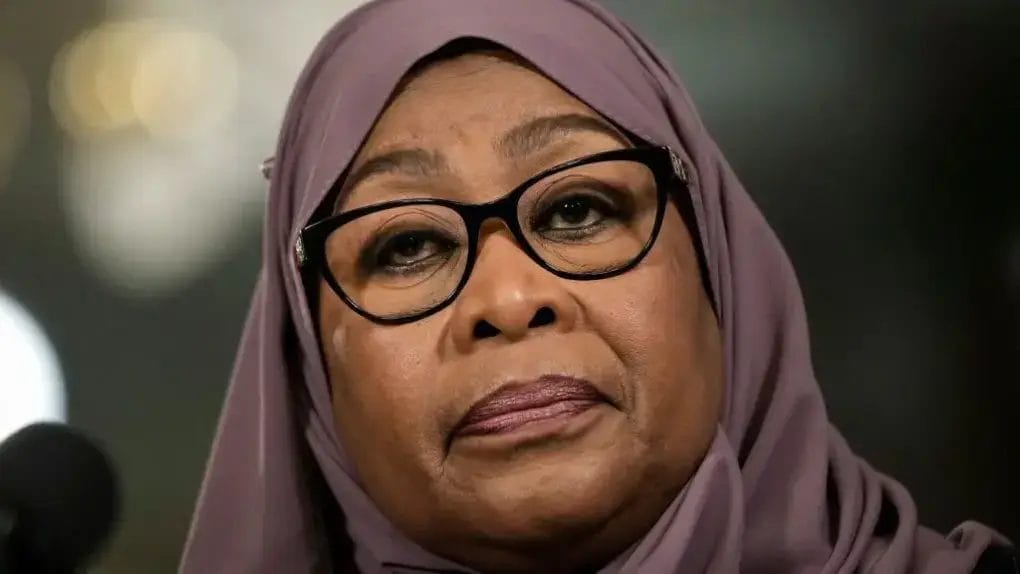
Samia Suluhu Hassan
President Samia has ordered an investigation into the killing [Getty Images]

By Burnett Munthali

Tanzania continues to face an increasingly fragile economic environment following the post-election violence that destabilised the country and damaged public confidence. The unrest has left long-lasting scars on political institutions, weakened social cohesion, and triggered heightened scrutiny from international partners.

Sweden has now become the latest country to announce a significant cut in development aid to Tanzania, a move that reflects growing frustration among donors over governance concerns and human rights issues. Stockholm’s decision highlights a shift toward stricter accountability in foreign assistance, especially when political instability threatens democratic values.

For decades, Sweden has been one of Tanzania’s most dependable development partners, supporting education, gender empowerment, rural development, and governance reforms. Its withdrawal marks a major diplomatic and economic setback, particularly for programmes that heavily rely on external funding to reach vulnerable populations.

The Swedish government stated that it could no longer justify financial support in the absence of clear commitments to uphold democratic principles and protect civil liberties. Reports of arrests, intimidation, and violations linked to the post-election period contributed to Sweden’s decision to rethink its cooperation strategy.

Economists warn that the loss of Swedish aid will deepen Tanzania’s fiscal vulnerabilities at a time when the country is struggling with declining tourism revenue, weakened investor confidence, and rising unemployment. Donor funding has traditionally cushioned Tanzania against severe budget pressures, and without it, the government may be forced to make difficult financial decisions.

There is also concern that Sweden’s action may influence other major donors, potentially creating a domino effect that could significantly shrink Tanzania’s development financing. Countries such as the United States, the United Kingdom, and members of the European Union have already expressed concern over the political situation in Tanzania, and Sweden’s bold stance could encourage them to take firmer positions.

For ordinary citizens, the implications are profound. Reduced development support means fewer resources for youth empowerment initiatives, social welfare programmes, agricultural development, and civil society organisations that provide services the government has struggled to deliver consistently. These cuts are likely to intensify economic hardship among already vulnerable communities.

Civil society groups fear that the shrinking donor space will further narrow civic freedoms, as NGOs may lose the funding required to hold government institutions accountable. A reduction in monitoring capacity could weaken democratic checks and balances at a time when the country needs them most.

Tanzania now faces a critical moment that demands genuine political dialogue, reconciliation, and institutional reform. Rebuilding trust with the international community will require demonstrating commitment to transparency, respect for human rights, and constructive engagement with opposition actors. Without these steps, the country risks deeper economic stagnation and increased diplomatic isolation.

Ultimately, the situation underscores the inescapable link between political stability and economic prosperity. Tanzania must show strong leadership, restore confidence among international partners, and chart a credible path toward sustainable recovery if it hopes to reverse the growing sense of uncertainty that now surrounds its future.


Discover more from The Maravi Post

Subscribe to get the latest posts sent to your email.

The Maravi Post

COP26 Could Get Hot, but Southern African Region Needs it to be Cool and Committed

Africa, Biodiversity, Climate Action, Climate Change, Conferences, Environment, Featured, Food and Agriculture, Headlines, Humanitarian Emergencies, TerraViva United Nations

Climate Action

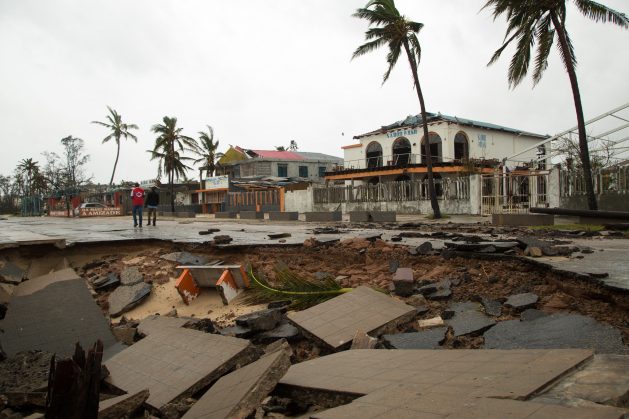
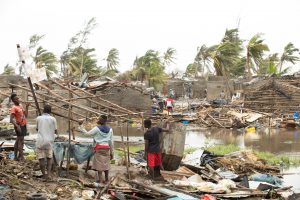
The Southern African region is particularly vulnerable to climate change while only being responsible for a fraction of emissions. It is hoped that COP26 will deliver tangible benefits to the area which has already suffered severe impacts of climate change like the effects of Cyclone Idai, Mozambique, in March 2019. Credit: Denis Onyodi: IFRC/DRK/Climate Centre

Johannesburg, Oct 26 2021 (IPS) – COP26 is almost upon us, and dire warnings abound that it’s boom or bust for a greener future. Meanwhile, everybody boasts about what they will do to cool down our planet, but there is a disjuncture between talk and action. Even Queen Elizabeth II of the host country, the United Kingdom, has grumbled publicly that not enough action is taking place on climate change.


In the Southern Africa region, the SADC’s member countries are clear that the developed countries must stump up the money to help them deliver their promises to reduce carbon emissions and carry out a raft of measures to combat global warming. All the SADC countries are signatories to the Paris Agreement.

The region has joined the cry of other African countries that the continent suffers most from climate change but hardly contributes to the causes of the phenomenon – emitting less than 4% of the world’s greenhouse gasses.
According to research undertaken on behalf of the UN, climate change adaptation needs for Africa were estimated to be $715 billion ($0.715 trillion) between 2020 and 2030.

In southern Africa, each country has its own Nationally Developed Contribution plan for dealing with climate change, including costs. Of course, funding will be needed to achieve these goals. Developing countries have pledged a $100bn annual target to help the developing world tackle climate change. All the Southern African countries will need a slice of this funding. The Green Climate Fund was established under the Cancun Agreements in 2010 as a dedicated financing vehicle for developing countries.

In the lead up to COP26, the fund is under scrutiny. Tanguy Gahouma, chair of the African Group of Negotiators at COP26, has said: “African countries want a new system to track funding from wealthy nations that are failing to meet the $100bn annual target.”

The Organisation for Economic Co-operation and Development (OECD) estimates this funding stood at $79.6bn in 2019. OECD data reveals that from 2016-19 Africa only got 26 percent of the funding.

Gahouma said a more detailed shared system was needed that would keep tabs on each country’s contribution and where it went on the ground.

“They say they achieved maybe 70 percent of the target, but we cannot see that,” Gahouma said.
“We need to have a clear road map how they will put on the table the $100bn per year, how we can track (it),” he said. “We don’t have time to lose, and Africa is one of the most vulnerable regions of the world.”

Amar Bhattacharya, from the Brookings Institution, says about the fund, “Some progress has been made – but a lot more needs to be done.”

Denmark’s development coordination minister Flemming Møller Mortensen has warned that only a quarter of international climate finance for developing countries goes to adaptation.

COP26 may turn into a squabble over money and perhaps an attack on developed countries as they are blamed for creating the problems of climate change in the first place by using fossil fuels for the last two centuries. G20 countries account for almost 80% of global greenhouse gas emissions.

Again, it is all about the money. Many developed countries do not want to change; their economies (and their rich elites) are wedded to fossil fuels. There are also problems with paying for adaptation. Will the rich countries fund the developing countries to green themselves up?

Southern Africa will need to deal pragmatically with the outcomes of COP26 as it becomes crucial to deal with climate change impacts – like the vulnerability to intense storms like Cyclone Idai, which hit Mozambique in March 2019. Credit: Denis Onyodi: IFRC/DRK/Climate Centre

Professor Bruce Hewitson, the SARCHI Research Chair in Climate Change Climate System Analysis Group, Dept Environmental & Geographical Sciences at the University of Cape Town, told IPS: “The well-cited meme that Africa is the continent most vulnerable to climate change impacts is true, as is the common response that Africa needs external aid to implement adaptation and development pathways compatible to climate mitigation. However, such messages hide a myriad of political realities about the difference between what is ideal and what is likely.”

Hewitson argues that what emerges from COP26 is an exercise in hope and belief.

“It’s a tightrope walk trying to balance competing demands and self-interests. At the end of the day, Africa will need to pragmatically deal with a compromised outcome and face the climate challenges as best possible under limited resources,” he says.

If Africa goes to COP26 with a begging bowl attitude, it could face the risk of dancing to the strings of the powerful and rich nations.

“Climate change impacts Africa in a multiplicity of ways, but at the root is when the local climate change exceeds the viability threshold of our infrastructural and ecological systems. Hence, arguably the largest challenge to responding to climate change is to expand and enable the regional capacity of the science and decision-makers to responsibly steer our actions in an informed and cohesive way; Africa needs to lead the design of Africa’s solutions,” says Hewitson.

While he argues that some of the best innovation is happening in Africa, it requires resources, and the COVID-19 pandemic has decreased international funding.

“Each community has unique needs and unique challenges, needing unique local solutions that are context-sensitive and context-relevant, and this will inevitably include the pain of some socio-economic and political compromise.”
The southern African region’s climate woes chime with the problems faced by a legion of developing countries. We have Mauritius’s threatened Indian Ocean islands, Seychelles, Madagascar, Comoros and those offshore of Tanzania and Mozambique, plus many thousands of miles of coastline. We have inland waterways. We have jungles, forests, vast plains and deserts. All prey to the viciousness of global warming.

The SADC’s climate change report quotes an academic paper by Rahab and Proudhomme that from 2002 “there has been a rise in temperatures at twice the global average.”

According to the SADC, “A Climate Change Strategy is in place to guide the implementation of the Climate Change Programme over a Fifteen-year period (2015 – 2030). The plan is innovative in terms of food security, preserving and expanding carbon sinks (which play a major role in stabilising the global climate) and tackling problems in urban areas that cause global warming like high energy consumption, poor waste management systems and inefficient transport networks.

Out of the region’s fifteen member countries, South Africa is the biggest culprit when it comes to greenhouse gas emissions.

South African President Cyril Ramaphosa recently said, “We need to act with urgency and ambition to reduce our greenhouse gas emissions and undertake a transition to a low-carbon economy.”

This is a big ask for the region’s economic powerhouse with entrenched mining interests, an abundance of coal and a huge fleet of coal-fired power stations.

Recently, Mining and Energy Minister Gwede Mantashe said South Africa must systematically manage its transition away from coal-fired power generation and not rush a switch to renewable energy sources.

“I am not saying coal forever… I am saying let’s manage our transition step by step rather than being emotional. We are not a developed economy, we don’t have all alternative sources.”

Angola has some of the most ambitious targets for transition to low-carbon development in Africa. The country committed to reducing up to 14% of its greenhouse gas emissions – commentators have met this with scepticism.
Mozambique, not – as yet – a significant carbon emitter, has potential, through its vast natural gas resources, to provide the wherewithal to heat the planet in a big way.

The Democratic Republic of the Congo – a least-developed country, has committed to a 17% reduction by 2030 in emissions. The DRC has the world’s second-largest tropical rainforest – a major carbon sink.

Other SADC countries that suffer from climate change but do very little to cause it are Lesotho, Swaziland, Botswana, Madagascar, which is currently suffering from a climate-induced famine; Malawi, Tanzania, Namibia and Zambia.

While talking up the need to cut emissions, Zambia’s neighbour Zimbabwe said it would increase electricity and coal supply to the iron and steel sectors, thus adding to emissions.

Mauritius, Seychelles and Comoros are all vulnerable Island economies and have a lot in common with the many other island states throughout the world and are very low carbon emitters but extremely vulnerable to climate change especially rising sea levels.

Despite all the problems emerging in the lead up to COP 26, we need to take to heart the fact that scientists and commentators worldwide are warning that COP26 must deliver a way forward that works for our planet and our people. Southern Africa and the African continent as a whole can contribute with innovation and enthusiasm by tapping into the vast potential of our youthful population.