International conference in Vienna: Successful societies are those that manage diversity and stimulate empathy towards the Other

Conferences, Human Rights, Religion
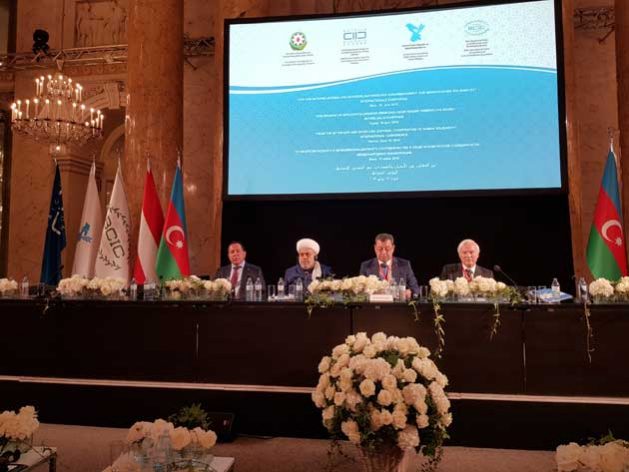
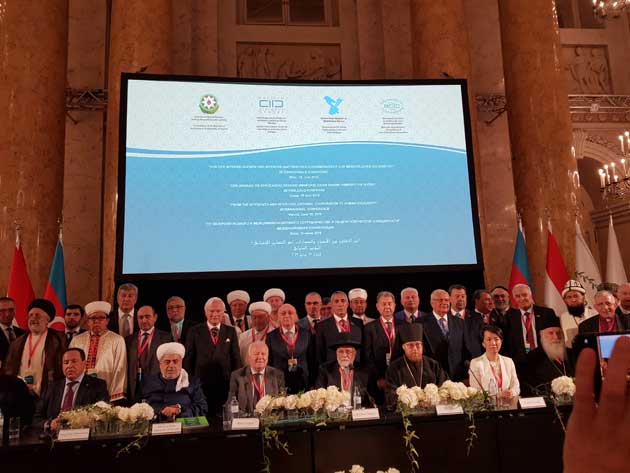
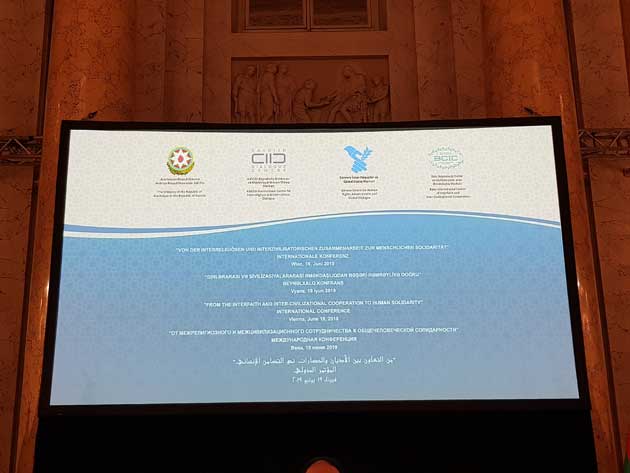
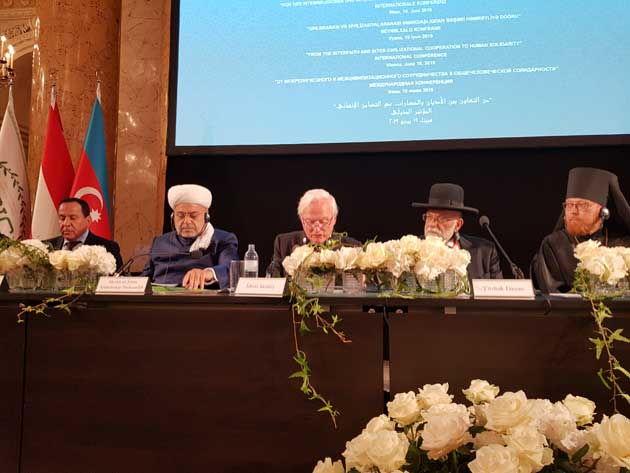
VIENNA, Jun 21 2019 – Societies must work together to build more tolerance, solidarity and peace within and between nations, said the Executive Director of the Geneva Centre for Human Rights Advancement and Global Dialogue, Ambassador Idriss Jazairy, during the 19 June international conference on “From Interfaith, Inter-Civilizational Cooperation to Human Solidarity.” He emphasized that all such societies are built on shared aspirations and not shared ethnicity.


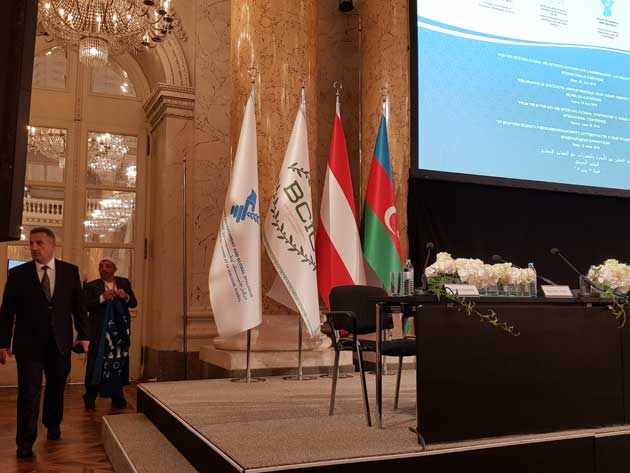
This Geneva Centre was one of the organizers of this major event together with the Baku International Centre for Interreligious and Inter-Civilizational Cooperation and the KAICIID Interreligious and Intercultural Dialogue Centre.

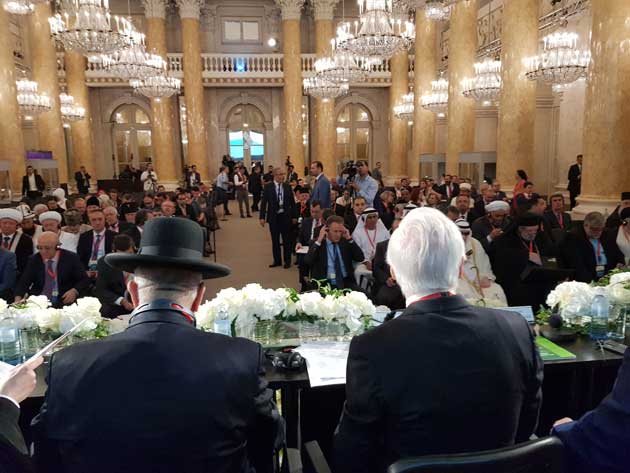
It gathered over 200 high-level experts from 30 countries and 10 international organizations. A special message of greeting was extended to the co-organizers of the conference and the participants by the President of the Republic of Azerbaijan HE llham Aliyev during the inaugural ceremony.

As the moderator of the opening and the first plenary sessions, Ambassador Jazairy stated that although the Berlin Wall was demolished in 1989, new physical and virtual walls were being erected which were breaking up societies and multilateralism.

It is one of the greatest paradoxes of the contemporary world that major world faiths and creeds that all preach human fraternity are being perverted to justify hatred and exclusion. The threat to peoples is not diversity, but poverty. Terrorism has no religion, denomination or nationality. It is a social cancer that affects the whole world,” he said.

To overcome this situation, Ambassador Jazairy highlighted the importance of promoting awareness of both the commonality of values and the specificities of practices of diverse faiths as expressions of enrichment through pluralism. He emphasized that all faiths supported God-given dignity to human beings and the duty of all to uphold it in particular for women and girls and vulnerable groups. Likewise, he recalled that all such faiths equally advocate the love of one’s neighbor.

The Executive Director of the Geneva Centre praised the outcome of the 25 June 2018 World Conference on religions and equal citizenship rights, the World Tolerance Summit organized in November 2018 in Dubai, the historical meeting of 4 February 2019 between the Pope and the Grand Imam of Al Azhar held in Abu Dhabi, and the Fifth World Forum on Intercultural Dialogue held in-May 2019 in Azerbaijan.

In his concluding remarks, the Geneva Centre’s Executive Director underlined that the promotion of equal citizenship rights is the silver-bullet to promote successful societies that manage diversity and stimulate empathy towards the other.

Ambassador Jazairy added: ‘Ethnicity, religious or political affiliations do not convey more rights on some groups than on others. As the US Congress affirmed already in 1782 ‘E pluribus unum.’ This diversity needs to become again the subject of cultural celebration and lay the foundation for social cohesion and the promotion of inclusive societies. There can be no sustainable pursuit of happiness in islands of prosperity surrounded by oceans of poverty.”

The Executive Director of the Geneva Centre concluded his statement by appealing to countries from the Global North and the Global South to jointly promote empathy between different cultures and civilizations and to “speak up together so that the conference message comes out loud and clear and is picked up by politicians who can make it become a reality.”

In the concluding session of the conference, the co-organizers endorsed an outcome declaration welcoming, inter alia, the adoption of the 25 June 2018 World Conference 10-Point Outcome Declaration on “Moving Towards Greater Spiritual Convergence Worldwide in Support of Equal Citizenship Rights” which was sponsored by the Geneva Centre and its partners last year.

The co-organizers likewise adopted a joint message to the President of Azerbaijan HE Ilham Aliyev and to the President of Austria HE Alexander Van der Bellen appealing to both countries to address obstacles to sustainable peace and development, promote inter-civilizational dialogue and to make this conference format replicable at regular intervals in the future.
 

There’s No Continent, No Country Not Impacted by Land Degradation

Biodiversity, Climate Change, Combating Desertification and Drought, Conferences, Editors’ Choice, Featured, Global, Headlines, Regional Categories, Sustainability, TerraViva United Nations

Combating Desertification and Drought

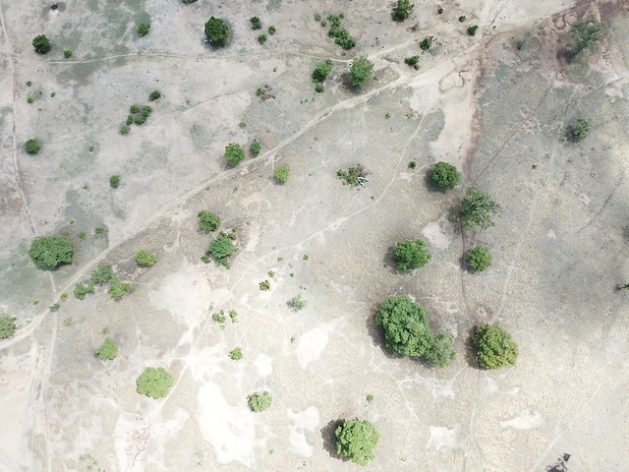
On all continents you have the issue of land degradation, and it requires governments, land users and all different communities in a country to be part of the solution. Credit: Albert Oppong-Ansah /IPS

ANKARA, Jun 17 2019 (IPS) – The coming decades will be crucial in shaping and implementing a transformative land agenda, according to a scientist at the United Nations Convention to Combat Desertification (UNCCD) framework for Land Degradation Neutrality (LDN).


UNCCD-Science Policy Interface co-chair Dr. Mariam Akhtar-Schuster, who spoke with IPS ahead of the start of activities to mark World Day to Combat Desertification (WDCD) on Monday, Jun. 17, said this was one of the key messages emerging for policy- and other decision-makers.

This comes after the dire warnings in recent publications on desertification, land degradation and drought of the Global Land OutlookIntergovernmental Science-Policy Platform on Biodiversity and Ecosystem Services (IPBES) Assessment Report on Land Degradation and Restoration, World Atlas of Desertification, and IPBES Global Assessment on Biodiversity and Ecosystem Services.

“The main message is: things are not improving. The issue of desertification is becoming clearer to different communities, but we now have to start implementing the knowledge that we already have to combat desertification,” Akhtar-Schuster told IPS.

“It’s not only technology that we have to implement, it is the policy level that has to develop a governance structure which supports sustainable land management practices.”

IPBES Science and Policy for People and Nature found that the biosphere and atmosphere, upon which humanity as a whole depends, have been deeply reconfigured by people.

The report shows that 75 percent of the land area is very significantly altered, 66 percent of the ocean area is experiencing increasing cumulative impacts, and 85 percent of the wetland area has been lost.

“There are of course areas which are harder hit; these are areas which are experiencing extreme drought which makes it even more difficult to sustainably use land resources,” Akhtar-Schuster said.

“On all continents you have the issue of land degradation, so there’s no continent, there’s no country which can just lean back and say this is not our issue. Everybody has to do something.”

Akhtar-Schuster said there is sufficient knowledge out there which already can support evidence-based implementation of technology so that at least land degradation does not continue.

While the information is available, Akhtar-Schuster said it requires governments, land users and all different communities in a country to be part of the solution.

“There is no top-down approach. You need the people on the ground, you need the people who generate knowledge and you need the policy makers to implement that knowledge. You need everybody,” the UNCCD-SPI co-chair said.

“Nobody in a community, in a social environment, can say this has nothing to do with me. We are all consumers of products which are generated from land. So, we in our daily lives – the way we eat, the way we dress ourselves – whatever we do has something to do with land, and we can take decisions which are more friendly to land than what we’re doing at the moment.”

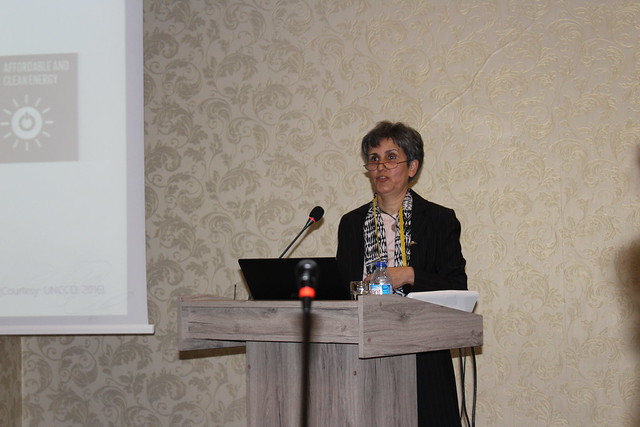
UNCCD-Science Policy Interface co-chair Dr. Mariam Akhtar-Schuster says things are not improving and that the issue of desertification is becoming clearer to different communities. Credit: Desmond Brown/IPS

UNCCD Lead Scientist Dr. Barron Joseph Orr said it’s important to note that while the four major assessments were all done for different reasons, using different methodologies, they are all converging on very similar messages.

He said while in the past land degradation was seen as a problem in a place where there is overgrazing or poor management practices on agricultural lands, the reality is, that’s not influencing the change in land.

“What’s very different from the past is the rate of land transformation. The pace of that change is considerable, both in terms of conversion to farm land and conversion to built-up areas,” Orr told IPS.

“We’ve got a situation where 75 percent of the land surface of the earth has been transformed, and the demand for food is only going to go up between now and 2050 with the population growth expected to increase one to two billion people.”

That’s a significant jump. Our demand for energy that’s drawn from land, bio energy, or the need for land for solar and wind energy is only going to increase but these studies are making it clear that we are not optimising our use,” Orr added.

Like Akhtar-Schuster, Orr said it’s now public knowledge what tools are necessary to sustainably manage agricultural land, and to restore or rehabilitate land that has been degraded.

“We need better incentives for our farmers and ranchers to do the right thing on the landscape, we have to have stronger safeguards for tenures so that future generations can continue that stewardship of the land,” he added.

The international community adopted the Convention to Combat Desertification in Paris on Jun. 17, 1994.

On the occasion of the 25th anniversary of the Convention and the World Day to Combat Desertification in 2019 (#2019WDCD), UNCCD will look back and celebrate the 25 years of progress made by countries on sustainable land management.

At the same time, they will look at the broad picture of the next 25 years where they will achieve land degradation neutrality.

The anniversary campaign runs under the slogan “Let’s grow the future together,” with the global observance of WDCD and the 25th anniversary of the Convention on Jun. 17, hosted by the government of Turkey.


Executive Director of the Geneva Centre received by the Chairman of the Caucasus Muslims Board His Virtue Sheikh-ul-Islam Allahshukur Pashazadeh

Conferences, Religion

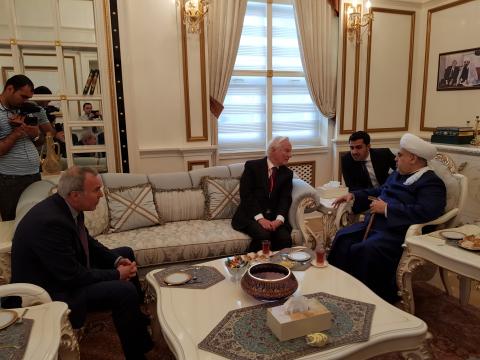
BAKU, AZERBAIJAN, May 3 2019 – (Geneva Centre) – The Head of the Religious Community in Azerbaijan His Virtue Shaikh-ul Islam Allahshukur Pashazadeh invited the Executive Director of the Geneva Centre for Human Rights Advancement and Global Dialogue Ambassador Idriss Jazairy to a private audience in his residence in Baku.


During the visit, His Virtue Pashazadeh expressed his appreciation to the endeavours of the Geneva Centre to promote mutual understanding and cooperative relations between people and societies through the holding of the 25 June 2018 World Conference on religions and equal citizenship rights that received strong support from the Secretary General of the United Nations Antonio Guterres.

His Virtue Pashazadeh and Ambassador Jazairy agreed that the Caucasus Muslims Board and the Geneva Centre are united by their vision to promote equal citizenship rights in multi-cultural and multi-religious societies worldwide.

In light of this discussion, the participants highlighted the need to capitalize on the momentum of the World Conference, the Joint Document on Human Fraternity for World Peace and Living Together signed on 4 February 2019 by HH Pope Francis and the Grand Imam of Al Azhar Ahmad Al-Tayib in Abu Dhabi, United Arab Emirates, as well as the Fifth World Forum on Intercultural Dialogue held in Baku to examine inventive ways to carry the process forward to harness the collective energy of religions in the pursuit of equal citizenship rights.

His Virtue Pashazadeh invited the Executive Director of the Geneva Centre to co-organize the 19 June 2019 conference on “From the Inter-faith, inter-civilizational cooperation to human solidarity” to be organized together with the King Abdullah bin Abdulaziz International Centre for Interreligious and Intercultural Dialogue in Vienna, Austria.

Ambassador Jazairy accepted for the Geneva Centre to be a co-sponsor of this important initiative and agreed to present a statement in Vienna on this occasion

The meeting was concluded by an official dinner that was attended by high-level government officials including the Minister of Culture of the Republic of Azerbaijan Abulfas Garayev.


Q&A: Achieving “Togetherness”

Active Citizens, Civil Society, Conferences, Featured, Headlines, TerraViva United Nations

Civil Society

This article is part of a series on the current state of civil society organisations (CSOs), which was the focus of International Civil Society Week (ICSW), sponsored by CIVICUS, and which took place in Belgrade, April 8-12.

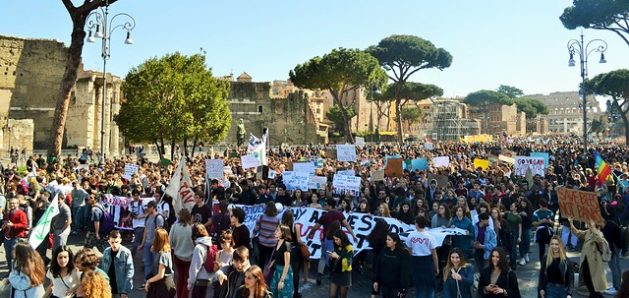
Thousands of youth gather in Rome on Friday, Mar. 15, to join the climate strike, a global movement that aims to make governments and institutions aware of taking serious steps to implement the Paris Agreements and save the planet. Together First, one of the partners of ICSW, is among the groups urging for a more inclusive, collaborative movement to work towards solutions for all. Credit: Maged Srour/IPS

UNITED NATIONS, Apr 16 2019 (IPS) – Increasingly facing restrictions and assault, civil society from around the world have come together to celebrate and promote people power.


Organised by CIVICUS, International Civil Society Week (ICSW) brought together civil society organisations and activists to discuss the threats and challenges that they face in a world where arbitrary detention, censorship, and exclusion have sadly become the norm.

Together First, one of the partners of ICSW, is among the groups urging for a more inclusive, collaborative movement to work towards solutions for all.

IPS spoke to Giovanna Marques Kuele, non-resident research fellow at Igarapé Institute (Brazil) and a member of Together First’s informal steering group, about the importance of civil society and working together.

Giovanna Marques Kuele, non-resident research fellow at Igarapé Institute (Brazil) and a member of Together First’s informal steering group speaks to IPS about the importance of civil society and working together.

Inter Press Service (IPS): How important is the protection and inclusion of civil society and human rights defenders to you and the global system as a whole?

Giovanna Marques Kuele (GMK): The protection and inclusion of civil society and human rights defenders are essential. While young people are raising their voices to demand inclusion for change, human rights defenders are under attack across the globe, including in my home country Brazil.

During the Civil Society Summit—which took place on the first day of ICSW—Together First endorsed the “The Belgrade Call to Action,” which calls on United Nations member states to take concrete urgent action against the shrinking space for civil society and the increasing reprisals against human rights defenders. Together First relies on the protection of civic space because we—civil society together—are the voices and agents of change that can push for the actions we sorely need to avert existential risks such as climate change.

For us, multilateralism is about more than states. It is about people and organisations working together to achieve a common goal. We at Together First believe that we can no longer rely on the turgid rate of progress by world leaders. Instead, we need to raise our voices and say: we can and must do better. And so we are building a movement that is truly global and meaningfully inclusive. During the ICSW, as a small first step, I met with youngsters who work at grassroots organisations to make sure we find ways to echo their voices, as decisions and actions taken in distance places, like city capitals and New York, can affect their daily lives.

IPS: What are the biggest challenges faced by civil society and human rights defenders today?

GMK: Like many of our colleagues at the ICSW meeting, Together First believes that multilateralism is under threat at a time when we need it more than ever. Global risks such as climate change and weapons proliferation need a collective response. These risks can be grouped into three sets: the ones great powers have not wanted to address (e.g. climate change), the risks insufficiently understood by politicians (e.g. new technologies), and the risks considered too difficult (e.g. the glaring deficit in cyber governance). These risks need collective action. But many governments are overwhelmed. Some are turning inwards, becoming more fiercely nationalist. As a result, the UN—already overstretched and underfunded—is now facing further cuts and struggling to deliver in this difficult environment.

IPS: As a multi-stakeholder group, how does Together First work with and mobilise civil society?

GMK: Together First seeks to build a global people’s movement for a people-centred multilateralism. Together, we want to identify and call for transformative next steps – the most important changes we can make now to address global risks. We also want to raise our level of ambition. The challenges we face are vast and complex; we must demand more than the current glacial pace of change.

Ultimately, we know that if we want to build the effective global governance system we so badly need, we cannot rely on world leaders alone. We must open up the conversation so that, in turn, we can make the system itself transparent and inclusive, where stakeholders play a meaningful role in the decisions and actions that affect their lives.

IPS: What role can the UN play to better promote and protect civil society?

GMK: Together First believes that by harnessing progressive power of civil society and by deploying an innovative and thorough methodology, we can work together to identify feasible and actionable steps to make global governance more effective – and put them into practice.

One of these steps must involve a greater role at the UN for civil society, who are key actors in the policy space and on the ground. What I heard from many people at ICSW is that organisations–as much as they work to achieve SDGs at country level, for instance–do not feel connected to the UN Headquarters, where decisions are ultimately taken. A concrete suggestion is to establish an Envoy for Civil Society—carefully chosen to make sure she or he is able to understand and transmit grassroots concerns to the upper levels.

IPS: As International Civil Society Week comes to a close, what message would you want civil society groups and human rights defenders to take home?

GMK: At ICSW, Together First, with our partners UN2020, made a public call for civil society to share their perspectives and need so we can demand that they are on the table for the UN’s 75th Anniversary in 2020.

Moving forward, it’s essential that our voices are heard at key meetings in the lead up to 2020. On April 23, I will be speaking at an event on building trust in multilateralism organised by the President of the General Assembly and IPI. Please send me your questions and comments via #MultilateralismMatters @TogetherFirst and I will be sure to raise them.

As the theme of this year suggested, ICSW is a testament to the existence of the ‘Power of Togetherness’ – the reality that people and organisations around the world are working together to unlock the potential of collective action. I think the energy of this event showed that we can believe that together it is possible to promote meaningful and inclusive change.


Civil Society Under Attack in Name of Counterterrorism

Active Citizens, Civil Society, Conferences, Development & Aid, Editors’ Choice, Featured, Global, Global Governance, Headlines, Human Rights, IPS UN: Inside the Glasshouse, Peace, Population, Regional Categories, TerraViva United Nations

Civil Society

This article is part of a series on the current state of civil society organisations (CSOs), which was the focus of International Civil Society Week (ICSW), sponsored by CIVICUS, and which took place in Belgrade, April 8-12.

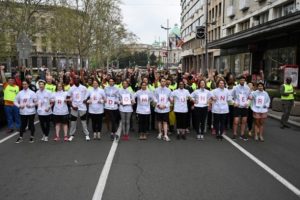
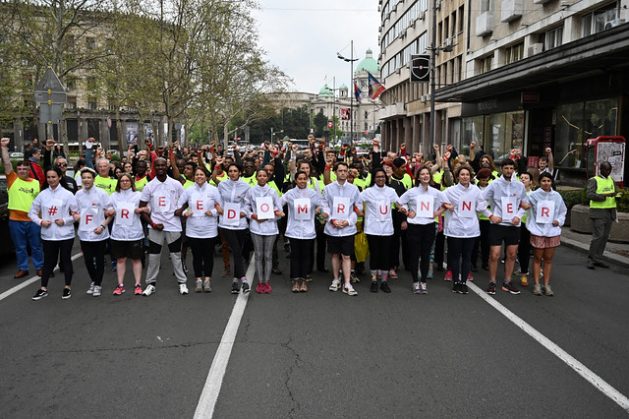
More than 200 civil society leaders and human rights activists from some 100 countries took to the streets of Belgrade, Serbia in solidarity with those whose basic freedoms are at risk. They participated in the International Civil Society Week (ICSW), sponsored by CIVICUS, which took place in Belgrade, April 8-12. Courtesy: CIVICUS

UNITED NATIONS, Apr 15 2019 (IPS) – Counterterrorism measures are not only affecting extremist groups, but are also impacting a crucial sector for peace and security in the world: civil society.


Civil society has long played a crucial role in society, providing life-saving assistance and upholding human rights for all.

However, counterterrorism measures, which are meant to protect civilians, are directly, and often intentionally, undermining such critical work.

“Civil society is under increased assault in the name of countering terrorism,” Human Rights Watch’s senior counterterrorism researcher Letta Tayler told IPS, pointing to a number of United Nations Security Council resolutions as among the culprits.

“Nearly two decades after the September 11 attacks, we are seeing a very clear pattern of overly broad counterterrorism resolutions. We are seeing a clear pattern of violations on the ground that are being carried out in the name of complying with binding Security Council counterterrorism resolutions,” she added.

Just two weeks after September 11, 2001, the UN Security Council unanimously adopted Resolution 1373 which called states to adopt and implement measures to prevent and combat terrorism.

Since then, more than 140 countries have adopted counterterrorism laws.

The newly approved Resolution 2462, passed at the end of March, requires member states to criminalise financial assistance to terrorist individuals or groups “for any purpose” even if the aid is indirect and provided “in the absence of a link to a specific terrorist act.”

While the resolution does include some language on human rights protections, Tayler noted that it is not sufficient.

“It is not sufficiently spelled out to make very clear to member states what they can and cannot do that might violate human rights on the ground,” she said.

Blurred Lines

Among the major issues concerning these resolutions is that there is no universal, legal definition of terrorism, allowing states to craft their own, usually broad, definitions. This has put civil society organisations and human rights defenders (HRDs) alike at risk of detention and left vulnerable populations without essential life-saving assistance.

“I think it is irresponsible of the Security Council to pass binding resolutions that leave up to States to craft their own definitions of terrorism…that’s how you end up with counterterrorism laws that criminalise peaceful protest or criticising the state,” Tayler said.

Oxfam’s Humanitarian Policy Lead Paul Scott echoed similar sentiments to IPS, stating: “The Security Council, by being overly broad, is just giving [governments] the tools to restrict civil society.”

According to Front Line Defenders, an Irish-based human rights organisation, 58 percent of its cases in 2018 saw HRDs charged under national security legislation.

Special Rapporteur on the promotion and protection of human rights while countering terrorism Fionnuala Ní Aoláin found that 67 percent of her mandate’s communications regarding civil society were related to the use of counter-terrorism, and noted that country’s counterterrorism laws are being used as a “shortcut to targeting democratic protest and dissent.”

In April 2018, thousands of people took to the streets in Nicaragua to protest controversial reforms to the country’s social security system.

According to the Office of the UN High Commissioner for Human Rights, over 300 people have been killed, more than 2,000 injured, and 2,000 arrested—some of whom were reportedly subject to torture and sexual violence when detained.

Many of those arrested will also be tried as terrorists due to a new law that expanded the definition of terrorism to include a range of crimes such as damage to public and private property.

At least 300 people, including human rights defenders, face charges of terrorism.

The Central American country said that the law was passed to comply with the Financial Action Task Force (FATF), an intergovernmental body that works alongside the Security Council to combat terrorist financing.

A Civil Society Facing Uncivility

Tayler also pointed to the lack of consequences for States that pass counterterrorism laws that do not abide by their obligations under international law.

In Resolution 2462, member states are told to comply with international humanitarian law when cracking down on terrorist financing but does not require countries to consider the effect of such measures on humanitarian activities such as providing food and medical care.

“In the zeal to be as tough looking as they can possibly can, governments have overlooked very very easy ways to protect those of us who are providing life-saving aid,” Paul told IPS.

The lack of protections for civil society and its impacts was most visible during the 2011 famine in Somalia.

In an effort to restrict “material support” to terrorist groups, countries such as the United States enacted counterterrorism legislation which blocked aid into areas controlled by Al-Shabab.

This not only impeded local and international organisations from doing their job, but one report noted that the constraints contributed to the deaths of over 250,000 people in the East African nation.

The problem has only gotten worse since then, Paul noted.

“The measures imposed by governments are unnecessarily broad and they prevent us from working in areas that are controlled by designated terrorist entities. What they have essentially done is criminalise humanitarian assistance,” he said.

Tunisia has used its terrorism financing laws to shut down a number of civil society organisations.

According to the Euro-Mediterranean Human Rights Monitor, approximately 200 organisations were dissolved and almost 950 others were delivered notices, referring them to courts on charges of “financial irregularities” or “receiving foreign funds to support terrorism” despite the lack of substantive evidence.

Many of the dissolved organisations provided aid and relief for orphans and the disabled.

All Eyes on Deck

Tayler highlighted the importance of the UN and civil society to monitor how counterterrorism resolutions such as Resolution 2462 are used on the ground.

“While we would love to see amendments to this resolution, pragmatically the next best step is for all eyes—the eyes of civil society, the UN, regional organisations—to focus on just how states implement this resolution to make sure that overly broad language is not used by states to become a tool of repression,” she said.

“The UN and leaders of countries around the world should use International Civil Society Week as an opportunity to take stock of the risk that this trend has posed on both to life-saving aid organisations and human rights defenders and to reverse this dangerous trend,” Tayler added.

Paul pointed to the need to educate both the public and policymakers on counterterrorism and its spillover effects as well as the importance of civil society in the global system.

“Civil society is a key part of effective governance. We don’t get effective public services, we don’t get peace, we don’t get to move forward with the anti-poverty agenda if civil society actors aren’t strong and empowered,” he said.

“If governments aren’t careful about protecting our right to stand up for marginalised and vulnerable populations, everyone will hurt. Not just those populations. It will have an effect broadly on our societies,” Paul added.


No Story Worth Dying For?

Active Citizens, Civil Society, Conferences, Editors’ Choice, Featured, Headlines, TerraViva United Nations

Civil Society

This article is part of a series on the current state of civil society organisations (CSOs), which will be the focus of International Civil Society Week (ICSW), sponsored by CIVICUS, and scheduled to take place in Belgrade, April 8-12.

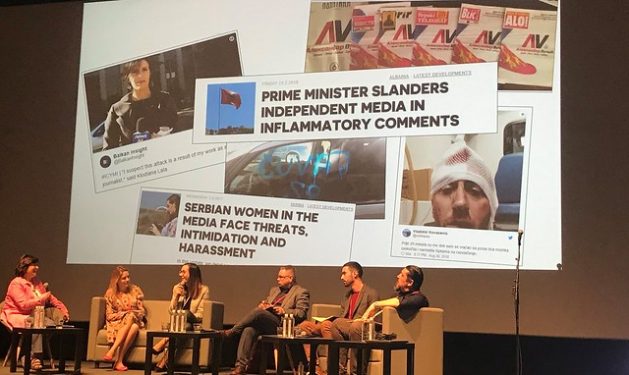
Infringements of press freedom and the targeting of journalists is one of the topics being discussed at the International Civil Society Week (ICSW 2019) – an annual gathering of civil society leaders, activists and engaged citizens taking place in the Serbian capital Apr. 8-12. Courtesy: CIVICUS

BELGRADE, Apr 11 2019 (IPS) – “Stay safe. There’s no story worth dying for.”
That’s the message to journalists from Nada Josimovic, programme coordinator of Amsterdam-based media rights organisation Free Press Unlimited.


Most journalists would agree with her. But beyond the threat of physical harm, women reporters and journalists of colour run another risk: being harassed online, with the spouting of sexist and racist venom.

This, of course, happens to rights defenders as well, all over the world. But in the case of women, the harassment is “sexualised … sometimes with threats of rape,” said Josimovic.

“How does one protect oneself?” she asked, during a panel discussion on press freedom at International Civil Society Week (ICSW 2019) – an annual gathering of civil society leaders, activists and engaged citizens taking place in the Serbian capital Apr. 8-12.

Co-hosted by the Johannesburg-based global civil society alliance CIVICUS, the meeting is focusing on a range of issues that include infringements of press freedom and the targeting of journalists.

As the event took place, news surrounding the deaths of media workers continued. On Apr. 11, the Director-General of the United Nations Educational, Scientific and Cultural Organisation (UNESCO), Audrey Azoulay, issued a statement condemning the killing of a sports reporter in the north-western Mexican town of Salvador Alvarado on Mar. 24.

“I condemn the killing of Omar Iván Camacho Mascareño,” stated Azoulay. “I trust the investigation underway will enable the authorities to bring the perpetrator of this crime to justice.”

Mascareño, of local radio broadcaster Chavez Radiocast, was found dead with signs of severe head trauma and injuries indicating that he had been beaten to death, according to media reports.
UNESCO issues its “condemnations” on a regular basis, given the frequency of attacks.

The UN agency has the mandate to promote the safety of journalists and does so “through global awareness-raising, capacity building and a range of actions, notably the UN Plan of Action on the Safety of Journalists and the Issue of Impunity”, according to the organisation.

This includes a module on Combatting Online Abuse: When Journalists and Their Sources are Targeted, but Josimovic and others stress that enough isn’t being done to end the specific harassment of women journalists.

“I think that media outlets don’t have good support systems for this kind of attacks,” she told IPS. “The legal aspect is also complicated.”

Social media companies, for instance, will not reveal the address of the perpetrators when the targeted individual complains, she said. Additionally, there is sometimes a lack of solidarity from editors and colleagues who have never experienced the harassment.

“Because it’s not happening in the real world, people kind of minimise the effect,” she added. “But women in general face more harassment on-line. In every sector, it’s there.”

Anyone who has doubts about this has only to look at some of the reports via the International Women’s Media Foundation, she said.

Rights activists say that broad coalitions were needed to promote the protection of rights and that journalists and human rights advocates need to work together. Courtesy: CIVICUS

Because of the similarity in methods used to attack rights defenders globally, press freedom groups and civil society organisations should increase ways of working together, said some delegates at the ICSW meeting.

Vukasin Petrovic, senior director for programme strategy at Washington DC-based rights monitoring organisation Freedom House, said that broad coalitions were needed to promote the protection of rights.

“Journalists and human rights advocates are the centrepiece of any strategy,” he told IPS. “The protection of freedom of expression and freedom of assembly are in the interests of both.”

Responding to a question about required journalistic “distance” and impartiality, he acknowledged that sometimes the relationship between the media and civil society can become too close.

“We do need transparency and accountability on all sides,” he said. “But building coalitions can make advocacy more powerful.”

For Dragan Sekulovski, executive director of the Association of Journalists of Macedonia – a country that’s “a champion when it comes to wiretapping” – part of the defence of media needs to come from the sector itself.

That includes promoting quality journalism and “leaving this to the audience to judge”, he said. In this way, public opinion may swing in favour of the media, helping to deter attacks and harassment.

“Quality” journalism requires resources, however, and as various media groups point out, the sector has been ravaged over the past years by job losses, low pay, copyright abuses and other ills.

This is compounded by declining public trust – because of a range of factors, including smear campaigns, accusations of purveying “fake news”, journalists’ own behaviour, and, of course, calling media “the enemy of the people” as American President Donald Trump has done.

According to the Committee to Protect Journalists, many of Trump’s tweets so far as president has “insulted or criticised journalists and outlets, or condemned and denigrated the news media as a whole”.

It has thus become an uphill battle to get some sections of the public to see the importance of journalists’ work, and to engage actively in protecting media freedom, said activists at the ICSW meeting.

“Media organisations need to engage with citizens to make them understand why (citizens) need them,” said Josimovic.

Whether this would stop the attacks and harassment, especially of women journalists, is anyone’s guess. The issue will no doubt be raised again during discussions May 1-3, when the “main celebration” of UNESCO’s World Press Freedom Day takes place in Addis Ababa, Ethiopia.