Millions of New Poor Are on the Way – Who Cares?

Civil Society, Economy & Trade, Environment, Global, Headlines, Health, Human Rights, Humanitarian Emergencies, Labour, Migration & Refugees, Poverty & SDGs, TerraViva United Nations
Opinion

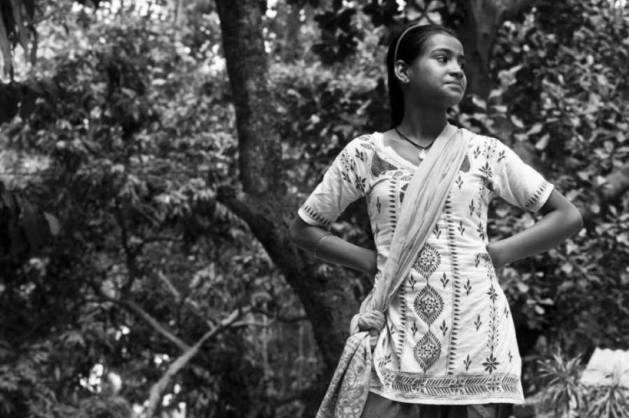
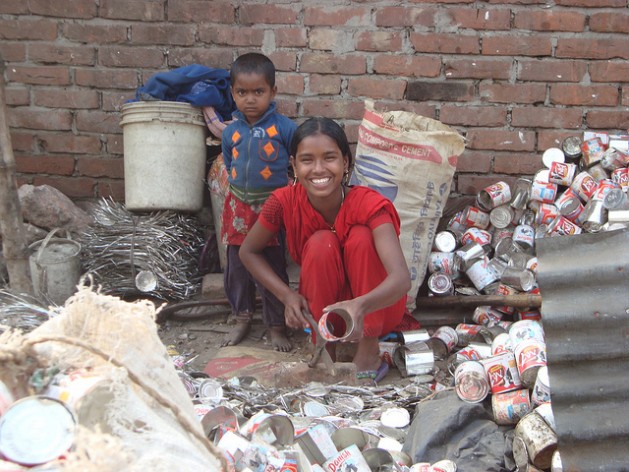
Batara slum in a Dhaka suburb. Credit: Naimul Haq/IPS

ROME, Nov 26 2020 (IPS) – The recent meeting of the G20 – scheduled to take place in Riyadh but held virtually due to the Coronavirus pandemic – has been an eloquent example of how the world is drifting, in a crisis of leadership.


It was, in a sense, a showcase. Everybody had to accept the view that the host of the meeting, the ailing King Salman of Saudi Arabia, was accompanied on TV screens by his apparent heir, Prince Mohamed bin Salman, who is clearly the mastermind of the brutal assassination, dismembering and disappearance of the body of dissident Saudi journalist Jamal Khashoggi.
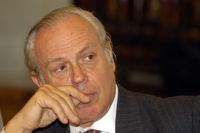
Roberto Savio

Mohamed bin Salman got away with it, also because of the support of Donald Trump who, in his video intervention said, among other pearls, that nobody in US history had done as much as he had for the environment (like when he said that nobody since Abraham Lincoln had done as much as he had for black Americans). After that, Trump promptly left for his golf course, and ignored the debate.

Raison d’état, realpolitik, diplomatic constraints have always been part of history. The fact that the G20 was virtual, can partly hide a fact: that politicians now accept the most preposterous statements without blinking, because everything has become acceptable and legitimate. In Saudi Arabia, Prince bin Salman is highly popular and in the US, those who live in the parallel world of Trumpland follow blindly.

Biden will have a very difficult life. At least one-third of Americans believe that a massive fraud has deprived their idol of the presidency. He has a Supreme Court staffed by his nominee. And unless the Democrats win the two seats for the Senate in Georgia on January 5th, it will remain in the hands of Mitch McConnell, who will block every single Biden project that needs Senate approval.

Add to this a Trump permanent electoral campaign during the next four years, probably with his own TV channel, and it is difficult to predict that Biden’s vice-president, a woman and black, will repeat his feat in 2024.

There are plenty of solutions if there was only political will. For instance, Oxfam estimates that just an increase of 0.5% over ten years on the taxes paid by 1% of the richest (a negligible increase) would suffice to create 117 million jobs in strategic sectors like health, education, and assistance to the elderly

I apologise for this diversion. The real goal of this article is to show the stunning lack of responsibility of the leaders who met virtually, and besides making totally ritual declarations about the pandemic and climate change, when faced with the issue of the impact of Covid-19 on the poor of the world, simply decided to extend the moratorium on the interest of the external debt of the poorest countries for another year. This is a debt which, in many cases, has been amply repaid with the payment of cumulative interests.

Now, it is certainly difficult to believe that the leaders of France, Germany, Italy, Japan, Russia, the UK, India, China and Canada, and the President of the European Council, and the President of the European Union – leaving aside the United States – ignore the impacting data on the increase of poverty provided by all the international organisations.

The creation of the G7 and the G20 has been the most visible attempt of the great powers to displace substantial debates and decisions from the United Nations. It was certainly not due to lack of information that they ignored the appeal of the Secretary General of the United Nations, António Guterres, who implored action in his intervention against the unfolding drama of the poor of all over the world, which is nullifying all progress achieved in the last two decades.

The data that the G20 ignored all converge on two conclusions: the impact of the Covid-19 virus is stronger than expected, and it will bring about a global social imbalance that will have a lasting impact on several millions of people – in fact, about 300 million people.

This comes on top of an already dire situation. According to the World Bank, 720 million people will be living in extreme poverty (less than 1.90 dollars a day). Of those, 114 million are the direct result of Covid-19: that is 9.4% of the world’s population. According to the UN World Food Programme, more than 265 million are already starving, and many will die. And according to the International Labour Organization 200 million will lose their job.

Let us not forget that half of the world’s population – 3.2 billion people – live on less than 5.50 dollars a day. These are in the global South, as well as those in rich countries who are close to the conditions of the poor countries. The scale of this condition is much greater than we normally think. In the United States, according to the US Census Bureau, 11.1% of the population (49 million people) can be classified as poor; but Covid-19 will probably add another 8 million people.

A staggering 16.1 million children live in food precarity, while more than 47 million citizens depend on food banks. The National Center on Family Homelessness estimates that in 2013, 2.5 million US children experienced some form of homelessness. Finally, the US Health Affairs journal affirms that in 2016, the United States had the largest rate of children mortality in the 20 countries belonging to the OECD, while according to the US Census Bureau, life expectation has shrunk by three years.

In Europe thanks to a culture of welfare (absent in the US), things are going somewhat better. Eurostat estimates that in 2017, 11.8 million people lived in a household “at risk of poverty or social exclusion”. And Save the Children estimates that 28% of those under 18 are at risk of poverty and social exclusion.

We do not have estimates of the impact of Covid-19 in Europe, but the European Union estimates that poverty may increase by 47% if the pandemic lasts until next summer. This excludes the impact of the expected third wave in the winter of 2021. Caritas Italy estimates that at the end of the year there will be at least one million more poor children.

The leaders of the G20 cannot ignore that in April UNCTAD issued an alert: we need to find at least 2.5 billion dollars to attenuate the coming social crisis. They cannot ignore that the ILO has stated that in the poorest countries of the world, like Haiti, Ethiopia or Malawi, the average income of informal workers has fallen by 82%.

They cannot ignore the political consequences of this social crisis, and how Covid-19 is putting a brake on the world economy. But the poor, for many reasons, is not a priority in political choices. Suffice it to note that in the EU’s unprecedented and brilliant Recovery Plan for Europe there are no special provisions for the poor. They are part of the general population, and of those who have suffered because of Covid-19: people working in the tourism sector, in restaurants bar, in shops, and so on.

Yet, we have all the data to know that they suffer specific problems, problems that differ from those of who have lost their jobs. Structural poverty is a cage which does not let out those who are inside it. We have no space here to analyse why poverty needs a specific action. There are tons of studies on the subject, on the relations between poverty and education, poverty and democracy, poverty and social movements, and the list goes on.

What we want to stress is that there are plenty of solutions if there was only political will. For instance, Oxfam estimates that just an increase of 0.5% over ten years on the taxes paid by 1% of the richest (a negligible increase) would suffice to create 117 million jobs in strategic sectors like health, education, and assistance to the elderly.

Repatriating 10% of the capital hidden in fiscal paradises would obtain the same result. But we have been following Ronald Reagan’s mantra that the poor bring poverty and the rich bring wealth, so the rich should be left to create wealth. This may seem like a joke, but the OECD indicates that the average taxation on companies fell from 28% in 2000 to 20.6% in 2020.

This occurred despite the rise of the wealth of large companies, which has been accompanied by a notable decline of the middle class, not to speak of workers and the proliferation of precarious and informal jobs. According to the Washington-based Institute for Policy Studies, between March 18 and June 4, the wealth of the richest Americans increased by 19.1% – a monumental 565 million dollars. Now, the richest Americans own 3.5 billion dollars.

Just 10% of that would be enough to bail out the 46.2 million fellow citizens who ask for unemployment subsidies. Another solution would be to reduce subsidies to the fossil industry, which the International Institute for Renewable Energy estimates at 3.1 trillion dollars – 19 times those for renewables – in spite of the imminent climatic tragedy.

The same imbalance is happening with the pandemic. It is clear that until vaccination becomes universal, Covid-19 is here to stay. It recognises no borders and global problems cannot have an assorted collection of local answers.

Yet, to date, pharmaceutical companies have received 13.1 billion dollars to develop a vaccine: a fantastic business, as they will now make more money on the market, with their costs already having been paid by governments. A central discussion would be whether markets should make profit on common goods like water, air and humans, but we have no space for this debate.

This aside, the situation today is that again according to Oxfam, the rich countries have 13.5%of the world population, Yet they have bought in advance 51% of the doses that pharmaceutical companies will produce – in 2021, 86.5 % of the world will have to make do with the remaining 49%. A consortium of public and private enterprises, COVAX, has been established to deal with the most fragile parts of the world population. Over 185 countries are involved, but it is still very far from gathering the necessary funds.

What is the lesson we can draw from this incomplete analysis? That we are far from having a political class able to face global issues. On the contrary, nationalism and xenophobia are on their way back. The attitude of nationalist leaders to Covid-19 has been similar to that for the threat of climate change: it is a left-wing idea from globalists. So, wearing a mask has become a political declaration.

Trump lost re-election in a great measure due to his attitude on the virus. We can only have a dim hope that this lesson will have some impact. When it comes to the poor, the terms social justice and solidarity are out of fashion, but we are creating imbalances and tensions that we will probably pay dearly for. The French Revolution was not done by a political party, but by an impoverished Third State, or the poor, who revolted against the nobility and the clergy. That is a lesson that the richest 1% would do well not to forget.

Publisher of OtherNews, Italian-Argentine Roberto Savio is an economist, journalist, communication expert, political commentator, activist for social and climate justice and advocate of an anti-neoliberal global governance. Director for international relations of the European Center for Peace and Development. Adviser to INPS-IDN and to the Global Cooperation Council. He is co-founder of Inter Press Service (IPS) news agency and its President Emeritus.
  Source

Could the Finance Sector Hold the Key to Ending Deforestation?

Biodiversity, Civil Society, Climate Change, Development & Aid, Economy & Trade, Environment, Global, Headlines, Indigenous Rights, Natural Resources, Poverty & SDGs, TerraViva United Nations

Opinion

Sarah Rogerson is a researcher at Global Canopy. Prior to Global Canopy, she has worked on corporate environmental transparency with both CDP and the Climate Disclosure Standards Board, and on domestic recycling and engagement with Keep Britain Tidy. She has a degree in Natural Sciences (Zoology) from the University of Cambridge

Despite global commitments from a growing number of governments, companies and financial institutions, the money and effort being directed towards damaging development far exceeds the efforts being made to support sustainable livelihoods. We have not, as a global community managed to put the brakes on the juggernaut of unsustainable economic development. Credit: United Nations

OXFORD, UK, Nov 23 2020 (IPS) – At the beginning of 2020, there were hopes that this would be a ’super year for nature’. It has not turned out that way. Tropical forests, so crucial for biodiversity, the climate and the indigenous communities who live in them, have continued to be destroyed at alarming rates. In fact, despite the shutdown of large parts of the global economy, rates of deforestation globally have increased since last year.


The market forces driving deforestation are baked deep into the system of global trade. Agricultural expansion for commodities such as soy and palm oil accounts for two thirds of the problem worldwide. And forests are also being cleared to make way for mining, and for infrastructure to link once remote areas to the global markets they supply.

Coal mining is estimated to affect 1.74 million hectares of forest in Indonesia alone, with as much as nine percent of the country’s remaining forests at risk from permits for new mines. And the threat to forests from road building is significant, with 25 million kilometres of roads likely to be built by 2050, mainly in developing countries.

Underpinning these industries is over a trillion dollars a year in financing from financial institutions around the world. This investment and lending is the fuel that keeps the deforestation fires alight.

Six years ago, governments, companies and civil society signed the New York Declaration on Forests, setting a goal to end global deforestation by 2030. Each year, an independent civil society network led by Climate Focus and including Global Canopy provides a progress assessment. This year, it focuses on the NYDF goals of reducing deforestation from mining and infrastructure by 2020 (goal 3), and supporting alternatives to deforestation for subsistence needs (goal 4).

The findings are an urgent wake-up call. The threat to forests worldwide from these activities is growing, and indigenous people and local communities continue to bear a devastating cost.

But the report also highlights opportunities for progress. A growing number of governments are facing up to this issue and some companies are waking up to the risks of inaction. The same is true of the finance sector, which could become a driver of transformational change.

The opportunity for finance

Financial institutions do not, it must be recognised, have a great track record on these issues. Global Canopy’s annual Forest 500 assessment of the most influential financial institutions in agricultural and timber forest-risk supply chains has consistently found that the majority do not publicly recognise a need to engage on the issue of deforestation.

Fewer still publish clear information about how they will deal with deforestation risks identified in their portfolios, and none of the 150 financial institutions assessed in 2019 had policies across all relevant human rights issues. As a result, investment and lending has largely continued to flow to companies linked to land grabs and deforestation.

Nearly 87% of indigenous territories in the Amazon are recognised in Brazilian law, yet government concessions for mining and oil extraction overlap nearly 24% of recognised territories. This infringement of the communities’ rights is being overlooked by the companies involved, and by the financial institutions that finance them.

Yet there are signs of change. In June this year a group of 29 investors requested meetings with the Brazilian government because of concerns about the fires raging in the Amazon. Some, including BlackRock, have said they will engage with the companies they finance on deforestation risks. And some have gone further, with Citigroup, Standard Chartered, and Rabobank disinvesting from Indonesian food giant Indofood following concerns about deforestation linked to palm oil, and Nordea Asset Management dropped investments in Brazilian meat giant, JBS.

There is also support for the Equator Principles, which provide a framework for banks and investors to assess and manage social and environmental risks in project finance. Companies in the mining and extractive sectors are among the 110 financial institutions to have signed up, although reporting on implementation is voluntary and patchy.

There is also growing recognition that biodiversity loss represents a risk to investments. More than 30 financial institutions have joined an informal working group to develop a Task Force for Nature-related Disclosure (TNFD), intended to help financial institutions shift finance away from destructive activities such as deforestation. Some within the sector are developing new impact investment products designed to support poverty alleviation and sustainable development.

And there are also signs of a shift in development banks – whose finance plays such a critical role in so many development projects in the Global South. Just this month, public development banks from around the world made a joint declaration to “support the transformation of the global economy and societies toward sustainable and resilient development”.

No silver bullets

It is of course one thing to recognise the problem, another to solve it. Transforming the finance sector so that money is moved away from mining or agricultural projects linked to deforestation, and invested in sustainable alternatives that benefit local communities is an enormous challenge – made all the more difficult by the lack of transparency that currently engulfs these sectors.

For while the banks and investors funding deforestation activities are all too often invisible to the local communities and indigenous groups on the ground, those communities, and the impacts of financial investments on their land and livelihoods are similarly invisible or ignored.

But these links are increasingly being brought into the light, and new tools and technologies are bringing a new level of transparency and accountability. The new Trase Finance tool is a great example, it maps the deforestation risks for investors linked to Brazilian soy and beef, and Indonesian palm oil, and aims to extend coverage to include half of major forest-risk commodities by next year. Bringing about a new era of radical transparency could be the key for moving beyond recognition and into real solutions.

Increased transparency brings with it greater accountability, creating an opportunity for local communities to identify the financial institutions involved, and a reputational risk for financial institutions linked to infringements of land rights.

Grassroots movements can play an important role in demanding accountability from the companies and financial institutions involved where land rights are affected. Campaigns can raise awareness with the wider public, creating a reputational risk for the companies involved, and for the financial institutions that finance them. Campaigners have targeted BlackRock for its investments in JBS, for example, pushing for greater action from the investor.

Governments in consumer countries are also increasingly looking at how they can reduce their exposure to deforestation in imported products, with both the European Union and UK proposing mandatory due diligence for companies, requiring far greater transparency from all involved. These measures should be strengthened to include due diligence on human rights.

A global problem

We are all implicated in tropical deforestation – as consumers, as pension-fund holders, as citizens. In the Global North, economies rely on commodities produced in developing and emerging economies, enabled by production practices linked with deforestation.

Despite global commitments from a growing number of governments, companies and financial institutions, the money and effort being directed towards damaging development far exceeds the efforts being made to support sustainable livelihoods. We have not, as a global community managed to put the brakes on the juggernaut of unsustainable economic development.

To meet the NYDF goal of ending deforestation by 2030, as well as climate goals under the Paris Agreement, this must change urgently, and the finance sector is crucial to making this happen.

  Source

India: How Did Young People Access Care During the Lockdown?

Asia-Pacific, Civil Society, Headlines, Health

Opinion

As the pandemic continues to evolve in India, there is a need to examine its impact on young people’s lives, particularly, their experience of mental health

As the pandemic evolves, it will be critical to ensure that young people have access to quality services for counselling and other tools for psychosocial support. | Picture courtesy: Sanlaap

Nov 6 2020 (IPS) – COVID-19 has developed into an unprecedented public health crisis, the impact of which has been seen across global health systems and services. As the crisis continues to evolve in India, there is a need to examine the impact of the pandemic and ensuing nation-wide shutdown on young people’s lives, particularly, their experience of mental ill health.


The Dasra Adolescents Collaborative conducted a survey of 111 youth-serving organisations, working with more than 3,200,000 young people, to better understand their perspectives on the experiences of the people they serve.

One hundred and eleven youth-serving organisations shared their experiences with reported health-related concerns and challenges during the pandemic

The survey asked organisations about whether one or more of the boys and girls they work with had reported health-related concerns, challenges in obtaining services, and the variations in the incidences of these challenges, both before and after the onset of the pandemic. It also asked about actions taken, if any, to improve the situation.

This article draws on the findings from the survey, with a focus on programme implications relating to health and access to care during the lockdown.

Mental ill health

The United Nations has reported a rapid global rise in mental ill-health since the pandemic began. Additionally, research has indicated that prolonged quarantine periods can have a lasting negative impact on psychological well-being and, for adolescents and young people, an increased risk of Post Traumatic Stress Disorder (PTSD), as well as anxious and depressive symptoms. Our study concurs with these trends:

  • Panic and anxiety: Sixty-seven to seventy-four percent of surveyed organisations reported that adolescent boys and girls had approached them with feelings of panic and anxiety. Forty-six percent of organisations reported that they had been approached for the first time during the lockdown by young people experiencing these symptoms.
  • Sadness and depression: Seventy-four percent of organisations that worked with girls and 67 percent of those working with boys reported that young people had experienced sadness and depression for a prolonged period. Moreover, 43 percent of organisations working with girls and 36 percent of those working with boys reported that mental health concerns had only emerged among adolescents during the lockdown period.
  • Suicidal ideation: As many as five to six percent of organisations reported that an incident of suicidal thought or attempted suicide had come to their attention for the first time during the lockdown. In comparison, 2-3 percent reported having been approached by a young person contemplating or attempting suicide both before and during the lockdown period.

To respond to young people’s need for mental health counselling, surveyed organisations undertook a variety of actions:

  • Referral to a professional: Seventy-five percent ensured that field staff provided counselling and appropriate referrals to young people in need; 48 percent referred the young person to a mental health helpline operated by themselves or a partner; and 26 percent referred the young person to another facility. Only three percent of organisations reported that no action could be taken.
  • Prevention and stress management: Sixty-eight percent supported the peer educators/leaders from their community to provide relevant information to, and conduct activities with, groups of young people. Additionally, 51 percent sought to build the capacities of frontline workers to better recognise and address young people’s concerns. Other interventions included preparing and distributing written material (35 percent) or apps (25 percent) on stress management and other mental health matters for the young.
  • Other strategies: Seven percent of organisations adopted other strategies, such as establishing a mentoring programme, chatbot, or information centre, making referrals, and raising awareness with Panchayati Raj Institutions and community stakeholders. Responding organisations also elaborated on the usage of various COVID-19-specific toolkits for children and youth, such as this one, created by UNICEF and ChildLine India.

Access to health services

Large proportions of responding organisations indicated that young people experienced challenges accessing healthcare during the lockdown:

  • Illnesses unrelated to COVID-19: Sixty-one percent found that young people had experienced challenges in accessing healthcare for injuries and illnesses unrelated to COVID-19 (89 percent of these organisations were able to support those in need to access timely care or reach a facility or a frontline worker).
  • Menstrual health and Iron and Folic Acid (IFA) tablets: Seventy-four percent indicated that young people were unable to access, or experienced difficulties in accessing sanitary napkins. Additionally, between 35-54 percent indicated a shortage in supplies of weekly iron and folic acid supplements (WIFS). Several of these organisations observed that such shortages were experienced by young people for the first time during the lockdown.
  • Contraceptives and pregnancy-related healthcare: Twenty-six to thirty percent received reports that young people were not able to access contraceptives during the lockdown period, while 52 percent reported that pregnant youth had experienced difficulty in accessing antenatal, delivery and/or post-partum care. What is notable is that many organisations reported that difficulty obtaining these services had been experienced only in the post-lockdown period and not earlier. Access to safe abortions was particularly challenging, with 12 percent of organisations receiving reports of difficulty in obtaining pregnancy termination services during the lockdown.

Organisations undertook various actions to combat the above-mentioned challenges.

1. Of the 81 organisations that received reports of limited access to sanitary napkins or IFA tablets:

  • Forty-two percent were able to alert the authorities to provide the supplies, and 27 percent assisted functionaries in distributing the supplies.
  • Forty-three percent trained youth to hygienically use cloth for menstruation and 40 percent sought to procure and distribute these supplies themselves. One responding organisation also succeeded in obtaining a free supply of sanitary napkins from the manufacturer for distribution.
  • Fourteen percent of organisations however, were unable to take any action to support in obtaining sanitary napkins or IFA tablets.

2. Of those receiving reports of limited access to contraceptives or pregnancy-related services:

  • Forty-nine percent alerted the authorities, 30 percent assisted healthcare providers to distribute contraceptives at the community-level, and 15 percent procured contraceptives and distributed them to young people they served.
  • Ninety-five percent took action to expedite the provision of maternal and pregnancy-related care and 37 percent alerted frontline workers and other healthcare providers to take action.
  • Finally, every organisation that received reports of a girl having difficulty accessing a safe abortion was able to facilitate the provision of appropriate services.

What needs to be done going forward

As civil society organisations continue to grapple with this crisis, some key recommendations include:

  • Restore the provision of sexual and reproductive health (SRH) supplies and services: It is critical to expand service delivery mechanisms for young people, including identifying alternative routes to deliver health services. This includes allowing health services to piggyback on to private supply chains, and empowering peer educators to identify young people in need and coordinate access to supplies and services for them.
  • Strengthen existing platforms for healthcare provision: Existing platforms, such as Rashtriya Kishor Swasthya Karyakram’s (RKSK) community-based activities and linkages with Adolescent Friendly Health Centres (AFHCs) need to be strengthened in order to ensure that frontline workers are able to continue providing SRH information, make referrals, and distribute supplies.
  • Create and implement emotional resilience programmes: As the pandemic evolves, it will be critical to ensure that young people have access to quality services for counselling and other tools for psychosocial support, as well as virtual peer group and social interactions. The RKSK’s AFHC network and trained counsellors are also a key resource in this respect.
  • Provide training and capacity building for professionals: There is an urgent need to train healthcare professionals, including counsellors and frontline workers, as well as school and college teachers, to use technology to provide services digitally, and identify early warning signs for at-risk youth.
  • Engage and train peer educators: Training peer educators already engaged under schemes such as Ayushman Bharat and the RKSK , as well as the organisations’ own networks of youth champions, can play a critical role in identifying early warning signs for physical and mental health issues among their peer groups, and can make referrals to relevant facilities or providers.
  • Invest resources into digital or telephonic interventions: Developing new tools and maintaining existing accessible resources, such as helplines, tele-medicine resources, ‘Find A Clinic’ services, and other similar tools will ensure that young people and their families are able to access services as required.
  • Build awareness of and sensitise parents: Training and sensitising parents about the needs of adolescents is essential, ensuring that they are able to communicate openly and non-judgementally, thereby supporting young people to fulfil their sexual and reproductive health and mental health needs.

Insights gathered from this study indicate that young people’s health has been severely affected by the pandemic and is in need of urgent attention from all stakeholders. There is a critical need to act upon these recommendations, ensuring that we work towards protecting and addressing the needs of the young, to ensure that adolescents and youth across the country meet and live up to their full potential.

Sucharita Iyer works at Dasra’s Knowledge Creation and Dissemination team.

Shireen Jejeebhoy is Director at Aksha Centre for Equity and Wellbeing.

Nitya Daryanani is part of Dasra’s Adolescents Collaborative team, where she drives efforts on thought leadership by bringing together a range of perspectives around adolescents in India.

This story was originally published by India Development Review (IDR)

  Source

20th Anniversary of UNSCR 1325: Much Remains to Be Done

Civil Society, Democracy, Featured, Gender, Global, Global Governance, Headlines, Human Rights, IPS UN: Inside the Glasshouse, TerraViva United Nations, Women in Politics

Opinion

Ambassador Anwarul K. Chowdhury was Under-Secretary-General and High Representative of the UN (2002-2007); former Permanent Representative of Bangladesh to UN (1996-2001); and globally acclaimed as the initiator of the precursor decision leading to the UN Security Council Resolution (UNSCR) 1325 as President of the UN Security Council in March 2000.

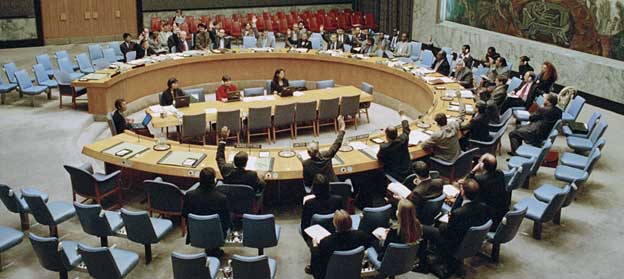
On October 31 2000, the Security Council unanimously adopted Resolution 1325 (2000) calling for participation of women in the prevention, management, and resolution of conflicts. Credit: United Nations

NEW YORK, Oct 30 2020 (IPS) – In 2010, at the opening session of the civil society forum observing the tenth anniversary of UN Security Council Resolution 1325 on “Women and Peace and Security”, I had the honor to declare 1325 as “the common heritage of humanity” indicating the wide-ranging nature of the potential benefits which will flow from the landmark resolution’s full and effective implementation by all at all levels.


On 31 October, the world will be observing the 20th anniversary of 1325. The United Nations Security Council held a virtual session with wider participation of UN Member States on 29 October to observe the anniversary.

Today, in Namibia, the country which presided over the Security Council as it adopted UNSCR 1325, President Dr. Hage Geingob is launching the International Women’s Peace Center located in Windoek.

Anniversaries become meaningful when there is a serious stock-taking of the progress and lack of it and thereafter, charting of a realistic, determined roadmap and course of action for the next years. Of course, it is a pity that COVID-19 pandemic has setback our plans and enthusiasm for the observance in a major way.

The core message of 1325 is an integral part of my intellectual existence and my humble contribution to a better world for each one of us. To trace back, a little more than 20 years ago, on the International Women’s Day on 8 March in 2000, as the President of the Security Council representing my country Bangladesh, following extensive stonewalling and intense resistance from the permanent members, I was able to issue an agreed statement [UN Press Release SC/6816 of 8 March 2000] on behalf of all 15 members of the Council with strong support from civil society that formally brought to global attention the contribution women have always been making towards preventing wars and building peace.

The Council recognized in that significant, norm-setting statement that “peace is inextricably linked with equality between women and men”, and affirmed the value of full and equal participation of women in all decision-making levels.

That is when the seed for UNSCR 1325 was sown. The formal resolution followed this conceptual and political breakthrough 31 October of the same year with Namibia at the helm, after tough negotiations for eight months, giving this issue the long overdue attention and recognition that it deserved.

The very first paragraph of this formal resolution starts with a reference to the 8 March 2000 statement identifying the rationale and tracing the history of “Women and Peace and Security” at the Security Council. The inexplicable silence for 55 long years of the Security Council on women’s positive contribution was broken forever on the 8th of March 2000.

Adoption of 1325 opened a much-awaited door of opportunity for women who have shown time and again that they bring a qualitative improvement in structuring peace and in post-conflict architecture. We recall that in choosing the three women laureates for the 2011 Nobel Peace Prize, the citation referred to 1325 saying that “It underlined the need for women to become participants on an equal footing with men in peace processes and in peace work in general.”

1325 is the only UN resolution so specifically noted in the citations of the Nobel Prizes. That is the value, that is the essence and that is the prestige of UNSCR 1325 in the global community.

The historic and operational value of the resolution as the first international policy mechanism that explicitly recognized the gendered nature of war and peace processes has, however, been undercut by the disappointing record of its implementation, particularly for lack of national level commitments and global level leadership.

The driving force behind 1325 is “participation”. I believe the Security Council has been neglecting this core focus of the resolution. There is no consideration of women’s role and participation in real terms in its deliberations.

The poor record of the implementation of 1325 also points to the reality of the Security Council’s continuing adherence to the existing militarized inter-state security arrangements, though the Security Council is gradually, albeit slowly, accepting that a lasting peace cannot be achieved without the participation of women and the inclusion of gender perspectives in peace processes.

The Council has also met with women’s groups and representatives of NGOs during its field missions on a fairly regular basis. The first such meeting was held with women’s organizations in Kosovo in June 2001 when I was leading the Security Council mission to that country as the Council President, over the unwillingness of the UN appointed Mission Chief in Kosovo.

My work has taken me to the farthest corners of the world and I have seen time and again the centrality of women’s equality in our lives. This realization has now become more pertinent in the midst of the ever-increasing militarism and militarization that is destroying both our planet and our people.

Women’s equality makes our planet safe and secure. When women participate in peace negotiations and in the crafting of a peace agreement, they have the broader and long-term interest of society in mind.

It is a reality that politics, more so security, is a man’s world. Empowering women’s political leadership will have ripple effects on every level of society. When politically empowered, women bring important and different skills and perspectives to the policy making table in comparison to their male counterparts.

Women are the real agents of change in refashioning peace structures ensuring greater sustainability.

As the UN adopted the SDGs in 2015, 1325 was about to observe its 15th anniversary and many were wondering why Goal 5 on women and girls and Goal 16 on peace and governance did not make any reference to the widely-recognized 1325. This disconnect between the two main organs of the UN is unacceptable to all well-intentioned supporters of the world body.

That global reality is dramatically evidenced in the fact that the UN itself despite being the biggest champion of women’s equality has failed to elect a woman secretary-general to reverse the historical injustice of having the post occupied by men for its more than seven-decades of existence.

On the occasion of the 20th anniversary of 1325, I have been invited to speak at many virtual events and interviews from different parts of the world. I am asked again and again what could be done for the true implementation of 1325 to make a difference. In my considered judgment, I have identified four areas of priority for next five years.

One, Leadership of the UN Secretary-General.

What role the Secretary-General (SG) should play? Secretary-General Guterres has done well on women’s parity in his senior management team. It would be more meaningful to expand that parity for the Special Representatives of Secretary-General (SRSG) and Deputy SRSGs, Force Commanders and Deputies at the field levels with geographical diversity.

Many believe there is a need for the Secretary-General’s genuinely proactive, committed engagement in using the moral authority of the United Nations and the high office he occupies for the effective implementation of 1325.

Would it not have a strong, positive impact on countries if their heads of state/government received a formal communication from the Secretary-General urging submission of respective National Action Plans (NAPs)?

Implementation of 1325 should be seriously taken up by the SG’s UN system-wide coordination mechanism. UN Resident Coordinators who represent the SG and UN country teams should assist all national level actors in preparation and implementation of NAPs.

A “1325 Impact Assessment” component with concrete recommendations needs to be included in all reports by SG to the Security Council asking their inclusion in all peace and security decisions taken by the Council.

Gender perspectives must be fully integrated into the terms of reference of peace operations by the United Nations. Improving the gender architecture in field missions and at headquarters; improving gender conflict analysis and information flows; and accountability for sexual exploitation and abuse by UN personnel do need SG’s engaged leadership to make progress.

A no-tolerance, no-impunity approach is a must in cases of sexual exploitation and abuse by UN personnel and its regional partners in hybrid missions. UN is welcomed in countries as their protectors – it cannot become the perpetrators themselves!
1325 implementation has an additional obstacle of overcoming a culture among Council members and within the UN system that views gender issues as an “add-on” component, rather than being one of the central tenets which support conflict prevention and underpin long-term stability. SG should take the lead in changing this culture in a creative and proactive way.

Two, National Action Plans (NAPs)

As we observe the anniversary of 1325, it is truly disappointing that a mere 85 countries out of 193 members of the UN have prepared their National Action Plans (NAPs) for 1325 implementation in 20 years.

It should be also underscored that all countries are obligated as per decisions of the Security Council (as envisaged in Article 25 of UN Charter) to prepare the NAP whether they are in a so-called conflict situation or not.

In real terms, NAPs happen to be the engine that would speed up the implementation of 1325. There are no better ways to get country level commitment to implement 1325 other than the NAPs. I believe very strongly that only NAPs can hold the governments accountable.

There is a clear need for the Secretary-General’s attention for the effective implementation of 1325. Though NAPs are national commitments, it can be globally monitored. SG can also target 50 new NAPs by the 21st anniversary of 1325.

Three, Mobilizing Men for Implementing 1325

Patriarchy and misogyny are the dual scourges pulling back the humanity away from our aspiration for a better world. Gender inequality is an established, proven and undisputed reality – it is all pervasive. It is a real threat to human progress! UN Secretary-General Antonio Guterres has lamented that “… everywhere, we still have a male-dominated culture”.

Unless we confront these vicious and obstinate negative forces with all our energy, determination and persistence, our planet will never be a desired place for one and all.
Women’s rights are under threat from a “backlash” of conservatism and fundamentalism around the world.

We are experiencing around the globe an organized, determined rollback of the gains made as well as new attacks on women’s equality and empowerment. Yes, this is happening in all parts of the world and in all countries without exception.

Men and policies and institutions controlled by them have been the main perpetrators of gender inequality. It is a reality that politics, more so security, is a man’s world. It is also a reality that empowered women bring important and different skills and perspectives to the policy making table in comparison to their male counterparts.

We need to recognize that women’s equality and their rights are not only women’s issues, those are relevant for humanity as a whole – for all of us. This is most crucial point that needs to be internalized by every one of us.

With that objective, we launched the initiative for “Mobilizing Men as Partners for Women, Peace and Security” on 20 March 2019 in New York with the leadership of Ambassador Donald Steinberg, taking the vow to profess, advocate and work to ensure feminism as our creed and as our mission.

Four, Direct involvement of civil society

Another missing element is a greater, regular, genuine and participatory involvement of civil society in implementing 1325 both at national and global levels. The role and contribution of civil society is critical. I would pay tribute to Women’s International League for Peace and Freedom (WILPF) and Global Network of Women Peacebuilders (GNWP) for making creative and qualitative contributions for the implementation of 1325 for the last two decades.

Civil society should be fully involved in the preparation and implementation of the NAPs at the country levels. At the global level, the UN secretariat should not only make it a point to consult civil society, but at the same time, such consultations should be open and transparent.

We should not forget that when civil society is marginalized, there is little chance for 1325 to get implemented in the real sense.

Let me reiterate that Feminism is about smart policy which is inclusive, uses all potentials and leaves no one behind. I am proud to be a feminist. All of us need to be. That is how we make our planet a better place to live for all.

We should always remember that without peace, development is impossible, and without development, peace is not achievable, but without women, neither peace nor development is conceivable.

Let me assert again that observance of anniversaries becomes meaningful when they trigger renewed enthusiasm amongst all. Coming months will tell whether 1325’s 20th anniversary has been worthwhile and able to create that energy.

Let me end by reiterating that “If we are serious about peace, we must take women seriously”.

  Source

Global Data Community’s Response to COVID-19

Civil Society, Democracy, Development & Aid, Economy & Trade, Editors’ Choice, Featured, Global, Global Governance, Globalisation, Headlines, Health, Human Rights, IPS UN: Inside the Glasshouse, Population, Poverty & SDGs, TerraViva United Nations

Opinion

Francesca Perucci is Chief, Development Data and Outreach Branch at the United Nations

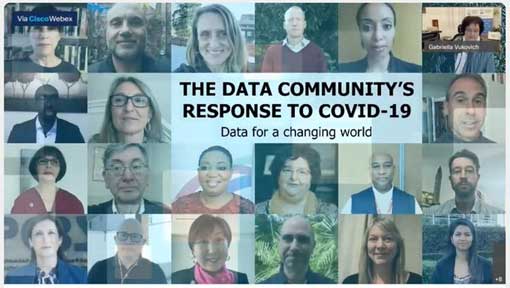
Data Community’s Response to Covid-10. Credit: UNWDF Secretariat, UN Statistics Division

UNITED NATIONS, Oct 28 2020 (IPS) – The world is currently counting more than 42 million confirmed cases of the COVID-19 and over 1 million deaths since the start of the pandemic.1


The first quarter of 2020 saw a loss equivalent to 155 million full-time jobs in the global economy, a number that increased to 495 million jobs in the second quarter, with lower- and middle-income countries hardest hit.2

The pandemic is pushing an additional 71 to 100 million people into extreme poverty and, in only a brief period of time, has reversed years of progress on poverty, hunger, health care and education, disrupting efforts to realize the 2030 Agenda for Sustainable Development.3

While the virus has impacted everyone, it has affected the world’s poorest and most vulnerable people the most.

The pandemic has also demonstrated that timely, reliable and disaggregated data is a critical tool for governments to contain the pandemic and mitigate its impacts.

In addition, data on the social and economic impact have been essential to develop support programmes to reach those in need and start planning for a recovery that leads to a safer, more equal, inclusive and sustainable world for all.

Data and statistics are more urgently needed than ever before. While many countries are finding innovative ways to better data, statistical operations have been significantly disrupted by the pandemic.

According to a survey conducted in May 2020, 96 per cent of national statistical offices partially or fully stopped face-to-face data collection at the height of the pandemic.4

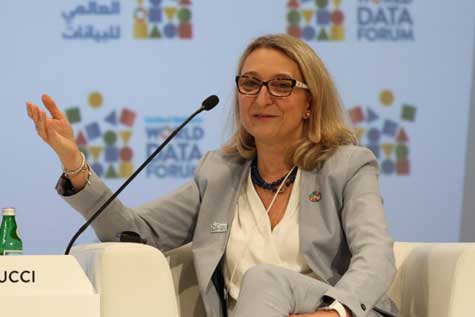
Francesca Perucci, UN Statistics Division. Credit: IISD/EBN | Kiara Worth

Approximately 150 censuses are expected to be conducted in 2020-2021 alone, a historical record. Yet, to address the urgent issues brought by the pandemic, some countries have diverted their census funding to national emergency funding.5

Seventy-seven out of 155 countries monitored for Covid-19 do not have adequate poverty data, although there have been clear improvements in the last decade.6

Behind these numbers there is a tremendous human cost. Despite an increasing awareness of the importance of data for evidence–based policymaking and development, data gaps remain significant in most countries, particularly in the ones with fewer resources.

In addition, the lack of sound disaggregated data for vulnerable groups, such as persons with disabilities, older persons, indigenous peoples, migrants and others, exacerbates their vulnerabilities by masking the extent of deprivation and disparities and making them invisible when designing policies and critical measures.

The 2030 Agenda, with the principle of “leaving no-one behind” at its heart, underlines the need for new approaches and tools to respond to an unprecedented demand for high quality, timely and disaggregated data.

The UN World Data Forum

The UN World Data Forum was established as a response to the increased data demands of the 2030 agenda and as a space for different data communities to come together and find the best data solutions leveraging new technology, innovation, private sector and civil society’s contributions and wider users’ engagement.

The first and second World Data Forums in Cape Town and Dubai resulted in the Cape Town Global Action Plan for Sustainable Development Data and the Dubai Declaration.

These two forums addressed the new approaches required to the production and use of data and statistics not only by official statistical systems, but across broader data ecosystems where players from academia, civil society and the private sector play an increasingly important role.

This year, the UN World Data Forum, initially to take place in Bern, Switzerland, was held on a virtual platform because of the pandemic.

The virtual event allowed for a very broad and inclusive participation, with over 10,000 participants from 180 countries to showcase their answers to the challenges posted by the COVID-19 crisis, share their latest experiences and innovations, and renew the call for intensified efforts and political commitments to meet the data demands of the COVID-19 crisis and for delivering on the sustainable development Goals (SDGs) while also addressing trust in data, privacy and governance.

The programme of the Forum included three high-level plenaries on leaving no one behind, on data use and on trust in data. Together and under one virtual roof, the forum launched the Global Data Community’s response to COVID 19 – Data for a changing world.

This is a call for increased support for data use during COVID-19, focusing on the immediate needs related to the pandemic and for increased political and financial support for data throughout the COVID 19 pandemic and beyond.

Showcased in 70 live-streamed, 30 pre-recorded sessions and 20 virtual exhibit spaces, many innovative solutions to the data challenges of the 2030 Agenda were proposed and partnerships were formed, including:

    • Lessons learned in using data to track and mitigate the impact of COVID-19, at the global, national and local level;
    • Better ways to communicate data and statistics;
    • Use of maps and spatial data to improve the lives of communities;
    • Lessons learned from the use of AI algorithms;
    • Challenges in balancing data use and data protection;
    • How to secure more funding for data.

The next World Data Forum is scheduled to take place from 3 to 6 October 2021 in Bern, Switzerland, hosted by the Federal Statistical Office and the United Nations.

What next?

The Covid-19 pandemic has sadly confirmed that without timely, trusted, disaggregated data there cannot be an adequate response to the many challenges of dealing with the crisis and ensuring a sustainable, inclusive and better future for all.

Clearly, the time is now to recognize that we need data for a changing world. The time is now to accelerate action on the implementation of the Cape Town Global Action Plan and the Dubai declaration to respond more effectively to the COVID-19 pandemic and to put us back on track towards the achievement of the SDGs and to build stronger and more agile and resilient statistical and data systems to respond to future disasters.

World leaders need to recognize that increased investments are more urgently needed than ever to address the data gap and to close the digital divide and data inequality across the world.

To ensure the political commitment and donor support necessary to prioritize data and statistics, it is critical that the data community is able to demonstrate the impact and value of data.

The UN World Data Forum will continue to strive towards these objectives. It will also remain the space for knowledge sharing and launching new initiatives and collaborations for the integration of new data sources into official statistical systems and for promoting users’ engagement and a better use of data for policy and decision-making.

1 WHO Coronavirus Disease (COVID-19) Dashboard
2 ILO Monitor: COVID-19 and the world of work. Sixth edition
3 United Nations, The Sustainable Development Goals, Report 2020
4 United Nations Statistics Division, COVID-19 widens gulf of global data inequality, while national statistical offices step up to meet new data demands, 5 June 2020. https://covid-19-response.unstatshub.org/statistical-programmes/covid19-nso-survey/
5 PARIS21 Partner Report on Support to Statistics 2020
6 The World Bank

  Source

Not in Our Name, Never in Our Name: A Conversation with Muslim Faith Leaders Echoing the Wisdom of a Pontiff

Civil Society, Featured, Global, Headlines, Human Rights, Humanitarian Emergencies, Inequity, Religion, TerraViva United Nations

Opinion

Azza Karam serves as the Secretary-General of Religions for Peace (#Religions4Peace – www.rfp.org) and is a Professor of Religion and Development at the Vrije Universiteit in Amsterdam, The Netherlands.

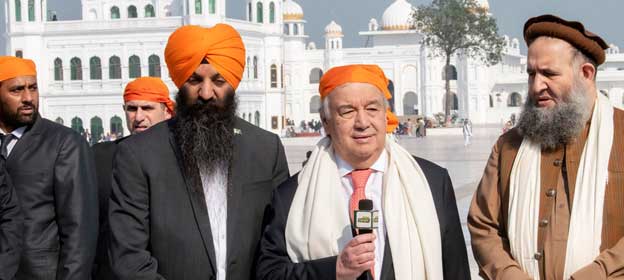
UN Secretary-General António Guterres meets religious leaders April 2020 at Gurdwara Kartapur Sahib in Punjab province in Pakistan. Religious leaders of all faiths are being urged by the Secretary-General to join forces and work for peace around the world and focus on the common battle to defeat COVID-19. Credit: UN Photo/Mark Garten

NEW YORK, Oct 26 2020 (IPS) As the Grand Imam of Al-Azhar, Ahmed Al-Tayeb said on October 20: “As a Muslim and being the Grand Imam of Al-Azhar, I declare before Almighty God that I disassociate myself, the rulings of the religion of Islam, and the teachings of the Prophet of Mercy, the Prophet Muhammad (pbuh), from such heinous terrorist act and from whoever would embrace such deviant, false thought.


At the same time, I reiterate that insulting religions and abusing sacred religious symbols under the slogan of the freedom of expression, are forms of intellectual terrorism and a blatant call for hatred. Such a terrorist and his likes do not represent the true religion of Prophet Muhammad (pbuh). Likewise, the terrorist of New Zealand, who killed the Muslims while praying in the mosque, does not represent the religion of Jesus, peace be upon him. Indeed, all religions prohibit the killing of innocent lives”

The above words of the Grand Imam of Al-Azhar Al-Sharif — Sunni Islam’s intellectual headquarters, long standing knowledge base and one of its political epicenters — were shared at an ongoing conference hosted by the St Egidio Community, entitled “No One is Saved Alone Peace and Fraternity”.

In turn, these words were read out at this meeting, by Judge Mohammed Abdel Salam, the first Muslim to ever present a Papal Encyclical (in October 2020), and the first Muslim ever to be decorated as Commander with a star medal (Commenda con Placca dell’ordine Piano), by the Pope, for his great role and efforts in promoting interreligious dialogue and the relationships between Al-Azhar and the Catholic Church (in March 2019).

Judge Mohammed Abdel Salam is the Secretary General of the Higher Committee of Human Fraternity, and represents the Grand Imam on the World Council (governing board) of Religions for Peace, a 50 year-old multi-religious organization representing all the world’s religious institutions and faith communities – in effect, a “UN of religions”.

And yet these words seem to have to be repeated again and again. Many Muslims live in fear that each and every day’s news potentially bears yet another heinous act of violence whose mad perpetrator(s) claim(s) is done for or inspired by “Islam”.

Many Muslims still hear two comments again and again from within the western hemisphere: “where is the condemnation?”, and even more insidiously, an assertion that “there must be something in the religion that makes these repeated acts of violence …possible”.

Some western government-sanctioned narratives go so far as to describe “Islamic extremism”, further compounding a sense of victimisation by many Muslims, and adding to the ‘spin’ that the religion itself is capable of extremism.

No religion is itself intrinsically capable of anything. People live religion. In his latest Encyclical “Fratelli Tutti”( in Chapter 8 “religion and fraternity”), the Pontiff focuses on “Religions at the service of fraternity in our world” and emphasizes that terrorism is not due to religion but to erroneous interpretations of religious texts, as well as “policies linked to hunger, poverty, injustice, oppression” (paragraphs 282-283).

The Encyclical maintains that a journey of peace among religions is possible and that it is therefore necessary to guarantee religious freedom, a fundamental human right for all believers (paragraph 279).

Muslims – leaders, laypeople, communities, and multiple institutions – have condemned, continue to condemn and will always condemn violence in the name of their faith.

Imam Sayyed Razawi, the Secretary General of the Scottish Ahl al-Bayt Society, and a Trustee of Religions for Peace, notes that “since Islam does not teach harming others, a question that arises is what was the motivation of an individual who had a claim to being Muslim, to violate the parameters of the laws of his faith and country in committing such an act?

There is no doubt Muslims, be they in France or across the world, hurt, when their Prophet is seemingly insulted. However, it does not justify breaking the very principles laid down in Islam to prevent such acts”.

Both Judge Abdel Salam and Imam Razawi, are of similar age. The former, living in the Arab world, the latter, living in the West. Both are Muslim leaders, and both are well versed in Islamic Jurisprudence, and learned about Islamic traditions. Both continue to iterate, in multiple speeches, conferences and contexts, that what inspires them, is to serve humanity.

Imam Sayed Razawi continues to note that serving humanity leads us down a pathway which has various labels, though amounting to roughly the same thing: interfaith, inter religious dialogue, and/or multi faith collaboration. The ultimate aim and purpose have always been, and remains, how best to live harmoniously with others.

For both these Muslim leaders, and millions of other Muslims, the inspiration to maintain that such atrocities are not in our name, comes from the Prophet Muhammad (pbuh). A man who even before prophecy was working with peoples of various faiths and backgrounds. A merchant, whose employer was a woman – later to become his wife when she proposed to him- and who believed passionately in being truthful and trustworthy.

“So much so” Razawi maintains, “that Jews, Christians, and pagans alike would entrust him with that which they held valuable to themselves, with the belief it would be safe. As a Prophet, Muhammad developed a city where Muslims lived side by side with Jews, Christians, Sabians and pagans. These lessons lead to the formation of a civilisation on the very same principles: coexistence and peace.”

Both the Imam and the Judge speak of their hurt when evil acts such as what has been witnessed in Paris take place. Both maintain, again, alongside countless others, that “it is important to repeat and continue to repeat that these are not the teachings of Islam, nor its Prophet or the interpretations of core Islamic principles”.

These atrocities are against what they believe, what they live, and what they preach, which is: peaceful coexistence, reconciliation and obeying the laws of the land one lives in, not to mention the need to uphold virtues such as compassion, love and forgiveness.

Both maintain that acts of violence are not reflective of a religion whose leaders have categorically emphasised the need for “loving thy neighbour”, because, as Imam Razawi states “either a person is your brother in faith, or your equal in your humanity.”

So why would an act be committed which is contrary to the very faith the actor confesses to be?

This is the question secular policy-makers may not ask. Or perhaps they do ask behind closed doors in rooms bursting with indifference to religion and religious sentiments.

Or yet again, maybe this is a question asked by religious ‘technocrats’ (those working on religion in secular spaces) and/or secular bureaucrats keen on instrumentalizing religious sentiments for ‘national security’ concerns.

But this is the question that every faith leader asks – and asks repeatedly. The answers lie, again, in what the “Document on Human Fraternity for World Peace and Living Together”, calls for, which the Catholic Pontiff also concludes his Encyclical with: “we were made for love” (Paragraph 88), and love builds bridges.

But how can we build bridges with love? Religions for Peace has been doing this work through 96 national and regional Inter-Religious Councils, with representatives of all faith traditions, for five decades.

In 2019, 250 religious leaders committed to building these bridges with and through service to the Sustainable Development Goals Agenda.

When Covid-19 hit, Religions for Peace set up a Multi-Religious Humanitarian Fund dedicated to supporting faith communities work to serve all, together. The religious leaders understood that there is no point to working to realise the SDGs, without a mechanism to collate and coordinate their efforts, geared towards serving social cohesion (in a world gone awry), within our new normal: humanitarian crisis.

Confronting Covid is an opportunity to work together across religious and institutional differences to build bridges of love. The humanitarian call is being heeded today like never before, by the first responders in crisis situations – i.e. religious institutions and NGOs. But few of these religious NGOs are actually collaborating, meaning jointly investing their resources, to serve together.

We can keep on having meetings to speak to building back better, and the uniqueness of faith (or business or civil society actors), and still face countless acts of violence (attributed to religion) from those whose sense of marginalization is intensifying.

We can choose to continue to serve our own organizational and territorial visibility and interests, while hundreds of thousands continue to die, and millions suffer, from a shared ecosystem of planetary degradation.

Or we can serve the multi-religious call – the multi-religious imperative – and actually pool our financial, human and spiritual resources together – to build bridges with love. The choice is ours.

  Source