This article is part of special IPS coverage of International Women’s Day on March 8 2020
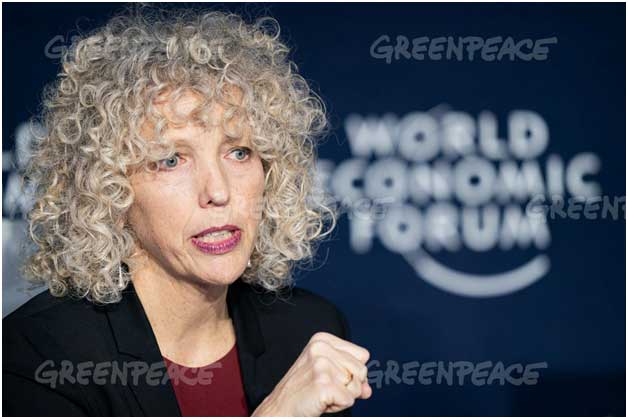
Jennifer Morgan is the Executive Director of Greenpeace International
AMSTERDAM, the Netherlands, Mar 5 2020 (IPS) – Gender inequality – like the climate emergency – is not inevitable, but is kept in place by the poor choices too many cis men make on a daily basis. And it is not just womxn who are hurt and trapped by this patriarchal problem, but girls and non-binary people too, as well as many boys and men.
For millennia, gender inequality has been working very well for the majority of men. Globally, men hold 85% of senior leadership roles in companies, for example, while the 22 richest men in the world have more wealth than all of the womxn in Africa. None of this is by accident and many men are reluctant to change a system they think benefits them.
Meanwhile womxn remain on the frontlines of gender inequality and the climate emergency. And due to the patriarchy, unsurprisingly they are rarely heard on issues that deeply impact them, which as a result, affects society as a whole.
A great number of men do believe in gender equality and this needs to be acknowledged. But it is easy for men to merely ‘believe’ in something they subsequently reap social rewards for. Accepting that gender inequality exists – as much as the climate emergency – and taking positive action is crucial if we are to achieve a more equitable, peaceful and green planet.
That’s why this International Women’s Day, I call on men to be more than feminist; to do more than just celebrate womxn.
For a start, we need men to be anti-patriarchal and anti-misogynist, and to be actively campaigning against climate denial, for the benefit of all. Only then would we begin to get closer to the #IWD2020 theme of equality.
Jennifer Morgan
What I am calling for may sound overwhelming, but small individual changes in attitude can lead to huge progressive shifts in the stale social norms that are damaging too many people at our collective detriment.
“We are all parts of a whole. Our individual actions, conversations, behaviors and mindsets can have an impact on our larger society,” as the IWD organizers say.
Men can proactively start to promote gender equality in the spaces they dominate in many straightforward ways: by listening to womxn and not talking over them; crediting them for their ideas; rejecting male only settings; ensuring womxn are included on panels and sports teams; refusing to play into stereotypes, and calling out others who are being anti-womxn, anti-diversity and anti-science.
In my privileged position as a white Western female leading a global and diverse environmental organization, I strive to use my leadership to empower and protect, and include people of all backgrounds.
It often strikes me how I have more access to the halls of power than those with the experience of living on the frontlines of the climate emergency. Those dealing with the devastating droughts, floods and fires linked to climate change, who predominantly are womxn who are Black, Indigenous, of color, from the Global South.
They are truly powerful people, from whom I get much inspiration, and yet their voices remain too often unheard by decision-makers, policymakers, the media, and beyond, due to the patriarchy. Amplifying these womxn’s voices and increasing their access to opportunities and platforms is central to my mission, and the mission of Greenpeace.
For there can be no green peace without gender equality. At Greenpeace, we aspire to become a leader in building and supporting a workforce that more accurately reflects the diversity of the global community Greenpeace serves, as well as the values the organization espouses, and have initiatives on harassment prevention, unconscious bias and structural power.
We take a zero-tolerance position on sexual, verbal, or physical harassment, bullying and any kind of discrimination based on gender, race, sexual orientation, gender identity, disability, faith, or any other aspect of our beings.
We will continue to examine how systematic marginalization and issues of equity intersect with our core mission and values as Greenpeace. We do this work readily because people power is linked to virtually everything Greenpeace does, from the impact we can make in the world to our ability to thrive as part of a movement.
We must always try to act in a way that sees, values, and embraces people in all their diversity. Boosting the voices of those the patriarchy actively tries to silence will lead to greater equity and better climate solutions.
Remarkable womxn are already leading the charge from Autumn Peltier and Brianna Fruean, the matriarchs of Wet’suwet’en fighting the Coastal Gas Link pipeline, to Vanessa Nakata and Winona LaDuke, among the many others.
But the patriarchy is man-made, much like climate change. It is more than time for cis men to combat gender inequality and the climate emergency alongside womxn, whom they should truly accept as their equals.
This article is part of special IPS coverage of International Women’s Day on March 8 2020
Sahle-Work Zewde, is President of the Federal Democratic Republic of Ethiopia, and Phumzile Mlambo-Ngcuka, is Executive Director of UN Women
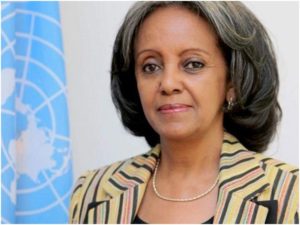
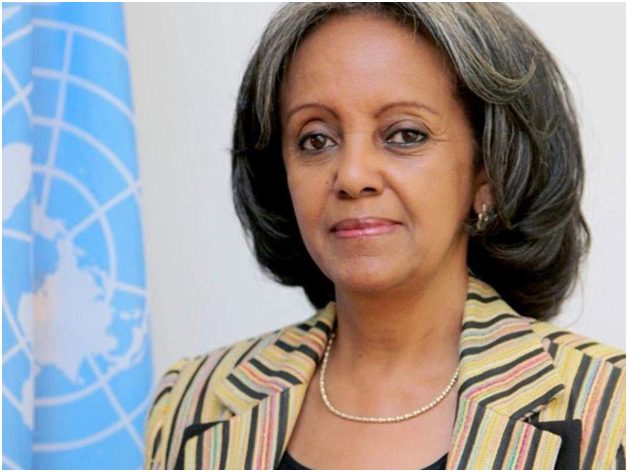
Sahle-Work Zewde, President of the Federal Democratic Republic of Ethiopia
UNITED NATIONS, Mar 3 2020 (IPS) – Twenty-five years ago, thousands of representatives adopted the Beijing Declaration, one of the most progressive universal agreement to advance women’s rights.
The Beijing Declaration built on the human rights inscribed in the Convention for the Elimination of Discrimination Against Women (CEDAW), adopted by the UN General Assembly in 1979, whose articles 7 and 8 clearly states the need for removing all discriminations preventing women from leadership.
On September 1995, the Beijing Platform of Action took full ownership of the human rights agenda initially contained in CEDAW, advanced women’s rights and strongly reaffirmed the universal commitment to women’s power and leadership. Women took ownership of the human rights agenda and redefined it to ensure that gender equality and women’s empowerment would be at its core.
At the time, world leaders committed to the extraordinary Platform for Action with tangible and ambitious commitments in strategic areas, from peace to development, and designed roadmaps to get us there.
Since 1995, the world continued the march to make the world more gender equal and to enhance women’s leadership and participation in peace, security and development processes.
In 2000, following decades of advocacy led by women civil society organizations and women human rights activists, the United Nations Security Council adopted resolution 1325, the global commitment to ensure that women are systematically and sustainably integrated into peace and security processes.
The international community furthered the women, peace and security agenda in 2009 by recognizing the harmful impact of sexual violence in conflict on women and communities, making this scourge punishable under International Human Rights Law and International Criminal Law.
In the last twenty-five years, African women have made substantive progress in political, economic and social arenas but also have faced numerous constraints.
Phumzile Mlambo-Ngcuka
The positive picture reflects enhanced political and legislative leadership to ensure that women do have a seat at the table of key decision-making processes.
Today, Rwanda has the highest percentage of women members of parliament in the world: 61%. Namibia, Senegal and South Africa follow closely with at least over 40% of women holding seats in Parliament.
Ethiopia not only made great strides by electing its first female President in October 2018, but Prime Minister Abiy Ahmed also raised the bar high for national governments by ensuring a gender equal cabinet with 50% of its members being women.
Across Africa, women have taken the seat at the top table, including President Ellen Johnson Sirleaf of Liberia, President Joyce Banda of Malawi, President Catherine Samba-Panza of the Central African Republic and President Ameenah Gurib-Fakim of Mauritius.
More women are being elected in public office or appointed to ministerial positions. These changes have not happened by coincidence but as the result of deliberate policy decisions and grassroots action.
In many cases, this transformation was realized through hard-fought constitutional amendments and parity legislation aimed at reserving the necessary space for women and youth.
At continental level, the African Union has developed an extensive and progressive body of legal instruments as well as innovative solutions and platforms in its various thematic areas of work. The years 2010-2020 marked the African Women’s Decade.
The AU Strategy for Gender Equality & Women’s Empowerment (2018 – 2028) is informed by global standards that include instruments like the Convention on the Elimination of all Forms of Discrimination Against Women (CEDAW) and the Sustainable Development Goals (SDGs – whose Goal 5 is on “Gender Equality”).
Other human rights instruments of the African Union such as the African Charter on Human and People’s Rights consider women’s rights as an integral component of the key rights. The AU has appointed Heads of State as champions and leaders to push for implementation of commitments under various thematic areas of the work of the Union.
Despite these great achievements, we must admit that the world – and we as leaders – did not keep our promise to ensure that every woman and girl, wherever she may live, could be assured to enjoy her full human rights reach her full potential.
The reality is that we have failed women and girls. Some of the best minds remain excluded because we failed to provide access to education to all women and girls. Many of the potential pillars of our societies remain marginalized because we failed to properly address and eradicate gender inequality and violence against women.
Our continent is lagging behind in creating the peaceful and developed societies we seek to realize, in part, because we failed to offer women and girls the necessary opportunities and tools, which would allow them to thrive and be full contributors.
And despite the elections of some women to high and highest offices, and existing legislative and legal frameworks, by and large, across Africa women are still struggling to gain a seat at the decision-making table or in peace and security processes.
Despite the existing evidence revealing that gender perspective drives the sustainability of peace and security processes, there is still a blunt implementation gap in terms of ensuring women’s participation in peace processes.
The evidence is staggering, with women constituting about 4% of signatories of peace agreements, 2.4% of chief mediators, 3.7% of witnesses or observers to peace negotiations, and 9% of negotiation team members. . Today, Africa currently counts one female Head of State (Ethiopia), four Vice-Presidents (The Gambia, Liberia, Tanzania, Zambia) one Prime Minister (Namibia).
This stark reality is a daily reminder that we cannot slow down our efforts. We must accelerate our efforts against the pushbacks. Women’s meaningful participation and leadership are crucial in the effective functioning and sustainability of our communities and our world.
To achieve this, a top-down approach is not sustainable to build the necessary transformative change. If the promise made is to be delivered, women and youth must be front and center and the drivers of the positive change we all aspire.
In this spirit, on 2 June 2017 African women leaders – I among them – came together as a movement to launch the African Women Leaders Network (AWLN) and its Call to Action, backed by the African Union and the United Nations through UN Women.
Our Network aims to advance, train and support female leaders across sectors and generations in Africa. The AWLN is pushing for policies and programmes that empower and enable women on the continent across the political, economic and humanitarian fields to reach their full potential.
Since June 2017, the African Women Leaders Network has achieved key milestones, from bolstering the voices of African women leaders across generations on the ground to enhancing their participation and leadership in key decision-making processes.
The Network committed to push and deliver on the commitments made in UN Security Council resolution 1325 by October 2020, its 20th anniversary and to be in solidarity with the women and communities in conflict and post-conflict situations throughout Africa.
Since 2017, the AWLN conducted joint UN-AU solidarity missions to revitalize women’s participation and leadership in peace, security and development in Cameroon, Chad, the Democratic Republic of the Congo, Djibouti, Ethiopia, Eritrea, Niger Nigeria, Somalia and South Sudan. The missions brought much needed political attention to the situation on the ground, while promoting women’s meaningful participation as mediators in all efforts of conflict-resolution, sustainable development, peacebuilding and humanitarian interventions.
The AWLN redefines the faces and structures around power and leadership – considering each and every woman or girl a leader, standing up for her human rights, may she be a Head of State or a grassroots activist working for peace and development, an entrepreneur or a schoolgirl with a dream.
We support the advancement of African women through six (6) flagship projects in peace and security, governance, finance, agriculture, young women’s leadership and social mobilization. The Network further provides peer learning, experience sharing and cross-generational dialogues in order to bolster women’s contributions to building and sustaining peace, sustainable economies and social transformation.
Women are making a crucial difference in the lives of the people they serve at local level. In this spirit, the AWLN national chapters are the cornerstones of movement building for the Network and support its localization at grassroots level and represent a major milestone benefiting all African women and ensuring that their voices are better heard, and their issues better addressed, in order to increase women’s ownership in the transformation of the continent and the 2063 Agenda “The Africa We Want.”
Since 2017, the AWLN has established 11 national chapters in (chronologically) the Democratic Republic of the Congo, Cote d’Ivoire, the Central African Republic, Sierra Leone, the Republic of Congo, Nigeria, Seychelles, Ethiopia, Liberia, Morocco and Cameroon.
The Network, with the support of UN Women and the AU, plans to have a total of 25 national chapters established by March 2020, in line with UN Women’s Generation Gender Equality Campaign, and to ensure that a critical mass of women is leading the movement throughout the continent.
We are working closely with women’s groups, the UN System, the African Union and development partners to ensure that, beyond women’s participation, all efforts are undertaken to create a conducive environment for women empowerment and the protection of their rights and freedoms.
We encourage all African Member States to speed up the process and to offer the necessary support to women and young people coming together for Africa’s transformation. The time for action is now to build irreversible positive changes for gender equality in Africa.
In 2020, 25 years after the Beijing Declaration and 20 years after Security Council resolution 1325, it is clear that we must accelerate our efforts, move faster on the roadmap towards the targets we want to reach, and deliver tangible actions for the people we serve.
As I write these words, we are still very far away from achieving gender parity and full women’s empowerment in Africa. We must build on the positive strides that we have made so far to achieve this urgent ambition.
As African women, we call on all African men – leaders in politics and business, elders and young, neighbors in our cities and villages, fathers, brothers and sons – to join women in a great partnership for human rights, peace and development.
We call on them to lead and invest in change at a national level with the African Women Leaders Network National Chapters and women’s movements for peace to address the gender equality gaps that we know persist.
Africa has already adopted strong protocols, including the Maputo Protocol, and instruments that bind us, and through which Heads of State and Government have already agreed on Gender Equality and Women’s Empowerment. Women must be meaningfully included in peace, security and developments negotiations and in the politics of their country.
We are asking all our allies to use their power and influence to support African women in taking their rightful place in the next chapter of the continent and building a future where women and girls can live out their lives freely, in purpose and happiness.
The movement of African women across the continent is a rally for action. A movement to ensure that leaders keep on their commitments and promises.
It is time for action.
Together, we can unite for Africa’s transformation.
WASHINGTON DC, Feb 20 2020 (IPS) – Making sure that opportunities to enter the workforce are fair and rewarding for women benefits everyone. Yet, the average female workforce participation rate across countries is still 20 percentage points lower than the male rate, largely because gender gaps in wages and access to opportunities, such as education, stubbornly persist.
Our new study finds that fiscal policy choices that address gender equality—such as investing in education or infrastructure, developing better sanitation facilities, implementing individual-based tax regimes, and offering parental leave—create more economic opportunities for women, increase growth, and reduce poverty and inequality.
When governments actively promote policies to increase female labor force participation, more women do indeed join the labor force. Most measures pay for themselves in the long run without additional costs for governments and the added bonus—a larger workforce leads to higher economic activity and growth, which generate additional tax revenue for the country.
Inclusive fiscal policies
Since the mid-1980s, at least 80 countries across all levels of development and regions have adopted fiscal policies to promote gender equality. Previous IMF research suggests that in advanced economies, when governments actively promote policies to increase female labor force participation, more women do indeed join the labor force.
Canada, Czech Republic, and Sweden, for example, have witnessed a substantial increase in women’s paid work when the countries switched to using individual rather than family income taxation.
For low-income and developing countries, programs aimed at reducing gender gaps in education, particularly for secondary and university education, have supported more economic opportunities for women.
Other effective fiscal policies, such as better infrastructure, decrease the time spent on unpaid care work, while providing more women the choice to enter into paid employment.
The bottom line is that greater gender parity at all levels, from unskilled workers to top management positions, can also foster the creation of new ideas—leading to higher productivity.
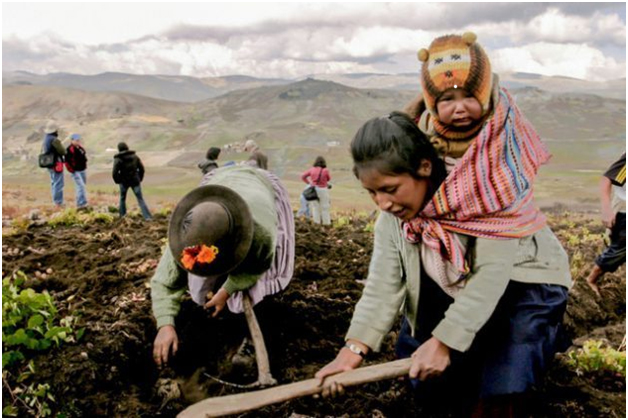
Credit: Food Tank
Competing demands
Policymakers face difficult choices every day, given limited room in the budget and competing demands. These choices often come down to investing in schools or roads, introducing new revenue measures, or offering free, high-quality childcare.
Here, policymakers must consider not only what happens to economic growth, but also how these policies can reduce income and gender inequality.
To help with these decisions, our recent analysis examines how policies designed to increase women’s labor force participation can accomplish multiple economic and social goals.
We find that some gender-responsive fiscal policies increase labor productivity and in turn, sustainable growth. Take for instance, an effort to reduce the gender gap in literacy rates.
In low-income countries the average literacy rate of men is about 70 percent while it is only 54 percent for women. But if fiscal policies can be used to close this gap, then women’s productivity increases and ultimately, more women are equipped for jobs in more skill-intensive sectors.
Labor-saving infrastructure, such as greater access to safe water, frees time, particularly for women. For instance, in Malawi, women on average spend 54 minutes a day collecting water. Better access to infrastructure means that women may then choose to pursue paid work.
Removing tax distortions for the earner in the family with the lower wage, usually the woman, by changing the personal income tax structure from a family to an individual system creates incentives for more women to work, and with greater diversity in the workforce, fresh and innovative ideas can boost productivity.
Securing the future
Not all gender-responsive fiscal policies benefit women equally. Subsidizing childcare and providing paid maternity leave would have a greater impact on poorer women because they typically face higher childcare costs relative to their income.
For example, in the US, poorer women spend 17.4 percent of their income on childcare compared to 7.8 for richer women.
Time horizons matter too. A mix of measures could help support economic goals in a sustainable manner while tackling immediate social needs.
For example, investing in education to equip girls with the same skills as boys would boost women’s human capital while shaping future labor productivity. In the meantime, cash transfers that target poorer working women may help reduce poverty and inequality.
Our research shows that tackling gender-biased social norms is crucial. In fact, removing discriminatory practices and addressing social norms amplifies the positive effects of gender-responsive measures. Not only would this improve human rights, but it also would help promote women’s economic empowerment.
According to the Organization for Economic Co-operation and Development (OECD), discriminatory laws and social practices reduce women’s years of schooling by 16 percent and decrease labor force participation by 12 percent, resulting in a global income loss of 7.5 percent of the global GDP.
Progress in some countries is encouraging. For example, under the Promundo initiative, 34 countries have introduced programs to engage men and boys on gender norms with participants responding very positively to the initiative.
Real changes are happening. Still, we have a long way to go to make the world a place with the same opportunities for men and women. Policymakers and citizens working together can foster equality, equity, and brighter prospects for all, and ensure that gender equality becomes a reality in all of our lifetimes.
IMFBlog, where this article was originally published, is a forum for the views of the International Monetary Fund (IMF) staff and officials on pressing economic and policy issues of the day.
The views expressed are those of the author(s) and do not necessarily represent the views of the IMF and its Executive Board.
LONDON, Jan 31 2020 (IPS) – There was only one topic on everyone’s lips at Davos this year – climate change. The headlines focused on the cold war between Greta Thunberg and Donald Trump, but there was much greater consensus among those gathered for the annual meeting of the World Economic Forum (WEF).
The Forum itself updated its manifesto for responsible business – with climate right at its core.
Among those calling for urgent action was WaterAid’s own president, His Royal Highness the Prince of Wales. It’s more than 30 years since he last attended Davos and, as he reminded the audience, 50 years since he made his first speech on the environment.
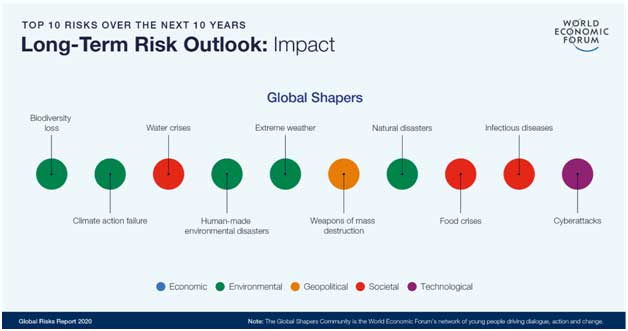
The mood is slowly shifting towards the scale of action needed, given that climate change will affect every part of the economy. This cannot be truer than for water – the WEF has ranked water crises in its top five global risks in terms of likelihood or impact every year since 2012.
Infographic showing the top 10 risks over the next 10 years, according to the World Economic Forum’s 2020 report. Credit: World Economic Forum
The climate crisis is a water crisis, and a threat multiplier
Throughout the forum I had one consistent message: for the world’s poorest, the climate crisis is a water crisis. Yes, it has long-term implications for your businesses and economies. But, first and foremost, it is a question of survival, dignity and justice, with climate change already having devastating impacts on the lives of the people who did least to cause it.
Flooding, storms and droughts, which all impact on how and if people can get clean water, are becoming more frequent and extreme, and these trends are predicted to rise as the climate continues to change. This will undermine the already precarious access to water for billions around the world.
Climate change acts as a huge threat multiplier, worsening existing barriers to these services and rolling back progress already made.
As people living in climate-vulnerable areas experience changing weather patterns, less predictable rainfall, salt water intrusion and increased exposure to disease, water and sanitation become a critical line of defence.
If your water supply comes from a shallow aquifer that fills with sea water, then you can no longer drink it. But if the person designing your water supply has thought of this threat and factored it in, perhaps by drawing on deeper aquifers, then you can carry on living in your neighbourhood.
If your toilets and sanitation systems are constructed to withstand flooding, then your community does not suffer the same level of contamination after flooding as if human waste had been spread by the high waters.
The water and sanitation sector could become a leader in climate adaptation
But we currently lack the level of public and private sector investment and innovation required to deliver the sustainable water services that would benefit poverty reduction, industry and economic development.
Rather than lagging behind, the water and sanitation sector could become a leader in delivering the kind of green infrastructure, services and jobs urgently required to enable adaptation to the worst impacts of climate change.
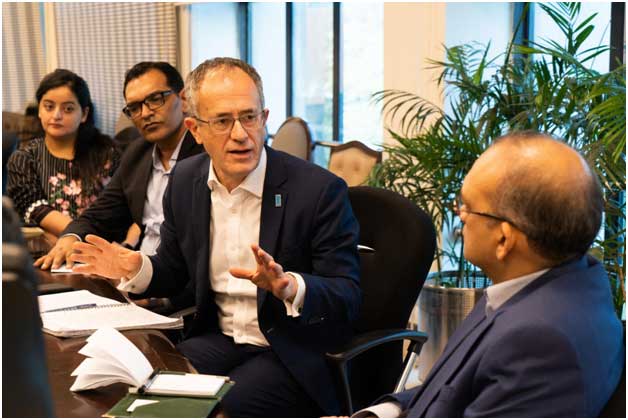
Tim Wainwright, Chief Executive of WaterAid UK, speaking with Hassan Nasir Jamy, Secretary Ministry of Climate Change, at Pakistan’s Ministry of Climate Change in Islamabad, Pakistan. Credit: WaterAid/ Sibtain Haider
Water, sanitation and hygiene are core to a sustainable future
Leaving Davos last year, I was frustrated. I felt that too few understood or discussed the impact climate change would have on the already grave state of the world’s water and sanitation, and the devastating consequences for education, health, productivity and development.
This year, I sensed a greater understanding of the interlinked challenges we face, and with that an air of urgency and proactivity. Businesses are looking for solutions – not just raising concerns.
That is why WaterAid will be one of the organisations working closely with HRH the Prince of Wales as part of his 2020 year of action.
In March, in London, we will bring together the public, private and philanthropic sectors for a high-level summit that will position water, sanitation and hygiene at the forefront of the fight against climate, and work on the solutions that will ensure a sustainable future for all.
And we will continue that work across the WaterAid federation throughout the year, including at the Commonwealth Heads of Government Meeting in Kigali in June, and at the UN Climate Change Conference, COP 26, in Glasgow in November, to help build momentum for decisive action.
In this way we hope WaterAid can play its part in shifting the global trajectory in the coming decade, resulting in a fairer world for the poorest and most marginalised people.
Data by the United Nations Educational, Scientific and Cultural Organization (UNESCO), shows that only 35 percent of students studying STEM in higher education globally are women. At primary and lower secondary levels, less than half of schools in sub-Saharan Africa have no electricity, computers or even access to the internet. Credit: Joyce Chimbi/IPS
DJIBOUTI CITY, Jan 28 2020 (IPS) – Dr. Anne-Maria Brennan loved science as a young girl. But instead of encouraging her, those around her made attempts to steer her in the “right direction”. “The right direction was in nursing, teaching and secretarial courses. I was told that girls do not study physics,” she tells IPS.
“These voices were so loud that I seriously considered becoming a music teacher. But then someone sensibly told me that I could become a scientist and an amateur musician, but there was nothing like an amateur scientist who was also a professional musician,” she says.
Brennan previously served as an associate professor in Bioscience and Forensic Biology, at the School of Applied Science, London South Bank University.
“It turns out that girls could in fact study physics, or mathematics, science, technology and engineering,” she quips.
It has been five decades since Brennan swam against the tide, pursuing a career in science. But data by the United Nations Educational, Scientific and Cultural Organisation (UNESCO), shows that globally only 35 percent of students studying Science, Technology, Engineering and Mathematics – or STEM – in higher education are women. Further confirming that girls are still being steered towards domestic and caring career paths.
“Gender balance in enrolment as well as inclusivity in both participation and achievements in STEM education remains a global south challenge,” Professor Kalu Mosto Onuoha, President of the Nigerian Academy of Science, tells IPS.
“Education systems will never be balanced and inclusive when half of the population is not participating at per with their counterparts in STEM education,” he adds.
Similar sentiments were shared by other delegates participating in the 3rd International Summit on Balanced and Inclusive Education currently being held in Djibouti City, Djibouti. Organised by the Education Relief Foundation (ERF), over 200 delegates and government representatives from over 35 countries are currently in the Horn of Africa nation where state leaders are expected to sign a Universal Declaration on universal inclusive education.
Unfortunately, low female representation in STEM education is a narrative that knows no boundaries. According to UNESCO, Sweden has the highest share of women graduates from STEM programmes among Nordic countries, but STEM attainment among female students in Sweden stands at 16 percent, compared to male students at 47 percent.
Brennan affirms that the numbers are similarly low in the United Kingdom but notes some improvements in the fields of general practice and dentistry, where women have taken a lead.
She says there are few women in surgery and even fewer in engineering because men in these fields are considered unfriendly and the sectors too involved and dirty.
“These wide gender gaps in developing countries are purely out of choice. Students in these countries are making the choice to pursue other interests. In developing countries the choice is made for our students by a patriarchal culture and through socialisation,” says Onuoha.
He says that these inequalities are first rooted in the exclusion and marginalisation of girls in education enrolment.
“Girls who eventually made it to school were encouraged to undertake feminine subjects like teaching. They were socialised to believe that they could only be good mothers if they took on lighter subjects,” Onuoha expounds.
But the World Economic Forum’s Global Gender Gap Report 2020 indicates that these inequalities are not limited to the lagging behind of girls at the enrolment level.
In countries such as the Southern Africa nation of Namibia where girls outpace boys in school enrolment at all levels, the gap widens in STEM education. Here, about eight percent of female students have attained STEM education, compared to 21 percent of male students.
Nonetheless, the report shines a spotlight on countries with impressive levels of STEM education uptake among their female students.
In Mauritania, for instance, attainment in STEM is at 29 percent among female students, and 31 percent among male students. In the South Asian nation of Myanmar, female students outpace male students in attainment of STEM education.
A few other countries such as the Arab country of Oman are slowly and surely closing the gender gap in STEM uptake, with 41 percent of female students and 55 percent of male students.
“In developing countries there are many concerted efforts to address the first part ofthe problem, even though painfully slowly, we are slowly closing gender gaps in education enrolment, retention and in some cases, achievements,” Professor Mahouton Norbert Hounkonnou, from the Benin National Academy of Science, Arts and Letters, tells IPS.
Hounkonnou is a full professor of mathematics and physics, and called for the demystification of sciences. “STEM education is taught as if only a few people are meant to understand but science and math is for all of us. Everybody does math on a daily basis without even knowing it.”
Hounkonnou says that balanced and inclusive education systems call for an overhaul in what is taught in STEMs, who teaches it and how it is taught. “Learners love to be engaged. Our classrooms must become more interactive. We also need a gender component, currently lacking, in many of our educational interventions,” he adds.
He called for investment in infrastructure and learning materials to improve the environment in which STEM education is provided.
U.N. research shows that countries in the sub-Sahara Africa face the biggest challenges. At the primary and lower secondary levels, less than half of schools have access to electricity, computers and internet.
“This forum provides an opportunity for us to define the shape a balanced and inclusive STEM education system should take, and make concerted efforts to build that system. It will take financial and technical resources, including the training of teachers to better interact with female learners,” says Hounkonnou.
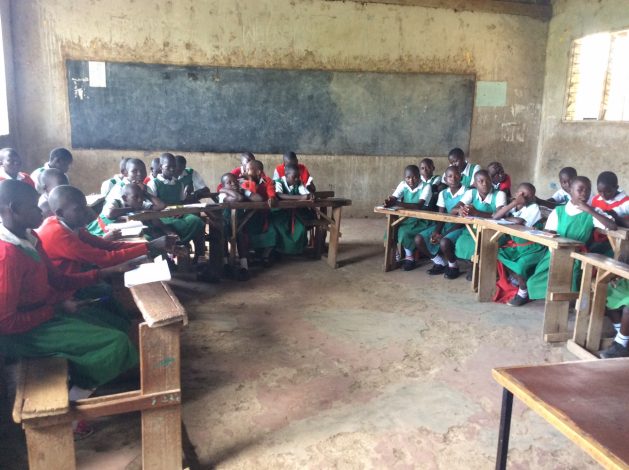
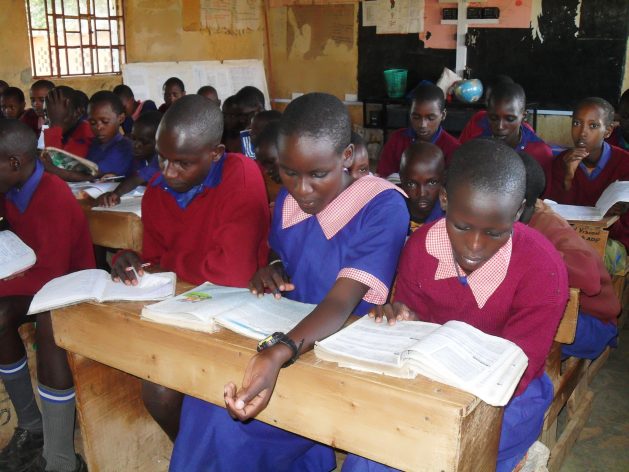
Pupils at the Elangata Enterit boarding primary school in Kenya’s Narok County. Experts say that a balanced education includes enabling girls to participate at the same level as boys. Credit: Joyce Chimbi/IPS
DJIBOUTI CITY, Jan 27 2020 (IPS) – Fihima Mohamed’s mother never attended school and until two years ago she could not read or write. Mohamed’s mother had been born in neighbouring Somalia but was sent to Djibouti as a young girl to live with her aunt. The expectation had been that she would have a better life by escaping the ongoing conflict in her home country at the time.
Instead, Mohamed’s mother became a domestic servant to her aunt — a circumstance that showed her that her own daughter’s future would be just as difficult if she too did not go to school.
Born and raised in the Republic of Djibouti, Mohamed told IPS that most of her childhood was spent in school or studying.
Between the ages of six and 16 years, she was driven by the vivid pictures her mother painted of the life that awaited her if she did not stay in school and perform well — one of domestic abuse. “I was told that as a woman, education would give me freedom,” she said, remembering how her mother was not able to make major household decisions and did not have the freedom to determine what direction her life took.
But her mother did make a decision that determined the course of Mohamed’s life. She opted not to buy the fish her children enjoyed so much for their meals and instead spent the money on private tuition classes for her daughter to supplement her schooling.
“I attended public school during the day, and at night, two hours of private school tuition. My mother sacrificed a lot to raise 25 dollars per month to pay for these night classes,” she said, explaining that she went to those classes not for her own sake but also so that she could help her three younger siblings with their homework.
The sacrifice paid off and Mohamed was placed among the country’s top-five students for her high school final exam. She received a scholarship to study in France for four years.
Fast track to 2020, Mohamed holds a bachelor’s degree in law and political science, and a Master’s degree in refugee studies. She is a social entrepreneur, a gender and environment activist and the founder of the Women Initiative, a local social movement for the empowerment of women and girls.
She said that Djibouti is among a growing list of developing countries were education attainment levels have significantly narrowed between boys and girls. United Nations statistics indicate that the gross primary school enrolment rates for girls have risen to nearly 61 percent.
Organised by the Education Relief Foundation (ERF), over 200 delegates and government representatives from over 35 countries rallied behind an education pathway that leaves no one behind.
According to the World Economic Forum’s Global Gender Gap Report 2020, there is an increasing number of countries in the global south where, on average, educational attainment gaps are now relatively small.
These countries include Cambodia, Kenya, Cuba, Myanmar and Ethiopia.
In Myanmar, for instance, primary school enrolment rates stand at 88 percent for girls, and 90 percent for boys.
Additionally, in secondary level, enrolment rate for girls is at 62 percent and 57 percent for boys.
Even at tertiary level, enrolment rates for girls stand at 19 percent, compared to 13 percent for boys.
Countries struggling with gender parity in education include Togo, Burkina Faso and Burundi.
Togolese Prime Minister Komi Selom, Klassou confirmed that alarming gender inequalities exist, despite the existence of innovative strategies towards an inclusive education system.
“We have school canteens to provide school free meals, free medical cover for school-going children and the newly approved year-on-year budgetary increase to the education sector,” he said during the summit.
The Global Gender Gap Report indicates that in Togo, enrolment in primary school is at 88 percent among girls, and 94 percent for boys.
Secondary school enrolment for girls is at 34 percent for girls and 49 percent for boys.
At tertiary level, 10 percent of girls enrol vis-à-vis 19 percent of boys.
“Efforts to narrow this gap include a new government commitment to allocate at least 25 percent of its national budget to the education sector,” he said.
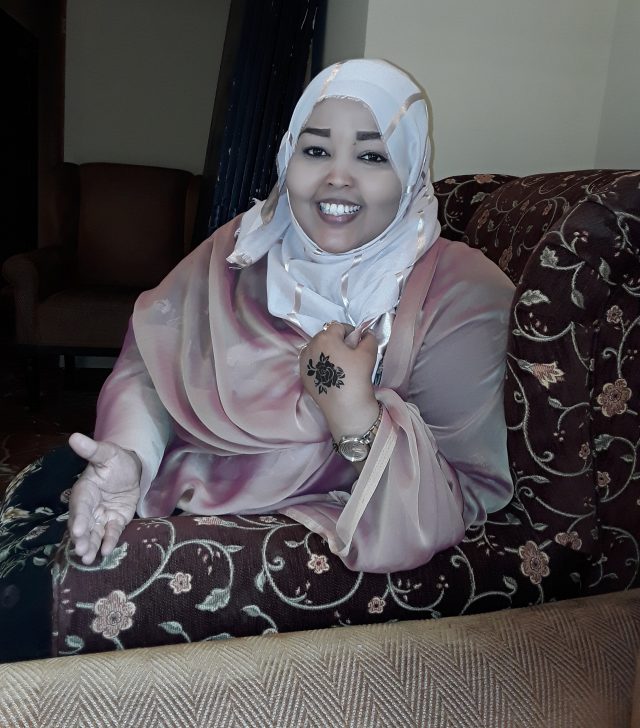
Fahima Mohamed says Djibouti is among a growing list of developing countries were education attainment levels have significantly narrowed between boys and girls. She called for more investments to ensure that girls participate at the same level as boys. Credit: Joyce Chimbi/IPS
Mohamed told IPS that ongoing consultations on education will bring the global south a step closer towards “building fairer and more inclusive economies by transforming our education systems to ensure that every child has access to quality education”.
She explained that ultimately the idea was to embrace an education system that reflects the reality of children in the global south. This also included improving educational infrastructure and content so that the latter could be more diverse to reflect the multiple-cultural narrative of the global south.
Nonetheless, Sheikh Manssour Bin Mussallam, President of ERF, emphasised that balanced and inclusive education systems are not solely about having more children in classrooms, but the “construction of systems that makes exclusion impossible”.
“Our education systems should guarantee that marginalised groups participate under balanced and equitable conditions. The transformative power of education is only true if education itself is transformed and driven by forces that uphold equality and equity,” he said during the opening day of the summit.
In sub-Saharan Africa, 21 percent of girls are much more likely to be out of school at primary school age compared to 16 percent of boys.
Globally, UNESCO statistics indicate that sub-Saharan Africa and South Asia have the worst rates of education exclusion. One in four children in South Asia, and one in five children in sub-Saharan Africa will never enter school.
Equally alarming, World Bank statistics show that children with a disability are more likely to never enrol in school at all. Overall, only one in four children with disabilities complete secondary school.
Additionally, primary school completion rates are 10 percentage points lower for girls with disabilities compared to girls without disabilities.
“In Sri Lanka where girls are consistently outpacing boys in both education access and achievement, our main challenge is lack of financial and technical resources to address the [requirements] of special needs children,” P.C.K. Pirisyala, director of education at the Sri Lanka Education Administrative Service, told IPS.
“Developing countries are grappling with a lack of teachers to provide adequate training and material to provide disability-inclusive education,” she said.
She further said that a lack of resources (both technical and financial) and a lack of schools equipped to accommodate special needs children has made it difficult for these children in the global south to access education and participate with their peers.
“This forum will provide the global south with a roadmap that reflects these realities, and bring us closer to the dream of balanced and inclusive education for all by 2030. This is all in line with the [U.N.] sustainable development goal four on education for all,” she concluded.