From Truancy to Belonging: Why Safe Spaces Matter for Youth Well-Being

Asia-Pacific, Education, Gender, Headlines, Sustainable Development Goals, TerraViva United Nations, Youth, Youth Thought Leaders
Opinion

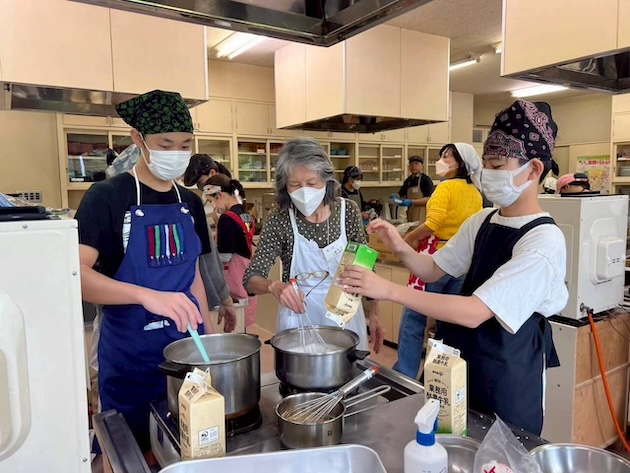
Cooking food to distribute free to children. The meals are made with food that is close to its expiry date. Workshop with Karuizawa Food Bank. Credit: Ippei Takemura

Cooking food to distribute free to children. The meals are made with food that is close to its expiry date. Workshop with Karuizawa Food Bank. Credit: Ippei Takemura

MIYAGI PREFECTURE, Japan, Mar 6 2026 (IPS) – I recently came across a statistic that stopped me in my tracks.


According to the World Health Organization (WHO), Japan has the highest suicide rate among the G7 countries. Even more alarming, suicide is the leading cause of death among people in their teens and twenties. Among elementary, junior high, and high school students, the most common factors linked to suicide are “school-related issues,” including academic pressure and difficulties with peer relationships.

At the same time, the number of children who do not attend school is rising every year. In 2023, Japan’s Ministry of Education reported that more than 340,000 elementary and junior high school students were chronically absent—a record high. These two realities are not separate problems. They are deeply connected.

Truancy is often misunderstood as a lack of motivation or discipline. In reality, it is rooted in complex emotional and psychological struggles that cannot be reduced to a single cause. Rather than treating truancy itself as the problem, society must ask a deeper question: Are we creating environments where young people feel safe, accepted, and understood?

I know this struggle firsthand. I began missing school just three days after entering junior high. My family had lived overseas for many years due to my parents’ work, and returning to Japan left me emotionally exhausted. I found comfort in playing online games with close friends I had made abroad, but while I was holding on to those connections, I missed the chance to build new ones at my new school. Before I realized it, I was caught in a cycle of frequent absences that lasted nearly three years.

What helped me break that cycle was not a dramatic intervention but a small and unexpected turning point. I joined a monthly, off-campus workshop focused on the Sustainable Development Goals (SDGs). To my surprise, students from my school were also participating. Because we shared a genuine interest in global issues, conversation came naturally as we worked together on projects. Eventually, we began spending time together outside the workshop. For the first time in a long while, I started looking forward to going to school again.

That experience taught me a powerful lesson: shared interests and common ground are the foundation of human connection.
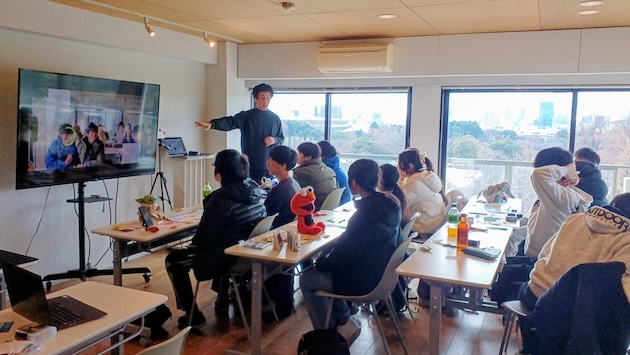
Learn IoT using your own toy; let's upcycle with a workshop with One Smile Foundation. Credit: Ippei Takemura

Learn about the Internet of Things (IoT) using a toy. ‘Let’s upcycle’ workshop with the One Smile Foundation. Credit: Ippei Takemura
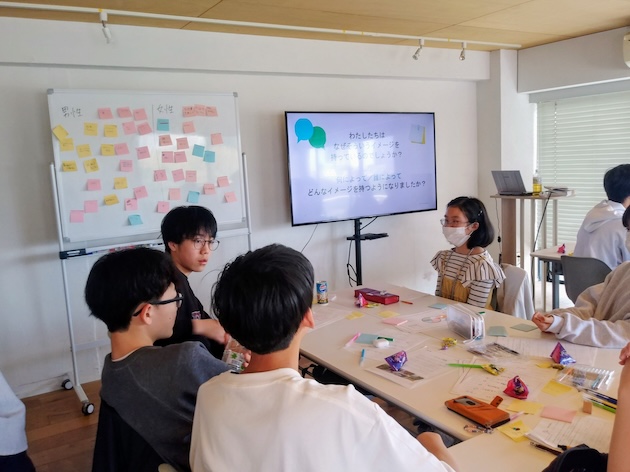
What’s the importance of gender in Japan? Workshop with Plan International, Japan. Credit: Ippei Takemura
What’s the importance of gender in Japan? Workshop with Plan International, Japan. Credit: Ippei Takemura

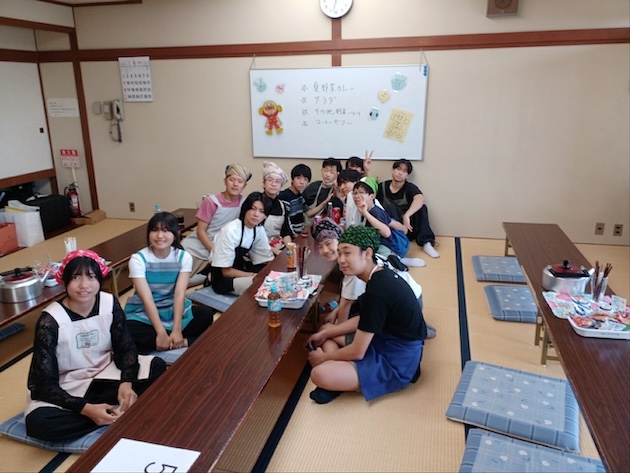
Provide children with free meals made with food that is close to its expiration date. Workshop with Karuizawa Food Bank. Credit: Ippei Takemura

Provide children with free meals made from food that is close to its expiry date. Workshop with Karuizawa Food Bank. Credit: Ippei Takemura

A place where someone feels safe and comfortable is different for everyone. Sociologist Ray Oldenburg describes this idea through the concept of a “Third Place”—a space that exists beyond home (the first place) and school or work (the second place). Third places allow people to relax, connect, and simply be themselves. Finding such a place was the catalyst that inspired me to want to create similar spaces for others.

Social connection is not optional for human beings. It is essential for mental and physical health, helping to reduce stress, strengthen cognitive function, and foster a sense of belonging. However, people connect at different speeds. Some are naturally outgoing, while others need time and distance before they feel ready to engage. A truly inclusive third place respects these differences.

Based on my experiences, I believe there are three key elements that make a third place successful. First, it must include both spaces for solitude and spaces for interaction, with a clear separation between the two. Some people need time to observe and feel comfortable before speaking. A quiet area allows them to exist without pressure and to join others when they are ready.

Second, there should be shared activities. When people gather around common interests—whether environmental issues, crafts, or sports—conversation becomes easier, and relationships develop more naturally.

Finally, many people struggle to take the first step socially. Having facilitators or mentors who can gently initiate activities or conversations can make a huge difference.

One place that embodies these principles is the Moriumius Summer Camp in Miyagi Prefecture, which I have attended since elementary school. In high school, I joined for the first time as a staff intern. The organizers intentionally build community by using shared work as a catalyst for connection.

Campers collaborate on everyday tasks such as cooking (photo ①), preparing fish, starting fires (photo ②), and cleaning. These shared responsibilities create trust and a sense of equality. Beyond that, participants can deepen relationships through activities aligned with their interests, including crafts (photo ③), marine sports, gardening, and farming. During one workshop, I befriended an elementary school student who was making a bamboo fishing rod and shaping slate into a knife. We connected naturally through our shared love of creating things. Because everyone at the camp already enjoys outdoor life, friendships form more easily—and shared hobbies strengthen them even further.
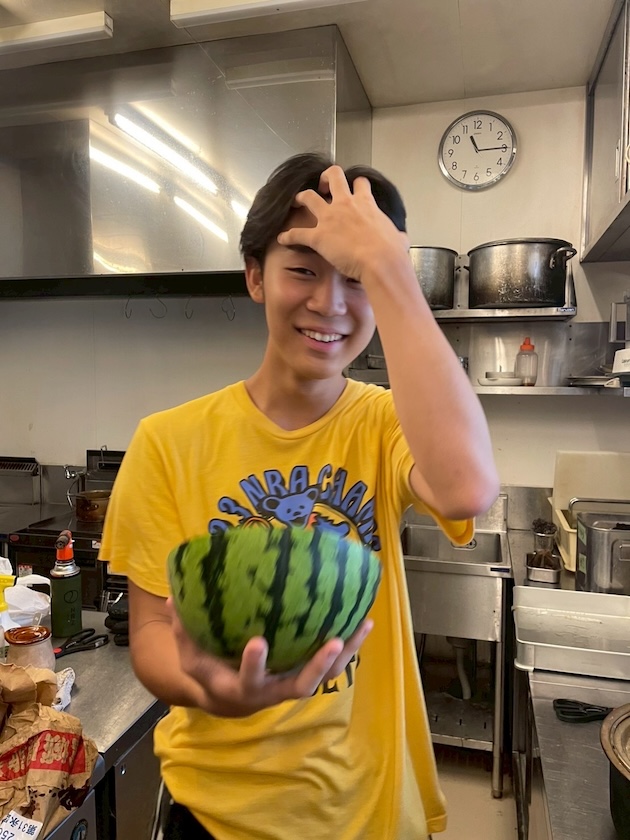
Campers help with Cooking (Photo 1). Credit: Ippei Takemura

Campers help with cooking. Credit: Ippei Takemura
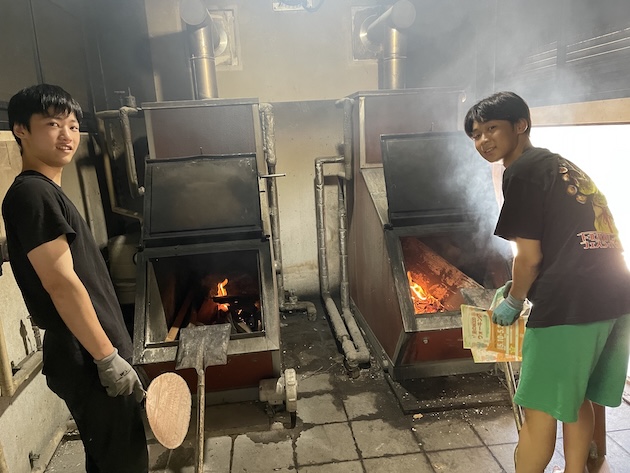
Campers can collaborate on starting fires and cleaning (photo②). Credit: Ippei Takemura

Campers can collaborate on starting fires and cleaning. Credit: Ippei Takemura
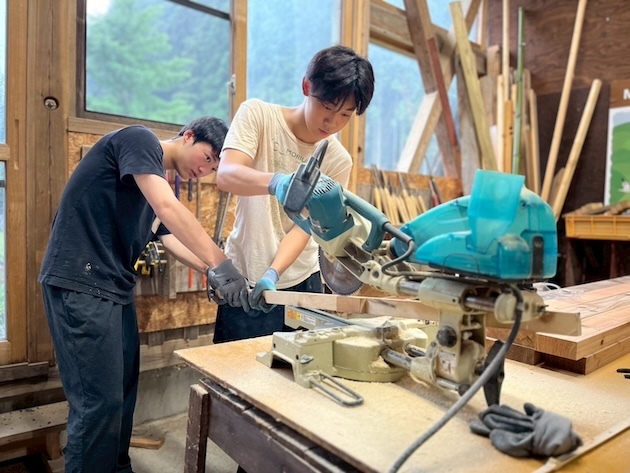
Participants can deepen relationships through activities aligned with their interests, including crafts (photo ②). Credit: Ippei Takemura

Participants can deepen relationships through activities aligned with their interests, including crafts. Credit: Ippei Takemura

A place can be more than just an escape. It can be the first step toward healing, renewed confidence, and hope. When young people find a space where they feel safe enough to be themselves, they often rediscover the courage to reconnect—with others, with learning, and with their own sense of possibility.

This is why I want to continue supporting the creation of spaces that can become “someone’s own place”—places where young people feel seen, valued, and free to grow at their own pace. Sometimes, finding the right space is all it takes for someone to realize that they belong.

Yet this need for belonging is not unique to one school or one country. Around the world, young people are facing increasing isolation, academic pressure, and mental health challenges. Rising youth suicide rates and growing school disengagement reflect a global crisis. When young people are left without spaces where they feel safe, heard, and supported, the consequences extend far beyond classrooms and households—they shape the future of entire societies.

Creating and protecting “third places,” therefore, is not merely a personal or local effort; it is a global responsibility. Governments, schools, communities, and international organizations must work together to invest in inclusive environments where young people can connect through shared interests, express themselves without fear, and rebuild a sense of belonging. Doing so directly supports the Sustainable Development Goals, particularly SDG 3 (Good Health and Well-Being) and SDG 4 (Quality Education), by addressing mental health, social inclusion, and equitable access to supportive learning spaces.

Every young person deserves a place where they feel safe enough to take their first step forward. By listening to youth voices and turning commitment into action, we can move from awareness to impact—and from isolation to hope. The future depends not only on how we educate young people but also on whether we give them places where they truly belong.

Edited by Dr Hanna Yoon

IPS UN Bureau Report

  Source

Education Ministry rolls out emergency school feeding program in Zomba

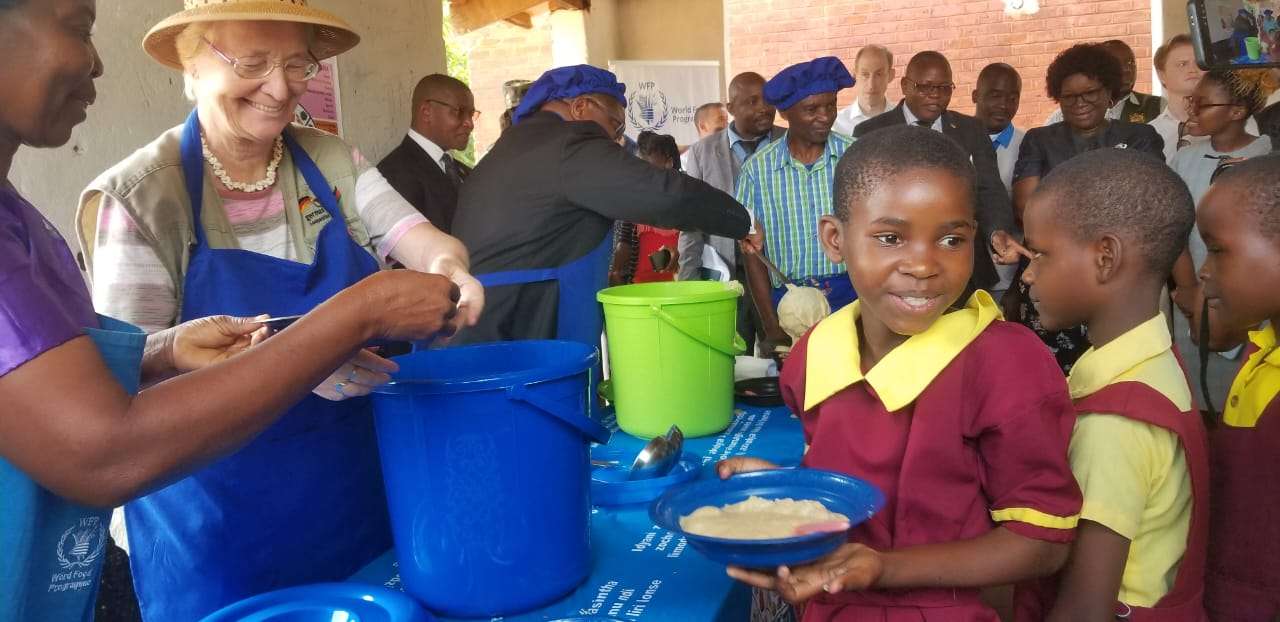
BLANTYRE-(MaraviPost)-The Ministry of Education, Science and Technology on Thursday, February 12, 2026, officially launched an emergency school feeding program, an initiative that will improve learners’ retention at Namadidi Primary School in Zomba.

The school feeding program aims to address the challenge of food insecurity and absenteeism among pupils in the district and other district that were hit with dry spells in 2025/2026, that led to food shortages and threatening the regular attendance of students.

The World Food Programme is overseeing the implementation of the program, which will benefit 338,000 pupils across 278 schools in the targeted districts, with financial support provided by Germany and Iceland.

Speaking at the launch, the Minister of Education, Science and Technology Bright Msaka expressed the government’s appreciation for the support received from Germany and Iceland and other key partners for the donations of school meals through World Food Program (WFP) saying that it will help to increase pupils’ attendance.

He highlighted that the government is greatly impressed with the donor’s commitment to helping children access school meals during this lean season.

However, the Minister reaffirmed the government’s commitment to continue providing meals throughout the year to help maintain high levels of school attendance and promote better learning outcomes by 2030.

On her part, United Nations Resident Coordinator for Malawi, Rebecca Adda Donto, emphasized the importance of coordination among the different donors involved in this effort.

She pointed out that this is an investing in resilient in the lives of pupils and communities who are benefiting from this program as parents are also receiving farm inputs.

She urged all partners to continue working together to maximize the impact of the school feeding program and ensure that resources are available to pupils as it takes $20 to feed a pupil for the whole year.

The Ambassador for Germany and Iceland to Malawi expressed their satisfaction with the positive impact in the school feeding program and the anticipatory sustainability of providing farm inputs to the communities as it will help to end hunger in the district.

The Maravi Post

Malawi students challenged to join inter-university debates to drive national transformation

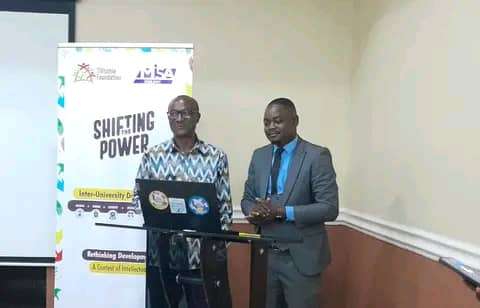
BLANTYRE-(MaraviPost)-The Media Institute of Southern Africa (MISA) Malawi has called on university students to participate in the 2026 Shift the Power inter-university debates, aimed at generating ideas to drive national transformation.

Speaking with Maravipost, Golden Matonga, Chairperson for MISA Malawi, said the debates offer young people a vital platform to propose practical solutions to some of the country’s most pressing issues.

“The debates are an opportunity for students to challenge dominant development narratives and promote locally driven solutions to Malawi’s development challenges,” Matonga said.

The participating institutions include Malawi University of Science and Technology (MUST), University of Malawi (UNIMA), Lilongwe University of Agriculture and Natural Resources (LUANAR), Mzuzu University, Malawi University of Business and Applied Sciences (MUBAS), and the Catholic University of Malawi.

Robert White, Chief Executive Officer for Tilitonse Foundation, expressed hope that students will take part enthusiastically in the debates scheduled for February 2026.

“The winning teams will go on to compete with youth from Zambia and Ghana, providing a unique opportunity for our students to showcase their skills and ideas on a regional stage,” White said.

The debates are part of efforts to empower young Malawians to contribute to the country’s development and promote critical thinking, creativity, and problem-solving skills.

MISA Malawi and Tilitonse Foundation are partnering to organize the event, which is expected to bring together students from across the country to engage in discussions on key development issues affecting Malawi.

The Maravi Post

Celebrating Malawi’s heroes in education: Chikwawa Secondary School shines

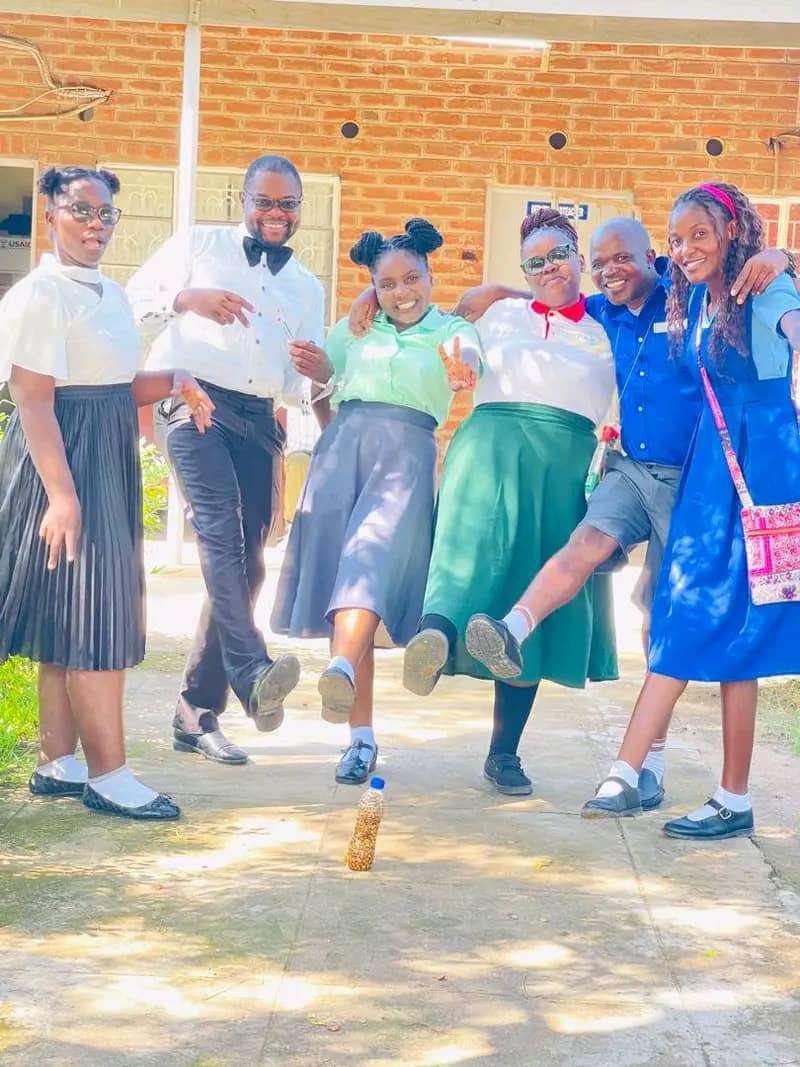
BLANTYRE-(MaraviPost)-Photos of teachers at Chikwawa Secondary School celebrating education have flooded social media, showcasing the dedication and passion of these educators.

The images are a testament to the hard work and commitment of teachers in Malawi, who go above and beyond to shape the minds of future generations.

The celebration is a moment to recognize the tireless efforts of teachers who often work under challenging conditions to provide quality education to their students.

Their dedication is the foundation upon which the future of Malawi is being built, and it’s time to acknowledge their contributions.

Teachers elsewhere in the country are being called upon to share their own images, marking the celebration and showcasing the spirit of education across Malawi.

This collective celebration aims to highlight the importance of education and the pivotal role teachers play in shaping the country’s future.

The outpouring of support is a clear indication of the respect and admiration Malawians have for their educators.

As the country celebrates this momentous occasion, it’s an opportunity to reflect on the progress made in the education sector and the challenges that still need to be addressed.

The government and stakeholders must work together to ensure that teachers are supported and equipped to provide quality education to all Malawians.

The celebration also serves as a reminder of the power of education to transform lives and communities.

By investing in education, Malawi is investing in its future, and the impact will be felt for generations to come.

The Maravi Post

Lilongwe Private School’s Primary headteacher Maria Asghar fired: Turbulent era ends

LILONGWE-(MaraviPost)-Maria Asghar, the primary head of Lilongwe Private School, has departed the institution amidst controversy and chaos, bringing an end to her tumultuous tenure.

On Tuesday, 13 January, Asghar packed her belongings and bid farewell to the school. As she apologised to teachers for her years of mistreatment, they listened in silence, unmoved by her tears.

Her presence was ignored by staff, who had openly challenged her to leave. In a bid to deflect racism allegations, Asghar attempted to reallocate standard one classes, but the children caused a scene, crying and refusing to leave their teachers.

As news of the chaos reached the school board Asghar ignored their calls and hastily packed her belongings with cleaners’ help.

She then announced plans to establish her own school, citing Lilongwe Private School’s lack of resources.

Her announcement was met with incredulity and amusement from parents and teachers, who questioned her leadership and reputation.

Asghar’s crisis stems from allegations of mismanagement, favoritism, and poor working conditions.

Teachers claim she’s created a toxic environment, isolating staff and fostering division.

Specific incidents include racism allegations, unprofessional behavior, mismanagement, and staff intimidation.

The school board’s response has been criticized as inadequate, with some members defending Ms. Asghar despite concerns.

Teachers are calling for urgent administrative intervention to restore professionalism and respect. The school community is likely to breathe a sigh of relief, looking forward to a brighter future.

The Maravi Post

Mutharika delivers: Fully rolls out Malawi’s free secondary education

LILONGWE-(MaraviPost)-Parents and guardians whose children are in public secondary schools have all the reasons to be delighted following the government’s decision to finally roll out Free Secondary School Education (FSE) from Monday 5 January 2025.

According to a press release signed by the Secretary for Education, Ken Ndala, the abolishment of the fees and other related costs follows President Arthur Peter Mutharika’s commitment to ensuring that every child, regardless of status, has access to free and quality secondary education.

The statement has among others, indicated that the rolling out of the FSE means that the examinations and Identity Card fees that the Malawi National Examinations Board charges to public school students for national examinations in primary and secondary schools are abolished with immediate effect.

The School Development Fund and other user fees are also abolished with effect from 1 January 2026 in all public schools.

However, the statement said all government boarding secondary schools will continue to collect boarding fees until further notice.

The Ministry of Education has since urged concerned stakeholders to support the initiative, noting that its sustainability depends on shared ownership.

The development is in line with the United Nations’ Sustainable Development Goal 4, which aims to ensure that all boys and girls complete free equitable and quality primary and secondary education by 2030.

This move is expected to increase access to secondary education for many Malawian children, particularly those from low-income families.

The government’s decision is a significant step towards achieving education equality and promoting economic growth and development in Malawi.

By making secondary education free, the government hopes to reduce the country’s poverty levels and improve the overall well-being of its citizens.

The success of this initiative will depend on the government’s ability to provide adequate resources and infrastructure to support the increased demand for secondary education.

The rollout of Free Secondary Education (FSE) in Malawi is poised to transform the country’s education system.

With the removal of financial barriers, more students are likely to access secondary education, leading to a more educated and skilled population.

FSE may also help bridge the gap in education inequality, enabling girls and marginalized groups to pursue their studies without financial constraints.

As a result, Malawi can expect a more informed citizenry, improved economic prospects, and a competitive workforce, ultimately driving sustainable development and growth.


Discover more from The Maravi Post

Subscribe to get the latest posts sent to your email.

The Maravi Post