The Best Museums To Visit In Cape Town

With its rich and storied history, Cape Town has a lot to offer visitors. Our world-class museums showcase a glimpse of the city’s past, delving into struggles and the country’s road to freedom.

Here are some of the museums in Cape Town that are worth the visit.

The Iziko South African Museum 

Right in the middle of the historic Company’s Garden, the Iziko South African Museum is home to 1,5 million items of cultural and scientific significance. You’ll see traditional outfits from the last century, learn more about fossils and ancient insects, and view stone tools made by people 120,000 years ago. 

Location: 25 Queen Victoria Street, Gardens, Cape Town. 
Price: R80. 
Website: Find out more here. 

Iziko Slave Lodge 

The Iziko Slave Lodge is a powerful reminder of the hardships enslaved people once faced in South Africa. As one of Cape Town’s oldest buildings and a place where slaves once called home, it holds centuries of deeply rooted history.. Today, the museum explores the long and painful legacy of slavery through thought-provoking exhibitions, alongside temporary displays that put a spotlight on human rights awareness. Upstairs, the tone shifts slightly with fascinating collections of ceramics, silverware, and even ancient Egyptian artefacts. 

Location: Corner Adderley Street and Wale Street, Cape Town. 
Price: R80. 
Website: Discover more about the museum. 

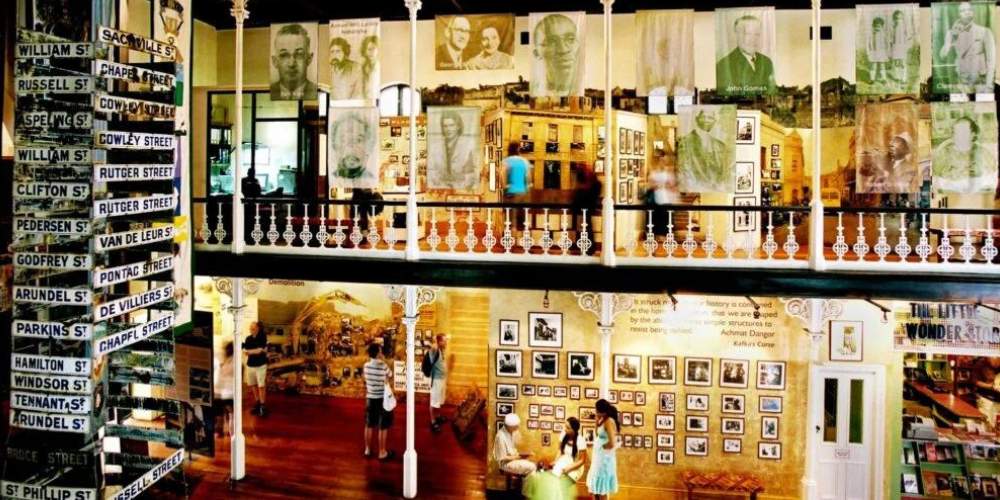
District Six Museum 

Few areas are as vivid an example of the Apartheid regime as District Six. A once racially diverse and vibrant community, the original residents were forcibly removed from the area when the National Party government declared it a “white group area”. It started taking shape in the late ’80s, just after the powerful Hands-Off District Six conference and officially opened in 1994 with its first exhibition, Streets: Retracing District Six. 

The museum is more than just a collection of photos and artefacts, it’s a living tribute to the people who once called District Six home. Its permanent exhibition, Digging Deeper, shares powerful personal stories from former residents, making it a deeply moving stop for both locals and visitors who want to understand the soul of the city. 

Location: 25A Buitenkant Street, District Six, Cape Town. 
Price: From R60. 
Website: Explore the District Six Museum 
Cape Town Museum of Childhood 

The Cape Town Museum of Childhood is a playful, interactive space that brings joy, memories, and childhood stories to life for kids and grown-ups alike. As the first museum of its kind in Africa, it offers a unique look at how childhood has been experienced, remembered, and celebrated over time. From toys and games to personal stories and cultural traditions, the museum showcases a fascinating collection of childhood-related exhibitions from across South Africa. Whether you’re visiting with little ones or just young at heart, it’s a feel-good experience that invites curiosity, connection, and conversation. 

Location: 3 Milner Road, Rondebosch, Cape Town. 
Price: Free. 
Website: Find out more here. 

Long March to Freedom 

Brush up on your history in the most unique way! The Long March to Freedom is an outdoor exhibition featuring 100 life-size bronze sculptures of South Africa’s most famous heroes. From Nelson Mandela to Walter Sisulu, the Long March to Freedom transports you through the lives of these heroes and their role in the country’s 350-year journey 

Location: Century Boulevard, Century City, Cape Town. 
Price: Between R20-R75. Children under 6: free. 
Website: Take the tour. 
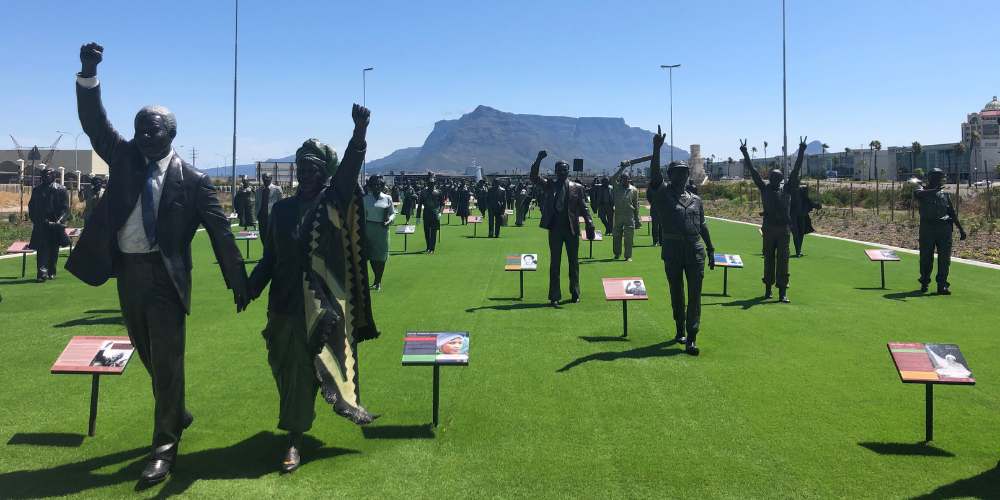
Long March to Freedom Exhibition, Cape Town

Cape Town Holocaust Centre 

The Cape Town Holocaust Centre stands alongside the South African Jewish Museum and offers a deeply moving and thoughtfully designed experience. Through powerful stories, photos, film, and interactive displays, the museum takes you through one of history’s darkest chapters, the Holocaust, while also shedding light on other genocides around the world. It’s a space for reflection and learning, with exhibitions that are self-guided, allowing visitors to move through at their own pace. The space encourages understanding, empathy, and remembrance. 

Location: 88 Hatfield Street, Cape Town City Centre, Cape Town. 
Price: Free. 
Website: More information here. 

Castle of Good Hope 

Locally known as “The Castle,” this bastion fort is considered the best-preserved example of a 17th-century architectural structure in the world. A bell tower, situated over the main entrance, was built in 1684. The original bell, also known as the oldest in South Africa, was cast in Amsterdam in 1697 and weighs just over 300 kilograms. 

The Castle also acted as the local headquarters for the South African Army in the Western Cape and today houses the Castle Military Museum and ceremonial facilities for the traditional Cape Regiments. 

Location: Darling Street & Buitenkant Street, Cape Town. 
Price: R50 for Adults and R25 for children and pensioners.
Website: Explore more. 
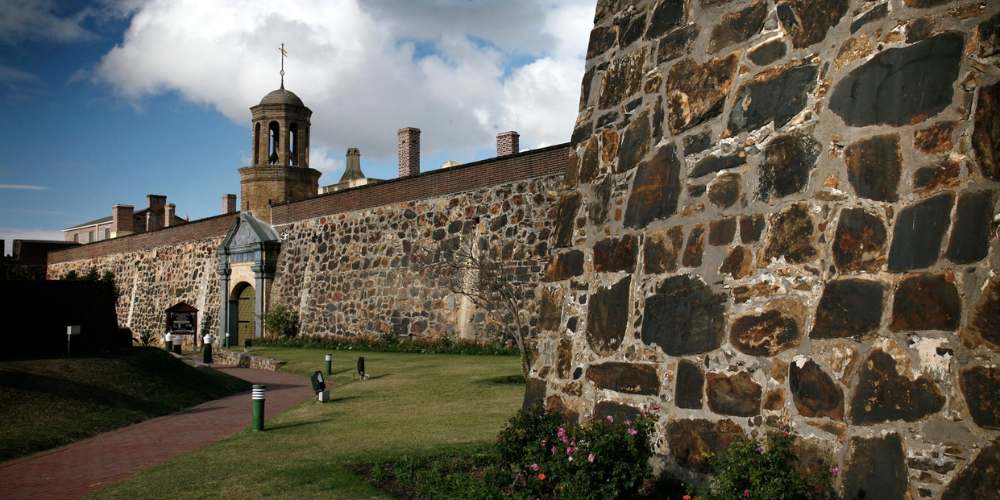
Castle of Good Hope, Cape Town |Iziko Museums

Iziko Bo-Kaap Museum 

Bo-Kaap is one of the city’s most visited destinations. Beyond the iconic colourful houses, the area has an incredibly fascinating history. Many of the residents are descendants of enslaved people from Malaysia, Indonesia and various African countries who were forcibly brought to the city in the 16th and 17th centuries. The Bo-Kaap Museum is the perfect place to discover the history of the area. Be sure to check out depictions of the life of a typical Malay family. 

Location: 71 Wale Street, Schotsche Kloof, Cape Town. 
Price: R80. 
Website: Visit here. 

Robben Island Museum 

This well-known Cape Town attraction has a very chequered past. It was originally a refreshment station for explorers when the Dutch Settlers were in the Cape. It was later used as a leper colony and animal quarantine station. However, the island is most famous for being a political prison during the apartheid regime. Its most notable prisoner, Nelson Mandela, served 18 years in the island’s prison. Visitors to the island can expect an insightful tour by former political prisoners, which includes a visit to Mandela’s cell and a ferry ride.  

Location: Tours depart from The Nelson Mandela Gateway, which is located in the V&A Waterfront, close to the red Clock Tower. 
Price: R600 for adults and R310 for children. 
Website: www.robben-island.org.za 

Warrior Toy Museum

Escape into a childhood dream of toys, models, ships, trucks, aeroplanes and toy soldiers at the Warrior Toy Museum in Simon’s Town. The museum boasts over 4000 model cars, 500 dolls and teddy bears and has a special sale section for those who want to start their own collection. 

Location: 1067 King George Way, Simon’s Town, Cape Town
Opening Times: Daily from 10am to 4pm
Price: Various
Website: bit.ly/3W8zshA 
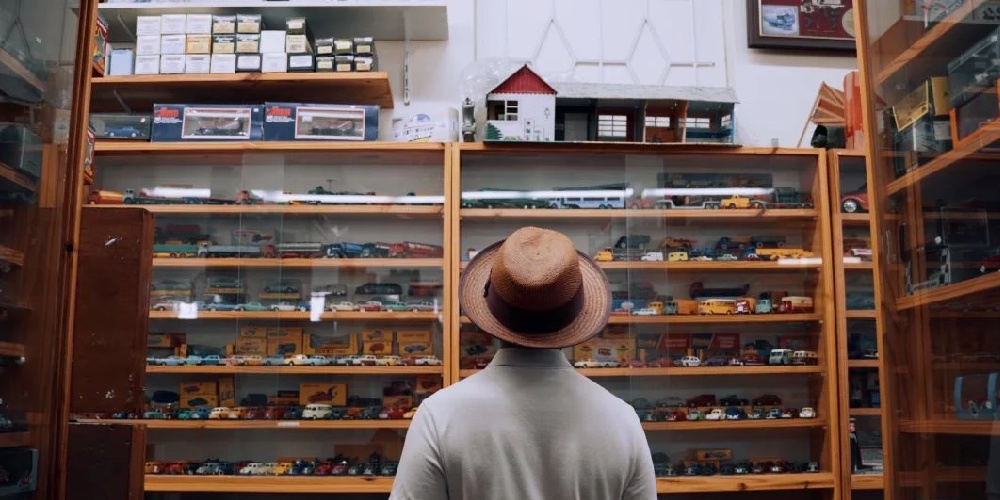
Toy Museum Simons Town

Rust en Vreugd

Rust en Vreugd was built on what was then the outer limits of the city in 1777 for a high-ranking official of the Dutch East India Company. In the early 1960s, it was restored and converted into a gallery space when William Fehr donated his private collection of works of art on paper (watercolours, prints and drawings) to the people of South Africa. Visitors will get to see part of the collection.

Location: 78 Buitenkant Street, Cape Town City Centre, Cape Town
Opening Times: Thursdays and Fridays, from 9am to 4pm 
Price: R60 (Free entry on commemorative days)
Website: www.iziko.org.za/museums/rust-en-vreugd
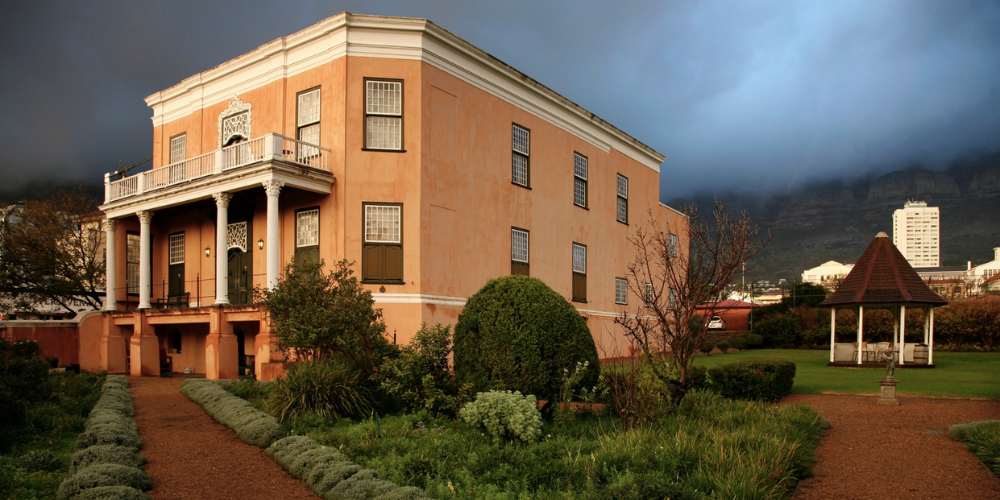
Rust en Vreugd, Cape Town | Iziko Museums

The post The Best Museums To Visit In Cape Town appeared first on Cape Town Tourism.
The Maravi Post

Price and Power of Freedom: Celebrating Nelson Mandela International Day

Active Citizens, Civil Society, Democracy, Editors’ Choice, Featured, Headlines, Human Rights, Humanitarian Emergencies, Inequality, International Justice, Sustainable Development Goals, TerraViva United Nations

Human Rights

For to be free is not merely to cast off one’s chains, but to live in a way that respects and enhances the freedom of others. – Nelson Mandela

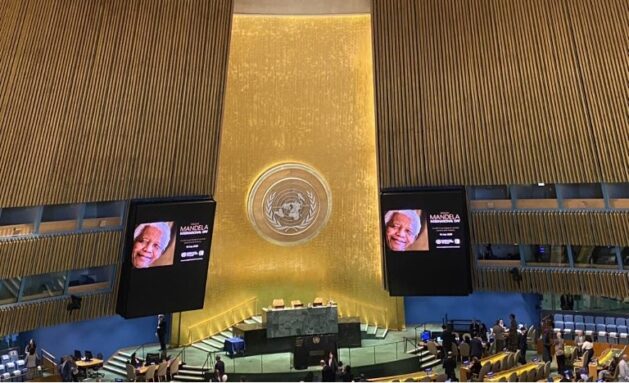
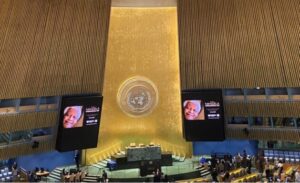
The General Assembly’s Plenary meeting on Nelson Mandela International Day. Credit: Jennifer Xin-Tsu Lin Levine/IPS

The General Assembly’s Plenary meeting on Nelson Mandela International Day. Credit: Jennifer Xin-Tsu Lin Levine/IPS

UNITED NATIONS, Jul 18 2025 (IPS) – The United Nations celebrated Nelson Mandela International Day in honor of the activist and politician’s lifelong commitment to peace and democracy.


At the 16th celebration of Nelson Mandela International Day, delegates, representatives and visitors alike reflected on the impact of South Africa’s first black president and leader in a fully representative democratic election.

The activist and politician, who spent 27 years in prison, was a staunch freedom fighter—arguing that freedom was not only an individual mission but also a collective responsibility and communal effort.

These principles were enshrined in the Nelson Mandela Rules, officially called the United Nations Standard Minimum Rules for the Treatment of Prisoners, a document protecting humane treatment of individuals without liberty. The document emphasizes respect for human dignity, prohibits torture and promotes fair and just conditions.

Although the Nelson Mandela Rules are “soft law” and not legally binding, the General Assembly has adopted them as universally agreed minimum standards. Many countries have incorporated the rules into domestic law, but many others have violated conditions of healthcare, solitary confinement and ethical working rights. Delegates and various speakers agreed that there was still much work to be done.

Nelson Mandela International Day, established in 2009 by the United Nations General Assembly and officially celebrated in 2010 on July 18th (President Mandela’s birthday), is a holiday encouraging all citizens around the world to engage positively in their communities.

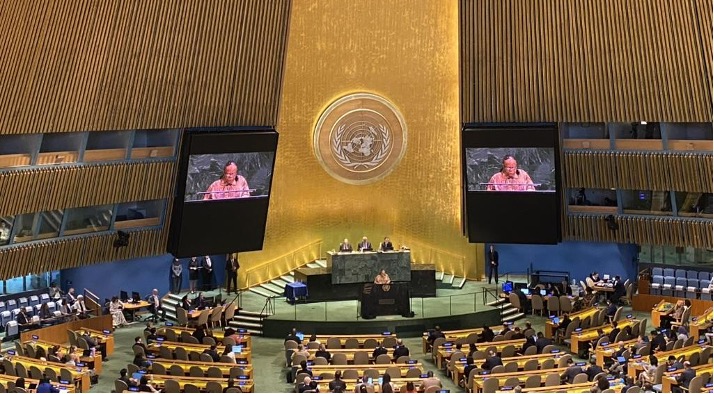
Dr. Naledi Pandor, chair of the Nelson Mandela Foundation, addresses the UN General Assembly Plenary on Nelson Mandela International Day. Credit: Jennifer Xin-Tsu Lin Levin/IPS

Dr. Naledi Pandor, chair of the Nelson Mandela Foundation, addresses the UN General Assembly Plenary on Nelson Mandela International Day. Credit: Jennifer Xin-Tsu Lin Levin/IPS

From annual volunteer events to the annual Mandela Prize, awarded to two laureates each year who have profoundly impacted their communities by serving humanity, speakers, including the award recipients, the Secretary-General and the chair of the Nelson Mandela Foundation, all reflected on Mandela’s legacy on their own lives and on the UN.

In Secretary-General António Guterres’ remarks to the General Assembly at their plenary meeting, he said, “Power is not a personal possession to be harbored. Power is about lifting others up; it’s about what we can achieve with one another and for one another. Power is about people.” He echoed Mandela’s belief in collective grassroots action to deliver power to the powerless, encouraging member states to bring these principles into practice.

Dr. Naledi Pandor, chair of the Nelson Mandela Foundation, similarly called for action against injustice and inequality. She recalled how the United Nations aided South Africa in ending apartheid as it “stood against apartheid domination, not through arms but through bringing its undeniable moral weight into combat against injustice. That boldness, that courage is needed more and more today.”

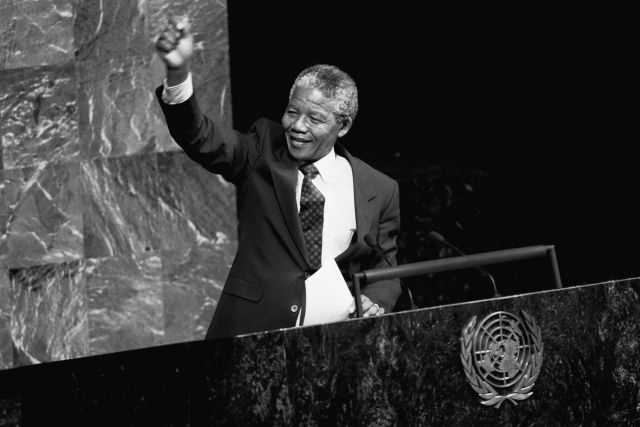
Nelson Mandela, then Deputy President of the African National Congress of South Africa, raises his fist in the air while addressing the Special Committee Against Apartheid in the General Assembly Hall, June 22, 1990. Global alliance CIVICUS commemorated Mandela Day with a reminder that many rights defenders are jailed and intimidated. Credit: UN Photo/Pernaca Sudhakaran

Nelson Mandela, then Deputy President of the African National Congress of South Africa, raises his fist in the air while addressing the Special Committee Against Apartheid in the General Assembly Hall, June 22, 1990. Credit: UN Photo/Pernaca Sudhakaran

Pandor went on to recall Mandela’s political views beyond South Africa—his demand for global equity extended to all, and reflecting on how he might feel about the current state of the world, she quoted his 1990 speech to the UN Special Committee Against Apartheid.

Mandela said, “We also take this opportunity to extend warm greetings to all others who fight for their liberation and their human rights, including the peoples of Palestine and Western Sahara. We commend their struggles to you, convinced that we are all moved by the fact that freedom is indivisible, convinced that the denial of the rights of one diminishes the freedom of others.”

Mandela was a strong supporter of Palestine, often comparing its struggle with South Africa’s. South Africa, even after his death, maintained close ties to Palestine and brought the case of genocide against Israel to the International Court of Justice (ICJ) in 2024.

The 2025 Nelson Mandela laureates, Brenda Reynolds of Saulteaux First Nation and Canada and Kennedy Odede of Kenya, both spoke about how Mandela inspired their respective work. Reynolds, a social worker by trade, led the establishment of a national, culturally grounded mental health initiative for survivors of Indian residential schools.

Reynolds described her work with survivors as an example of Mandela’s notion of moving forward from resentment towards progress—as people found peace with their experiences, they were able to recover and lift up their communities from oppression. She described this as a process of peacebuilding within people, saying, “peace begins with individuals, and from there, you can find peace within your family and within your communities.”

Odede, who founded Kenya’s largest grassroots movement, Shining Hope For Communities (SHOFCO), to empower struggling urban communities, shared how Mandela’s words and experience with struggle inspired him to build within his own life. He found creative ways to organize communities around simple things like soccer, providing hope to people in dire situations.

The representative for The Gambia, who spoke on behalf of the African states, called upon the UN to adhere to Mandela’s principles, particularly on poverty as a man-made horror that can and must be removed by actions of human beings. The representative warned of extreme poverty on the rise, centering the “developing countries and middle-income countries” suffering the most “with unemployment rates beyond records.”

He said, “It is time for solidarity, partnerships and genuine actions where they are most needed,” asserting that poverty and underdevelopment were huge perpetuators of racism, therefore continuing a vicious cycle that oppressed people.

The representative argued, “rising inequity and progressive discrimination are not inevitable; they are a result of decades of policies and dynamics emanating from colonialism, appetite, and discrimination.” Criticizing these practices as misaligned with the UN charter, he pushed the UN to renew their commitment to progressing social development by redistributing wealth.

As the world commemorates Nelson Mandela’s enduring legacy, the message resonating from this year’s observance is clear: his vision of freedom—rooted in dignity, justice and collective responsibility—demands more than remembrance; it requires action. From prison reform to poverty alleviation to indigenous healing to grassroots empowerment, Mandela’s ideals continue to challenge the global community to uphold humanity over power and compassion over indifference. In honoring his life, the UN and its member states are reminded that freedom is not static—it is a continual struggle, a shared pursuit and a moral obligation.

IPS UN Bureau Report

  Source