

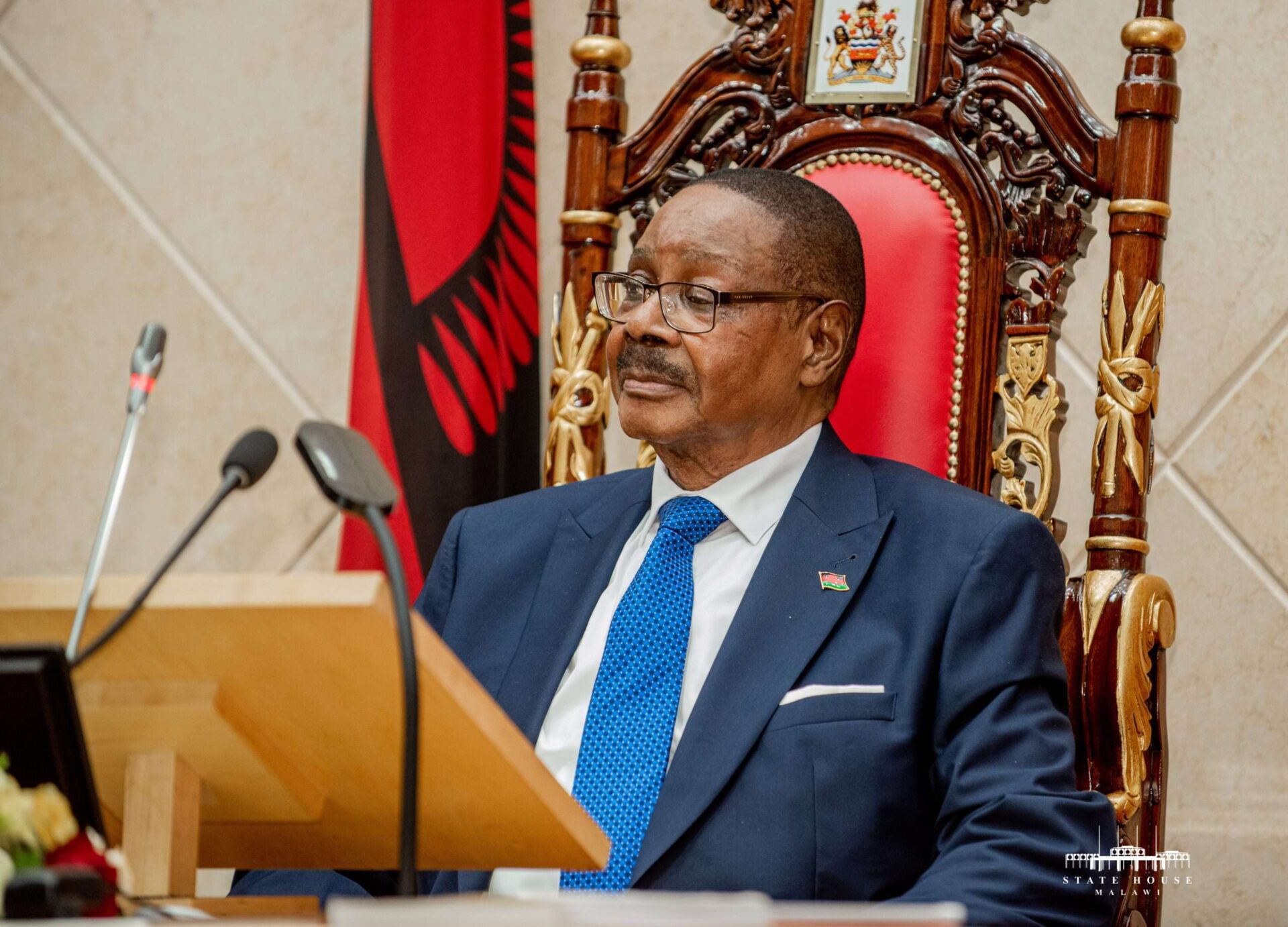
The official opening of the 2026/2027 Budget Meeting marked a defining political and economic moment for Malawi, as President Arthur Peter Mutharika addressed the nation with a message of urgency, reform, and renewed direction.
President Mutharika described the meeting as historic, emphasizing that it symbolized the first comprehensive implementation phase of the DPP’s agenda since its return to power.
He recounted the state in which he found the country upon assuming office, describing Malawi as being trapped in a deep man-made crisis characterized by hunger, shrinking businesses, soaring inflation, and weakened public institutions.
The President stressed that the crisis was not irreversible and announced that his administration had moved to restore order, rebuild trust, and stabilize the economy.
He disclosed that fraudulent contracts had been stopped, reckless expenditure curtailed, and ghost workers removed from the government payroll.
Appointments to public office are now being made strictly on merit, signaling a departure from patronage and favoritism.
The President emphasized that macroeconomic stability was the cornerstone of recovery, outlining targeted interventions to stimulate growth and reduce inflationary pressures.
Emergency maize purchases were made to cushion vulnerable households, fertilizer procurement was expedited, and fuel stocks were replenished to revive the private sector.
Inflation is projected to fall below 21% in 2026, and economic growth is expected to rise from 2.7% to 3.8% in 2026 and 4.9% in 2027.
Austerity measures include reduced fuel entitlements for ministers and restricted local and international travel.
The Constituency Development Fund (CDF) has been increased from MK220 million to MK5 billion per constituency annually, with management responsibility transferred to local authorities.
Agricultural interventions include maize price stabilization, fertilizer procurement, and plans for local fertilizer production.
The President announced plans to transition Malawi from a consumption-driven economy to one anchored in production and exports.
Industrialization efforts include development of Special Economic Zones and support for cooperatives and micro, small, and medium enterprises.
Tourism sector reforms include operationalization of the Tourism Authority and flagship projects like the Salima Integrated Tourism Resort.
Energy sector reforms aim to increase national generation capacity from 551 megawatts to over 1,000 megawatts by 2030.
Mining sector reforms include suspension of new licenses, audits of the registry, and a ban on export of raw minerals.
Transport infrastructure rehabilitation includes resumption of road maintenance and reinstatement of the fuel Automatic Pricing Mechanism.
Civil aviation reforms include expansion of Malawi Airlines’ fleet and increased international destinations.
The President reaffirmed commitment to rule of law, fiscal discipline, and zero tolerance for corruption.
He called for unity among the Executive, Legislature, and Judiciary, emphasizing the need for shared responsibility in rebuilding Malawi.






