
Colleen Zamba in custody for abuse of office charges
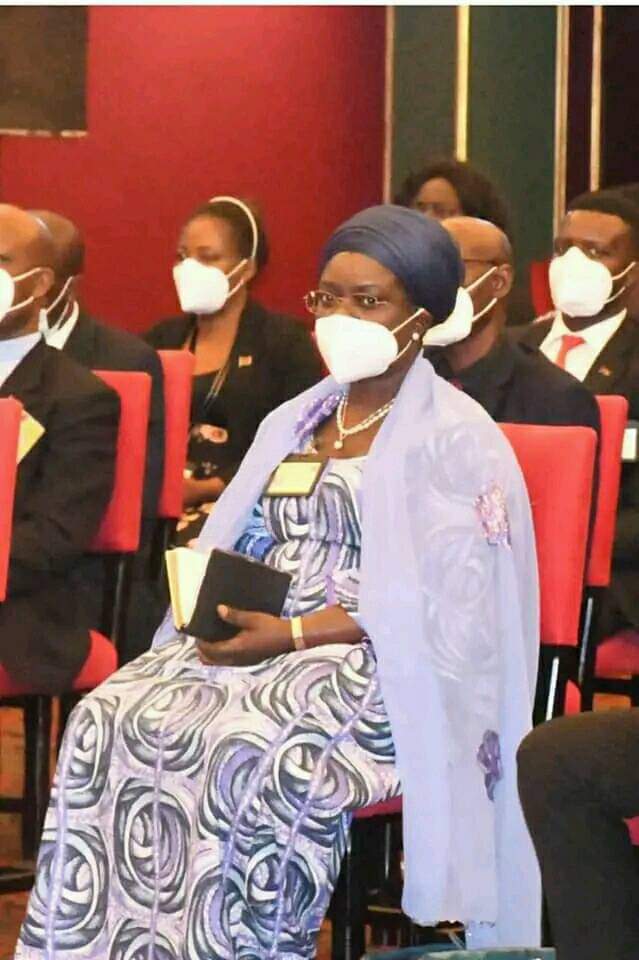
LILONGWE-(MaraviPost)-The state has failed to take former Secretary to the President and Cabinet (SPC) Colleen Zamba to court on Thursday after her arrest on Wednesday at Kamuzu International Airport (KIA) in the capital Lilongwe.
This means Zamba will remain in police custody for another night after authorities failed to take her to court today as scheduled.
The former SPC lawyer, Sylvester Ayuba James however disclosed that police recorded her statement but later cited instructions from higher authorities preventing her court appearance until the 48-hour period expires.
James told the Nation online that the delays is “an abuse of the 48-hour rule”.
The lawyer added that a search warrant has been issued for Zamba’s phone, which lawyers have reviewed.
The forner SPC faces charges of abuse of office.
Zamba is believed to be ousted President Lazarus Chakwera’s errand lady
Share this:
Like this:
LikeLoading…
Discover more from The Maravi Post
Subscribe to get the latest posts sent to your email.

DODOMA-(MaraviPost)-Tanzanian human rights organisation, Sauti ya Watanzania (The Voice of Tanzanians), has strongly rejected the appointment of former Malawian President Lazarus Chakwera as the mediator in that country’s political crisis.
According to the public statement we have seen the grouping argued that a mediator must be a person of strong integrity with a proven track record in leadership qualities they believe Chakwera did not demonstrate during his tenure as Malawi President.
The organisation cited reports of corruption, bribery, and governance weaknesses under Chakwera’s administration, saying such issues could undermine public confidence in the mediation process.
Chakwera is not accepted in Tanzanian
The rights group observes that Chakwera played a role in leading mass protests in 2019, which they claim may compromise his ability to handle Tanzania’s post-election conflict in a fair and impartial manner.
Tanzania continues to experience serious violence following the October 29 elections, with some reports suggesting that more than 700 people may have died in the unrest.
As pressure mounts for credible and transparent peace talks, experts warn that appointing a mediator whose credibility is widely questioned could further complicate efforts to resolve the crisis.
However, the Commonwealth has defended its decision to appoint Chakwera, emphasising the need for swift action to help restore peace and stability in the country.
Chakwera office is yet to comment on the matter.
Share this:
Like this:
LikeLoading…
Discover more from The Maravi Post
Subscribe to get the latest posts sent to your email.
When Malawi Congress Party (MCP) president Lazarus Chakwera addressed the nation in Lilongwe, what stood out most was his unwavering faith in God despite the party’s loss in the September 16, 2025 Presidential Election.
His message carried a tone of resilience and spiritual conviction, suggesting that defeat had not diminished his sense of purpose or calling.
Chakwera’s posture reflected the mindset of a leader who sees political setbacks not as endings but as moments of reflection and recalibration.
By grounding his message in faith, he reminded Malawians that leadership is not only about winning elections but also about maintaining moral clarity in difficult moments.
His remarks also hinted at a deliberate effort to steady the MCP during a period of uncertainty, projecting stability to supporters who may still be grappling with the election outcome.
Chakwera’s confidence in divine guidance suggested that he views MCP’s current challenges as temporary hurdles rather than permanent barriers.
This spiritual framing could help calm internal tensions within the party, particularly among factions that may be questioning the party’s direction post-election.
It also positioned Chakwera as a leader prepared to continue shaping Malawi’s political landscape, regardless of his position outside government.
In a country where faith strongly influences public perception, Chakwera’s message is likely to resonate widely among citizens who value humility and steadfastness in leadership.
His comments ultimately conveyed the image of a man unwilling to let political defeat define his legacy, choosing instead to reaffirm the values he believes will anchor both the party and the nation moving forward.
For many Malawians, this statement may serve as a reminder that leadership grounded in faith can be a source of national unity in times of political transition.
Share this:
Like this:
LikeLoading…
Discover more from The Maravi Post
Subscribe to get the latest posts sent to your email.

BLANTYRE-(MaraviPost)-In a political landscape hungry for clarity and direction, former President Lazarus Chakwera’s recent press briefing on Monday was anticipated as a pivotal moment for Malawi’s public discourse.
After months of silence following his electoral defeat, many citizens, stakeholders, and political analysts alike were eager to hear from him—not just as a former leader, but as a key figure in shaping Malawi’s future trajectory amidst pressing national concerns.
Instead, what unfolded was a brief announcement about his acceptance of a Commonwealth assignment to Tanzania, leaving the nation grappling with disappointment, unanswered questions, and a sense of missed opportunity.
The timing and content of the press briefing have sparked widespread condemnation and intense debate across social, political, and media circles.
For a man who once commanded the highest office in Malawi and enjoyed the trust of millions who voted for him, one would expect a more comprehensive engagement with the public. Yet, Chakwera chose to dedicate this rare public appearance to inform the nation of his new role abroad, without addressing the urgent domestic issues that many feel demand his insight and leadership.
The Commonwealth assignment to Tanzania, aimed at supporting peace and stability efforts, is undoubtedly important.
It reflects the recognition of Chakwera’s stature on the international stage and his potential to contribute to regional peacebuilding initiatives.
However, the manner in which this announcement was delivered—through what many perceive as an overhyped press briefing rather than a simple press release—raises questions about the strategic counsel surrounding the former president. Was this briefing genuinely necessary? Or was it a misstep that squandered a crucial platform to reconnect with a nation still grappling with unresolved challenges?
Critics argue that Chakwera’s advisors failed him and, by extension, the Malawian public. Calling a press briefing implies a substantive engagement, a sharing of significant news or perspectives that warrant public attention and dialogue.
The expectation was not simply to hear about a foreign assignment, but to gain insight into Chakwera’s reflections on his political journey since the elections, his views on national reconciliation, and his stance on ongoing issues such as the tragic Chikangawa plane crash proposed fresh commission of inquiry.
This disaster, which claimed numerous lives, has generated calls for a fresh commission of inquiry, underscoring a broader demand for accountability and transparency from all leaders, including former presidents.
Instead, Chakwera’s silence on these critical matters has left many feeling abandoned at a time when the country yearns for unity and leadership beyond electoral politics. The public’s hunger for answers and direction was palpable.
They wanted to hear whether Chakwera would support efforts to heal the nation, contribute to meaningful dialogue on governance and justice, or outline his future plans within Malawi’s political or civic arena. Instead, the briefing offered a narrow focus, confined to his personal career move, without acknowledging the broader national mood or the responsibility that comes with his past role.
This episode also highlights a deeper issue about political communication and leadership accountability in Malawi.
Public figures, especially those who have held the highest offices, carry a responsibility that transcends personal ambitions. Their words and actions can either foster hope or deepen disillusionment.
By failing to seize this moment to speak candidly and comprehensively, Chakwera inadvertently fueled skepticism about his commitment to national interests and raised doubts about the quality of advice he receives.
There is also a broader lesson to be learned about managing public expectations.
A press briefing is not merely a formality; it is a platform that can shape narratives, build trust, and influence public sentiment.
When used effectively, it can unify a nation and inspire collective action. When squandered, as in this case, it risks alienating the very people who once placed their faith in a leader.
Many observers have suggested that if the sole purpose was to announce an international assignment, a straightforward press release or a smaller media statement would have sufficed, preserving the gravitas of a formal briefing for more substantive engagements.
Moreover, the timing of this announcement—coming at a moment when the nation is grappling with sensitive issues—raises questions about priorities.
Malawi is at a crossroads, facing challenges that require dialogue, healing, and visionary leadership. The Chikangawa tragedy alone demands attention from all leaders, including former presidents, to restore public confidence in governance and safety.
By sidestepping these issues, Chakwera missed an opportunity to demonstrate empathy, responsibility, and continued engagement with the country’s well-being.
In essence, this press briefing was a test of leadership beyond office, a chance for Chakwera to redefine his role as a statesman and elder figure in Malawi’s political landscape.
Unfortunately, the narrowness of the message and the absence of engagement on critical issues have left many feeling that he has retreated from public life rather than embraced it in a new, more mature capacity.
The silence on pressing national matters after such a long absence from the public eye felt like a void where leadership should have been.
Looking forward, the expectations for former President Chakwera remain high.
Malawi, like many nations, benefits from the active participation of experienced leaders who can offer wisdom, bridge divides, and champion causes that transcend partisan politics.
If Chakwera is to maintain relevance and respect, he must consider how best to communicate with his countrymen in ways that acknowledge their concerns and aspirations.
Future engagements should demonstrate openness, accountability, and a willingness to contribute constructively to national discourse.
For now, the legacy of this press briefing is one of missed potential and public frustration.
It serves as a reminder that leadership is not just about titles or assignments abroad but about meaningful connection and service to one’s people at home.
Chakwera’s journey post-presidency is still unfolding, and whether he chooses to respond to this moment with renewed commitment to Malawi’s pressing issues remains to be seen.
But the nation watches, hopeful that the next time he steps into the public eye, it will be with a message that truly matters and a vision that inspires.
The former president’s decision to call a press briefing only to announce his foreign assignment, while omitting commentary on pressing national issues, reflects poorly on his leadership and advisory team. It was a missed opportunity to re-engage with a nation eager for direction and reassurance.
Malawi deserves better from its leaders, past and present, and should expect them to rise to the occasion when history calls.
Share this:
Like this:
LikeLoading…
Discover more from The Maravi Post
Subscribe to get the latest posts sent to your email.

LILONGWE-(MaraviPost)-Former President Dr. Lazarus Chakwera is set to hold a highly anticipated press conference tomorrow at the Malawi Congress Party (MCP) headquarters in Lilongwe, starting at 10:00 a.m.
This will be Chakwera’s first press briefing since his defeat in the September 16 elections, fueling speculation about the topics he might address.
Chakwera’s administration was marred by economic challenges and corruption allegations, which many attribute to his loss in the elections, even in his traditional stronghold.
His successor, President Peter Mutharika, has been working to address these issues and revive the country’s economy.
The press conference comes amidst ongoing political developments and rumors about Chakwera’s future plans.
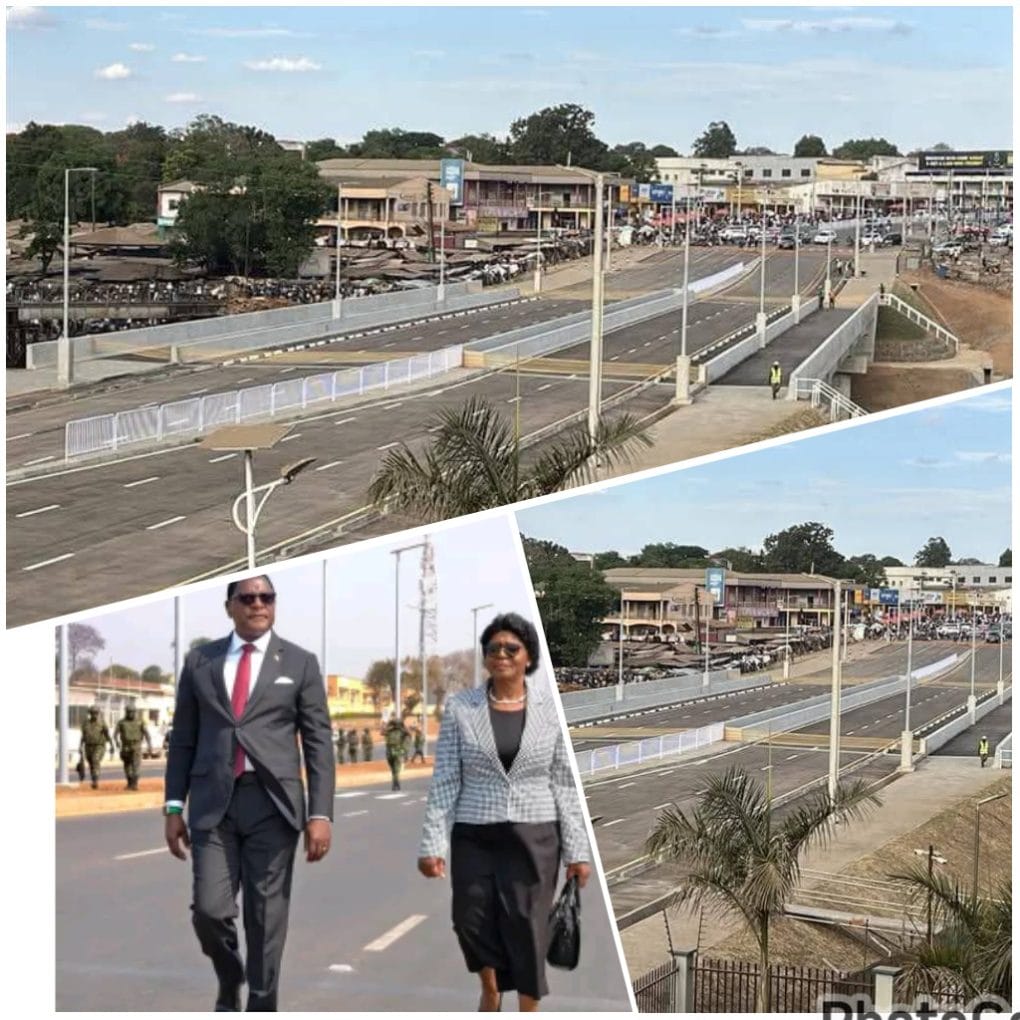
During his tenure, Chakwera’s government implemented notable initiatives like infrastructure development projects in Lilongwe, such as quality highway roads.
Chakwera’s MCP had campaigned on a platform of continuity and progress, highlighting achievements in education, healthcare, and infrastructure.
Despite his electoral defeat, the party remains a significant force in Malawian politics.
Tomorrow’s press conference will provide an opportunity for Chakwera to share his perspective on the current political landscape and possibly outline his party’s strategy going forward.
As Malawi navigates its post-election period, Chakwera’s words are expected to offer insights into his vision for the country’s future.
The event is likely to attract significant attention from Malawians, political analysts, and supporters eager to hear Chakwera’s reflections on the election outcome and his plans moving forward.
Share this:
Like this:
LikeLoading…
Discover more from The Maravi Post
Subscribe to get the latest posts sent to your email.

President Peter
Mutharika has been elected to a second term in office with 38.5% of the vote.
The incumbent leader, 78, had faced stiff competition in the
21 May election, including from his 2014 running mate Dr. Saulosi Chilima who
came in third with a little over 20% of the total vote.
The result was announced on Monday after an injunction
ordered by the country’s high court was lifted.
second time Challenger Lazarus Chakwera, who finished in
second place, had sought to delay the results because of concerns over voting
irregularities.
The head of the Malawi Electoral Commission (MEC), Jane
Ansah, appealed for calm ahead of the announcement.
The MEC say President Mutharika, who heads the Democratic
Progressive Party (DPP), gained a narrow victory by about 159,000 votes.
Mr Chakwera, from the Malawi Congress Party (MCP), came
close behind with about 35.4% of the vote. He had also placed as runner-up five
years ago.
President Mutharika’s deputy, Saulos Chilima, finished in
third place – winning just over 20% of the ballot. He had earlier said his name
was initially not on the electoral register when he turned up to vote.