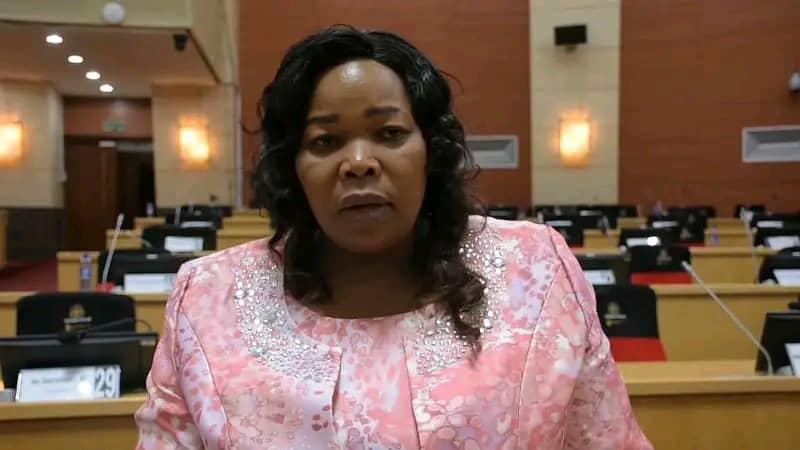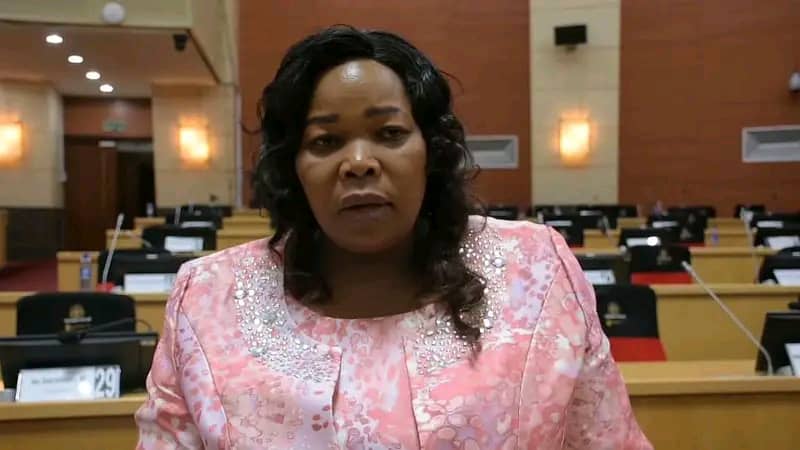

Gender Minister Mary Thom Navicha: The angel of compassion championing social welfare, inclusion in Malawi

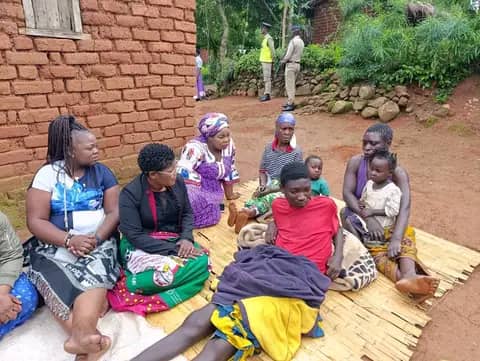
BLANTYRE-(MaraviPost)-In a remarkable display of humility and dedication, Minister of Gender, Children, Disability and Social Welfare, Mary Thom Navicha, recently visited beneficiaries of the Social Cash Transfer Programme (SCTP) in Semu Village, Traditional Authority Khwethemule, Thyolo District.

Her visit was more than a routine assessment; it was a heartfelt engagement that showcased her unwavering commitment to the welfare of Malawi’s most vulnerable populations.

Minister Navicha’s approach during the visit was strikingly genuine.

She did not maintain the usual distance expected of officials; instead, she sat closely with the beneficiaries on the mat, sharing moments of joy and happiness.

This simple act of humility resonated deeply with the community, reflecting an angel of empathy whose mission goes beyond policy to human connection.

Her warmth and approachable demeanor broke barriers, allowing her to listen attentively to the needs and stories of the people she serves.

The SCTP, a lifeline for many Malawians, has been instrumental in empowering households to meet basic needs such as education and food security.

The Minister underscored the importance of this program, highlighting how it enables families to send their children to school and invest in livestock, thereby fostering long-term self-sufficiency.

Her advocacy for increasing the transfer amounts in response to the country’s economic realities demonstrates a proactive and responsive leadership style.

Minister Navicha is not content with the status quo; she is actively engaging with other Ministries and Development Partners to enhance the impact of social welfare interventions.

One of the beneficiaries, Esnart Chikaonda, a single mother of seven, eloquently testified to the transformative power of the SCTP funds. With the support she receives, Esnart can provide food for her family, an assurance that would have been difficult to achieve otherwise.

This personal story underscores the broader narrative of hope and resilience that the Minister’s work inspires throughout Malawi.

Minister Navicha’s vision aligns closely with that of President Professor Arthur Peter Mutharika, whose principle that no one should be left behind is a guiding beacon for the government.

The Minister has taken this vision to heart by emphasizing the need to prioritize the enrolment of Persons with Disabilities into the SCTP.

Her insistence on inclusivity is not mere rhetoric; it reflects a deeply held belief in equity and justice.

Under her stewardship, the Ministry is pushing the boundaries to ensure that marginalized groups receive the attention and resources they deserve.

The scale of the SCTP’s reach is impressive—benefiting 17,000 households in Thyolo District alone and extending to 340,000 households nationwide, impacting 1.5 million individuals.

The fact that 70 percent of these households are headed by women and 40 percent by the elderly adds layers of complexity and urgency to the program’s implementation.

Minister Navicha’s hands-on leadership style is pivotal in addressing these unique challenges with compassion and strategic insight.

Her work extends beyond Thyolo. Minister Navicha’s tireless efforts have taken her to Lilongwe and various other parts of the country, where she continues to serve with an unmatched work ethic.

Despite the demanding nature of her portfolio, she has not rested; her dedication echoes the relentless spirit of a true public servant.

She embodies the angel of hope and resilience for many Malawians, tirelessly working to improve the lives of those often overlooked by society.

Mary Thom Navicha’s leadership is a beacon of inspiration. She exemplifies how humility, hard work, and empathy can transform governance and social service delivery.

Her presence among the people, sharing their space and listening to their stories, speaks volumes about her character and commitment.

In a world where political figures are often distanced from the realities of their constituents, Navicha stands out as a genuine advocate for change who is not afraid to get close to the people she serves.

Her efforts are a crucial part of Malawi’s broader social development agenda, reinforcing the Government’s commitment to inclusive growth and social protection.

By championing the SCTP and advocating for increased support and better targeting, Minister Navicha ensures that the program remains responsive and impactful.

Minister Mary Thom Navicha is more than just a government official; she is a symbol of hope, a tireless advocate for the vulnerable, and an angel of social welfare whose humility and dedication shine brightly across Malawi.

Her work embodies the spirit of service envisioned by President Professor Arthur Peter Mutharika, ensuring that no one is left behind in the journey toward a better and more inclusive Malawi.

Through her unwavering commitment, she continues to inspire and uplift countless lives, proving that true leadership is measured not by titles but by the positive change one brings to the lives of others.


Discover more from The Maravi Post

Subscribe to get the latest posts sent to your email.

The Maravi Post

Malawi’s leading women champions unite to combat gender-based violence: Minister Mary Navicha, first lady Gertrude Mutharika lead the charge

In a powerful and heartfelt call to action on November 25th, marking the International Day for the Elimination of Violence against Women, Malawi’s First Lady, Prof. Gertrude Mutharika, and Minister of Gender, Mary Navicha, have united their voices to renew the nation’s commitment to ending gender-based violence (GBV) in all its forms.

Their combined leadership and unwavering dedication have raised the profile of this critical issue across the country, inspiring citizens to join hands in creating a safer, more equitable Malawi.

Prof. Gertrude Mutharika, a passionate advocate for women’s rights and safety, launched the 16 Days of Activism against Gender-Based Violence under the national theme, “Unite to End Gender Based Violence in Malawi.”

Her message was clear and resonant: the fight against GBV requires the collective effort of every Malawian — men, women, and youth alike. “A safe woman is a strong nation,” she affirmed, emphasizing the indispensable role that women’s safety plays in the nation’s overall strength and progress.

Her appeal was not just symbolic but deeply rooted in the realities faced by many women in Malawi.

Gender-based violence, which includes physical, emotional, sexual, and psychological abuse, remains a pervasive challenge, disrupting families and communities and threatening the country’s social fabric.

In a nation where tradition and modernity often intersect, Prof. Mutharika’s leadership stands as a beacon of hope, urging society to break the silence and stigma surrounding violence against women.

Complementing the First Lady’s call, Minister Mary Navicha has added a vital dimension to the discourse by addressing the often overlooked issue of violence against men.

Speaking candidly, Navicha acknowledged that while women and girls are predominantly victimized, men also face abuse, and their plight deserves attention and support.

This inclusive approach broadens the national conversation on GBV, ensuring no victim is marginalized or ignored.

Minister Navicha also brought to light the emerging threat of online abuse, a form of gender-based violence that is increasingly affecting women and girls in Malawi.

She urged the public and organizations alike to take this digital menace seriously, highlighting the need for robust measures to combat cyber exploitation and harassment.

In particular, she appealed to women and girls to exercise caution by avoiding the sharing of explicit images, a step she believes can help prevent digital exploitation and protect vulnerable individuals from further harm.

Her remarks showed a nuanced understanding of the evolving landscape of violence, reflecting a progressive stance that aligns with global efforts to address GBV in all its manifestations.

Navicha’s emphasis on digital safety is a critical reminder that the fight against gender-based violence must keep pace with technological advances that, while beneficial, can also be weaponized.

Minister Navicha’s leadership has been recognized and supported at the highest level of government, with President Professor Arthur Peter Mutharika appointing her to serve as Minister of Gender.

Her appointment signals a strong governmental commitment to tackling GBV, backed by a woman who is both knowledgeable and passionate about the cause.

Navicha’s approach combines advocacy, education, and practical strategies to engage communities, institutions, and policymakers in building a comprehensive response to gender violence.

Together, these two remarkable women embody the spirit of resilience and determination needed to confront one of Malawi’s most pressing social challenges.

They have become symbols of hope and change, inspiring not only government officials but also grassroots organizations, civil society, and ordinary citizens to take concrete steps toward a violence-free society.

Their messages resonate deeply in a country where cultural norms and economic hardships sometimes perpetuate cycles of abuse.

By standing united, Prof. Mutharika and Minister Navicha are helping to dismantle harmful stereotypes and encouraging a culture of respect, equality, and safety for all individuals, regardless of gender.

The First Lady’s statement that “A safe woman is a strong nation” encapsulates a profound truth—when women are protected and empowered, the entire nation benefits.

This vision aligns with Malawi’s broader developmental goals, recognizing that gender equality is not only a matter of human rights but also a driver of economic growth and social stability.

Meanwhile, Minister Navicha’s inclusive approach ensures that the gender-based violence agenda is comprehensive and sensitive to the needs of all victims. Her focus on digital abuse also positions Malawi to engage with contemporary challenges that many countries are only beginning to address.

As the 16 Days of Activism unfold, the country is witnessing a renewed energy and commitment to eradicate gender-based violence.

Educational campaigns, community dialogues, and policy reforms are being prioritized, with both Prof. Gertrude Mutharika and Minister Mary Navicha at the forefront of these efforts. Their leadership is galvanizing a movement that transcends political lines and social divisions, uniting Malawians in a common cause.

This united front is critical because gender-based violence thrives in silence and isolation. By breaking the silence, these leaders are encouraging survivors to come forward, seek help, and find justice.

They are also challenging perpetrators to be held accountable, signaling that such violence will no longer be tolerated.

The partnership between the First Lady and the Minister of Gender exemplifies how high-profile women leaders can influence national attitudes and policies.

Their commitment is not just ceremonial; it is active and ongoing, involving engagement with communities, collaboration with NGOs, and advocacy within government structures.

Moreover, their public profiles bring visibility to GBV issues at a time when global attention is focused on gender equality and women’s rights.

Malawi’s efforts, led by these two leaders, contribute to the international movement to end violence against women and girls, aligning the country with global frameworks such as the Sustainable Development Goals (SDGs).

In a society where patriarchal norms have long held sway, the voices of Prof. Gertrude Mutharika and Mary Navicha represent a transformative force. They are redefining leadership by prioritizing compassion, inclusivity, and action.

Their work underscores that ending gender-based violence is not just about protecting women and girls but about building a just society where everyone can thrive free from fear.

As Malawi continues this vital journey, the nation can take pride in having such dedicated women at the helm—leaders who are not only advocates but also role models, showing that change is possible when courage and commitment unite.

The call to “Unite to End Gender Based Violence in Malawi” is more than a slogan; it is a rallying cry that has found its champions in Mary Navicha and Gertrude Mutharika.

Their leadership lights a path forward, inviting every Malawian to join hands in creating a future where dignity, respect, and safety are guaranteed for all.

May their tireless efforts inspire lasting change and a Malawi where violence is nothing but a dark memory, replaced by hope, justice, and equality for every citizen.


Discover more from The Maravi Post

Subscribe to get the latest posts sent to your email.

The Maravi Post

Gender Minister Navicha unhappy with static women representation numbers in Malawi Parliament

.….Calls for Accelerated Action

LILONGWE-(MaraviPost)-Minister of Gender, Community Development and Social Welfare, Mary Navisha, has raised fresh concerns over the low number of women serving in Malawi’s Parliament, revealing that women currently make up only 21 percent of all sitting legislators.

Speaking in an interview, Navisha said the figure is a reminder of the persistent barriers women face in political participation despite years of advocacy aimed at increasing female leadership in governance.

“It is worrying that women remain underrepresented in such an important decision-making space,” Navisha said.

“We need to collectively step up efforts to ensure more women are empowered and supported to contest for public office.”

She attributed the low numbers to structural and cultural challenges, including limited access to campaign resources, political intimidation, and deeply rooted social norms that discourage women from seeking leadership roles.

According to Navisha, increased female representation is critical to achieving gender equality and ensuring that issues affecting women and girls such as gender-based violence, maternal health, and economic empowerment are addressed effectively at policy level.

The minister said the government, civil society organizations, and political parties must intensify capacity-building programs, mentorship initiatives, and financial support mechanisms aimed at helping women navigate the political landscape.

Several gender rights advocates have echoed Navisha’s sentiments, saying the 21 percent representation falls short of regional and international commitments such as the SADC Protocol on Gender and Development, which encourages member states to strive for 50 percent women’s representation in decision-making positions.

As Malawi prepares for future elections, stakeholders are urging communities to challenge stereotypes and support female candidates, emphasizing that stronger representation in Parliament will contribute to more inclusive and balanced national development.


Discover more from The Maravi Post

Subscribe to get the latest posts sent to your email.

The Maravi Post

Malawi Govt vows tough penalties for child sexual abuse perpetrators

LILONGWE-(MaraviPost)-The government of Malawi has pledged to ensure that individuals found guilty of committing sexual abuse against children face severe punishment.

This commitment was made in response to the recent case involving a 12-year-old girl who was sexually assaulted by her father in Area 25, Lilongwe.

Officials emphasized that there should be no distinction between male and female offenders, underscoring the government’s stance on equality in justice.

Authorities expressed deep concern that such abusive behavior continues to affect the safety, wellbeing, and future prospects of vulnerable children across the country.

Memory Chisenga, head of the Child Advocacy Centre, spoke on the matter, affirming her agreement with the government’s position.

She highlighted that imposing long prison sentences on offenders is essential not only for justice but also as a deterrent to prevent others from engaging in similar crimes.

Chisenga stressed that ensuring perpetrators face significant consequences is a critical step in protecting children and promoting public confidence in the justice system.

The government and child protection agencies reiterated their commitment to safeguarding minors and preventing sexual abuse through strict enforcement of the law.


Discover more from The Maravi Post

Subscribe to get the latest posts sent to your email.

The Maravi Post