
Tanzania’s sham election: A coup d’état in plain sight

The elections in Tanzania are nothing more than a symbolic exercise in futility, a desperate attempt by President Samia Suluhu Hassan to legitimize her stranglehold on power.

The deck has been stacked against the opposition from the beginning, with the ruling party using every trick in the book to crush dissent and deny the people their right to choose their leaders.

The arrest and prosecution of CHADEMA leader Tundu Lissu on trumped-up treason charges is a stark reminder of the lengths to which Suluhu will go to maintain her grip on power.

Lissu’s popularity and potential to win the presidency posed a significant threat to Suluhu’s rule, and the charges against him are clearly designed to eliminate him from the race.

The timing of the charges, just as Tanzanians were about to go to the polls, is a brazen attempt to intimidate and silence the opposition.

It’s a move that has been widely condemned by human rights organizations and observers, who see it for what it is – a blatant attempt to rig the outcome of the election.

But Lissu’s persecution is just the tip of the iceberg.

Suluhu’s regime has been marked by a series of high-profile killings, including bishops who have dared to speak out against her undemocratic tendencies.

The message is clear: anyone who opposes Suluhu will be silenced, one way or another.

The African Union and the Southern African Development Community (SADC) must urgently step in to address the escalating crisis in Tanzania.

Their role as regional bodies dedicated to promoting democracy, human rights, and political stability in Africa compels them to act decisively against the blatant erosion of democratic norms witnessed in these elections.

Failure to intervene risks not only the further entrenchment of authoritarianism in Tanzania but also sets a dangerous precedent for other nations in the region.

The international community should demand transparency, the release of political prisoners like Tundu Lissu, and the establishment of an independent electoral commission to ensure free and fair elections.

Moreover, there should be increased monitoring and observation missions during election periods and swift consequences for any violations of democratic principles.

Civil society within Tanzania also needs support and protection to continue their vital work in holding the government accountable.

Ultimately, without robust regional and international pressure, Tanzania’s democratic institutions will continue to weaken, undermining the will of its people and the future stability of the nation.

The time for complacency has passed; urgent, coordinated action is required to safeguard democracy in Tanzania.


Discover more from The Maravi Post

Subscribe to get the latest posts sent to your email.

The Maravi Post

Women in media urged to stay objective, amplify females’ voices in governance

BLANTYRE-(MaraviPost)-Malawi Electoral Commission chairperson Annabell Mtalimanja has called on women in the media to maintain objectivity and professionalism in their work to help the public stay well-informed.

Speaking at the Association of Women in Media (AWOME) annual general meeting in Salima, Mtalimanja emphasized the importance of women’s leadership beyond elections to ensure long-term progress and national development.

“Women’s participation in governance is vital for national development,” Mtalimanja said, adding that , “As women in the media, it is crucial that you remain objective and professional in your work, providing accurate and unbiased information to the public.”

Mtalimanja’s remarks were echoed by AWOME board member Jane Gogodous, who urged women in the media to work towards ensuring that women’s voices are heard and represented in governance.

“As women in the media, we have a responsibility to amplify women’s voices and promote their participation in decision-making processes,” Gogodous said.

The two-day conference, themed “Beyond the Ballot: Sustaining Women’s Voices in Governance,” brought together women in the media to discuss their role in promoting women’s leadership and participation in governance.

The conference provided a platform for women in the media to share experiences, challenges, and strategies for promoting women’s voices in governance.

Mtalimanja’s call for objectivity and professionalism in the media is particularly significant in the context of Malawi’s democratic development.

As the country continues to navigate the complexities of democratic governance, the role of the media in promoting transparency and accountability is crucial.

The conference highlighted the importance of women’s participation in governance and the media’s role in promoting their voices and leadership.

As AWOME continues to advocate for women’s rights and participation in governance, the organization’s efforts will be crucial in promoting a more inclusive and representative democracy in Malawi.


Discover more from The Maravi Post

Subscribe to get the latest posts sent to your email.
The Maravi Post

Power outage disrupts Zimbabwe President Mnangagwa’s national address

HARARE-(MaraviPost)-Zimbabweans were left in disbelief on Tuesday night when President Emerson Mnangagwa’s highly anticipated national address was dramatically interrupted by a sudden power outage, live on national television.

The blackout, which struck just minutes after the president began his speech, forced him to continue reading his notes using a flashlight an image that instantly went viral.

The national address, broadcast from State House in Harare, was meant to highlight the government’s achievements and outline economic recovery strategies.

However, the event took an unexpected turn when the lights suddenly went out, leaving the room in complete darkness.

For a few tense seconds, the television feed showed confusion among journalists and officials as technicians scrambled to restore power.

In a rare display of calm, President Mnangagwa decided not to stop the address. Instead, he continued speaking with the aid of a small flashlight held by one of his aides.

The moment drew mixed reactions from viewers with some commending his composure while others mocked the irony of the situation, given the country’s long-standing electricity challenges.

Social media platforms lit up almost instantly, with hashtags like #Zativuta, #PowerToThePeople, and #MnangagwaInTheDark trending across X (formerly Twitter) and Facebook.

Memes, edited videos and humorous captions flooded timelines, turning what was meant to be a serious state address into a national talking point.

Critics quickly pointed out that the incident reflected the deep rooted infrastructure issues that Zimbabwe continues to face.

Frequent power outages, known locally as load shedding, have disrupted industries, hospitals and schools for years and the president’s experience only added fuel to public frustration.

“This is the perfect summary of our situation.Even the highest office in the land cannot escape the darkness we live in every day. Zativuta kwambili (we are in real trouble),”said Tafadzwa Moyo concerned citizen from Zibambwe.

Meanwhile, the state-owned power company, ZESA Holdings, has remained silent on the cause of the outage.

Sources within the energy sector hinted that the blackout may have been triggered by a technical fault affecting parts of Harare, though investigations are still underway.

Opposition figures seized the opportunity to criticize the government’s handling of the energy crisis.

Nelson Chamisa, a prominent opposition leader, remarked online that the blackout was “a powerful metaphor for a nation in the dark both literally and politically.”

His comment received thousands of shares within hours.

Despite the setback, Mnangagwa eventually concluded his address under dim lighting, reaffirming his administration’s commitment to stabilizing the economy and improving essential services.

However, many citizens felt that the incident itself spoke louder than the promises made in the speech.


Discover more from The Maravi Post

Subscribe to get the latest posts sent to your email.

The Maravi Post

A bold stand for Malawi: President Mutharika’s unwavering commitment amidst unprecedented vandalism

By Jones Gadama

In a nation where leadership often grapples with the challenges of governance, President Peter Mutharika’s recent decision to conduct government business from his private residence at Page House in Mangochi is both remarkable and revealing.

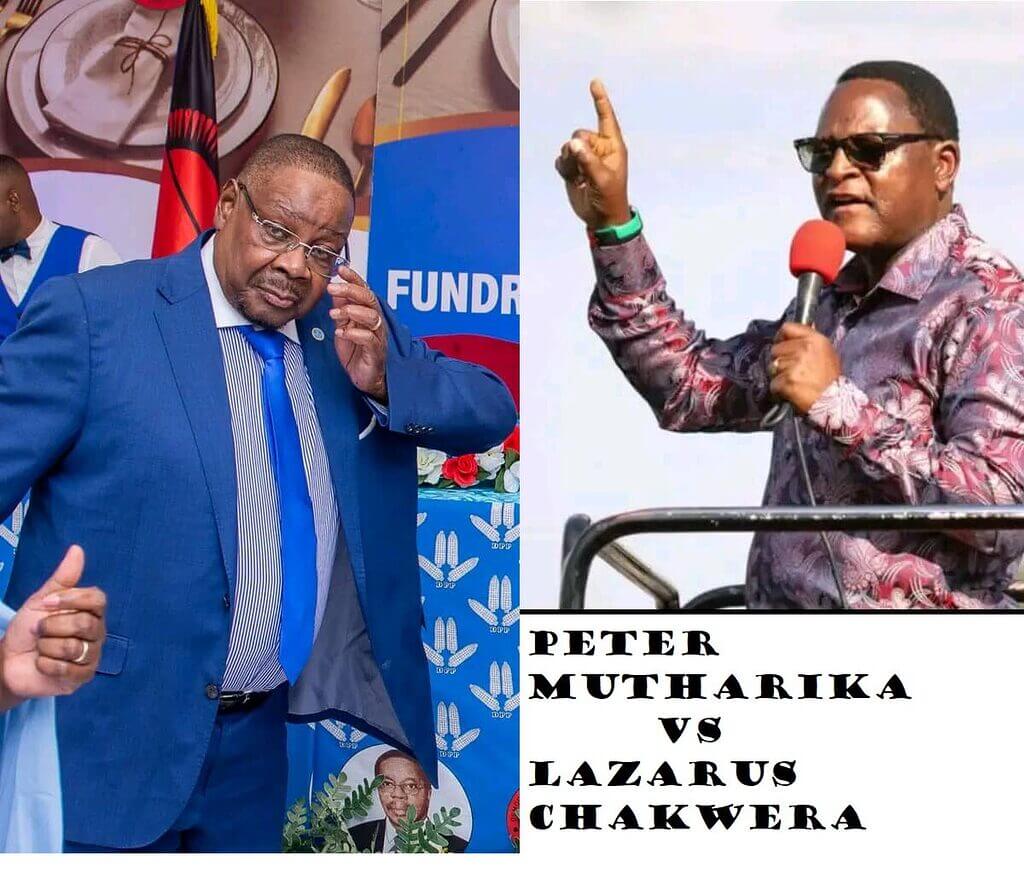
This extraordinary move follows the shocking revelation that Kamuzu Palace—the official seat of the Malawian presidency—has been left in a deplorable state, rendered uninhabitable by the wanton destruction, looting, and appalling acts committed by supporters of the Malawi Congress Party (MCP) following the loss in presidential by former President Lazarus Chakwera.

The gravity of this situation cannot be overstated.

The presidential palace, a symbol of national unity and authority, was subjected to unprecedented vandalism and desecration.

Reports detail that MCP operatives, who occupied the palace during Chakwera’s presidency, not only looted valuable state property but also defiled the very walls with human excrement—a grotesque act that speaks volumes about the disregard for national dignity and decorum.

Such actions are not merely acts of vandalism; they represent a deep betrayal of the trust bestowed upon public servants to safeguard the nation’s heritage and institutions.

It is profoundly disheartening that President Chakwera has remained silent in the face of these atrocities.

His failure to publicly condemn the actions of his party’s supporters suggests a troubling denial of the reality and magnitude of the damage inflicted.

This silence raises uncomfortable questions about his leadership and accountability.

When a leader fails to denounce such egregious misconduct, it inadvertently signals complicity or at least tacit approval.

Malawi deserves leaders who uphold justice and take unequivocal stands against wrongdoing, regardless of political affiliations.

Against this backdrop of destruction and neglect, President Mutharika’s response stands out as a testament to his unwavering dedication to the Malawian people.

By choosing to operate from his private home, the President has demonstrated selflessness and a remarkable commitment to ensuring that governance continues uninterrupted—despite the personal inconvenience this entails.

A private family residence is meant to be a sanctuary for one’s loved ones, not a makeshift government office.

That President Mutharika willingly embraces this sacrifice underscores his prioritization of national interest over personal comfort.

The situation creates multiple layers of inconvenience and challenges.

Running government operations from a private residence does not provide the same level of security, infrastructure, or administrative efficiency that an official state house offers.

Yet, President Mutharika has taken this step to maintain continuity in leadership and service delivery.

This decision reflects a leader deeply connected to his responsibilities and mindful of the welfare of Malawians who expect stability and effective governance.

Moreover, the damage inflicted by MCP supporters is not just physical but symbolic.

It is an assault on Malawi’s collective spirit and institutional integrity. Such behavior undermines public confidence in political actors and threatens to erode the democratic norms that are vital for national progress.

The looting and desecration of Kamuzu Palace cannot be allowed to go unpunished. Justice must prevail.

The Mutharika administration has a solemn duty to ensure that all individuals implicated in this criminal behavior are thoroughly investigated, arrested, and prosecuted according to the law.

Only through accountability can Malawi begin to heal from these wounds and restore respect for its cherished institutions.

In condemning these acts, it is also imperative to recognize the courage and resilience of President Mutharika.

His leadership during this difficult period sends a powerful message that the presidency transcends bricks and mortar; it is about serving the people with integrity and dedication, regardless of the circumstances.

His heart for Malawians shines through this adversity, and for that, he deserves commendation.

The political landscape in Malawi is often fraught with tensions and challenges, but the recent events surrounding the presidential palace should prompt all stakeholders to reflect on the importance of respect, accountability, and unity.

Political rivalry should never devolve into destruction of national property or acts that degrade the dignity of the state.

Malawi’s future depends on leaders who champion the rule of law and foster an environment where governance is conducted with honor and respect for the nation’s heritage.

The current situation is a stark reminder that political power must be wielded responsibly.

The actions of Chakwera’s cronies have not only inconvenienced the President but also disrespected the Malawian people.

The damage to Kamuzu Palace is a blow to national pride, and it is incumbent upon all citizens and leaders to reject such behavior unequivocally.

President Peter Mutharika’s decision to run government affairs from his personal residence is a courageous and commendable act of leadership.

It highlights his commitment to the people of Malawi, even when faced with personal discomfort caused by the reckless and condemnable actions of political opponents.

The Mutharika government must move swiftly to hold those responsible for the desecration of Kamuzu Palace accountable, ensuring that justice is served and that such violations never happen again.

As Malawi navigates this challenging chapter, it is clear that true leadership is measured not by comfort or convenience but by the willingness to prioritize the nation’s welfare above all else.

President Mutharika has shown this leadership in abundance.

Feedback : 0992082424
Email: Jonesgadma@gmail.com


Discover more from The Maravi Post

Subscribe to get the latest posts sent to your email.

The Maravi Post

Cameroon in turmoil: Biya declared winner amidst protests, allegations of electoral fraud

YAOUNDE-(MaraviPost)-In a move that has sparked widespread outrage and violence, the Constitutional Council of Cameroon has declared President Paul Biya the winner of the October 12 presidential election, with 53.66% of the vote.

The announcement, made on Monday, has ignited a powder keg of tensions that had been building since the election, with opposition supporters taking to the streets to demand recognition of their candidate, Issa Tchiroma Bakary’s, claimed victory.

The opposition has been vocal in its accusations of electoral fraud, with Bakary, a former government spokesperson and minister, claiming that he won the election with nearly 54.8% of the vote.

According to Bakary, his figures are based on an internal compilation from 18 departments, which he said represent 80% of the national electorate.

However, the Constitutional Council has dismissed these claims, validating the results that show Biya winning the majority of votes.

The declaration of Biya’s victory has led to violent clashes between opposition supporters and security forces, resulting in at least four deaths and numerous injuries.

Protesters have taken to the streets in several cities, including the economic hub of Douala, where barricades were erected and tires were burned. Security forces responded with tear gas and water cannons to disperse the crowds.

“Biya now has a notably shaky mandate given many of his own citizens don’t believe he won the election,” said Murithi Mutiga, Africa Program Director at the International Crisis Group.

Mutiga has called on Biya to initiate a national mediation to prevent further escalation.

The election has exposed deep-seated divisions within the country, with many Cameroonians expressing frustration with Biya’s decades-long rule.

Biya, 92, has been in power since 1982, making him one of the longest-serving leaders in the world.

His re-election would extend his rule into its fifth decade, sparking concerns about the country’s future stability.

The opposition’s allegations of electoral fraud have been denied by the government, which has maintained that the election was conducted fairly.

However, the opposition’s claims have been echoed by some international observers, who have raised concerns about the credibility of the electoral process.

As the situation continues to unfold, the international community is watching closely, with many calling for calm and restraint.

The African Union and other regional organizations have a crucial role to play in mediating the crisis and ensuring a peaceful transfer of power.

In the meantime, Cameroonians are bracing for the worst, with many fearing that the situation could escalate further.

“I am ready to stake my life to defend my vote,” said Oumarou Bouba, a 27-year-old trader in Maroua, adding that, “I voted for Tchiroma because I want change”.

The outcome of the election has also raised concerns about the country’s stability and economic future.

Cameroon has enjoyed modest economic growth in recent years, but many young people feel excluded from the benefits of this growth.

The country’s official unemployment rate is 3.5%, but 57% of workers aged 18 to 35 are in informal jobs.

As Biya prepares to begin another seven-year term, the challenges facing the country are clear.

Can the government address the concerns of the opposition and the people, or will the country be plunged into further turmoil? Only time will tell.


Discover more from The Maravi Post

Subscribe to get the latest posts sent to your email.

The Maravi Post

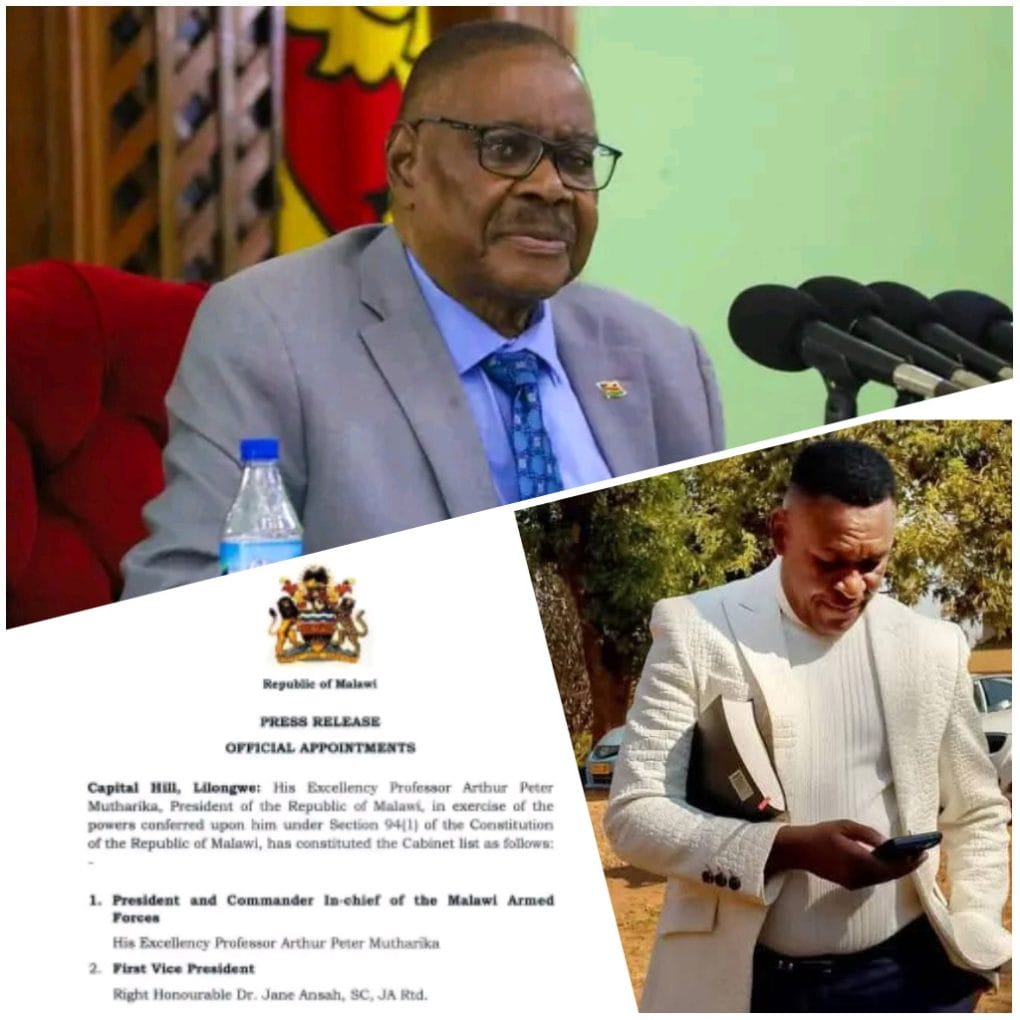
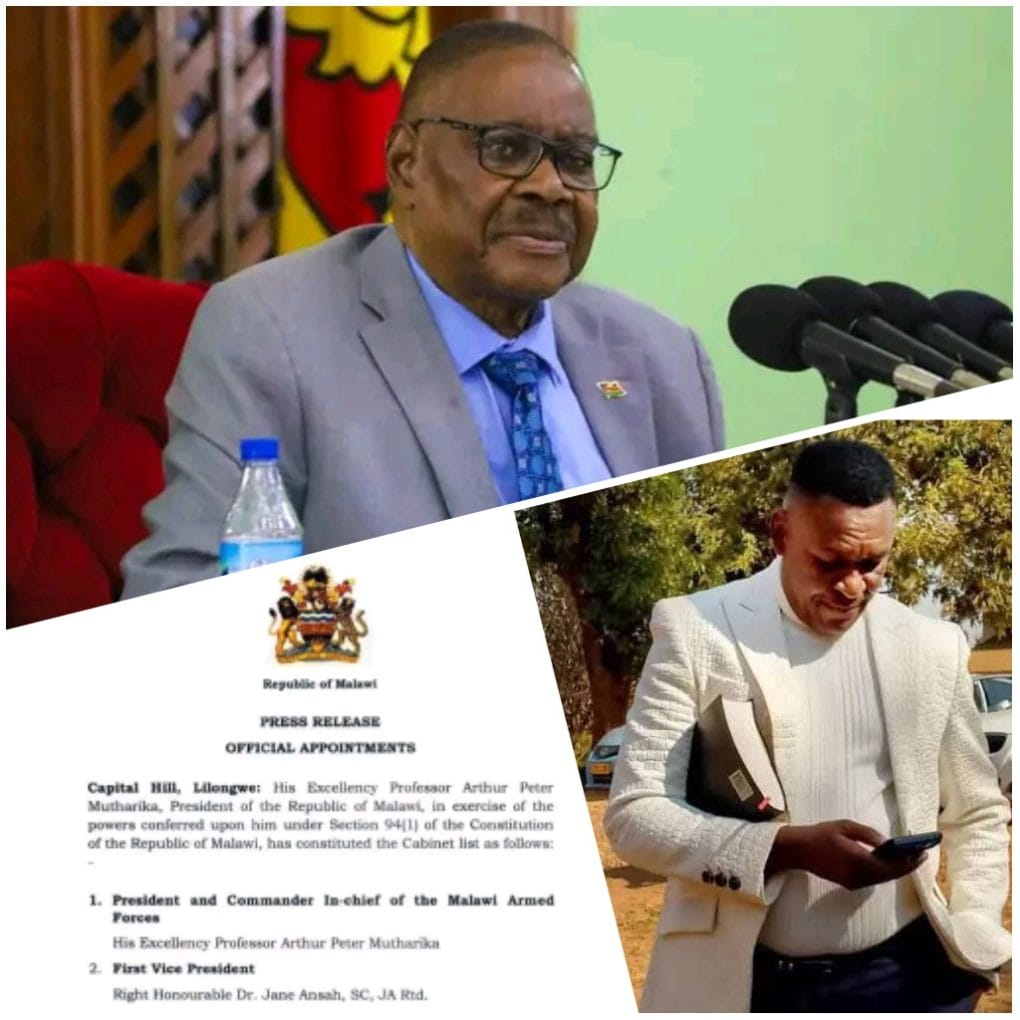
HRCC lauds Mutharika for keeping promise on Chihana’s 2nd Veep Post

LILONGWE-(MaraviPost)-The country’s civil rights group under the banner Human Rights Consultative Committee (HRCC) has commended President Arthur Peter Mutharika (APM) for keeping promise by appointing Enock Kamzingeni Chihana as Malawi’s Second Vice president saying the act is in line with the law.

In an interview with The Maravi on Monday, HRCC Board Chairperson Robert Mkwezalamba criticized some of the society including IMF and world bank for contributing towards Chihana’s swearing-in delays while raising concerns given the economic situation of the country.

But Mkwezalamba stated that “As a sovereign state, we are within our mandate to practice what our law allows us to do otherwise these bodies should have first supported the removal of the provision in our constitution so that it should not be utilized”.

“While people may be right to raise the financial implication of the decision, we need to realise that it is provided for in the constitution and that it’s being implemented for the common good”.

He added, “Having been promised a lean cabinet it means the Office of the President has to work diligently hence two vice Presidents and a Minister of State compliments that strength.

“On the other hand the north came out in large numbers to register and they did vote, without promoting regionalism, it may be obvious majority voted DPP because it had not hidden the fact that it had partnered with AFORD, the region has been longing for recognition and one wouldn’t blame them of they found favour in this partnership, as such we have a responsibility and duty to honour their choices and decisions.?”

Mkwezalamba says further, “This why as HRCC, in the spirit of promoting peace, unity and equal representation in matters of state, salutes APM for keeping the campaign promise of getting Aford in government.

“It is one thing to make commitments or promises and another to keep them, hence we need to commend APM for this”.

Mkwezalamba assures, “Our role and duty as CSOs and citizens as well as the international organisations is to monitor the roles and responsibilities that will be assigned to the 2nd Vice President and see if they are working for Malawians.

“If no progress is made, we will get back to APM to scrap the position as he is the only one mandated to appoint or un-appoint anyone to that position”.

He therefore called on Chihana to help APM work and deliver for the people, “While he is the direct beneficiary of the position, it is important to recognize that his appointment is on behalf of his people and in respect of sound democracy governance.

“We applaud Chihana for taking a gamble in withdrawing his candidature as president which indirectly saved resources for MEC and the country given the multitude presidential candidates we had”.

Mkwezalamba observes, “Chihana tdeserves appreciation for being responsible and more importantly leading afford to all elections with great vigor and energy since the denise of his father.

“Chihana has promoted the democratic space and it’s time for him to now deliver as 22nd vice President”.

He however cautioned APM to strongly monitor Chihana and youthful Minister of State Alfred Gangata, “To ensure sanity and that they are not overshadowing the 1st Vice President, because they are all in the same office of President”

“I’ve interacted with Chihana and Gangata as they are proven to be fit for these post to deliver.They need to be checked to ensure that there is sanity in the office of the President.

He added, “This ensuring that the First Vice President Jane Ansah does her job with minimal influence or interference from Chihana and Gangata.

“Their job descriptions should be laid down clearly! Otherwise we remain ready and committed to support and work with them to deliver for the people of Malawi”.

Mutharika is yet to appoint other cabinet ministers including Education, Health, Local Government, Youth and Sports, Natural Resources and Climate, Gender, Homeland Security, Lands, Mines and Energy.


Discover more from The Maravi Post

Subscribe to get the latest posts sent to your email.
The Maravi Post