

Gender Minister Mary Thom Navicha: The angel of compassion championing social welfare, inclusion in Malawi

BLANTYRE-(MaraviPost)-In a remarkable display of humility and dedication, Minister of Gender, Children, Disability and Social Welfare, Mary Thom Navicha, recently visited beneficiaries of the Social Cash Transfer Programme (SCTP) in Semu Village, Traditional Authority Khwethemule, Thyolo District.

Her visit was more than a routine assessment; it was a heartfelt engagement that showcased her unwavering commitment to the welfare of Malawi’s most vulnerable populations.

Minister Navicha’s approach during the visit was strikingly genuine.

She did not maintain the usual distance expected of officials; instead, she sat closely with the beneficiaries on the mat, sharing moments of joy and happiness.

This simple act of humility resonated deeply with the community, reflecting an angel of empathy whose mission goes beyond policy to human connection.

Her warmth and approachable demeanor broke barriers, allowing her to listen attentively to the needs and stories of the people she serves.

The SCTP, a lifeline for many Malawians, has been instrumental in empowering households to meet basic needs such as education and food security.

The Minister underscored the importance of this program, highlighting how it enables families to send their children to school and invest in livestock, thereby fostering long-term self-sufficiency.

Her advocacy for increasing the transfer amounts in response to the country’s economic realities demonstrates a proactive and responsive leadership style.

Minister Navicha is not content with the status quo; she is actively engaging with other Ministries and Development Partners to enhance the impact of social welfare interventions.

One of the beneficiaries, Esnart Chikaonda, a single mother of seven, eloquently testified to the transformative power of the SCTP funds. With the support she receives, Esnart can provide food for her family, an assurance that would have been difficult to achieve otherwise.

This personal story underscores the broader narrative of hope and resilience that the Minister’s work inspires throughout Malawi.

Minister Navicha’s vision aligns closely with that of President Professor Arthur Peter Mutharika, whose principle that no one should be left behind is a guiding beacon for the government.

The Minister has taken this vision to heart by emphasizing the need to prioritize the enrolment of Persons with Disabilities into the SCTP.

Her insistence on inclusivity is not mere rhetoric; it reflects a deeply held belief in equity and justice.

Under her stewardship, the Ministry is pushing the boundaries to ensure that marginalized groups receive the attention and resources they deserve.

The scale of the SCTP’s reach is impressive—benefiting 17,000 households in Thyolo District alone and extending to 340,000 households nationwide, impacting 1.5 million individuals.

The fact that 70 percent of these households are headed by women and 40 percent by the elderly adds layers of complexity and urgency to the program’s implementation.

Minister Navicha’s hands-on leadership style is pivotal in addressing these unique challenges with compassion and strategic insight.

Her work extends beyond Thyolo. Minister Navicha’s tireless efforts have taken her to Lilongwe and various other parts of the country, where she continues to serve with an unmatched work ethic.

Despite the demanding nature of her portfolio, she has not rested; her dedication echoes the relentless spirit of a true public servant.

She embodies the angel of hope and resilience for many Malawians, tirelessly working to improve the lives of those often overlooked by society.

Mary Thom Navicha’s leadership is a beacon of inspiration. She exemplifies how humility, hard work, and empathy can transform governance and social service delivery.

Her presence among the people, sharing their space and listening to their stories, speaks volumes about her character and commitment.

In a world where political figures are often distanced from the realities of their constituents, Navicha stands out as a genuine advocate for change who is not afraid to get close to the people she serves.

Her efforts are a crucial part of Malawi’s broader social development agenda, reinforcing the Government’s commitment to inclusive growth and social protection.

By championing the SCTP and advocating for increased support and better targeting, Minister Navicha ensures that the program remains responsive and impactful.

Minister Mary Thom Navicha is more than just a government official; she is a symbol of hope, a tireless advocate for the vulnerable, and an angel of social welfare whose humility and dedication shine brightly across Malawi.

Her work embodies the spirit of service envisioned by President Professor Arthur Peter Mutharika, ensuring that no one is left behind in the journey toward a better and more inclusive Malawi.

Through her unwavering commitment, she continues to inspire and uplift countless lives, proving that true leadership is measured not by titles but by the positive change one brings to the lives of others.


Discover more from The Maravi Post

Subscribe to get the latest posts sent to your email.

The Maravi Post

MCP’s desperate gambit: false reports on albinism abduction expose party’s plot to tarnish DPP

Albino Killings
Homeless albino family In Malawi after being hunted

BLANTYRE-(MaraviPost)-The recent flurry of social media reports claiming a seven-year-old child with albinism was abducted in Mulanje has been exposed as a baseless fabrication, courtesy of Mulanje Police’s unequivocal denial.

The police, through their public relations officer Innocent Moses, have confirmed no such case was reported or recorded, and no arrests were made in connection to a missing child – contrary to earlier claims.

This episode is more than just a case of misinformation; it’s a glaring example of MCP sympathizers wading into the murky waters of propaganda to discredit the DPP-led government. Investigations reveal a calculated effort to sow panic and undermine the government’s credibility.

But DPP isn’t biting. Government spokesperson Shadrick Namalomba’s response is a masterclass in composure: “The DPP won’t be stopped or shaken by the propaganda… it’s busy implementing its agenda and serving Malawians.” The message is clear – DPP’s focus remains on governance, undeterred by MCP’s dirty tricks.

This isn’t just about one false report; it’s about the broader narrative. MCP’s desperation is palpable, and their tactics are getting more brazen. But the people see through it.

The DPP’s achievements – free secondary education, affordable fertilizer, and cement prices – speak louder than MCP’s propaganda.

The real story here is MCP’s war on truth. They’re peddling panic, but the DPP’s commitment to serving Malawi remains unshaken. As Namalomba said, the government won’t be deterred.

The people deserve better than MCP’s deceit; they deserve the progress DPP is delivering.


Discover more from The Maravi Post

Subscribe to get the latest posts sent to your email.

The Maravi Post

‘Zambia Has Environmental Laws and Standards on Paper – the Problem Is Their Implementation’

Active Citizens, Africa, Civil Society, Crime & Justice, Energy, Environment, Featured, Food and Agriculture, Headlines, Health, TerraViva United Nations

Dec 29 2025 (IPS) –  
CIVICUS discusses environmental accountability in Zambia with Christian-Geraud Neema, Africa editor at the China Global South Project, an independent journalism initiative that covers and follows China’s activities in global south countries.


Zambia has environmental laws and standards on paper – the problem is their implementation’

Christian-Geraud Neema

A group of 176 Zambian farmers has filed a US$80 billion lawsuit against a Chinese state-owned mining company over a major toxic spill. In February, the collapse of a dam that was supposed to control mining waste released 50 million litres of toxic wastewater into the Kafue River system, killing fish, destroying crops and contaminating water sources for thousands of people. The compensation demand highlights broader questions about mining governance, environmental oversight and corporate accountability.

What’s this lawsuit about, and why are farmers seeking US$80 billion?

The farmers are suing Sino-Metals Leach Zambia, a subsidiary of the Chinese state-owned China Nonferrous Metal Mining Group, because on 18 February, the company’s tailings dam collapsed, releasing an estimated 50 million litres of acidic, toxic wastewater and up to 1.5 million tonnes of waste material into the Kafue River. This led to water pollution affecting communities in Chambishi and Kitwe, far beyond the immediate mining area.

The lawsuit reflects real harm and frustration. From the farmers’ perspective, the company is clearly responsible. Their livelihoods have been destroyed, their land contaminated and their future made uncertain. In that context, seeking accountability through the courts is a rational response.

That said, the US$80 billion figure is likely exaggerated. It shows the absence of credible damage assessments rather than a precise calculation. When no one provides clear data on losses, communities respond by anchoring their claims in worst-case scenarios.

This case also highlights a broader accountability gap. Mining companies should be held responsible, but governments must also be questioned. These projects are approved, inspected and regulated by state authorities. If a dam was unsafe, why was it authorised? Why was oversight insufficient?

It should be noted that Zambia’s legal framework allows communities to bring such cases domestically, which is a significant step forward compared to earlier cases where affected communities had to sue foreign companies in courts abroad.

What caused the toxic spill?

There is no single, uncontested explanation. There were clear structural weaknesses in the tailings dam. Reports from civil society and media suggest the dam was not built to the required standards under Zambian regulations. But the company argues the dam complied with existing standards and that it was encroachment by surrounding communities that weakened the structure over time.

These two narratives are not mutually exclusive. Even if community interactions with the site occurred, the primary responsibility still lies with the company. Mining operations take place in complex social environments, and companies are expected to anticipate these realities and design infrastructure that is robust enough to withstand them. Ultimately, this incident reflects governance and regulatory failures. It was not an isolated accident.

What were the consequences of the spill?

The impacts have been severe and multidimensional. The spill polluted large sections of the Kafue River, reportedly extending over 100 kilometres. It killed large numbers of fish, contaminated riverbeds and disrupted ecosystems. Agriculturally, farmers using river water for irrigation saw their crops destroyed or rendered unsafe. Livestock and soil quality were also affected. Acidic and toxic substances entered water sources used daily for cooking, drinking and washing, and communities were exposed to serious health risks.

What makes the situation particularly troubling is the lack of reliable and independent data. There has been no transparent and comprehensive assessment released by the government, the company or an independent body. This absence has left communities uncertain about long-term environmental damage and health effects, and fuelled emotionally charged debates instead of evidence-based responses.

Was the disaster preventable?

Absolutely. At a technical level, stronger infrastructure, better-quality materials and stricter adherence to safety standards could have significantly reduced the risk. At an operational level, companies know mining sites are rarely isolated, and community proximity, informal access and social dynamics must be factored in when designing and securing tailings dams.

But prevention also depends heavily on governance. Mining companies are profit-driven entities, and in weak governance environments, the temptation to cut costs is high. This is not unique to Chinese firms. The main difference in how companies operate is not their origin but their context: the same companies often operate very differently in countries with weak or strong regulatory oversight. Where rules are enforced, behaviour improves; where oversight is weak, shortcuts become the norm.

The key issue here is enforcement. Zambia has good environmental laws and standards on paper. The problem is their implementation.

Could this case set a precedent?

This case has the potential to strengthen existing accountability mechanisms rather than create a new precedent. Zambia has seen similar cases before, including lawsuits involving western mining companies. What is different now is the increased legal space for communities to act locally.

If successful, the case could reinforce civil society advocacy for responsible mining, greater transparency and stronger enforcement of environmental regulations. It could also raise awareness among communities living near mining sites about their rights and the risks they face.

GET IN TOUCH
Website
Facebook
TikTok
Twitter
YouTube
Christian-Geraud Neema/LinkedIn

SEE ALSO
South Africa: ‘Environmental rights are enforceable and communities have the right to be consulted and taken seriously’ CIVICUS Lens | Interview with The Green Connection 12.Dec.2025
DRC: ‘International demand for coltan is linked to violence in the DRC’ CIVICUS Lens | Interview with Claude Iguma 09.Jul.2025
Ghana: ‘We demand an immediate ban on illegal mining and strict enforcement of environmental laws’ CIVICUS Lens | Interview with Jeremiah Sam 29.Oct.2024

  Source

How Malawians are losing trust in Mutharika’s DPP-led government

In Malawi, the Democratic Progressive Party (DPP) returned to power following the general election on September 16, 2025.

While the party’s term is in its early months, critics and observers have identified several ” false ” or highly unrealistic promises based on its 2025-2030 Manifesto and its previous governing record (2014–2020).

  1. Unrealistic Financial Pledges

The DPP’s 2025 manifesto includes several high-cost promises that economists have labeled as ” fantasies ” due to Malawi’s current debt crisis:

K5 Billion Constituency Grant :

The DPP promised to allocate K5 billion annually to each of Malawi’s 229 constituencies.

Financial experts noted this would total over K1 trillion a year, roughly a good chunk of the national budget, making it economically unfeasible.

Housing for Every Civil Servant:

A campaign pledge to provide a house to every civil servant has been described by analysts as ” laughable ” and ” out of touch ” given the massive size of the civil service.

  1. Contradicted Governance Reforms

Despite campaigning on a platform of “Restoration” and the rule of law, early actions by the new administration have contradicted these promises:

Institutional Independence:

After promising to respect state institutions, the DPP administration launched a sweeping overhaul of State-Owned Enterprises (SOEs) within weeks of taking power.

This included the controversial suspension of the heads of the Malawi Broadcasting Corporation (MBC) and MACRA, which critics viewed as a move toward political intimidation rather than reform.

Politicization of Security:

The administration attempted to “civilianize” senior military and police leadership by redeploying ten generals and commissioners to civilian roles.

This move was halted by a court injunction, with experts warning it threatened to politicize the security sector.

3. Historical Failures
(Broken Promises from 2014-2020)

Opposition and civil society groups frequently cite unfulfilled promises from the DPP’s previous tenure as evidence of a pattern of “false promises”:

Infrastructure Projects:

Major projects such as the Nsanje Inland Port, the Mombera University, and a marine university in Mangochi remained unfulfilled or stalled despite repeated campaign pledges.

Anti-Corruption :

While the DPP repeatedly promised to end corruption, its previous administration was marred by scandals where party leaders reportedly amassed unexplained wealth while in office.

Job Creation:

The promise of large-scale job creation for youth was largely unmet, with unemployment rising significantly during the party’s previous years in power.

  1. Immediate Economic Realities

While the DPP promised ” proven leadership ” that would immediately stabilize the economy, the first few months of 2025 have seen a continuation of high inflation and fiscal stress.

Critics argue that the party’s focus on “retaliation” and purging officials has taken priority over the economic recovery it promised during the campaign.

Disclaimer: The views expressed in the article are those of the author not necessarily of The Maravi Post or Editor


Discover more from The Maravi Post

Subscribe to get the latest posts sent to your email.

The Maravi Post

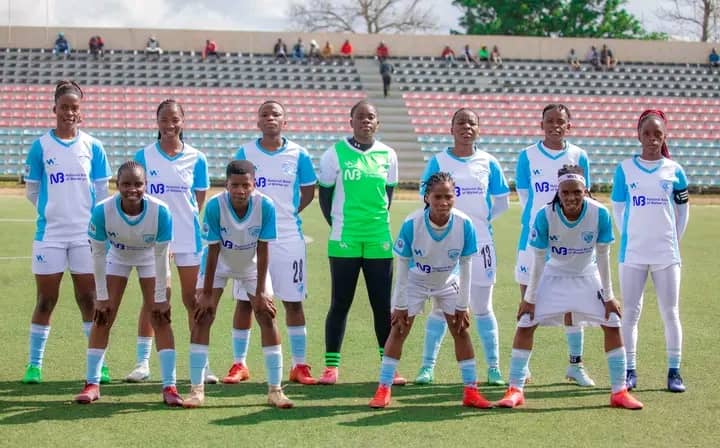
Silver Strikers Ladies clinch title with games to spare

LILONGWE-(MaraviPost)-Silver Strikers Ladies have officially been crowned champions of the National Bank of Malawi Women’s Premiership after a dominant 4-0 victory over Kukoma Ntopwa Women, sealing the title three games before winding up the season.

The triumph confirmed Silver Strikers Ladies’ dominance throughout the campaign, as they opened an unassailable gap at the top of the standings with matches still remaining on the fixture list.

The game started at a high tempo, and Silver Strikers were handed an early breakthrough in the fifth minute when Kukoma Ntopwa goalkeeper Mercy Sikelo accidentally turned the ball into her own net.

That early goal boosted Silver Strikers’ confidence and they quickly took control of proceedings, pressing relentlessly and pinning Kukoma Ntopwa deep in their own half.

Yamikani Mhango extended the lead in the 11th minute with a composed finish, rewarding Silver Strikers’ aggressive attacking approach.

Just two minutes later, Ennie Botha struck again, making it 3-0 and effectively deciding the contest before the first quarter-hour had elapsed.

Kukoma Ntopwa struggled to recover from the early onslaught, as Silver Strikers continued to dominate possession and dictate the pace of the match.

Grace Kakangula added the fourth and final goal late in the game, sealing a comprehensive victory that reflected the champions’ quality and depth.

The win pushed Silver Strikers Ladies to 42 points, a tally that leaves them well clear of their closest rivals with three matches still to be played before the league winds up.

In another fixture, Ascent Soccer Academy strengthened their grip on second place after a convincing 3-0 win over already relegated MK Academy Women.

Ascent now sit on 32 points, ten behind Silver Strikers Ladies, but comfortably placed as the season approaches its conclusion.

Speaking after the match, Silver Strikers Ladies head coach Andrew Chikhosi attributed the success to sound tactics, early goals, and the availability of a strong and balanced squad.

At the bottom end of the table, MK Academy Women, Moyale Sisters, and Topik Academy have already been relegated with three games remaining before the season winds up.


Discover more from The Maravi Post

Subscribe to get the latest posts sent to your email.

The Maravi Post

One Person Killed, Another Injured in New Jersey Helicopter Crash

One person is dead and another injured after two helicopters crashed into one another above New Jersey on Sunday. Police Chief Kevin Friel of Hammonton, NJ told media on Sunday … officers responded to reports of a crash around 11:30 AM ET ……


Discover more from The Maravi Post

Subscribe to get the latest posts sent to your email.

The Maravi Post