A Climate Scientist’s View of COP 28

Civil Society, Climate Action, Climate Change, Conferences, COP28, Energy, Environment, Global, Headlines, Indigenous Rights, TerraViva United Nations

Opinion

Research team in the Arctic. Professor Tjernström is standing on the left.

STOCKHOLM, Sweden, Dec 4 2023 (IPS) – This year’s UN Climate Change Conference is taking place in Dubai from 30 November to 12 December. The so-called COP summits are organised every year and constitute a means for the global community to agree on ways to address the climate crisis, such as limiting global temperature rise to 1.5 degrees Celsius, supporting vulnerable communities to adapt to the effects of climate change, and achieving net-zero emissions by 2050.


More than 70,000 delegates are attending the COP28 in Dubai. Main delegates are the 47 representatives of the member states (called Parties), which constitute the UN Framework Convention on Climate Change (UNFCCC). Business leaders, young people, climate scientists, Indigenous Peoples, journalists, and various other experts and stakeholders are also among the participants. Officially, COP 28 stands for the 28th meeting of the Conference of the Parties to the UNFCCC.

UNFCCC was established in 1992 to combat “dangerous human interference with the climate system”, in part by limiting the greenhouse gas emissions that compromise Earth’s entire ecosystem, a prerequisite for human existence. Among other items on its agenda COP 28 will address progress made in accordance with the Paris Agreement of 2015, when 195 Parties of the UNFCCC agreed to keep the rise of global temperature to well below 2 °C (3.6 °F), compared to pre-industrial levels, and preferably limit the increase to 1.5 °C (2.7 °F).

To gain a scientific perspective of the meaning and influence of COP28, IPS asked Professor Tjernström about his views on climate change and what he assumes might be done to amend it. Michael Tjernström is since 2001 professor of Meteorology at Stockholm University. He has spent several periods at institutions such as CIRES, The Cooperative Institute for Research in Environmental Sciences (CIRES) and The Earth System Research Laboratory (ESRL) and National Center for Atmospheric Research (NCAR), all in Boulder, Colorado, USA. Professor Tjernström’s main research interests concern climate change in the Arctic. He has participated in several scientific expeditions to Arctic areas and is since 2011 a member of the International Arctic Science Committee.
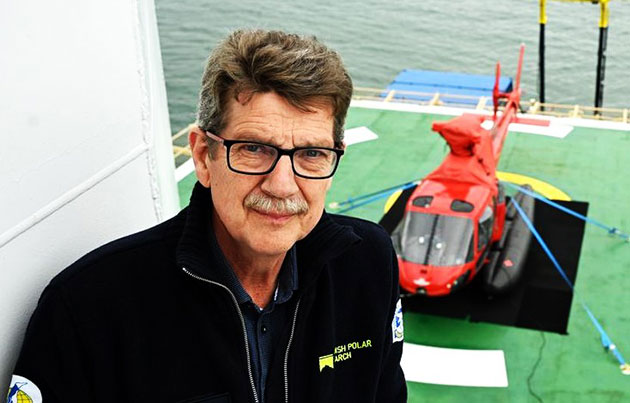
Michael Tjernström

IPS: Professor Tjernström, can the outcomes of COP28 drastically affect current climate changes?

Michael Tjernström: The COPs are a necessary and essential factor when it comes to addressing climate change. A COP summit might be likened to a regular check-up visit to the dentist. It can be painful, but is necessary for good dental hygiene. The dentist might find that your teeth are in a very bad state and to save them, urgent measures have to be taken – caries has to be amended, maybe a bad tooth has to be extracted, dental bridges inserted, etc . The point is that the dentist is an expert and you have to trust him. However, the decision to save your teeth is all yours. In a similar fashion the COPs intend to amend already present damages to the climate, determine their causes and try to prevent a negative development. But it is up to the members to act.

IPS: How do you perceive the UN’s role in this endeavour?

Michael Tjernström: There is absolutely no other global organization other than the UN which would be able to organize and be in charge of such a process. No other national, international, political or private, organisation would be able to establish a global consensus and general awareness, as well as maintaining the perseverance, stamina, objectivity and legal strength to do so. An endurance against all odds, but nevertheless made possible through the UN’s established rules, combined with its global and local outreach. Of course, there are cracks and concerns, but the administrative structure and operations of the UN are firmly based on the commitment of its member states.

People, who in general are prone to criticize the UN system are often only perceiving the actions of the Security Council and how its commitment is crippled by the veto power of its five permanent members. However, this does not apply to the UNFCCC and its scientific support organisation, ICCP. As a scientist and propagator for awareness about climate change, I perceive the lack of understanding the great importance of the UN as a marketing problem. People are not aware of what this global organisation stands for, and even less so – its support of the global scientific community.

IPS: Will you attend the COP summit in Dubai?

Michael Tjernström: No, most scientists have through their research already made their fair contribution to efforts to combat climate change. The current state of research, results and warnings are comprehensively explained and diffused through the ICCP reports and scientists have thus no need to attend the COPs. Whether or not politicians listen to science or not is not determined by my presence at a COP.

COP summits are more politically than scientifically motivated. However, they are based on the factual basis provided by ICCP reports. The COPs mainly attract other stakeholders than scientists, such as government representatives, spokespersons for environmentalist pressure groups and lobbyists representing the interests of fossil fuel-based industries, as well as oil and coal producing companies. Many such lobbyists try to find a place among decision makers, while environmentalists might be looking for political scapegoats.

People and organisations are trying to highlight their own, often specific interests, some of them being based on doubtful assumptions and moral priorities. Environmentalists have often demanded that certain interest groups be excluded from COP summits, like those lobbying for the use of fossil fuels, interests of oil producers, as well as industrialists who, for the sake of their own profit, try to minimize the threat from global warming.

Nevertheless, it is important that influential stakeholders are present . The global outreach demands this. Everyone has to be allowed to have their voice and concerns heard, as well as being provided with an opportunity to be informed about scientific achievements, new environmentally friendly technologies, and the threats of global warming.

Industrialization based on non-polluting and zero emissions of greenhouse gases, as well as new eco-friendly technology, are essential for change and improvement. Environmentalism’s contributions are also important. Like most revolutionary movements radical environmentalists highlight political and capitalist motivational reasons and misconduct, while they demand change and sacrifice. Historically did socialists and suffragettes contribute to emancipation and justice. However, some revolutionaries have turned into fanatics, and some have concentrated on relatively minor but easily targeted issues while ignoring an overall picture. For example, opponents to air travel are maybe not fully aware of the fact that it actually contributes to only three percent of global greenhouse emissions, while private cars and other fossil-fuel based transportation means account for much more of carbon dioxide emissions . It might be stated that it would be more beneficial for the environment to limit the use of your car, than avoid travelling by air. Veganism may be considered as beneficial when it comes to emission of greenhouse gases, though methane emissions from ruminating animals constitutes less than five percent of greenhouse gas emissions. If we could stop throwing away a third of all the food we produce, this would be much more efficient and would also have other benefits. However, every effort to limit greenhouse emissions is worthy of attention, though decisive and comprehensive political actions are particularly crucial for achieving zero greenhouse gas emissions as quickly as possible. It is not enough to limit them; they must be eliminated.

IPS: But can COPs really have the impact you could wish for?

Michael Tjernström: In several respects, development is moving in the wrong direction, especially when it comes to acquiring knowledge. Many confide in badly informed, or even deceitful, social media and populist politicians. In certain circles a negative attitude to research and science is thriving. Science might by such groups be perceived as an essentially separate activity, practiced by an intellectual elite devoting itself to mutual admiration.

The COPs make participants aware of the fatal threat of global warming. But more than that, it also makes the general public aware and therefore participants can be held accountable for their actions, or lack thereof, and are through legally binding agreements forced to take social and economic measures to amend the ongoing destruction of natural resources, and the atmosphere.

IPS: What exactly is ICCP and what is its connection with the COPs

Michael Tjernström: Generally speaking, people are not knowledgeable, most don’t know what ICCP is. The task of ICCP, i.e. The Intergovernmental Panel on Climate Change, is to advance scientific knowledge about climate change caused by human activities and it does so by examining all relevant scientific literature on the subject. This comprehensive review and dissemination of scientific insights and research results include natural, economic and social impacts and risks. ICCP also covers possible responsive options. IPCC does not conduct its own original research, its mandate is to survey the research situation, while aiming at being objective and comprehensive, and only openly published results that have already been reviewed by experts can be used. Thousands of scientists and other experts then volunteer to review the findings and publications of ICCP, before its key findings are compiled into a Synthesis Report intended for policymakers and the general public. Experts have described the work of ICCP as the biggest peer review of the global scientific community. COP28 will discuss the 6th ICCP Synthesis Report, issued in March 2023.

Most climate-related risks assessed in the Fifth Synthesis Report, issued in 2014, are in the Sixth Report deemed to be higher than earlier predicted and projected long-term impacts are worse than they were assumed to be in 2014. The Sixth Synthesis Report highlights that climatic and non-climatic risks will increasingly interact, creating compound and cascading risks, which will be extremely difficult to manage. The confidence of the conclusions has also been gradually increasing across the reports.

The development of climatological research is quite fast, the lag in actual efforts to halt global warming is mainly to be found in decisive decision-making. The original ICCP reports contain tens of thousands of pages that few decision-makers can assimilate. The summary for policy makers is reviewed and edited by several stakeholders. Efforts may thus be made to mitigate alarming findings and adapt them to political concerns. However, changes and adaptions are carefully wetted in order to secure that none of them contradict actual and fact-based research results, predictions and warnings.

IPS: Do you perceive yourself as a pessimist, or as an optimist?

Michael Tjernström: I am both hopeful and worried. As a researcher I cannot allow myself to fall victim to paralyzing dystopias. As a scientist I contribute to the measurement of climatological processes, while taking the pulse of the current situation, but also looking for trends and measures to mitigate, and perhaps even hinder, a worrisome development. Accordingly, a scientist has to be a kind of optimist even in the face of despair. Furthermore, I consider that my role as a researcher has to involve the popularization and dissemination of research results. A role I appreciate and feel comfortable with.

It is reasonable that we in the West, who so far have contributed by far the most to the ongoing climatological damage, also take our responsibility when it comes to mitigation and adaptation. We have the technological, historical and scientific prerequisites to make amends for all the damage we have caused and should therefore also go into the breach for the realisation of necessary improvements, while contributing to the economic means to do so.

But the picture is complicated. China is making great progress in climate research, but is at the same time contributing to the world’s largest emissions of greenhouse gases in total, and is number two in the world in per capita emissions, yet is still claiming they should still be treated as a developing country and indeed has a large poor population in the face of a rapidly growing middle class. Africa is lagging behind in its industrial development and consequently have limited emissions, but must nevertheless already now end its dependence on fossil fuels.

We in the West live well and safely and could without any major problems dismiss a lot of the gratuitous comfort we currently are enjoying. The drama is undeniable, even when the Paris Agreement was signed it was by some researchers pointed out that the 1.5 target was unattainable in reality. There is much talk about tipping points, when much of the existing ecological balance suddenly collapses, and that this might happen at a two degree rise in global temperature. But contributing factors are manifold and I don’t believe it will be happening in the near future. There is no really compelling evidence for most of these suggested tipping points. The most important thing is to immediately stop the burning of fossil fuels. In spite of all, I assume that much can and will be done to stop the worrisome development.

IPS interchange with Professor Tjernström was quite extensive and informative. In a following article we will return to Professor Tjernström describing his own research and thoughts about current, and future climatological changes.

IPS UN Bureau


Latin America Is Lagging in Its Homework to Meet the SDGs

Civil Society, Conferences, Development & Aid, Editors’ Choice, Featured, Global, Global Governance, Headlines, IPS UN: Inside the Glasshouse, Latin America & the Caribbean, Regional Categories, Sustainable Development Goals

Sustainable Development Goals

A view of the Altos de Florida neighborhood in Bogotá, Colombia. Overcoming poverty is the first of the Sustainable Development Goals, and in the Latin American and Caribbean region there is not only slow progress but even setbacks in the path to reduce it. CREDIT: Freya Mortales / UNDP

A view of the Altos de Florida neighborhood in Bogotá, Colombia. Overcoming poverty is the first of the Sustainable Development Goals, and in the Latin American and Caribbean region there is not only slow progress but even setbacks in the path to reduce it. CREDIT: Freya Mortales / UNDP

CARACAS, Sep 15 2023 (IPS) – The Latin American and Caribbean region is arriving at the Sustainable Development Goals Summit on the right track but far behind in terms of progress, at the halfway point to achieve the SDGs, which aim to overcome poverty and create a cleaner and healthier environment.


“We are exactly halfway through the period of the 2030 Agenda for Sustainable Development, but we are not half the way there, as only a quarter of the goals have been met or are expected to be met that year,” warned ECLAC Executive Secretary José Manuel Salazar-Xirinachs.

“We are exactly halfway through the period of the 2030 Agenda for Sustainable Development, but we are not half the way there, as only a quarter of the goals have been met or are expected to be met that year.” — José Manuel Salazar-Xirinachs

However, the head of the Economic Commission for Latin America and the Caribbean (ECLAC) stressed, in response to a questionnaire submitted to him by IPS, that “the percentage of targets on track to be met is higher than the global average,” partly due to the strengthening of the institutions that lead the governance of the SDGs.

The 17 SDGs include 169 targets, to be measured with 231 indicators, and in the region 75 percent are at risk of not being met, according to ECLAC, unless decisive actions are taken to forge ahead: 48 percent are moving in the right direction but too slowly to achieve the respective targets, and 27 percent are showing a tendency to backslide.

The summit was convened by UN Secretary-General António Guterres for Sept. 18-19 at the United Nations headquarters in New York, under the official name High-Level Political Forum on Sustainable Development.

The stated purpose is to “step on the gas” to reach the SDGs in all regions, in the context of a combination of crises, notably the COVID-19 pandemic, inflation, new wars, and the climate and food crises.

The SDGs address ending poverty, achieving zero hunger, health and well-being, quality education, gender equality, clean water and sanitation, affordable and clean energy, decent work and economic growth, industry, innovation and infrastructure, and reducing inequalities.

They also are aimed at sustainable cities and communities, responsible production and consumption, climate action, underwater life, life of terrestrial ecosystems, peace, justice and strong institutions, and partnerships to achieve the goals.

Drinking water is distributed from tanker trucks in the working-class Petare neighborhood in eastern Caracas. Access to safe drinking water and sanitation is another of the goals that are being addressed with a great variety of results within Latin American and Caribbean countries, and there is no certainty that this 2030 Agenda target will be reached in the region. CREDIT: Caracas city government

Drinking water is distributed from tanker trucks in the working-class Petare neighborhood in eastern Caracas. Access to safe drinking water and sanitation is another of the goals that are being addressed with a great variety of results within Latin American and Caribbean countries, and there is no certainty that this 2030 Agenda target will be reached in the region. CREDIT: Caracas city government

Progress is being made, but slowly

“In all the countries of the region progress is being made, but in many not at the necessary rate. The pace varies greatly and we are not where we would like to be,” Almudena Fernández, chief economist for the region at the United Nations Development Program (UNDP), told IPS from New York.

Thus, said the Peruvian economist, “there is progress, for example, on some health or energy and land care issues, but we are lagging in achieving more sustainable cities, and we are not on the way to achieving, regionally, any of the poverty indicators.”

Salazar-Xirinachs, who is from Costa Rica, said from Santiago that “the countries that have historically been at the forefront in public policies are the ones that have made the greatest progress, such as Uruguay in South America, Costa Rica in Central America or Jamaica in the Caribbean. They have implemented a greater diversity of strategies to achieve the SDGs.”

A group of experts led by U.S. economist Jeffrey Sachs prepared graphs for the UN on how countries in the various developing regions are on track to meet the goals or still face challenges – measured in three grades, from moderate to severe – and whether they are on the road to improvement, stagnation or regression.

According to this study, the best advances in poverty reduction have been seen in Brazil, El Salvador, Guyana, Paraguay, the Dominican Republic and Uruguay, while the greatest setbacks have been observed in Argentina, Belize, Ecuador and Venezuela.

In the fight for zero hunger, no one stands out; Brazil, after making progress, slid backwards in recent years, and the best results are shown by Caribbean countries.

In health and well-being, education and gender equality, there are positive trends, although stagnation has been seen, especially in the Caribbean and Central American countries.

In water and sanitation, energy, reduction of inequalities, economic growth, management of marine areas, terrestrial ecosystems, and justice and institutions, Sachs’ dashboard shows the persistence of numerous obstacles, addressed in very different ways in different countries.

Many countries in Central America and the Caribbean are on track to meet their climate action goals, and in general the region has made progress in forging alliances with other countries and organizations to pave the way to meeting the SDGs.

Young people in a Latin American country share a vegetable-rich meal outdoors. The notion of consuming products produced with environmentally sustainable techniques is gaining ground, and a private sector whose DNA is embedded in the search for positive environmental and social repercussions is flourishing. CREDIT: Pazos / Unicef

Young people in a Latin American country share a vegetable-rich meal outdoors. The notion of consuming products produced with environmentally sustainable techniques is gaining ground, and a private sector whose DNA is embedded in the search for positive environmental and social repercussions is flourishing. CREDIT: Pazos / Unicef

A question of funds

Even before the pandemic that broke out in 2020, Fernández said, the region was not moving fast enough towards the SDGs; its economic growth has been very low for a long time – and remains so, at no more than 1.9 percent this year – and growth with investment is needed in order to reduce poverty.

In this regard, Fernández highlighted the need to expand fiscal revenues, since tax collection is very low in the region (22 percent of gross domestic product, compared to 34 percent in the advanced economies of the Organization for Economic Cooperation and Development), “although progress will not be made through public spending alone,” she said.

Salazar-Xirinachs pointed out that “in addition to financial resources, it is very important to adapt actions to specific areas to achieve the 2030 Agenda. The measures implemented at the subnational level are of great importance. Specific problems in local areas cannot always be solved with one-size-fits-all policies.”

Fernández underlined that the 2030 Agenda “has always been conceived as a society-wide agenda, and the private sector plays an essential role, particularly the areas that are flourishing because it has a positive social and environmental impact on their DNA, and there are young consumers who use products made in a sustainable way.”

ECLAC’s Salazar-Xirinachs highlighted sensitized sectors as organized civil society and the private sector, for their participation in sustainable development forums, follow-up actions and public-private partnerships moving towards achievement of the SDGs.

Finally, with respect to expectations for the summit, the head of ECLAC aspires to a movement to accelerate the 2030 Agenda in at least four areas: decent employment for all, generating more sustainable cities, resilient infrastructure that offers more jobs, and improving governance and institutions involved in the process.

ECLAC identified necessary “transformative measures”: early energy transition; boosting the bioeconomy, particularly sustainable agriculture and bioindustrialization; digital transformation for greater connectivity among the population; and promoting exports of modern services.

It also focuses on the care society, in response to demographic trends, to achieve greater gender equality and boost the economy; sustainable tourism, which has great potential in the countries of the region; and integration to enable alliances to strengthen cooperation in the regional bloc.

In summary, ECLAC concludes, “it would be very important that during the Summit these types of measures are identified and translate into agreements in which the countries jointly propose a road map for implementing actions to strengthen them.”


Kazakhstan’s Transition: From a Nuclear Test Site to Leader in Disarmament

Armed Conflicts, Asia-Pacific, Conferences, Headlines, Health, Nuclear Energy – Nuclear Weapons, Peace, TerraViva United Nations

Opinion

A Group photo of participants of the regional conference on the humanitarian consequences of nuclear weapons and nuclear-free-zone in Central Asia held on August 29, 2023. Credit: Jibek Joly TV Channel

ASTANA, Kazakhstan, Sep 7 2023 (IPS) – Exactly 32 years ago, on September 29, 1991, Kazakhstan, then part of the Soviet Union, made a historic decision that would alter its fate. On that day, Kazakhstan permanently closed the Semipalatinsk Nuclear Test Site, defying the central government in Moscow. This marked the start of Kazakhstan’s transformation from a nuclear-armed state, possessing the fourth-largest nuclear arsenal at the time, to a non-nuclear-weapon state. Kazakhstan’s audacious move to eliminate its nuclear weapons was rooted in a profound commitment to global disarmament, setting an inspiring precedent.


Eighteen years later, in 2009, the United Nations General Assembly adopted a resolution, led by Kazakhstan, designating August 29 as the International Day Against Nuclear Tests. This day serves as a solemn reminder of the catastrophic consequences of nuclear weapons and underscores the urgent imperative for disarmament.

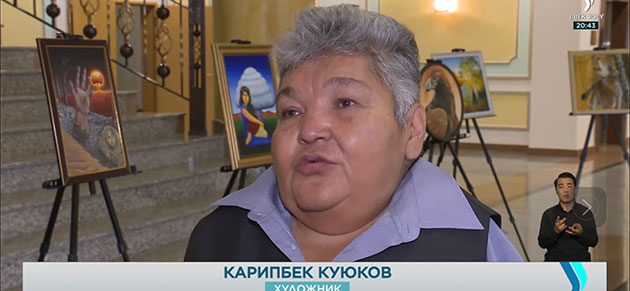
In a world where the threat of nuclear weapons being used again remains a grim reality, a pivotal question looms: Can we genuinely aspire to a world free of nuclear arms? To delve deeper into this pressing concern and comprehend the menace posed by nuclear weapons testing and deployment, we interviewed Karipbek Kuyukov and participants of the “Humanitarian Impact of Nuclear Weapons and the Central Asian Nuclear-Weapon-Free Zone” regional conference. This conference, organized by the Ministry of Foreign Affairs of Kazakhstan in partnership with the Center for International Security and Policy (CISP), Soka Gakkai International (SGI), the International Committee of the Red Cross (ICRC), and the International Campaign to Abolish Nuclear Weapons (ICAN), took place in Astana, Kazakhstan to commemorate this year’s International Day Against Nuclear Tests.

Karipbek Kuyukov is an armless painter from Kazakhstan, and global anti–nuclear weapon testing & nonproliferation activist. Credit: Jibek Joly TV Channel

One of the most poignant moments during the conference came from Dmitriy Vesselov, a third-generation survivor of nuclear testing. He provided a heartfelt testimony about the profound human toll exacted by nuclear testings on his family and the broader community. The nuclear tests conducted at the Semipalatinsk Nuclear Test Site over four decades unleashed explosions 2,500 times more potent than the atomic bombs dropped on Hiroshima and Nagasaki. The repercussions of these tests have echoed through generations, inflicting severe health problems and untold suffering.

Kuyukov, a renowned Kazakh artist born without hands due to radiation exposure in his mother’s womb, has devoted his life to raising awareness about the horrors of nuclear testing. His powerful artwork, created using his lips or toes, depicts the survivors of nuclear tests and serves as a poignant tribute to those who perished. Kuyukov’s unwavering commitment reflects the indomitable human spirit in the face of unimaginable adversity.

Dmitriy Vesselov’s testimony shed light on the ongoing challenges faced by survivors. He candidly shared his struggles with health issues, including acromioclavicular dysostosis, a condition severely limiting his physical capabilities. Vesselov expressed his deep concern about the potential transmission of these health problems to future generations. Consequently, he has chosen not to have children. The conference underscored the imperative of averting the repetition of history by delving into the past tragedies inflicted by nuclear weapons testings.

Hirotsugu Terasaki, Director General of Peace and Global Issues of SGI, commenting on the event said “I believe that this regional conference is a new milestone, a starting point for representatives from five countries of Central Asia to discuss how we can advance the process toward a nuclear-weapon-free world, given the ever-increasing threat of nuclear weapons.”

Terasaki observed that the international community is actively deliberating Articles 6 and 7 of the Treaty on the Prohibition of Nuclear Weapons (TPNW), mandating state parties to provide support to victims and address environmental remediation. He accentuated Kazakhstan’s pivotal role as a co-chair of the working group central to these discussions.

Kazakhstan does provide special medical insurance and benefits to victims of nuclear tests. However, these benefits are predominantly extended to individuals officially certified as disabled or a family member of those who succumbed to radiation-related illnesses. Numerous victims, like Vesselov, who do not fall within these categories, remain ineligible for assistance.

Despite his daunting challenges, Mr. Vesselov maintains an unwavering sense of hope. He hopes that his testimony will serve as a stark reminder of the perils of nuclear weapons and awaken global consciousness regarding the dangers posed by even small tactical nuclear weapons and the specter of limited nuclear conflicts. Ultimately, his deepest aspiration, shared by all victims of nuclear weapons, is that the world will never bear witness to such a devastating tragedy again.

As Kazakhstan assumes its role as President-designate of the third Meeting of States Parties to the TPNW, it reaffirms its steadfast commitment to global peace and disarmament. President Kassym-Jomart Tokayev’s resolute words resonate with the sentiment of a nation that has borne the scars of nuclear testing: “Such a tragedy should not happen again. Our country will unwaveringly uphold the principles of nuclear security.”

At the conference, member states of the Treaty of Semipalatinsk were encouraged to support Kazakhstan in this endeavor, and in its efforts to represent the Central Asian region’s contribution to nuclear disarmament, through attending the second Meeting of States Parties of the TPNW, at least as observers, which will take place at the United Nations Headquarters in New York between 27 November and 1 December this year, and by signing and ratifying the TPNW at the earliest opportunity.

In a world still grappling with the looming specter of nuclear devastation, Kazakhstan’s journey from a nuclear test site to a leading advocate for disarmament serves as a beacon of hope. Kazakhstan’s unwavering commitment to peace stands as a testament to the enduring legacy of a nation that once bore the weight of nuclear tests and now champions a safer, more secure world for all.

Katsuhiro Asagiri is President of INPS Japan and Kunsaya Kurmet-Rakhimova is a reporter of Jibek Joly(Silk Way) TV Channel.

IPS UN Bureau


Toothless Global Financial Architecture Fuelling Africa’s Climate Crisis

Africa, Biodiversity, Climate Action, Climate Change, Climate Change Finance, Climate Change Justice, Conferences, Editors’ Choice, Environment, Featured, Food and Agriculture, Headlines, Humanitarian Emergencies, Sustainable Development Goals, TerraViva United Nations

Climate Change Justice

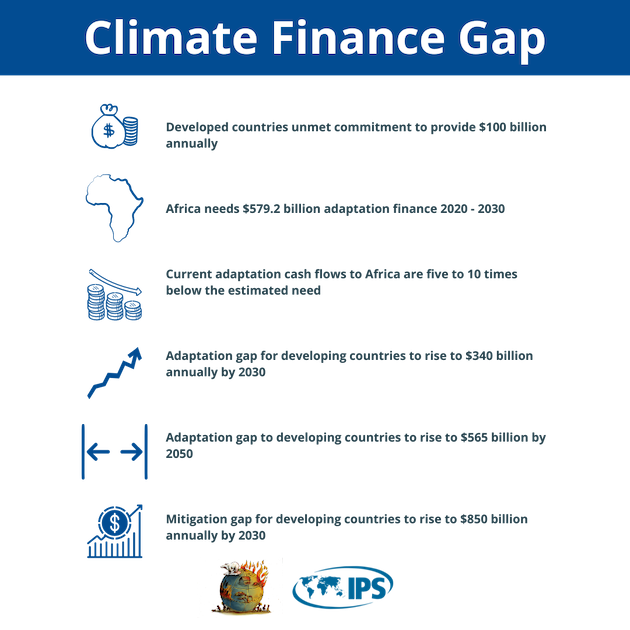
Africa needs approximately USD 579.2 billion in adaptation finance over the period 2020 to 2030, and yet the current adaptation flows are five to 10 times below estimated needs.
 

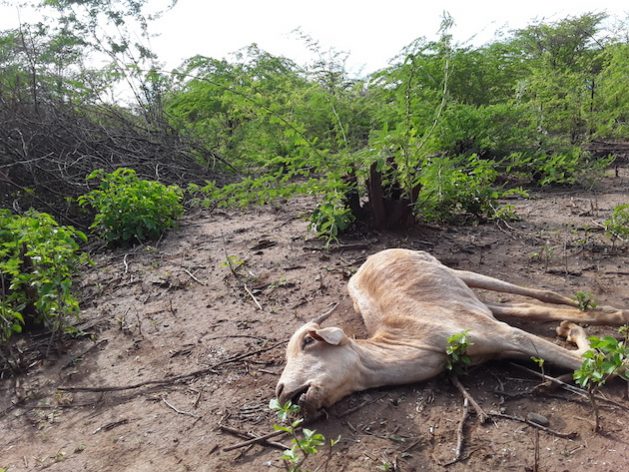
This goat died of starvation while surrounded by an inedible invasive plant. Lives hang in the balance as Kenya’s dryland is ravaged by a severe prolonged drought. Credit: Joyce Chimbi/IPS

This goat died of starvation while surrounded by an inedible invasive plant. Lives hang in the balance as Kenya’s dryland is ravaged by a severe prolonged drought. Credit: Joyce Chimbi/IPS

NAIROBI, Sep 5 2023 (IPS) – As thousands convene in Kenya’s capital, Nairobi, for the Africa Climate Summit, the first time the African Union has summoned its leaders to solely discuss climate change under the theme ‘Driving Green Growth and Climate Finance Solutions for Africa and the World’, the backdrop is a country on the frontlines of a climate crisis.


The severe, sharp effects of climate change are piercing the very heart of an economy propped up by rainfed agriculture and tourism – sectors highly susceptible to climate change. After five consecutive failed rainy seasons, more than 6.4 million people in Kenya, among them 602,000 refugees, need humanitarian assistance – representing a 35 per cent increase from 2022.

It is the highest number of people in need of aid in more than ten years, says Ann Rose Achieng, a Nairobi-based climate activist. She tells IPS that Kenya is hurtling full speed towards a national disaster in food security as “at least 677,900 children and 138,800 pregnant and breastfeeding women in Kenya’s arid and semi-arid regions alone are facing acute malnutrition. Nearly 70 per cent of our wildlife was lost in the last 30 years.”

Despite Kenya contributing less than 0.1 per cent of the global greenhouse gas emissions per year, the country’s pursuit of a low carbon and resilient green development pathway produced a most ambitious Nationally Determined Contribution (NDC) to cut greenhouse gasses by 32 per cent by 2030 in line with the Paris Agreement.

But as is the case across Africa, there are no funds to actualise these lofty ambitions. Africa needs approximately USD 579.2 billion in adaptation finance over the period 2020 to 2030, and yet the current adaptation flows to the continent are five to ten times below estimated needs. Globally, the estimated gap for adaptation in developing countries is expected to rise to USD 340 billion per year by 2030 and up to USD 565 billion by 2050, while the mitigation gap is at USD 850 billion per year by 2030.

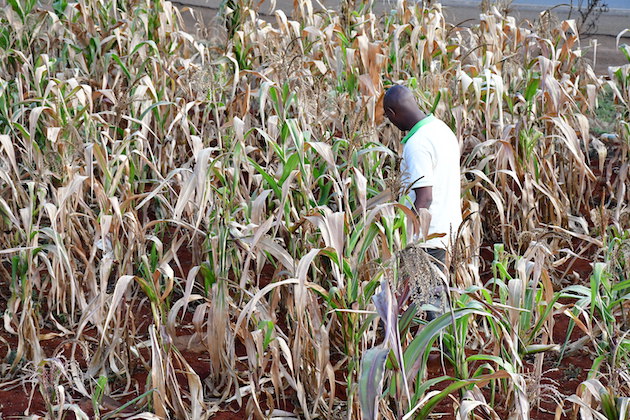
After five consecutive failed rainy seasons, food insecurity is expected to escalate as maize crop has failed to flourish due to erratic weather patterns. Credit: Joyce Chimbi/IPS

After five consecutive failed rainy seasons, food insecurity is expected to escalate as maize crop has failed to flourish due to erratic weather patterns. Credit: Joyce Chimbi/IPS

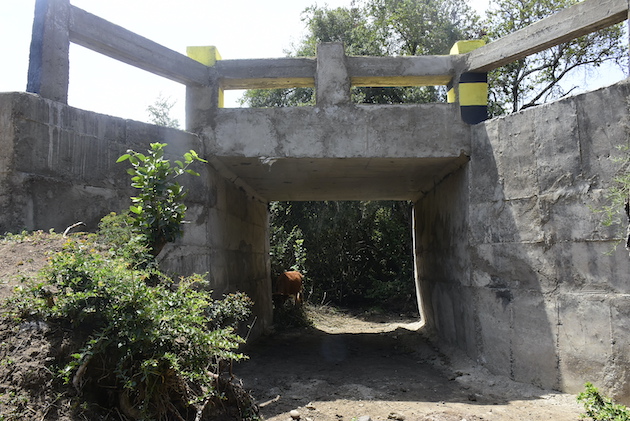
As dams and rivers dry up, Kenya will continue to be on the frontlines of a climate crisis unless climate change adaptation and mitigation efforts are escalated. Credit: Joyce Chimbi/IPS

As dams and rivers dry up, Kenya will continue to be on the frontlines of a climate crisis unless climate change adaptation and mitigation efforts are escalated. Credit: Joyce Chimbi/IPS

Frederick Kwame Kumah, Vice President of Global Leadership African Wildlife Foundation, tells IPS a big part of the problem is Africa’s burgeoning gross public debt which increased from 36 per cent of Gross Domestic Product (GDP) to 71.4 per cent of GDP between 2010 and 2020 – a drag on its development progress and a disincentive for climate finance flows.

“There is a concern that climate finance, if and when provided, will be used to first service Africa’s debt burden. The first step to addressing Africa’s Climate Finance must be action towards debt relief for Africa. Freeing up debt servicing arrangements will release resources for continued development and climate finance purposes,” Kumah explains.

He says there is an urgent need to challenge the existing unfair paradigm for financing by developing countries. It is very expensive for developing countries to borrow for development purposes. Africa must then leverage its natural capital towards seeking innovative financing mechanisms such as green bonds and carbon credits to address its development and climate change challenges.

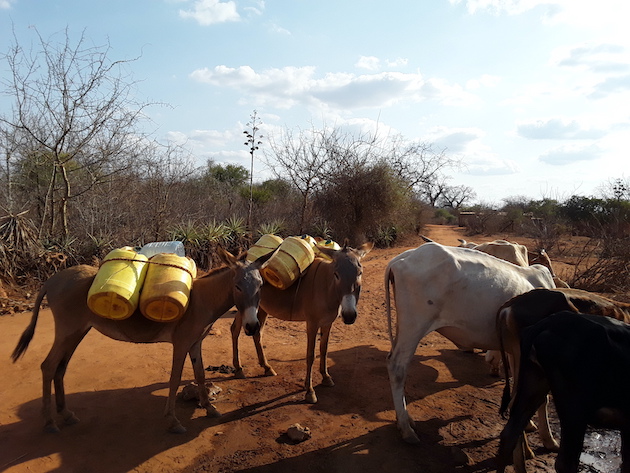
Nearly half, 23 out of 47 counties in Kenya, are classified as arid and semi-arid. Livelihoods are at risk as pastoralists are unable to cope with drastic weather changes. Credit: Joyce Chimbi/IPS

Nearly half, 23 out of 47 counties in Kenya, are classified as arid and semi-arid. Livelihoods are at risk as pastoralists are unable to cope with drastic weather changes. Credit: Joyce Chimbi/IPS

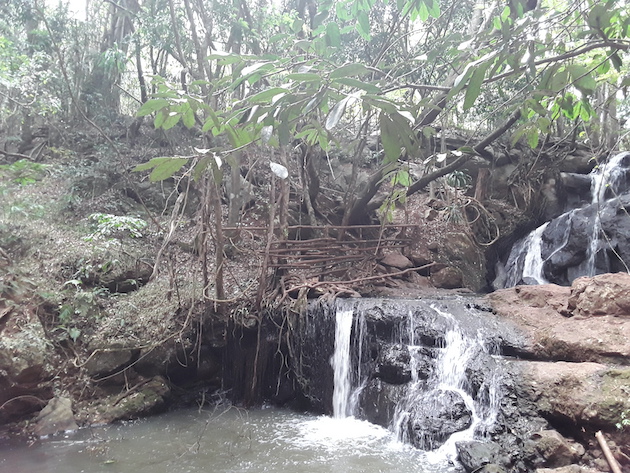
This waterfall is on the verge of drying up. Kenya's economy is heavily dependent on tourism and agriculture. The two sectors are highly susceptible to climate change. Credit: Joyce Chimbi/IPS

This waterfall is on the verge of drying up. Kenya’s economy is heavily dependent on tourism and agriculture. The two sectors are highly susceptible to climate change. Credit: Joyce Chimbi/IPS

“Climate finance was, as expected, a key part of COP27. It is a grave concern for Africa that developed countries’ commitment to provide $100 billion annually has yet to be met, even though the need for finance is becoming increasingly obvious. In COP27, we noted that new climate finance pledges were more limited than expected. Countries such as those in Africa are still waiting for previous pledges to be fulfilled,” says Luther Bois Anukur, Regional Director, IUCN (International Union for Conservation of Nature).

Meanwhile, Anukur tells IPS negotiations on important agenda items, most notably the new finance target for 2025, stalled. In COP27, Parties concentrated on procedural issues – deferring important decisions about the amount, timeframe, sources, and accountability mechanisms that may be relevant to a new finance goal in the future. African countries and many other vulnerable countries are in the fight for our lives, and sadly they are losing.

Anukur stresses that Africa’s natural resources are depleted, eroded, and biodiversity lost due to extreme effects of climate change leading to loss of lives and ecosystem services and damage to infrastructure at an alarming rate. Yet climate finance pledges have not materialised. The Africa Climate Summit should be the platform for Africa and developing partners to address existing finance gaps with clear programmatic and project approaches.

Africa must use the Summit to assess and prepare their position for the COP28 in the United Arab Emirates towards strengthening partnerships for the delivery of desired climate finance. Kumah adds that the principle of equal but differentiated responsibilities of nations must be adhered to for climate justice and to enable developing countries, who are least responsible for the effects of climate, to have much-needed resources to cope and adapt to biodiversity loss and climate change.

“In that respect, the creation of a dedicated funding mechanism to address loss and damage and another for adaptation and mitigation to redress historical and continued inequities in contributions towards biodiversity loss and climate change. We must rethink how private investments can be reshaped and harnessed for the benefit of biodiversity and climate action,” Kumah expounds.

“Private investments can be scaled through green bonds, carbon markets, sustainable agricultural, forestry and other productive sector supply chains.  Transformative financing architecture is necessary at the domestic and international levels to bring the private and public sectors together to secure the critical backbone of Africa’s natural infrastructure.”

Climate finance gap. Graphic: Joyce Chimbi & Cecilia Russell

Climate finance gap. Graphic: Joyce Chimbi & Cecilia Russell

While developing countries submitted revised and ambitious National Adaptation Plans and NDCs as requested, Anukur says complicated processes to access financing for their climate actions persist. Stressing the need for reforming the international financial architecture, starting with multilateral development banks.

“The 2023 Summit for New Global Financing Pact held in Paris committed to a coalition of 16 philanthropic organizations to mobilize investment and support UN’s SDG priorities by unlocking new investment for climate action in low- and middle-income countries while reducing poverty and inequality,” Anukur observes.

Civil society organizations and activists such as Achieng have expressed concerns that such announcements are insufficient considering the scale of the challenges facing planet Earth. The Summit will have failed if the global financial architecture is not overhauled in line with the needs of the African continent, she says.

Anukur says the Summit must therefore propel Africa to new heights of climate financing to help reduce Africa’s vulnerability to climate change and increase its resilience and adaptive capacity in line with the Global Goal on Adaptation. Ultimately expressing optimism that the opportunity to unlock the potential of climate financing – breaking the shackles of debt and building a climate-resilient and prosperous Africa is, at last, in sight.

IPS UN Bureau Report


Afghan Girls, Women Deprived of Education, Find Hope in Africa

Shabana Basij-Rasikh, co-founder and President of SOLA, speaks at the Women Deliver conference in Rwanda. Credit: Aimable Twahirwa/ IPS

Shabana Basij-Rasikh, co-founder and President of SOLA, speaks at the Women Deliver conference in Rwanda. Credit: Aimable Twahirwa/IPS

By Aimable Twahirwa
KIGALI, Aug 1 2023 (IPS)

When providing education to her small group of Afghan girls, who had been studying at a boarding school back home, became tenuous, Shabana Basij-Rasikh, relocated them to Rwanda.


She had set up a pioneering school under the project SOLA, the Afghan word for peace, and a short form for School of Leadership Afghanistan. But as the Taliban swept to power in August 2021, she closed the doors of the school, destroyed any school records which could help identify the girls, and on August 25, relocated 250 members of the SOLA community, including the student body and graduates from the programme, totally more than 100 girls, to Rwanda.

Basij-Rasikh, co-founder and SOLA’s President said a major challenge had been the lack of resources and capacity to teach Afghan girls after the return of the Taliban deprived right to education of girls in secondary schools and above.

As the Taliban swept back into power in Afghanistan in the summer of 2021, Shabana Basij-Rasikh, the founder of the nation’s only all-girls boarding school, initially ran the school out of a former principal’s living room. But that soon became untenable.

Speaking on the sidelines of The Women Deliver 2023 Conference (WD2023), which took place in Kigali from 17-20 July 2023, Basij-Rasikh, who completed her undergraduate studies in the United States, explained that when Kabul fell under the control of the Taliban, she managed within a short time to evacuate the entire school community to Rwanda.

“Although we managed to move the school to a safe country, it is still embarrassing and shameful for me since Afghanistan is the only country in the world where women and girls’ access to education has been suspended,” she said.

Initially, SOLA started as a scholarship program where Afghan youth would be identified and could access quality education abroad and, later on, go back to their home country as highly-skilled Afghans in whichever profession they chose.

“When the US announced that they were to withdraw their troops in Afghanistan, it created a lot of anxiety among young Afghans who were in the West hoping to return to the country.”

Basij-Rasikh regrets that some of her former students, who were able to leave Afghanistan after the Taliban’s return, are still struggling to continue their education overseas.

“We wish to see many Afghan girls return to schools,” she said, explaining that the migration status of the students in many countries restricted their access to education.

Since the school opened last year’s admissions season, Shabana Basij-Rasikh and her team have been inviting Afghan girls worldwide to apply and join the rest in Rwanda. Last year they enrolled 27 girls in their first intake.

“The major challenge is that there are several hundreds of thousands of girls who want to join our campus, but space is limited, and so places are being granted on merit and need,” Shabana told IPS.

Shabana argues investing in girls’ education is a smart investment; she is convinced that the current situation in Afghanistan must and should not be accepted or supported by any country around the world.

On September 18, 2021, a month after taking over the country, the Taliban ordered the reopening of only boys’ secondary schools. A few months later, in March 2022, according to human rights organizations, the Taliban again pledged to reopen all schools, but they officially closed girls’ secondary schools.

“These girls deserve the opportunity to realize their full potential, and the international community has an important role to play,” Shabana said.

UNESCO’s latest figures show that 2,5 million or 80 percent of school-aged Afghan girls and women are out of school.  The order suspending university education for women, announced in December last year, affects more than 100,000 students attending government and private institutions, according to the UN agency.

On the sidelines of the Women Deliver Conference 2023, Senegalese President Macky Sall pledged that his government would offer 100 scholarships for women who have seen their right to education decimated under Taliban rule in Afghanistan to pursue their university degrees in Senegal.

Rwanda is one of several African countries that agreed to temporarily host evacuated Afghans.

Sall, who was reacting to the concerns raised by Basij-Rasikhat, said his Government was ready to give chance to Afghan girls to pursue their studies.

So far, SOLA school has received 2,000 applications across 20 countries where some Afghans are living.

In 2022, it received 180 applications from Afghans living in 10 countries, but only 27 girls were admitted.

“That explains how families in Afghanistan are ready to support the girls in moving abroad to pursue their education,” Shabana said.

“Boarding schools that allow Afghan girls to study and live together are the best way to promote their education.”

IPS UN Bureau Report


!function(d,s,id){var js,fjs=d.getElementsByTagName(s)[0],p=/^http:/.test(d.location)?’http’:’https’;if(!d.getElementById(id)){js=d.createElement(s);js.id=id;js.src=p+’://platform.twitter.com/widgets.js’;fjs.parentNode.insertBefore(js,fjs);}}(document, ‘script’, ‘twitter-wjs’);  

Parliamentarians Ask G7 Hiroshima Summit to Support Human Security and Vulnerable Communities

Parliamentarians attending the Global Conference of Parliamentarians on Population and Development Toward the 2023 G7 Hiroshima Summit. Credit: APDA

Parliamentarians attending the Global Conference of Parliamentarians on Population and Development Toward the 2023 G7 Hiroshima Summit. Credit: APDA

By Cecilia Russell
JOHANNESBURG, May 9 2023 (IPS)

Parliamentarians from more than 30 countries agreed to send a strong message to the G7 Hiroshima Summit in Japan later this year, focusing on human security and support of vulnerable communities, including women, girls, youth, aging people, migrants, and indigenous people, among others.


The wide-ranging declaration also called on governments to support active political and economic participation for women and girls, enhancing and implementing legislation that addresses gender-based violence (GBV) and eradicating harmful practices like child, early, and forced marriages. During discussions and in the declaration, a clear message emerged that budgetary requirements for Universal Health Care (UHC) should be prioritized and the exceptional work done by health workers during the pandemic be recognized.

In his keynote address, Japan’s Prime Minister Kishida Fumio reminded delegates that Covid-19 had exposed the “fragility of the global health architecture and underscored the need for UHC.”

Kishida said that the central vision of the G7 Hiroshima Summit was to emphasize the importance of addressing human security – through building global health architecture, including the “governance for prevention, preparedness, and response to public health crises, including finance. We believe it is important for the G7 to actively and constructively contribute to efforts to improve international governance, secure sustainable financing and strengthen international norms.”

Apart from contributing to resilient, equitable, and sustainable UHC, health innovation was needed to promote a “more effective global ecosystem to enable rapid research and development and equitable access to infectious disease crisis medicines … and to support aging society,” Kishida said.

Former Prime Minister of Japan Fukuda Yasuo, Chair of APDA, and Honorary Chair of JPFP said this conference and its declaration would follow in a tradition of delivering strong messages to the G7 that improving reproductive health was crucial to the development and the future of a planet which now had 8 million people living on it.

“International Community is becoming increasingly confrontational and divided, and there is the emergence of a national leader who is threatening the use of nuclear weapons. No nuclear weapons have been used in the nearly 80 years since Hiroshima and Nagasaki. We must work together to prevent the use of nuclear weapons, which can take many precious lives and people’s daily lives. In this instance, I would like you to search for the path toward appeasement and not division. We must keep all channels of dialogue open so as to ease tension,” Fukuda asked of the conference.

While calling on parliamentarians to work together to address challenges, Fukuda also expressed concern about the widening inequities caused by Covid-19 and climate change and noted: “This network of parliamentarians on population and development has been a vital resource for parliamentarians who share the same concern for not only their own countries but for the entire planet and future generations.”

Kamikawa Yoko, MP Japan, Chair of JPFP, said that with a world population of 8 billion, it was essential to “realize a society where no one is left behind … and Japan would share its experiences of being on the frontlines of an aging society with declining birth rates. “We are living in an aging society … and given these challenges in Japan, we will try to share with you our experience and lessons through our diplomacy while trying to deepen our discussions and exchanges to seek solutions.”

Japan’s Foreign Affairs Minister Hayashi Yoshimasa said it was essential for all to cooperate during the “Anthropocene era, when human activities have promised to have a major impact on the global environment, global issues that transcend national borders, such as climate change, and the spread of infectious diseases, including Covid-19 are becoming more and more prevalent.”

He reminded the delegates that at the center of Japan’s economic growth post World War II was mainly through health promotion and employment policies.

Delegates of the Global Conference of Parliamentarians on Population and Development Toward the 2023 G7 Hiroshima Summit agreed to send a strong message on human security to the Summit. Credit: APDA

Delegates of the Global Conference of Parliamentarians on Population and Development Toward the 2023 G7 Hiroshima Summit agreed to send a strong message on human security to the Summit. Credit: APDA

Director of the Division for Communications and Strategic Partnerships of UNFPA, Ian McFarlane, said it was not about the “numbers of people but the rights of the people that matter. It’s not about whether we are too many or too few, but whether women and girls can decide if, when, and how many children to have.”

A recent UNFPA report indicated that nearly half of the women across the globe could not exercise their rights and choices, their bodily autonomy, and expressed hope that policies in the future continue to focus on humanity and universal human rights.

Despite being close to the 30th anniversary of the International Conference on Population and Development (ICPD), the conference heard that much still needed to be done regarding women’s rights.

New Zealand MP and co-chair of AFPPD Standing Committee on Gender Equality and Women Empowerment, Angela Warren-Clark, reminded the audience that women still only held 26 percent of parliamentarian seats globally. While women make up 70 percent of the workforce in the health sector, only 25 percent have senior leadership positions.

“It is women in this pandemic who bore the increased burden of unpaid work at home as schools were closed, and it is girls and the poorest families who were taken out of school and forced into early marriages … We believe that if women had an equal say in decision-making during the pandemic, some of these mistakes would have been avoided.”

Baroness Elizabeth Barker, MP from the United Kingdom, told parliamentarians their role was to ensure that “no person on earth, from the head of G7 country to a poor person in a village, can say that they do not know what gender equality is. And they do not know what gender violence is.”

Barker suggested they use international standards, like the Istanbul Convention on Violence Against Women, to compare countries. “And you know that if your country doesn’t come out very well, they really don’t like it.”

She pointed to two successes in the UK, including stopping virginity testing and tackling the practice of forced marriages. She also warned the delegates that there was a right-wing campaign aimed at destroying human rights gained, and they chose different battlegrounds. The overturning of abortion rights in the United States in the Roe vs. Wade case was an example, as was the anti-LGBTQ legislation in Uganda.

Hassan Omar, MP from Djibouti, gave a host of achievements in his country, including ensuring that women occupy 25 percent roles in politics and the state administration and the growing literacy of women numbers in his country.

Risa Hontiveros, MP Philippines, painted a bleak picture of the impact of Covid in her country.

Hontiveros said GBV increased during Covid and extended to the digital space.

“The Internet has become a breeding ground for predators and cyber criminals to prey on children, especially young women, and girls. The online sexual abuse and exploitation of children … has become so prevalent in the Philippines that we have been tagged as the global hotspot.”

In a desperate attempt to provide for their families, even parents produced “exploitative material of their own children and sold them online to pedophiles abroad.”

To address these, she filed a gender-responsive and inclusive Emergency Management Act bill, which seeks to address the gender-differentiated needs of women and girls, because they were “disproportionately affected in times of emergencies.”

Former MP from Afghanistan Khadija Elham’s testimony united many in the conference and even resulted in proposals from the floor to include a condemnation of the Taliban’s women’s policies.

Elham said GBV had increased since the Taliban took over – women were forced to wear a burqa in public, they were not allowed to work, and those who wish to “learn science or (get an) education are forced to continue their studies and hidden places like basements.”

If their secret schools are exposed, they face torture and imprisonment. During the last two months, 260 people, including 50 women, were publicly whipped – a clear violation of their human rights. Women’s representation in political life has been banned, and women are no longer allowed to work in NGOs – and it has been “550 days since women could attend high schools and universities.”

She called on the international community, the United Nations, to pressure the Taliban to restore women’s work and education rights.

Nakayama Maho, Director of the Peacebuilding Program at the Sasakawa Peace Foundation, announced new research on factors contributing to men’s propensity to GBV. The research found that the higher a man’s educational attainment, the lower the level of violence. There were also lower levels of violence with “positive” masculinity – such as a man being employed, married, and capable of protecting his family. Men who experienced violence during times of conflict tended to support violence to instill discipline, or protect women and communities.

Dr Roopa Dhatt, Executive Director of Women in Global Health, summed up this critical session by saying, “Equal leadership for women in all fields is a game changer, particularly in politics and health.”

Japan’s Health, Labour and Welfare Minister, Kato Katsunobu, noted during his closing address that the G7 countries “share the recognition that investment in people is not an expense, but an investment… and as you invest in people you can create a virtuous cycle between workers well-being and social and economic activities.”

He said Japan had a lot to offer concerning aging populations.

“Japan has been promoting the establishment of a comprehensive community-based care system so that people can continue to live in their own way in their own neighborhood until the end of their lives and is in the position to provide knowledge to the G7 countries and other countries who will be facing (an aging population) in the future.”

Dr Alvaro Bermejo, Director-General of IPPF, commended the conference and said he was “thankful” that the conference declaration would tell G7 governments to set an example. “Marginalized and excluded populations are at the heart of human security and can only be achieved in solidarity, and that message from this conference is clear.”

Professor Takemi Keizo, MP Japan, Chair of AFPPD, summed up the proceeding by saying that parliamentarians as representatives of the electorate were vital to creating a “positive momentum in this global community and overcoming so many difficult issues.”

Takemi elaborated on some issues facing the world now, including climate change and military conflicts, but as parliamentarians, there was the opportunity to “build up the new basis of the global governance, which can be very beneficial.”

NOTE: Global Conference of Parliamentarians on Population and Development Toward the 2023 G7 Hiroshima Summit was organized by the Asian Population and Development Association (APDA), the Asian Forum of Parliamentarians on Population and Development (AFPPD), and the Japan Parliamentarians Federation for Population (JPFP).

It was supported by the Ministry of Foreign Affairs of Japan (MOFA), United Nations Population Fund (UNFPA), Japan Trust Fund (JTF), and Keidanren-Japan Business Federation in cooperation with the International Planned Parenthood Federation (IPPF).

IPS UN Bureau Report


!function(d,s,id){var js,fjs=d.getElementsByTagName(s)[0],p=/^http:/.test(d.location)?’http’:’https’;if(!d.getElementById(id)){js=d.createElement(s);js.id=id;js.src=p+’://platform.twitter.com/widgets.js’;fjs.parentNode.insertBefore(js,fjs);}}(document, ‘script’, ‘twitter-wjs’);