Bearing Witness: No Safety for Children in Gaza

Armed Conflicts, Civil Society, Featured, Global Governance, Headlines, Human Rights, Middle East & North Africa, TerraViva United Nations
Opinion

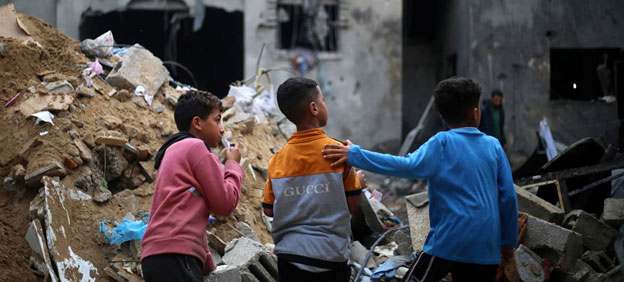
Children look at their destroyed homes in Rafah city, in the southern Gaza Strip. Credit: UNICEF/Eyad El Baba

GAZA STRIP, Feb 29 2024 (IPS) – Nothing could prepare me for my recently concluded mission into the Gaza Strip, where children face catastrophic conditions.

In my twenty years with UNICEF, traveling from one humanitarian crisis to the next – from famines to floods and war zones to refugee camps – I’ve simply never seen such devastation and despair as is happening in Gaza.


The intensity of the attacks, the massive number of child casualties, the desperation and panic of the people on the move – people who already have nothing – is palpable. It is humanitarian disaster on top of humanitarian disaster.

Near the start of the recent brief pause in fighting, we set out early in the morning at Rafah on the border with Egypt. Our convoy of trucks carrying vital humanitarian aid made its way slowly in a punishing journey north to Gaza City, which hadn’t seen aid in weeks.

The two cities are just 35 kilometres apart, but travelling through a war zone always makes distances seem more daunting. Along the way, I saw apartment building after apartment building, home after home, flattened by the bombings, a dystopian scene that stretched for miles.

In Gaza City I got out to look more closely at a building that had been reduced to rubble. Inside, I noticed bloodstains, but it’s impossible to know whether the people who were pulled out of this mass of concrete survived.

I will never forget how a man in his 60s walked out from the ruins of a recently bombed apartment building. At first, I thought he was indicating the number 10, as in 10 people had been killed. But he corrected this, using a stick to write in the dirt: 30. It wasn’t the number of people killed. It was the number of his extended family members killed in the blast.

This man had lost everyone, his whole extended family, everyone he loved. At the start of this war, UNICEF said Gaza was a “graveyard for children and a living hell for everyone else.” It has only gotten worse as the bombing and fighting have continued.

There was a hope that the devastation seen before the pause would not be repeated should the fighting resume. But after hearing hundreds and hundreds of rounds of artillery and more explosions, I could tell that it’s happening.

Within hours, the humanitarian pause felt too long ago.

I walked across the wreckage of what I was told was once a tight-knit community that is now broken glass, rubble and steel crunching under my feet. Homes sliced open, their contents exposed like doll houses, the inside of lives laid bare.

Against the grey rubble, eerie remnants of normalcy cropped up, like a sofa on a third-floor apartment with no walls, or a painting on the only wall left standing after a blast.

I looked at what was once a child’s bedroom, with pink blankets, a cupboard, shelves full of books, fluffy stuffed toys. It looked like the room of any 12-year-old girl, from any middle-class family, anywhere in the world. It was largely untouched. The little girl would have been safe if she wasn’t in another room with her family when the home was struck.

Driving through Gaza there’s never much time for reflection. The aid convoy needs to keep moving.

Along the route we saw the same theme repeated in neighborhood after neighborhood: basic needs are not being met. People need water and nourishment. Hospitals need medicine. This convoy has all those things. But despite our efforts and those of our UN colleagues, I know it’s not enough. It’s not nearly enough.

As one of my UNICEF colleagues noted just a couple of weeks into the war, the killing and maiming of children, abduction of children, attacks on hospitals and schools, and the denial of humanitarian access are a stain on our collective conscience. It was true then, it remains true now.

From Gaza City we pushed further north, to Jabaliya. The first thing I noticed were the piles of rotting garbage outside hospitals, offices and schools. Sanitation and rubbish collection services have broken down completely, of course, as trucks have no fuel to collect it and the conflict has displaced most of the workers who do these jobs anyway.

One hospital we visited, Al-Ahli Arab Hospital, was utterly chaotic. It was overcrowded, loud, intense. Our trucks were delivering medical supplies while wounded people were being rushed in bleeding.

We eventually made it back to the south of Gaza, to what we call the Joint Operation Centre. That’s where dozens of UN workers meet to discuss the next mission. The mood was sombre. We all know what Palestinian families need: they need more of everything, especially medicines, water, fuel, food.

But genuine safety for Gaza’s children depends on parties to the conflict ensuring that humanitarians have unimpeded access to civilians wherever they are… on our ability to bring water, essential food, nutrition supplements, fuel and other humanitarian supplies into the territory… and on parties implementing an immediate humanitarian ceasefire.

Unless those conditions are met, children in Gaza are now in danger from the sky, disease on the ground, and death from hunger and thirst. Nowhere is safe.

The children of Gaza have suffered enough. We need a humanitarian ceasefire, and peace, now.

James Elder is UNICEF’s spokesperson. Follow him @1james_elder

Source: UNICEF BLOG

IPS UN Bureau
  Source

Bali’s Ancient Canine Guardians on the Brink of Extinction

Asia-Pacific, Biodiversity, Civil Society, Conservation, Editors’ Choice, Environment, Featured, Headlines, Sustainable Development Goals, TerraViva United Nations

Conservation

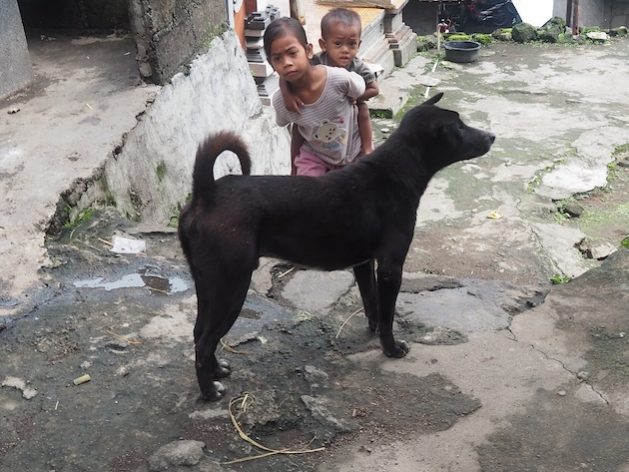
Indigenous Bali dogs hold the potential to unlock hidden secrets about ancestral dog diversity. Credit: Sonny Inbaraj/IPS

Indigenous Bali dogs hold the potential to unlock hidden secrets about ancestral dog diversity. Credit: Sonny Inbaraj/IPS

BALI, Indonesia, Feb 28 2024 (IPS) – Bali’s Island’s ancient canine guardians, the proud descendants of lineages tracing back tens of thousands of years, stand on the brink of extinction. Culling triggered by rabies outbreaks and interbreeding is pushing these living cultural treasures towards a tragic end.


For generations, traditional Bali Heritage Dogs have woven themselves into the fabric of the predominantly Hindu Balinese society. A tapestry woven with ancient folktales binds Bali dogs and the Balinese in a unique bond.

“Guided by the Tri Hita Karana’s principles of harmony and respect, Balinese Hindus forge a unique bond with dogs,” Ida Bawati Sari Budangga, a priest in Dusun Puchang in East Bali’s Desa Ban at the foot of the Gunung Agung volcano, told IPS.

Tri Hita Karana weaves harmony between humans and their environment, evident in offerings to deities and respect for nature’s bounty. Tri Hita Karana also serves as a powerful model for sustainable development, inspiring initiatives that balance human needs with environmental respect.

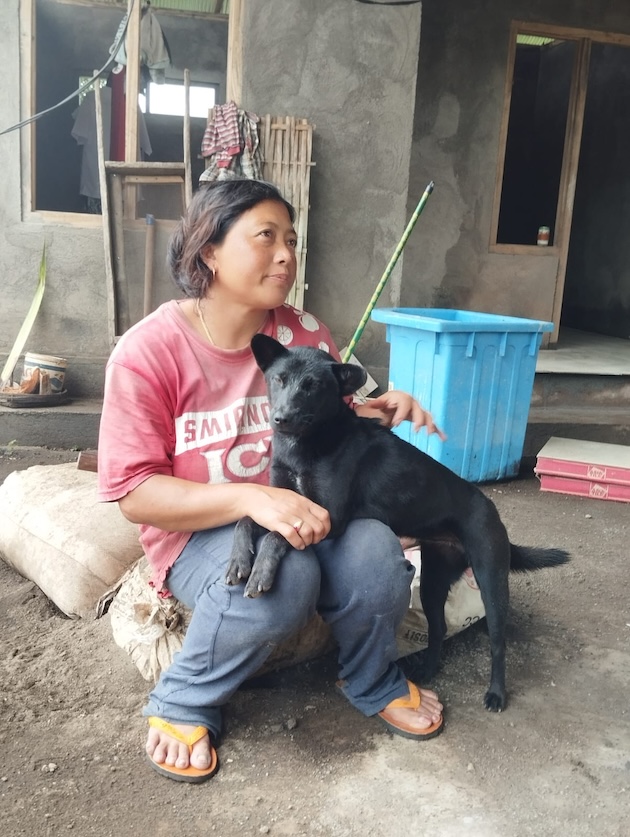
Balinese treat dogs with care, valuing their presence in their lives and communities. Credit: Dewa Made Suarjana/BAWA

Balinese treat dogs with care, valuing their presence in their lives and communities. Credit: Dewa Made Suarjana/BAWA

“This isn’t merely pet ownership, but an embodiment of their deep connection to all living beings. From sharing meals to participating in temple rituals together, dogs are woven into the fabric of Balinese life, reflecting their reverence for the natural world and its creator,” added the priest.

In Balinese culture, the Mahabharata story of King Yudhistira and his loyal dog plays a significant role in understanding their deep respect for dogs. When Dharma, disguised as the king’s ill-kept dog, is denied entry to heaven by Indra, Yudhistira refuses to enter without him. This act of unwavering loyalty reveals Dharma’s true form as the God of righteousness, highlighting the importance of compassion and connection with all beings. This story continues to inspire the Balinese to treat dogs with respect and care, valuing their presence in their lives and communities.

Driven by interest in the Bali dog’s distinct genetic ancestry, studies such as the University of California, Davis 2005 study “Genetic Variation Analysis of the Bali Street Dog Using Microsatellites” reveal the wide diversity contained in their DNA. Microsatellites is a lab technique that uses genetic markers for studying genealogy, population organization, genome diversity, the process of evolution, and fingerprinting from extracted DNA samples.

The study found that dog populations on Bali had been separated for an estimated 12,000 years and this protracted isolation has shaped Bali’s dog genetics, resulting in distinct genetic variants absent elsewhere in other dogs.

UC Davis’ groundbreaking study unveiled an intriguing genetic link between Bali dogs and ancient Asian breeds such as the Dingo and Chow Chow. This fascinating lineage can be traced back to the Austronesian migration and colonization of South Indochina, which occurred before the last glaciation period when Bali was connected to the mainland through a land bridge that eventually submerged.

“As a result of their genetic isolation, indigenous Bali dogs hold the potential to unlock hidden secrets about ancestral dog diversity, and even shed light on ancient human migration patterns and trade routes,” commented UC Davis’ Dr Benjamin Sacks, adjunct professor, at the university’s school of veterinary medicine.

However, Sacks warned in response to the 2005 study and a study done in 2011: “We don’t have all the questions yet to ask, but they’re emerging every day, and if we lose these populations, we lose the ability to answer those questions.”

In 2008,

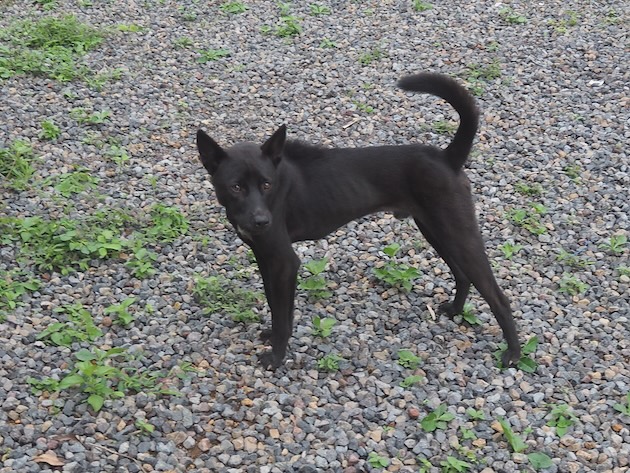
 The indigenous Bali dog population has plunged from a staggering 800,000 to a mere 20,000. Credit: Sonny Inbaraj/IPS

The indigenous Bali dog population has plunged from a staggering 800,000 to a mere 20,000. Credit: Sonny Inbaraj/IPS

Bali’s unique indigenous dog breed suffered a brutal blow with the knee-jerk reaction of mass culling, which continues to this day following rabies outbreaks. In a widespread plan to eliminate free-roaming dogs, the indigenous Bali dogs were not spared. Just like in other countries in Asia and Africa, rabies in Indonesia is being sustained within the domestic dog population. It’s not surprising that the public commonly associates rabies with dogs and dog bites.

According to the World Health Organization rabies is endemic in 26 provinces in Indonesia, including Bali, with 74 cases of human rabies out of 66,170 bite cases from suspected rabid animals reported in the country from January to July 2023.

Bali Island had never experienced rabies before, until 2008. Lax surveillance allowed a rabid dog to slip through from Flores, an island ravaged by endemic canine rabies since 1997, setting the stage for Bali’s own struggle with the animal-borne disease.

“Before the outbreak of rabies in 2008, the island had one of the highest dog-to-human ratios in the world,” said Janice Girardi, founder of the Bali Animal Welfare Association (BAWA).

“Mass culling was the first action that the local government authorities took in response to the rabies epidemic. They utilized teams that were armed with blow darts and baits that contained strychnine,” she added.

Culling on its own has never had an effect on rabies in dogs or humans or dog population growth, said Dr Darryn Knobel, professor at Ross University School of Veterinary Medicine in St. Kitts.

“If you’re culling, you’re going to be diverting resources away from vaccination. The only thing that works is vaccination and you need to vaccinate at least 70 percent of all dogs to get what we term herd immunity,” he explained.

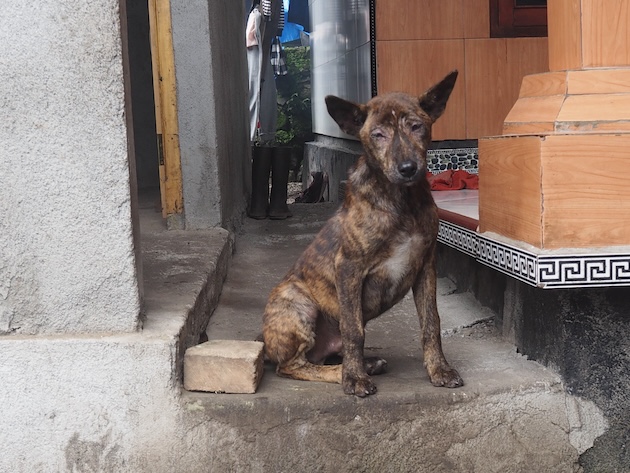
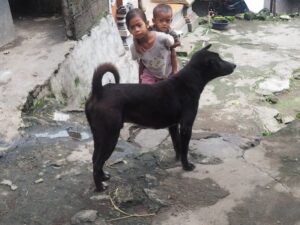
An indigenous Bali dog in East Bali. Credit: Sonny Inbaraj/IPS

An indigenous Bali dog in East Bali. Credit: Sonny Inbaraj/IPS

From 2005 to 2008, the Bali dog population was estimated to be between 600,000 and 800,000, according to a 2018 study. However, due to culling following the 2008 rabies epidemic in Bali, the population of free-ranging dogs has decreased by at least 25 percent, according to the study.

BAWA’s Girardi issued a stark warning about the indigenous Bali dog population, which has now plunged further from a staggering 800,000 to a mere 20,000, according to the NGO’s mapping.

“With such dwindling numbers,” she emphasized, “the chances of purebred dogs finding mates and perpetuating their lineage are vanishingly small, akin to winning the lottery.”

The interbreeding of native Bali dogs with dogs of other breeds that have been introduced to the island is another cause for concern. This occurred when the government of Bali, in 2004, abolished an ancient piece of legislation from 1926 that had been issued by Dutch colonialists to prevent the introduction of rabies into Bali from other islands within the archipelago.

For Balinese seeking outward signs of affluence, Western breeds and crossbreeds trump the indigenous Bali dog, deemed unworthy of attention and left wanting.

“I have one Bali dog now, but I’m planning to either get a Golden Retriever or a small long-haired crossbreed. They’re unique and good for our image,” 14-year-old I Kenang Sunia in Desa Jatituhun, Ban, in east Bali, told IPS.

Battling extinction, BAWA deploys its sterilization program to remote Balinese villages, targeting non-purebred dogs in a critical effort to conserve the dwindling population of the purebred Bali dog.

“We sterilise as many non-pure Bali dogs as possible in each area (to prevent interbreeding) in order to save the remaining indigenous dogs in Bali before they are lost forever,” said Girardi.

IPS UN Bureau Report

  Source

Russia: Moments of Dissent after Two Years of War

Armed Conflicts, Civil Society, Crime & Justice, Europe, Featured, Headlines, Human Rights, Press Freedom, TerraViva United Nations

Opinion

Credit: Horacio Villalobos/Corbis via Getty Images

LONDON, Feb 26 2024 (IPS) – Russia’s full-scale invasion of Ukraine marked its second anniversary on 24 February. And while civil society is offering an immense voluntary effort in Ukraine, in Russia activists have faced intense constraints. The suspicious death of opposition leader Alexei Navalny is part of a great wave of repression. He’s the latest in a long list of people who’ve come to a sudden end after falling out with Vladmir Putin.


Putin is paying a backhanded compliment to the importance of civil society by suppressing it through every possible means. State-directed murder is the most extreme form of repression, but Putin has many more tricks up his sleeve. One is criminalisation of protests, seen when people showed up at improvised vigils to commemorate Navalny, laying flowers at informal memorials, knowing what would happen. Police arrested hundreds and the flowers quickly vanished.

An unrelenting assault

Human rights organisation OVD-Info reports that since the start of the full-scale invasion, the authorities have detained 19,855 people at anti-war protests, brought 894 criminal cases against anti-war activists and introduced 51 new repressive laws.

Among many other Russians jailed for symbolic acts of protest, Crimean artist Bohdan Zizu was handed a 15-year sentence last June for spray-painting a building in the colours of the Ukrainian flag. In November, artist Alexandra Skochilenko was sentenced to seven years for placing information about the war on supermarket price tags. Now people helping Ukrainian refugees living in Russia are being criminalised.

The government is also making it impossible for civil society and independent media organisations to keep working. Last August, the authorities declared independent TV channel Dozhd an ‘undesirable organisation’, in effect banning it from operating in Russia and criminalising anyone who shares its content. In August, courts ordered the closure of the Sakharov Center, a human rights organisation. Through similar means the authorities have forced several other organisations out of existence or into exile.

The state has also designated numerous people and organisations as ‘foreign agents’, a classification intended to stigmatise them as associated with espionage. In November, it added the Moscow Times to the list. The government has also doubled down on its attacks on LGBTQI+ people as part of its strategy to inflame narrow nationalist sentiments. And it keeps passing laws to further tighten civic space. Putin recently approved a law that allows the government to confiscate money and other assets from people who criticise the war.

The state is criminalising journalists as well. In March, it detained Wall Street Journal reporter Evan Gershkovich on spying charges, sending a signal that international journalists aren’t safe. The authorities are also holding Russian-US journalist Alsu Kurmasheva of Radio Free Europe, detained while paying a family visit to Russia. Putin is likely planning to use them as leverage for a prisoner swap. State authorities have put other journalists based outside Russia on wanted lists or charged them in absentia.

Meanwhile, Putin has pardoned real criminals for joining the fight. They include one of the people jailed for organising the 2006 assassination of pioneering investigative journalist Anna Politkovskaya.

It’s hard to hope for any let-up in the crackdown, at least as long as the war lasts. A non-competitive election will approve another term for Putin in March. No credible candidates are allowed to oppose him, and recently an anti-war politician who’d unexpectedly emerged to provide a focus for dissent was banned from standing. Last year the government amended laws to further restrict media coverage of the election, making it very hard to report on electoral fraud.

Weak or strong?

For a time last year Putin seemed weakened when his former ally Yevgeny Prigozhin rebelled, marching his Wagner Group mercenaries on Moscow. The two sides agreed a deal to end the dispute, and sure enough, two months later, Prigozhin died in a suspicious plane crash.

Putin has reasserted his authority. He may be gaining the upper hand in the war. Russia has greater firepower and is largely surviving attempts to isolate it financially, with repressive regimes such as China, India and Turkey picking up the slack in demand for its fossil fuels. It’s turned itself into a Soviet-style war economy, with state spending strongly focused on the military effort, although that can’t be long-term sustainable. Some of the world’s most authoritarian governments – Iran and North Korea – are also supplying weapons.

In comparison, Ukrainian forces are running out of ammunition. Support for Ukraine’s effort has come under greater strain due to political shifts in Europe and the breaking of political consensus in the USA, with Trump-affiliated Republicans working to block further military aid.

Putin may be riding high, but such is the level of state control it’s hard to get an accurate picture of how popular he is, and the election will offer no evidence. Given repression, protest levels may not tell the full story either – but some have still broken out, including those in response to Navalny’s death.

A vital current of dissent has formed around unhappiness with war losses. Last September, an independent poll suggested that support for the war was at a record low. Morale among Russian troops is reportedly poor and deserters have called on others to quit. Families of men serving in the military have held protests demanding the fighting ends.

Protesters have offered other recent moments of opposition. In November, people held a demonstration in Siberia against a local initiative to further restrict protests. In January, in Baymak in southern Russia, hundreds protested at the jailing of an activist. There’s also domestic unhappiness at high inflation.

Moments don’t make a movement, but they can offer inspiration that turns into one, and that often happens unexpectedly. Putin’s story is far from over. As with tyrants before, he’ll likely look invincible until just before he falls.

Andrew Firmin is CIVICUS Editor-in-Chief, co-director and writer for CIVICUS Lens and co-author of the State of Civil Society Report.

  Source

Voices from the World Social Forum 2024 – PODCAST

Asia-Pacific, Civil Society, Headlines, Multimedia, Podcast, TerraViva United Nations

Civil Society

Feb 23 2024 (IPS) – After interviewing a member of the Nepal organizing committee ahead of opening day, I was excited about covering my first ever World Social Forum (WSF). He suggested that at least 30,000 and as many as 50,000 activists from over 90 countries would attend the three-day event.


But day 1 disappointed me. The march through the centre of Kathmandu was large, but not the massive showing I expected to see — perhaps because police in the vehicle-clogged city centre didn’t close roads along the route, but squeezed marchers into one lane of traffic. Again, thousands crowded in front of the stage for the opening ceremony but while it was impressive, it was far from a stupendous showing.

But as I hurried to attend various workshops over the next three days I became increasingly impressed. Each session — most held in cold, dusty classrooms in a series of colleges lining a downtown road— was full, some to overflowing.

People were eager to squeeze in, to hear colleagues from across the world explain and advocate on issues that affected all of their lives in very similar ways. Between workshops the chatter of those who had finished early — or at least not late like the rest of us — floated through the open windows of classrooms.

On closing day more than 60 declarations were reportedly issued by the various ‘movements’, the thematic groups that comprise the WSF. I’m sure they assert the need for change: for peace, equality, rights and dignity — for people, nature and the planet. As usual, I support these calls.

But what I learned at my first WSF is that energy and enthusiasm for a world that looks and runs vastly differently than the often terrible one that we inhabit today has not waned among a huge number of people, young and old.

I’d hazard a guess that the ones you’re about to hear, who I recorded at the start of the Forum, would be as engaged and energetic if I had spoken with them after it ended, following hours of listening, learning, and networking about how to create a better world.

  Source

Funding, Policy Changes Could Result in Countries Reaping Benefit of Migration

Active Citizens, Africa, Civil Society, Development & Aid, Editors’ Choice, Featured, Global, Headlines, Human Rights, Humanitarian Emergencies, Inequality, Migration & Refugees, TerraViva United Nations

Migration & Refugees

The African Unions Migration Policy Framework for Africa (2018-2030) provides guidelines to manage migration and reap the benefits of well managed migration which contribute to global prosperity and progress. Credit: UNHCR

The African Unions Migration Policy Framework for Africa (2018-2030) provides guidelines to manage migration and reap the benefits of well managed migration which contribute to global prosperity and progress. Credit: UNHCR

BULAWAYO, Zimbabwe, Feb 23 2024 (IPS) – Amid an escalation of global conflict and climate change-induced displacements, the International Organization for Migration (IOM) is escalating its donor campaign.


For the first time since the organization’s formation in 1951, the IOM says it is “proactively approaching all partners to fund this vital appeal,” at a time when the number of migrants making perilous intercontinental journeys has increased.

“Irregular and forced migration have reached unprecedented levels and the challenges we face are increasingly complex,” said IOM Director General Amy Pope at the launch of the Global Appeal in Geneva in January.

It added to its appeal this week, asking for USD 112 million to provide urgent humanitarian and development assistance to over 1.4 million migrants and host communities in the Horn of Africa, Yemen, and Southern Africa. Routes from the Horn of Africa to Yemen and the Gulf States, and the Southern route from the Horn of Africa through Kenya and Tanzania to Southern Africa, are among the most dangerous, complex, and under-reported migratory routes in the world. In 2023, nearly 400,000 movements were recorded across the Eastern route, while an additional 80,000 movements were recorded on the Southern route, particularly to South Africa, the statement read.

“The evidence is overwhelming that migration, when well managed, is a major contributor to global prosperity and progress. We are at a critical moment in time, and we have designed this appeal  to help deliver on that promise. We can and must do better,”  Pope said at the launch.

The IOM has broken down the appeal as follows:

  • USD 3.4 billion for work on saving lives and protecting people on the move.
  • USD 2.7 billion for work on solutions to displacement, including reducing the risks and impacts of climate change.
  • USD 1.6 billion for work on facilitating regular pathways for migration.
  • USD 163 million for work on transforming IOM to deliver services in a better, more effective way.

“Full funding would allow IOM to serve almost 140 million people, including internally displaced people and the local communities that host them. Crucially, it would also allow for an expansion of the IOM’s development work, which helps prevent further displacement,” the IOM said in a media briefing.

However, experts and researchers say the global migration that has peaked in recent years has deeper, more complex roots that will require more than just responding to after the fact.

“What we’re seeing is a willingness from officials and citizens to thoroughly dehumanise migrants,” said Loren Landau, professor and chair at the University of Witwatersrand African Centre for Migration and Society.

“Not only can they be left to suffer, but they should be made to suffer. Only by doing this can ‘we’ send a message that others are unwelcome. The policies of the EU, Australia, and even South Africa are all designed to broadcast this sentiment,” Landau told IPS.

The IOM estimates that there are more than 140 million displaced people, and it’s global appeal for donor support will “save lives and protect people on the move, drive solutions to displacement, and facilitate safe pathways for regular migration.”

Thousands continue to make efforts to illegally enter Europe and the USA with assistance from traffickers,.

According to the IOM’s Missing Migrants Project, 60,000 people have died or disappeared on perilous journeys to seek economic opportunities over the last nine years.

Migration has in recent years become a political hot button, with right-wing political parties in Europe accused of whipping up public sentiment against migrants.

However, Landau says global inequality has worsened the displacement of millions of people.

“Migration has long been a crisis, although it has often been framed differently. There have always been displaced people. There has long been violence and corruption on the border. However, it has now moved from the edge of public debate to the centre,” Loren said.

“Global inequality, labour demand, conflict, and environmental factors are encouraging people to move, but movement is natural,” he told IPS.

Claims that migrants steal jobs from locals and force governments to divert social spending to accommodate migrants have fueled anti-immigrant sentiment.

Researchers, however, have always questioned those claims as the IOM ups its efforts to assist migrants in their new domiciles.

“Migrants are generally not why fewer people have secure employment, social protection, or feel their cultures and values are under threat.  But in light of those anxieties, migrants have become the fetish on which politicians and the public fixate,” Landau added.

In its appeal for donor funding, the IOM says well-managed migration “has the potential to advance development outcomes, contribute to climate change adaptation, and promote a safer and more peaceful, sustainable, prosperous, and equitable future.”

“The consequences of underfunded, piecemeal assistance come at a greater cost, not just in terms of money but in greater danger to migrants through irregular migration, trafficking, and smuggling,” said Pope.

“Getting the job done requires greater investment from governments, the private sector, individual donors, and other partners,” said Pope.

The African Union, which has seen the bulk of global migration, says the continent has witnessed changing patterns of migration, “a phenomenon that has become both dynamic and extremely complex.”

As part of efforts to address this and in what is expected to aid the work being done by the IOM, the AU set up the Migration Policy Framework for Africa (2018–2030).

The Framework provides “guidelines to manage migration in a coherent manner and therefore reap the benefits of migration.”

Those benefits are captured in IOM findings that “281 million international migrants generate 9.4% of global GDP.”

Despite the dangers that have come to define migrant experiences, especially on the high seas, the factors that drive millions to leave their homelands remain unresolved.

“There are immediate practical concerns about ensuring people can migrate safely,” said Landau.

“Beyond this, there is a broader need to recalibrate how we speak about these issues. Migration is not going anywhere so there’s a need to shift the framing from one of crisis to one of ‘the new normal’, Landau told IPS.
IPS UN Bureau Report

  Source

The World Social Forum: The counterweight to the World Economic Forum

Armed Conflicts, Civil Society, Climate Action, Climate Change, Democracy, Economy & Trade, Global, Headlines, Human Rights, Inequality, Press Freedom, TerraViva United Nations

Opinion

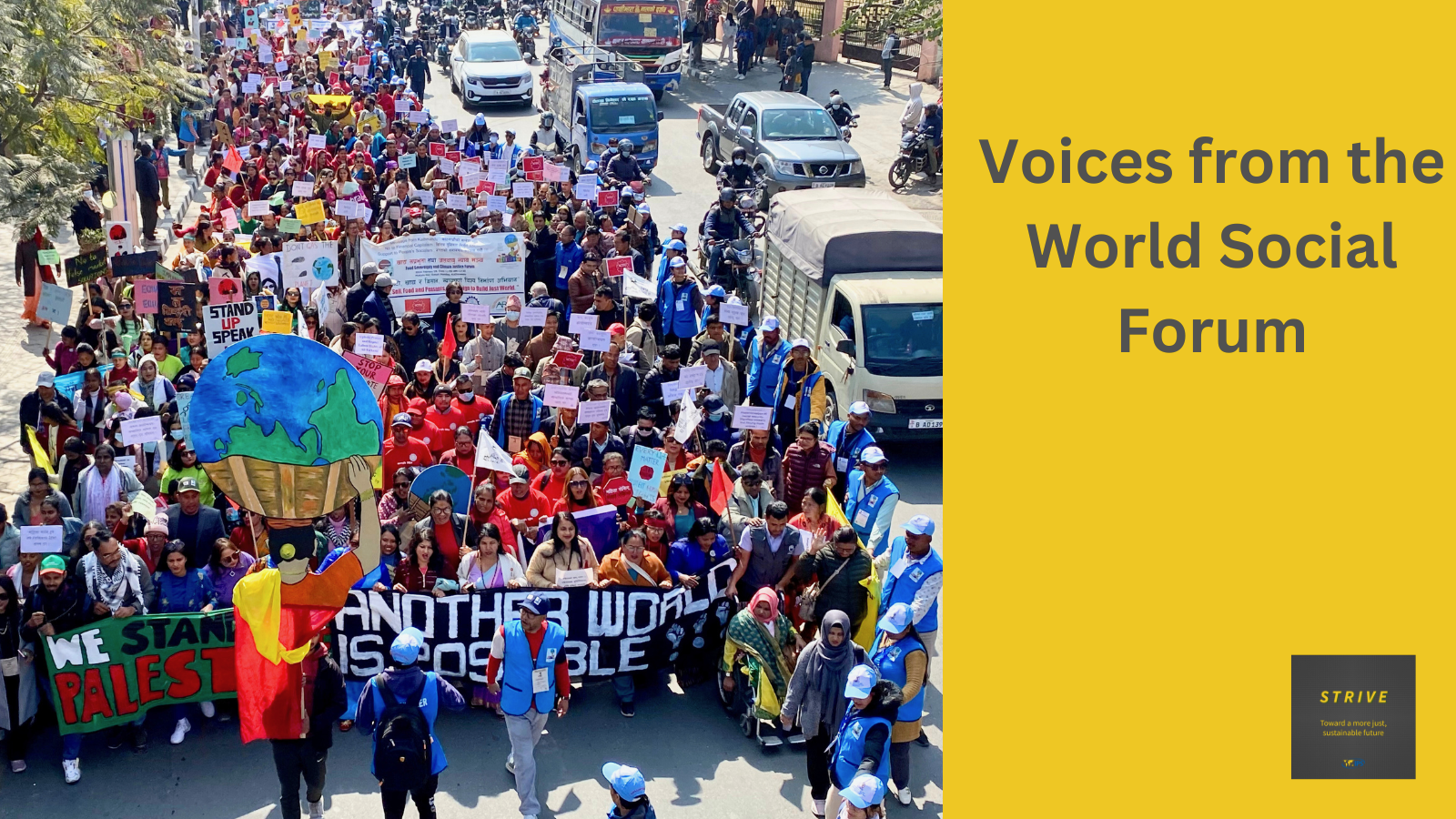
Opening of the World Social Forum 2024 in Kathmandu

KATHMANDU, Nepal, Feb 23 2024 (IPS) – This week the 2024 annual meeting of the World Social Forum (WSF) was held in Nepal. There were fifty thousand participants from over 90 countries, exchanging strategies to address the multiple global crises, from climate catastrophes to unfettered capitalism, inequality, social injustice, wars and conflict.


The WSF was created in 2001 as a counterbalance to the elitism of the World Economic Forum (WEF). The WEF, founded and chaired by a private financial sector foundation, fosters the influence of the corporate world among governments in the luxury ski resort of Davos (Switzerland).

Isabel Ortiz

By contrast, the WSF was created as an arena for alternative thinking, where the grassroots and social avant-garde could gain a voice, challenging the neoliberal idea that “there is no alternative” (TINA); instead affirming that “another world is possible” built upon peace, human rights, real democracy, equity, and justice.

While Davos is the meeting for the 1%, the wealthiest people in the planet, Kathmandu is the meeting for the rest of us. The UN Secretary-General extended his best wishes for WSF 2024 for “restoring hope and finding innovative solutions for people and the planet.”

Indeed, the WSF 2024 was hotbed of ideas, alternative experiences and strategies. There is no concluding summary or annual declaration because the WSF organizers seek to maintain a plurality and diversity of messages. The following points reflect my personal overview of the key topics discussed:

    • Denouncing the genocide in Gaza, a demand for an immediate ceasefire and the establishment of a free state of Palestine.

    • Refuse militarization and wars: Cut military spending and power, promote peace and democracy. Defense spending is increasing while austerity policies cut social spending, this trend must be reversed.

    • Organize against the rise of the far right: Radical right governments around the world have eroded democracy, human rights and civil society. Reports were made of censorship, repression, abuses of justice, unjustified raids and unfair imprisonment of progressive citizens, by the governments of Modi in India, Duterte in Philippines, Orban in Hungary, Duda in Poland, Al-Sisi in Egypt, Trump in the US, Bolsonaro in Brazil, among others There were also many reports of abusive litigation by corporations and politicians against journalists, activist researchers and CSOs, that are silencing critical voices.

    Fight inequality to counter the excessive concentration of power and wealth in the hands of a small elite. Inequality is the result of deliberate political and economic choices, and it can be reversed to build a just, equal and sustainable world.

    End Austerity, illegitimate debt and neoliberal economic policies that have failed citizens resoundingly. These outdated policies, imposed by international financial institutions (IFIs) like the IMF and the World Bank through the Ministries of Finance and G20, mostly benefit corporations and investors in the US and in a few Northen countries, result in real and lasting harm to the lives of ordinary people. There are alternative economic policies, such as the adequate taxation of wealthy millionaires and corporations, that can finance prosperity for people and planet.

    • Redress violations of human rights for women, Dalits (the ‘untouchables’) and lower castes, LGBT, persons with disabilities and different ethnicities; demanding enactment and implementation of inclusive policies and strategies to eliminate class, caste, gender and race-based disparities.

    • The 2024 Feminist Forum focused on addressing systemic barriers that impede women’s rights, from patriarchy to macroeconomic policies, through transformative feminist action that leads to change.

    • Ensure public services, universal social security or social protection, and labor rights for all, including informal workers and migrants, instead of the current austerity driven trend to privatize or corporatize public services, to reduce welfare benefits and to deregulate the labor market.

    • Peasant protests and movements: La Via Campesina is the largest movement today with two hundred million peasant members fighting for food security, against agribusiness and GMOs. It is very active, has alliances with unions, indigenous peoples’ movements and it is a good model for other movements.

    Climate Justice: A number of sessions discussed climate catastrophes, the IFIs support for fossil fuels, just transitions, habitat, and sustainable development.

The lack of will of the world’s political and economic elites to resolve today’s multiple crisis fuels discontent among citizens and disillusionment with conventional parties. People everywhere are losing faith in governments, institutions, and economic and political systems. Governments and world leaders would do well to listen and to act upon the ideas coming from the World Social Forum.

Isabel Ortiz, Director of the think-tank Global Social Justice, was Director of the International Labor Organization and UNICEF, and a senior official at the United Nations and the Asian Development Bank.

IPS UN Bureau

  Source