Harness Youth to Change World’s Future

Biodiversity, Climate Change, Conferences, Development & Aid, Economy & Trade, Environment, Featured, Gender, Global, Green Economy, Headlines, Human Rights, Inequity, Natural Resources, TerraViva United Nations, Trade & Investment, Women & Climate Change
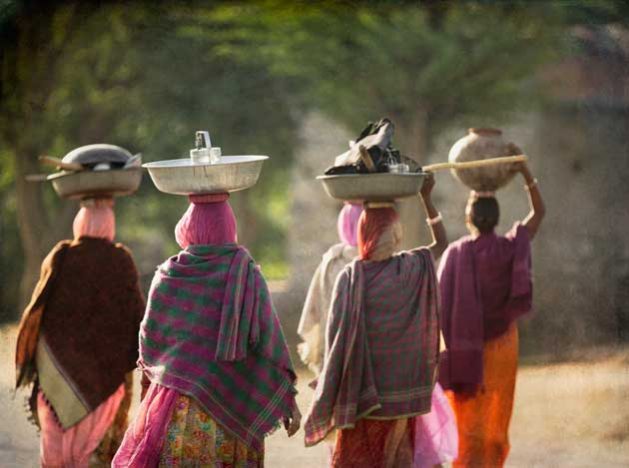
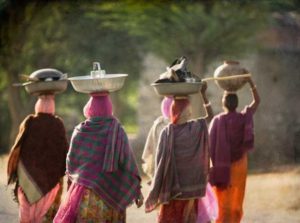
Women bear the brunt of climate change disasters. Credit: Women Deliver

NEW YORK, Mar 31 2020 (IPS) – Vanessa Nakate of Uganda may have been cropped out of a photograph taken at the World Economic Forum, but she along with Swedish activist Greta Thunberg have made the climate crisis centre stage.


Women Deliver Young Leader Jyotir Nisha discusses with Costa Rican President Carlos Alvarado Quesada on how to harness young people to overcome gender inequality and address climate change in a recent wide-ranging interview.

Quesada says key strategies to designing policy to fight climate change require unconventional decision-making to address challenges like climate change, biodiversity loss, the fourth industrial revolution, and inequality.

“These are intertwined factors that can hinder development if unattended but, if tackled, they could potentially accelerate progress and wellbeing for all,” he says.

“And, of course, this is a task that young leaders are able to handle and produce the timely answers that are necessary.”

Bringing in her experience in the non-profit sector, Nisha says training girls and women in up-cycling plastic waste to produce handmade goods has assisted them to contribute to their family income and their empowerment in the community. The question is, how can this be broadened.

Quesada says women, in particular young women, are leading the way.

Costa Rican President Carlos Alvarado Quesada. Credit: Women Deliver

“From cooperative seed banks, to early warning networks, from solar engineers to women politicians carving a path of sustainable policymaking. They are at the forefront of forest conservation, sustainable use of resources, and community enhancement, and restoration of landscapes and forest ecosystems,” he says.

However, women’s roles are often underestimated, unrecognised, and unpaid.

“Women and girls with access to technology have already begun developing innovative tools to reduce emissions by targeting sustainable consumption and production practices, including food waste, community waste management, energy efficiency, and sustainable fashion.”

The solutions exist, but much more is needed.

“It takes a whole-of-society approach for collaboration and cooperation on a bigger and enhanced scale.”

The President suggests that the way investments are made could be fundamental to ensure a flow of finance to the communities, including women, and youth. This will, he believes, provide “a stable source of funding for businesses and services that contribute to the solution of social or environmental challenges.”

The impact of this will be partnerships between traditional sources of finance, like international cooperation and development banks, and new partners, like philanthropy, hedge funds, or pension funds.

“And what better than young people giving the thrust that all this requires?”

Nisha says she was pleased to see the massive mobilisation of young people at the inaugural Climate Action Summit last year. The summit had little good news for climate change with concerns raised that the accelerating rise in sea level, melting ice would have on socio-economic development, health, displacement, food security and ecosystems. However, beyond taking to the streets, they also need to hold decision-makers accountable.

“In the last months we have witnessed the irruption of massive mobilisations in different parts of the world, lead mostly by young people. This would seem surprising for a generation that has been accused several times of passivity, indifference, and individualism,” Quesada says. “I truly believe that, as long as these demands are channelled through democratic and pacifist means, they are extremely important to set a bar and a standard of responsibility for us, decision-makers — who are, by the way, more and more often, young people.”

He adds that world leaders owe them explanations of the decisions made.

“We must also have the wisdom to pay attention to these demands and take into account their opinions and proposals to reach agreements that have the legitimacy of consensus-building.”

However, Nisha notes, while campaigns like the Deliver for Good campaign is working across sectors reports at COP25, and the recent World Economic Forum (Davos), “climate change continues to threaten progress made toward gender equality across every measure of development.”

At WEF Global Gender Gap Report 2020 showed that it would take more than a lifetime, 99.5 years in 2019 for gender parity across health, education, work and politics to be achieved.

Quesada says the climate catastrophe “demands that policymakers and practitioners renew commitments to sustainable development — at the heart of which is, and must continue to be, advancing gender equality and women’s empowerment, and realising women’s rights as a pre-requisite for sustainable development.”

Costa Rica, he says, has been recognised internationally on two significant areas: the respect of human rights and environmental protection.

“The present Administration has taken these objectives a step further by paying particular attention to women’s rights, inclusion, and diversity, and including them as part of our core policy principles and our everyday practices,” he says. “We expect to increase women’s integration into productive processes and achieve women’s economic empowerment through specific policies linked to our long-term development strategy — the Decarbonization Plan — allowing the transformational changes our society needs.

However, the critical question, Nisha says, is: “What can world leaders and governments do today to ensure young people have a seat at the decision-making table?”

Quesada is confident that young people will be part of the solution.

“The challenges we are facing today are unprecedented precisely because previous generations did not have to face situations such as biodiversity loss, global warming, or the emergence of artificial intelligence and technology. Thus, we need new answers and solutions from Twenty-First Century people, and those should and will be put forward by the youth,” he says.

The importance of youth involvement was recently highlighted too at the meeting of African Leaders for Nutrition in Addis Ababa. African Development Bank (AfDB) President Akinwumi Adesina said Africa should invest in skills development for the youth so the continent’s entrepreneurs can leverage emerging technologies to transform Africa’s food system to generate new jobs. This is especially urgent as the population on the continent is expected to double to 2.5 billion people in 40 years putting pressure on governments to deliver more food and jobs in addition to better livelihoods.

In a recent interview with IPS International Institute for Tropical Agriculture (IITA) Director General, Nteranya Sanginga, explained that this change is neither easy or necessarily something all leadership has taken on board.

“Our legacy is starting a programme to change the mindset of the youth in agriculture. Unfortunately (with) our governments that is where you have to go and change mindsets completely. Most probably 90 per cent of our leaders consider agriculture as a social activity basically for them its (seen as a) pain, penury. They proclaim that agriculture is a priority in resolving our problems, but we are not investing in it. We need that mindset completely changed.”

Quesada is unequivocal that this attitude needs to change.

“My advice to world leaders is to have the humility to listen to the people and to allow more inclusive and participatory decision-making. And to the young people, I can only encourage them to own their future, and to act accordingly, with vision, courage, and determination.”
 

Why Empowering National Human Rights Institutions Helps on the Quest for Healthy Earth?

Asia-Pacific, Civil Society, Climate Change, Development & Aid, Education, Environment, Featured, Global, Headlines, Human Rights, Population

Claudia Ituarte-Lima, Stockholm University, Sweden and University of British Columbia, Canada

 
Claudia Ituarte-Lima is researcher on international environmental law at the Stockholm Resilience Centre, and affiliated senior researcher at the Raoul Wallenberg Institute of Human Rights and Humanitarian Law. She is currently a visiting researcher at the Institute for Resources, Environment and Sustainability, University of British Columbia. She holds a PhD from the University College London and a MPhil from the University of Cambridge.

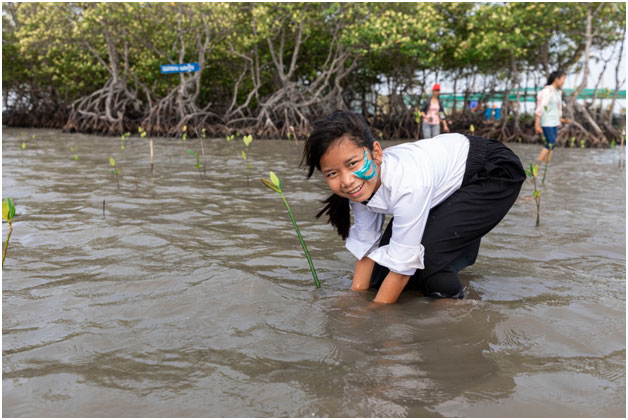
On March 2020, over 330 students, women champions, government officials, NGO members and community members from around Kampot and Kep gathered in an effort to plant 3,000 mangroves and conserve Cambodia’s coastline. The local activity took place as part of a larger mangrove planting and marine exhibition under Action Aid’s 100,000 Mangroves campaign, supported by the United Nations Development Programme (UNDP) under the project ‘Strengthening Climate Information and Early Warning Systems in Cambodia’. The campaign aims to plan 100,000 mangroves in eight community fisheries by May 2020, and raise awareness of the importance of marine ecosystems. Credit: ManuthButh/UNDP Cambodia

VANCOUVER, British Columbia, Canada, Mar 24 2020 (IPS) – We are living in a critical time. As we face existential environmental challenges from climate crises to the mass extinction of species, it is difficult sometimes to see solutions and new ideas. This is why we all need to celebrate and give visibility to creative and courageous efforts of people and organizations striving towards a healthy planet for all.


I write today about the key role played by National Human Rights Institutions (NHRIs) in the Global South in our collective fight against climate change. The time has come to empower NHRIs.

Their unique position mandated by law yet independent from the government can make an urgent needed bridge between legal and policy advances, and ground-up efforts such as youth and women movements, thereby contributing to the enjoyment of the right to a healthy environment.

I have recently had the chance of learning real-world success stories by brave NHRIs working in some of the most challenging contexts. While being a member of the facilitators’ team of a series of webinars* for technical staff and decision-makers working in NHRIs and prior face-to-face interaction with them, it became crystal clear that strengthening the skills and capacities of NHRIs can contribute positive outcomes for both human rights and the environment.

In Mongolia, for instance, the NHRI with the support of civil society organizations and environmental researchers has recently developed a draft law for safeguarding the rights of environmental defenders.

The NHRIs have also intervened in a variety of sectoral issues from pesticides and agriculture in Costa Rica, to mining in South Africa and the connections between coal mining and transportation in Mongolia. The Morocco NHRI has prompted other African NHRIs and civil society organizations to actively participate in international climate negotiations.

Business and human rights was a key issue raised by our NHRIs colleagues.

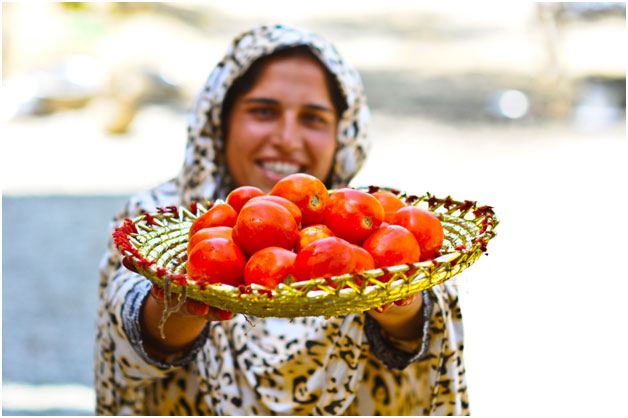
Nazia, 38, proudly shows off her home-grown tomatoes in Nadirabad village, Pakistan. She participated in kitchen gardening training offered under the joint UNDP-EU Refugee Affected and Host Areas (RAHA) Programme in Pakistan. Credit: UNDP Pakistan

The significant legal, institutional and financial obstacles that national duty bearers face to investigate transnational corporations and their responsibilities concerning their impacts to a safe climate has not proved insurmountable for NHRIs.

The Philippine’s NHRI has a mandate to promote human rights which, creatively interpreted, allowed it to investigate the climate change and human rights nexus beyond its national borders.

The systemic nature of climate change justified a national inquiry rather than a field visit. Because climate change is an existential issue not only to Filipino people but globally, the Philippines national inquiry on climate change turned into an inquiry with strong global dimensions.

It included public hearings in the Philippines, New York and London, virtual hearings and expert advice from the former UN Special Rapporteur on human rights and environment, academics from different parts of the world and the Asia-Pacific regional network of NHRIs.

A major comparative advantage presented by the NHRIs is their unique position in working hand in hand with right holders in addressing environmental – human rights gaps facing the most vulnerable populations.

Costa Rica NHRI has found, for instance, that women, girls, men and boys and elder living in coastal areas become especially vulnerable to climate change because their access to clean drinking water and fish become scarce.

The South African NHRI together with food sovereignty civil society organizations has developed a draft climate charter, to be presented to the parliament, with a more holistic approach to the current climate policy.

In recent years, the awareness of the linkages between human rights and climate change has greatly increased. The legal recognition of the right to a healthy environment in more than 150 countries, together with judicial decisions, and academic studies on the safe climate dimension of this right has grown rapidly. NHRIs can be instrumental in translating them into results and action, including under difficult circumstances.

Their role in advising duty bearers, working together with right-holders helps to understand and act upon systemic environmental challenges. Their synergies with environmental human rights defenders can also contribute to more effective investigation and advocacy, not least in the context of informal and unregulated business activities where it is especially difficult to collect data and hold businesses accountable.

Time has come for the international community to do more to support NHRIs in the Global South, a key player often overlooked in climate and biodiversity talks, debates and funding. Due to the intrinsic connections between human rights and environment, the NHRIs need to be further supported to perform their innovative roles in safeguarding life-support systems at various jurisdictional scales, including advocating for the global recognition of the right to a healthy environment by the United Nations.

* The series was organized by the Global Alliance for National Human Rights Institutions (GANHRI), UNDP, the UN Special Rapporteur on Human Rights and the Environment, the Swedish Environmental Protection Agency and UN Environment. A final report with key messages from the webinar series is available on the UNDP website.

  Source

Could the Coronavirus Pandemic have been Avoided if the World Listened to Indigenous Leaders?

Active Citizens, Climate Change, Editors’ Choice, Environment, Featured, Global, Headlines, IPS UN: Inside the Glasshouse, Regional Categories, TerraViva United Nations

Climate Change

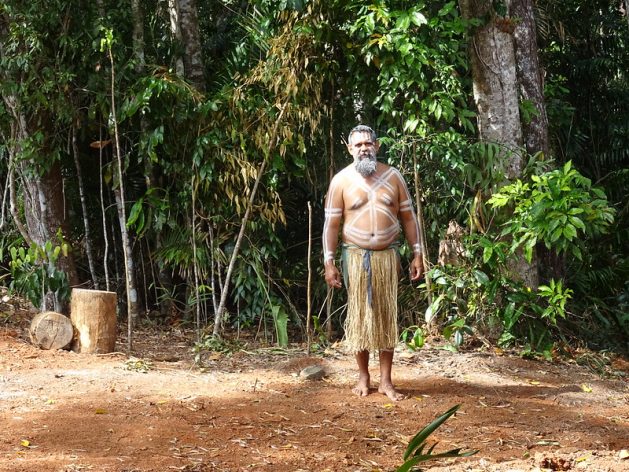
William Clark Enoch of Queensland. Aboriginal and Torres Strait Islander people, who comprise only 2.5 percent of Australia’s nearly 24 million population, are part of the oldest continuing culture in the world. At a Covering Climate Now panel in New York on Friday, indigenous leaders reiterated the need for the world to listen to them in addressing climate concerns. Credit: Neena Bhandari/IPS

UNITED NATIONS, Mar 19 2020 (IPS) Mina Setra remembers the story clearly. As a Dayak Pompakng indigenous person from Indonesia, when  visitors from the city who came into her community; brought bottled water with them because they were worried about the water not being suitable for drinking. 

Setra, who is the deputy secretary-general of the Indigenous Peoples’ Alliance of the Archipelago (AMAN), recalls one of the elders telling the visitors, “This is the problem of you city people: You eat and drink all the dead things. Like the water that is already in a bottle? It is dead water. The vegetables that you buy from the freezer in the supermarket, they’re all dead plants.”

The anecdote sums up a much bigger conversation that is relevant today: how climate change is linked to coronavirus, and why it’s important to listen to indigenous leaders on the matter.

Setra shared the story with IPS when asked about links between climate change and coronavirus, during a panel talk by Covering Climate Now in New York on Friday, where indigenous leaders reiterated the need for the world to listen to them in addressing climate concerns — and reminding them how climate change can lead to or exacerbate a global health crisis as grave as the current virus. 

The talk took place as global communities scrambled to take effective measures against the deadly virus, and just as the U.S. announced a global emergency while struggling to contain its coronavirus cases. More than two months since the world became aware of coronavirus — and increasingly learned of its alarming implicants — the pandemic has globally claimed 8,810 lives, with more than 218,800, cases. 

While global conversations have mainly focused on the issue of death rate, or the racism attached to the virus, or different countries’ isolation methods (or lack thereof), little has been said about the link to climate change.

This remains a much bigger conversation that indigenous leaders want people to be aware of: how climate change can exacerbate the dangers of something like the coronavirus, and why the world should’ve been listening to indigenous leaders to avoid such a catastrophic spread.  While many believe that coronavirus started with a bat, experts argue it’s not so black and white. A February report established what the leaders discussed at the talk: how deforestation can lead to a loss of habitat for many wild animals and species. As a result, they move to habitat that brings them to closer proximity to humans which can lead to repeated contact between them.  

“The inequilibrium of our planet is not just about climate change, but it’s also about the global economy,” Levi Sucre Romero, a member of the BriBri indigenous community from Costa Rica, told IPS at the panel talk. “So coronavirus is now telling the world what we have been saying for thousands of years: that if we do not help protect biodiversity and nature, that we will face this and worse future threats.”

Romero, a coordinator of the Mesoamerican Alliance of Peoples and Forests, further highlighted a United Nations’ statement for why it’s important for global communities to work with indigenous leaders and learn from their knowledge. United Nations for Indigenous Peoples did not respond to the IPS’ request for comments. 

While wild animals and species are forced to find a home in close proximity to humans as a result of deforestation, another crucial concern is the treatment of animals by people from commercial hubs and cities that can act as a catalyst for such a global crisis.

“Our animals are not contaminated by themselves. They get contaminated by people,” Tuxá said in response to IPS’ question about the link between coronavirus and climate change. “And the proof is that these viruses start in the commercial centres of the world. There is a direct correlation between this and coronavirus and other pandemics that are to come.”

Tuxá added the next pandemic’s cure can be found in the diversity of indigenous peoples’ lands. 

“That’s why it’s really important to demarcate and recognise our lands, to protect our lands and our biodiversity because future life depends on it,” he said.

  Source

Preserving World’s Biodiversity: Negotiations Convene at FAO Headquarters

Biodiversity, Civil Society, Climate Change, Conferences, Economy & Trade, Environment, Featured, Food & Agriculture, Gender, Global, Headlines, Indigenous Rights, Natural Resources, TerraViva United Nations

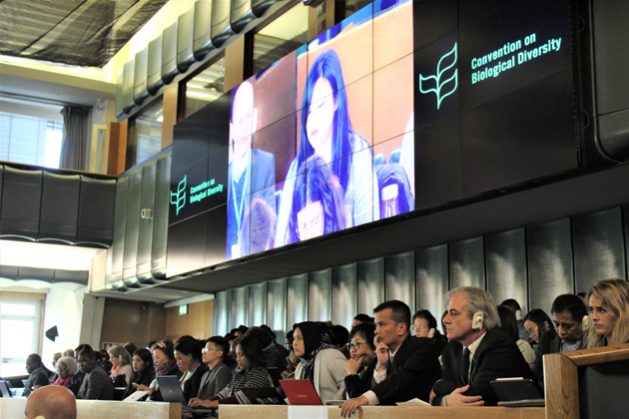
Delegates gather at FAO headquarters to advance negotiations of the post-2020 global biodiversity framework. Credit: Maged Srour/IPS

ROME, Feb 24 2020 (IPS) – “The world out there is watching and waiting for results,” Elizabeth Maruma Mrema warns while talking to IPS regarding the preservation of biodiversity of our planet.


The acting Executive Secretary of the Secretariat of the Convention on Biological Diversity, is referring to a worrying report[1] released by the Food and Agriculture Organization (FAO) which paints a grim picture of the planet.

“Many key components of biodiversity for food and agriculture at genetic, species and ecosystem levels are in decline and evidence suggests that the proportion of livestock breeds at risk of extinction is increasing,” the report says.

The FAO also warns that “nearly a third of fish stocks are overfished, and a third of freshwater fish species assessed are considered threatened”.

These are just some of the critical issues being debated during the open-ended working group on the post-2020 biodiversity framework. This round of negotiations is taking place at FAO headquarters from 24 to 29 February. In the run-up to October’s historic UN Biodiversity Conference, government officials, experts and activists from around the world gathered today at FAO headquarters, Rome, to forge ahead with negotiations. This round of talks was supposed to take place in Kunming, China, on the same dates. Due to the ongoing situation following the outbreak of the novel coronavirus 2019 (COVID-19), it was moved to Rome, Italy.

Background

The fourteenth meeting of the Conference of Parties (COP) to the Convention on Biological Diversity (CBD) had its meeting in Sharm el-Sheikh, Egypt, in 2018. It was here that the working group on the post-2020 global biodiversity framework was appointed. The working group’s mandate was to prepare the text of a framework that would guide the work of the Convention after the year 2020. At the working group’s first meeting held in Nairobi in August 2019, the Open-ended Working Group (WG2020) requested the Co-Chairs and the Executive Secretary to prepare a zero-draft text of the post-2020 global biodiversity framework. This framework is under consideration at its second meeting, which is currently taking place in Rome. The aim of the second meeting of the Working Group is to significantly advance the negotiation of the post-2020 global biodiversity framework, discussing the different aspects of the whole ambitious project.

‘Healthy Diets’ was among the proposed initiatives during the first day of the six-day event at FAO headquarters. The initiative emphasised the importance of ‘geographical indications’ for biodiversity, with examples and experiences from Africa and Eastern Europe. Credit: Maged Srour/IPS

Negotiations in Rome: Promoting a bi-directional approach

In the coming days, the working groups will be divided on a regional basis. They will discuss a wide variety of concerns including biodiversity, food, agriculture and fishing systems, to the importance of promoting an approach that leaves no one outside of this circuit. Civil society, the private sector, indigenous people, local communities, women and youth are all represented to create a functional framework for the whole society and at all levels. Many organisations, like Bioversity International, supported by a host of international agencies, have submitted research reports on biodiversity and food systems. It has also made representations on alternative models for access and benefit-sharing rules, practices and impacts in the Post-2020 Global Biodiversity Framework.

The voice of indigenous people

Key to the discussions is the role of indigenous people in biodiversity and Aslak Holmberg, the representative of the indigenous people, is convinced that policymakers can learn from these groups.

“There is a key message we want to share with other groups here during these negotiations,” he told IPS. “Indigenous peoples and local communities’ management of natural resources is (in fact) conserving biodiversity. (This is) because these management practices are built on a balanced relationship with the respective environment.

“Biological and cultural diversity are linked, and by this, I mean that (for indigenous communities) culture plays a fundamental role in the process of preserving biodiversity: it is in our culture to use our areas in a sustainable way. That is the message we want to share with others”.

The voice of the business sector

Representatives of the private sector too, in particular of the business world, wish to be part of the framework that will result from the negotiations and officially approved in October, in China.
Eva Zabey, Executive Director of the Business for Nature Coalition, told IPS she was grateful to the CBD secretariat for giving business and opportunity to engage and contribute to the zero draft of the post-2020 framework.

This coalition is a unique global group of influential business and conservation organisations participating in the negotiations.

“Forward-thinking businesses are starting to change the way they operate, based on their understanding of the value of nature – but this is still the exception, not the norm,” she told IPS.
“Therefore,” said Zabey, “Political leadership is needed now to transform our economic and financial systems in a way that places nature at the heart of global decision-making. It needs to create a level playing field and a stable operating environment for business.”

Zabey is looking forward to an ambitious post-2020 framework which will facilitate businesses’ involvement and create and positive “policy-business feedback loop,” she said.

Perspectives

Audrey Azoulay, United Nations Educational, Scientific and Cultural Organization (UNESCO) Director-General, perfectly summarised urgency at the negotiation.

Commenting on the global assessment report, she said: “The present generations have the responsibility to bequeath to future generations a planet that is not irreversibly damaged by human activity.”

“Our local, indigenous and scientific knowledge are proving that we have solutions and so no more excuses: we must live on earth differently”.

Zabey echoes Azouley. She said entrepreneurs are increasingly aware that the profit-sustainability ‘conflict’ is no longer feasible or conceivable.

“Companies planning on being successful in the future are starting to realise that financial performance is irrelevant on a dead planet.’

[1] http://www.fao.org/3/CA3129EN/ca3129en.pdf


World’s Young Activists at War: First, Occupy Wall Street, Next Un-Occupy Palestine

Active Citizens, Climate Change, Editors’ Choice, Featured, Global, Headlines, IPS UN: Inside the Glasshouse, Peace, Regional Categories, TerraViva United Nations

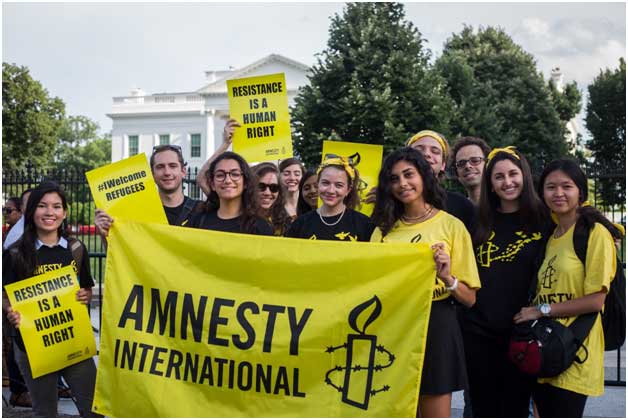
Credit: Amnesty International

UNITED NATIONS, Feb 6 2020 (IPS) – The world’s young activists, numbering over 3.8 billion, are on the war path.

The rising new socialist movements—which originated with “Black Lives Matter” and “Occupy Wall Street” (one protester’s slogan read: “Un-Occupy Palestine”) — were aimed at battling racism, political repression and institutionalized inequalities in capitalist societies.


In its recent cover story, Time magazine dubbed it “Youthquake” – a new phenomenon shaking up the old order, as young activists lead the fight against right-wing authoritarianism, government corruption and rising new hazards of climate change.

Joanne Mariner, Senior Crisis Response Adviser at Amnesty International (AI), told IPS “it is stunning to see how aggressive government efforts to quash protests, including by killing protesters, have not even succeeded in stopping them in the short run”.

In the long run, far too much is at stake, she said, where the coming years are likely to see more protests rather than fewer.

And it is more so in Asia, says AI, in a recently-released report which reviews human rights in 25 Asian and Pacific states and territories during 2019.

“2019 was a year of repression in Asia, but also of resistance”.

“As governments across the continent attempt to uproot fundamental freedoms, people are fighting back – and young people are at the forefront of the struggle,” says Nicholas Bequelin, AI’s Regional Director for East and South-East Asia and the Pacific.

“From students in Hong Kong leading a mass movement against growing Chinese encroachment, to students in India protesting against anti-Muslim policies; from Thailand’s young voters flocking to a new opposition party to Taiwan’s pro LGBTI-equality demonstrators. Online and offline, youth-led popular protests are challenging the established order,” he added.

Also, the rise of a new generation determined to lead the fight against climate emergency has led to a major youth movement worldwide, resulting in protest marches, with thousands of young people demonstrating in the streets of New York and in several world capitals.

According to Time magazine, the world’s under-30 population has been rising since 2012, and today accounts for more than half of the world’s 7.5 billion people.

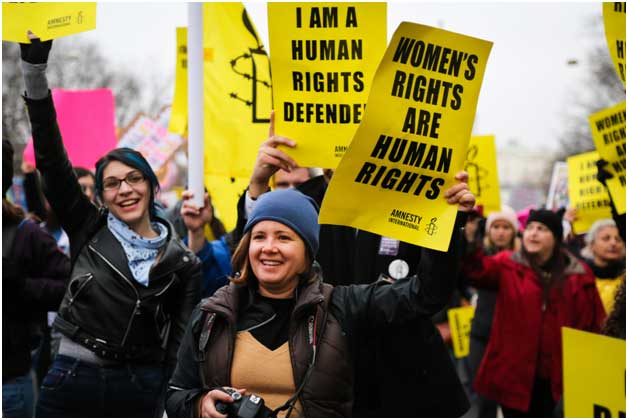
Credit: Amnesty International

Asked for the primary reasons for this surge in young activism, Mariner said this new era of youth activism reflects young people’s understanding that it’s their future at stake.

“If they don’t demand more from governments, including a voice in the decisions that affect their lives, their future is uncertain. It is the young who will inherit this fast-warming planet, and they see all too clearly the consequences of their elders’ inaction and irresponsibility,” she argued.

Meanwhile, the Youth Assembly, described as one of the longest-running and largest global youth summits, is scheduled to take place in New York city February 14-16.

The theme of next week’s 25th session will be: “It’s Time: Youth for Global Impact” aimed at underlining the importance of engaging young people, “especially at a time when the youth are influencing and leading movements that can change the world.”

Meanwhile, the Amnesty International report says China and India, Asia’s two largest powers, set the tone for repression across the region with their overt rejection of human rights.

Beijing’s backing of an Extradition Bill for Hong Kong, giving the local government the power to extradite suspects to the mainland, ignited mass protests in the territory on an unprecedented scale.

Since June, Hong Kongers have regularly taken to the streets to demand accountability in the face of abusive policing tactics that have included the wanton use of tear gas, arbitrary arrests, physical assaults and abuses in detention. This struggle against the established order has been repeated all over the continent, said AI.

In India, the AI report noted, millions decried a new law that discriminates against Muslims in a swell of peaceful demonstrations. In Indonesia, people rallied against parliament’s enactment of several laws that threatened public freedoms.

In Afghanistan, marchers risked their safety to demand an end to the country’s long-running conflict. In Pakistan, the non-violent Pashtun Tahaffuz Movement defied state repression to mobilize against enforced disappearances and extrajudicial executions.

Divya Srinivasan, Equality Now’s South Asia Consultant, told IPS young people across Asia have shown incredible resilience and bravery in their continuing battle against government repression in 2019.

One remarkable feature of these protests is that in many instances, they have been led by women and girls, including those from minority communities, she added.

In India, one of the epicentres of protests against the new anti-Citizenship Amendment Act (CAA) which discriminates against Muslims, has been the neighbourhood of Shaheen Bagh in New Delhi.

Srinivasan said women and children have braved the winter chill and gathered in huge numbers to continuously occupy a highway around the clock in a peaceful protest that has already lasted over a month.

“The voices of these women, particularly Muslim women, have been bravely opposing the Government’s discriminatory laws, and voicing concerns about the oppression of minorities and police brutality.”

“The Shaheen Bagh protest began on December 14th with around a dozen local women and their children and numbers soon swelled into the hundreds”, she said.

And the site has become a creative space for many children and young people, with singing, storytelling, poetry, and talks happening daily, and drawings, graffiti, posters, photographs, and art installations decorating the roadside where people are camping”

In early 2019, Srinivasan said, India saw another historic protest in the form of the Dignity March, which was a 10,000-kilometre long march through 24 states that brought together thousands of survivors of sexual violence, including many young women and girls, who were raising their voices to call for justice, dignity, and an end to victim-blaming and stigma.”

“Young women across Asia are making their voices heard. We cannot ignore them any longer,” declared Srinivasan, a licensed attorney in India with a background in women’s rights, including work on sexual harassment in the workplace and sexual violence against women.

Asked whether there is a role for the United Nations to either support or give its blessings to these youth activists, AI’s Mariner said: “The UN, including at the highest levels, can and should speak out to demand that governments respect the right of peaceful protest”

She pointed out it was heartening to hear UN Secretary General Antonio Guterres condemn the killings of protesters in Iraq, “although he has been far less vocal regarding repression elsewhere”.

Also encouraging, from the perspective of UN action, are the numerous UN special rapporteurs who have called on the authorities in Hong Kong, India, and Indonesia, among others, to protect the rights of those who participate in protests, she declared.

The AI repot said people speaking out against these atrocities were routinely punished, but their standing up made a difference. There were many examples where efforts to achieve human rights progress in Asia paid off.

In Taiwan, same-sex marriage became legal following tireless campaigning by activists. In Sri Lanka, lawyers and activists successfully campaigned against the resumption of executions.

Brunei was forced to backtrack on enforcing laws to make adultery and sex between men punishable by stoning, while former Malaysian prime minister Najib Razak took the stand on corruption charges for the first time.

The Pakistani government pledged to tackle climate change and air pollution, and two women were appointed as judges on the Maldivian Supreme Court for the first time.

And in Hong Kong, the power of protest forced the government to withdraw the Extradition Bill. Yet, with no accountability for months of abuses against demonstrators, the fight goes on.

The writer can be contacted at thalifdeen@aol.com

  Source

Our Message at Davos: Water & Sanitation Are a Critical Line of Defence Against Climate Change

Civil Society, Climate Change, Development & Aid, Environment, Featured, Global, Headlines, Health, Population, Poverty & SDGs, TerraViva United Nations, Water & Sanitation

Opinion

Tim Wainwright is Chief Executive of WaterAid UK.

Credit: WaterAid/ DRIK/ Habibul Haque

LONDON, Jan 31 2020 (IPS) – There was only one topic on everyone’s lips at Davos this year – climate change. The headlines focused on the cold war between Greta Thunberg and Donald Trump, but there was much greater consensus among those gathered for the annual meeting of the World Economic Forum (WEF).


The Forum itself updated its manifesto for responsible business – with climate right at its core.

Among those calling for urgent action was WaterAid’s own president, His Royal Highness the Prince of Wales. It’s more than 30 years since he last attended Davos and, as he reminded the audience, 50 years since he made his first speech on the environment.

His message was stark, and his call to action challenging: the climate emergency requires nothing less than an overhaul of the current economy, with a new deal for people and planet.

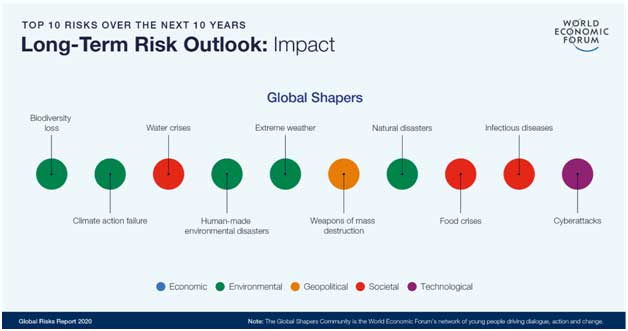
The mood is slowly shifting towards the scale of action needed, given that climate change will affect every part of the economy. This cannot be truer than for water – the WEF has ranked water crises in its top five global risks in terms of likelihood or impact every year since 2012.

Infographic showing the top 10 risks over the next 10 years, according to the World Economic Forum’s 2020 report. Credit: World Economic Forum

The climate crisis is a water crisis, and a threat multiplier

Throughout the forum I had one consistent message: for the world’s poorest, the climate crisis is a water crisis. Yes, it has long-term implications for your businesses and economies. But, first and foremost, it is a question of survival, dignity and justice, with climate change already having devastating impacts on the lives of the people who did least to cause it.

Flooding, storms and droughts, which all impact on how and if people can get clean water, are becoming more frequent and extreme, and these trends are predicted to rise as the climate continues to change. This will undermine the already precarious access to water for billions around the world.

Climate change acts as a huge threat multiplier, worsening existing barriers to these services and rolling back progress already made.

As people living in climate-vulnerable areas experience changing weather patterns, less predictable rainfall, salt water intrusion and increased exposure to disease, water and sanitation become a critical line of defence.

If your water supply comes from a shallow aquifer that fills with sea water, then you can no longer drink it. But if the person designing your water supply has thought of this threat and factored it in, perhaps by drawing on deeper aquifers, then you can carry on living in your neighbourhood.

If your toilets and sanitation systems are constructed to withstand flooding, then your community does not suffer the same level of contamination after flooding as if human waste had been spread by the high waters.

The water and sanitation sector could become a leader in climate adaptation

But we currently lack the level of public and private sector investment and innovation required to deliver the sustainable water services that would benefit poverty reduction, industry and economic development.

This is a huge blind spot for business leaders and politicians, and a missed opportunity for creating a more sustainable future.

Rather than lagging behind, the water and sanitation sector could become a leader in delivering the kind of green infrastructure, services and jobs urgently required to enable adaptation to the worst impacts of climate change.

Tim Wainwright, Chief Executive of WaterAid UK, speaking with Hassan Nasir Jamy, Secretary Ministry of Climate Change, at Pakistan’s Ministry of Climate Change in Islamabad, Pakistan. Credit: WaterAid/ Sibtain Haider

Water, sanitation and hygiene are core to a sustainable future

Leaving Davos last year, I was frustrated. I felt that too few understood or discussed the impact climate change would have on the already grave state of the world’s water and sanitation, and the devastating consequences for education, health, productivity and development.

This year, I sensed a greater understanding of the interlinked challenges we face, and with that an air of urgency and proactivity. Businesses are looking for solutions – not just raising concerns.

That is why WaterAid will be one of the organisations working closely with HRH the Prince of Wales as part of his 2020 year of action.

In March, in London, we will bring together the public, private and philanthropic sectors for a high-level summit that will position water, sanitation and hygiene at the forefront of the fight against climate, and work on the solutions that will ensure a sustainable future for all.

And we will continue that work across the WaterAid federation throughout the year, including at the Commonwealth Heads of Government Meeting in Kigali in June, and at the UN Climate Change Conference, COP 26, in Glasgow in November, to help build momentum for decisive action.

In this way we hope WaterAid can play its part in shifting the global trajectory in the coming decade, resulting in a fairer world for the poorest and most marginalised people.

Read our guide Water and resilient business: the critical role of water, sanitation and hygiene in a changing climate to learn more about how businesses can take action.

  Source