Africa’s Civil Society Calls for Action as COP25 Kicks off in Madrid

Africa, Aid, Civil Society, Climate Change, Conferences, Development & Aid, Editors’ Choice, Energy, Environment, Featured, Global Governance, Green Economy, Headlines, IPS UN: Inside the Glasshouse, Regional Categories, TerraViva United Nations

Climate Change

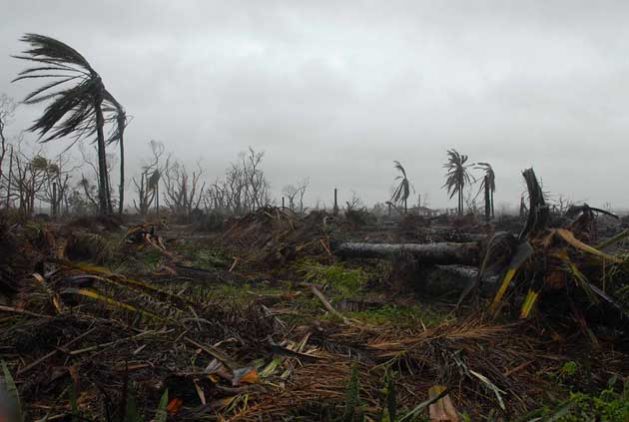
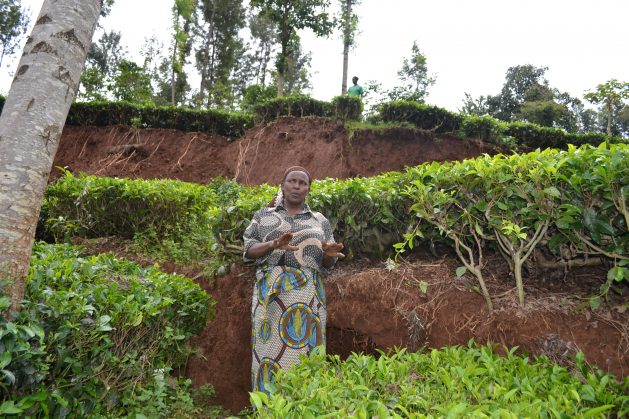
In Africa, climate change has caused drought, change in distribution of rainfall, the drying-up of rivers. Intense flooding causes landslides and in Kenya, residents of West Pokot County are currently grappling with with the deaths of 50 people who were last week buried alive by landslides following heavy rainfall that continues to pound the East African region. Credit: Isaiah Esipisu/IPS

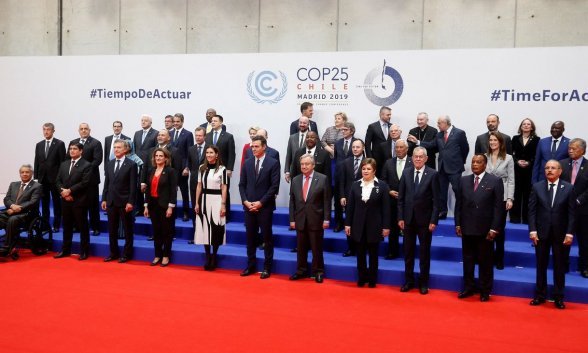
MADRID, Dec 2 2019 (IPS) – During the 25th round of climate change negotiations starting today in Madrid, Spain, African civil society organisations will call on governments from both developing and developed nations to play their promised roles in combating climate change.


“We’re fatigued by COP [Conference of Parties] jamborees which have become a ritual every year,” said Dr Mithika Mwenda of the Pan Africa Climate Justice Alliance (PACJA) – an umbrella organisation that brings together over 1,000 African climate and environment civil society organisations.

“We know the science is clear about the level [in which] we need to act, yet we procrastinate and prevaricate while maintaining our profligate lifestyles,” he told IPS in an interview.

The 25th United Nations Framework Convention on Climate Change (UNFCCC) Conference of Parties (COP 25) comes a week after the U.N. Environment Programme (UNEP) released a report warning that unless global greenhouse gas emissions fall by 7.6 percent each year between 2020 and 2030, the world will miss the opportunity to get on track towards the 1.5°C temperature goal of the Paris Agreement.

The Paris Agreement is an agreement reached at the 21st Conference of the Parties (COP 21) in Paris, France, where the world’s nations undertook a determined course to reduce climate change. Among the commitments was to reduce the increase in global temperatures.

The annual Emissions Gap Report, which was released on Nov. 26 warns that even if all current unconditional commitments under the Paris Agreement are implemented, temperatures are expected to rise by 3.2°C, bringing even wider-ranging and more destructive climate impacts.

“Any slight change in global temperatures can have a devastating effect on millions of livelihoods, and could expose people to life-threatening heat waves, water shortages and coastal flooding,” said Dr Mohammed Said, a climate change research scientist based in Kenya.

According to his research in Kenya’s Arid and Semi Arid regions, people in counties that experienced increased temperatures in the past 50 years have suffered significant loss of livelihoods with some having to change their lifestyles altogether.

“In Turkana County for example, the temperatures increased by 1.8°C, and as a result, the cattle population declined by 60 percent, and now residents have been forced to turn to more resilient camels, goats and sheep,” he told IPS.

It is the same situation all over the world. A study published in Nature Climate Change points out that if global warming causes a rise of 1.5°C or 2°C, then there will be extremely hot summers across Australia, more frequent drought conditions and more frequent heat leading to bleaching of the Great Barrier Reef.

Another study by the United Kingdom’s Met Office reveals that the changing climate will make heat waves a common phenomena worldwide and even intense in the U.K..

In Africa, climate change has caused flooding, drought, change in the distribution of rainfall, and the drying up of rivers. It has affected agriculture, food security and human health. And it has also led to conflicts over resources, impacting national security in various countries.

In Kenya, residents of West Pokot County are currently grappling with the deaths of 50 people who were last week buried alive by landslides following heavy rainfall that continues to pound the East African region.

According to the Kenya Meteorological Department, the above-normal rainfall has been caused by sea surface temperature anomalies in the Indian, Atlantic and Pacific Oceans caused by global warming. Floods in the region, which have already displaced hundreds of households and have swept away bridges, roads and property, are expected to continue for the next three weeks, according to the meteorological focus.

However, Mwenda believes that all is not lost. He notes that though the Nationally Determined Commitments (NDCs) are inadequate to lead to emission levels required by science and justice, there is still hope that momentum building on their implementation won’t be compromised.

“We will not be tired of telling our leaders that the future generations will judge them harshly as they have failed to rise to the occasion even when science is very clear that we have exceeded planetary boundaries,” he said.

In order to address climate change adequately, civil society is also calling for a dedicated financial mechanism to be established in Madrid to support Loss and Damage with a clear agreement on new sources of finance.

During the 19th round of negotiations in Poland, the COP established the Warsaw International Mechanism (WIM) for Loss and Damage associated with Climate Change Impacts (Loss and Damage Mechanism), to address loss and damage associated with impacts of climate change, including extreme events and slow onset events, in developing countries that are particularly vulnerable to the adverse effects of climate change.

“As we head to Madrid, we expect that all countries will endeavour to deliver on ambitious commitments in climate finance, especially in regard to loss and damage, strong national targets, and clear rules on trading emissions between countries,” said Robert Bakiika, the Executive Director of EMLI Bwaise Facility, a Ugandan NGO and one of the admitted observer organisations at the UNFCCC.


Water Is Worth More than Milk in Extrema, Brazil

Biodiversity, Civil Society, Development & Aid, Economy & Trade, Editors’ Choice, Environment, Featured, Food & Agriculture, Green Economy, Headlines, Integration and Development Brazilian-style, Latin America & the Caribbean, Projects, Regional Categories, TerraViva United Nations, Water & Sanitation

Water & Sanitation

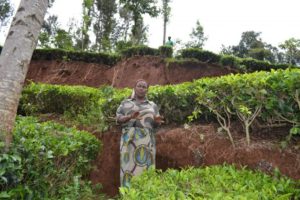
Elias Cardoso is proud of the restored forests on his 67-hectare farm, where he has protected and reforested a dozen springs as well as streams. "I was a guinea pig for the Water Conservator project, they called me crazy," when the mayor's office was not yet paying for it in Extrema, a municipality in southeastern Brazil. Credit: Mario Osava/IPS

Elias Cardoso is proud of the restored forests on his 67-hectare farm, where he has protected and reforested a dozen springs as well as streams. “I was a guinea pig for the Water Conservator project, they called me crazy,” when the mayor’s office was not yet paying for it in Extrema, a municipality in southeastern Brazil. Credit: Mario Osava/IPS

EXTREMA, Brazil, Nov 29 2019 (IPS) – “They called me crazy” for fencing in the area where the cows went to drink water, said Elias Cardoso, on his 67-hectare farm in Extrema, a municipality 110 km from São Paulo, Brazil’s largest metropolis.


“I realized the water was going to run out, with cattle trampling the spring. Then I fenced in the springs and streams,” said the 60-year-old rancher. “But I left gates to the livestock drinking areas.”

Cardoso was a pioneer, getting the jump on the Water Conservancy Project, launched by the local government in 2005 with the support of the international environmental organisation The Nature Conservancy and the Forest Institute of the southeastern state of Minas Gerais, where Extrema, population 36,000, is located at the southern tip.

The project follows the fundamentals of the National Water Agency‘s Water Producer Programme, which focuses on different ways to preserve water resources and improve their quality, such as measures to conserve soil, preventing sedimentation of rivers and lakes.

But at the core of the project is the Payments for Environmental Services (PES), which in the case of Extrema compensate rural landowners for land they no longer use for crops or livestock, to restore forests or protect with fences.

The “Water Conservator” (Conservador das Águas) began operating in 2007, with contracts offered by the PES to farmers who reforest and protect springs, riverbanks and hilltops, which are numerous in Extrema because it is located in the Sierra de Mantiqueira, a chain of mountains that extends for about 100,000 square km.

“Then everyone jumped on board,” Cardoso said, referring to the project in the Arroyo das Posses basin, where he lives and where the environmental and water initiative began and had the biggest impact.

View of the new landscape in the hilly area around Extrema, after the reforestation of thousands of hectares in three basins in this municipality in southeastern Brazil, where the local government has fomented the process of recovery by paying landowners for environmental services. The priority is to restore the forests at the headwaters of the rivers and on hilltops and protect them with cattle fences. Credit: Mario Osava/IPS

View of the new landscape in the hilly area around Extrema, after the reforestation of thousands of hectares in three basins in this municipality in southeastern Brazil, where the local government has fomented the process of recovery by paying landowners for environmental services. The priority is to restore the forests at the headwaters of the rivers and on hilltops and protect them with cattle fences. Credit: Mario Osava/IPS

In the 14 years since it was launched, the project has only worked fully in three basins, where two million trees were planted and close to 500 springs were protected. It is now being extended to seven other watersheds.

“The goal is to reach 40 percent of forest cover with native species” in the municipality and “so far we already have 25 percent covered, and 10 percent is thanks to the Water Conservator,” said Paulo Henrique Pereira, promoter of the project as Environment Secretary in Extrema since 1995.

“Planting trees is easy, creating a forest is more complex,” the 50-year-old biologist told IPS, stressing that it’s not just about planting trees to “produce” and conserve water.

The project began with the prospecting of areas and the training of technicians, after the approval of a municipal PES statute, since there is no national law on remunerated environmental services.

“The bottleneck is that there is no skilled workforce” to reforest and implement water conservation measures, Pereira said.

The project now has its own nursery for the large-scale production of seedlings of native tree species, to avoid the past dependence on external acquisitions or donations, which drove up costs and made planning more complex.

Since 2005 Paulo Henrique Pereira, Secretary of Environment in Extrema since 1995, has promoted the Water Conservator Project, which has won national and international awards for its success in recovering and preserving springs and streams, by paying for environmental services to rural landowners who reforest in this municipality in southeastern Brazil. "Planting trees is easy, creating a forest is more complex," he says. Credit: Mario Osava/IPS

Since 2005 Paulo Henrique Pereira, Secretary of Environment in Extrema since 1995, has promoted the Water Conservator Project, which has won national and international awards for its success in recovering and preserving springs and streams, by paying for environmental services to rural landowners who reforest in this municipality in southeastern Brazil. “Planting trees is easy, creating a forest is more complex,” he says. Credit: Mario Osava/IPS

The success of Extrema’s project, which has won dozens of national and international good practice awards, “is due to good management, which does not depend on the continuity of government,” said the biologist, although he admitted that it helped that he had been in the local Secretariat of the Environment for 24 years and that the mayors were of the same political orientation.

“It is a well-established project that is not likely to suffer setbacks,” he said.

The fact that the project offers both environmental and economic benefits helps keep it alive.

“My grandfather, who spent his life deforesting his property, initially rejected the project. It didn’t make sense to him to plant the same trees he had felled to make pasture for cattle,” said Aline Oliveira, a 19-year-old engineering student who is proud of the quality of life achieved in Extrema.

“When I was a girl, I didn’t accept the idea of protecting springs to preserve water either. I thought it was absurd to plant trees to increase water, because planting 200 or 300 trees would consume a lot of water. That was how I used to think, but then in practice I saw that springs survived in intact forest areas,” she said.

Later, when the PES arrived in the area, her grandfather gave in and more than 10 springs on the 112-hectare farm were reforested and protected. The payment is 100 municipal monetary units per hectare each year, currently equivalent to about 68 dollars.

Aline Oliveira studies engineering and lives on her family's farm in southeastern Brazil. She is proud of the way life has improved in Extrema, a process that began with the establishment of the Payments for Environmental Services system, which guarantees income to farmers and ranchers for reforesting watersheds. It is a secure income at a time of falling milk prices and in a town far from the dairy processing plants. Credit: Mario Osava/IPS

Aline Oliveira studies engineering and lives on her family’s farm in southeastern Brazil. She is proud of the way life has improved in Extrema, a process that began with the establishment of the Payments for Environmental Services system, which guarantees income to farmers and ranchers for reforesting watersheds. It is a secure income at a time of falling milk prices and in a town far from the dairy processing plants. Credit: Mario Osava/IPS

“The PES is a secure income, while milk prices have dropped, and everything has become more expensive than milk in the last 10 years. In addition, there were losses due to lack of transportation, since there is no major dairy processing plant within 50 km,” she told IPS.

Thanks to the municipal payments, “we were able to invest in cows with better genetics, buy a milking parlor and improve health care for the cattle, thus increasing productivity,” which compensated for the reduction in pastures, added the student, who works for the project.

The programme coincided with a major improvement in the economy and quality of life in Extrema. “I was born in Joanópolis, where there were better hospitals than in Extrema. But now it’s the other way around” and people from there come to Extrema, 20 km away, for heath care, Oliveira said.

This is also due to the industrialisation experienced by Extrema in recent decades, which becomes evident during a walk around the town, where many new industrial plants can be seen.

The water conservation project has also contributed to the water supply for a huge population in the surrounding area.

Arlindo Cortês, head of environmental management at Extrema's Secretariat of the Environment, stands in the nursery where seedlings are grown for reforestation in this municipality in southeastern Brazil. "Building reservoirs does not ensure water supply if the watershed is deforested, degraded, sedimented. There will be floods and water shortages because the rainwater doesn't infiltrate the soil," he explains. Credit: Mario Osava/IPS

Arlindo Cortês, head of environmental management at Extrema’s Secretariat of the Environment, stands in the nursery where seedlings are grown for reforestation in this municipality in southeastern Brazil. “Building reservoirs does not ensure water supply if the watershed is deforested, degraded, sedimented. There will be floods and water shortages because the rainwater doesn’t infiltrate the soil,” he explains. Credit: Mario Osava/IPS

The Jaguari River, which crosses Extrema, receives water from fortified streams and increases the capacity of the Jaguari reservoir, part of the Cantareira system, which supplies 7.5 million people in greater São Paulo, one-third of the total population of the metropolis.

“If the watersheds are deforested, degraded and sedimented, merely building reservoirs solves nothing,” said Arlindo Cortês, the head of environmental management at Extrema’s Secretariat of the Environment.

Extrema’s efforts have translated into local benefits, but contributed little to the water supply in São Paulo, partly because it is over 100 km away, said Marco Antonio Lopez Barros, superintendent of Water Production for the Metropolitan Region at the local Sanitation Company, Sabesp.

“No increase in the capacity of the Cantareira System has been identified since the 1970s,” he said in an interview with IPS.

“Thousands of similar initiatives will be necessary” to actually have an impact in São Paulo, because of the level of consumption by its 22 million inhabitants, he said, adding that improvements in basic sanitation in cities have greater effects.

São Paulo experienced a water crisis, with periods of rationing, after the 2014 drought in south-central Brazil, and faces new threats this year, as it has rained less than average.

Extrema also felt the shortage. “Since 2014 we have only had weak rains,” said Cardoso. The problem is the destruction of forests by the expansion of cattle ranching in the last three decades.

“The creek where I used to swim has lost 90 percent of its water. The recovery will take 50 years, the benefits will only be felt by our children,” he said.

  Source

IDB Modernises Crucial Social and Environmental Safeguards

Civil Society, Development & Aid, Economy & Trade, Editors’ Choice, Environment, Eye on the IFIs, Global Governance, Green Economy, Headlines, Integration and Development Brazilian-style, Latin America & the Caribbean, Projects, Regional Categories, TerraViva United Nations

Development & Aid

The IDB finances sustainable transportation projects in Latin America and the Caribbean, but these and other works to which the bank provides loans must meet social and environmental standards. The picture shows part of Mexico City's Metrobus public transport system, which runs on a dedicated lane with bi-articulated units. Credit: Emilio Godoy/IPS

The IDB finances sustainable transportation projects in Latin America and the Caribbean, but these and other works to which the bank provides loans must meet social and environmental standards. The picture shows part of Mexico City’s Metrobus public transport system, which runs on a dedicated lane with bi-articulated units. Credit: Emilio Godoy/IPS

MEXICO CITY, Nov 27 2019 (IPS) – The Inter-American Development Bank (IDB) is in the process of modernising the social and environmental safeguards that govern the financing of projects considered vital for the construction of sustainable infrastructure in the Latin American region.


The participation of social organisations and local communities in the analysis of projects, dissemination of information, gender perspective and the focus on climate change are major challenges in this process of reforming the safeguards.

The Washington-based IDB will begin regional consultations with civil society organisations in January to upgrade the standards of those safeguards, approved between 1998 and 2010, after it closed the public consultation for the draft of the new environmental and social sustainability policy for its private sector lending arm IDB Invest on Oct. 15.

Vanessa Torres, deputy director of the Colombian NGO Environment and Society, told IPS that a Latin American coalition of NGOs and local communities asked for adequate time to coordinate their positions and exchange and study information.

“There will be an opportunity to update the risks and comment on the substance. They will have to be adapted to the characteristics of the region. We have not yet seen the draft of the update. Our concern is that substantial aspects, which are already in the current safeguards, not be watered down.” — Carolina Juaneda

“The communities affected by the projects must be informed in order for them to participate. This is a positive process, because the bank has been very open, but we are waiting to see what was included in the draft,” said Torres, an environmental lawyer.

The IDB, whose president is Colombian businessman Luis Moreno, will disseminate the draft at the end of November and stage consultations in 2020 in Argentina, Panama, Jamaica and Peru.

In September 2020, the bank’s Board of Executive Directors, made up of 14 representatives from several blocks of countries, will receive the final version and the implementation plan.

Among other measures, at the end of the process, in terms of environmental and social policy in project finance, the IDB will adopt the eight principles of the International Finance Corporation (IFC), the private lending arm of the World Bank, on issues such as environmental impacts, labour issues, biodiversity conservation and indigenous peoples, and will apparently incorporate a gender approach and stakeholder participation and information dissemination.

The multilateral institution proposes an integrated policy framework, with a socio-environmental statement and 10 technical standards for the management of environmental and social risks.

“There will be an opportunity to update the risks and comment on the substance. They will have to be adapted to the characteristics of the region. We have not yet seen the draft of the update. Our concern is that substantial aspects, which are already in the current safeguards, not be watered down,” said Carolina Juaneda, a consultant for the Latin America Program of the non-governmental Washington-based Bank Information Center.

The current IDB Environmental Safeguards and Compliance Policy consists of environmental, population resettlement, disaster risk management, gender equality, indigenous peoples and access to information requirements.

In 2018, the IDB approved 96 sovereign guaranteed (backed by a government) loan projects with total financing of 13.4 billion dollars, and disbursed more than 9.9 billion dollars.

The bank ranks the level of risk in terms of a project’s environmental and social sustainability. In 2018, eight percent of the loans were granted to high risk projects, 24 percent substantial risk, 31 percent low risk and 37 percent moderate, according to the 2018 Sustainability Report.

 The IDB will investigate whether IDB Invest, its private finance arm, failed to comply with the safeguards in the loan for the Ituango hydroelectric plant, which is being built on the Cauca River, 170 km from the city of Medellín, Colombia, after a serious accident with the dam in 2018. Credit: Courtesy of Colombia's Attorney General's Office

The IDB will investigate whether IDB Invest, its private finance arm, failed to comply with the safeguards in the loan for the Ituango hydroelectric plant, which is being built on the Cauca River, 170 km from the city of Medellín, Colombia, after a serious accident with the dam in 2018. Credit: Courtesy of Colombia’s Attorney General’s Office

Ten percent of the projects failed to meet the standards, 20 percent adhered to the guidelines, 21 percent required immediate corrective action, and 49 percent had partially consistent compliance with the requirements.

The IDB has 2,596 active projects worth 60.8 billion dollars, most of which are being implemented by Argentina, Brazil, Colombia, Mexico and Paraguay in areas like transportation, energy, water and sanitation. In addition, it is evaluating 225 projects for another 19.8 billion dollars.

The ravages of the climate emergency in Latin America and the Caribbean, such as more intense hurricanes, rising temperatures, loss of biodiversity and rising sea levels, make the construction of sustainable infrastructure an imperative.

Safeguards as a tool

Beginning in the 1990s, multilateral financial institutions began to design safeguards that their clients – governments and companies – and the projects they finance must respect, thanks in part to pressure from affected social organisations and communities demanding that the impacts of these ventures be taken into account.

They also put in place mechanisms to process complaints of non-compliance with the standards or requirements set by the safeguards in projects financed by the multilateral banks.

Since last decade, financial institutions have revised these guidelines to adapt them to a changing social and environmental context, such as the worsening of climate change and its effects, including intense storms, droughts and rising temperatures. Currently, the greatest pressure on the banks is for them not to finance hydrocarbon projects, due to the climatic urgency to stop using fossil fuels.

Moreno, who assumed the presidency of the IDB in 2005, will conclude his term in mid-2020 and wants to do so having put in place updated social and environmental standards.

In updating the safeguards, the IDB has developed more than 60 new environmental, social, economic and institutional criteria to be applied in the design, construction, operation and final conclusion of a project financed by the institution.

The update stems from recommendations made in 2018 by the IDB Office of Evaluation and Oversight, which found that a large percentage of IDB projects that were reviewed did not fully comply with the initial safeguards requirements prior to loan authorisation and that the requirements were not addressed during execution.

The organisations involved in the update process mention, as an example of unsustainable infrastructure, the Ituango hydroelectric dam, built by Empresas Públicas de Medellín on the Cauca River, Colombia’s largest river. The IDB provided 550 million dollars for the project and administered part of the one billion dollars provided by other banks.

In May 2018, torrential rains overflowed the river, causing the collapse of the tunnel built to divert that flow, and as a result landslides, floods and the displacement of thousands of people from their homes, raising serious questions about the sustainability of the country’s largest hydroelectric project and one of the biggest in Latin America.

In June of that year, 477 residents of eight municipalities in the northwestern department of Antioquia requested that the Independent Consultation and Investigation Mechanism (Mici), the bank’s autonomous body responsible for evaluating performance against its standards, investigate whether the IDB and IDB Invest respected their own socioenvironmental safeguards.

The IDB Board of Directors resolved on Oct. 29 that it would inquire whether IDB Invest had complied.

Between 2010 and September 2019, Mici received 151 complaints, of which 144 referred to the IDB, four to IBD Invest and four to IDB Lab, a platform that seeks to mobilise capital, knowledge and connections to promote innovation in the region. Thirteen are active, of which seven are in the consultation phase, five in the compliance review phase and one is being assessed for eligibility.

This year, Mici has three cases open from Argentina and two from Brazil, while it rejected two complaints from Argentina and Brazil, and it has one each from Barbados, Colombia, Ecuador, Guyana and Paraguay, respectively, while it declared a complaint from Chile ineligible.

The organisations say the bank’s sustainability framework should include a comprehensive approach embodied in the operational strategy and safeguards, with an exclusion list of hydrocarbon projects.

The IDB has an active regional initiative to promote the reduction of polluting emissions and improvements in efficiency through the use of gas, backing for Guyana’s oil sector and other support for the “sustainable and responsible development” of mining and hydrocarbons in Colombia.

  Source

Empower Young People to Sustain Our Planet, and Let Peace and Prosperity Thrive

Africa, Conferences, Development & Aid, Education, Featured, Gender, Gender Violence, Global, Headlines, Health, Human Rights, Labour, TerraViva United Nations, Women’s Health

We need to empower young people to sustain our planet, and let peace and prosperity thrive says UN’s Resident Co-ordinator in Kenya, Siddharth Chatterjee speaks to IPS on reflections on the ICPD25 Summit.

Young people at ICPD25 youth session. Credit: Mantoe Phakathi / IPS

NAIROBI, Kenya, Nov 15 2019 (IPS) Q: At ICPD25 we heard that women and girls are still waiting for the unmet promises to be met? DO you think this time around there is a commitment to ensure that these promises are met?

The Nairobi Summit is about the Future of Humanity and Human Prosperity.


We all have an opportunity to repeat the message that women’s empowerment will move at snail-pace unless we bolster reproductive health and rights across the world. This is no longer a fleeting concern, but a 21st century socio-economic reality.

We can choose to take a range of actions, such as empowering women and girls by providing access to good health, education and job training. Or we can choose paths such as domestic abuse, female genital mutilation and child marriages, which, according to a 2016 Africa Human Development Report by UNDP, costs sub-Saharan Africa $95 billion per year on average due to gender inequality and lack of women’s empowerment.

Fortunately, the world has made real progress in the fight to take the right path. There is no lack of women trailblazers in all aspects of human endeavour. It has taken courage to make those choices, with current milestones being the result of decades of often frustrating work by unheralded people, politics and agencies.

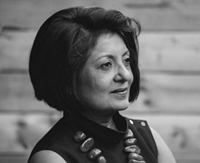
Leaders like the indefatigable Dr. Natalia Kanem the Executive Director of UNFPA and her predecessors, are pushing the global change of paradigm to ensure we demolish the silo of “women’s issues” and begin to see the linkages between reproductive rights and human prosperity.

Siddharth Chatterjee

Numerous studies have shown the multi-generation impact of the formative years of women. A woman’s reproductive years directly overlap with her time in school and the workforce, she must be able to prevent unintended pregnancy in order to complete her education, maintain employment, and achieve economic security.

Denial of reproductive health information and services places a women at risk of an unintended pregnancy, which in turn is one of the most likely routes for upending the financial security of a woman and her family.

As the UN Resident Coordinator to Kenya, I am privileged to serve in a country, which has shown leadership to advance the cause of women’s right-from criminalizing female genital mutilation to stepping up the fight to end child marriage and pushing hard on improving reproductive, maternal and child health.

Q: At ICPD25 we heard that innovative partnerships are needed to ensure commitments to women and girls. 25 years on do you think this will happen? Can you site an example in Kenya or Africa on this?

Achieving the SDGs will be as much about the effectiveness of development cooperation as it will be about the scale and form that such co-operation takes. There is a lot of talk about partnership, but not enough practical, on-the-ground support to make partnerships effective in practice, especially not at scale.

Under the leadership of the Government of Kenya therefore, the UN System in Kenya in 2017 helped to spearhead the SDG Partnership Platform in collaboration with development partners, private sector, philanthropy, academia and civil society including faith-based stakeholders.

The Platform was formally launched by the Government of Kenya at the UN General Assembly in 2017 and has become a flagship initiative under Kenya’s new UN Development Assistance Framework 2018-2022 (UNDAF). As the entire UNDAF, the Platform is geared to contribute to the implementation of Kenya’s Big Four agenda in order to accelerate the attainment of the Country’s Vision2030.

In 2018, the Platform has received global recognition from UNDCO and the Dag Hammarskjold Foundation as a best practice to accelerate SDG financing. This clearly implies that we are on the right track, and as you can read in this report are developing a blueprint for how 21st Century SDG Partnerships can be forged and made impactful, but much more needs to be done.

Primary Healthcare (PHC) – in the SDG 3 cluster – has been the first SDG Partnership Platform window contributing to the attainment of the Universal Health Coverage as a key pillar of the Big Four agenda. We are living in a day and age where we have the expertise, technology and means to advance everyone’s health and wellbeing. It is our moral obligation to support Kenya in forging partnerships, find the right modalities to harness the potential out there and make it work for everyone, everywhere.

With leadership as from my co-chairs, Hon. Sicily Kariuki, Cabinet Secretary for Health in Kenya, and H.E Kuti, Chair of the Council of Governors Health Committee and Governor of Isiolo, and the strong political commitment, policy environment, and support of our partners we have in Kenya, I am convinced that Kenya can lead the way in attaining UHC in Africa, and accelerate the implementation of the ICPD25 agenda.

Q: Funding remains a crucial challenge- do you think there is a commitment to fund the initiatives?

Yes, there is a clear commitment to fund the ICPD Plan of Action.

I applaud partners whom have been doing so for long as the governments of Denmark, Netherlands, Sweden, Finland, Norway, and UK, and Foundations as the Bill and Melinda Gates Foundation.

But increasingly there is also the recognition that we cannot reach our ambitions through aid and grants.

At the global scale we need to let better regulation evolve for advancing greater equality and support to those furthest left behind.

Especially within middle-income-countries / emerging economies, our ICPD25 funding models need to be underpinned by shared-value approaches, and financed through domestic and blended financing.

I feel encouraged therefore by the Private Sector committing eight (8) billion fresh support to the acceleration of the ICPD Plan of Action.

Considering the trillions of dollars being transacted however by the private sector, this should be only the start and we should continue to advocate for bigger and better partnership between public and private sector targeting the communities furthest left behind to realize ICPD25.

Q: What do you think should be done to ensure young people’s participation?

Africa’s youth population is growing rapidly and is expected to reach over 830 million by 2050. Whether this spells promise or peril depends on how the continent manages its “youth bulge”.

Many of Africa’s young people remain trapped in poverty that is reflected in multiple dimensions, blighted by poor education, access to quality health care, malnutrition and lack of job opportunities.

For many young people–and especially girls– the lack of access to sexual and reproductive health services is depriving them of their rights and the ability to make decisions about their bodies and plan their families. This is adversely affecting their education and employment opportunities.

According to UNDP’s Africa Human Development Report for 2016, gender inequalities cost sub-Saharan Africa US$ 95 billion annually in lost revenue. Women’s empowerment and gender equality needs to be at the top of national development plans.

Between 10 and 12 million people join the African labour force each year, yet the continent creates only 3.7 million jobs annually. Without urgent and sustained action, the spectre of a migration crisis looms that no wall, navy or coastguard can hope to stop.

Africa’s population is expected to reach around 2.3 billion by 2050. The accompanying increase in its working age population creates a window of opportunity, which if properly harnessed, can translate into higher growth and yield a demographic dividend.

In the wake of the Second World War, the Marshall Plan helped to rebuild shattered European economies in the interests of growth and stability. We need a plan of similar ambition that places youth employment in Africa at the centre of development.

In the meantime, the aging demographic in many Western and Asian Tiger economies means increasing demand for skilled labour from regions with younger populations. It also means larger markets for economies seeking to benefit from the growth of a rapidly expanding African middle class.

Whether the future of Africa is promising or perilous will depend on how the continent and the international community moves from stated intent to urgent action and must give special priority to those SDGs that will give the continent a competitive edge through its youth.

The core SDGs of ending poverty, ensuring healthy lives and ensuring inclusive and equitable quality education all have particular resonance with the challenge of empowering youth and making them effective economic citizens.

Many young people in Africa are taking charge of their futures. There is a rising tide of entrepreneurship sweeping across Africa spanning technology, IT, innovation, small and medium enterprises.

They are creating jobs for themselves and their communities.

We need to empower young people to sustain our planet, and let peace and prosperity thrive.

Q: Lastly, we heard strong commitments from President Uhuru Kenyatta on the issue of FGM- do you think it will really happen by 2022?

President Uhuru Kenyatta needs to be lauded for his strong commitment to ending FGM.

Despite being internationally recognized as a human rights violation, some 200 million girls and women alive today have undergone FGM, and if current rates persist, an estimated 68 million more will be cut between 2015 and 2030.

We cannot accept this any longer and should step up for this cause.

Without leaders as H.E Kenyatta championing the fight to address cultural harmful practices as FGM – rapid strides will never be made.


Rock Glaciers Supply Water to Highlands Communities in Argentina

Civil Society, Combating Desertification and Drought, Development & Aid, Editors’ Choice, Environment, Featured, Food & Agriculture, Human Rights, Indigenous Rights, Integration and Development Brazilian-style, Latin America & the Caribbean, Projects, Regional Categories, Water & Sanitation

Water & Sanitation

Long months of community work to install pipes to bring water from rock glaciers to indigenous villages in the Puna region in northwest Argentina served to strengthen collective organisation and community ties in an inhospitable ecoregion, where solidarity and joint efforts are essential to daily survival. Credit: Courtesy of Julio Sardina

Long months of community work to install pipes to bring water from rock glaciers to indigenous villages in the Puna region in northwest Argentina served to strengthen collective organisation and community ties in an inhospitable ecoregion, where solidarity and joint efforts are essential to daily survival. Credit: Courtesy of Julio Sardina

EL CÓNDOR, Argentina, Nov 14 2019 (IPS) – In Argentina’s Puna region, at 4,000 metres above sea level, the color green is rare in the arid landscape, which is dominated by different shades of brown and yellow. In this inhospitable environment, daily life has improved thanks to a system of piping water downhill from rock glaciers to local communities.


“When I was a girl we would walk an hour or two to fetch water from the hills. Since we didn’t have jerry cans or buckets, we carried it in sheepskin bags,” Viviana Gerónimo, a 50-year-old Kolla indigenous woman, tells IPS.

“We also built dams, to retain rainwater. We used it for ourselves and for our animals,” she adds. Gerónimo, a married mother of five, lives in Hornaditas de la Cordillera, an indigenous hamlet of just 15 families in the province of Jujuy in northwest Argentina, a few kilometres from the Bolivian border.

The Puna highlands region is a desert where only a few shrubs grow to less than half a metre in height and where it hardly ever rains – the average is around 200 millimetres a year, almost all of which falls in the southern hemisphere summer: December to March.

These high plateaus located above 3,000 metres altitude in the Andes mountains cover not only northwest Argentina but also northern Chile and southern Bolivia and Peru.

Local inhabitants in the Puna region depend mainly on livestock, although they cannot raise cows due to the poor quality of the pastures.

Geronimo’s family has 80 llamas and 120 sheep – the domestic species that best adapt to the climate of the Puna, although the profit margins are slim. In fact, the local indigenous people rarely shear them anymore because the wool fetches such low prices. They raise them for their own consumption and to sell the surplus meat.

Viviana Gerónimo adds color to the yellow and brown arid landscape of Hornaditas de la Cordillera, one of the Kolla indigenous communities that now have water for the consumption of the 15 local families and for their sheep, llamas and vicuñas, as well as subsistence crops, in this Andean highlands region in the northwest Argentine province of Jujuy. Credit: Daniel Gutman/IPS

Viviana Gerónimo adds color to the yellow and brown arid landscape of Hornaditas de la Cordillera, one of the Kolla indigenous communities that now have water for the consumption of the 15 local families and for their sheep, llamas and vicuñas, as well as subsistence crops, in this Andean highlands region in the northwest Argentine province of Jujuy. Credit: Daniel Gutman/IPS

The Kolla are the largest of the dozen or so indigenous peoples in Jujuy, where 7.8 percent of the population was recognised as native in the last national census in 2010 – more than three times the national figure of only 2.4 percent. Officially, there are 27,631 members of the Kolla people, although the real number is probably much higher, as there are more than 100 Kolla communities in the Puna.

Water brings change

The water collection system benefits the indigenous communities of Hornaditas de la Cordillera, Escobar Tres Cerritos and Cholacor, and the town of El Condor, the municipal seat, which has a primary and secondary school and first aid clinic.

El Cóndor is an hour’s drive from La Quiaca, the main Argentine city on the border with Bolivia. It has about 400 inhabitants, while the communities of the rest of the municipality number less than 100 people in all.

Climate change also seems to be playing its part in exacerbating the scarcity of water. “Although the biggest problem here has always been water, our grandparents said it used to rain more,” says 53-year-old Ricardo Tolaba, another resident of Hornaditas.

“In the past, the ponds, where underground water comes to the surface, dried up in June or July, after the summer rains. Now they dry up in March or April,” he told IPS.

The most important resource are the so-called rock glaciers: moving ice in the mountains covered in rocks and debris which keep them from melting; invisible but strategic water reserves.

The province of Jujuy has 255 rock glaciers, according to the National Glacier Inventory published by the Argentine government in 2018.

With government support, the local communities built a system of underground pipes that run down the slopes for 33 kilometres, using the force of gravity to pipe water to different villages.

“Back in 2007 we began to talk to the communities about how we could build a solution to the lack of water,” says agronomist Julio Sardina, a technician with the Secretariat of Family Agriculture who has worked with the indigenous settlements of Jujuy for more than 20 years.

Long months of community work to install pipes to bring water from rock glaciers to indigenous villages in the Puna region in northwest Argentina served to strengthen collective organisation and community ties in an inhospitable ecoregion, where solidarity and joint efforts are essential to daily survival. Credit: Courtesy of Julio Sardina

Long months of community work to install pipes to bring water from rock glaciers to indigenous villages in the Puna region in northwest Argentina served to strengthen collective organisation and community ties in an inhospitable ecoregion, where solidarity and joint efforts are essential to daily survival. Credit: Courtesy of Julio Sardina

“The problem was that people in the lower-lying areas didn’t have water for their animals. And some wanted to plant crops but couldn’t because of the lack of water,” he adds during his tour with IPS through the different communities participating in the project, which are precariously connected by dirt roads in poor condition.

Sardina explains that the Secretariat of Family Agriculture provided the materials to build the system, thanks to funding from the Socioeconomic Inclusion in Rural Areas Project (Pisear), a national government programme.

From the outset, it was stipulated that the work had to be carried out by the members of the beneficiary communities.

“The project, besides bringing water to the villages, helped the communities organise and forge closer ties, since the families were isolated from each other,” says Sardina.

The system benefits some 600 people in an area where families are often nomadic, moving around to find the best pastures. Many Kolla Indians have communal land titles, which is not common among native peoples in Argentina.

When it reaches the communities, the water is stored in a tank. It is also piped to some of the houses and to water troughs for livestock.

But the greatest impact of the project was on agriculture, which has always been limited in the Puna region by the lack of water.

In the high Andean plateau of the Puna, in northwest Argentina, the biggest need was always water, says Ricardo Tolaba. People walked for hours to find it and carry it back in small containers, for human and animal consumption. With the new community-built system that pipes it from rock glaciers, "things began to change," he adds. Credit: Daniel Gutman/IPS

In the high Andean plateau of the Puna, in northwest Argentina, the biggest need was always water, says Ricardo Tolaba. People walked for hours to find it and carry it back in small containers, for human and animal consumption. With the new community-built system that pipes it from rock glaciers, “things began to change,” he adds. Credit: Daniel Gutman/IPS

David Quiquinte, also from Hornaditas, proudly relates that “a 40-centimetre-deep ditch was dug, where the pipe was buried to prevent freezing,” since in the wintertime temperatures in the Puna region can drop to 25 degrees Celsius below zero.

“For nearly six months, the entire community threw its effort into this work… except for one or two people,” the 40-year-old local resident told IPS, without concealing his irritation with those who didn’t help out.

During meetings with technicians from the Secretariat of Family Agriculture, the indigenous communities in Jujuy’s Puna region raised their concern about the growth of the population of vicuñas, a wild South American camelid native to the Andean highlands.

The vicuña came close to extinction in the 1960s, but recovered thanks to protection measures agreed by the countries of the Puna ecoregion.

“We needed water, especially because there wasn’t enough for the animals. And in the meetings about the water system project, many people complained that the vicuñas were eating the grass needed by the llamas and sheep,” Luis Gerónimo, 30, who lives in the community of Escobar Tres Cerritos, told IPS.

That is how the idea arose for training for the “chaccu”, an ancestral practice that the Kolla Indians have taken up again, as have other indigenous communities in Bolivia and Peru, which consists of capturing, shearing and releasing wild vicuñas.

“We’ve been practicing the chaccu for five years and people no longer see vicuñas as a problem. Today they are taken care of. The llamas and sheep graze in the lowlands and the hills are left to the vicuñas,” says Luis Gerónimo.

The chaccu and the water project pursue the same ultimate goal: to enable people from the communities to stay in Jujuy’s Puna region instead of migrating to the cities.

“I am one of the people who went to work in different parts of Argentina and came back. And I’m convinced that we have the resources to keep young people in the Puna,” says Tolaba.

He points out that “the main need in the Puna has always been water. Walking for hours to fetch water or to take the animals to drink are things we’ve been used to since we were kids here.”

But “with this project, things have begun to change,” he adds.

  Source

World Youth Call to Governments to Ban All Hin Drances to LGBTQI Communities

Africa, Conferences, Crime & Justice, Development & Aid, Economy & Trade, Education, Featured, Gender, Gender Violence, Global, Headlines, Health, Human Rights, LGBTQ, TerraViva United Nations

MARTIN KARADZHOV, Global Youth Commitee speaking at ICPD25. Credit: Mantoe Phakathi / IPS

NAIROBI, Kenya, Nov 13 2019 (IPS) – Governments across the world must ban all state-implemented harmful practices against the Lesbian, Gay, Bisexual, Transgender, Queer and Intersex (LGBTQI) community delegates at the ICPD25 tells IPS.


Adding his voice in bridging the gap of Sexual Reproductive Health Rights (SRHR) among the youth, Martin Karadzhov, chair for Global Youth Steering Committee, told delegates at a youth event themed “our bodies, our lives, our world”, at the 25thInternational Conference on Population Development (ICDP25).

LGBTQI young people remain voiceless

Although there are 1.8 billion youths between the ages of 10 and 24 years, they continue to be marginalised when it comes to SRHR issues. Karadzhov said LGBTQI youth in many countries were subjected to harmful practices including pressure on them to convert, a practice with no scientific basis which is also unethical and, in most instances, a torture. “Justice for one is justice for all,” he said.

He urged governments to repeal discriminatory laws against the LGBTQI community, adding that they were denied access to Sexual Reproductive Health (SRH) services on the basis of their sexuality. “Our human rights are not controversial,” said Karadzhov.

Young people often only a statistic

Echoing his sentiments was Mavis Naa Korley Aryee, a youth programme national radio host at Curious Minds. She said although there are 1. 8 billion reasons why young people should be involved in decision-making process, they are only mentioned as statistics.“Being part of a minority should not be a reason for discrimination,” said Aryee.

Young people speak out at Nairobi Summit. Credit: Mantoe Phakathi / IPS

She advocated for access to SRH services to be made available to all young people, adding that they have a right to make choices about their bodies. She was, however, encouraged by the way the global youth had stood up to be counted despite the challenges they face. Aryeenoted that the youth contributed to the development agenda leading to ICPD25, adding that the UN Sustainable Development Goals (SDGs) are also about them.

“We have then numbers. No one will ignore 1.8 billion reasons. The more we collaborate, the more we advance our agenda,” she said.

Fighting for a seat a the table

The global youth is fighting for a seat on the decision-making table where Marco Tsaradia, a Member of Parliament from Madagascar, said young people are told: “things have always been done like this”. He said the youth are keen to bring about new ideas because they are talented and innovative. However, he complained that the existing decision-making structure prevented them from achieving this objective.

It gets worse if young persons with disabilities want to enter the table because, said Leslie Tikolitikoca from the Fiji Disabled Peoples Federation, they tend to be “judged on their disabilities rather than their abilities”. For example, he said, instead of providing services to those who are unable to hear or see, those in power would rather make decisions on their behalf instead of helping them to contribute to the discussion.

“How are we going to ensure that we leave no one behind if we don’t involve all young people?” he wondered.

EU commits funding

Following the youth’s proposed solutions to their SRHR, Henriette Geiger, from the directorate of people and peace at the European Union Commission, said it was time to act. She said the EU has proposed that governments should consider reducing the voting age to 16 years.

Young people at ICPD25 youth session. Credit: Mantoe Phakathi / IPS

“That would make a huge impact in decision-making on youth policy,” she said, adding that the EU was funding key initiatives to change public perceptions about the LGBTQI community by using film.

Although she said the EU was involved in many SRHR programmes in Africa, she further pledged €29 million towards SRHR programmes for the youth, urging organisations to take advantage of this initiative.

Not all doom and gloom

During the opening address of the ICPD25, the United Nations Population Fund (UNFPA) executive director, Natalia Kanem, told delegates “good progress is not good enough”, insisting that the promises made to girls, women and everyone should be kept.

Kanem paid special tribute to the youth, for bringing new ideas and resources to make rights and choices a reality.

“To the youth, you’re inspiring in pushing us to go further Thank you,” said Kanem.

It is not all sad and gloomy for the youth, said Ahmed Alhendawi, the secretary-general of the World Organisation of the Scouts Movement. The fact that the youth have formed themselves into a global youth movement should be celebrated because that is how they are going to win the fight to be part of decision-making processes.