From the Biodiversity COP16 to the Climate COP29: Building Equitable Accountability, Alignment, and Adequacy on Finance

Biodiversity, Conferences, COP16, COP29, Editors’ Choice, Featured, Global, Headlines, Sustainable Development Goals, TerraViva United Nations

Opinion

COP29 will need to build on COP16’s successes and mitigate its failures. Credit: COP16

COP29 will need to build on COP16’s successes and mitigate its failures. Credit: COP16

BAKU, Nov 15 2024 (IPS) – The United States just went through its most consequential election. While the outcome raises questions about what the re-election of Trump means for U.S. engagement in global climate talks moving forward (in view of his previous stunt), the game is still on, with or without him. Despite the challenges, local communities, cities, states, private actors, and the public more broadly have embarked on an unstoppable journey—upholding the spirit of the Paris Agreement.


The world’s biodiversity agreement just faced its first big test in Cali, Colombia, at the United Nations’ 16th Biodiversity Conference of the Parties (COP16). The results were decidedly mixed, with some breakthroughs but also critical missed opportunities. Ultimately, it left the international community with a suite of urgent priorities to address our rapidly closing window to halt biodiversity collapse and to align the protection of nature with action on climate change.

With countries rapidly pivoting to the UN climate conference (COP29) this week, they will need to build on COP16’s successes and mitigate its failures, prioritizing the equitable delivery of main “AAA” objectives that are relevant to both: accountability, the alignment of biodiversity and climate plans, and the adequacy of resource mobilization and access to finance.

COP16 in Cali was the first Convention on Biological Diversity (CBD) COP since the December 2022 adoption of the landmark Kunming-Montreal Global Biodiversity Framework (KMGBF or, commonly, GBF). The GBF set forth a plan to reverse and halt biodiversity loss by 2030 through the achievement of 23 action-oriented targets and to live in harmony with nature by 2050 by meeting four overarching goals.

COP16 offered a chance to make progress on the AAA objectives, as they are essential to delivering on the GBF, while also ensuring equity is built into each of them. These objectives manifest in some of COP16’s most notable outcomes, including the adoption of a work program and the creation of a permanent subsidiary body on Indigenous Peoples and local communities (IPLCs) under the CBD, with a recognition of the role of Afro-descendants. The outcomes also included decisions on a historic and long-overdue fund to foster equitable benefits sharing from their knowledge.

Overall, however, the international community left Cali with a long road ahead for meaningful, enduring, and equitable implementation.

Accountability
A long history of failed promises on biodiversity cast a broad shadow as the international community began negotiations at COP16. None of the biodiversity conservation targets set for 2010–2020 were fully met, making the challenge of halting and reversing biodiversity loss in the following decades much harder. While parties to the CBD have had two years since adopting the GBF to revise their National Biodiversity Strategies and Action Plans (NBSAPs), which are supposed to detail how they will fulfill their GBF obligations, only about 22 percent of countries had done so by the conclusion of the COP.

Developed countries have been particularly notorious for sidestepping accountability, especially on forest commitments. For decades, international policy has largely focused on addressing deforestation in the tropics while allowing the wealthier countries of the Global North to evade scrutiny for their own forest degradation. As countries chart their ambition under the GBF and related commitments at the intersection of nature and climate, voices from the Global South, including the African Ministerial Conference on the Environment, have begun calling for frameworks to drive more equitable accountability.

The GBF’s monitoring framework presented an opportunity to begin correcting this imbalance through the adoption of concrete, shared indicators to guide biodiversity protection and restoration. Instead, in the months leading up to COP16, negotiators began building a monitoring framework that risks cloaking business as usual under the guise of progress. Ultimately, without additional revisions and willingness to strengthen the indicators, the monitoring framework will be subject to the same inequities and weaknesses that have plagued policies for decades.

As countries look to build accountability, the enhanced transparency framework and global stocktake under the UN climate convention can provide models for how to bring more teeth into the CBD process and foster responsibility for all parties. In addition, wealthy countries need to ensure their NBSAPs are action-oriented and to hold themselves to the same standards on deforestation and forest degradation that they expect in the tropics.

There may also be opportunities to channel success elsewhere into greater accountability on biodiversity conservation. One example is the progressing ratification of the new high seas treaty, which is a once-in-a-generation opportunity for biodiversity conservation at a global scale. The treaty must be ratified by 60 nations to come into force and then be effectively implemented, both of which saw progress at COP16 with the announcement of Panama’s ratification during the COP and several countries confirming the signing of the treaty and announcing intentions to start working on the first round of high seas marine protected areas.

Alignment of biodiversity and climate efforts
Biodiversity loss and climate change are inextricably linked, requiring aligned, synergistic action. The UN biodiversity and climate conventions have historically been siloed, resulting in disconnected, sometimes conflicting decision-making and ambition. Last December, at the UN climate conference in Dubai (COP28), countries agreed to the first global stocktake, which emphasized the need to halt and reverse deforestation and forest degradation by 2030 and to align with the GBF.

COP16 created an opening for fostering that alignment and ensuring coordination and complementarity. Parties agreed to establish a process, with submissions of views from all stakeholders by May 2025, for coordinating between the three Rio Conventions (addressing climate, biodiversity, and desertification). This creates a pathway for ensuring that climate mitigation and adaptation and biodiversity protection and restoration mutually reinforce each other’s priorities.

At COP29, negotiators should build off of this leadership, elevating the need to integrate climate and biodiversity commitments and reinforcing the importance of an efficient, robust collaboration process. Particularly given next year’s ocean and climate summits in France and Brazil, respectively, which will thrust oceans and forests to the forefront of the climate agenda, it is imperative that countries set the stage for the alignment between biodiversity and climate commitments, create opportunities for the exchange of lessons and best practices between the conventions, and deliver more robust and ambitious climate and biodiversity plans as soon as possible, and no later than in a year’s time in 2025.

Adequacy of finance
As at COP15, the issue causing the greatest rift at COP16 was the question of how to fund the biodiversity conservation called for in the GBF. Since the signing of the GBF, positions—particularly divisions between developed and developing countries—have only hardened. The European Union announced in September that it was opposed to a key demand of developing countries: the creation of a new finance mechanism to distribute biodiversity finance. At the same time, the Ministerial Alliance for Ambition on Nature Finance released a statement from 20 Global South countries calling on the Global North to meet the commitments it made in the GBF to ensure that at least $20 billion per year is delivered from developed to developing countries by 2025 and that at least $30 billion per year is delivered by 2030.

Unfortunately, discussions on these issues started too late in the negotiations and dragged into the last day of the COP, until the meeting ended abruptly for lack of a quorum. The aborted talks adjourned with no agreed-upon strategy for increasing funds to finance nature conservation. Countries will now continue talks next year at an interim meeting.

This result is unacceptable. The vast majority of countries in the Global South will not have the resources necessary to meet their obligations in the GBF if the Global North does not meet its funding commitments.

The problem is compounded given that some of the key sticking points of biodiversity finance echo discussions about climate finance. For example, under the UN climate convention, there have been similar disagreements around appropriate finance mechanisms, such as around the creation of the Loss and Damage Fund in 2022. During those and other discussions, diverging opinions around sources of finance, transparency, and access to funding have stymied progress. Now, with the inconclusive end of COP16 on these issues, there is even larger, more entrenched distrust between developed and developing countries.

At COP29, countries need to agree to a new, ambitious climate finance goal to build the needed confidence among governments and the private sector to pursue more ambitious climate action that also drives the protection of nature; the richest and most-polluting countries must therefore dramatically enhance their efforts.

This is not charity—it is investment for economic and social justice, a matter of national, food, and energy security, and it is essential to building a climate-safer world for all.

Ultimately, all countries will get hurt by climate impacts with billions’ worth of damages. The richest countries are not immune to this (as we saw most recently in the United States and Spain), and they all need to step up. A deal on finance cannot just hinge on the United States. That was true before, and it’s truer now.

Looking forward
For both climate and nature, 2030 is a deadline that will dictate our future. By then, the international community will need to have implemented transformative change across all sectors, establishing climate-safe, nature-positive economies while ensuring equity and human rights.

Government progress, including at the subnational level, on accountability, alignment, and adequacy of finance is particularly critical given the unprecedented attention from the private sector on biodiversity and climate risks and outcomes. Companies and investors had a major presence at COP16—they are paying close attention to these negotiations and to the growing risks of failing to take action. Signals from the government are critical to pushing money flows and supply chains toward sustainable, equitable outcomes and building the structures that will transform business practices.

COP16 made important strides but ultimately left far too much on the table. At COP29 and beyond, parties need to renew trust and pursue their resolve to rapidly scale up and invest in holistic, equitable, all-of-planet approaches that propel action at every level of society and government, finally turning global commitments into reality on the ground. COP29 needs to and can deliver.

Note: Yamide Dagnet, Senior Vice President of NRDC International, Amanda Maxwell, Managing Director of NRDC Global, Zak Smith, Senior Attorney of NRDC International, and Jennifer Skene, Director of NRDC Global Northern Forests Policy, International, wrote this article. It was republished with the permission of NRDC International.

IPS UN Bureau Report
 

Make Health Top of Climate Negotiations Agenda—Global Climate & Health Alliance

Climate Action, Climate Change Finance, Climate Change Justice, Conferences, COP29, Editors’ Choice, Featured, Global, Headlines, Health, Human Rights, Humanitarian Emergencies, Sustainable Development Goals, TerraViva United Nations

COP29

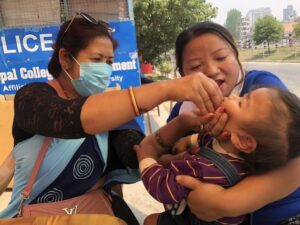
Community health worker in Nepal helping giving polio vaccine to a child. Climate change-induced events are affecting basic health facilities directly. Photo: Tanka Dhakal/IPS

Community health worker in Nepal helping giving polio vaccine to a child. Climate change-induced events are affecting basic health facilities directly. Photo: Tanka Dhakal/IPS

BAKU, Nov 14 2024 (IPS) – Climate change and its impact on public health hasn’t made the top of the agenda even at a forum like the UN Climate Conference, but is should, say the health community.


Understanding the gap, more than 100 organizations from across the international health and climate community came together as the Global Climate and Health Alliance and have called wealthy countries to protect people’s health by committing to provide climate finance in the order of a trillion dollars annually, in addition to global action with leadership from the highest emitting countries to end the fossil fuel era.

Alliance endorsed nine recommendations for the summit through a policy brief—‘A COP29 for People and Planet’ which includes financing to community engagement.

In an interview with Dr. Jeni Miller, Executive Director of the Global Climate and Health Alliance IPS asked about the recommendations and why they were necessary.

Dr. Jeni Miller, Executive Director of the Global Climate and Health Alliance.

Dr. Jeni Miller, Executive Director of the Global Climate and Health Alliance.

IPS: How and why the international health and climate community came together—why was it necessary, right before COP29?

Miller: For many years, the UN climate negotiations have been going on. For many years, health was not a part of the conversation. And in fact, the Global Climate and Health Alliance was established because a handful of health organizations felt like this is an important health issue, and we need to get health into that conversation, and we’re not seeing it there. Over the years, more and more health organizations have really begun to understand the threat that climate change poses to people’s health. I think a big contributing factor as well is that we are now seeing those impacts of climate change in real time in communities all over the world—every country, every region, is seeing some combination of extreme weather events.

This is directly impacting the communities that we serve, and we have to raise the alarm bell and make sure that we’re pushing for those solutions that are going to protect people’s health. The report, specifically the policy recommendations, is really an attempt to take what we’re seeing from the health perspective, the concerns that we have. About the threat that this poses for people’s health and the reality of the impacts on people’s health, and somewhat translate that into terms that make sense for negotiators to pick that up, understand it, and use it in the context of those actual decision-making processes in the climate talks.

IPS: Wealth is concentrated on one side of the world or one section of the community, but burden—especially public health burden—is on marginalized communities who don’t have access to basic resources. Is there any way that gap will be narrowed in the near future?

Miller: This is such a critically important issue. And unfortunately, we’re seeing some real extremes of wealth disparity—ironically, in countries that have huge wealth disparity within the country, everyone is less healthy than they would be if there was less health disparity. If people were more equal, that would be healthier for everyone. But the reality is, many people, as you say, don’t have the resources to access the basic necessities of life. Healthy food, clean water, electricity of any kind, but particularly clean energy, even access to education, access to basic health care—all of those things are really vital to growing up healthy and to living a healthy life. And the thing that is so clear is that access to those basic necessities early in life makes a tremendous difference in being able to grow up healthy, resilient, and productive.

It’s a huge impact on the individual that’s growing up without those resources—it’s also an impact on society. So, a society that has people that grow up with enough resources to be resilient, healthy, and well educated is a healthier society. And I would argue that that extends not only within a community or even a country but also internationally. So, if we have huge disparities internationally, that’s also kind of a drain on the world, a challenge for the world as a whole. It leads to conflict, it leads to friction, and it leads to difficulty making decisions to tackle climate change together. I would argue that it’s really in the best interest of wealthy countries to make those investments to help the lowest-income, vulnerable countries have the resource they need to address those basic necessities. I think it’s fundamental. It’s the right thing to do.

I think for so many reasons, it’s important that the wealthy countries do step up and provide this kind of resources.

IPS: While talking about the resources, wealthy countries are already far behind on their climate finance commitment. Do you think they will consider financing to protect people’s health?

Miller: This is a major focus of this year’s climate negotiations. In fact, on the table is a major discussion about a new pot of financing for climate change, and I don’t think we know the answer yet as to how that’s going to come out.

It often gets talked about as we can’t economically afford to put in that money. I think a key question is, what is the cost of inaction? If we fail to act, we’re already seeing. The cost of failing to act on climate change is immense. The cost of failing to enable countries to be better, prepared to be better, to have their systems, their water and sanitation systems be stronger, their hospitals be more prepared, etc. The costs are just staggering. So, when we’re talking about, can we afford to put the money into climate action, I think we also need to ask the question, can we afford not to? I think the answer is no. And then the last thing that I’ll say about this is, and this is also important, we are currently subsidizing fossil fuels more than a trillion a year in direct public subsidies. So that’s public money going into supporting the production and use of fossil fuels, and fossil fuels are the primary driver of climate change.

So again, when we’re talking about, can we afford to or are we prepared to invest in climate action and put money into a Climate Fund? We need to ask ourselves the question. What is the cost of not doing so? And then where else is public money going that could be going into moving us in the right direction, towards clean energy, towards climate resilience?

IPS: You talked about the extreme weather events. In recent years, extreme events contributed by climate change are causing destruction en masse; often its monetary losses will be counted but its public health impact is still to be discussed. How do you see climate and health discussion moving forward especially regarding financing?

Miller: I don’t think it happens by itself. In my own country, the US, we are seeing climate-exacerbated disaster, and yet people not accepting the role of climate change in that and not accepting that the health impacts, the dislocation, and the trauma that they’re experiencing were caused by climate change.

It’s not necessarily going to happen just by itself, in in other countries as well. People may be feeling the impacts, but not connecting the dots, and not because of disinformation, not recognizing.

I do think that it’s important for those who know about those connections—the scientists, the advocates, the health professionals who are looking at these issues, the academic departments—to talk about it and articulate what those connections are.

But then I do think that each time one of those extreme weather events does create the opportunity for that conversation to happen, and we need to step up to those opportunities.

And I think that can make a really big difference in changing the nature of the conversation and opening-up possibility for a deeper conversation about what we need to do about this.

IPS: Let’s talk about the report. It talks about healthy climate action for most affected communities. Can you explain it for our audience and what would be the role of the community?

Miller: It’s so often the case that decisions get made without consulting communities affected by those decisions. There can be very good will that is, and good intentions behind that, and yet the results are not going to be as good if you’re not working with the people affected by the issue. The thing that community members know that nobody else knows in the way that they know it is their lived experience of what’s going on in their community, their resources in terms of their own knowledge, their own community relationships, their own resilience, their own techniques. There may be techniques that they know for growing food and their ecosystem.

There may be knowledge you know for forced communities, knowledge that they have of the force that they live in. There is very deep knowledge that communities have about their circumstances, their context, and their needs and what they can bring in terms of solutions, so effectively working with communities means really involving them in the conversation from the get-go when designing programs and projects and all of that sort of thing. And I think when it comes even to financing, thinking about how finance for Climate Solutions reaches that community level.

I think another thing that’s really important to recognize is that climate change puts a huge strain on all of us. It’s a huge psychological strain just to live in the climate era. Enabling communities to come together and be a part of the solution helps to heal that burden.

IPS: You touched on mental health. The report also talks about mental health and wellbeing outcomes—we are seeing people struggling with climate-related post- and pre-event psychological burden in different forms. How do you see this dimension moving forward?

Miller: That is one area where I’ve definitely seen significant progress in the last several years. I think I’ve seen significant progress in increasingly recognizing the health impacts of climate change and the health threat that climate change poses, and then within that, significant progress in beginning to recognize and acknowledge and understand the mental health dimensions of this. There’s a long way to go, but it is a part of the conversation, and it’s an important one.

There are mental health impacts before or after an extreme weather event, and that can show up as kind of anxiety and stress, a variety of things. People who go through major extreme weather events, like the post-traumatic stress of having experienced that and having gone through it, not knowing if it might happen again or when it might happen again.

There’s also the sense of losing one’s world, losing the world that one grew up in, losing the environment that one, the world that one grew up in and seeing those things kind of slip away—this sort of a cultural, ecological and cultural dimension to that. And if you know, failing to acknowledge that mental health dimension both leaves people suffering and also leaves people sort of disempowered.

I think community is important in response to those kinds of mental health challenges—the kind of recognition that there are actions that one can take and ways that one can come together. And some of those actions may be kind of the direct actions of sustainability, working to live a more sustainable lifestyle. I think even, maybe even more important than that, are actions of coming together with the community to influence the kinds of decisions that get made, to call for the kinds of policies that will turn the needle on climate change, to have a voice in the larger conversation. I think that can be even more powerful.

IPS: Do you have anything to add that we may have missed or you wanted to add?

Miller: I think the one thing that I would add is that, right now, every government that’s part of the Paris Agreement is in the process of drafting new national climate commitments.

It’s an important opportunity, not just at the international level, and as at these big international climate talks, but at home, in every single country, for people to call on their governments to make commitments that are aligned with protecting their health from climate change.

Also, I think it’s important to continue to focus on what we can do. The headwinds can feel pretty strong. Addressing climate change will be something that we’re doing for the rest of our lives, not just for the rest of my life—anybody alive today will be dealing with this issue for the rest of our lives. So, we need to maintain our stamina around it and know that this is a long-term commitment and know that it’s worth it.

IPS UN Bureau Report

 

UNDP’s Sustainable Energy Director Calls For Innovative Financial Solutions for Adaptation, Mitigation

Climate Action, Climate Change, Climate Change Finance, Climate Change Justice, Conferences, COP28, COP29, Editors’ Choice, Environment, Featured, Global, Headlines, Humanitarian Emergencies, Sustainable Development Goals, TerraViva United Nations

COP29

Financial solutions for the global South are under the spotlight during COP29. Credit: UN Climate Change/ Habib Samadov

Financial solutions for the global South are under the spotlight during COP29. Credit: UN Climate Change/ Habib Samadov

BAKU, Nov 13 2024 (IPS) – Riad Meddeb, Director of the Sustainable Energy Hub at the United Nations Development Programme (UNDP), stressed the urgency of finding innovative financial solutions during COP29.


Meddeb was speaking to IPS in an exclusive interview at the conference. He said the negotiations were expected to focus heavily on finance—a core issue that has historically hampered climate action in developing and least-developed nations.

The Finance COP Expectations

Meddeb highlighted the historical challenge of meeting the USD 100 billion annual target for climate finance, which has been a central but elusive goal in previous COPs. He noted that Azerbaijan’s COP 29 presidency aims to overcome this by ensuring the necessary funds are available, especially for countries most vulnerable to climate impacts. 

“This year’s COP is considered the ‘Finance COP’ because it’s crucial we not only set targets but also mobilize the resources to help countries adapt and mitigate climate impacts,” he explained.

A key focus will be developing sustainable financing mechanisms for countries that struggle with debt. Many nations in the global South face significant financial burdens, and accelerating their energy transitions requires resources that may be challenging to secure within their existing economic constraints. Meddeb also stressed the need for concrete financial schemes that can attract private sector investments to supplement international climate funding.

Riad Meddeb, Director of the Sustainable Energy Hub at the United Nations Development Programme (UNDP)

Riad Meddeb, Director of the Sustainable Energy Hub at the United Nations Development Programme (UNDP).

Progress at COP 28 and Hopes for COP 29

Reflecting on COP 28, Meddeb noted key successes, including establishing the Loss and Damage Fund and reaching consensus on a targeted increase in renewable energy capacity.

“The agreement to triple renewable energy and double energy efficiency by 2030 was a significant breakthrough at COP28,” he said. “Now, COP29 must translate that ambition into action by securing the financial support needed to achieve these goals.”

Making sure that the commitments made at COP28 are more than just empty words is one of the main challenges going forward, according to Meddeb.

“By COP30, we want a global commitment on the pathway to adaptation and mitigation,” he added.

UNDP’s Role in the Climate Action Landscape

UNDP plays a critical role in translating international climate targets into real, on-the-ground actions. Through initiatives like the UN’s “Climate Promise,” UNDP supports countries in implementing Nationally Determined Contributions (NDCs) and operationalizing climate goals. Meddeb explained that UNDP is uniquely positioned to facilitate these efforts due to its extensive network of country offices in 170 nations. This network enables UNDP to address climate issues from a development perspective, integrating energy solutions into broader sectors such as health, education, and poverty alleviation.

“UNDP’s approach is not just about energy,” he said. “It’s about sustainable energy for development. We link energy needs with development needs, connecting climate action to real improvements in health, education, and economic opportunities. This is the difference UNDP makes.”

Addressing the Debt Issue in Climate Finance

A significant portion of the interview focused on the complex financial situations faced by many global South nations, where debt often limits capacity to implement ambitious climate plans. Meddeb pointed out that addressing these financial constraints is essential for equitable progress toward climate goals. He suggested that international financial institutions should provide debt relief or restructuring options to allow these countries to invest more readily in clean energy and climate adaptation.

“Pushing countries with heavy debt burdens to accelerate their energy transition requires a nuanced approach,” Meddeb said. “We need financial structures that acknowledge their debt situations while still allowing them to contribute meaningfully to global climate targets.”

Implementation of the Paris Agreement: From Words to Action

Meddeb stressed the importance of shifting the Paris Agreement’s commitments from paper to practice, especially regarding emission reductions by developed nations. He believes that developed countries have a moral obligation to reduce their carbon footprints, given their historical contribution to climate change and their financial capacity.

“The plan is clear, and it’s agreed upon by all parties in the Paris Agreement. Now it’s just about accelerating implementation,” he asserted. “We don’t need to reinvent the wheel—we need to get it moving.”

When asked whether the current pace of implementation is sufficient, Meddeb offered a candid view: “The Secretary General was very clear—it’s now or never. We need optimism and ambition but also an unyielding focus on practical solutions. There are obstacles, yes, but there are solutions too. Together, we can save our planet.”

The Responsibility of Developed Nations Toward Vulnerable Countries

As climate impacts disproportionately affect poorer nations, Meddeb urged developed countries to support those bearing the brunt of climate change. He pointed to the Loss and Damage Fund as a critical mechanism for this purpose. Set up at COP28, the fund has already garnered around USD 700 million, and Meddeb hopes COP29 will build on this initial success by accelerating funding mobilization.

After all, as the UN secretary general António Guterres noted this week, while the Loss and Damage Fund was a victory, the initial capitalization of USD 700 million doesn’t come close to righting the wrong inflicted on the vulnerable.  “USD 700 million is roughly the annual earnings of the world’s ten best-paid footballers,” Guterres said.

Meddeb agrees. “Mobilizing funds for loss and damage is a positive first step. But we must continue pushing to ensure that the support reaches the most affected communities quickly and effectively.”

A Call to Action

For Meddeb, the stakes could not be higher, and the time for incremental progress is over. He said that COP 29 must not only focus on setting ambitious goals but also make real progress on securing the necessary financing to turn aspirations into achievements.

“Now is the moment to turn pledges into action,” he said. “We’ve reached a point where the world cannot afford to wait any longer. This is the COP for finance, and we need to ensure the resources are in place for meaningful climate action.”

IPS UN Bureau Report


When the Truth Becomes a Lie: What Trump’s Election Means for the World as we Know it

Civil Society, Democracy, Global, Global Governance, Headlines, Human Rights, IPS UN: Inside the Glasshouse, TerraViva United Nations

Opinion

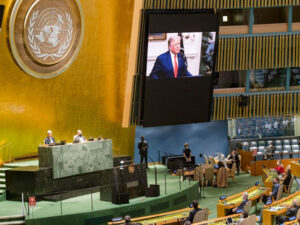
Donald J. Trump, President of the United States of America, addresses the General Debate of the General Assembly’s 75th session September 2020. Credit: UN Photo/Rick Bajornas

NEW YORK, Nov 8 2024 (IPS) – On the day following the US election, UN Secretary General, Antonio Guterres issued a brief statement commending the people of the United States for their active participation in the democratic process. He wisely omitted to mention that the election of Donald J. Trump – who attempted to overturn the people’s mandate by inciting an insurrection in 2020 – is a major setback for the UN’s worldwide quest to advance human rights and the rule of law.


Trump is a self-avowed admirer of authoritarian strongmen like Russia’s Vladimir Putin and Hungary’s Viktor Orban who disdain international norms that the UN seeks to uphold. Unsurprisingly, questions posed to the UN Secretary General’s spokesperson, Stéphane Dujarric, in a press conference on November 6, ranged from what will be Trump’s response to the war in Ukraine to potential funding cuts that might come with the new US administration to whether the UN has contingency plans ready for when Trump takes office.

The US plays an outsized role in global affairs. Therefore, any changes in policy in Washington impact the whole world. As someone who bears responsibility for stewarding a global civil society alliance, it worries me what a second Trump presidency will unleash.

Even without Trump in power we are living in a world where wars are being conducted with complete disregard for the rules; corrupt billionaires are dictating public policy for their benefit; and greed induced environmental degradation is putting us on a path to climate catastrophe. Hard fought gains on gender justice are in danger of being rolled back.

The first Trump administration showed disdain for the UN Human Rights Council and pulled the US out of vital global commitments such as the Paris Agreement to combat climate change. It restricted support for civil society groups around the world and targeted those that sought to promote sexual and reproductive rights of women. Promotion of democracy and human rights are key pillars of US foreign policy.

It’s deeply concerning that when disinformation and misinformation have assumed pandemic level proportions, the majority of the US electorate have cast their vote in favour of a candidate who ran his campaign on divisive dog whistles, half-truths and outright lies. These tactics have deepened fissures in an already polarized United States.

Families countrywide were left devastated by Trump’s negligence and COVID denialism as president which resulted in tens of thousands of Americans dying of avoidable infections. His administration’s immigration detention and deportation policies instilled fear in minority communities. This time Trump has vowed to deport millions of people.

Trump’s stances on abortion rights have caused women immeasurable suffering in several US states that have introduced laws to ban the procedure. He has promised to accelerate harmful fossil fuel extraction and undoubtedly views gender justice advocates, environmental defenders and migrant rights activists as a threat his power.

Given the stated predilections of Trump and his advisors, opposition politicians, activists and journalists exposing corruption and rights violations are likely to be at risk of enhanced surveillance, intimidation and persecution by the new administration.

At the international level, Trump’s election casts a pall over efforts to ensure accountability for war crimes, crimes against humanity and genocidal actions in the Occupied Palestinian Territories, Sudan and Ukraine due to his tacit support for authoritarian leaders in Israel, Russia and the United Arab Emirates, all of whom are fueling conflicts and causing havoc abroad. A future Trump administration could try to starve the UN of funding to erode the rules based international order, emboldening autocrats.

Even if things appear bleak today, it’s important to remember that there are hundreds and thousands of civil society activists and organisations around the world who remain steadfast in their resolve to celebrate diversity and promote justice and equality. To imagine the future we sometimes have to take heart from the past.

India’s freedom struggle, South Africa’s struggle against apartheid and the civil rights movement in the United States wasn’t won by authoritarian leaders but by brave and determined individuals united in solidarity and determined to resist oppression for as long as it takes.

There is a lesson here for civil society in the US that higher American ideals are worth standing up for and will outlive any sitting president.

Mandeep S. Tiwana is Interim Co-Secretary General of CIVICUS, the global civil society alliance. He also serves as CIVICUS representative to the United Nations.

IPS UN Bureau

  Source

UNEP: Nations Must Step Up Adaptation—Starting with Bold Finance Action at COP 29

Climate Change Finance, Climate Change Justice, Conferences, COP29, Editors’ Choice, Environment, Featured, Global, Human Rights, Humanitarian Emergencies, Sustainable Development Goals, TerraViva United Nations

COP29

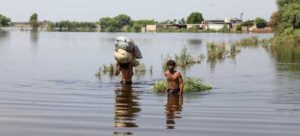
A flooded village in Matiari, in the Sindh province of Pakistan. Credit: UNICEF/Asad Zaidi

A flooded village in Matiari, in the Sindh province of Pakistan. Credit: UNICEF/Asad Zaidi

NAIROBI, Nov 7 2024 (IPS) – The United Nations Environment Programme’s (UNEP) 2024 Adaptation Gap Report has warned that adaptation actions are not keeping pace with the surging demands of a warming planet. Released ahead of the COP29 climate conference in Baku, Azerbaijan, the report—titled Come Hell and High Water—projected a bleak future where vulnerable communities bear the brunt of climate-induced hardships. 


It stresses that robust, well-funded adaptation strategies are vital to safeguarding those most at risk and calls for immediate, substantial global action in adaptation planning, finance, and implementation. With the surging demands of a warming planet. Released ahead of the COP 29 climate conference in Baku, Azerbaijan, the report—titled Come Hell and High Water—projects a bleak future where vulnerable communities bear the brunt of climate-induced hardships. 

It stresses that robust, well-funded adaptation strategies are vital to safeguarding those most at risk and calls for immediate, substantial global action in adaptation planning, finance, and implementation.

Wildfires, floods, and rising temperatures continue to inflict devastating impacts on people worldwide, especially the poor. UNEP Executive Director Inger Andersen has underlined the urgency of scaling up adaptation efforts: “The world is failing to adapt to current climate impacts, let alone those that will come if we do not cut greenhouse gas emissions decisively.

“It is time to treat adaptation as one of humanity’s top priorities, alongside emissions reduction. Those already facing the consequences deserve effective, fair adaptation actions that address their unique needs.”

Furthermore, the report stresses that the scale of climate impacts is moving faster than the world’s response.

“Adaptation is no longer a distant option; it is now a priority,” says UNEP’s Chief Scientific Editor Henry Neufeldt, summarizing the report’s call for urgent action. The report arrives at a time when nations are expected to boost their financial commitments for adaptation as part of the Glasgow Climate Pact.

This Pact urges developed countries to double adaptation finance to developing nations by 2025, a goal that aligns with the need for a New Collective Quantified Goal (NCQG) on climate finance, slated for negotiation at COP29.

Also, UNEP notes that adaptation finance reached only USD 28 billion in 2022, up from USD 22 billion the previous year. While this is a notable increase, it remains far below what is needed to address the vast scale of climate change impacts. According to UNEP, estimated global adaptation needs range between USD 215 billion and USD 387 billion per year through 2030, leaving a significant financing shortfall. Even doubling current financing flows would close only a small fraction of the adaptation finance gap.

“We can’t rely on one source alone. The financial burden is too great,” says Neufeldt. “We must pursue creative financing models and mobilize both public and private sectors to ensure resources reach those who need them most.”

According to the report, 87 percent of the world’s countries have at least one adaptation plan in place, though the quality and coverage vary significantly.

Out of the 197 UN member countries, 171 have established at least one national adaptation instrument, yet 10 nations—most grappling with internal conflict or political instability—are yet to initiate formal adaptation planning. Furthermore, many adaptation plans lack specific timeframes and budgets, undermining their effectiveness.

Anne Hammill from the International Institute for Sustainable Development, who co-authored a chapter on adaptation planning, writes in the report, “There’s a noticeable increase in awareness and preparation for adaptation planning globally. However, for some nations, fragility and limited capacity present obstacles to formulating and executing these plans.”

Moreover, UNEP finds that only 68 percent of countries with national adaptation plans align these strategies with their Nationally Determined Contributions (NDCs), the climate pledges under the Paris Agreement. This disconnect, as per the report, has resulted in overlapping efforts and inefficient resource use.

“When countries update their NDCs, they must ensure these are harmonized with adaptation plans,” Hammill notes. “This alignment is essential to avoid duplicated efforts and to streamline investments where they matter most.”

The uneven quality of adaptation plans means that even those countries with established strategies may struggle with execution. In many cases, adaptation projects—particularly those with international funding—don’t have long-lasting effects. For example, almost half of the projects evaluated were rated either unsatisfactory or unsustainable without continued external funding.

“Adaptation actions need long-term funding and local support to be effective. Temporary measures, while beneficial in the short run, often fail to address underlying vulnerabilities in the long term,” reads the report.

Slow Implementation Leaves Vulnerable Communities Exposed
The report reveals that implementation of adaptation measures lags significantly behind planning efforts, leaving at-risk communities dangerously exposed to climate impacts. An analysis of data shows that adaptation implementation has not kept pace with the accelerating rate of climate change. Floods, wildfires, and extreme weather events increasingly affect millions, yet financial and institutional barriers stymie progress in implementing effective adaptation measures.

The report elaborates, “The data on adaptation implementation is concerning. Many countries start strong with initial adaptation projects, but sustaining them has proven challenging. This gap between planning and action often leads to severe consequences for vulnerable communities.”

In addition to the need for more robust financing mechanisms, UNEP underlines the importance of inclusive adaptation measures that integrate the voices of marginalized communities. Many of the most impacted groups, including women, indigenous peoples, and economically disadvantaged populations, are frequently excluded from the planning process.

“Adaptation must be inclusive and equitable,” Hammill says. “Vulnerable groups often face the worst climate impacts, yet their voices remain underrepresented in the adaptation process.”

The Adaptation Finance Gap: A Call for New Approaches
A central focus of the report is the persistent adaptation finance gap. Although public adaptation finance flows to developing countries saw a record year-on-year increase, UNEP stresses that even substantial gains fall far short of what is required. “Current financing levels are simply inadequate. Doubling the finance might reduce the gap by about 5%, but we need much more ambitious targets to meet the needs.”

To bridge the finance gap, the report advocates a shift from reactive, project-based funding to a more proactive, transformative approach. This requires financing for anticipatory and systemic adaptation actions, such as building climate-resilient infrastructure and enhancing social protection. According to UNEP, innovative financing instruments, such as resilience bonds, risk insurance, and payments for ecosystem services, could mobilize new sources of adaptation funding.

The report points out that the private sector has a key role to play. “While public funds are essential, we need private investments to scale up adaptation,” it explains, adding that in sectors such as agriculture, water, and infrastructure, private finance can be instrumental if de-risking measures are implemented. However, private finance is often inaccessible to the most vulnerable; there is a need for public-private partnerships and targeted government support.

Capacity-Building and Technology Transfer for Effective Adaptation
Beyond finance, UNEP’s report also calls for stronger investments in capacity-building and technology transfer. These efforts are vital to empowering developing nations to manage climate impacts effectively. According to the report, developing countries require additional support for building local adaptation capacity in sectors like agriculture, water management, and public health.

The report also highlights the importance of a multifaceted approach. “Capacity-building must go beyond technical solutions. It requires investing in human resources, policy frameworks, and long-term community engagement. While we see capacity needs highlighted in many national plans, a strategic, coordinated approach is still missing.”

The report indicates that sectors such as food and agriculture receive the most technology-related development finance, yet other crucial areas like coastal protection and disaster preparedness need more support. For example, developing countries face obstacles in adopting technologies like solar-powered irrigation due to high installation and maintenance costs, making widespread use challenging. It suggests that bridging this technology gap will require both public investment and private sector involvement.

Path Forward at COP 29 and Beyond
As COP 29 approaches, the 2024 Adaptation Gap Report has pinned the need for decisive action in Baku to secure global adaptation commitments. At the heart of these discussions is the establishment of a New Collective Quantified Goal (NCQG) on climate finance, a successor to the USD 100 billion annual goal set in 2010. This new target, UNEP argues, must prioritize adaptation and recognize the unique challenges faced by developing nations.

Andersen, who will lead UNEP’s delegation to COP 29, expresses hope that the international community will rally around adaptation as a central theme.

In addition to setting an ambitious finance goal, COP 29 will discuss mechanisms for better tracking adaptation actions, establishing loss and damage funding, and addressing the debt burdens that restrict developing nations from prioritizing adaptation investments. UNEP advocates for debt relief and restructuring as a way to free up funds for climate adaptation, particularly in nations where high debt costs eclipse adaptation funding.

IPS UN Bureau Report


Voices from the Margins: Small-Scale Fishers Demand Rights, Recognition at COP16

Biodiversity, Conferences, COP16, Development & Aid, Environment, Featured, Food Security and Nutrition, Global, Headlines, Human Rights, Inequality, Least Developed Countries, Migration & Refugees, Natural Resources, Sustainable Development Goals, TerraViva United Nations, Trade & Investment

COP16

Small-scale fishers on the coast of Kerela, India with a variety of fish and prawns. Credit: Aishwarya Bajpai/IPS

Small-scale fishers on the coast of Kerela, India with a variety of fish and prawns. Credit: Aishwarya Bajpai/IPS

CALI, Columbia & DELHI, Nov 5 2024 (IPS) – Small-scale fishers play a fundamental role in feeding people—they use sustainable methods of catching and processing fish products and are a significant force in the employment and livelihoods of millions of people internationally—yet, until now, they have been excluded from climate and biodiversity conferences.


For the first time at COP 16, which closed in Cali, Colombia, on November 1, fishworkers, the most vulnerable small-scale fishers communicated that they seek active participation in decision-making processes that affect the oceans. It seems their message was heard because before the negotiations were suspended, parties adopted a historic decision to open the door for Indigenous Peoples and local communities to influence the global plan to halt the destruction of biodiversity.

Small-scale fisheries provide essential employment and sustenance across the globe, as highlighted in the Illuminating Hidden Harvests: The Contributions of Small-Scale Fisheries to Sustainable Development report (2023). Based on data from 78 national household surveys, around 60.2 million people were employed part- or full-time along the small-scale fishing value chain in 2016, representing nearly 90 percent of all global employment in the industry.

Of these, 27.5 million worked directly in harvesting, with 14.6 million engaged in inland and 12.9 million in marine fisheries. Women play a central role in small-scale fisheries, making up 35 percent of the workforce (around 20.9 million) and almost half (49.8 percent) of those in post-harvest roles.

Conference of the Parties to the Convention on Biological Diversity, fisherpeople conference held in Cali, Columbia. Credit: Aishwarya Bajpai/IPS.

Conference of the Parties to the Convention on Biological Diversity, fisherpeople conference held in Cali, Columbia. Credit: Aishwarya Bajpai/IPS.

This sector supports 113 million workers, who, along with their 378.7 million household members, make up a community of 491.7 million people reliant on these fisheries. Together, they represent 6.6 percent of the world’s population and 13.2 percent of those living in the 45 least developed countries. Despite the scale of their contributions, small-scale fishworkers remain among the most vulnerable populations.

These communities face entrenched poverty and social hardships, exacerbated by multiple challenges.

Environmental shifts—such as changing ecological cycles, biodiversity loss, fish diseases, and habitat degradation—disrupt their resources and directly impact their livelihoods. Economic pressures, including the modernization of fisheries, Blue Economy infrastructure projects, and port construction, threaten to marginalize these communities further.

Minfer Pervez, a Colombian fishworker speaking at a press conference in Cali, put it succinctly:

“I represent small-scale fishers. We face displacement and violations of our rights—the right to dignified work, access to social security, health services, and economic resources to strengthen small-scale fishing communities. We are also exploited due to pollution and hydrocarbons in the sea. Today, we call for a unified government position that includes us in decision-making and participation because we are key to conservation efforts.”

And it was clear these issues were faced by small-scale fishers around the globe.

A fish worker from Madina, Colombia, said the threats faced were often from mining and similar industries.

“The main threat we face is the proliferation of extractive industries, which intrude into our areas and damage the coastal system. This jeopardizes the productivity of fisher people and threatens food security. Governance must be returned to and entrusted to small-scale fishers and communities.”

Alfonso Simon from Panama added that declarations were often imposed upon them without their involvement or consent.

When asked about human rights in the context of small-scale representatives, a fisher from Panama who identified herself as Marta explained: “Our rights are violated when decisions are made without prior consultation or citizenship recognition. We are forcefully displaced, and when our families migrate from fishing areas, we lose not only our physical space but also our cultural identity, customs, and future. Denying us access to the sea and the right to fish, which is our ancestral practice, undermines both our food security and that of others (who do not fish). We feel vulnerable because decisions are made without considering the voices of our people. Small-scale fishers must be part of decision-making processes.”

On society, conservation, and development, Zoila Bustamante from Chile said, “Representing a geographical point on Earth, we must be heard. We are not only representing this region but also millions of small-scale fishers globally. We feed you, and it is important for you to listen to us. We represent several countries, and goal 23, which pertains to artisanal fishing, is being addressed. We want to be involved in drafting policies and decisions about us, not have others speak on our behalf.”

German Hernander from Honduras, speaking for 2 million fisher people, explained, “We are well organized and want our voices heard at the UN and other global platforms. We don’t want others speaking for us because we know our territories best and are better equipped to take part in global events and activities.”

Small-scale fishers are key to conservation, Eduardo Mercado from Panama said.

“We represent fisher people around the world and use ancestral fishing methods, including nets that do not damage the environment. We avoid fishing species that are reproducing and only fish for what we eat. Sadly, small-scale fishing is coming to an end.”

Aaron Chacon from Costa Rica added, “As artisanal fishermen, I believe we are here to pass the torch to the next generation. The future of artisanal fishing lies with young people, and this is an opportunity for us to preserve our culture and protect it for future generations.”

Libia Arcinieges from Colombia explained that this went beyond the seas.

“On behalf of fishworkers, we call on governments to respect and return our fishing territories. This is vital for the sustainability of water bodies and food sovereignty. Rivers and lagoons feed the world, and continental territories support 500 million people.”

Despite the acknowledgement of huge challenges, there was also an understanding that COP16 had opened doors.

“We must celebrate COP 16 because, for the first time, we have a platform to raise our voices. Conservation begins in rural territories. Real conservation is done by people, and it is necessary to guarantee food security. We must ensure good species management and work towards the 2030 goals. We deserve the proper treatment for our efforts in achieving these goals. Conservation cannot coexist with hunger,” said Luis Perez from Colombia.

This was crucial because Indigenous people and small-scale fishers look after the earth; their practices are sustainable.

“Conservation is the result of nature’s use and management by Indigenous people and small-scale fishers. It is not something that comes after the fact but is embedded in our practices. Problems cannot be solved by megaprojects. Evidence shows that the best conservation is done at the local level, and it is managed by Indigenous and local communities. We must not shy away from discussing this. We have a strong relationship with our territories, and our governance capacities lead to real conservation results,” Albert Chan from Mexico’s Maya Community said.

The fishworkers were emphatic—their representation may have been ignored until now, but they would continue to ensure their voices were heard. Their voices at COP16 underscore the determination of small-scale fishworkers worldwide to claim their place in global decision-making forums—a place where they have historically been absent, despite their role as the ocean’s frontline stewards.

Through their collective call for active participation, respect for territorial rights, and recognition of their contribution to sustainable fisheries, they have highlighted the urgent need for inclusive and equitable governance of ocean resources.

The conference ended with the saying, ‘Artisanal fishing is here to stay, and from now on, we will participate in all events, one way or another!’

The voices at COP 16 underscore the determination of small-scale fishworkers worldwide to claim their place in global decision-making forums—a place where they have historically been absent, despite their role as the ocean’s frontline stewards. Through their collective call for active participation, respect for territorial rights, and recognition of their contribution to sustainable fisheries, they have spotlighted the urgent need for inclusive and equitable governance of ocean resources.

As the world confronts the intersecting crises of climate change, biodiversity loss, and food insecurity, it is clear that the sustainable practices and ancestral knowledge held by small-scale fishers and Indigenous communities are indispensable to conservation and global food security.

Their call is not just for policy inclusion but for a fundamental shift that respects their lived realities, cultural heritage, and essential role in preserving marine ecosystems. With this historic milestone, small-scale fishers have opened a new chapter of advocacy that seeks not only acknowledgment but also partnership in building a sustainable and resilient future for the oceans and the communities that depend on them.

IPS UN Bureau Report

IPS UN Bureau, IPS UN Bureau Report, Cali, Columbia, COP16,

  Source