Srinivas Tata is Director, Social Development Division, UN Economic and Social Commission for Asia and the Pacific (ESCAP)
Jaco Cilliers is Head of Asia-Pacific Policy and Programmes
UNDP Bangkok Regional Hub
BANGKOK, Thailand, Aug 30 2019 (IPS) – It’s 1962, and in a modest Hong Kong neighborhood, a poetic love story unfolds. Filmed almost twenty years ago, Wong Kar-wai’s seminal movie In the Mood for Love captured the world’s imagination about lifestyle in the region.
A lower-middle class existence had never looked better. Fast forward to 2018 and a new movie, set in today’s Singapore captures the world’s attention, but for very different reasons.
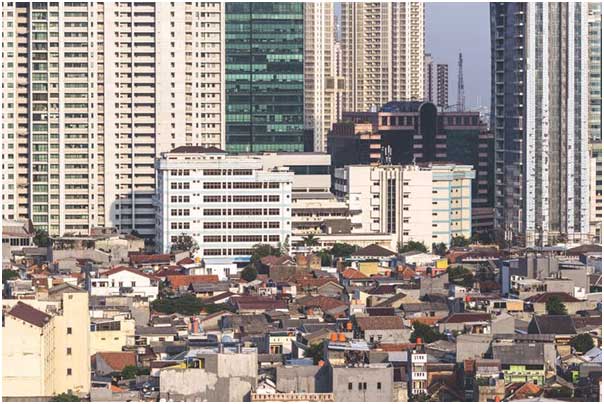
“Crazy Rich Asians” mixes Asian family values, education and prosperity with a consumeristic facade of jewelry, clothes and luxury travel. The result is entertaining, yet thought-provoking: when did this seismic socio-economic shift take place? When did Asia become so prosperous, yet so unequal?
Increases in income inequality have coincided with a narrower concentration of wealth in the Asia-Pacific region, now home to the greatest number of billionaires in the world. Their combined net worth is seven times the combined GDP of the region’s least developed countries.
Governments have committed to achieving the Sustainable Development Goals (SDGs) by 2030 and aim to fulfill the promise of “leaving no one behind”. Nonetheless, research reveals a worrying trend toward greater inequality, not just in incomes, but also in access to basic services — educational attainment, health, clean energy and basic sanitation.
Gender is, perhaps, the most important lens through which these stark inequalities in access to health, basic services and rights can be understood. And they are most likely to be left behind. In addition, natural disasters, which have become more frequent and intense, disproportionately affect the poorest. Due to their socio-economic plight, their capacity to recover is also seriously weakened.
Putting “Leave no one behind” into practice
Inequalities are not inevitable – they ‘stem from policies, laws, cultural norms, corruption, and other issues that can be addressed.’ To be addressed, they require a range of well-coordinated policy interventions. If left unchecked, inequalities ultimately threaten social cohesion, economic growth and environmental sustainability.
Several countries have prioritized investments in education, health and social protection to achieve more equitable development outcomes. Mongolia, for instance, now allocates 21 per cent of public expenditure toward social protection with a specific focus on children. This has resulted in a significant reduction in stunting.
Bhutan and Thailand have successfully introduced universal health care schemes. Viet Nam decided to boost financing toward education and health sectors, in effect managing or reversing the trend toward greater inequality.
Fiscal measures are equally fundamental in addressing inequality. Tax to GDP ratios are low in a number of countries across the region, especially in South Asia. Progressive taxation remains a critical tool for wealth and income redistribution.
Some countries are taking steps to reform their tax systems while others are finding innovative and creative ways to boost venue and enforce tax collection. In 2016, for instance, Thailand introduced an inheritance tax and China is planning to do so in the coming years.
Labour market policies aimed at improving working conditions, raising the minimum wage, and offering unemployment benefits can act as a buffer to protect the poorer segments of society.
While some countries in the region, especially in Southeast Asia, have raised the minimum wage, more comprehensive measures need to be taken. With the emergence and adoption of new technologies—automation, AI, and machine-learning—many low-skilled jobs and tasks are being eliminated.
Adopting and embracing new technologies would need to be viewed through the broader lens of achieving the SDG and leaving no one behind.
Emerging trends, such as the fourth industrial revolution and climate change have wider cross-border ramifications. Countering the negative impact on inequalities will require collective and coordinated responses at the national, regional and global levels. It is apparent that a range of pro-active actions need to be taken by policymakers in the region to tackle inequality. Business as usual will just not do it this time.
The producers of the comedy blockbuster probably did not intend to stir debate on socio-economic inequalities. Nonetheless, by showing us “Crazy Rich Asians” enjoying their lavish lifestyles, they also managed to hold up a mirror and make us think about the striking contradictions lived everyday by millions.
If the region is to continue to be a growth engine for the world and a centre of global economic dynamism, it will have to show that it is not just a place where billionaires feel at home, but also a region that is charting a more secure and sustainable future for those left behind.
LONDON, Aug 29 2019 (IPS) – It must be a daunting prospect to sing songs made famous by the incomparable Nina Simone, but performers Ledisi and Lisa Fischer brought their individual style to a BBC Proms concert in London, honouring Simone and gaining admiration for their own talent.
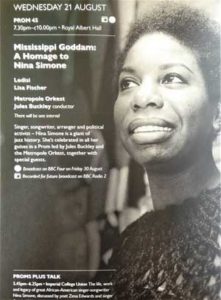
The show, “Mississippi Goddam: A Homage to Nina Simone”, paid tribute to the singer, pianist and civil rights campaigner – a “towering musical figure” – at the Royal Albert Hall on Aug. 21, more than 16 years after Simone died in her sleep in southern France at the age of 70.
This was a celebration to recognise her “unique contribution to music history”, according to the Proms, an annual summer festival of classical music that also features genres “outside the traditional classical repertoire”.
The concert’s title refers to the song that marked a turning point in Simone’s career, when she composed it in fury and grief following the murder of civil rights activist Medgar Evers in Jackson, Mississippi, and the deaths of four African-American girls in the bombing of the 16th Street Baptist Church in Birmingham, Alabama, in 1963.
Performing the song at the tribute, New Orleans-born vocalist Ledisi held nothing back. She put all the anger and anguish that the lyrics required into her rendition, creating one of the high points of the concert.
The composition stood out particularly because of the contrast between the lyrics and the rhythm, and Ledisi – who’s also an actress and writer – emphasized this disparity. While the “tune has an almost fun-filled, pulsating vibe” (as conductor Jules Buckley put it in his written introduction to the show), the message itself is uncompromising.
“It speaks of murder, of dashed dreams and severe inequality, and it shattered the assumption that African-Americans would patiently use the legislative process to seek political rights,” Buckley wrote. Listeners got the full context, and they were reminded that some things have not changed much in the United States.
Conducting the Metropole Orkest, whose members played superbly, Buckley said that in putting together the programme he wanted to shine a light not only on Simone’s hits but also on a “few genius and lesser-known songs”. With the sold-out concert, he and the performers succeeded in providing the audience a clear idea of the range of Simone’s oeuvre.
The concert began with an instrumental version of “African Mailman” and segued into “Sinnerman”, the soulful track about the “wrongdoer who unsuccessfully seeks shelter from a rock, the river and the sea, and ultimately makes a direct appeal to God”, to quote Alyn Shipman, the author of A New History of Jazz who compiled the programme notes.
The orchestral introduction paved the way for Lisa Fischer’s arresting entrance. With her shaved head and flowing black outfit, she moved across the stage, singing “Plain Gold Ring” in her inimitable voice, evoking the image of an operatic monk. The two-time Grammy winner displayed the genre-crossing versatility for which she has become known, using her voice like a musical instrument and hitting unexpected lows before again going high. The audience loved it.
Fischer introduced Ledisi, who wore a scarlet gown (before changing to an African dress after the intermission), and the two women then took turns singing Simone’s repertoire, expressing love for the icon as well as appreciation for each other’s performances.
They both kept topping their previous song, and the temperature rose with “I Put a Spell on You” (Ledisi), “Don’t Let Me Be Misunderstood” (Fischer), “Ne me quitte pas” (poignantly rendered by Ledisi) and “I Loves You, Porgy” (memorably delivered by Fischer).
Then there was, of course, “Mississippi Goddam”, which followed a haunting, syncopated “Dambala”, a song made famous by Bahamian musician Tony McKay aka Exuma, who inspired Simone. Fischer performed “Dambala” with the requisite mysticism, getting listeners to shake to the beat.
Back-up vocalists LaSharVu, comprising three powerhouse singers, also contributed to the energy and success of the concert. Two of them joined Ledisi and Fischer for an outstanding and moving presentation of “Four Women” – Simone’s 1966 song about the lives of four African-American women that has become an essential part of her artistic legacy.
For other songs, LaSharVu teamed up with the orchestra to provide “percussive accompaniment” through clapping, and the orchestra’s skill on moving from reggae (“Baltimore”) to gospel underpinned the overall triumph of the show.
The concert ended with an encore, as Fischer and Ledisi performed “Feeling Good” to a standing ovation, and to comments of “fantastic”, “fabulous”, “amazing” and other superlatives.
The show was not the only part of the homage to Simone. Earlier in the day, the BBC’s “Proms Plus Talk” programme had featured a discussion of the “life, work and legacy” of the singer, with poet Zena Edwards and singer-musician Ayanna Witter-Johnson interviewed by journalist Kevin Le Gendre, author of Don’t Stop The Carnival: Black Music In Britain.
During this free public event, held at Imperial College Union, the three spoke of the impact Simone has had on their work and recalled her style and performances. They also discussed the abuse she suffered from her second husband and the painful relationship she had with her only daughter, Lisa, whom Simone in turn physically abused.
Witter-Johnson said that Simone had inspired her to feel empowered in performing different genres, so that she could sing and play music across various styles. “Her courage, outstanding musicianship and love of her heritage will always be a continual source of inspiration,” she said later.
In response to a comment from an audience member, a publisher, that Simone had been an extremely “difficult” person, Edwards stressed that Simone had been a “genius” and could be expected to not have an easy personality. Le Gendre meanwhile pointed to the difficulties Simone herself had experienced, with relationships, record companies, and the American establishment, especially after she began defending civil rights.
In an email interview after the tribute, Le Gendre said Simone’s music had had a “profound effect” on him throughout his life.
“There are so many anthems that she recorded it is difficult to know where to start, but a song like ‘Four Women’ can still move me to tears because it is such an unflinchingly honest depiction of the black condition that African-Americans, African-Caribbeans and black Britons can easily relate to,” he said.
“The way she broaches the very real historical issues of rape on a plantation, girls forced into prostitution and the internal battles based on skin shade affected me a great deal because, having lived in the West Indies and the UK and visited America several times, I know that what she is talking about is simply the truth,” he added.
“There is a war within the race as well as between the races, and we will only move beyond self-destruction if we firstly recognise these painful facts. I continue to be inspired by her ability to ‘keep it real’ as well as her great musicianship. Above all else she has made me think, as well as listen and dance.”
The BBC Proms classical music festival runs until Sept. 14 at the Royal Albert Hall in London. A concert on Aug. 29 features “Duke Ellington’s Sacred Music”, with conductor Peter Edwards, pianist Monty Alexander and tap dancer Annette Walker.
(This article is published by permission of Southern World Arts News – SWAN. You can follow the writer on Twitter: @mckenzie_ale)
Katharina Hofmann de Moura holds a diploma in political science from the Free University (FU) Berlin. She currently leads the Brazil office of Friedrich Ebert Stiftung (FES). Before that she was the head of the FES Mozambique (2011-2016) and worked with the FES in Berlin and Shanghai.
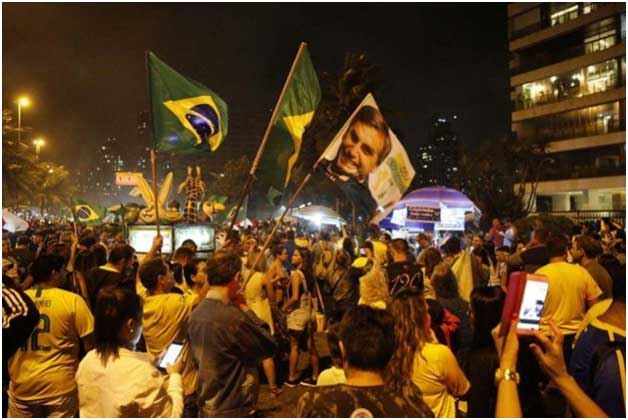
Supporters of president-elect Jair Bolsonaro celebrated his triumph in the early hours of Oct. 29, in front of the former captain’s residence on the west side of Rio de Janeiro. The far-right candidate garnered 55.13 percent of the vote and began his four-year presidency on Jan. 1, 2019. Credit: Fernando Frazão/Agencia Brasil
SAO PAULO, Brazil, Aug 29 2019 (IPS) – The crisis of regional and multilateral institutions goes hand in hand with the international rise of right-wing populism. In the US, the UK, Russia, Italy, Poland, Hungary, Turkey, the Philippines and Brazil, we are experiencing the rise of right-wing populist politicians who throw headline-grabbing barbs at global compromises and the negotiating processes of supranational institutions such as the UN.
The more countries succumb to right-wing populism, the lower the chances of curbing climate change and social inequality and triggering the transition to a sustainable economic model.
While criticism of economic globalisation came predominantly from the left in the past, it’s currently becoming the core narrative of the Right. All over the world, right-wing populists are making protectionism the key theme of their regime.
They are using frustration with the social upheavals of neoliberal globalisation as a narrative. Job losses due to relocations, the decline of whole industrial sites, concerns about uncontrolled immigration and the search for identity in a multipolar world are skilfully exploited. The result is a historic, authoritarian-style populist ‘backlash’.
Despite their anti-globalisation rhetoric, however, the right-wing populists are not convincing protagonists against free trade. Rather, they are usually aligned with or even part of economic and financial elites. Their target group is the lower middle class who often does not actually benefit from their policies.
People in this electoral group feel that they are net losers from globalisation. In the populists’ promises, they see compensation for the perceived and sometimes real loss of national sovereignty.
Katharina Hofmann De Moura
Right-wing populists are making inroads into the centres of political power because they focus on the issues that are causing uncertainty and growing inequality: fear of downward social mobility, unemployment and lack of prospects.
The globalisation of right-wing populism
Alignment of these global right-wingers is progressing apace. For instance, current Brazilian president Jair Bolsonaro based his election campaign on Donald Trump’s strategy. ‘The Movement’, headed by Steve Bannon, Trump’s former election campaign advisor, has successfully forged links in Europe and Latin America as well as the US.
The formula is always the same: building up the national economy as a bastion against foreign influence while attacking the left for supposedly neglecting the interests of the majority of the population in favour of a ‘politics of identity’ geared towards minorities and a snobbish urban electorate.
The Western model of liberal democracy, so heavily influenced by Germany in the post-war era, is visibly ailing.
The right-wing populists rely on dividing society and pit various population groups and their interests against each other. Brazil provides a powerful example of this. ‘Only vegans are interested in nature,’ was Bolsonaro’s response to accusations of large-scale environmental destruction.
Accordingly, ‘America First’ has become ‘Brasil Primeiro’. The focus on neoliberal economic policy is underpinned with contemptuous remarks against minorities, extending as far as incitement to violence. Society is extremely polarised and the centre is fading away.
In a WhatsApp campaign focused on inadequate public safety and spiralling corruption, Bolsonaro managed to win the elections in the largest and, until the controversial removal of Dilma Roussef in 2016, most progressively governed country in Latin America.
The Brazilian election campaign is a good example of how right-wing movements use ‘social’ media to get closer to the people. They convey a sense of direct influence and apparent power and portray themselves on Twitter as ‘down-to-earth’.
Denial, denial, denial
Science and facts are flatly denied. For instance, Brazil’s foreign minister Ernesto Araujo has dismissed climate change as a ‘Communist invention’. This statement echoes Trump’s anti-climate ideology.
Bolsonaro denies the authenticity of satellite images that show how deforestation of the Amazon has doubled since he took office, and summarily dismissed the director of the renowned INPE institute (Instituto Nacional de Pesquisas Espaciais) when it published the corresponding data.
Historical denial is also part of the package, such his ‘own account’ of the military dictatorship, shamelessly praising torture. Right-wing populist movements manipulate citizens and employ an anti-intellectualism, a hatred of the so-called ‘elite’ – which obviously means the educational rather than the economic elite.
The right-wing populist is a self-styled ‘straightforward man’ of the people. The anti-politician is coming to the fore. Ideological confrontation is the aim, not least in order to deflect from the results of his own economic policy – Brazil remains mired in an economic crisis, with growth of just 0.8 per cent.
The rise of right-wing populism is exacerbating the crisis of the international order. The unprecedented rise of China is weakening Europe’s position as a global democratic power, while also challenging the decades-long formula of ‘democracy combined with economic growth’.
Economic development just seems to be achievable more quickly without democracy, as democratic processes require votes and compromises and everything is based on dialogue. That’s why many countries in the South admire the rise of China and not division-wracked Europe.
The Western model of liberal democracy, so heavily influenced by Germany in the post-war era, is visibly ailing. Many analysts are already talking of the end of the liberal international order. Pressure on the European states will grow, as the upcoming emerging nations show no ambitions to assume regional or multilateral responsibility.
For instance, the Brazilian president says, ‘The Amazon is ours, not yours,’ and brooks no criticism from Europe. No international responsibility and no external interference is the guiding principle of authoritarian rulers.
Although it is currently weakened, Brazil has a well-organised left-wing civil society as well as trade unions and the Workers’ Party.
Gone is the optimistic era of global governance that only recently was largely shaped by the BRICS alliance (Brazil, Russia, India, China and South Africa). BRICS embodied the ‘rise of the South’, aimed at building a better world on an equal footing with the North.
The euphoria of multilateralism has since faded away. Whereas there were still hopes in the early 2000s that the emerging nations would become ‘anchor countries’, taking responsibility for regional integration and democratisation, most of their heads of state are now populists.
They too are looking for new alliances, but under different premises. So, the world is indeed converging, but only because of a growth in populism in Europe rather than an upturn in democracy in the South. Whole new alliances are being forged.
For instance, on the UN Human Rights Council, Bolsonaro is backing the Arab nations, which criticise the term ‘gender’ and jointly aim to stand up for ‘traditional family values’.
So what’s left for the left?
Left-wing governments cannot resolve this dilemma in the short term. The left’s partly self-inflicted loss of power because of its naive embracing of globalised free trade has been underestimated.
Now, business owners like Blackrock and the large multinationals have hit on a hitherto unknown form of capital accumulation that produces a form of wealth redolent of feudal times. Big corporations control social media, enabling them to build up their own influence even more and further undermine that of politicians (a phenomenon now known as ‘corporate capture’).
According to research by the Folha de São Paulo newspaper, owners of large stores and restaurant chains paid 12 million reais (€3 million) per WhatsApp campaign to service providers, ensuring mass distribution of lots of fake news against the Workers’ Party (Partido dos Trabalhadores) in the Brazilian election campaign. Bolsonaro’s supporters then forwarded this fake news to their individual contact lists in a snowball process.
Democratic politicians were no match for the right in terms of their method – but that’s alright, as it is illegal. Before the 2018 elections, election campaign financing by companies was banned for the first time in Brazil’s history. The above-mentioned business owners had to pay fines, yet the elections were declared valid.
However, the Brazilian left is using social media to mobilise protests, for example against cuts to the education budget and health and social programmes, against liberalisation of weapons laws, in favour of women’s and LGTBI rights, and against an unfair pension reform.
Although it is currently weakened, Brazil has a well-organised left-wing civil society as well as trade unions and the Workers’ Party. And they will not readily give into right-wing populism.
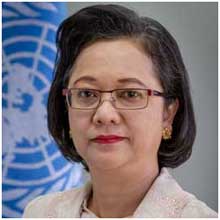
Armida Salsiah Alisjahbana is Under-Secretary-General of the United Nations and Executive Secretary of the United Nations Economic and Social Commission for Asia and the Pacific (ESCAP).
BANGKOK, Thailand, Aug 28 2019 (IPS) – The past five years have been the hottest on record in Asia and the Pacific. Unprecedented heatwaves have swept across our region, cascading into slow onset disasters such as drought. Yet heat is only part of the picture. Tropical cyclones have struck new, unprepared parts of our region and devastatingly frequent floods have ensued. In Iran, these affected 10 million people this year and displaced 500,000 of which half were children. Bangladesh is experiencing its fourth wave of flooding in 2019. Last year, the state of Kerala in India faced the worst floods in a century.
Armida Salsiah Alisjahbana
This is the new climate reality in Asia and the Pacific. The scale of forecast economic losses for the region is sobering. Including slow-onset disasters, average annualised losses until 2030 are set to quadruple to about $675 billion compared to previous estimates. This represents 2.4 percent of the region’s GDP. Economic losses of such magnitude will undermine both economic growth and our region’s efforts to reduce poverty and inequality, keeping children out of schools and adults of work. Basic health services will be undermined, crops destroyed and food security jeopardised. If we do not act now, Asia-Pacific’s poorest communities will be among the worst affected.
Four areas of Asia and the Pacific are particularly impacted, hotspots which combine vulnerability to climate change, poverty and disaster risk. In transboundary river basins in South and South-East Asia such as the Ganges-Brahmaputra-Meghna river basin, floods alternate with prolonged droughts. In South-East Asia and East and North-East Asia earthquakes, tsunamis and landslides threaten poor populations in the Pacific Ring of Fire. Intensifying sand and dust storms are blighting East, Central and South-west Asia. Vulnerable populations in Pacific Small Islands Developing States are five times more at risk of disasters than a person in South and South-East Asia. Many countries’ sustainable development prospects are now directly dependent on their exposure to natural disasters and their ability to build resilience.
Yet this vicious cycle between poverty, inequalities and disasters is not inevitable. It can be broken if an integrated approach is taken to investing in social and disaster resilience policies. As disasters disproportionately affect the poor, building resilience must include investment in social protection as the most effective means of reducing poverty. Conditional cash transfer systems can be particularly effective as was shown in the aftermath of Typhoon Haiyan in the Philippines. Increasing pre-arranged risk finance and climate risk insurance is also crucial. While investments needed are significant, in most countries these are equivalent to less than half the costs forecast to result from natural disasters.
The use of technological innovations to protect the region from natural disasters must go hand in hand with these investments. Big data reveal patterns and associations between complex disaster risks and predict extreme weather and slow onset disasters to improve the readiness of our economies and our societies. In countries affected by typhoons, big data applications can make early warning systems stronger and can contribute to saving lives and reducing damage. China and India are leading the way in using technology to warn people of impending disasters, make their infrastructure more resilient and deliver targeted assistance to affected farmers and citizens.
Asia and the Pacific can learn from this best practice and multilateral cooperation is the way to give scale to our region’s disaster resilience effort. With this ambition in mind, representatives from countries across the region are meeting in Bangkok this week at the United Nations Economic and Social Commission for Asia and the Pacific (ESCAP) to explore regional responses to natural disasters. Their focus will include strengthening Asia-Pacific’s Disaster Resilience Network and capitalising on innovative technology applications for the benefit of the broader region. This is our opportunity to replicate successes, accelerate drought mitigation strategies and develop a regional sand and dust storm alert system. I hope the region can seize it to protect vulnerable communities from disaster risk in every corner of Asia and the Pacific.
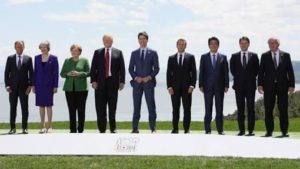
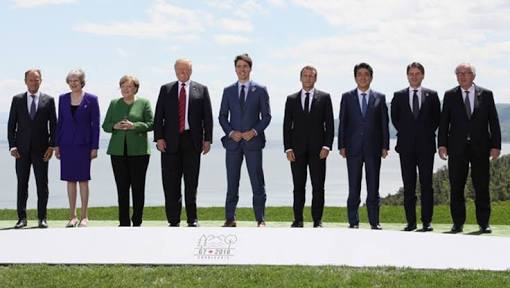
UNITED NATIONS, Aug 23 2019 (IPS) – As leaders of the seven major industrialised nations (G7) meet in the coastal seatown of Biarritz in the south west of France, one of the world’s leading women’s organisations is calling for the protection and advancement of women worldwide.
Katja Iversen, President/CEO of Women Deliver, and a two-time member of both G7 Gender Equality Advisory Councils (GEAC), is delivering a strong, gender-inspired message to the leaders: “Firstly, ditch the gender discriminatory laws you have on your books. Secondly, push progressive ones.”
“Thirdly, invest specifically in implementation of progressive laws, and also invest in women’s and civil society organisations (CSOs) that work every day to drive progress. And lastly, monitor, measure and be ready to be held to your promises.”
The G7 countries, comprising Canada, France, Germany, Italy, Japan, the UK and the United States, plus the European Union (EU), are holding their 45th annual meeting in France, August 24-26.
Women currently comprise nearly 50 percent of the global population of 7.7 billion people while the G7 accounts for more than 58 percent of the world’snet wealth..
Iversen,whose organisation is described asa leading global advocate for the health, rights and wellbeing of girls and women, has also brought together diverse voices and interests to drive progress for gender equality, with a particular focus on maternal, sexual, and reproductive health and rights.
In an interview with IPS, Iversen said that within the four focus areas, Women Deliver has identified 79 examples of laws and policies that advance gender equality, drawn from different regions of the world.
While this list is not comprehensive, she said, the examples show that progress is possible and is, in fact, happening.
“We call on the G7 and other world leaders to take these as inspiration, and act before they meet again in 2020, both at the G7 but also at the global Generation Equality Summit to be held in Mexico and France respectively.”
In Canada, abortion is allowed by law without specifications on gestational limits, it is available to women of any age, and it is covered by insurance in hospitals.
Colombia has compulsory sex education with curriculum tailored to the students’ age. Paraguay provides contraception free of charge and without an age restriction.
In India, a 2005 law reforms the discriminatory inheritance practices and establishes equality in land inheritance between unmarried girls and unmarried boys.
And in Rwanda, beginning 2010, at least 30% of parliamentary candidates had to be women – and today more than 60% actually are.
Ensure equitable and quality education and health;
Promote economic empowerment;
Ensure full equality between women and men in public policies.
Katja Iversen, the President/CEO of Women Deliver.
Excerpts from the interview follow:
IPS:Can you tell us what the Gender Equality Advisory Council is, and what role it plays at the G7?
IVERSEN: The G7 Gender Equality Advisory Council was created by Prime Minister Justin Trudeau to promote gender equality as an issue that deserves the attention of the G7, along with economic development, trade, technology and everything else that heads of state work on. This was last year when Canada held the presidency of the G7.
I guess we did a pretty good job since French President Emmanuel Macron right away said that he was going to continue the idea under France’s presidency. He formed his own at the beginning of the year, and I and a couple of others were asked to continue.
Both independent Councils have brought together activists and advocates, Nobel prizewinners, UN, civil society and business leaders, and a diverse group of people with different perspectives and expertise to share—ranging from education, gender-based violence, women’s economic empowerment, women’s health, indigenous rights, youth engagement, technology, climate change, LGBTQI issues, and male engagement.
Trudeau, Macron and others know that leaders must invest in politically and economically in gender equality to create a healthier, wealthier, more productive and more peaceful world. Our role has been to show the G7 leaders what they need to do to drive progress.
What has been exciting and gratifying about these Councils is that it has really changed the conversation on gender equality. I mean, I talk about gender equality all the time, the members of the Council’s talk about it…but not everybody does. But more and more now do, and we see the discussions being much more prominent – and substantial – in governments, businesses, and in society at large.
IPS: You have served on the 2018 inaugural GEAC and now this one. Can you tell us about the experience of working with two different groups?
IVERSEN: I’m so proud of the work of both Councils and the fact that the various issues related to gender equality have been elevated to the global stage in such a big way.
Prime Minister Trudeau really went out on a limb. It seems a little crazy to say that advising G7 leaders on how to bring about gender equality was a radical idea in 2018. And yet it somewhat was.
We got a lot of leeway, so we didn’t just say – these are things that are good for women and these are things that are bad for women. We were able to show how to make gender inequality history, and make the case that gender is cross-cutting and countries must put a gender lens to their priority areas —the economy, the climate, technology, security, health, education, whatever. The prime minister insisted that we be truly independent, and that we were welcome to criticise Canada, where they were not doing well enough.
President Macron formed a bigger council to expand the work, but also to go deeper, and we have come up with specific recommendations to drive gender equality from a legal perspective. What this council is recommending is for governments to ditch discriminatory laws, push for progressive laws in their place, and put these priorities into the national budget.
IPS: How did you establish priorities for the GEAC and what was the process like?
IVERSEN: It has been fascinating. The work takes time and consensus can be hard won but the process is also invigorating, because we all learn from each other, and because the results are a lot more powerful.
That’s exactly what the G7 needed: ideas, energy, and consolidated advice from a wide range of experts with different lived experiences. And done in a kind and collaborative manner. Gender equality is not a war, it is an investment where everybody wins.
In the 2018 Council, we outlined many, if not all, of the cross-cutting issues that need a gender lens in a report to the G7. This year we focus on what kind of legislation we could recommend. We honed in on reforms in four areas: Ending gender-based violence; ensuring that health and education are high quality, inclusive, and equitable; promoting women’s economic empowerment; and ensuring full gender equality in policies and public life.Investment in these areas would move the needle on gender equality.
IPS:What has been the impact of GEAC in 2018 and what do you hope to achieve this year?
IVERSEN : Prime Minister Trudeau’s creation of an independent Gender Equality Advisory Council put the issues of gender equality on par with the other economic and social issues at the 2018 G7. And President Macron saw the impact that elevating gender equality had, and embraced the idea of establishing his own council.
Ideally, the G7 will remain a platform to promote gender equality and all the economic, political, and social benefits that result from it. But we want all governments to join this work. Not just because it’s the right thing to do but because doing so is better for countries politically, economically, and socially.
IPS: Are commitments enough? How do you hold governments accountable for their commitments made at G7 to ensure tangible, sustainable outcomes?
IVERSEN: Words matter. But some words matter a little more in this context and those are the ones that are written into legislation. Promises are important but they are not enough and we know that.
We need action. But experience tells us we also need accountability. Monitoring and evaluation mechanisms show what is working and whether promises are kept. It gives governments opportunity to learn and adjust – and it gives civil society advocates arguments and information to hold governments accountable to their promises.
That is exactly why Women Deliver, UN Women, and OECD together with the Council have created a relatively simple – and affordable – accountability framework to accompany the Biarritz Package. Therefore, we’ve strongly encouraged France take the accountability framework and invest in it.
IPS:You mentioned civil society organisations. Can you tell us a bit more on what role civil society organisations can play?
IVERSEN: It is a good question and I will answer it – but then let’s also save some time and take a look to the future.
Civil society plays a crucial role when we talk about gender equality and about instituting legal and profound change. There are women-led organisations that focus on local issues and there are global NGOs that tackle a broad set of problems all over the world. And there’s everything in-between.
Let’s look to Ireland where women-focused organisations led the year-long campaign that finally legalised abortion. Let’s look to Uganda where civil society, not least youth advocates were instrumental in preventing the government from banning sexuality education. Let’s look to the MeToo, Time’s Up and Ni Una Mas movement in South America that is changing perceptions of women and apathy about gender-based violence. That is real fundamental change.
Big change comes when the different sectors band together – when government, private sector, the judiciary, civil society, and even the private sector finds common ground and push together. That is the point we are getting to regarding gender equality and that is why this G7 Summit is important and why the next year will be instrumental.
In addition, programs intended to serve young people are often designed without meaningful youth engagement, and so impact falls short. The ideas and experience of young people must be included in the design and implementation of all policies and programs designed to serve them.
2020 marks the beginning of the UN’s Decade of Progress on the SDGs. It is also the 25th anniversary of the Beijing Declaration and Platform for Action on gender equality. It’s hard to remember now but that was revolutionary and we are looking for another big push on this road to gender equality – whether in relation to women in leadership and the economy, health, or education. There are big plans for activities in 2020 and Women Deliver is part of that.
The call for a more gender equal world is echoing throughout the world. And the notion that a gender equal world is a healthier, wealthier, more peaceful and a BETTER world is gaining traction. The genie is out of the bottle, and we are not going backwards.
Nimarta Khuman is a Gender and Protection Advisor at UN Women under the Australia Assists Program, managed by RedR Australia. Her role involves supporting the Vanuatu Government’s Department of Women Affairs and Gender and Protection Cluster to address gender and protection concerns related to the Ambae emergency and other natural disasters.
PORT VILA, Vanuatu, Aug 19 2019 (IPS) – Vanuatu is among the world’s ‘most at-risk’ countries to natural disasters. In the last 12 months alone, the country has faced multiple volcanic eruptions, earthquakes, cyclone and tsunami.
The largest humanitarian emergency was caused by volcanic eruptions on the island of Ambae which resulted in the evacuation of over 8,000 people. Some displaced communities have resettled in the islands of Santo and Efate, but land ownership is a contentious issue.
Vanuatu also has the lowest rate of women in parliament and ministerial positions globally and high rates of gender-based violence. Cumulatively, these issues increase the risks affecting women and girls in humanitarian emergency and recovery periods.
In an interview with UN Women, Nimrata Khuman explains what it means to incorporate gender and protection in humanitarian action and why it’s important.
Excerpts from the interview:
What is meant by “Gender and Protection in Humanitarian Action”?
When we talk about gender and protection in humanitarian action, we need to ask the questions about whether we have addressed the different needs of women, girls, men and boys in our humanitarian response, because there is no “one size fits all” approach that works.
Every context in which a disaster has happened is different and women and girls may have unique risks, vulnerabilities and capabilities. There are other factors that can contribute to their marginalization and vulnerability, such as disability, age, sexual orientation, income and location.
The Department of Women’s Affairs leads the Gender and Protection Cluster in Vanuatu in partnership with CARE and Save the Children. The Cluster works to promote women’s voice and leadership, prevent and respond to gender-based violence, and ensure child protection and disability inclusion in any humanitarian response is designed and implemented for the affected population.
During the humanitarian response to the Ambae disaster for example, referral pathways for gender-based violence and child protection services were developed and Gender and Protection Cluster partners raised awareness within communities about violence prevention and where to go to access assistance.
Partners also developed and disseminated information for communities about their rights during evacuation and resettlement, conducted leadership training for women involved in humanitarian response, provided psycho-social support services and child-friendly spaces to help children cope with the effects of the disaster.
Volcanic eruption in Vanuatu
How did you incorporate gender and protection in the humanitarian response in Vanuatu?
The Gender and Protection Cluster ensures that people’s rights are protected and respected, and they can access services across all sectors safely and with dignity. This involves assessing needs, referring concerns and raising awareness among communities and service providers (such as agencies involved in food distribution, shelter, education and water, sanitation and hygiene).
It also involves advocating with other ministries to include gender and protection concerns into their response. During the Ambae State of Emergency, a joint Gender and Protection and Health Cluster was established to provide services across sectors for people with disabilities.
The Gender and Protection Cluster worked with the WASH Cluster to raise awareness on issues such as safety, lighting and privacy for toilet and shower facilities. During the Ambae and Ambrym responses, partners also integrated information on gender equality and menstrual hygiene management when speaking to communities.
We have also drawn attention to the lack of access to land and income for displaced communities, exposure to violence and delays in children’s education, when advocating with the Government.
We are now in the Ambae recovery phase and have been working with the Prime Minister’s Office to ensure all sectors include relevant actions and budgets for gender and protection in the programmes under the Ambae and Affected Islands Recovery Plan.
What has been the role of women in the different crises in Vanuatu in the past year?
Women are a vital part of humanitarian response and the ongoing emergencies have presented an opportunity to increase women’s participation and leadership in humanitarian action. In the Department of Women’s Affairs for example, seven of the ten staff who have been involved in leading response in different provinces are women.
The National Disaster Management Office and NGOs have involved senior female staff members in coordinating and responding to emergencies. The Vanuatu Women’s Centre has also been very active in efforts to prevent and respond to gender-based violence in emergencies and has provided support for life-saving counselling, health, legal assistance and access to justice services for survivors of violence.
At the community level, women are pivotal to disaster preparedness, and for designing response and resilience activities that meet the needs and realities of their communities. Gender and Protection Cluster partners are implementing programmes involving women in Community Disaster and Climate Change Committees and increasing women’s voice in decision-making at the local level.
But we need more women in leadership positions within communities, in the humanitarian sector and in Ministries and Departments which make decisions on policy, planning and financial resource allocations.
What are the biggest challenges that you are facing in your work in Vanuatu?
Since I arrived in Vanuatu a year ago, there have been five natural disasters due to the volcanic eruptions in Ambae, volcanic eruptions and earthquake in Ambrym, a tsunami affecting Aneityum, Tropical Cyclone Oma, and most recently, the Coconut Rhinoceros Beetle, which has the potential to destroy livelihoods of tens of thousands of people if left untreated.
These disasters have caused people to leave behind their homes, their land and jobs. Integrating into new communities has also not been an easy process for the displaced. Some are still living in tents in Santo and there is tension between displaced people and host communities due to the lack of essential services and resources in resettlement sites.
Some of the key issues that the Gender and Protection Cluster addresses in times of emergencies include violence against women and children, family separation, inclusive response for marginalized groups and ensuring that people can access services across sectors.
Although we have been able to shape policies, we need them to be implemented down to the community level. For this to happen, we need increased awareness that addressing gender and protection in humanitarian action is lifesaving and planning and budgeting needs to reflect that.
More initiatives are also required to prepare communities for the effects of natural disasters and to ensure that they are supported in the recovery phases.
What innovative approaches have worked so far?
Listening to communities and community-led solutions have been key in the programmes developed by the Gender and Protection Cluster partners. In Vanuatu, we have very strong church and chief systems and the Gender and Protection Cluster has been working with both in disaster preparedness, emergency and recovery.
Partners have trained church leaders and chiefs in community-based protection, peacebuilding, violence prevention and referral pathways. Churches are often used as evacuation centres and in the recovery phase, the Vanuatu Christian Council has mapped churches and assessed inclusivity of design in different islands.
The Vanuatu Women’s Centre has trained church leaders and chiefs to become male advocates and other partners have included local chiefs in their awareness-raising activities to ensure women’s leadership and voice is factored into response programmes.
The joint Gender and Protection and Health Cluster for the Ambae State of Emergency was also the first of its kind in Vanuatu and demonstrated that collaboration across different sectors and ministries can increase access to services for the most vulnerable.
Building upon lessons learned from recent disasters, in the next year we will be working on strengthening preparedness and response at the local level and developing protocols for elimination of violence against women and girls in emergencies.
We will also be training government, NGO partners and community leaders in Gender and Protection in Humanitarian Action and setting up Gender and Protection Committees in each of the six provinces of Vanuatu.


 The show, “Mississippi Goddam: A Homage to Nina Simone”, paid tribute to the singer, pianist and civil rights campaigner – a “towering musical figure” – at the Royal Albert Hall on Aug. 21, more than 16 years after Simone died in her sleep in southern France at the age of 70.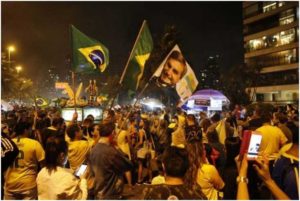


 The largest humanitarian emergency was caused by volcanic eruptions on the island of Ambae which resulted in the evacuation of over 8,000 people. Some displaced communities have resettled in the islands of Santo and Efate, but land ownership is a contentious issue.





