Changing a System that Exploits Nature and Women, for a Sustainable Future

Active Citizens, Civil Society, Climate Action, Climate Change, Conferences, Environment, Gender, Global Governance, Headlines, Human Rights, Indigenous Rights, IPS UN: Inside the Glasshouse, Latin America & the Caribbean, Regional Categories, Women & Climate Change

Women & Climate Change

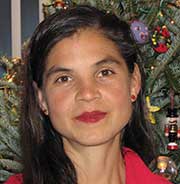
Peruvian farmer Hilda Roca, 37, stands in her agro-ecological garden in Cusipata, a town located at more than 3,300 meters above sea level in the highlands of Cuzco, where she grows vegetables for her family and sells the surplus with the support of her adolescent daughter and son. CREDIT: Mariela Jara/IPS

Peruvian farmer Hilda Roca, 37, stands in her agro-ecological garden in Cusipata, a town located at more than 3,300 meters above sea level in the highlands of Cuzco, where she grows vegetables for her family and sells the surplus with the support of her adolescent daughter and son. CREDIT: Mariela Jara/IPS

LIMA, Mar 7 2022 (IPS) – “Pachamama (Mother Earth) is upset with all the damage we are doing to her,” says Hilda Roca, an indigenous Peruvian farmer from Cusipata, in the Andes highlands of the department of Cuzco, referring to climate change and the havoc it is wreaking on her life and her environment.


From her town, more than 3,300 meters above sea level, she told IPS that if women were in power equally with men, measures in favor of nature that would alleviate the climate chaos would have been approved long ago. “But we need to fight sexism so that we are not discriminated against and so our rights are respected,” said the Quechua-speaking farmer.

The link between climate change and gender is the focus of the United Nations’ celebration of this year’s International Women’s Day, Mar. 8, under the theme “Gender equality today for a sustainable tomorrow”.

The aim is to “make visible how the climate crisis is a problem that is closely related to inequality, and in particular to gender inequality, which is expressed in an unequal distribution of power, resources, wealth, work and time between women and men,” Ana Güezmes, director of the Gender Affairs Division of the Economic Commission for Latin America and the Caribbean (ECLAC), told IPS.

Latin America is highly vulnerable to the climate crisis despite the fact that it emits less than 10 percent of the greenhouse gases that are warming the planet.

In addition, climate injustice has a female face in the region: lower-income population groups, where the proportion of women is higher, are more exposed to climate effects due to their limited access to opportunities, despite the fact that they are less responsible for emissions.

The extreme poverty rate in the region increased from 13.1 percent to 13.8 percent of the population – from 81 to 86 million people – between 2020 and 2021, according to data released by ECLAC in January. Women between 25 and 59 years of age are the most affected compared to their male counterparts. This situation is worse among indigenous and rural populations, who depend on nature for their livelihoods.

These aspects were highlighted at ECLAC’s 62nd Meeting of the Presiding Officers of the Regional Conference on Women, held Jan. 26-27, whose declaration warns that women and girls affected by the adverse impacts of climate change and disasters face specific barriers to access to water and sanitation, health and education services, and food security.

And it is women who are mainly responsible for feeding their families, fetching water and firewood, and taking care of the vegetable garden and animals.

“That is why we maintain that the post-pandemic recovery must be transformative in terms of sustainability and equality,” Güezmes emphasized from ECLAC headquarters in Santiago, Chile.

To this end, she said, this recovery “must untie the four structural knots of gender inequality that affect the region so much: socioeconomic inequality and poverty; the sexual division of labor and the unjust organization of caregiving; the concentration of power and patriarchal, discriminatory and violent cultural patterns; and the predominance of the culture of privilege.”
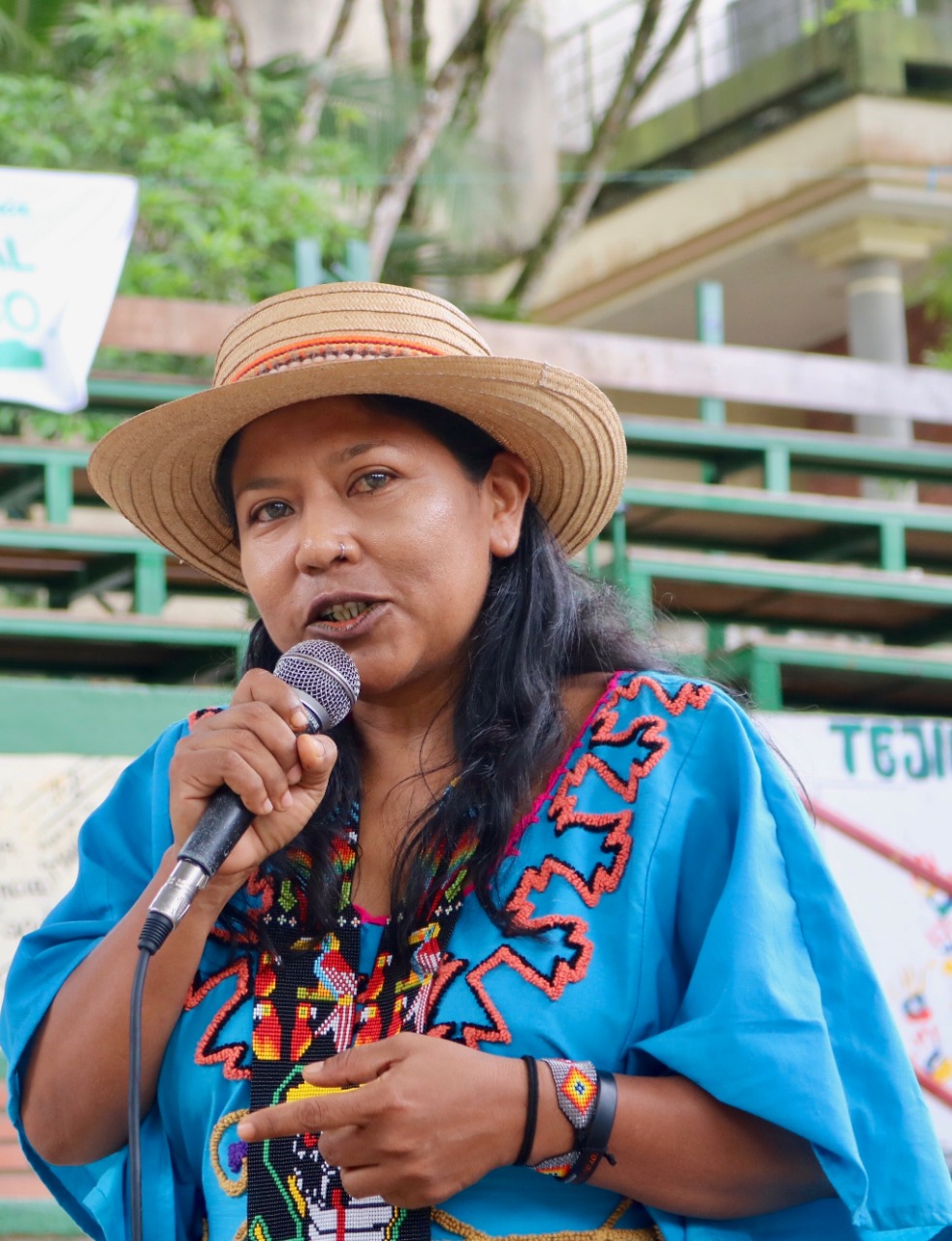
Luz Mery Panche, an indigenous leader of the Nasa people of Colombia. : Courtesy of Luz Mery Panche

Luz Mery Panche, an indigenous leader of the Nasa people of Colombia. : Courtesy of Luz Mery Panche

Reconciling with Mother Earth

Luz Mery Panche, an indigenous leader of the Nasa people, discussed the need to incorporate a gender perspective into the climate crisis. She talked to IPS from San Vicente del Caguán, in the department of Caquetá, in the Amazon region of Colombia, a country facing violent attacks on defenders of land and the environment.

For her, more than sustainable, “it is about moving towards a sustainable future.”

“We need to change the conditions that have generated war and chaos in the country, which is due to the hijacking of political and economic power by an elite that has been in the decision-making spaces since the country emerged 200 years ago,” she said.

Panche is a member of the National Ethnic Peace Coordination committee (Cenpaz) and in that capacity is part of the special high-level body with ethnic peoples for the implementation of the peace agreement in her country. She is a human rights activist and a defender of the Amazon rainforest.

She argued that to achieve a sustainable future “we must reconcile with Mother Earth and move towards the happy, joyful way of life that we deserve as human beings.”

This, she said, starts by changing the economic model violently imposed on many areas without taking into account the use of the soil, its capacities and benefits; by changing concepts of economy and the educational model; and by organizing local economies and focusing on a future of respect, solidarity and fraternity.

Panche said that in order to move towards this model, women “must have informed participation regarding the effects of climate change.

“Although we prefer to call Mother Earth’s fever ‘global warming’. And it is up to us to remember to make decisions that put us back on the ancestral path of harmony and balance, what we call returning to the origin, to the womb, to improve coexistence and the sense of humanity,” she said.
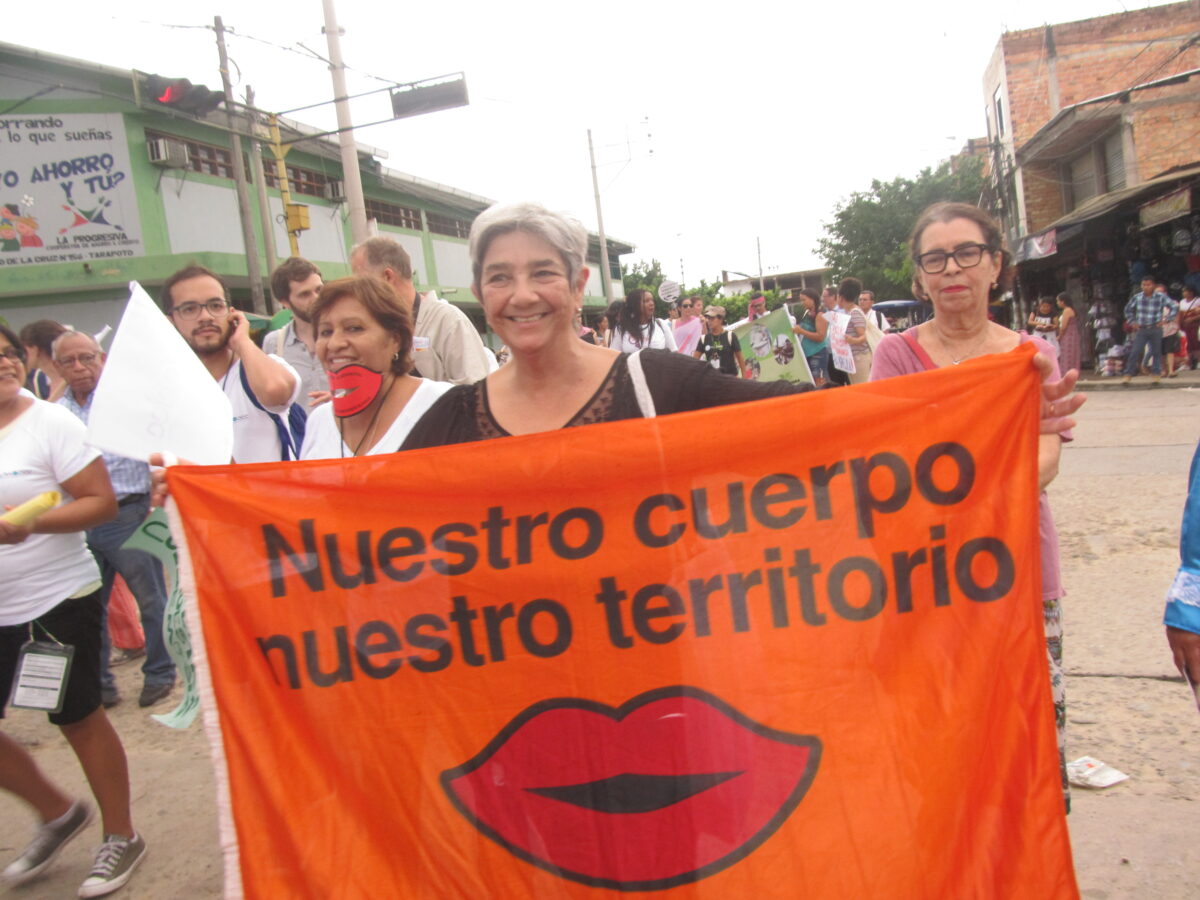
Uruguayan ecofeminist Lilian Celiberti carries a banner reading "Our body, our territory" in the streets of Tarapoto, a city in the central Peruvian jungle, during an edition of the Pan-Amazon Social Forum. CREDIT: Mariela Jara/IPS

Uruguayan ecofeminist Lilian Celiberti carries a banner reading “Our body, our territory” in the streets of Tarapoto, a city in the central Peruvian jungle, during an edition of the Pan-Amazon Social Forum. CREDIT: Mariela Jara/IPS

Changing times: another kind of coexistence with nature and equality

Lilian Celiberti, Uruguayan ecofeminist and founder of the non-governmental Cotidiano Mujer and Colectivo Dafnias, told IPS from Montevideo that governments have the tools to work on gender equality today in order to have a sustainable future tomorrow, as this year’s Mar. 8 slogan states.

But against this, she said, there are economic interests at play that maintain a development proposal based on growth and extreme exploitation of nature.

She called for boosting local economies and agroecology among other community alternatives in the Latin American region that run counter to the dominant government approach.

“But I believe that we are at a very complex crossroads and that only social participation will be able to find paths of multiple, diverse participation and collective sustainability that incorporate care policies and awareness of the eco-dependence of human society,” she said.

Celiberti said “we are on a planet of finite resources and we have to generate a new relationship with nature, but I see that governments are far from this kind of thinking.”

ECLAC’s Güezmes emphasized that social movements, especially those led by young indigenous and non-indigenous women in the region, have exposed the multiple asymmetries and inequalities that exist.
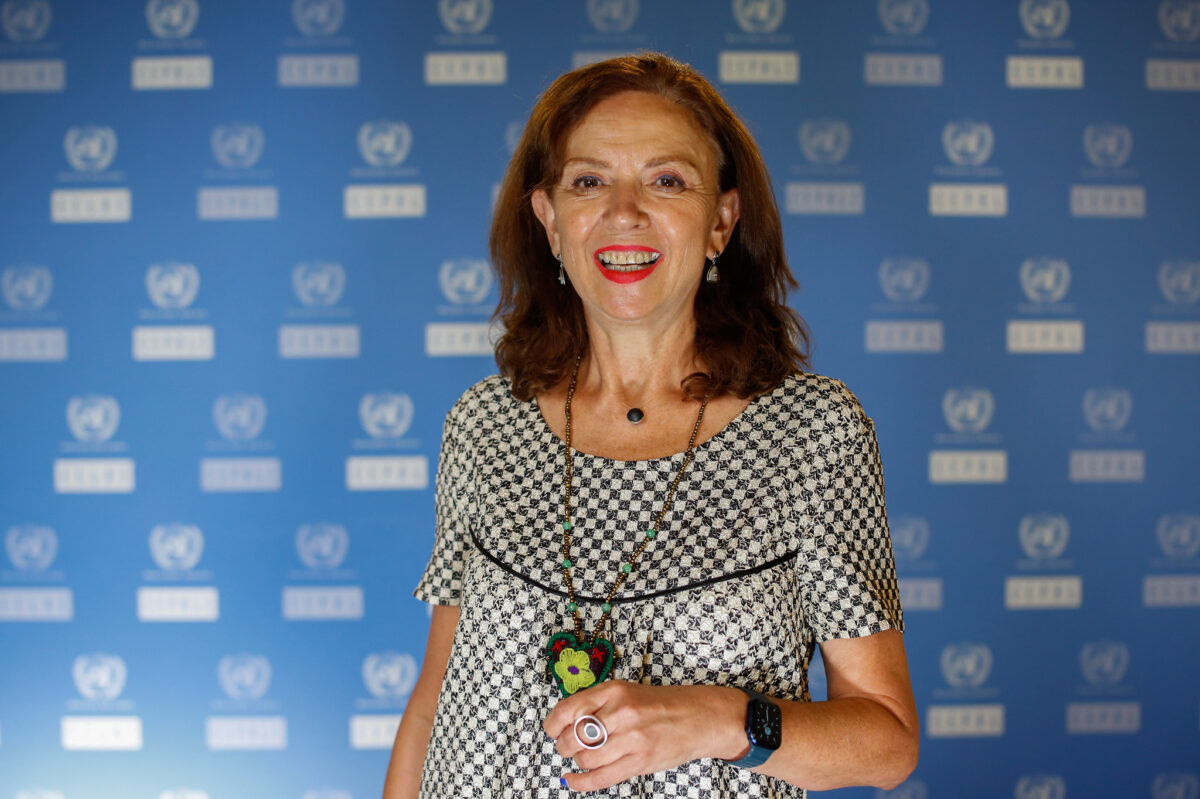
Ana Güezmes is director of the Gender Division of the Economic Commission for Latin America and the Caribbean. CREDIT: ECLAC

Ana Güezmes is director of the Gender Division of the Economic Commission for Latin America and the Caribbean. CREDIT: ECLAC

“We have an intergenerational debt, where young women have put at the center of the debate the unsustainability of the current development style that has direct impacts on our future at a global level and direct impacts on their livelihoods, territories and communities,” said Güezmes, who is from Spain and has worked for years within the United Nations in several Latin American countries.

She recognized the contribution of feminist movements that focus on a redistribution of power, resources and time to move towards an egalitarian model that includes the reduction of violence.

And she warned that from a climate perspective, the window of opportunity for action is closing, so we must act quickly, creating synergies between gender equality and climate change responses.

Güezmes said that “we are looking at a change of era” with global challenges that require a profound transformation that recognizes how the economy, society and the environment are interrelated. “To leave no one behind and no woman out, we must advance synergistically among these three dimensions of development: economic, social and environmental,” she remarked.

The expert cited gender equality as a central element of sustainable development because women need to be at the center of the responses. To this end, ECLAC plans to promote affirmative actions that bolster comprehensive care systems, decent work and the full and effective participation of women in strategic sectors of the economy.

She also raised the need to build “a renewed global pact” to strengthen multilateralism and achieve greater solidarity with middle-income countries on issues central to inclusive growth, sustainable development and gender equality.

“We have reiterated the urgent need to advance new political, social and fiscal pacts focused on structural change for equality,” Güezmes stressed.

She stated that in this perspective, the participation of women in all their diversity in decision-making processes is very important, particularly with regard to climate change.

To this end, she remarked, it is necessary to monitor their degree of intervention at the local, national and international levels – where asymmetry persists – and to provide women’s organizations, especially grassroots ones, with the necessary resources to become involved in such spaces.

“It involves strengthening financial flows so that they reach women who are at the forefront of responses to climate change and who are familiar with the situation in their communities, and boosting their capacities so that women from indigenous, native and Afro-descendant peoples participate in decision-making spaces related to the environment to promote the exchange of their ancestral knowledge on adaptation and mitigation measures,” she said.

Güezmes highlighted the contribution of women environmental activists and defenders to democracy, peace and sustainable development. It is necessary to “recognize their contribution to the protection of biodiversity and to development, despite doing so in conditions of fragility and exploitation and having less access to land, productive resources and their control,” she said.

For her part, Roca, who like other local women in the Peruvian Andes highlands practices agroecology to adapt to climate change and reconcile with Pachamama, calls for their voices to be heard.

“We have ideas and proposals and they need to be taken into account to improve the climate and our lives,” the indigenous farmer said.
  Source

No Vaccine for the Pandemic of Violence Against Women in Latin America

Active Citizens, Civil Society, Editors’ Choice, Featured, Gender, Gender Violence, Headlines, Human Rights, Indigenous Rights, Latin America & the Caribbean, Regional Categories

Gender Violence

This article is part of IPS coverage of the International Day for the Elimination of Violence against Women on Nov. 25, which kicks off 16 days of activism on the issue around the world.

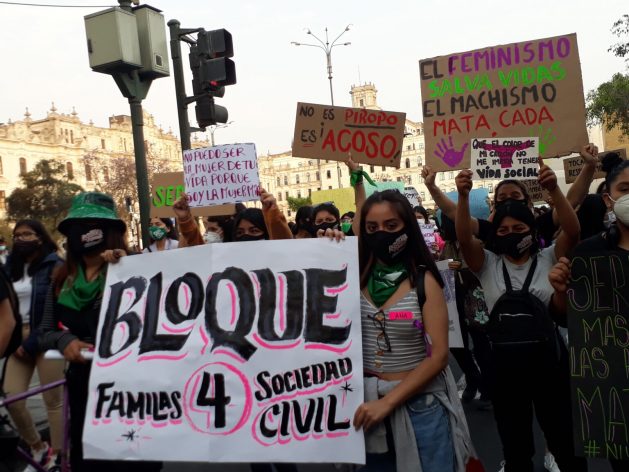
Despite restrictions due to covid, women from various feminist, youth and civil society groups gathered in the central Plaza San Martin in Lima and marched several blocks demanding justice and protesting impunity for violence against women, on Nov. 25, 2020. CREDIT: Mariela Jara/IPS

Despite restrictions due to covid, women from various feminist, youth and civil society groups gathered in the central Plaza San Martin in Lima and marched several blocks demanding justice and protesting impunity for violence against women, on Nov. 25, 2020. CREDIT: Mariela Jara/IPS

LIMA, Nov 24 2021 (IPS) – Despite significant legal advances in Latin American countries to address gender-based violence, it continues to be a serious challenge, especially in a context of social crisis aggravated by the covid-19 pandemic, which hits women especially hard.


“Existing laws and regulations have not stopped the violence, including femicide (gender-based murders). There is a kind of paralysis at the Latin American level, on the part of the State and society, where we don’t want to take much notice of what is happening, and women are blamed,” said María Pessina Itriago, a professor and researcher and the director of the Gender Observatory at UTE University in Quito.

Pessina, a Venezuelan who lives in the Ecuadorian capital and spoke to IPS by telephone from the university, said violence against women is ageold, and “we are still considered second-class citizens who are not recognized as social subjects.” And this dates way back – to the slaughter of “witches” in Europe in the Middle Ages, for example, she added.

“It hasn’t been easy to achieve my independence, have my own income and raise my children. I have suffered humiliation and slander, but I knew who I was and what I wanted: to live in peace and have a home without violence.” — Teresa Farfán

“The genocide of women is something that has not stopped and now in the context of the pandemic has become more serious. I believe that, in reality, the pandemic that we have experienced for many years is precisely this, that of gender violence,” she remarked.

Her reflection came ahead of the International Day for the Elimination of Violence against Women, which is celebrated on Thursday, Nov. 25 and kicks off 16 days of activism up until Dec. 10, World Human Rights Day.

The World Health Organization (WHO) and U.N. Women warned in March that globally one in three women suffers gender-based violence. And that the problem, far from diminishing, had grown during the covid pandemic and the restrictions and lockdowns put in place to curb it.

The study “Global and regional estimates of violence against women: prevalence and health effects of intimate partner violence and non-partner sexual violence”, which analyzed data from 2000 to 2018, is the most far-reaching produced by WHO on the topic.

The report, published in March of this year, stresses that violence against women is “pervasive and devastating” and affects one in three women with varying degrees of severity.

For Latin America and the Caribbean, the study puts the prevalence rate of violence among women aged 15 to 49 at 25 percent.

María Pessina Itriago is a professor, researcher and director of the Gender Observatory at UTE University in Quito. CREDIT: Courtesy of María Pessina

María Pessina Itriago is a professor, researcher and director of the Gender Observatory at UTE University in Quito. CREDIT: Courtesy of María Pessina

A regional epidemic during the global pandemic

With respect to femicides, the Gender Equality Observatory of the Economic Commission for Latin America and the Caribbean (ECLAC) reports that 4640 women died from this cause in 2019. The organization also called attention to the intensification of violence against girls and women during the pandemic.

The panorama is compounded by the gendered impacts of the pandemic on employment, which reduces women’s economic autonomy and makes them more vulnerable to violence.

According to the International Labor Organization (ILO), the region of the Americas experienced the largest reduction in female employment during covid, a situation that will not be reversed in 2021.

Peruvian sociologist Cecilia Olea, of the non-governmental Articulación Feminista Marcosur (AFM), which is made up of 17 organizations from 11 countries – nine South American nations, Mexico and the Dominican Republic – said there have been significant advances in the last 30 years in the fight against gender violence.

Among them, she cited the fact that States recognize their responsibility for the problem and no longer consider it a private matter.

She also pointed out that Latin America is the only region in the world with a specific human rights treaty on the issue: the Inter-American Convention on the Prevention, Punishment and Eradication of Violence against Women, known as the Convention of Belem do Para after the Brazilian city where it was approved in 1994, which established women’s right to live free of violence and set the framework for national laws to address this violation of women’s rights.

However, Olea said in an interview with IPS in Lima that the legal and regulatory framework has not been accompanied by political strategies to change the social imaginary of masculinity and femininity, which would provide incentives to modify the culture of inequality between men and women; on the contrary, she said, the violence forms part of a culture of impunity.

“Males feel free to oppress and governments are failing in their responsibility to guarantee comprehensive sex education throughout the educational system, in primary school and technical and higher education; this program exists by law but implementation is deficient due to lack of training for teachers and the opportunity to train people in new forms of masculinity is lost, for example,” she remarked.

Olea, a feminist activist and one of the founders of the AFM, said that not only do governments have a responsibility to prevent, address and eradicate gender violence, but there is also an urgent need to ensure health services; justice with due diligence, as the current delays revictimize and inhibit the use of regulatory instruments; and budgets to correct the current shortfall that prevents a better response to this social problem.

Peruvian sociologist Cecilia Olea, a member of the Articulación Feminista Marcosur (AFM), which brings together feminist networks from 11 Latin American countries, takes part in a demonstration outside the Peruvian Health Ministry in Lima, demanding reproductive rights. CREDIT: Mariela Jara/IPS

Peruvian sociologist Cecilia Olea, a member of the Articulación Feminista Marcosur (AFM), which brings together feminist networks from 11 Latin American countries, takes part in a demonstration outside the Peruvian Health Ministry in Lima, demanding reproductive rights. CREDIT: Mariela Jara/IPS

Cultural change in the new generations

Raised in a machista home, Pessina rebelled against gender norms from an early age and her constant questioning led her to come up with a new definition of how a good person should act.

“I believe that good people do not tolerate injustice or inequality of any kind, which is why I became a feminist about 15 years ago and I am very happy to be able to contribute a grain of sand with my students,” she said.

Pessina said the challenges to progress in the eradication of violence against women are to provide public policies with a budget to make them work; and to achieve an alliance between the State, civil society organizations and feminist movements to create a road map that incorporates excluded voices, such as those of indigenous women.

“The places where they can file reports are not near their towns, they have to go to other towns and when they get there they often cannot communicate in their own language because of the colonialist view that everything must be in Spanish, and there are no interpreters,” she complained.

Another part of the problem, she said, is that “the State itself blocks complaints and keeps these people marginalized, and they are not taken into account in the countries’ statistics on violence.”

The third challenge was to work with the media in Latin America because of their role in the construction of imaginaries, in order to generate the figure of the ombudsperson focused on gender to ensure that information is treated in a way that contributes to equality and does not reproduce discriminatory stereotypes.

Pessina said that what is needed is a cultural transformation driven by the new generations, in favor of gender equality.

“We see more young feminist women activists mobilizing to make it happen and they will make a turnaround; not now, but maybe in a decade we will be talking about other things. These new generations not only of women but of men, I think they are our hope for change,” she said.

Quechua Indian woman Teresa Farfán, in the foreground, stands with two other rural women with whom she shares work and experiences in her Andes highlands community in Peru. She is convinced that telling her personal story of gender-based violence can help other women in this situation to see that it is possible to escape from abuse. CREDIT: Courtesy of Teresa Farfán

Quechua Indian woman Teresa Farfán, in the foreground, stands with two other rural women with whom she shares work and experiences in her Andes highlands community in Peru. She is convinced that telling her personal story of gender-based violence can help other women in this situation to see that it is possible to escape from abuse. CREDIT: Courtesy of Teresa Farfán

“I wanted a home without violence”

Teresa Farfán reflects the lives of many Latin American women who are victims of machista violence, but with a difference: she left behind the circle of gender violence that so often takes place in the home itself.

She is 35 years old and describes herself as a peasant farmer, a single mother and a survivor of an attempted femicide. She was born and lives in the town of Lucre, an hour and a half drive from the city of Cuzco, the capital of ancient Peru, in the center of the country.

Like most of the local population, she is dedicated to family farming.

Nine years ago she separated from the father of her children who, she says, did not let her move forward.

“He wanted me just to take care of the cows, but I wanted to learn, to get training, and that made him angry. He even beat me and it was horrible, and at the police station they ignored my complaint. He kicked me out of the house and thought that out of fear I would come back, but I took my children and left,” she told IPS during a day of sharing with women in her community.

At her moment of need she didn’t receive the support of her family, who urged her to return, “because a woman must do what her husband says.”

But she did have supportive friends who gave her a hand, both inside and outside her community, as part of a sisterhood of Quechua indigenous peasant women like her in the Peruvian highlands.

“It hasn’t been easy to achieve my independence, have my own income and raise my children. I have suffered humiliation and slander, but I knew who I was and what I wanted: to live in peace and have a home without violence,” she said. A wish that remains elusive for millions of Latin American women.

  Source

Social Movement Voices Fall on Deaf Ears of Governments at COP26

Active Citizens, Civil Society, Climate Action, Climate Change, Conferences, Editors’ Choice, Environment, Featured, Global, Global Governance, Headlines, Human Rights, Indigenous Rights, IPS UN: Inside the Glasshouse, Regional Categories

Climate Change

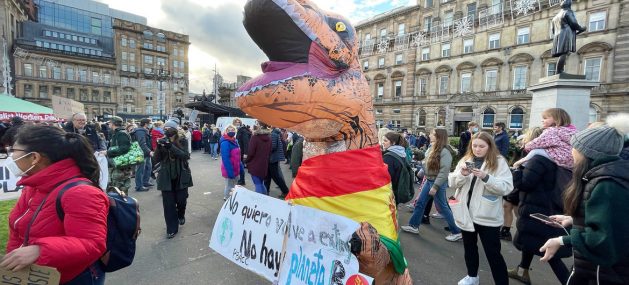
The climate summit COP26 was accompanied by protests by social movements, with demonstrators arriving in Glasgow from all over the world and expressing themselves in their own language or dressing up as dinosaurs to symbolize their criticism. But government delegates did not listen to their demands for ambitious and fair action to contain the global warming crisis. CREDIT: Laura Quiñones/UN

GLASGOW, Nov 11 2021 (IPS) – One element that runs through all social movement climate summits is their rejection of the official meeting of the United Nations Framework Convention on Climate Change (UNFCCC) and the low ambition of its outcomes – and the treaty’s 26th Conference of the Parties (COP26) was no exception.


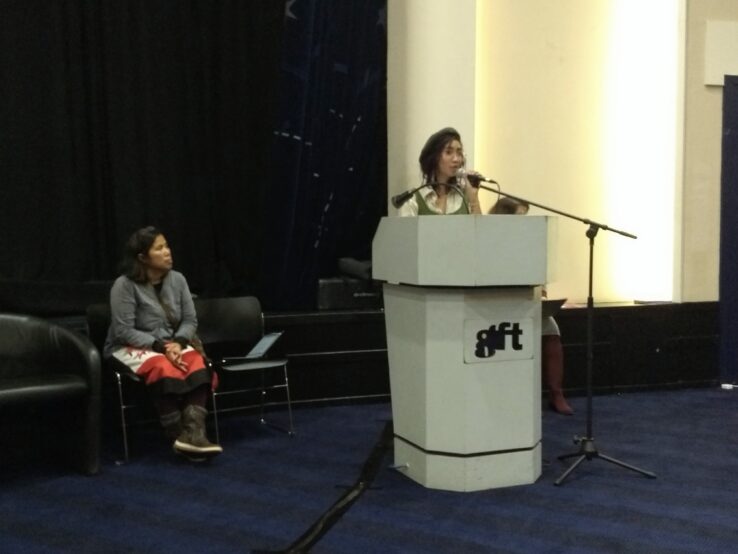
The leaders of the UNFCCC “gladly welcome those who caused the crisis. COP26 has done nothing but pretend and greenwash,” Mitzi Jonelle Tan, a member of the non-governmental organization Youth Advocates for Climate Action from the Philippines, told IPS during a rally at the Glasgow Screening Room, a few blocks from the venue where the official meeting is being held until Friday, Nov. 12.

The COP26 Coalition, the alternative summit to the climate conference, has been a motley crew of organizations and movements whose common demand was a real effort to fight the climate crisis through concrete and fair measures and whose 200 events in this Scottish city included workshops, forums, artistic presentations and protests, which ended on Wednesday, Nov. 10.

Among the demands with which the alternative meeting in Glasgow lobbied the 196 Parties to the UNFCCC were the abandonment of fossil fuels, the rejection of cosmetic solutions to the climate emergency, the demand for a just transition to a lower carbon economy and the call for reparations and redistribution of funds to indigenous communities and the global South.

The movement also called for a gender perspective in policies, climate justice – that those primarily responsible (developed nations) take responsibility and pay for their role -, respect for the rights of indigenous peoples, and a halt to air pollution.

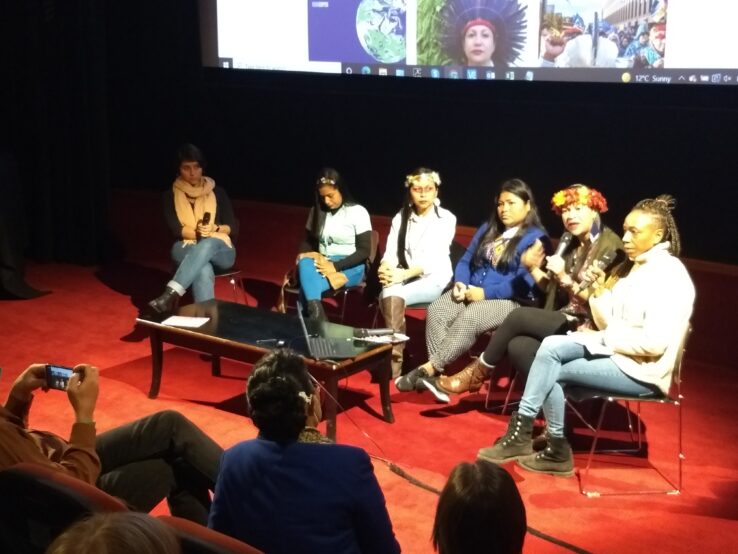
Due to logistical issues and the limitations imposed by the covid-19 pandemic, which postponed the official summit for a year, the parallel sessions of the social movements were held in this Scottish city in a hybrid format, combining face-to-face and virtual participation. Exhibitors and online participants struggled with the quality of their internet connections.

One of the most unanimous and loudest criticisms from non-governmental social and environmental organizations focused on the exclusion of civil society groups from Latin America, Africa and Asia, due to the UK host government’s decision to modify the admission criteria according to the level of contagion in each country and the extent of vaccination.

In addition, they complained about the strict hurdles imposed by the COP26 presidency, held by the United Kingdom, supported by Italy, to the presence of NGO observers at the official negotiating tables, which undermined the transparency of the Glasgow process, whose agreements are to be embodied in a final declaration, which is weakening every day and whose final text will be released on Nov. 12 or 13, if the negotiations stretch out.

The alternative movement also had a formal but unofficial space in the so-called COP26 Green Zone, located in the same area as the official negotiations, in the center of Glasgow.

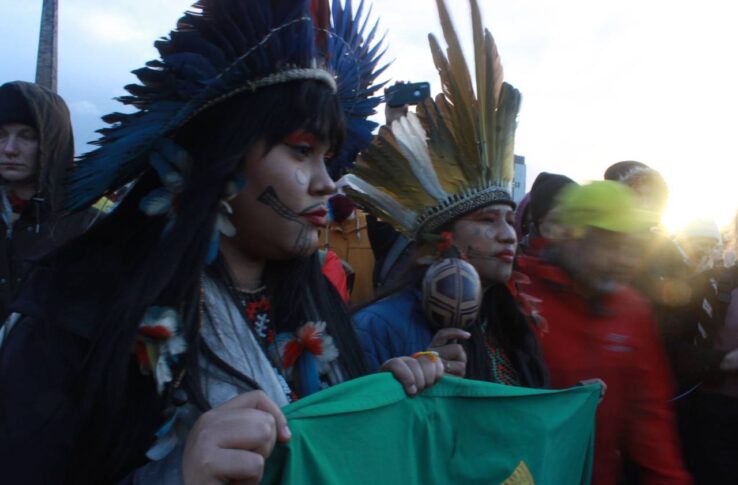
In the forums parallel to COP26 in Glasgow, indigenous women were major protagonists with their demands for respect for their rights and effective participation in the negotiations. In the picture, indigenous women delegates take part in a forum on women of the forest at the peoples' summit. CREDIT: Emilio Godoy/IPS

In the forums parallel to COP26 in Glasgow, indigenous women were major protagonists with their demands for respect for their rights and effective participation in the negotiations. In the picture, indigenous women delegates take part in a forum on women of the forest at the peoples’ summit. CREDIT: Emilio Godoy/IPS

In-depth solutions

One of their key proposals was for a Fossil Fuel Non-Proliferation Treaty aimed at moving towards the end of the era of coal, gas and oil, the consumption of which is primarily responsible for the growing planetary climate emergency.

The initiative, which imitates the name of the treaty against nuclear weapons, demands an immediate end to the expansion of fossil fuel production, a fair phase-out and a just energy transition.

Countries and corporations “continue to invest capital in the extraction of fossil fuels. We need to see efforts to phase them out, to stop the financing, subsidies and exploitation of fossil fuels,” Tzeporah Berman, the Canadian chair of the anti-fossil fuel initiative, told IPS.

The idea for the treaty emerged in 2015 from a call by leaders and NGOs from Pacific island states – whose very existence is threatened by the climate crisis – and it was formally launched in 2020.

So far it has received the support of some 750 organizations, 12 cities, more than 2,500 scientists, academics, parliamentarians from around the world, and religious leaders, indigenous movements and more than 100 Nobel Prize winners.

Climate policies are the focus of COP26 which has addressed carbon market rules, at least 100 billion dollars a year in climate finance, gaps between emission reduction targets and necessary reductions, strategies for carbon neutrality by 2050, adaptation plans, and the working platform on local communities and indigenous peoples.

The International Rights of Nature Tribunal tried the United Nations Framework Convention on Climate Change (UNFCCC), parallel to COP26. In the case, Philippine activist Mitzi Jonelle Tan testified to the lack of effective action against the climate emergency. CREDIT: Emilio Godoy/IPS

The International Rights of Nature Tribunal tried the United Nations Framework Convention on Climate Change (UNFCCC), parallel to COP26. In the case, Philippine activist Mitzi Jonelle Tan testified to the lack of effective action against the climate emergency. CREDIT: Emilio Godoy/IPS

Indigenous people and rights of nature tribunal in the spotlight

Indigenous people, especially from the Amazon jungle, have been key participants at the latest edition of the alternative summit, with at least 40 activists present in Glasgow to complain about harassment by the government of far-right Brazilian President Jair Bolsonaro and demand more protection for the rainforest, whose destruction can have dramatic effects on the environmental health of the planet.

“Our main demand is demarcation of our territories,” because this guarantees a number of rights, Cristiane Pankararu, a member of the Pankararu people and leader of Brazil’s non-governmental National Association of Indigenous Women Warriors (ANMIGA), told IPS.

Her organization belongs to the Association of Indigenous Peoples of Brazil, whose demands are demarcation, climate solutions based on indigenous peoples’ knowledge and practices, and investment in forest protection.

One of the most symbolic activities of the counter-summit was the Fifth International Rights of Nature Tribunal, which tried the cases of “False solutions to the climate change crisis” and “The Amazon, a threatened living entity”.

In the first verdict, the tribunal, which sat for the first time in 2014 and was composed this time of seven judges from six countries, found the UNFCCC at fault for failing to attack the roots of the climate emergency.

In the second ruling, the jury, composed of nine experts from seven countries, accused developed countries and China, as well as agricultural, mining and food corporations, of destroying the Amazon, the planet’s main rainforest ecosystem, which is threatened by these extractive activities.

Nick Dearden, director of Global Justice Now, listed three serious problems: the role of large corporations, the protection of corporate intellectual property, and the power of corporations to sue states that want to protect the environment, in international arbitration tribunals.

“It is a profound symptom of how the global economy protects the interests of large corporations, especially extractive ones, and that has not been addressed at the COP,” he told IPS.

A dialogue of the deaf has prevailed between the UNFCCC and civil society, as the official summit has ignored the demands of social movements.

“They have not listened to us. We are here to demand action. We don’t need another COP to solve the climate crisis, we need change,” Tan complained.

Despite the obstacles, “we will not stop participating actively. The women’s movement is unifying. It is a slow process, because people are not used to being led by women,” Pankararu said.

IPS produced this article with the support of Iniciativa Climática of Mexico and the European Climate Foundation.

  Source

Indigenous Peoples Want to Move Towards Clean Energy Sovereignty

Civil Society, Climate Action, Climate Change, Conferences, Development & Aid, Editors’ Choice, Energy, Environment, Featured, Global, Global Governance, Headlines, Human Rights, Indigenous Rights, IPS UN: Inside the Glasshouse, Regional Categories

Climate Change

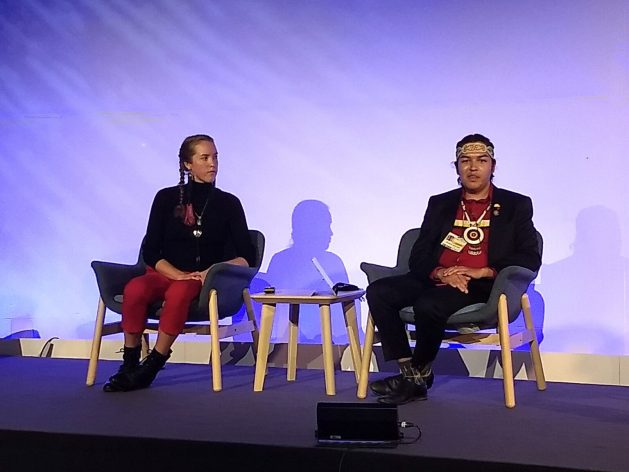
At an event in the so-called Green Zone, Canadian native leaders and the non-governmental Indigenous Clean Energy launched a global hub of social enterprises to pass on knowledge and advice during the Glasgow climate summit. In the picture, Mihskakwan James Harper (R) of the Cree indigenous community explains a mixed battery energy storage project built by a private firm and an indigenous company in the province of Ontario, Canada. CREDIT: Emilio Godoy/IPS

At an event in the so-called Green Zone, Canadian native leaders and the non-governmental Indigenous Clean Energy launched a global hub of social enterprises to pass on knowledge and advice during the Glasgow climate summit. In the picture, Mihskakwan James Harper (R) of the Cree indigenous community explains a mixed battery energy storage project built by a private firm and an indigenous company in the province of Ontario, Canada. CREDIT: Emilio Godoy/IPS

GLASGOW, Nov 9 2021 (IPS) – In the community of Bella Bella on Turtle Island in the western Canadian province of British Columbia, the indigenous Heiltsuk people capture heat from the air through devices in 40 percent of their homes, in a plan aimed at sustainable energy sovereignty.


“We use less energy, pay less, and that’s good for our health,” Leona Humchitt, a member of the Heiltsuk community, told IPS during a forum on indigenous micro-grids in the so-called Green Zone of the climate summit being hosted by Glasgow, Scotland since Oct. 31. “The project coincides with our view. We need to have a good relationship with nature.”

For native groups, these initiatives mean moving towards energy sovereignty to avoid dependence on projects that have no connection to local populations, combating energy poverty, paving the transition to cleaner sources and combating the exclusion they suffer in the renewable energies sector due to government policies and corporate decisions.

The modernisation process that began in the first quarter of 2021 lowered electricity rates from 2,880 dollars a year to about 1,200 dollars for each participating household.

In addition, the switch to heat pumps eliminates five tons of pollutant emissions per year and has reduced the community’s annual diesel consumption of 2,000 litres per household, which is usually supplied by a private hydroelectric plant.

Funded by the Canadian government and non-governmental organisations, the “Strategic Fuel Switching” project is part of the Heiltsuk Climate Action plan, which also includes measures such as biofuel and biomass from marine algae and carbon credits from marine ecosystems.

In 2017, more than 250 remote indigenous communities, out of 292 in Canada, relied on their own electricity microgeneration grids, dependent especially on diesel generators.

The venture in the Heiltsuk community, which is part of the three major Canadian native peoples, is included in a portfolio of indigenous transitional energy initiatives that have been incorporated into the non-governmental Indigenous Clean Energy (ICE) social enterprise in Canada.

A global hub for social entrepreneurship was one of the initiatives launched in the Green Zone, an open event held parallel to the 26th Conference of the Parties (COP26) to the United Nations Framework Convention on Climate Change (UNFCCC), whose annual session ends Nov. 12.

ICE has a list of 197 projects – 72 in bioenergy, 127 in energy efficiency, and 19 in other alternative sources – with more than one megawatt of installed capacity. These initiatives together represent 1.49 billion dollars in revenue over 10 years.

Mihskakwan James Harper, an indigenous man from the Cree people of Sturgeon Lake in the western Canadian province of Alberta, said it is not only about energy sovereignty, but also about community power to dispose of their own resources.

“We change our self-consumption and the communities benefit themselves from the energy, and the earth get benefits as well. Without us, we are not going to reach the climate goals. We show that indigenous peoples can bring innovations and solutions to the climate crisis,” Harper, who is development manager at the NR Stor energy company, told IPS.

NR Stor Inc. and the Six Nations of the Grand River Development Corporation in the Canadian province of Ontario are building the Oneida battery storage project – with a capacity of 250 MW and an investment of 400 million dollars – in the south of the province.

The facility, which will prevent some 4.1 million tons of pollutant emissions, the largest of its kind in Canada and one of the largest in the world, will provide clean and stable energy capacity by storing renewable energy off-peak for release when demand rises.

ICE estimates 4.3 billion dollars in investments are needed to underpin this energy efficiency that would create some 73,000 direct and indirect jobs and would cut carbon dioxide emissions by more than five million tons over 10 years.

Electric vehicles are still a pipe dream in many indigenous communities, due to their price and the lack of charging infrastructure. In the picture, an electric car is charged at a station in downtown Glasgow, near COP26. CREDIT: Emilio Godoy/IPS

Electric vehicles are still a pipe dream in many indigenous communities, due to their price and the lack of charging infrastructure. In the picture, an electric car is charged at a station in downtown Glasgow, near COP26. CREDIT: Emilio Godoy/IPS

Slow progress

The increase in clean sources plays a decisive role in achieving one of the 17 Sustainable Development Goals (SDGs) set out in 2015 by the international community in the 2030 Agenda, within the framework of the United Nations.

SDG 7 is aimed at affordable, modern energy for all.

But processes similar to Canada’s ICE are proceeding at a slow pace.

Two projects of the Right Energy Partnership with Indigenous Peoples (REP), launched in 2018 by the non-governmental Indigenous Peoples Major Group for Sustainable Development, are being implemented in El Salvador and Honduras.

In El Salvador, the project is “Access to photovoltaic energy for indigenous peoples”, carried out since 2020 in conjunction with the non-governmental National Salvadoran Indigenous Coordination Council (CCNIS).

It is financed with 150,000 dollars from the Global Environment Facility (GEF) Small Grants Programme to provide 24 solar power systems to three communities in the town of Guatajiagua, in the eastern department of Morazán.

In Honduras, the Lenca Indigenous Community Council and the Pro Construction Committee are installing a mini-hydroelectric plant to benefit two Lenca indigenous communities in the municipality of San Francisco de Opalaca, in the southwestern department of Intibucá.

The project “Hydroelectric power generation for environmental protection and socioeconomic development in the Lenca communities of Plan de Barrios and El Zapotillo”, launched in 2019, received 150,000 dollars in GEF funding.

Clean alternative sources face community distrust due to human rights violations committed by wind, solar and hydroelectric plant owners in countries such as Colombia, Honduras and Mexico, including land dispossession, contracts harmful to local communities and lack of free consultation and adequate information prior to project design.

Amazonian indigenous people participate in protests by social movements in Glasgow, in which they claimed that their voices were not adequately heard at COP26. CREDIT: Arturo Contreras/Pie de Página

Amazonian indigenous people participate in protests by social movements in Glasgow, in which they claimed that their voices were not adequately heard at COP26. CREDIT: Arturo Contreras/Pie de Página

The evolution of energy initiatives has been slow, due to funding barriers and the limitations imposed by the covid-19 pandemic.

“Our main interest is to enable access to affordable renewable energy and for indigenous peoples to participate in the projects,” Eileen Mairena-Cunningham, REP project coordinator, told IPS.

“These processes should be led by indigenous organisations. Of course we are interested in participating in the global networks,” added the Miskita indigenous woman from Nicaragua.

After the always difficult first step, indigenous communities want to accelerate progress towards these goals.

In Bella Bella, Canada, the hope is to progressively replace diesel with biofuel in vehicles and in the boats that are vital to the fishing community.

“We are not going to electrify transportation overnight,” Humchitt said. “But we see an opportunity in biodiesel. We have to go forward on this issue.”

Harper concurred with that vision. “Of course we want EVs, as they become accessible and satisfy our own needs. We want to get rid of diesel. The communities have to lead the process of the local transition,” he said.

Mairena-Cunningham stressed that indigenous peoples attach primary importance to participating in global networks.

“Existing projects leave us with lessons of what can be done in our territory,” said the activist. “There is a need for policies that facilitate indigenous participation and special safeguards for access to the land. Capacity building is also needed.”

Renewable energies can be added to ecological measures that indigenous peoples already use, such as forest protection and biodiversity and water conservation. But their local implementation requires more than just willingness.

IPS produced this article with the support of Iniciativa Climática of Mexico and the European Climate Foundation.


In Glasgow, Indigenous People Pound the Table for Their Rights

Civil Society, Climate Action, Climate Change, Conferences, Editors’ Choice, Environment, Featured, Global, Global Governance, Headlines, Human Rights, Indigenous Rights, IPS UN: Inside the Glasshouse, Regional Categories

Climate Action

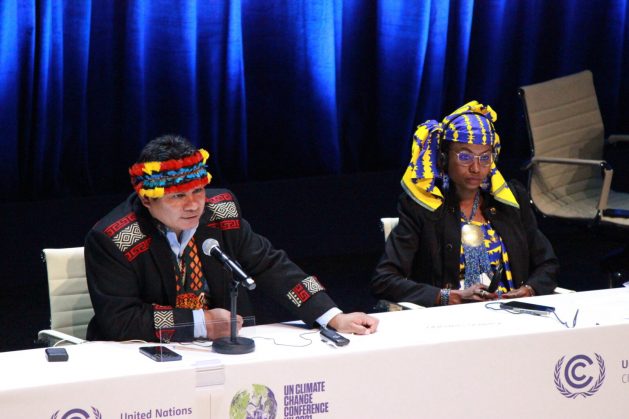
In the face of substantial international offers of funding for indigenous lands and forests at COP26, indigenous peoples are calling for specific schemes for their participation. Shuar leader Katan Kontiak (left) of Ecuador and Hindou Oumarou Ibrahim of Chad took part in a Nov. 2 forum on the indigenous peoples and local communities platform. CREDIT: Emilio Godoy/IPS

GLASGOW, Nov 4 2021 (IPS) – “For my people, the effects of climate change are a daily reality. The rainy season is shorter and when it rains, there are floods. And we have suffered from drought,” said Hindou Oumarou Ibrahim, a member of the Wodaabe or Mbororo pastoral people of Chad.


For the founder of the non-governmental Association of Indigenous Women and Peoples of Chad, one pernicious effect is the violence generated, because “when resources are lost, people fight for them – for water, for example,” she told IPS after a forum on the progress made by native groups at the climate summit in Glasgow, Scotland.

Around the world, indigenous peoples face the ambiguity of protecting ecosystems, such as forests or coastal zones, while at the same time suffering the onslaught of climate fury unleashed by humanity’s addiction to fossil fuels, like droughts, destructive storms and rising sea levels.

For decades, native peoples have insisted that their traditional knowledge can contribute to the fight against climate change. The emergence of the covid-19 pandemic in 2020 reaffirmed the results of treating nature as just another commodity.

Although in the last decade, indigenous representatives have gained a place at environmental summits, such as the 26th Conference of the Parties (COP26) of the United Nations Framework Convention on Climate Change (UNFCCC), which began on Sunday Oct. 31 in this city in the UK, now they want to be more than just token participants.

“We hope that the summit takes indigenous communities into account. We need funds that go directly to indigenous peoples,” Graciela Coy, an indigenous woman from Ak’Tenamit (our people, in the Q’eqchi’ language), a non-governmental organisation that works in northern Guatemala, told IPS.

Representatives of indigenous organisations have gained a place in every part of the COP. They participate as observers in the official sessions where the agreements are debated, in the parallel summit of social movements and in all the other forums held during the two weeks of the climate conference.

One of the expectations this year among indigenous people is the approval of the three-year working plan of the Local Communities and Indigenous Peoples Platform that emerged at COP21, which approved the Paris Agreement in 2015.

The proposal must be approved by the Facilitative Working Group, composed of seven indigenous and seven government representatives and endorsed at COP24, held in the Polish city of Katowice in 2018. It must then be ratified by the plenary of the 196 Parties to the COP and is to include capacity building activities for indigenous groups, the mapping of measures for their participation in the UNFCCC and financing.

Between 2019 and 2021, the group conducted 11 activities, with no physical sessions due to the pandemic.

Climate policies are the focus of COP26, which ends Nov. 12, after being postponed for a year as a result of the covid-19 pandemic.

Government delegates at COP26 are addressing carbon market rules, climate finance of at least 100 billion dollars per year, gaps between emission reduction targets and necessary reductions, strategies for carbon neutrality by 2050, adaptation plans and the working programme for the local communities and indigenous peoples platform.

Victoria Tauli-Corpuz, an indigenous activist from the Kankana-ey Igorot people of the Philippines, said the inclusion of human rights in the financing of emission reductions and adaptation to the effects of the climate crisis, as well as in the creation of carbon markets, is fundamental.

“Indigenous peoples also suffer from climate solutions, such as renewable energy projects. There must be effective safeguards that allow for the protection of indigenous peoples’ rights” in climate policies, the former U.N. Special Rapporteur on the Rights of Indigenous Peoples between 2014 and 2020 told IPS.

This respect has become urgent in areas such as the Amazon, the main jungle in Latin America shared by eight countries and a French territory, whose indigenous inhabitants have suffered the deterioration caused by the inroads made by agribusiness, livestock, soybean, hydrocarbon and mining companies, as well as the construction of dams, railroads, highways and river ports.

For this reason, Tuntiak Katan, a member of the indigenous Shuar people of Ecuador and general coordinator of the Global Alliance of Territorial Communities (GATC), told IPS that the removal of extractive activities from this ecosystem is a fundamental condition for making progress in protection of the climate.

“Indigenous peoples already protect 950 million hectares of land worldwide. What we are asking for is the protection of 80 percent of the Amazon by 2025. We are the voice of the women, children and elders” who suffer the impacts on the territories, said Katan, vice-coordinator of the non-governmental Coordinating Body of Indigenous Organisations of the Amazon River Basin (Coica).

The most recent scientific evidence shows that native peoples are the most effective protectors of tropical forests, which is why greater efforts are required for their conservation in the face of growing threats.

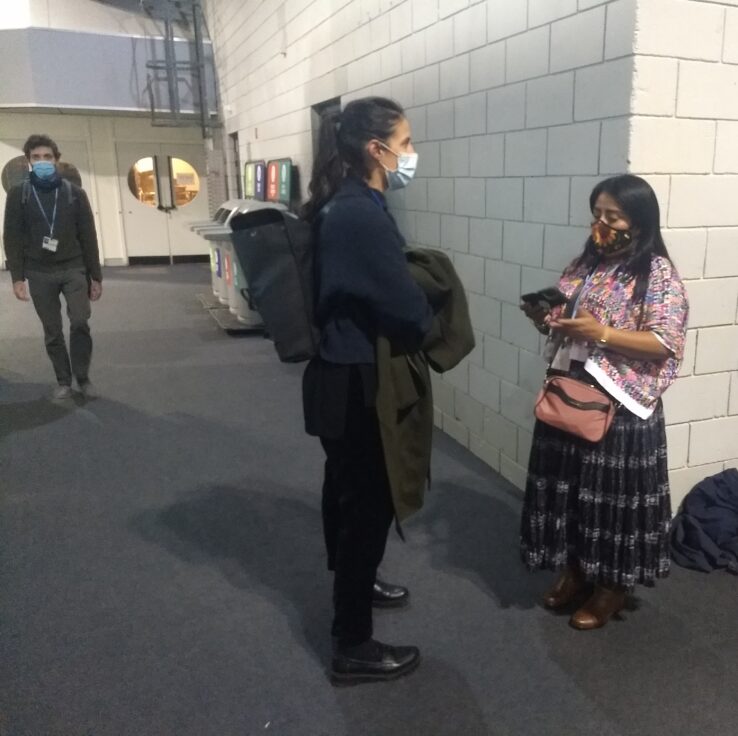
Q'eqchí' indigenous activist Graciela Coy (R) from Guatemala called during the Glasgow climate summit for the promised international funds to go directly to indigenous peoples. CREDIT: Emilio Godoy/IPS

Q’eqchí’ indigenous activist Graciela Coy (R) from Guatemala called during the Glasgow climate summit for the promised international funds to go directly to indigenous peoples. CREDIT: Emilio Godoy/IPS

More than empty promises

In the face of the abundant offers made during the first week of COP26 activities to promote indigenous land tenure and reforestation, indigenous peoples were skeptical and demanded direct participation in these schemes.

Oumarou Ibrahim and Coy agreed on the need to define mechanisms to ensure that the resources provided reach the territories directly.

World leaders “must be our partners. Funding must be tailored to the needs of the people. The question is how the resources are going to reach indigenous peoples directly,” said Oumarou Ibrahim.

In Coy’s opinion, the fight against climate change requires the allocation of funds, which should be transferred “to indigenous peoples, as there is a lot of international aid” that does not always materialise in local communities.

In an acceptance of what native peoples have been demanding for years, the governments of Germany, the Netherlands, Norway, the United Kingdom, the United States and 17 private funders announced on Nov. 1 the provision of 1.7 billion dollars to help indigenous and local communities preserve tropical forests between 2021 and 2025.

It is estimated that each year only 270 million dollars are allocated to forest care and just 46 million dollars go to the direct guardians of the forest: their ancestral inhabitants.

Direct multilateral funding to aboriginal populations has been a recurring barrier to efforts to protect natural resources.

For example, the Green Climate Fund (GCF), created at COP16 in Cancun in 2010, has financed 121 community livelihood projects and delivered a total of 1.4 billion dollars.

For a total of 190 projects, it has disbursed two billion dollars and another six billion are in the pipeline. In addition, it has committed another 10 billion for projects. It has also registered 113 institutions to receive funds, but none of them are indigenous.

Furthermore, on Nov. 2, more than 105 nations signed up to the “Glasgow Leaders’ Declaration on Forests and Land Use” which sets the target of zero deforestation by 2030.

Indigenous peoples are also demanding to be included in the Nationally Determined Contributions (NDCs), the voluntary commitments adopted by each country for 2030 and 2050 in order to comply with the Paris Agreement and on which the goal of containing global warming to 1.5 degrees Celsius is based.

“We just need a push,” said Katan. “We are sure of what we do and that is why it is good that they are offering financing. But what needs to be done is to abandon extractivism and get the oil, mining and agribusiness companies out of our territories, and apply a holistic vision, combined with the vision of the indigenous peoples.”

Even if COP26 does not produce the results desired by indigenous peoples, they will continue to care for natural resources and to demand climate justice.

IPS produced this article with the support of Iniciativa Climática in Mexico and the European Climate Foundation.

  Source

Weaponizing Science in Global Food Policy

Civil Society, Food & Agriculture, Food Security and Nutrition, Food Sustainability, Global, Green Economy, Headlines, Human Rights, Indigenous Rights, Poverty & SDGs, TerraViva United Nations, Trade & Investment

Opinion

SANTA CRUZ, California, Jun 25 2021 (IPS) – In July, the United Nations will convene “Science Days”, a high-profile event in preparation for the UN Food Systems Summit later this year. Over the course of two days, the world will be treated to a parade of Zoom sessions aimed at “highlighting the centrality of science, technology and innovation for food systems transformation.”


Maywa Montenegro

Nobody disputes the need for urgent action to transform the food system. But the UNFSS has been criticized by human rights experts for its top-down and non-transparent organization. Indigenous peoples, peasants, and civil society groups around the world know their hard-won rights are under attack. Many are protesting the summit’s legitimacy and organizing counter-mobilizations.

Scientists are also contesting a summit because of its selective embrace of science, as seen in a boycott letter signed by nearly 300 academics, from Brazil to Italy to Japan.

Through the Summit, “science” has been weaponized by powerful actors not only to promote a technology-driven approach to food systems, but also to fragment global food security governance and create institutions more amenable to the demands of agribusiness.

Recipe for Elite Global Governance

The UNFSS was announced in 2019 by the UN Secretary General as part of the Decade of Action to achieve the Sustainable Development Goals by 2030. The announcement came just after the UN signed a strategic partnership with the World Economic Forum. It also elicited outcry from social movements when Agnes Kalibata, President of the Alliance for a Green Revolution in Africa, was chosen to lead the forum — a powerful signal of UNFSS allegiances.

The “multi-stakeholder” structure of the summit has raised concerns from observers who recognize the privatization of multilateral public governance it presages. While Kalibata describes the UNFSS as an inclusive “peoples’ summit,” more than 500 smallholder and peasant organizations signed a letter criticizing the summit’s multi-stakeholder platforms: “Instead of drawing from the innovative governance experiences that the UN system has to offer, the UN-WEF partnership is helping to establishing “stakeholder capitalism” as a governance model for the entire planet.”

Matthew Canfield

Through one lens, multistakeholderism looks like a set of “inclusive” practices: the summit has five Action Tracks (e.g. “Ensuring Access to Safe and Nutritious Food for All” and “Boosting Nature Positive Production at Sufficient Scale”), an endless number of “dialogues,” and an elaborate online forum where anyone can participate.

However, this profusion of spaces obscures the fact that the UNFSS has no built-in structures of accountability. This is particularly troublesome because, as UN special rapporteurs have observed, the summit’s process was pre-determined by a small set of actors: “The private sector, organizations serving the private sector (notably the World Economic Forum), scientists, and economists initiated the process. The table was set with their perspectives, knowledge, interests and biases.”

The scientific ideas shaping those parameters, then, should invite our curiosity and concern. What kinds of science are included — and excluded? What are the implications for the future of global food system governance?

Defining Science as Investment-Friendly Innovation

A new Scientific Group of the UNFSS, created to support a “science- and evidence-based summit,” provides some clues. In theory, the Scientific Group works to “ensure the robustness, breadth and independence of the science that underpins the summit and its outcomes.” In practice, the Group’s practices impoverish the scientific base on which the summit is meant to make policies.

Unlike existing global science advisory panels where experts are nominated through an inclusive and democratic process, the Scientific Group is handpicking experts amenable to “game-changing” solutions — access to gene-edited seeds, digital and data-driven technologies, and global commodity markets.

Alastair Iles

As a result, key areas of expertise, such as agroecology, Indigenous knowledge, and human rights are being excluded while industry and investor-friendly viewpoints are promoted as visionary.

While the Scientific Group appears at first to be diverse in terms of disciplines and geographies, it in fact reflects a set of overlapping, elite networks. Partners include well-worn institutional champions of the Green Revolution (the CGIAR), the central nervous system for “free trade” policy globally (the World Trade Organization), and a powerful consortium of wealthy nation-states (the Organisation for Economic Cooperation and Development), among others.

By drawing on these networks, the Scientific Group is serving as a gatekeeper for determining the meaning and boundaries of “science.” An analysis of its publications reveals critical flaws stemming from the Scientific Group’s narrow approach to scientific expertise. These include:

    • Science, technology, and innovation are uprooted from their political-economic and social conditions. As a result, structural drivers that produce hunger even as they generate wealth (e.g. for Bill Gates) are eclipsed in favor of boosting productivity with a twist of sustainability.
    • Biotechnology, Big Data, and global value chains are offered as the solution to all agronomic problems and the crisis of overfishing.
    • Multicultural “digital” inclusion is redeployed to promote Black, Brown, and Indigenous incorporation into an imperial model of Science, Technology, and Innovation. This ignores the rich knowledge these communities already hold — and obscures that Indigenous and agroecological knowledge cannot survive without land.

Science can and should play a role in global food governance. But far from the current UNFSS model, science can support in all its complexity and breadth, alongside many other expertises with equal rights to shape the future of food.

Maywa Montenegro works as an assistant professor of Environmental Studies at the University of California, Santa Cruz, specializing in politics of knowledge, biotechnology, and agroecology.

Matthew Canfield is an assistant professor of Law and Society & Law and Development at Leiden Law School specializing in human rights and global food governance.

Alastair Iles works as an associate professor at the University of California, Berkeley, researching agroecology policies and sustainability transitions.

  Source