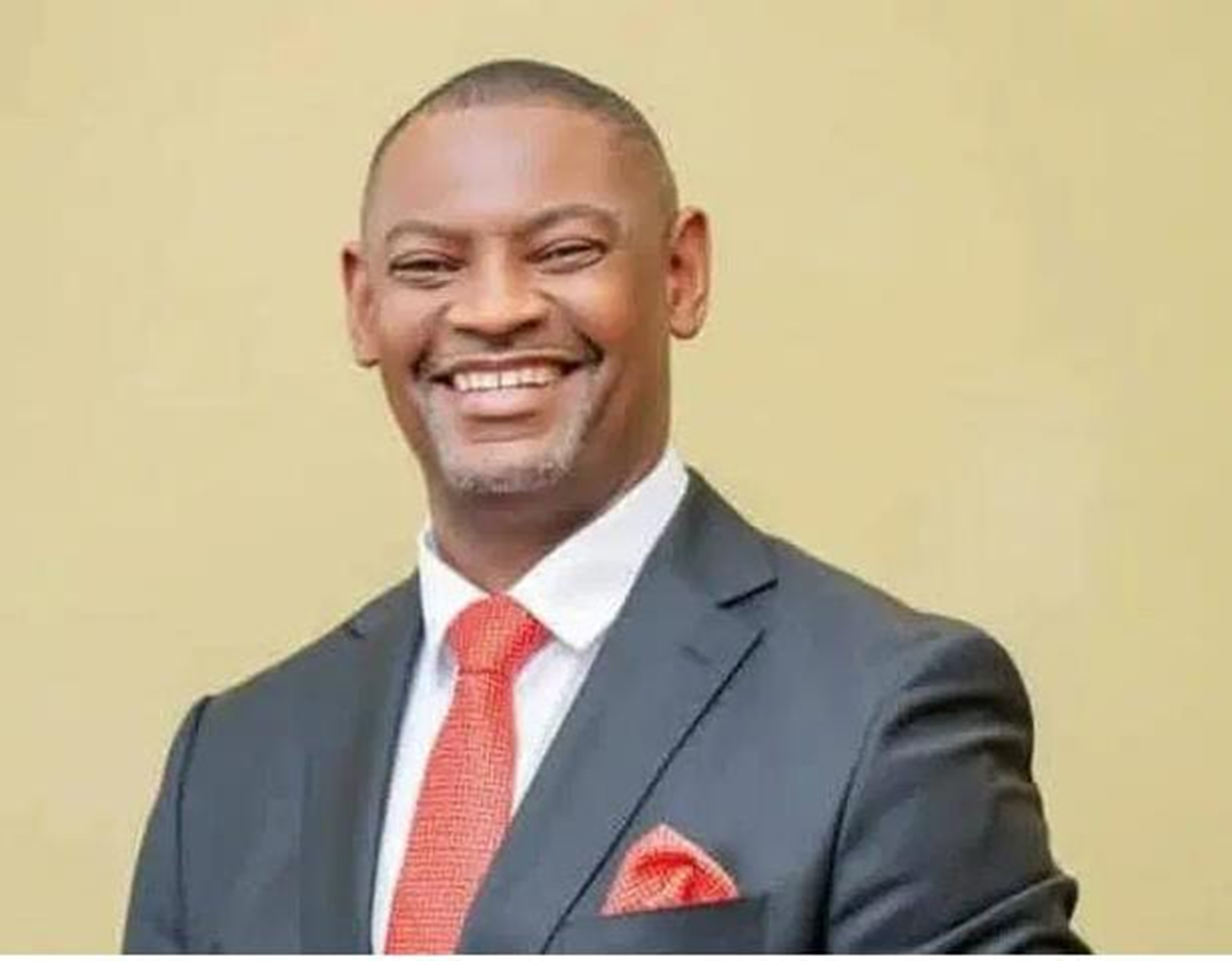
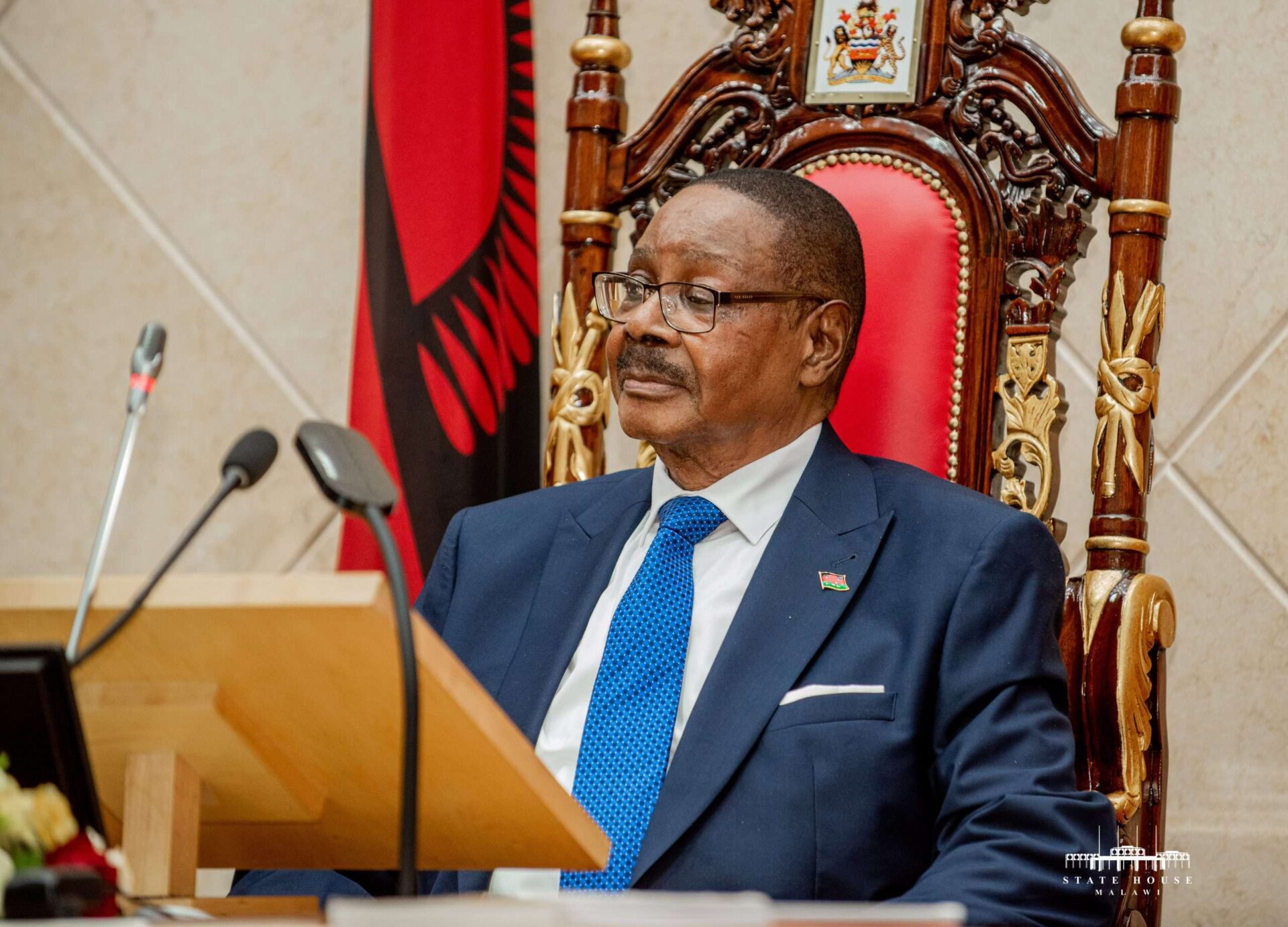
LILONGWE (Maravipost): Nsanje South West legislator Walter Nyamilandu Manda has commended Malawi President, Professor Arthur Peter Mutharika, for what he described as a strong demonstration of commitment to national duty and fiscal discipline.
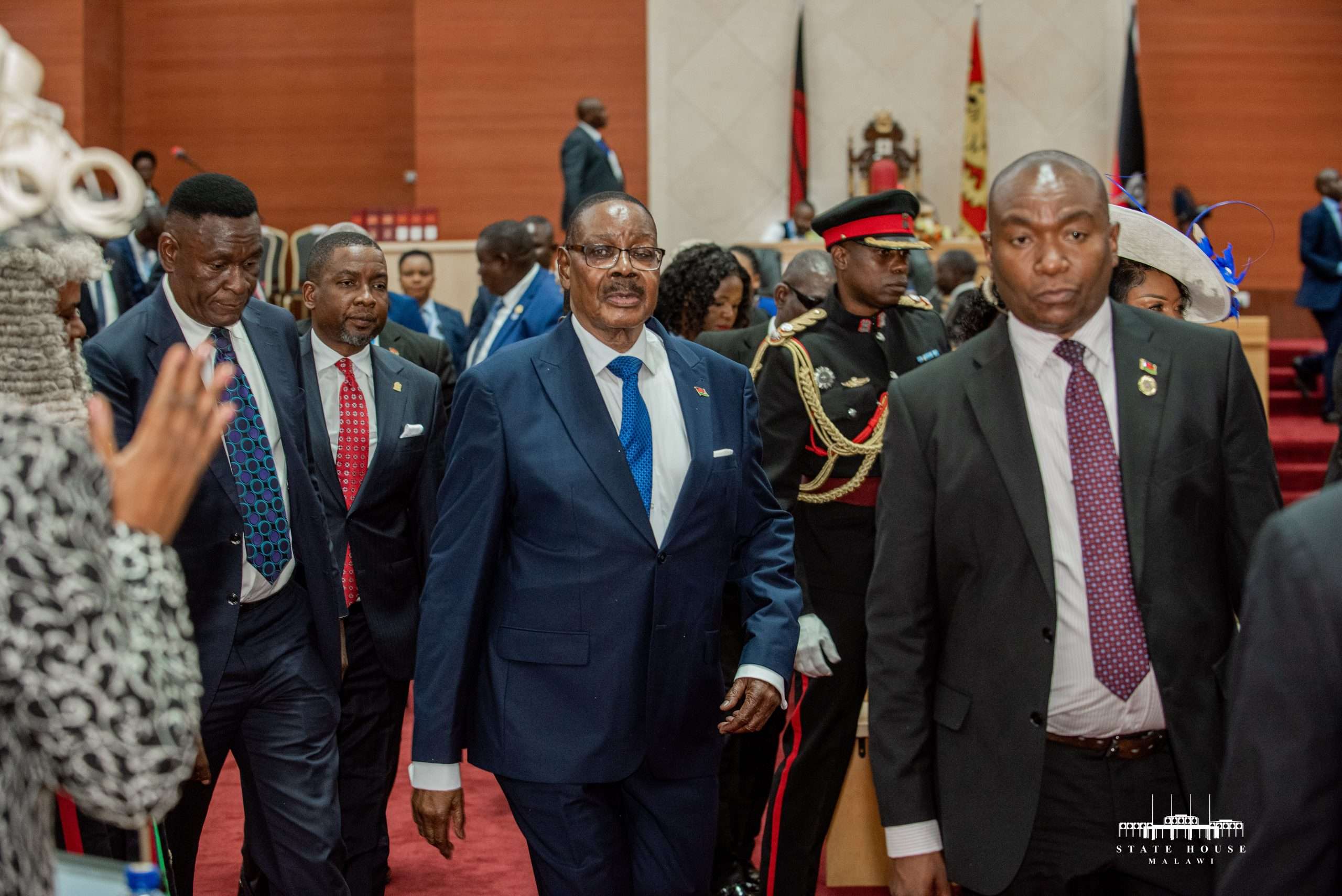
Speaking in an interview with Maravipost on Saturday, Manda said Mutharika’s decision to remain in the country to deliver the State of the Nation Address (SONA) instead of attending the African Union Heads of State Summit in Ethiopia reflected exemplary leadership.
He said While several African leaders gathered for the summit, Manda noted that Mutharika chose to prioritize addressing Malawians through Parliament at a critical time for the country’s economy.
“His Excellency made a deliberate decision to fulfill his constitutional obligation by delivering the State of the Nation Address. That choice alone shows where his priorities lie with the people of Malawi,” said Manda.
According to the legislator, the move underscores Mutharika’s commitment to austerity measures and prudent use of public resources.
By avoiding international travel and focusing on domestic governance, setting tone of fiscal responsibility and accountability.
He added that the gesture strengthened the credibility of the SONA, as it aligned with the administration’s message of economic recovery and discipline.
“You cannot preach austerity and fiscal discipline while engaging in unnecessary expenditures,this is what it means to walk the talk,” Manda emphasized.
Manda further described Mutharika’s leadership style as selfless and people-oriented, saying it reflects a relentless effort to stabilize and transform the country’s economy during challenging times.
The lawmaker concluded that such decisions reinforce public confidence in leadership and demonstrate a practical commitment to addressing national priorities above international engagements.
Praises, ululations and jubilations have erupted among the ruling Democratic Progressive Party (DPP) supporters following President Mutharika’s State of the nation address (Sona) which exudes a ray hope to Malawians regarding the availability of fuel, reduced inflation rates, availability of cheap and affordable maize, a major staple food crop in the country
The majority of Malawians are optimistic about the commitments made in the Sona, including the acquisition of seven new airplanes within the next five years, ensuring fairness and justice for all citizens, a strong stance against corruption, plans to build two-storey market structures in Blantyre, Lilongwe, and Mzuzu cities, and most importantly , the introduction of dialysis services at Mzuzu central hospital.
Nonetheless, the Sona received substantial backlash from opposition parties, civil society groups, and economic experts.
Jessie Kabwira, spokesperson for the Malawi Congress Party (MCP), expressed disappointment with the address, stating that the administration had neglected the central region in their implementation of the Farm Input Subsidy Program (FISP).
Furthermore, critics from the opposing party contended that the government’s assertion of providing free secondary education was deceptive, pointing out that only a small amount (K10,000) was waived from fees. Is this sufficient? They wondered.
Additionally, Simplex Chithyola Banda, the leader of the Opposition, voiced his disapproval of the speech for its failure to address rampant robberies and abductions, and for lacking a comprehensive homeland security strategy.
According to Kabambe, an experienced economist and the president of UTM, the majority of efforts in the Sona have been directed towards treating the symptoms rather than tackling the underlying issues in the economy.
From the standpoint of the UTM Party, Kabambe emphasized the need for a comprehensive stabilization plan that prioritizes growth through production, rather than relying on temporary emergency measures.
Undule Mwakasungula, a proponent of good governance, denounced the recent tax hikes as contradicting the DPP’s pledges during their campaign. He argued that these increases unfairly burden regular citizens and small enterprises.
Although the SONA pledged to tackle corruption without any exceptions, activists like Onjezani Kenani expressed doubt about the genuineness of these efforts, citing personnel appointments that seemed contradictory to the anti-corruption commitments.
According to experts from the Economics Association of Malawi (Ecama) and other analysts, Mutharika’s “discipline-first” plan for economic recovery may face constraints due to the country’s high debt levels and ongoing foreign currency shortages.
Experts also pointed out that Mutharika’s portrayal of himself as the main force behind reform could result in him bearing the brunt of criticism if his ambitious economic goals, such as lowering inflation from 28.7% to under 21%, are not achieved.
In a nutshell, it is not surprising that Mutharika’s Sona attracted mixed reactions among many Malawians.
For more than six decades, Malawi’s football giants FCB Nyasa Big Bullets and Mighty Wanderers FC have carried the pride of Blantyre and the nation on their shoulders.
With rich histories, massive fan bases and consistent domestic success, the two clubs remain the heartbeat of Malawian football.
Yet one uncomfortable truth continues to linger, neither club owns its own stadium.
Instead, the two traditional rivals continue to rely on Kamuzu Stadium, a facility owned by government authorities.
While Kamuzu Stadium has been a historic theatre of epic clashes, the continued dependency raises serious questions about sustainability, business growth and long term vision.
These are not small community teams. Both Bullets and Wanderers are over 60 years old. They command thousands of supporters every match day.
Derby matches between the two easily fill up Kamuzu Stadium, generating millions of kwacha in gate revenue.
If five high profile matches can generate significant income, why can’t structured financial planning turn that revenue into a long term infrastructure investment?
The argument that there is no money simply does not hold. Gate collections from big matches, season ticket sales, merchandising and sponsorship deals provide a steady stream of income.
Instead of spending heavily on stadium rentals, logistics and operational costs associated with using a borrowed facility, a portion of match day revenue could be ring fenced into a stadium development fund.
Examples from across the region show that this is possible.
In Zimbabwe, businessman Shepherd Chahwanda built the 15,000 seater Chahwanda Stadium in Kwekwe.
The stadium now serves as the home of Hardrock FC, a club he owns.
If an individual can mobilize resources to construct such a facility, surely institutions as big as Bullets and Wanderers can develop structured, phased stadium projects.
Owning a stadium is not just about pride it is about business sense.
A club owned stadium means full control of match day revenue streams,gate collections, VIP sections, advertising boards, food concessions, parking fees and hosting rights for other events.
Instead of sharing or losing part of the revenue to rental costs, every kwacha would circulate within the club’s ecosystem.
Moreover, modern football is driven by infrastructure. A private stadium can attract corporate sponsors, improve branding and increase fan experience.
Hospitality suites, club museums, merchandise shops and training facilities can all be integrated into the project.
This is how clubs grow from being just football teams into sustainable sporting institutions.
Critics may argue that land acquisition and construction costs are too high.
But development does not have to happen overnight. A phased approach is realistic.
First, acquire land. Second, build a basic structure with essential facilities and a standard pitch. Gradually expand seating capacity as revenue grows. Even a modest 10,000–15,000-seater stadium would be a powerful starting point.
There is also the hidden cost of dependency. Every season spent paying for stadium use is money lost that could have gone into permanent infrastructure.
Over decades, that cumulative expenditure becomes significant.
What seems cheaper in the short term often becomes more expensive in the long run.
Supporters, too, would embrace the idea. Imagine a Bullets fortress or a Wanderers stronghold a true home where fans feel ownership and identity.
Stadium naming rights alone could attract corporate partnerships, especially considering the commercial value of these two brands in Malawian football.
The real issue is not money it is vision and discipline. With proper financial management, transparent fundraising campaigns and strategic planning, building a stadium is not impossible. It only becomes impossible when ambition is absent.
After 60 years of glory, rivalry and unmatched fan loyalty, the time has come for FCB Nyasa Big Bullets and Mighty Wanderers to think beyond match results.
For more than six decades, Malawi’s football giants FCB Nyasa Big Bullets and Mighty Wanderers FC have carried the pride of Blantyre and the nation on their shoulders.
With rich histories, massive fan bases and consistent domestic success, the two clubs remain the heartbeat of Malawian football.
Yet one uncomfortable truth continues to linger, neither club owns its own stadium.
Instead, the two traditional rivals continue to rely on Kamuzu Stadium, a facility owned by government authorities.
While Kamuzu Stadium has been a historic theatre of epic clashes, the continued dependency raises serious questions about sustainability, business growth and long term vision.
These are not small community teams. Both Bullets and Wanderers are over 60 years old. They command thousands of supporters every match day.
Derby matches between the two easily fill up Kamuzu Stadium, generating millions of kwacha in gate revenue.
If five high profile matches can generate significant income, why can’t structured financial planning turn that revenue into a long term infrastructure investment?
The argument that there is no money simply does not hold. Gate collections from big matches, season ticket sales, merchandising and sponsorship deals provide a steady stream of income.
Instead of spending heavily on stadium rentals, logistics and operational costs associated with using a borrowed facility, a portion of match day revenue could be ring fenced into a stadium development fund.
Examples from across the region show that this is possible.
In Zimbabwe, businessman Shepherd Chahwanda built the 15,000 seater Chahwanda Stadium in Kwekwe.
The stadium now serves as the home of Hardrock FC, a club he owns.
If an individual can mobilize resources to construct such a facility, surely institutions as big as Bullets and Wanderers can develop structured, phased stadium projects.
Owning a stadium is not just about pride it is about business sense.
A club owned stadium means full control of match day revenue streams,gate collections, VIP sections, advertising boards, food concessions, parking fees and hosting rights for other events.
Instead of sharing or losing part of the revenue to rental costs, every kwacha would circulate within the club’s ecosystem.
Moreover, modern football is driven by infrastructure. A private stadium can attract corporate sponsors, improve branding and increase fan experience.
Hospitality suites, club museums, merchandise shops and training facilities can all be integrated into the project.
This is how clubs grow from being just football teams into sustainable sporting institutions.
Critics may argue that land acquisition and construction costs are too high.
But development does not have to happen overnight. A phased approach is realistic.
First, acquire land. Second, build a basic structure with essential facilities and a standard pitch. Gradually expand seating capacity as revenue grows. Even a modest 10,000–15,000-seater stadium would be a powerful starting point.
There is also the hidden cost of dependency. Every season spent paying for stadium use is money lost that could have gone into permanent infrastructure.
Over decades, that cumulative expenditure becomes significant.
What seems cheaper in the short term often becomes more expensive in the long run.
Supporters, too, would embrace the idea. Imagine a Bullets fortress or a Wanderers stronghold a true home where fans feel ownership and identity.
Stadium naming rights alone could attract corporate partnerships, especially considering the commercial value of these two brands in Malawian football.
The real issue is not money it is vision and discipline. With proper financial management, transparent fundraising campaigns and strategic planning, building a stadium is not impossible. It only becomes impossible when ambition is absent.
After 60 years of glory, rivalry and unmatched fan loyalty, the time has come for FCB Nyasa Big Bullets and Mighty Wanderers to think beyond match results.
For more than six decades, Malawi’s football giants FCB Nyasa Big Bullets and Mighty Wanderers FC have carried the pride of Blantyre and the nation on their shoulders.
With rich histories, massive fan bases and consistent domestic success, the two clubs remain the heartbeat of Malawian football.
Yet one uncomfortable truth continues to linger, neither club owns its own stadium.
Instead, the two traditional rivals continue to rely on Kamuzu Stadium, a facility owned by government authorities.
While Kamuzu Stadium has been a historic theatre of epic clashes, the continued dependency raises serious questions about sustainability, business growth and long term vision.
These are not small community teams. Both Bullets and Wanderers are over 60 years old. They command thousands of supporters every match day.
Derby matches between the two easily fill up Kamuzu Stadium, generating millions of kwacha in gate revenue.
If five high profile matches can generate significant income, why can’t structured financial planning turn that revenue into a long term infrastructure investment?
The argument that there is no money simply does not hold. Gate collections from big matches, season ticket sales, merchandising and sponsorship deals provide a steady stream of income.
Instead of spending heavily on stadium rentals, logistics and operational costs associated with using a borrowed facility, a portion of match day revenue could be ring fenced into a stadium development fund.
Examples from across the region show that this is possible.
In Zimbabwe, businessman Shepherd Chahwanda built the 15,000 seater Chahwanda Stadium in Kwekwe.
The stadium now serves as the home of Hardrock FC, a club he owns.
If an individual can mobilize resources to construct such a facility, surely institutions as big as Bullets and Wanderers can develop structured, phased stadium projects.
Owning a stadium is not just about pride it is about business sense.
A club owned stadium means full control of match day revenue streams,gate collections, VIP sections, advertising boards, food concessions, parking fees and hosting rights for other events.
Instead of sharing or losing part of the revenue to rental costs, every kwacha would circulate within the club’s ecosystem.
Moreover, modern football is driven by infrastructure. A private stadium can attract corporate sponsors, improve branding and increase fan experience.
Hospitality suites, club museums, merchandise shops and training facilities can all be integrated into the project.
This is how clubs grow from being just football teams into sustainable sporting institutions.
Critics may argue that land acquisition and construction costs are too high.
But development does not have to happen overnight. A phased approach is realistic.
First, acquire land. Second, build a basic structure with essential facilities and a standard pitch. Gradually expand seating capacity as revenue grows. Even a modest 10,000–15,000-seater stadium would be a powerful starting point.
There is also the hidden cost of dependency. Every season spent paying for stadium use is money lost that could have gone into permanent infrastructure.
Over decades, that cumulative expenditure becomes significant.
What seems cheaper in the short term often becomes more expensive in the long run.
Supporters, too, would embrace the idea. Imagine a Bullets fortress or a Wanderers stronghold a true home where fans feel ownership and identity.
Stadium naming rights alone could attract corporate partnerships, especially considering the commercial value of these two brands in Malawian football.
The real issue is not money it is vision and discipline. With proper financial management, transparent fundraising campaigns and strategic planning, building a stadium is not impossible. It only becomes impossible when ambition is absent.
After 60 years of glory, rivalry and unmatched fan loyalty, the time has come for FCB Nyasa Big Bullets and Mighty Wanderers to think beyond match results.
LILONGWE-(MaraviPost)–The Economic Consumers Association of Malawi (ECAMA) has commended the State of the Nation Address (SONA), describing it as concise yet focused on critical economic recovery measures.
ECAMA representative Bertha Bangala said the address clearly outlined government plans aimed at stabilizing the country’s foreign exchange (forex) situation, which remains one of the key drivers of Malawi’s economic challenges.
“The SONA was short, but it strongly addressed economic recovery plans, especially in terms of forex availability and stabilization,” Bangala said.
She noted that improved access to foreign exchange would help ease pressure on businesses and consumers, ultimately contributing to price stability and economic growth.
Bangala also welcomed the government’s continued commitment to free education, describing it as a long-term investment in human capital development.
She said expanding access to education would equip young people with the skills necessary to support economic transformation.
In addition, she highlighted infrastructure development particularly road construction and rehabilitation as another positive step toward economic recovery.
According to Bangala, improved road networks enhance trade, lower transportation costs, and stimulate local economic activity.
She emphasized that while implementation will be key, the outlined measures signal a strategic direction toward stabilizing and rebuilding the economy.
Concurring with Bangala, Japanese Ambassador to Malawi, Natoya Yasuchi, also expressed admiration for the SONA, saying he was impressed with its focus on stimulating economic growth.