
Tanzania’s election falls short of democratic standards, SADC mission finds

BLANTYRE-(MaraviPost)-A preliminary report by the Southern African Development Community (SADC) Electoral Observation Mission has concluded that Tanzania’s recent general election failed to meet democratic standards.

Led by former Malawian Speaker Richard Msowoya, the mission cited numerous irregularities, intimidation, and an uneven playing field that compromised the electoral process.

The report highlights several concerns, including the disqualification of opposition leaders, abductions, and restrictions on electoral justice and transparency.

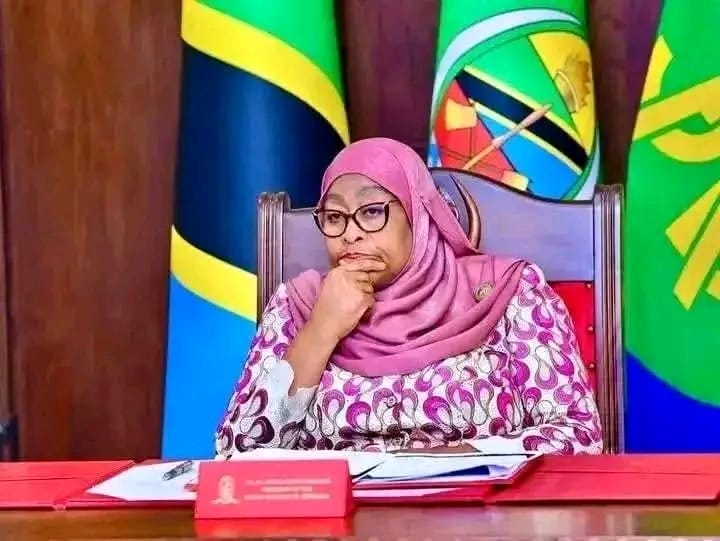
The mission also criticized President Samia Suluhu’s role in appointing election commissioners, questioning their independence.

Additionally, the report notes the government’s decision to shut down the internet and impose media censorship, as well as the harassment of observers, further undermined the credibility of the election.

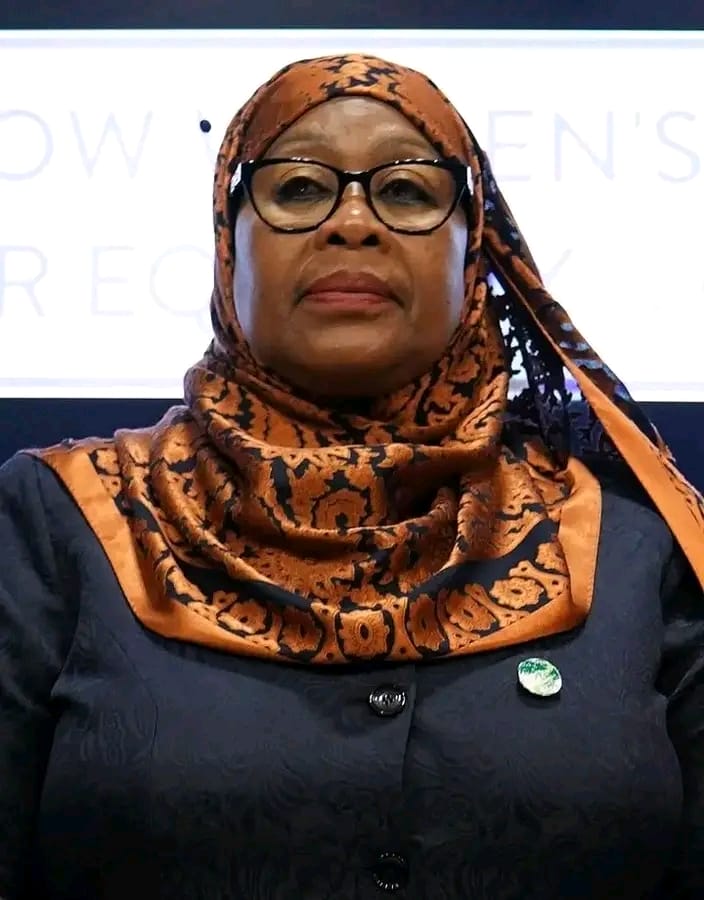
Despite these findings, President Samia Suluhu Hassan has been sworn in for another term, with nearly 98% of the vote.

The opposition has rejected the results, citing fabrication and manipulation.

The SADC report’s conclusions are likely to add fuel to the controversy surrounding the election, raising questions about the legitimacy of President Hassan’s mandate.

The international community has expressed concern over the election, with the African Union urging the government to uphold fundamental rights and freedoms.

The United Nations has also called for an investigation into reports of violence and excessive use of force.


Discover more from The Maravi Post

Subscribe to get the latest posts sent to your email.

The Maravi Post

Tanzania plunges into unrest as opposition candidates barred from presidential race

Protests erupt across major cities including Dar es Salaam after opposition exclusion triggers public outrage, police confrontations, and a nationwide curfew amid escalating political tensions.

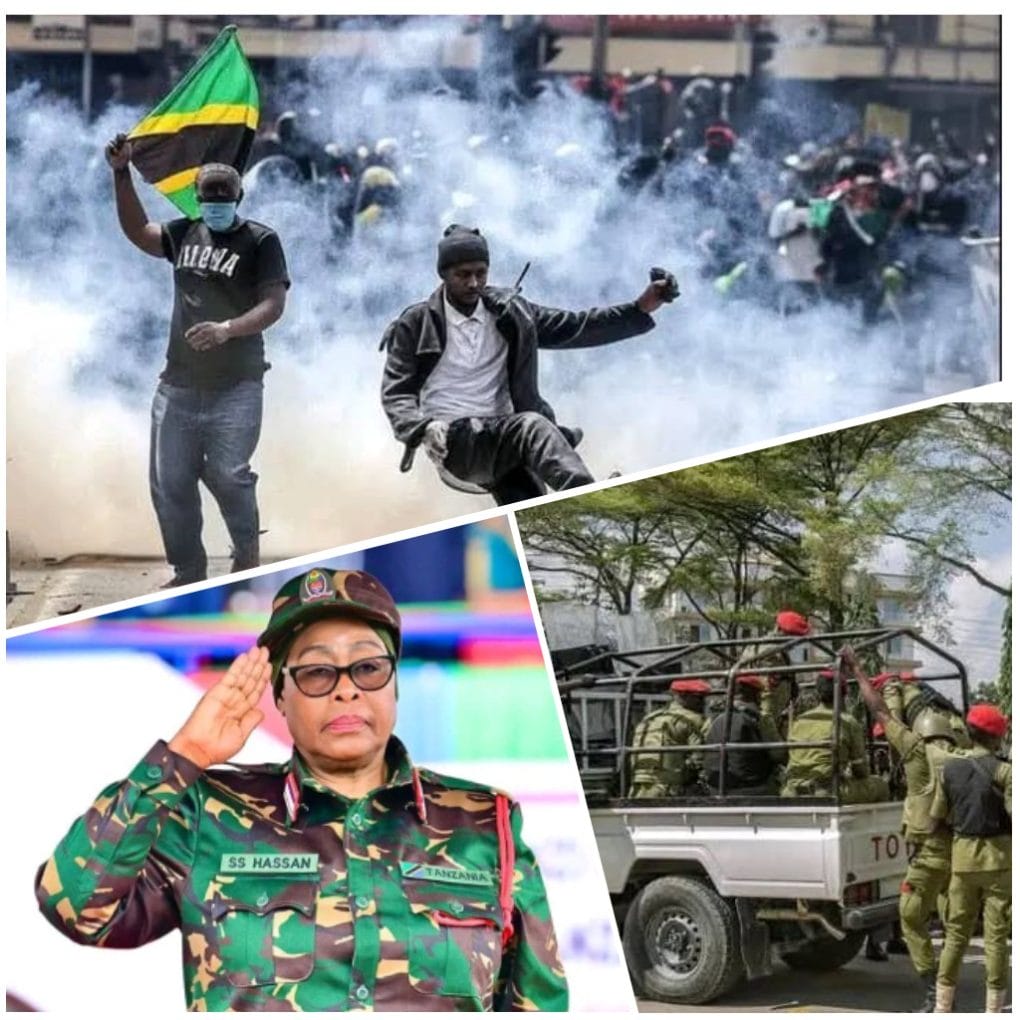
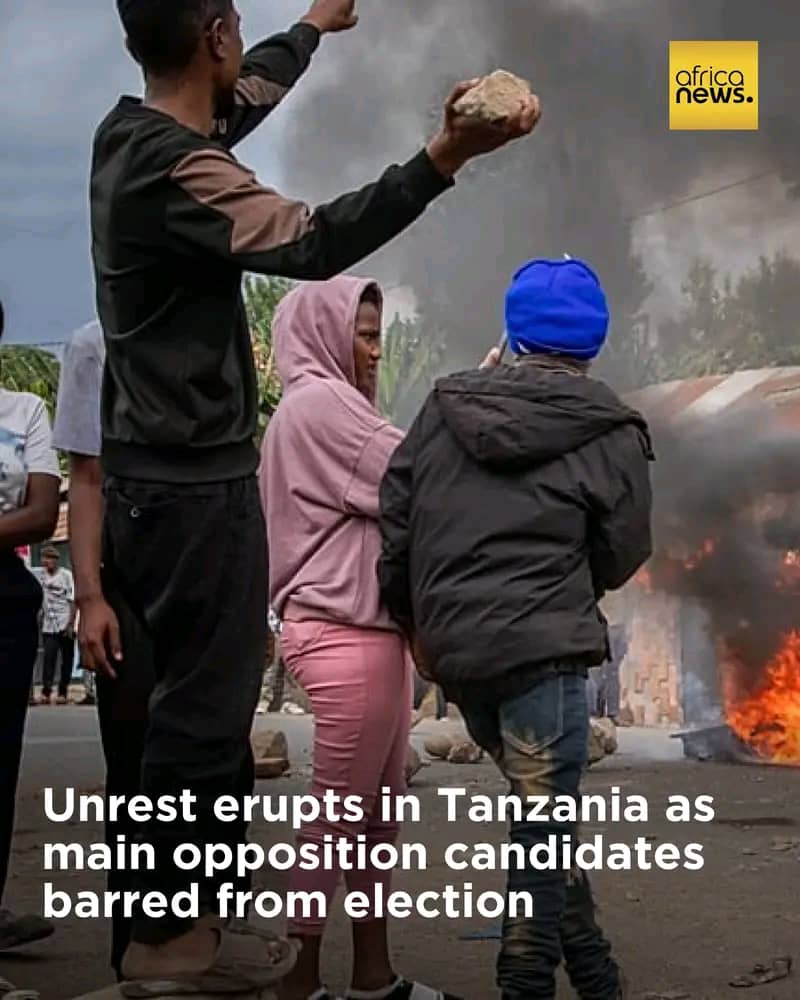
DODOMA-(MaraviPost)-Tanzania descended into political turmoil on election day as protests broke out in Dar es Salaam and several other major cities following the disqualification of main opposition candidates from the presidential race.

The move, which many citizens and rights groups have described as undemocratic, sparked widespread anger and led to violent confrontations between demonstrators and security forces.

Crowds of protesters took to the streets demanding the reinstatement of opposition candidates and accusing the electoral commission of manipulating the process to favor the ruling party.

In Dar es Salaam, thousands of people gathered in defiance of police orders, chanting slogans calling for justice and free elections.

The demonstrations quickly turned chaotic as police responded with tear gas, rubber bullets, and mass arrests to disperse the angry crowds.

Similar scenes unfolded in Arusha, Mwanza, and Dodoma, where protesters blocked roads, burned tires, and clashed with law enforcement officers.

Authorities have since imposed a nationwide curfew in an attempt to restore order and prevent further escalation of violence.

The government also deployed military personnel in key urban centers, a move that has intensified public concern about the country’s political stability and human rights situation.

Opposition leaders, whose exclusion from the presidential race triggered the unrest, have condemned the government’s heavy-handed response and called for international intervention.

They argue that the disqualification of candidates violates Tanzania’s constitution and undermines the principles of democracy, transparency, and fair competition.

Human rights organizations across Africa have expressed alarm over the developments, warning that the crackdown on protesters could lead to further instability and loss of life.

Meanwhile, the government has defended its actions, insisting that the electoral process was conducted within the law and that the disqualifications were based on legitimate grounds.

As the curfew takes effect, streets remain tense, businesses are shuttered, and uncertainty looms over Tanzania’s political future.

Observers say the unfolding situation represents one of the most serious challenges to the country’s democratic institutions in recent years, with the potential to reshape the nation’s political landscape.

For now, Tanzanians wait anxiously — hoping for peace, dialogue, and a return to democratic normalcy after a day marked by violence, fear, and frustration.


Discover more from The Maravi Post

Subscribe to get the latest posts sent to your email.
The Maravi Post

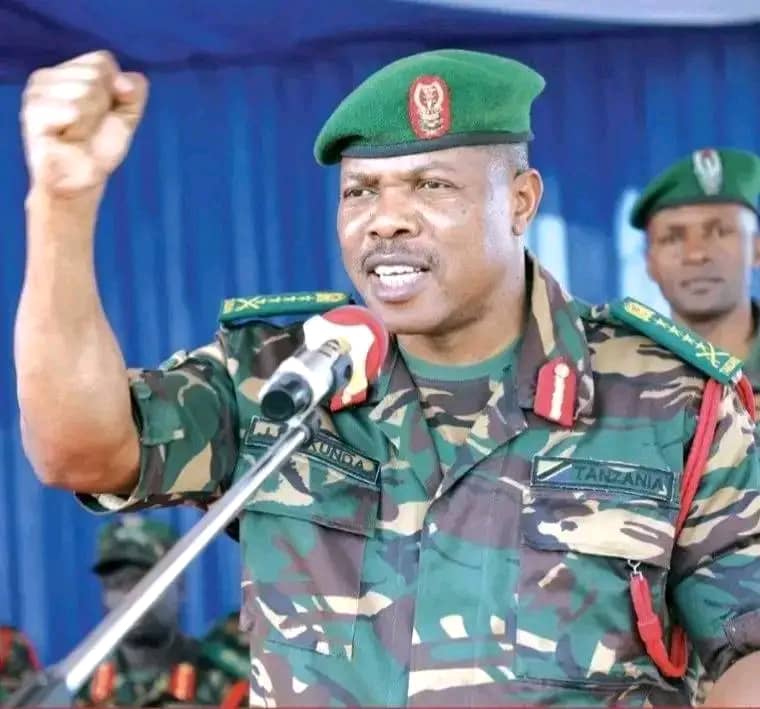
General Mkunda: Tanzanian Commander winning hearts for choosing citizens over power

In a rare act of courage and restraint, Tanzania’s Chief of Defense Forces, General Jacob Mkunda, has won widespread praise from citizens for reportedly standing with the people during recent anti-government protests.

According to accounts circulating across Tanzania, General Mkunda made the decision to protect protesters instead of ordering the army to open fire, defying expectations that the military would be used to suppress demonstrations.

This act of restraint has made him an instant national hero, with many Tanzanians describing him as a symbol of integrity, patriotism, and justice.

In a political climate marked by tension, violence, and growing public frustration, Mkunda’s choice to prioritize human life over regime loyalty has sent shockwaves through the nation’s power structures.

Protesters had taken to the streets following a controversial election marred by allegations of repression, disqualifications, and arrests of opposition figures.

While security forces in some regions were accused of heavy-handed responses, reports suggest that General Mkunda instructed his officers to exercise restraint and avoid unnecessary bloodshed.

This move not only helped de-escalate violence but also showcased the Tanzanian military’s potential to act as a professional and people-centered institution.

Across social media, citizens have hailed the General as a defender of democracy, comparing him to historical African figures who placed national unity above political survival.

Some commentators argue that Mkunda’s stance represents a defining moment for civil-military relations in Tanzania, setting a new precedent for military professionalism in times of political turmoil.

His popularity has surged beyond the barracks, as ordinary Tanzanians share messages of gratitude and admiration, calling him “the soldier of the people.”

Observers note that General Mkunda’s decision reflects moral strength and deep respect for the rule of law, qualities that are often tested under authoritarian pressure.

It also raises an important debate across East Africa: What is the role of the military in times of political crisis — to protect the government or to safeguard the people?

Many Kenyans, Ugandans, and Malawians have joined the discussion online, contrasting Mkunda’s example with the behavior of generals in their own countries during periods of unrest.

In Kenya, for instance, some social media users have questioned whether their military leadership would stand with the people or the state in a similar situation.

By choosing restraint over repression, General Mkunda has demonstrated that true strength lies in humanity, not in the use of force.

His actions could mark a turning point in how African militaries engage with citizens, reminding leaders across the continent that loyalty to the nation should always outweigh loyalty to politics.

As Tanzania reflects on this moment of conscience and courage, one question echoes beyond its borders — will other generals across Africa follow Mkunda’s example and stand for justice when it matters most?


Discover more from The Maravi Post

Subscribe to get the latest posts sent to your email.

The Maravi Post

Tensions escalate in Tanzania amid election-day unrest, curfews

….Protests erupt as President Samia Hassan’s crackdown on political opponents sparks national and international concern

DODOMA-(MaraviPost)-Breaking news from Tanzania reports widespread protests erupting across the country.

Citizens have taken to the streets, expressing anger and frustration over the political situation.

President Samia Hassan has allegedly jailed her main political opponents, disqualified others from contesting, and some have reportedly gone missing.

The escalating unrest has prompted authorities to impose a nationwide curfew starting at 6:00 PM East Africa Time.

In addition, access to the internet has been cut off, limiting communication and public mobilization.

International media have been barred from entering Tanzania, restricting independent reporting on the unfolding events.

Observers and critics are raising concerns about the state of democracy and political freedoms in the country.

The dramatic measures taken by the government have intensified fears of further unrest and potential human rights violations.

Analysts note that the situation underscores the fragility of political systems where power consolidation overrides democratic norms.

The international community is closely monitoring developments in Tanzania, urging restraint, dialogue, and respect for citizens’ rights.

The protests and government crackdown mark a pivotal moment in Tanzania’s political history, highlighting tensions between authority and public dissent.


Discover more from The Maravi Post

Subscribe to get the latest posts sent to your email.

The Maravi Post

Tanzania’s sham election: A coup d’état in plain sight

The elections in Tanzania are nothing more than a symbolic exercise in futility, a desperate attempt by President Samia Suluhu Hassan to legitimize her stranglehold on power.

The deck has been stacked against the opposition from the beginning, with the ruling party using every trick in the book to crush dissent and deny the people their right to choose their leaders.

The arrest and prosecution of CHADEMA leader Tundu Lissu on trumped-up treason charges is a stark reminder of the lengths to which Suluhu will go to maintain her grip on power.

Lissu’s popularity and potential to win the presidency posed a significant threat to Suluhu’s rule, and the charges against him are clearly designed to eliminate him from the race.

The timing of the charges, just as Tanzanians were about to go to the polls, is a brazen attempt to intimidate and silence the opposition.

It’s a move that has been widely condemned by human rights organizations and observers, who see it for what it is – a blatant attempt to rig the outcome of the election.

But Lissu’s persecution is just the tip of the iceberg.

Suluhu’s regime has been marked by a series of high-profile killings, including bishops who have dared to speak out against her undemocratic tendencies.

The message is clear: anyone who opposes Suluhu will be silenced, one way or another.

The African Union and the Southern African Development Community (SADC) must urgently step in to address the escalating crisis in Tanzania.

Their role as regional bodies dedicated to promoting democracy, human rights, and political stability in Africa compels them to act decisively against the blatant erosion of democratic norms witnessed in these elections.

Failure to intervene risks not only the further entrenchment of authoritarianism in Tanzania but also sets a dangerous precedent for other nations in the region.

The international community should demand transparency, the release of political prisoners like Tundu Lissu, and the establishment of an independent electoral commission to ensure free and fair elections.

Moreover, there should be increased monitoring and observation missions during election periods and swift consequences for any violations of democratic principles.

Civil society within Tanzania also needs support and protection to continue their vital work in holding the government accountable.

Ultimately, without robust regional and international pressure, Tanzania’s democratic institutions will continue to weaken, undermining the will of its people and the future stability of the nation.

The time for complacency has passed; urgent, coordinated action is required to safeguard democracy in Tanzania.


Discover more from The Maravi Post

Subscribe to get the latest posts sent to your email.

The Maravi Post