
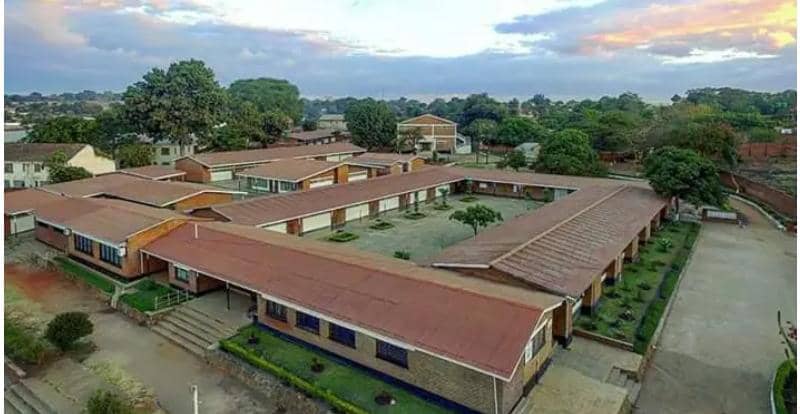

Allegations of nepotism, racial bias shake Lilongwe Private School

LILONGWE-(MaraviPost)-Teachers at Lilongwe Private School have raised serious concerns over what they describe as systemic mismanagement, favoritism, and unsafe working conditions in the primary section.

Reports received by this publication identify board member Mr Bedha and primary head Ms Maria Asghar as central figures behind declining school standards.

Staff claim that repeated attempts to raise workplace concerns with Mr Bedha have been ignored or dismissed.

Teachers allege that when complaints involve the primary headteacher, Mr Bedha often responds angrily, shouting at staff before redirecting them back to the same administrator, leaving issues unresolved.

An incident cited by staff involved Ms Sonya, who was reportedly insulted by a student of Pakistani origin.

According to teachers, when the matter was reported to Ms Maria for disciplinary action, no steps were taken, allegedly because of the student’s nationality.

Educators say this reflects broader administrative dysfunction and question Ms Maria’s ability to manage the primary section effectively.

Staff report that a recent interface meeting with the board failed to provide an open platform for discussion, with an intimidating atmosphere at the outset.

They allege that Mr Bedha instructed all primary staff to switch off their phones before the meeting began.

Several coordinators present at the session were reportedly loyal to Ms Maria and presented biased accounts favoring her administration.

Teachers claim that Mr Samuel Kameza, who lacks formal teaching qualifications, merely relayed instructions from Ms Maria rather than offering independent observations.

Similarly, Mr Prince Nebert, who had privately criticized Ms Maria’s management, reportedly adopted a supportive stance during the board meeting.

Staff say Mr Nebert’s behavior followed private conversations with Ms Maria, despite being previously wrongfully accused of theft on multiple occasions.

He had been accused of stealing money from Ms Maria’s handbag and a cell phone from the primary reception office, but both allegations were disproven.

Teachers also claim that Ms Maria obstructed Mr Nebert’s access to scheduled college examinations, forcing him to reschedule with authorities.

Educators describe Mr Nebert’s conduct during the meeting as an attempt to protect Ms Maria despite her alleged mistreatment of staff.

Staff further report that coordinators, acting as informants for Ms Maria, limited teachers’ ability to speak freely during the session.

The presence of Mr Bedha was also cited as a barrier, as he is widely perceived to defend the primary head unconditionally.

Sources allege that Mr Bedha, Ms Maria, and another administrator, Latif, share a regional connection and support each other in school matters, prioritizing loyalty and nepotism over merit.

Teachers have submitted multiple reports to the board, calling for urgent action to address governance failures and administrative mismanagement.

They insist that board chair Mr Kalaria must recognize that Mr Bedha’s actions, combined with Ms Maria’s leadership, are actively undermining the school.

Staff further claim that Mr Bedha has encouraged corrupt practices, citing an incident in which he reportedly told a teacher, Mr Francis, that pursuing legal action was unaffordable.

Educators note that only independent media coverage has provided a safe platform to highlight these issues.

Teachers also reveal that Ms Maria has summoned and shouted at staff suspected of reporting information to the media, creating a climate of fear.

Consequently, many teachers remained silent during the board-organized interface meeting due to fears of retaliation or dismissal.

Staff allege that coordinators met secretly with Ms Maria and were bribed to support her during discussions.

To improve transparency, teachers recommend restructuring future interface meetings to allow for honest dialogue.

They suggest that all board members participate, excluding Mr Bedha, and that coordinators be barred from attending.

Staff further propose a final closed-door session with the board chair alone, allowing primary teachers to speak freely without fear of reprisal.

They stress that safeguards against dismissal must be guaranteed to ensure open discussion of administrative issues.

Teachers also recommend introducing a suggestion box system to allow staff to anonymously submit feedback and report concerns safely.

Additionally, staff allege that Ms Maria has implemented class allocations based on race, placing children of indigenous Malawian origin at the back while reserving the front for children of Asian origin.

It is reported that an indigenous teacher, Mailosi, who taught science in Standard 4, chose not to report this discriminatory practice during the board interface meeting.

Educators describe it as unfortunate that a local teacher would shield a foreign headteacher practicing racial favoritism instead of condemning or reporting it.


Discover more from The Maravi Post

Subscribe to get the latest posts sent to your email.

The Maravi Post

Fresh tensions emerge at Lilongwe Private School as concerns persist despite interface meeting

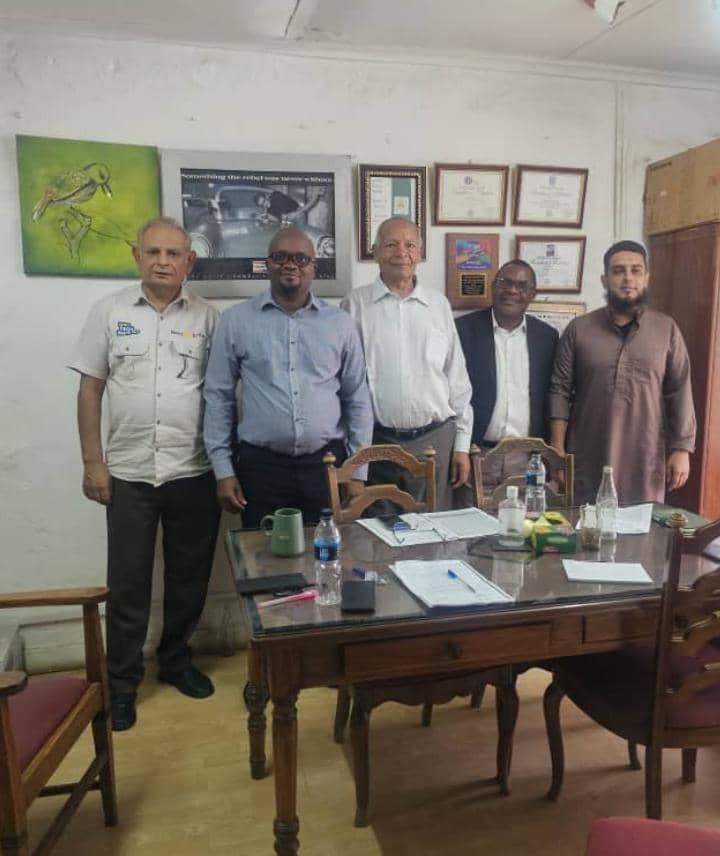
LILONGWE(MaraviPost)-The leadership of Lilongwe Private School continues to face renewed scrutiny following an interface meeting held on 11th November 2025 between the Board of Trustees and representatives of the Concerned Citizens of Malawi.

The meeting, which took place in Lilongwe, brought together Board Chairperson Mr Bheda, trustees Mr Kalaria and Mr Tikambe, alongside Comrade Edward Kambanje and Pastor Victor Nyanyaliwa, who attended on behalf of the concerned citizens.

The primary aim of the engagement was to address a series of grievances raised by members of staff from Lilongwe Private Schools, many of whom allege persistent problems in leadership, management, and staff welfare at the institution.

Among the issues presented were concerns regarding the professional conduct of the primary school head, questions surrounding salary increments, claims of discrimination, disciplinary inconsistencies, and immigration matters relating to the head of the primary section.

The Board responded to these matters by first defending the professional credentials of the primary school head, stating that she is well qualified, experienced in teacher management, and generally maintains a positive working relationship with her staff.

It was further emphasised that although the majority of teachers appreciate her leadership, some may naturally express dissatisfaction with certain management decisions.

The Board also highlighted that under her stewardship, the primary section has registered a 95 per cent improvement in both discipline and academic performance, though they acknowledged that communication challenges related to her accent have caused difficulty for some.

On remuneration matters, the Board clarified that the school operates under established conditions of service where staff are employed strictly on merit, including management positions.

It was explained that the school conducts annual staff appraisals, with salary increments ranging between 10 and 20 per cent, depending on performance.

The Board also stated that all members of staff—regardless of religion or nationality—receive uniform benefits and incentives as part of the institution’s motivation framework.

They added that only two teachers were excluded from this year’s increment because their contracts expire in December, prompting management to withhold salary adjustments.

In addressing claims of discrimination, the Board insisted that the school maintains a 50:50 enrolment policy between Malawian learners and those of other nationalities each academic year.

They further maintained that class allocation and seating arrangements are determined solely by performance and managed exclusively by class teachers without administrative interference.

It was also stated that classrooms accommodate between 25 and 30 pupils irrespective of racial or national background.

On disciplinary procedures, the Board affirmed that the school follows a structured student policy whereby minor issues are handled at class level, while serious matters escalate to the disciplinary committee involving both teachers and parents.

The Board denied any form of bias in the handling of unruly or underperforming learners and cited a recent incident in which a student was expelled after parents refused to cooperate with disciplinary processes.

On the immigration status of the primary section head, the Board clarified that she legally entered Malawi to join her husband and later applied for her role based on qualifications and experience, and now holds a valid work permit.

Attention then shifted to broader concerns relating to leadership practices, staff morale, and professional equity among teachers, where the Board acknowledged several internal challenges.

These include allegations of some members of staff offering private tutoring in breach of school policy, and reports of teachers openly challenging management decisions.

There were further claims of certain teachers selling textbooks and one teacher accused of sowing confusion, bullying pupils, and repeatedly attracting complaints from parents, learners, and fellow staff.

Management confirmed that disciplinary measures have been taken, including the withholding of salary increments for those found to be promoting misconduct.

At the conclusion of the meeting, both parties agreed on the need to work collaboratively for the benefit of the school, with an expectation that management would enforce disciplinary procedures fairly and appropriately.

However, concerns have resurfaced barely days after the interface meeting, with reports that newly recruited teachers have been informed that they will not receive salaries during the holiday period.

This development has been condemned by concerned stakeholders, who argue that Lilongwe Private School has always paid both permanent and probationary teachers during holidays.

The decision has therefore been described as an act of exploitation, raising fears that management may be reneging on assurances made during the meeting.

Comrade Edward Kambanje and Pastor Victor have warned that if the promised reforms are not implemented with urgency, further action will be taken in defence of teachers’ rights and the welfare of learners at Lilongwe Private School.


Discover more from The Maravi Post

Subscribe to get the latest posts sent to your email.
The Maravi Post