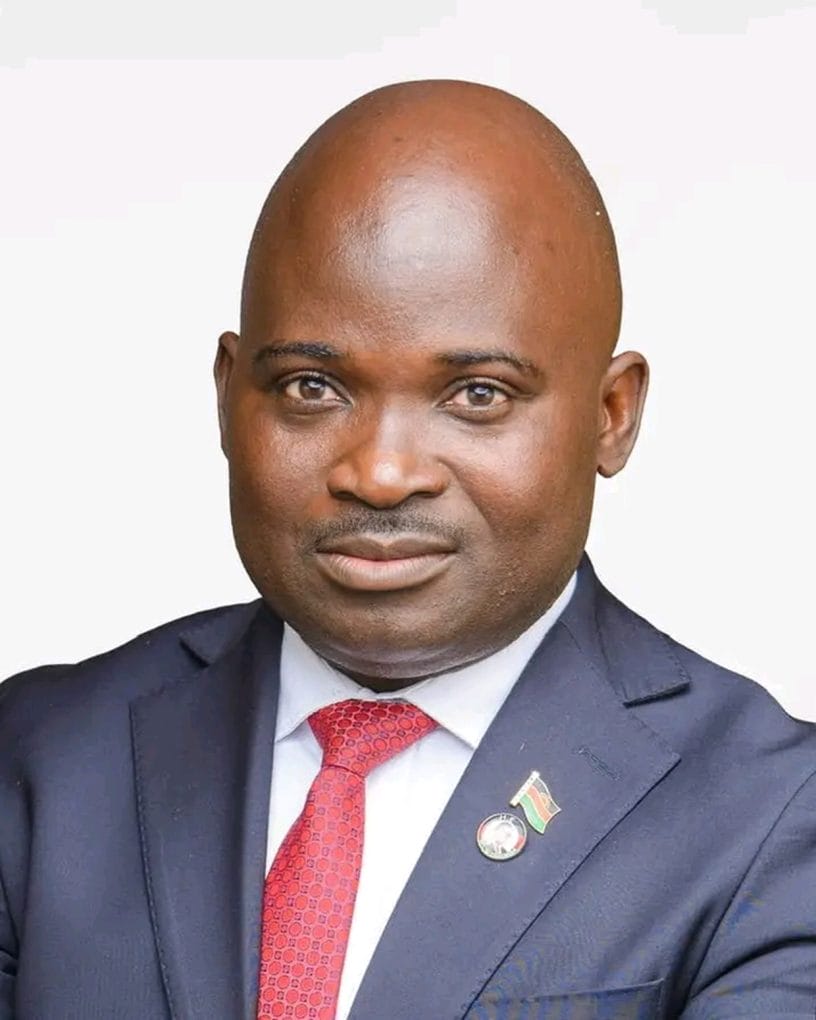

Peter Dimba’s Bid for Speaker Exposes MCP’s Crisis of Credibility

Peter Dimba
Peter Dimba

With Malawi reeling from corruption, poor governance, and lost public trust, Peter Dimba’s candidacy for Speaker of Parliament symbolizes everything wrong with the current political order.

By Burnett Munthali

The Malawi Congress Party (MCP) has reached a point where its moral authority to lead is in question.

Years of poor governance, corruption, and a blatant disregard for the rule of law have stripped the party of the trust and goodwill it once enjoyed from Malawians.

At the center of this decline stands the party’s decision to front Peter Dimba for the position of Speaker of Parliament — a move that perfectly captures MCP’s tone-deafness to public sentiment.

Dimba’s candidacy does not represent reform, integrity, or renewal.

Instead, it reflects a desperate attempt by a crumbling administration to tighten its grip on the very institution meant to keep it in check.

The position of Speaker is one of immense national importance, requiring impartiality, dignity, and a deep sense of justice.

Dimba, however, has shown none of these qualities in his political career.

As a senior figure within the MCP, he has often acted more like a political enforcer than a guardian of parliamentary independence.

He has repeatedly defended questionable government actions, protected party interests, and silenced legitimate criticism from opposition members and civil society.

His record on accountability is dismal — marked by selective oversight, partisan bias, and an unwillingness to challenge executive abuse.

Allowing Peter Dimba to become Speaker would mean handing Parliament — the people’s house — to the same political forces that have undermined governance and institutional integrity in Malawi.

The MCP government’s failures are well-documented.

From corruption scandals and misuse of public funds to the collapse of key social services, the party has presided over a period of unprecedented national frustration.

Public confidence in leadership has been eroded, not by external forces, but by the arrogance and self-interest of those entrusted with power.

Peter Dimba’s rise to the Speakership would only deepen that disillusionment.

It would signal that loyalty to a failing regime is valued more than competence, fairness, or moral courage.

Malawi cannot afford a Speaker who serves the party first and the people last.

The role demands a leader who can rise above politics — someone who respects all voices, enforces parliamentary order, and upholds the constitution without fear or favor.

Dimba’s track record suggests the opposite.

His close ties to the MCP leadership make it impossible to imagine him presiding over Parliament without bias or interference.

If elected, Dimba would not unify Parliament; he would divide it further, turning every debate into a partisan battlefield.

This is not the leadership that Malawi’s fragile democracy needs at this critical hour.

Members of Parliament must remember that the Speakership is not a reward for loyalty — it is a sacred trust.

Voting for Peter Dimba would be a betrayal of that trust and a clear sign that lessons from the past five years of failure have not been learned.

Malawi deserves a Speaker who will restore confidence in Parliament, not one who will drag it deeper into the shadows of partisanship and corruption.

Peter Dimba is not that leader — and his candidacy is an insult to the principles of accountability, justice, and service that Parliament was meant to uphold.


Discover more from The Maravi Post

Subscribe to get the latest posts sent to your email.

The Maravi Post

A crucial moment for Malawi’s Parliament: Why Sameer Suleman, Victor Musowa, and Jolobala Deserve leadership

Malawi Speaker
Malawi Speaker

By Jones Gadama

Malawi stands at a pivotal crossroads as the parliament faces the urgent task of appointing its new speaker, deputy speaker, and second deputy speaker.

The leadership of these positions is not merely symbolic; it shapes the very foundation of our nation’s legislative integrity, governance, and democratic progress.

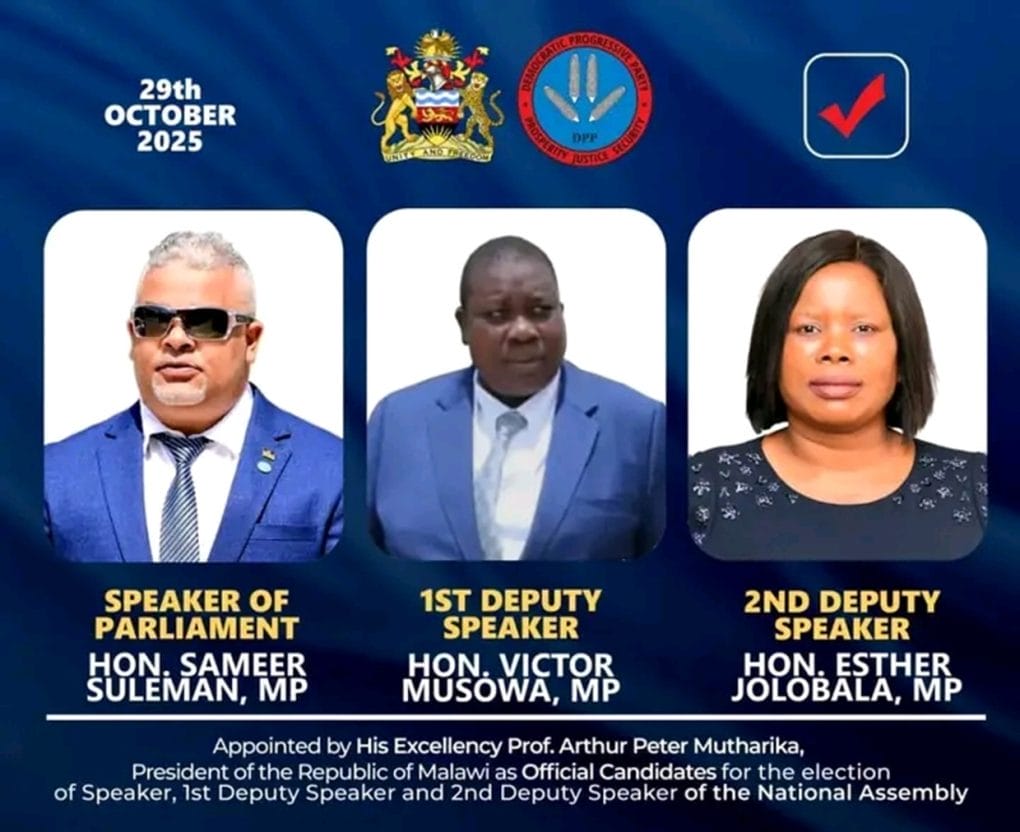
President Peter Mutharika’s appointments of Sameer Suleman as speaker, Victor Musowa as deputy speaker, and Jolobala as second deputy speaker are not only timely but necessary for Malawi’s future stability and prosperity.

These individuals embody the qualities of dedication, visionary leadership, and unwavering commitment to the people of Malawi, and their appointment would be a beacon of hope and progress.

From the outset, Sameer Suleman stands out as a figure of exceptional capability and integrity.

His experience and profound understanding of parliamentary processes make him the ideal candidate to steer Malawi’s legislative agenda with fairness and transparency.

Suleman’s reputation for impartiality and wisdom in navigating complex political landscapes positions him as a leader who can unify diverse political factions.

In a country where political divisions have too often undermined progress, Suleman’s leadership will foster collaboration and mutual respect among parliamentarians, ensuring that laws enacted truly reflect the will and welfare of Malawians.

Victor Musowa’s appointment as deputy speaker complements this vision perfectly.

Known for his steadfast dedication to public service and a reputation for ethical governance, Musowa brings a wealth of experience in legislative affairs and community engagement.

His ability to listen empathetically and act decisively will strengthen parliamentary debates and enhance the quality of decision-making processes.

As deputy speaker, Musowa will serve as a vital pillar supporting Suleman, promoting transparency and accountability at every turn.

Jolobala, as second deputy speaker, adds yet another layer of competence and balance to the leadership team. His commitment to inclusivity and grassroots empowerment reflects the spirit of a truly representative parliament.

Jolobala’s proactive approach to addressing local concerns and championing marginalized voices ensures that the parliament remains connected to the everyday realities of Malawians.

Together, these three leaders form a powerhouse of integrity, wisdom, and dedication that Malawi cannot afford to overlook.

In stark contrast, the candidacy of Kondwani Nankhumwa raises serious concerns about the direction Malawi’s parliament might take if he were to be elected. Nankhumwa’s tenure as leader of the opposition was marked by actions that many Malawians viewed as betrayal and inconsistent with the promises made to the electorate.

His leadership was often characterized by political maneuvering that seemed to prioritize personal or party interests over national unity and progress.

Trust, once broken in such a critical role, is difficult to restore, and Nankhumwa’s track record suggests he may not prioritize the impartiality and fairness required of a parliamentary speaker.

Moreover, the Malawi Congress Party (MCP) candidate also faces significant skepticism. While political diversity is essential in a thriving democracy, leadership roles of this magnitude demand individuals who transcend party lines and demonstrate an unwavering commitment to the nation’s collective good.

The MCP candidate has not yet demonstrated the level of statesmanship and cross-party collaboration necessary to inspire confidence across the entire parliament. Malawi needs leaders who put country above party, and at this juncture, the evidence tilts in favor of Suleman, Musowa, and Jolobala.

Malawi’s parliament is more than a legislative body; it is the heartbeat of democracy and the guardian of the people’s voice.

The speaker and deputy speakers are entrusted with the monumental responsibility of ensuring that this heartbeat remains strong, steady, and inclusive.

The appointments of Suleman, Musowa, and Jolobala represent a commitment to ethical leadership, visionary governance, and national unity.

Their proven track records affirm that they will uphold the dignity of the parliament and work tirelessly to advance Malawi’s development agenda.

This is a defining moment for Malawi.

The parliament’s choice will reverberate through the country’s political landscape and impact generations to come.

By voting for Sameer Suleman as speaker, Victor Musowa as deputy speaker, and Jolobala as second deputy speaker, parliamentarians will be endorsing a future of integrity, collaboration, and progress. Conversely, the nation cannot afford to risk reverting to divisive politics and questionable leadership that have hindered Malawi’s aspirations. The time to vote wisely, honorably, and boldly is now—Malawi deserves nothing less.


Discover more from The Maravi Post

Subscribe to get the latest posts sent to your email.
The Maravi Post

Tanzania’s sham election: A coup d’état in plain sight

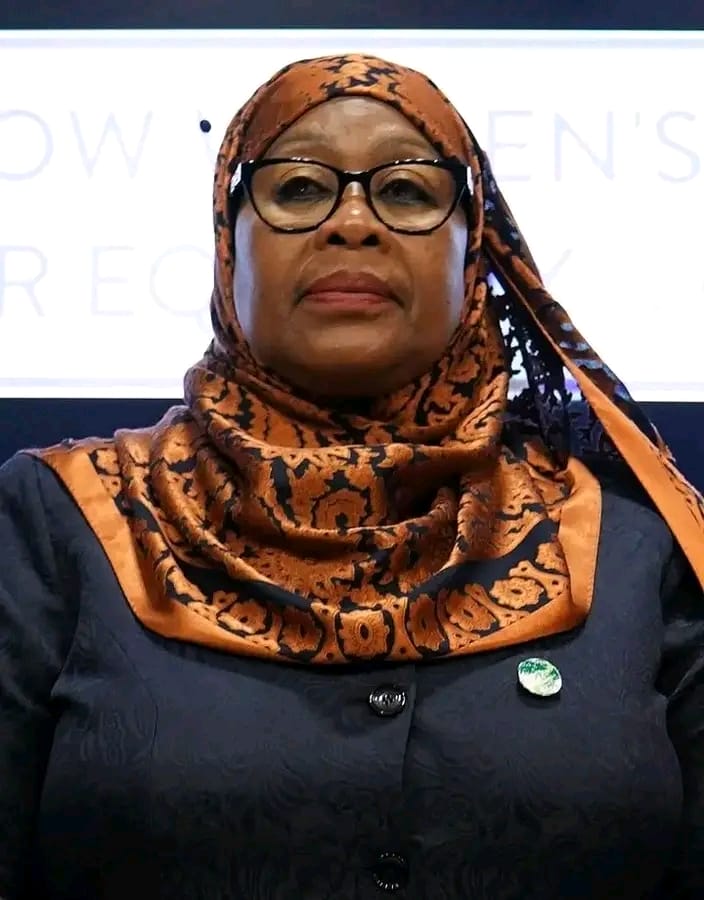
The elections in Tanzania are nothing more than a symbolic exercise in futility, a desperate attempt by President Samia Suluhu Hassan to legitimize her stranglehold on power.

The deck has been stacked against the opposition from the beginning, with the ruling party using every trick in the book to crush dissent and deny the people their right to choose their leaders.

The arrest and prosecution of CHADEMA leader Tundu Lissu on trumped-up treason charges is a stark reminder of the lengths to which Suluhu will go to maintain her grip on power.

Lissu’s popularity and potential to win the presidency posed a significant threat to Suluhu’s rule, and the charges against him are clearly designed to eliminate him from the race.

The timing of the charges, just as Tanzanians were about to go to the polls, is a brazen attempt to intimidate and silence the opposition.

It’s a move that has been widely condemned by human rights organizations and observers, who see it for what it is – a blatant attempt to rig the outcome of the election.

But Lissu’s persecution is just the tip of the iceberg.

Suluhu’s regime has been marked by a series of high-profile killings, including bishops who have dared to speak out against her undemocratic tendencies.

The message is clear: anyone who opposes Suluhu will be silenced, one way or another.

The African Union and the Southern African Development Community (SADC) must urgently step in to address the escalating crisis in Tanzania.

Their role as regional bodies dedicated to promoting democracy, human rights, and political stability in Africa compels them to act decisively against the blatant erosion of democratic norms witnessed in these elections.

Failure to intervene risks not only the further entrenchment of authoritarianism in Tanzania but also sets a dangerous precedent for other nations in the region.

The international community should demand transparency, the release of political prisoners like Tundu Lissu, and the establishment of an independent electoral commission to ensure free and fair elections.

Moreover, there should be increased monitoring and observation missions during election periods and swift consequences for any violations of democratic principles.

Civil society within Tanzania also needs support and protection to continue their vital work in holding the government accountable.

Ultimately, without robust regional and international pressure, Tanzania’s democratic institutions will continue to weaken, undermining the will of its people and the future stability of the nation.

The time for complacency has passed; urgent, coordinated action is required to safeguard democracy in Tanzania.


Discover more from The Maravi Post

Subscribe to get the latest posts sent to your email.

The Maravi Post

Women in media urged to stay objective, amplify females’ voices in governance

BLANTYRE-(MaraviPost)-Malawi Electoral Commission chairperson Annabell Mtalimanja has called on women in the media to maintain objectivity and professionalism in their work to help the public stay well-informed.

Speaking at the Association of Women in Media (AWOME) annual general meeting in Salima, Mtalimanja emphasized the importance of women’s leadership beyond elections to ensure long-term progress and national development.

“Women’s participation in governance is vital for national development,” Mtalimanja said, adding that , “As women in the media, it is crucial that you remain objective and professional in your work, providing accurate and unbiased information to the public.”

Mtalimanja’s remarks were echoed by AWOME board member Jane Gogodous, who urged women in the media to work towards ensuring that women’s voices are heard and represented in governance.

“As women in the media, we have a responsibility to amplify women’s voices and promote their participation in decision-making processes,” Gogodous said.

The two-day conference, themed “Beyond the Ballot: Sustaining Women’s Voices in Governance,” brought together women in the media to discuss their role in promoting women’s leadership and participation in governance.

The conference provided a platform for women in the media to share experiences, challenges, and strategies for promoting women’s voices in governance.

Mtalimanja’s call for objectivity and professionalism in the media is particularly significant in the context of Malawi’s democratic development.

As the country continues to navigate the complexities of democratic governance, the role of the media in promoting transparency and accountability is crucial.

The conference highlighted the importance of women’s participation in governance and the media’s role in promoting their voices and leadership.

As AWOME continues to advocate for women’s rights and participation in governance, the organization’s efforts will be crucial in promoting a more inclusive and representative democracy in Malawi.


Discover more from The Maravi Post

Subscribe to get the latest posts sent to your email.

The Maravi Post

‘House of Dynamite’ Accurately Shows U.S. Missile Defense Flaws, Expert Says

The Pentagon is cherry picking data when it tries to shoot down a popular new movie’s portrayal of America’s $50 billion nuclear missile defenses … at least according to national security analyst Joseph Cirincione, who says ‘House of Dynamite’…


Discover more from The Maravi Post

Subscribe to get the latest posts sent to your email.

The Maravi Post

Power outage disrupts Zimbabwe President Mnangagwa’s national address

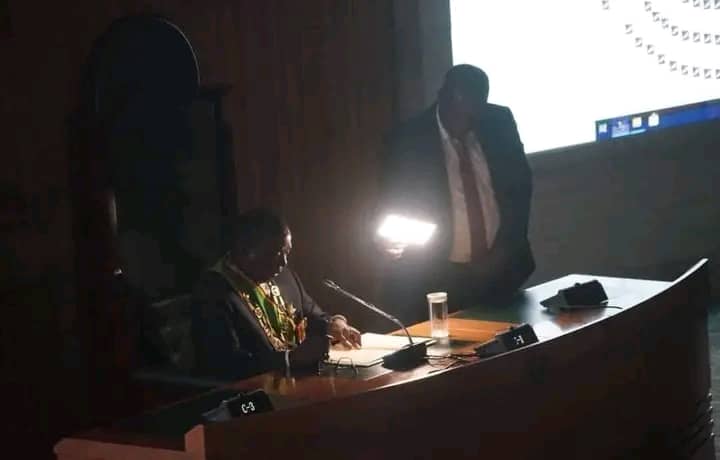
HARARE-(MaraviPost)-Zimbabweans were left in disbelief on Tuesday night when President Emerson Mnangagwa’s highly anticipated national address was dramatically interrupted by a sudden power outage, live on national television.

The blackout, which struck just minutes after the president began his speech, forced him to continue reading his notes using a flashlight an image that instantly went viral.

The national address, broadcast from State House in Harare, was meant to highlight the government’s achievements and outline economic recovery strategies.

However, the event took an unexpected turn when the lights suddenly went out, leaving the room in complete darkness.

For a few tense seconds, the television feed showed confusion among journalists and officials as technicians scrambled to restore power.

In a rare display of calm, President Mnangagwa decided not to stop the address. Instead, he continued speaking with the aid of a small flashlight held by one of his aides.

The moment drew mixed reactions from viewers with some commending his composure while others mocked the irony of the situation, given the country’s long-standing electricity challenges.

Social media platforms lit up almost instantly, with hashtags like #Zativuta, #PowerToThePeople, and #MnangagwaInTheDark trending across X (formerly Twitter) and Facebook.

Memes, edited videos and humorous captions flooded timelines, turning what was meant to be a serious state address into a national talking point.

Critics quickly pointed out that the incident reflected the deep rooted infrastructure issues that Zimbabwe continues to face.

Frequent power outages, known locally as load shedding, have disrupted industries, hospitals and schools for years and the president’s experience only added fuel to public frustration.

“This is the perfect summary of our situation.Even the highest office in the land cannot escape the darkness we live in every day. Zativuta kwambili (we are in real trouble),”said Tafadzwa Moyo concerned citizen from Zibambwe.

Meanwhile, the state-owned power company, ZESA Holdings, has remained silent on the cause of the outage.

Sources within the energy sector hinted that the blackout may have been triggered by a technical fault affecting parts of Harare, though investigations are still underway.

Opposition figures seized the opportunity to criticize the government’s handling of the energy crisis.

Nelson Chamisa, a prominent opposition leader, remarked online that the blackout was “a powerful metaphor for a nation in the dark both literally and politically.”

His comment received thousands of shares within hours.

Despite the setback, Mnangagwa eventually concluded his address under dim lighting, reaffirming his administration’s commitment to stabilizing the economy and improving essential services.

However, many citizens felt that the incident itself spoke louder than the promises made in the speech.


Discover more from The Maravi Post

Subscribe to get the latest posts sent to your email.
The Maravi Post