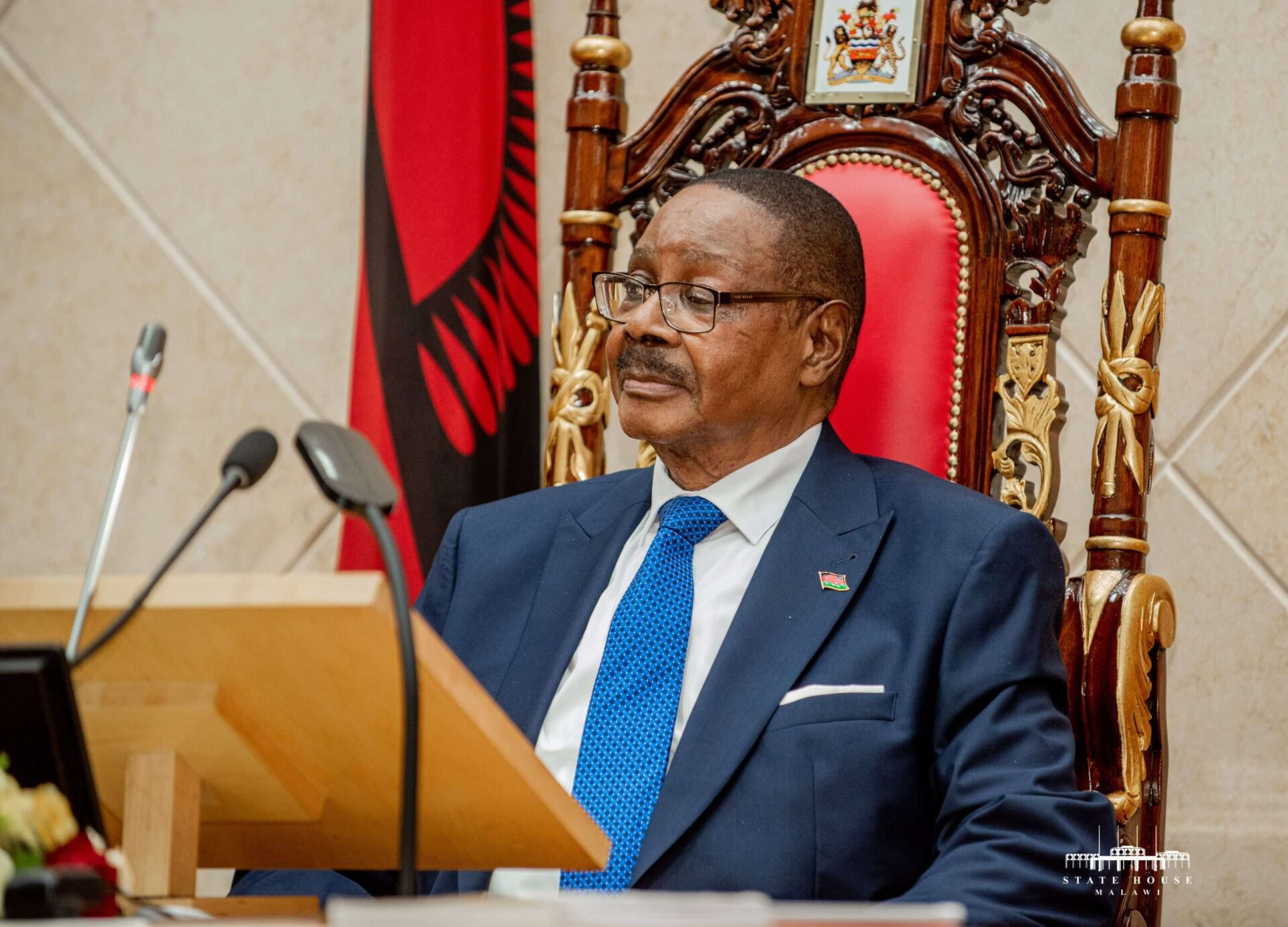
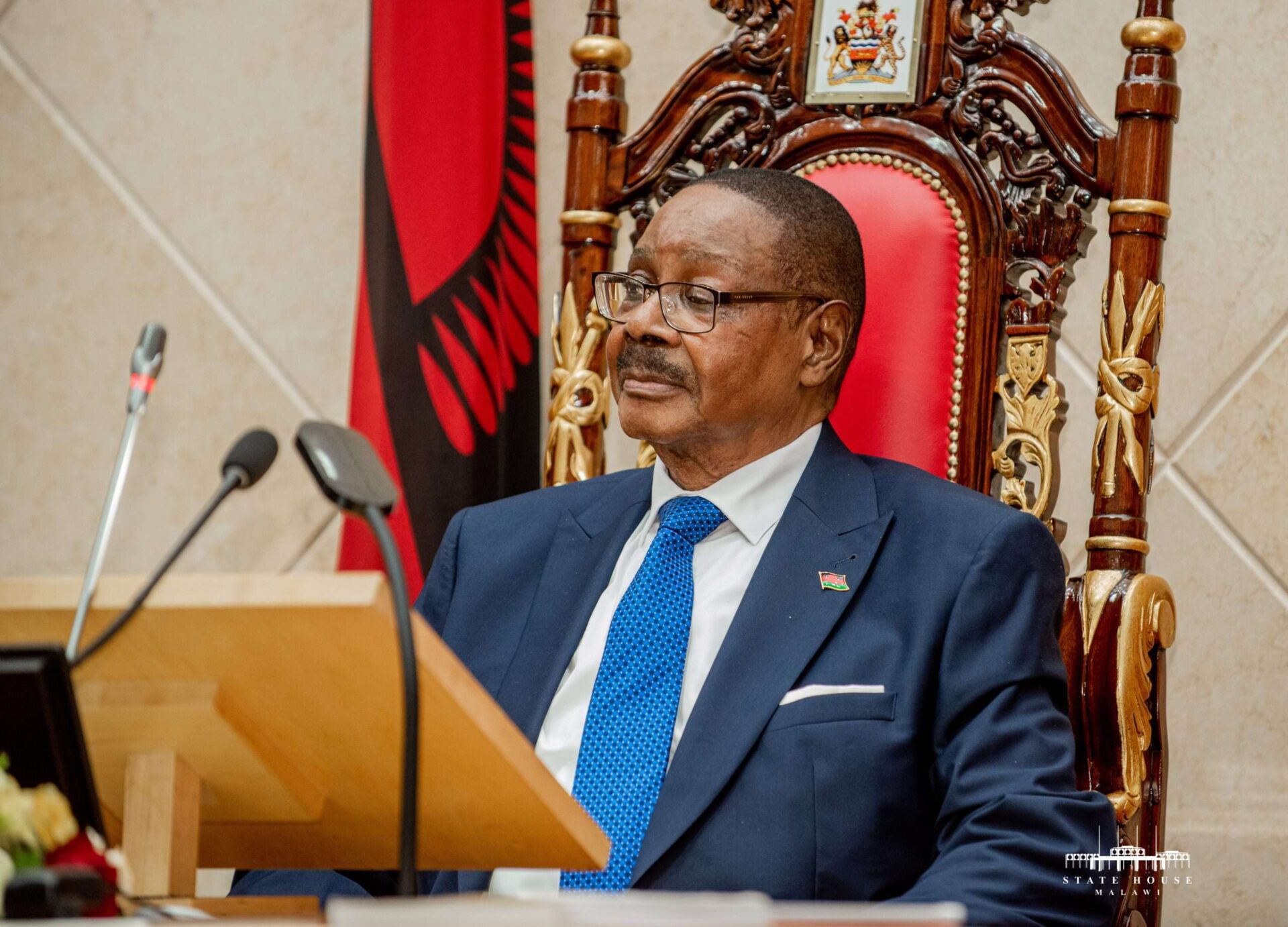
LILONGWE-(MaraviPost)-The National Advocacy Platform (NAP) has hailed the latest State of the Nation Address (SONA) as a bold and reassuring declaration of intent on governance, particularly in the fight against corruption.
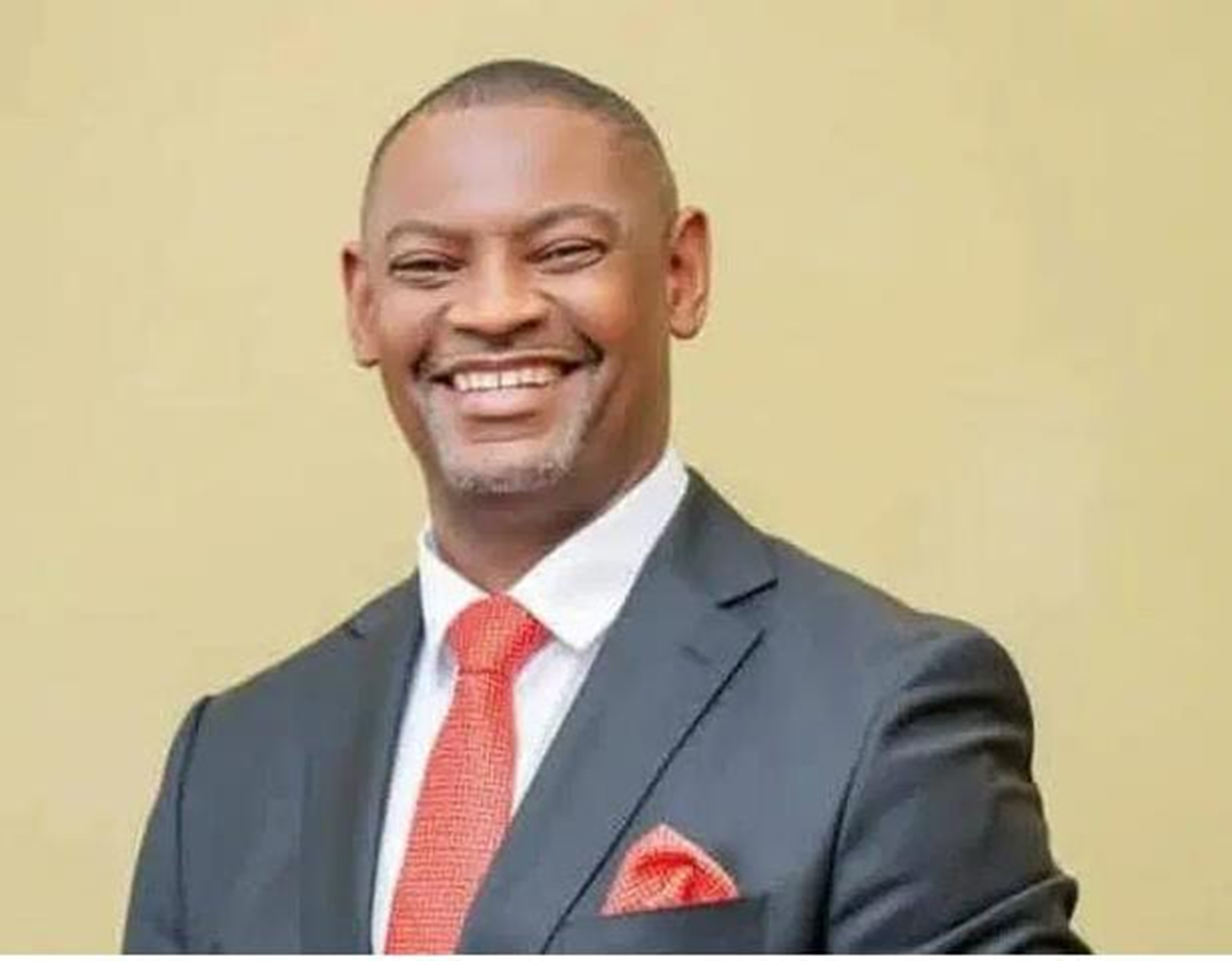
Speaking after the address, NAP Executive Director, Benedicto Kondowe, described the President’s message as a strong signal that government is ready to confront long standing governance challenges head on.
Kondowe said the President’s firm declaration that there will be no “sacred cows” in the fight against corruption demonstrates a renewed commitment to transparency, accountability and the rule of law.
He observed that corruption has for years eroded public trust in state institutions, weakened service delivery systems and slowed down Malawi’s national development agenda.
According to Kondowe, the President’s stance comes at a critical time when citizens are demanding decisive leadership and practical solutions to governance failures.
He further welcomed the President’s appeal to the three arms of government to act in the national interest, describing it as a reaffirmation of constitutional accountability and institutional responsibility.
Kondowe stressed that effective governance depends not only on powerful speeches but also on consistent, fair and impartial enforcement of the law, regardless of political affiliation or social standing.
He said if backed by genuine political will, the President’s approach could significantly rebuild public confidence and strengthen democratic institutions.
“Malawians want to see institutions empowered to act without fear or favour. That is the true test of commitment,” Kondowe emphasized.
He also underscored the importance of adequately resourcing and protecting anti corruption bodies from political interference to ensure their independence and effectiveness.
Kondowe noted that strong oversight institutions are essential for preventing abuse of power and ensuring public resources are used responsibly.
He added that improving governance systems will not only curb corruption but also create a stable environment for economic growth, investment and improved public service delivery.
NAP urged the government to translate its promises into measurable action, saying citizens are eager to witness tangible results in the ongoing fight against corruption.
LILONGWE (Maravipost): Nsanje South West legislator Walter Nyamilandu Manda has commended Malawi President, Professor Arthur Peter Mutharika, for what he described as a strong demonstration of commitment to national duty and fiscal discipline.
Speaking in an interview with Maravipost on Saturday, Manda said Mutharika’s decision to remain in the country to deliver the State of the Nation Address (SONA) instead of attending the African Union Heads of State Summit in Ethiopia reflected exemplary leadership.
He said While several African leaders gathered for the summit, Manda noted that Mutharika chose to prioritize addressing Malawians through Parliament at a critical time for the country’s economy.
“His Excellency made a deliberate decision to fulfill his constitutional obligation by delivering the State of the Nation Address. That choice alone shows where his priorities lie with the people of Malawi,” said Manda.
According to the legislator, the move underscores Mutharika’s commitment to austerity measures and prudent use of public resources.
By avoiding international travel and focusing on domestic governance, setting tone of fiscal responsibility and accountability.
He added that the gesture strengthened the credibility of the SONA, as it aligned with the administration’s message of economic recovery and discipline.
“You cannot preach austerity and fiscal discipline while engaging in unnecessary expenditures,this is what it means to walk the talk,” Manda emphasized.
Manda further described Mutharika’s leadership style as selfless and people-oriented, saying it reflects a relentless effort to stabilize and transform the country’s economy during challenging times.
The lawmaker concluded that such decisions reinforce public confidence in leadership and demonstrate a practical commitment to addressing national priorities above international engagements.
The recent High Court ruling in Lilongwe that quashed the redeployment of five senior Malawi Defence Force (MDF) officers to the civil service epitomizes a judiciary deeply entangled in politics and far removed from the true essence of justice.
This ruling, and several others like it, reveal a disturbing trend: the Malawian judiciary appears less as an independent arbiter of law and more as a political actor obstructing the legitimate efforts of the government to implement its policies.
It is high time this uncomfortable reality is confronted honestly and without fear, for the good of Malawi and its future.
The Democratic Progressive Party (DPP), under the visionary leadership of Professor Arthur Peter Mutharika, has charted a clear path for Malawi’s development. Their government has demonstrated a commitment to reforms and to steering the country towards greater prosperity.
Yet, despite these noble intentions, the judiciary persistently stands as a formidable barrier, frustrating and nullifying executive decisions that are essential to the functioning of the state and the advancement of national interests.
The ongoing standoff between the executive and the judiciary is now undeniable, and the consequences of this power struggle are detrimental to Malawi’s progress.
Consider the redeployment of MDF senior officers—a routine administrative action that has been a normal feature of government operations, including during the previous Malawi Congress Party (MCP) regime.
Redeployment is not dismissal; it is a strategic repositioning within government ranks to meet evolving institutional needs. It is baffling, therefore, that the judiciary should intervene to halt such a standard practice.
One must ask: Why did the judiciary raise an alarm over redeployments under the DPP, when similar transfers occurred without controversy during MCP’s tenure? Is this selective legal activism, or worse, political interference masquerading as judicial prudence?
The hard truth is that the judiciary seems to be serving partisan interests rather than the rule of law. Its actions suggest a clear bias against the current administration.
By obstructing government moves such as redeploying MDF officers, the courts are effectively undermining the chain of command and the authority vested in the executive by the Constitution.
The military, by its very nature, is disciplined and hierarchical. Orders from senior commanders, including the Commander-in-Chief, must be obeyed promptly and without question.
The decision by some senior MDF officers to seek judicial intervention rather than comply with redeployment orders is a direct challenge to military discipline and the principle of obedience that underpins effective defense forces worldwide.
The judiciary should understand this fundamental aspect of military operations. Redeployment does not equate to job loss or demotion; it is a standard personnel management practice.
Instead of supporting the executive’s lawful directives, the courts have sided with officers who flout military discipline, thereby encouraging insubordination.
This is dangerous precedent-setting that threatens both national security and the principle of civilian oversight over the military.
Moreover, the judiciary’s penchant for nullifying executive decisions has broader implications.
It sends a message that every viable government initiative, no matter how reasonable or necessary, can be stalled or overturned by judicial fiat. If the DPP government fails to deliver on its promises, it will not be for lack of vision or effort, but because the judiciary has systematically hampered its ability to govern effectively.
This politicization of the judiciary is a betrayal of the very people the courts purport to serve.
Judge Kenyatta Nyirenda’s recent public tirades against the media further illustrate the judiciary’s troubling conduct.
His accusations of ignorance and propaganda directed at Malawi’s journalists are not only baseless but also deeply disrespectful to an institution that plays a critical role in democracy. The media—professional, dedicated, and often under-resourced—works tirelessly to inform the public and hold power to account.
The judge’s disparaging remarks, including questioning journalists’ credentials and competence, reveal a profound misunderstanding of the media’s role and an alarming intolerance for scrutiny.
The hard truth here is that Kenyatta Nyirenda, despite his legal expertise, is neither a media expert nor an authority on journalism. His attempt to undermine and belittle the press is an abuse of his position and an affront to the democratic principles of freedom of expression and information.
The judiciary must respect the independence of other institutions, especially those that serve as watchdogs over government and society.
Judges should confine their critiques to legal matters and refrain from launching unwarranted attacks on the media, which only serve to erode public confidence in the judiciary itself.
This situation is exacerbated by the judiciary’s own operational shortcomings. Malawi’s courts are notorious for delays and inefficiencies. It is common knowledge that while litigants arrive early, often as early as 7:30 am, court sessions do not commence until well after 10:30 am.
Such delays undermine public trust and deny timely justice to those who need it most. Worse still, there is rarely an apology or explanation for these delays, signaling a lack of accountability and respect for the public.
If the judiciary claims to be the guardian of justice, it must first demonstrate professionalism and commitment to serving the people efficiently.
Malawi’s judiciary is far from infallible; it is not a demigod or a semi-god institution that should intimidate or threaten the citizenry.
The reverence accorded to the courts must be balanced with a critical appraisal of their performance and impartiality.
When judges stray from the law to serve political interests or personal biases, they do a disservice to the country’s democratic foundations.
The judiciary’s perceived partisanship and questionable rulings erode the public’s faith in the justice system and fuel cynicism about the rule of law in Malawi.
The hard truth is that Malawi’s judiciary is in desperate need of a complete overhaul. Structural reforms, enhanced transparency, accountability mechanisms, and rigorous training focused on judicial ethics and independence are urgently required.
Without these changes, the judiciary will continue to be a stumbling block to national development and a source of injustice for ordinary Malawians.
The judiciary’s interference in the redeployment of MDF officers, its antagonism towards the media, and its operational inefficiencies paint a grim picture of an institution that has strayed from its constitutional mandate.
The courts must cease using their authority to frustrate government policies and must respect the disciplined nature of military service.
Judge Kenyatta Nyirenda and his colleagues should recognize that their role is to interpret the law impartially, not to engage in political battles or vilify other democratic institutions.
Malawi deserves a judiciary that is independent, professional, and committed to delivering justice without fear or favor.
Until then, the country’s democratic progress will remain hostage to judicial overreach and partisanship. The time for candid reflection and bold reform is now. The future of Malawi depends on it.
LILONGWE-(MaraviPost)-The Malawi Police have arrested former National Economic Empowerment Fund (Neef) chief executive officer (CEO) Humphreys Mdyetseni and Anderson Mbozi, an engineer in the Department of Irrigation.
National Police spokesperson Lael Chimtembo has confirmed the arrests, saying the two are facing charges linked to abuse of office.
“I can confirm that Mr. Humphrey Austin Mdyetseni from Sangambe Village, T/A Kabudula, (former Chief Executive Officer of the National Economic Empowerment Fund) and Mr. Anderson Mbozi of Chaluma Village, T/A Kalumbu, Lilongwe (an Engineer in the Department of Irrigation) have been arrested. They are being charged with abuse of office. Further details will be provided once the formal charge process is completed,” said Chimtembo.
Chimtembo did not provide further details on the circumstances surrounding the arrests.
Mdyetseni served as Neef CEO from 2020, when the institution was rebranded from Malawi Enterprise Development Fund to its current name.
NEEF is believed to have a centre of fraud inputs loans to former President Lazarus Chakwera’s Malawi Congress Party (MCP) regime sympathisers.
MZUZU-(MaraviPost)-In stark contrast to the backlash faced by former President Lazarus Chakwera’s ‘sugar-coated’ 2025 State of the Nation Address (SONA), President Arthur Peter Mutharika has garnered significant praise for his succinct delivery during the 2026 address on February 13, 2026, at Parliament in Lilongwe.
Political analysts and citizens alike commended the clarity and relevance of Mutharika’s speech to pressing issues in Malawi.
Silvester Ayuba James, a prominent legal practitioner and MCP-affiliated lawmaker for Nkhotakota Central Constituency, lauded Mutharika’s no-nonsense approach.
He stated, “APM’s SONA. No fake accent. No empty poetry. No useless foreplay. Just straight to business.”
James further contrasted this with Chakwera’s previous address, which he described as filled with “spells,” highlighting Mutharika’s clarity that cut through the noise like a knife through butter.
Adding to the praise, social commentator Joshua Chisa Mbele echoed these sentiments on Facebook.
He observes, “President Mutharika’s State of the Nation 2026. No unnecessary adjectives. No flowery and embroidered words. Straight to the point.”
Mbele rated the address at “100% Relevant,” emphasizing the President’s focus on real and urgent challenges, along with tangible outcomes.
Furthermore, within just five months in office, Mutharika has announced notable achievements, including the implementation of a free secondary school initiative.
He also revealed ambitious plans to construct Blantyre and Chikwawa District Hospitals in the upcoming 2026-27 financial year.
In addition to these projects, he highlighted plans to double national fuel storage capacity from 60 million litres to 120 million litres through the construction of new storage facilities in Blantyre, Lilongwe, and Mzuzu.
He further stated that maize is now selling for between MK38,000 and MK55,000 per 50kg bag, compared to around MK100,000 before his government took over.
These initiatives underscore his commitment to effectively addressing national needs and proving that actions speak louder than words.
In light of these accomplishments, it is worth noting that last year, MCP Member of Parliament for Rumphi-West, Jona Mkandawire, openly challenged Chakwera’s SONA, accusing him of presenting false information about developments in his constituency.
The official opening of the 2026/2027 Budget Meeting marked a defining political and economic moment for Malawi, as President Arthur Peter Mutharika addressed the nation with a message of urgency, reform, and renewed direction.
President Mutharika described the meeting as historic, emphasizing that it symbolized the first comprehensive implementation phase of the DPP’s agenda since its return to power.
He recounted the state in which he found the country upon assuming office, describing Malawi as being trapped in a deep man-made crisis characterized by hunger, shrinking businesses, soaring inflation, and weakened public institutions.
The President stressed that the crisis was not irreversible and announced that his administration had moved to restore order, rebuild trust, and stabilize the economy.
He disclosed that fraudulent contracts had been stopped, reckless expenditure curtailed, and ghost workers removed from the government payroll.
Appointments to public office are now being made strictly on merit, signaling a departure from patronage and favoritism.
The President emphasized that macroeconomic stability was the cornerstone of recovery, outlining targeted interventions to stimulate growth and reduce inflationary pressures.
Emergency maize purchases were made to cushion vulnerable households, fertilizer procurement was expedited, and fuel stocks were replenished to revive the private sector.
Inflation is projected to fall below 21% in 2026, and economic growth is expected to rise from 2.7% to 3.8% in 2026 and 4.9% in 2027.
Austerity measures include reduced fuel entitlements for ministers and restricted local and international travel.
The Constituency Development Fund (CDF) has been increased from MK220 million to MK5 billion per constituency annually, with management responsibility transferred to local authorities.
Agricultural interventions include maize price stabilization, fertilizer procurement, and plans for local fertilizer production.
The President announced plans to transition Malawi from a consumption-driven economy to one anchored in production and exports.
Industrialization efforts include development of Special Economic Zones and support for cooperatives and micro, small, and medium enterprises.
Tourism sector reforms include operationalization of the Tourism Authority and flagship projects like the Salima Integrated Tourism Resort.
Energy sector reforms aim to increase national generation capacity from 551 megawatts to over 1,000 megawatts by 2030.
Mining sector reforms include suspension of new licenses, audits of the registry, and a ban on export of raw minerals.
Transport infrastructure rehabilitation includes resumption of road maintenance and reinstatement of the fuel Automatic Pricing Mechanism.
Civil aviation reforms include expansion of Malawi Airlines’ fleet and increased international destinations.
The President reaffirmed commitment to rule of law, fiscal discipline, and zero tolerance for corruption.
He called for unity among the Executive, Legislature, and Judiciary, emphasizing the need for shared responsibility in rebuilding Malawi.