
Betrayal of national unity: The dangers of northern region political block

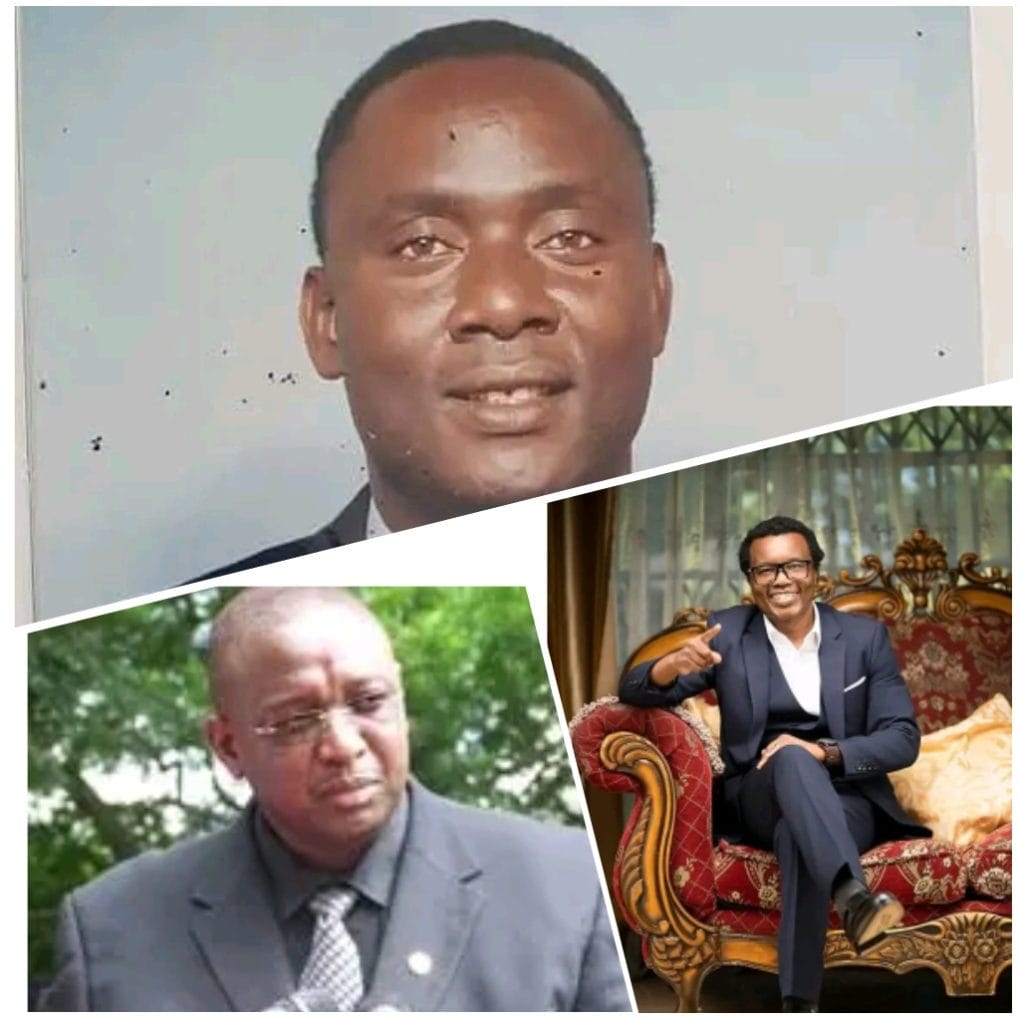
The formation of the Northern Region Political Block, spearheaded by Frank Mwenifumbo, Khumbo Kachali, and Dr. Victor Madhlopa, is a stark reminder of the divisive politics that have long threatened the fabric of our nation.

This bloc, masquerading as a champion of regional interests, is nothing but a thinly veiled attempt to divide Malawi and undermine the very foundations of our national unity.

By advocating for a Northern Region Block, these politicians are, in essence, promoting regionalism over nationalism.

They are pitting one region against another, fueling the very fires of tribalism and sectarianism that have ravaged many African countries.

This is a recipe for disaster, and we must condemn it in the strongest possible terms.

The idea of a Northern Region Block may seem appealing to some, particularly those who feel marginalized or disenfranchised.

However, the reality is that such a bloc would only serve to further balkanize our country, creating divisions that would be impossible to heal.

If the Northern Region can form a bloc, why not the Central Region or the Southern Region? Where would this end? Would we soon have a plethora of regional blocs, each vying for power and resources, and each more entrenched in their regional identities?

The consequences of such a scenario would be catastrophic.

We would be creating a nation of competing regional interests, where loyalty to one’s region supersedes loyalty to the nation.

We would be sacrificing national unity on the altar of regionalism, and the results would be devastating.

Our economy would suffer, our infrastructure would crumble, and our people would be pitted against one another in a desperate scramble for resources.

Moreover, what guarantee do we have that this bloc would truly serve the interests of the Northern Region? The track record of these politicians is hardly inspiring.

They have held positions of power before, and yet the North remains one of the most underdeveloped regions in the country. What makes them think that this time would be any different?

The answer, of course, is that this bloc is not about serving the interests of the North or any other region.

It is about serving the interests of these politicians, who are more concerned with clinging to power than with serving the people.

They are using the legitimate concerns of the North as a smokescreen to further their own agendas, and we must not let them get away with it.

We must reject this divisive politics and stand up for national unity.

We must demand that our politicians prioritize the interests of Malawi over and above their regional or ethnic loyalties.

We must insist on a politics of inclusion, where every Malawian feels valued and represented, regardless of their region or background.

The Northern Region Political Block is a recipe for disaster, and we must condemn it in the strongest possible terms.

We must stand together as Malawians and reject this attempt to divide us.

We owe it to ourselves, our children, and our nation to build a brighter future, a future based on unity, stability, and harmony.

Let us stand together and say no to regionalism, no to tribalism, and no to sectarianism.

Let us stand together and demand a politics of inclusion, a politics that puts the interests of Malawi first. The time for divisive politics is over; it is time for unity, stability, and harmony.

Let us build a Malawi that is truly for all Malawians, a nation where every citizen feels valued, respected, and represented.

Enough is enough; stop the Northern Region Political Block and let us move forward together as one people, one nation.

Feedback:0992082424
Email:jonesgadama@gmail.com


Discover more from The Maravi Post

Subscribe to get the latest posts sent to your email.

The Maravi Post

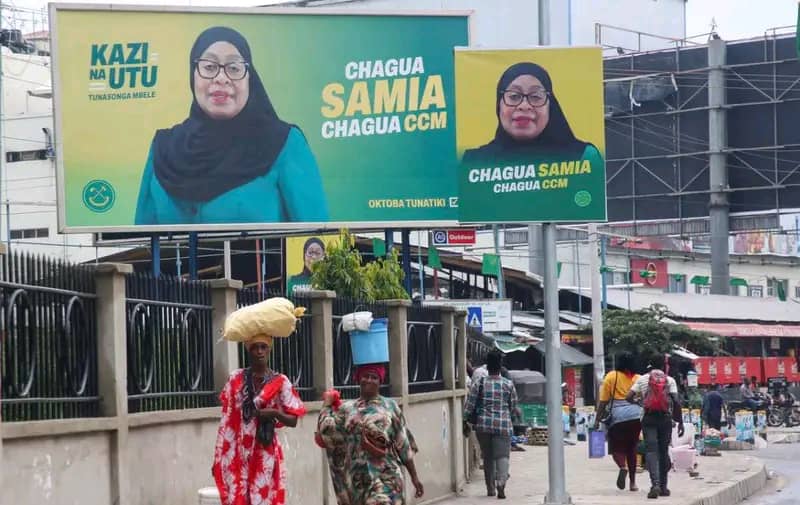
President Samia Suluhu retains seat with 98% amidst disputed Tanzanian Election

….Opposition, civil society, and international observers question the credibility of the October 29 polls as reports of violence, internet shutdowns, and irregularities dominate the aftermath.

DODOMA-(MaraviPost)-Tanzania’s National Electoral Commission has declared President Samia Suluhu Hassan the winner of the country’s highly contested October 29 election, securing an overwhelming 98 percent of the vote.

The announcement, made late Friday evening, has been met with both celebration among ruling party supporters and outrage from opposition figures who have labelled the election a “sham” marred by manipulation and intimidation.

The opposition and civil society organizations have rejected the results, alleging widespread irregularities, including ballot stuffing, restricted access for observers, and the detention of opposition polling agents.

Reports have also emerged of an extensive internet shutdown that coincided with the voting and counting periods, further fueling suspicions that the digital blackout was a deliberate attempt to block transparency and restrict communication.

In several regions, especially in opposition strongholds, witnesses have reported incidents of post-election violence involving clashes between protesters and security forces. Human rights groups have expressed alarm at the reports of beatings, arrests, and disappearances that have followed the declaration of results.

International observers from the African Union, the European Union, and several diplomatic missions have voiced serious concerns about the credibility of the process, citing limited access to polling stations and the lack of a level playing field for all candidates.

Despite the mounting criticism, President Samia Suluhu has called for unity and calm, urging Tanzanians to respect the verdict of the electoral body and move forward “as one nation under peace and democracy.”

However, opposition leaders have dismissed her appeal, insisting that democracy cannot exist without accountability and that the election results represent “a complete betrayal of the Tanzanian people’s will.”

Civil society groups have now called on the international community to intervene and support an independent review of the election results, warning that the country risks sliding into deeper political instability if grievances are ignored.

As tensions continue to rise across several regions, the government has deployed additional security forces to maintain order, while social media users report restricted access to platforms such as X, Facebook, and WhatsApp.

For many Tanzanians, the events surrounding this election echo painful memories of past polls where allegations of state interference overshadowed democratic aspirations.

With a 98 percent victory margin, questions continue to grow over whether the result reflects genuine popular support or the tightening grip of power by a government increasingly accused of silencing dissent.

The world now watches closely as Tanzania stands at a critical crossroads — between maintaining stability and restoring the people’s faith in democracy through transparency, justice, and reform.


Discover more from The Maravi Post

Subscribe to get the latest posts sent to your email.
The Maravi Post

A new political dawn in Malawi with Mutharika’s merit-based cabinet appointments

The hard truth is that President Peter Mutharika’s cabinet appointments are a breath of fresh air in Malawi’s political landscape.

After years of misrule and economic mismanagement under the previous administration, Malawi was on the brink of collapse.

The late President Bingu wa Mutharika’s legacy was still fresh in the minds of Malawians, and the country was beginning to forget what good governance looked like.

However, with President Mutharika’s return to power, Malawians are once again hopeful for a brighter future.

The hard truth is that the previous administration, led by President Lazarus Chakwera, was notorious for its blatant regionalism and nepotism.

The Central Region, particularly Ntchisi, Dowa, and Lilongwe, seemed to be the only areas that mattered.

Key positions were allocated to individuals from these regions, leaving other regions feeling marginalized and disenfranchised. This led to a lack of national unity and a sense of belonging among Malawians.

Chakwera’s cabinet was bloated, with over 30 members, most of whom were more interested in feasting on the country’s arable resources than in serving the people.

The economy was on the brink of collapse, and Malawians were struggling to make ends meet.

The hard truth is that President Mutharika has taken a different approach. His cabinet appointments are a masterclass in balance and meritocracy.

The lean cabinet of 24 members, including his two vice presidents, is a testament to his commitment to efficiency and effectiveness.

The appointments cut across all regions, with individuals chosen based on their expertise and qualifications.

The Southern Region is well-represented, with key ministers such as Joseph Mwanamvekha, George T. Chaponda, and Mary Navicha, who bring a wealth of experience and knowledge to their respective ministries.

The hard truth is that the Central Region, which was previously favored by the Chakwera administration, has also been given a fair share of representation.

However, the key difference is that appointments were based on merit, not cronyism or regional loyalty.

Alfred Ruwan Gangata, Peter Mukhito, and Patricia Wiskies are just a few examples of highly qualified individuals who have been appointed to key positions.

The Northern Region has also been well-represented, with Second Vice President Enock Chihana and Ministers Charles Mhango, Madalitso Baloyi, and Jappie Mhango, who bring a wealth of experience and expertise to their respective ministries.

The hard truth is that the Eastern Region has not been left out, with Ministers Roza Mbilizi Fachi, Bright Msaka, Feston Kaupa, and Shadrick Namalomba being appointed to key ministries.

These appointments demonstrate President Mutharika’s commitment to national unity and inclusivity.

By giving all regions a fair share of representation, he has sent a strong message that Malawi is one and united.

The hard truth is that President Mutharika’s cabinet appointments are not without criticism.

Some have faulted him for appointing individuals with pending court cases.

However, it is essential to remember that every individual is presumed innocent until proven guilty.

What is important is that these individuals are given a chance to clear their names and serve their country.

President Mutharika’s commitment to meritocracy and competence is evident in his appointments, and he should be commended for taking a bold step in appointing the best person for the job, regardless of their background.

The hard truth is that Malawi’s future looks bright with President Mutharika at the helm.

His commitment to good governance, accountability, and transparency is evident in his cabinet appointments.

Malawians should be proud of their president, who has put aside regional and party loyalties to form a government that truly represents the people.

The days of regionalism and nepotism are behind us, and Malawi is now one united nation, working towards a brighter future.

President Mutharika’s cabinet appointments are a testament to his commitment to meritocracy, balance, and national unity.

The hard truth is that Malawi was on the brink of collapse under the previous administration, but President Mutharika’s return to power has brought new hope and a sense of direction.

With a lean and efficient cabinet, Malawians can expect better governance and service delivery.

The future looks bright, and Malawians should rally behind their president as he works tirelessly to build a better Malawi for all.


Discover more from The Maravi Post

Subscribe to get the latest posts sent to your email.

The Maravi Post

Mutharika’s leadership: A true unifier beyond nepotism and regionalism

BLANTYRE-(MaraviPost)-In the political landscape of Malawi, where regional loyalties and familial ties often cast long shadows over governance, the presidency of Professor Arthur Peter Mutharika stands out as a beacon of fair-mindedness and national unity.

It is essential to recognize that the leadership style of Mutharika transcends the often divisive narratives of nepotism and regionalism, showcasing a leader committed to the development and prosperity of all Malawians regardless of their geographic or familial affiliations.

One of the most compelling aspects of Mutharika’s leadership is his apparent focus on merit and competence rather than familial or regional favoritism.

This is evident in the diverse array of ministers appointed across the various regions of Malawi, each bringing their unique expertise and dedication to their roles.

For instance, the Southern Region, which has historically been a political stronghold, boasts competent individuals such as Joseph Mwanamvekha from Chiradzulu, who oversees crucial economic planning and finance matters.

Similarly, George T. Chaponda from Mulanje, entrusted with foreign affairs, exemplifies the leader’s recognition of talent over region or family ties.

In the Eastern Region, the appointment of Roza Mbilizi Fachi from Mangochi as Minister of Agriculture underscores a commitment to empowering competent leaders from different parts of the country.

Mangochi, known for its vibrant agricultural sector, benefits from leadership that understands local challenges and opportunities, demonstrating that Mutharika values regional expertise but does not prioritize it over merit.

Bright Msaka from Machinga, heading the education and technology sector, further exemplifies the administration’s focus on empowering capable individuals from diverse backgrounds.

The Central Region, often considered the political heartland, is represented by notable figures such as Ntcheu’s First Vice President and Alfred Ruwan Gangata from Dedza, serving in significant ministerial roles.

Their appointments reveal a leadership that recognizes the importance of regional balance and inclusivity, ensuring that no single area dominates governance at the expense of others.

The inclusion of Norman Chisale from Ntcheu as Deputy Minister of Homeland Security also highlights Mutharika’s strategic approach to regional representation that is rooted in competence rather than nepotism.

In the Northern Region, which has historically felt marginalized in national politics, the leadership’s inclusivity is particularly evident.

The appointment of Rumphi’s Second Vice President and others from the region demonstrates a conscious effort to balance regional representation, fostering a sense of national unity.

Charles Mhango from Rumphi, overseeing justice and constitutional affairs, exemplifies the leadership’s commitment to legal and institutional stability, regardless of regional origins.

What sets Mutharika apart is his apparent focus on national development and unity rather than regional or familial favoritism.

His appointments reflect a strategic and thoughtful approach to governance, emphasizing the importance of capable leadership across Malawi’s diverse regions.

This approach fosters a sense of inclusivity and shared purpose among Malawians, reinforcing the idea that leadership is about service and competence rather than ethnicity, kinship, or regional loyalty.

Moreover, Mutharika’s governance style is characterized by a deliberate effort to promote national cohesion.

His appointments seem to be guided by the principle that Malawi’s strength lies in its diversity and that effective leadership must harness this diversity for the country’s progress.

By appointing capable individuals from various regions, he ensures that policies and programs are reflective of the needs and aspirations of all Malawians, thus strengthening the fabric of national unity.

It is also worth noting that the leadership’s emphasis on regional diversity is complemented by a focus on developmental priorities that benefit the nation as a whole.

Whether it is in agriculture, health, education, or security, the appointments made by Mutharika reveal an understanding that the country’s development depends on competent individuals working together across regional lines.

This unity of purpose is the hallmark of a leader who values the collective good above narrow regional or familial interests.

Furthermore, Mutharika’s leadership style encourages a culture of professionalism and accountability among his appointees.

By selecting individuals based on merit, he fosters an environment where competence and dedication are rewarded, setting a positive example for the entire civil service and political landscape.

Such an approach not only enhances governance but also inspires young Malawians to pursue careers in public service driven by merit and integrity.

In addition, it is important to appreciate the broader context of Malawi’s political history.

The nation has long grappled with regional and familial loyalties that often threaten national cohesion.

Mutharika’s leadership represents a conscious departure from this pattern, emphasizing unity, national identity, and progress.

His appointments across regions serve as a testament to his belief that leadership should be inclusive and representative, not exclusive or divisive.

The support and admiration that Mutharika commands from many quarters are rooted in this perception of fairness and dedication to nation-building.

His ability to bring together diverse talents and perspectives into his government reflects a maturity and vision that many leaders aspire to but few achieve.

It is this inclusive approach that fosters trust among citizens, encouraging them to believe in a united Malawi where everyone’s voice matters.

Arthur Peter Mutharika’s presidency exemplifies leadership that is rooted in meritocracy and national unity rather than nepotism or regional favoritism.

His appointments illustrate a thoughtful and strategic approach to governance, emphasizing competence, inclusivity, and the collective good. Such leadership is crucial for Malawi’s continued development and stability, and it serves as an inspiring example for current and future leaders.

Mutharika’s commitment to building a united Malawi, where every region and individual has a role to play, truly defines a leader dedicated to the overall progress and harmony of the nation.


Discover more from The Maravi Post

Subscribe to get the latest posts sent to your email.

The Maravi Post

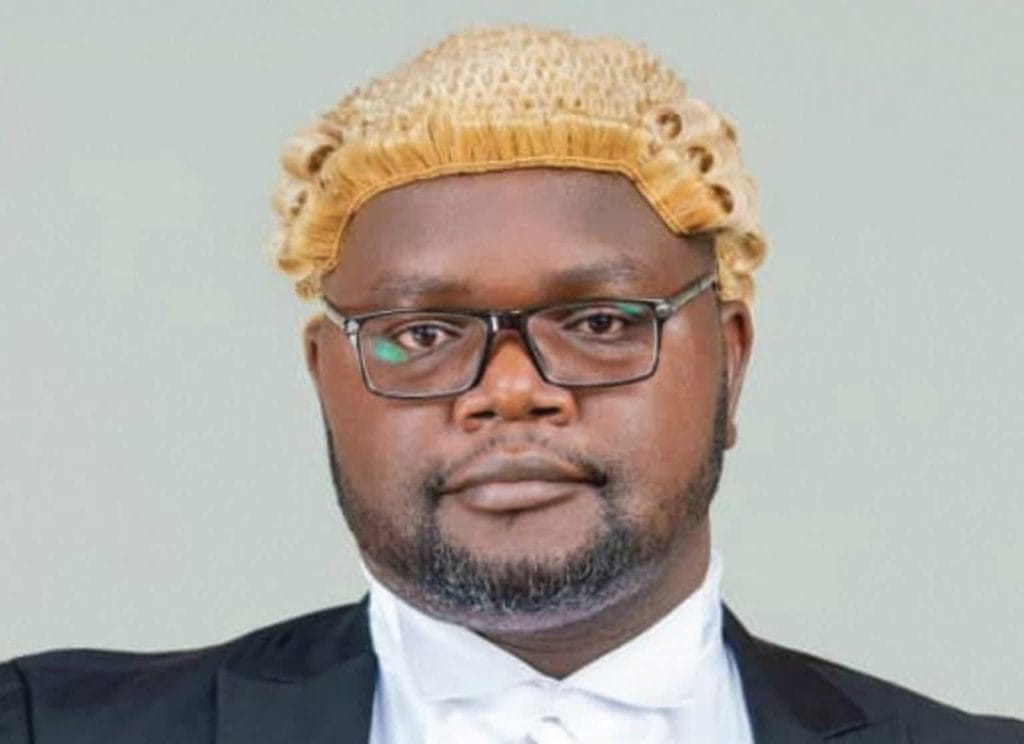
Mutharika appoints lawyer Gabriel Chembezi as ACB Director

LILONGWE-(MaraviPost)-President Peter Mutharika has appointed lawyer Gabriel Chembezi as the new Director General of the Anti-Corruption Bureau (ACB).

A statement from Chief Secretary to the Government Justin Saidi dated October 31, 2025, says the appointment is with immediate effect.

Chembezi:New ACB Director

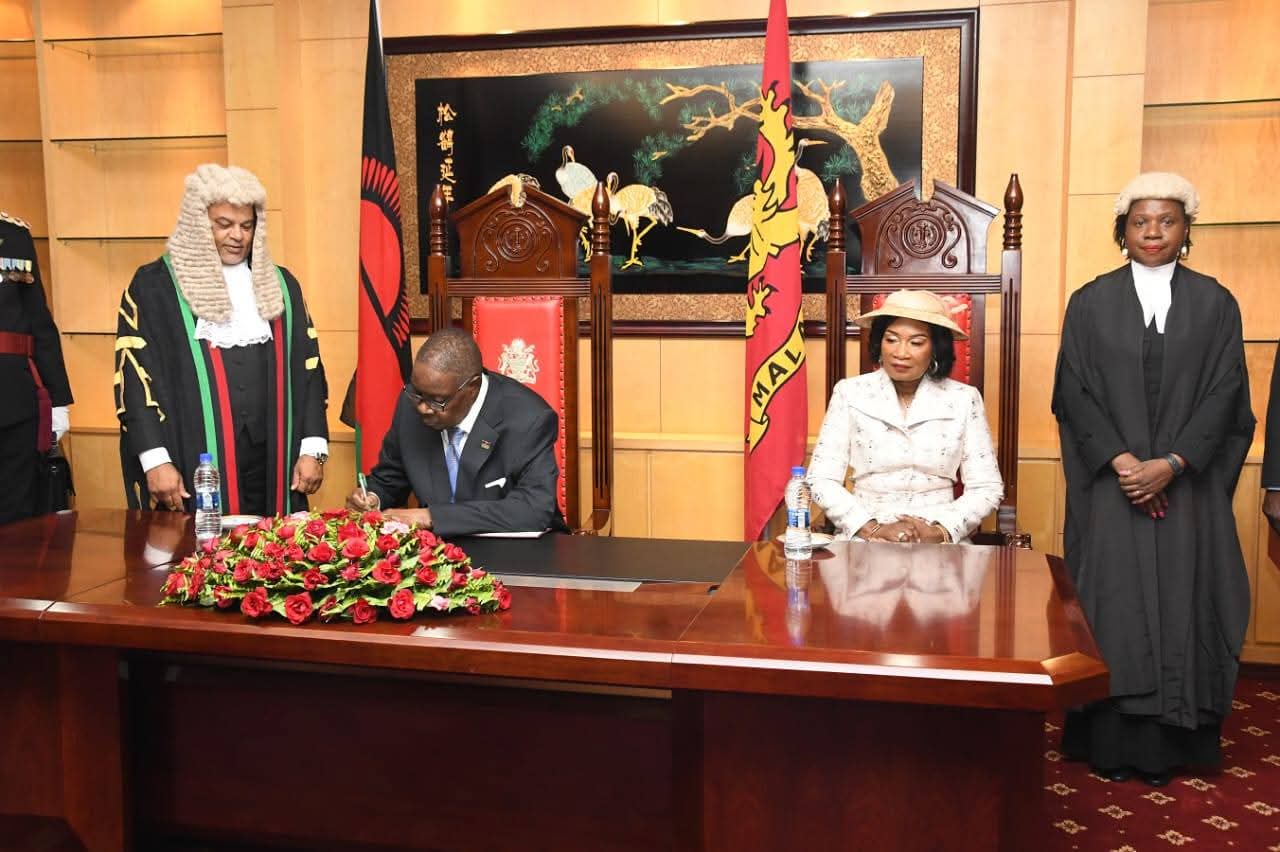
However, in a separate statement, Saidi announced that the swearing-in ceremony for newly-appointed Cabinet ministers, deputy ministers, and the Attorney General will be held tomorrow at the Bingu International Convention Centre in Lilongwe from 2 pm.

On Friday, President Mutharika opened the 52nd Session of Parliament.


Discover more from The Maravi Post

Subscribe to get the latest posts sent to your email.

The Maravi Post

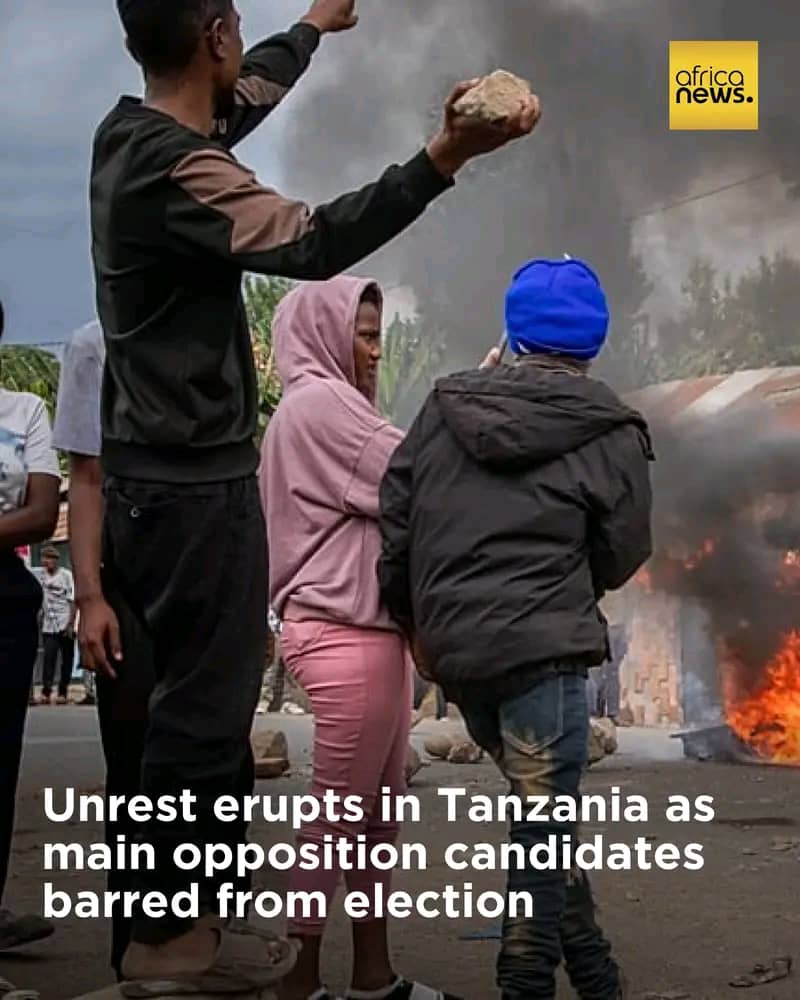
Tanzania plunges into unrest as opposition candidates barred from presidential race

Protests erupt across major cities including Dar es Salaam after opposition exclusion triggers public outrage, police confrontations, and a nationwide curfew amid escalating political tensions.

DODOMA-(MaraviPost)-Tanzania descended into political turmoil on election day as protests broke out in Dar es Salaam and several other major cities following the disqualification of main opposition candidates from the presidential race.

The move, which many citizens and rights groups have described as undemocratic, sparked widespread anger and led to violent confrontations between demonstrators and security forces.

Crowds of protesters took to the streets demanding the reinstatement of opposition candidates and accusing the electoral commission of manipulating the process to favor the ruling party.

In Dar es Salaam, thousands of people gathered in defiance of police orders, chanting slogans calling for justice and free elections.

The demonstrations quickly turned chaotic as police responded with tear gas, rubber bullets, and mass arrests to disperse the angry crowds.

Similar scenes unfolded in Arusha, Mwanza, and Dodoma, where protesters blocked roads, burned tires, and clashed with law enforcement officers.

Authorities have since imposed a nationwide curfew in an attempt to restore order and prevent further escalation of violence.

The government also deployed military personnel in key urban centers, a move that has intensified public concern about the country’s political stability and human rights situation.

Opposition leaders, whose exclusion from the presidential race triggered the unrest, have condemned the government’s heavy-handed response and called for international intervention.

They argue that the disqualification of candidates violates Tanzania’s constitution and undermines the principles of democracy, transparency, and fair competition.

Human rights organizations across Africa have expressed alarm over the developments, warning that the crackdown on protesters could lead to further instability and loss of life.

Meanwhile, the government has defended its actions, insisting that the electoral process was conducted within the law and that the disqualifications were based on legitimate grounds.

As the curfew takes effect, streets remain tense, businesses are shuttered, and uncertainty looms over Tanzania’s political future.

Observers say the unfolding situation represents one of the most serious challenges to the country’s democratic institutions in recent years, with the potential to reshape the nation’s political landscape.

For now, Tanzanians wait anxiously — hoping for peace, dialogue, and a return to democratic normalcy after a day marked by violence, fear, and frustration.


Discover more from The Maravi Post

Subscribe to get the latest posts sent to your email.
The Maravi Post