A Milestone Anniversary Reiterates The Culture of Peace is a Movement, not a Revolution

Armed Conflicts, Civil Society, Featured, Global, Global Governance, Headlines, IPS UN: Inside the Glasshouse, North America, Peace, TerraViva United Nations

Opinion

Credit: United Nations

NEW YORK, Sep 13 2021 (IPS) – Today, on 13 September 2021, the UN Declaration and Programme of Action adopted by the General Assembly in 1999 will be turning 22.

You would recall that the 20th anniversary of The Culture of Peace of its adoption by the world’s highest multilateral body in 2019 was observed by the United Nations in an appropriate and befitting manner, as called for by the Assembly. It was an occasion for reiteration and recommitment by us all to create the culture of peace in our world, beginning with each one of us.


After the UN Charter, this is the only major document of the UN which focuses on peace in a most comprehensive manner. We need to pay increasingly more attention to this landmark document for its full and effective implementation.

Last week another integrally-connected milestone gathering – the 2021 UN High Level Forum on The Culture of Peace – took place at the UN General Assembly convened by its President of the 75th session.

This day-long event organized on 7 September 2021 attained a special profile and attention as it was the 10th anniversary of the annual UN high level forums which was first initiated in 2012 during the 66th session of the Assembly by its then President, Ambassador Nassir Al-Nasser of Qatar.

His objective was to create a new platform for the culture of peace at the UN to be held on an annual basis for an opportunity to exchange ideas between the Member States and civil society organizations.

I happened to be his senior special advisor involved in conceptualizing and organizing that very first forum on 14 September, the day after the 11th anniversary of The Culture of Peace.

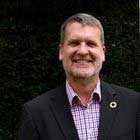
Ambassador Anwarul K Chowdhury

This year’s Forum was held in a hybrid format, both in-person and virtual platforms. With its focus on the theme “The Transformative Role of The Culture of Peace: Promoting Resilience and Inclusion in Post-Covid Recovery”, the Forum provided the opportunity to the participants and all stakeholders to exchange ideas and make suggestions on how to utilize the values of culture of peace in post-Covid recovery efforts, especially to ensure that the recovery, which unfortunately is yet to happen, is durable, resilient and inclusive.

The President of the General Assembly Volkan Bozkir of Turkey, under whose leadership the 2021 Forum took place, earned the grateful tribute of all stakeholders for his guidance, initiative and encouragement in convening and holding this 10th anniversary forum under extremely challenging circumstances very successfully. The Panel Discussion was a fitting conclusion to this remarkable gathering.

As I was preparing for the Panel Discussion, I ran into the historical perspective that this year will reach the quarter century mark of my close association with and advocacy for the culture of peace at the United Nations. In 1997, I took the lead in proposing along with some other Ambassadors in a letter to the newly-elected UN Secretary-General Kofi Annan to include a specific, self-standing agenda item of the UN General Assembly (UNGA) on The Culture of Peace.

A new agenda item was thus agreed upon after considerable negotiating hurdles and the new item was allocated to the plenary of the General Assembly for discussion on an annual basis. That is the basis for the annual resolutions on The Culture of Peace by the General Assembly from that year.

Under this item, UNGA adopted in 1997 a resolution to declare the year 2000 the “International Year for The Culture of Peace”, and in 1998, a resolution to declare the period from 2001 to 2010 as the “International Decade for The Culture of Peace and Nonviolence for the Children of the World”.

In the year after that the United Nations adopted its Declaration and Programme of Action on The Culture of Peace, a monumental document that transcends boundaries, cultures, societies and nations. It was an honor for me to Chair the nine-month long negotiations that led to the adoption of this historic norm-setting document by consensus.

As I mentioned Secretary-General Kofi Annan earlier, let me quote his thoughts on the culture of peace – I cite this quote often: “Over the years we have come to realize that it is not enough to send peacekeeping forces to separate warring parties. It is not enough to engage in peace-building efforts after societies have been ravaged by conflict. It is not enough to conduct preventive diplomacy. All of this is essential work, but we want enduring results. We need, in short, the culture of peace.”

Absolutely right – we need “enduring results” and for that we need “The Culture of Peace”. The Culture of Peace is not a hollow phrase – or an empty sentiment. It has a transformational opportunity for humanity – it has the energy and enthusiasm of many of us individually and collectively around the world.

These annual forums are very special in their involvement of civil society. These are the only High-Level Forums in the UN which are fully 50-50 gender balanced in their panel compositions. I am proud to say that this was possible as the Global Movement for The Culture of Peace (GMCoP) which is the civil society partner in supporting the Forum has been very diligent in upholding these values.

The concept note of this year’s Forum forcefully reiterated that “…it is an imperative to inculcate the values of The Culture of Peace among nations, societies and communities, with particular attention to the younger generation, through promotion of compassion, tolerance, inclusion, global citizenship and empowerment of all people.”

The theme focusing on the transformative role of the culture of peace in relation to Covid recovery provided a platform to explore and discuss multiple ways and means for empowering all segments of the society, towards a resilient recovery, including by ensuring vaccine equity, asserting universal vaccination as a public good, bridging digital divide, ensuring centrality of women’s equality and empowerment, harnessing the power of youth and highlighting education, health and overall wellbeing of children.

Bangladesh Foreign Minister Dr. AK Abdul Momen in his pre-recorded video presentation at the Forum articulated succinctly that “We must recognize that rebuilding from the COVID pandemic necessitates a renewed commitment and partnership of all stakeholders. Our efforts should be undergirded by the values of “The Culture of Peace’ as instilling these values contribute to building a resilient, inclusive and peaceful society.”

This year’s Forum heard the inspirational keynote speech by Dr. Beatrice Fihn, the Executive Director of 2017 Nobel Peace Prize winning organization ICAN, International Coalition for the Abolition of Nuclear Weapons, by calling on all that “On this 10th anniversary of the culture of peace, I am urging you all to continue and strengthen your work to promote education, sustainable and economic developments, human rights, gender equality, democratic participation and international peace and security.

She is the sixth Nobel Peace Prize laureate as the keynote speaker at The Culture of Peace Forums, which also make us proud that all of them are distinguished women Nobel Peace laureates. Complimenting Dr. Fihn for her keynote, I underlined that the essence of her keynote message has now become more pertinent in the midst of the ever-increasing militarism and militarization that is destroying both our planet and our people.

Video message by the activist and globally respected Mayor Kazumi Matsui of Hiroshima, the city which along with Nagasaki bear the scars of nuclear destruction and yearn for global peace, highlighted a major engagement of his world-wide peace organization announcing that “On the 7th of July this year, Mayors for Peace, which I preside over, adopted our new Vision, a set of concrete action guidelines, titled: “Vision for Peaceful Transformation to a Sustainable World.”

One of the objectives set forth by the new Vision is to ‘promote a culture of peace’.” Informing that the foundation of this policy change rests in the ability to build a consensus in favor of the abolition of nuclear weapons, he asserted that “To do this, first cultivating a culture of peace-a culture in which the everyday actions of each person are grounded in thinking about peace-is essential.

It is our belief, that this “bottom-up” approach is the most viable approach to peace, and is in line with the values which prompted the efforts of Ambassador Chowdhury and those in attendance.”

The Mayor’s passionate message included in the Peace Declaration, which he delivered in Hiroshima on 6th of August this year, advocated forcefully that “When like-minded people who seek peace unite for the same purpose, we can bring about a significant change in the world.”

Mayor Matsui encouraged the Forum by informing that “Mayors for Peace consists of over 8,000 member cities in 165 countries and regions around the world. With support from member mayors for our aforementioned cause, we will work to promote a culture of peace by expanding our membership and reaching out to a wider public.”

Often, I am asked how I assess the progress made so far since the Assembly adopted the Programme of Action in 1999. At this year’s High-Level Forum, as the Chair-Moderator of its Panel Discussion, I repeated my concern that lamentably, The Culture of Peace has yet to attain its worth and its due recognition at global and national levels as a universal mandate for the humanity to attain sustainable peace in the true sense.

When people wonder what are my plans to advance the concept in the UN system, my response verges on my advocacy message in general. The Declaration and Programme of Action on Culture of Peace adopted without any reservation is a landmark document of United Nations.

The Organization should, therefore, own it and internalize its implementation throughout the UN system. There seems to be lethargy in that direction because, I believe, the Secretary-General needs to make the culture of peace a part of his leadership agenda.

We should get that attention and engagement from him. Also, the UN entities, at least most of them, are preoccupied with what is known as “active agenda” which is a kind of daily problem-solving or problem-shelving.

That means no opportunities to focus on longer term, farsighted objective of sustainable peace with a workable tool that UN possess in the culture of peace programme adopted by its own apex body, the General Assembly. It is like a person who needs a car to go to work and has a car… but with a minimal interest in knowing how to drive it.

Many treat peace and culture of peace synonymously. There is a subtle difference between peace as generally understood and the culture of peace. Actually, when we speak of peace we expect others namely politicians, diplomats or other practitioners to take the initiative while when we speak of The Culture of Peace, we know that initial action begins with each one of us.

For more than two decades, my focus has been on advancing The Culture of Peace which aims at making peace and non-violence a part of our own self, our own personality – a part of our existence as a human being.

I believe The Culture of Peace is not a quick-fix. It is a movement, not a revolution!

Ambassador Anwarul K. Chowdhury is Founder of The Global Movement of The Culture of Peace (GMCoP); former Under-Secretary-General of the UN and the Chair of the negotiations which resulted in the consensus adoption of the UN Declaration and Programme of Action on The Culture of Peace in 1999. He was the Chair and Moderator of the virtual Panel Discussion at 2021 UN High Level Forum on The Culture of Peace on 7 September 2021.

  Source

Multilateral Peace Operations in 2020: Developments & Trends

Armed Conflicts, Civil Society, Crime & Justice, Featured, Global, Global Governance, Headlines, Human Rights, Humanitarian Emergencies, IPS UN: Inside the Glasshouse, TerraViva United Nations

Opinion

The writer is a Researcher with the Peace Operations and Conflict Management Programme at the Stockholm International Peace Research Institute (SIPRI)

Female peacekeepers from South Africa on patrol in the Democratic Republic of the Congo. July 2021. Credit: MONUSCO/Michael Ali

STOCKHOLM / THE HAGUE, Aug 4 2021 (IPS) – The first year of the Covid-19 pandemic saw wide-ranging impacts on multilateral peace operations.

The crisis simultaneously affected all operations, host nations, headquarters and contributing countries. It caused major disruption—from the political-strategic level where mandates are drawn up, down to the operational and tactical levels.


Operations were forced to adapt in order to preserve continuity as far as was possible. While some of the effects of the pandemic are clearly reflected in the data—most notably in mission mortality rates—others are not.

For example, SIPRI data on personnel deployments cannot always capture delays in troop rotations or whether mission personnel were evacuated or working remotely for part of the year.

However, there is some evidence that Covid considerations did affect deployments, as is noted below.

Operations close in Guinea-Bissau and Sudan

There were 62 multilateral peace operations active in 2020, the same number as in 2019. The largest share of these (21) were conducted by the UN. Regional organizations such as the African Union (AU) and the European Union (EU) and alliances (such as the North Atlantic Treaty Organization, NATO) together conducted 36 operations. Ad hoc coalitions of states conducted 5 peace operations in 2020.

Two small operations in Guinea-Bissau closed in 2020. One was conducted by the Economic Community of West African States (ECOWAS): the ECOWAS Mission in Guinea-Bissau (ECOMIB), the other by the UN: the UN Integrated Peacebuilding Office in Guinea-Bissau (UNIOGBIS).

One other operation that closed during the year was the AU–UN Hybrid Operation in Darfur (UNAMID), which was launched in 2007. UNAMID had deployed between 20 000 and 25 000 international personnel at its height in 2009–14, and it still deployed around 6500 in 2020.

A small political mission based in Khartoum, the UN Integrated Transition Assistance Mission in the Sudan (UNITAMS), opened on 1 January 2021.

UNAMID’s closure is a landmark in contemporary peacekeeping. It is the fourth major UN peacekeeping operation to close since 2017; the UN Stabilization Mission in Haiti (MINUSTAH) and the UN Operation in Côte d’Ivoire (UNOCI) both closed in 2017 and the UN Mission in Liberia (UNMIL) in 2018.

Only seven operations comprising more than 5000 international personnel were still active at the start of 2021, and no operation deploying more than 1500 international personnel has been launched since 2014.

Three smaller operations open in CAR and Libya

The three operations that opened in 2020 were also in Africa. Two opened in the Central African Republic (CAR), in the wake of the 2019 Political Agreement for Peace and Reconciliation.

The AU Military Observers Mission to the CAR (MOUACA) was authorized in July 2020 to help monitor implementation of the agreement.

The EU Advisory Mission in the CAR (EUAM RCA), mandated to support security sector reform, had been established in December 2019 but was not launched until August 2020. Both operations have an authorized strength below 100 international personnel.

The AU Mission in Libya, the third new operation, was established by a decision of the AU Assembly in February 2020 to ‘upgrade’ the AU Liaison Office in Libya ‘to the level of mission’.

The Covid-19 pandemic seems to have complicated the deployment and build-up of these operations. In fact, while EUAM RCA was up and running at the end of 2020, albeit not at full capacity, there is little public information available on the status and activities of MOUACA or the AU Mission in Libya.

The latest edition of SIPRI’s Map of Multilateral Peace Operations shows all operations active as of 1 May 2021—including some that are outside the scope of SIPRI’s definition, such as the Multinational Joint Task Force (MNJTF) against Boko Haram, the Joint Force of the Group of Five for the Sahel (JF-G5S) and the EU Naval Force in the Mediterranean Sea (Operation Irini).

Personnel deployments fall

The number of international personnel deployed in multilateral peace operations globally fell by 7.7 per cent, from 137 781 in 2019 to 127 124 in 2020.

This was the largest year-on-year decrease since the drawdown of the International Security Assistance Force (ISAF) in Afghanistan in 2012–14. Around 87 per cent were military personnel, roughly the same proportion as in 2019.

Almost two-thirds of the deployed personnel in 2020 were serving in UN peace operations (66 per cent on average over the year). Almost three-quarters (74 per cent at the end of the year) were deployed in sub-Saharan Africa (both UN and non-UN operations).

The number of personnel deployed in UN peace operations globally and in multilateral peace operations (UN and non-UN) in sub-Saharan Africa declined for the fifth year in a row.

Both had peaked in 2015–16 following a period of rapid growth driven by the establishment of major operations in CAR and Mali and the expansion of major operations in Somalia and South Sudan.

The number of personnel deployed in UN peace operations fell by 2.4 per cent between 2019 and 2020 (from 88 849 to 86 712), reaching its lowest level since 2007.

Meanwhile, the number of personnel deployed in multilateral peace operations in sub-Saharan Africa decreased by 3.4 per cent (from 97 519 on 31 December 2019 to 94 201 on 31 December 2020), reaching its lowest level since December 2012.

Women continued to be under-represented among multilateral peace operations personnel in 2020, as reported in a SIPRI publication prepared for the 20th anniversary of UN Security Council Resolution 1325 on Women, Peace and Security last year.

Afghanistan: The end of NATO deployments imminent

The development that contributed most to the net reduction of peace operations personnel deployments last year was the agreement reached on 29 February 2020 between the United States Government and the Taliban on the withdrawal of all US forces from Afghanistan within 14 months.

Due to the subsequent drawdown of most US troops, the NATO-led Resolute Support Mission (RSM) shrank from 16 551 to 9592 personnel over the course of 2020.

The RSM was launched on 1 January 2015 and was mandated to train, advise and assist the Afghan National Security and Defense Forces following the departure of ISAF, which had been active from 2001 to 2014.

The new operation was originally supposed to end on 31 December 2016, but it was not until April 2021 that NATO leaders formally announced their intention to terminate the RSM. The decision came shortly after US President Joe Biden had ordered the withdrawal of the remaining US troops from Afghanistan by 11 September 2021.

As a result of the withdrawal of most US troops from the RSM, the USA started 2020 as the second largest troop contributor to multilateral peace operations (after Ethiopia) and ended the year as the tenth largest.

Fewer blue helmets killed in action, more by illness than in previous years

In 2020, UN peace operations lost 78 uniformed personnel, 13 international civilian personnel and 32 local staff. The fatality rate for uniformed personnel was 0.9 per 1000.

This was noticeably higher than in 2018 and 2019, but around the average for the period 2011–20.

Despite this, the rate of hostile deaths (i.e. deaths caused by malicious acts) among uniformed personnel was at its lowest since 2011, at 0.15 per 1000.

This decline could conceivably be partly an effect of the pandemic, for example because peacekeepers were not able to patrol as much as usual or were otherwise less exposed to the risk of violence due to pandemic-related restrictions.

Meanwhile, the number of deaths due to illness among international and local personnel in UN peace operations in 2020 was almost double that in 2019 (83 compared to 42), with most of these deaths occurring between June and September 2020.

This difference is almost certainly linked in large part to the Covid-19 pandemic and its impacts, which contributed to a record number of deaths across the UN during the year.

  Source

UNFPA Calls for Protection & Justice for Women & Girls in Tigray

Armed Conflicts, Civil Society, Editors’ Choice, Featured, Gender, Global, Global Governance, Headlines, IPS UN: Inside the Glasshouse, TerraViva United Nations

Opinion

The writer is UNFPA Regional Director for East and Southern Africa.

In retelling their stories, women in Tigray describe their attackers as “armed men”. Credit: UNFPA

UNITED NATIONS, Jul 26 2021 (IPS) – The 2018 Nobel Laureate, Dr. Denis Mukwege, a gynaecologist celebrated for his work with survivors of sexual assault in the Democratic Republic of the Congo’s Panzi Hospital once said: “Rape is a strategy of war – it is meant to destroy women and communities physically and mentally”.


Sadly, this destruction has become a daily reality for women and girls in the Tigray region in Ethiopia.
In recent weeks, women have come forward with the most devastating stories of sexual violation and physical abuse. Selam, 22, who found shelter in a safe house, is one of the survivors.

She recalls “running from place to place without food or shelter” and “constantly living in fear” after being displaced from her home and repeatedly facing harrowing incidents of sexual violence.

Persistent fighting, forced displacement, and dire living conditions over the past eight months in Tigray and the neighbouring regions of Afar and Amhara in northern Ethiopia, have created one of Africa’s most pressing humanitarian crises.

More than 5.2 million people in Tigray alone require humanitarian assistance; among them are 118,000 pregnant women and 1.3 million women of reproductive age. Amid the crisis, gross violations and abuses against civilians, including sexual violence, continue to be reported.

The health and well-being of women and adolescent girls are further threatened by food insecurity that is expected to worsen. The destruction and looting of health facilities – around a third are partially functioning, and a mere one per cent are offering clinical management of rape services – further complicates the situation amidst the threat of COVID-19.

Julitta Onabanjo

Selam’s experience is just one of the stories captured by health officials and UN agencies, but these testimonies likely represent only a fraction of the real prevalence.
Even under normal circumstances, given the high levels of stigma, among other factors, gender-based violence is largely unreported in Ethiopia. Only 24 per cent of survivors ever seek assistance, according to the 2016 Ethiopia Demographic Health Survey.

Devastating impact

Rape and other forms of sexual abuse have a devastating impact on women’s physical and mental well-being, rights and choices, and affect their ability to care for their children, support their families and contribute to their societies.

A social worker at the UNFPA-supported safe house where Selam now resides described the women as arriving “traumatized and depressed due to prolonged suffering, distress and horrendous violence”.

Even when women have not experienced sexual violence, the fear of rape or insecurity prevents them from accessing food distributing centres, critical health-care services for themselves or their children, and adolescent girls may stay away from school.

In the long-run, hiding from potential attacks contributes to malnutrition, poor health outcomes, and a lack of educational attainment among women and girls.

UN Member States have recognized the disproportionate and unique impact of armed conflict on women and girls. The UN Security Council-adopted Resolution 1325 on women, peace, and security, calls on all parties in hostilities to take special measures to “protect women and girls from gender-based violence, particularly rape and other forms of sexual abuse, in situations of armed conflict”.

The African Union also committed to “Silencing the Guns” by “ending all wars, civil conflicts, gender-based violence, violent conflicts and preventing genocide on the continent by 2020”.

Women’s bodies must not be the object of war or the collateral in conflict. Rather women must be the central subject and partner in peacebuilding.

In retelling their stories, women in Tigray describe their attackers as “armed men”. These serious violations of international humanitarian law and human rights law must be swiftly investigated and the perpetrators brought to justice.

Call to end hostilities

We urge the government of Ethiopia and the international community to step up efforts to end hostilities and all forms of violence in the country, including gender-based violence, to ensure the health and safety of women and girls.

As part of the Inter-Agency Standing Committee (IASC) system-wide scale up for the Tigray region activated in April 2021, UNFPA is expanding and accelerating support in its areas of responsibility — protection, prevention and response to sexual and gender-based violence (GBV) and delivering quality sexual and Reproductive health and rights (SRHR).

Safe houses

Women-friendly spaces, safe houses and one-stop centres in the conflict-affected regions have been set up to provide clinical management of rape and psychosocial counselling. These spaces connect women to a wide range of sexual and reproductive health services and legal services.

What transforms a rape victim into a rape survivor is justice. UNFPA is working with partners to ensure effective referral and prosecution systems are available.

We are working with the Ministry of Women, Children and Youth of Ethiopia to enable the capacity-building of armed personnel and the constitution of a Gender-Based Violence Task Force, in collaboration with the Ethiopian Police University and the Federal Police Commission.

UNFPA is also providing medical supplies, helping to restore health system services, and cumulatively, has distributed hundreds of Emergency Reproductive Health kits and thousands of Dignity Kits.

Additionally, to prevent COVID-19 infections among key staff providing SRH and GBV services and information in government and partner-run health facilities and one-stop centres, nearly 11,000 Personal Protective Equipment items have been distributed since November 2020.

Funds needed urgently

Providing adequate levels of these kinds of life-saving services requires urgent funding. We are calling on all that can help, including government and development partners, to assist us in addressing the immediate needs of women and girls and help us avert the medium to long-term repercussions of sexual violence. The immediate funding requirements for the next six months is $15 million.

The women and girls of Tigray have told us their stories, and we continue to hear them out. Our actions to deal with their trauma and rebuild their lives must be our urgent response.

For women to participate equally in society, they need to make decisions about their bodies freely and without fear. Rape and other forms of gender-based violence destroy the ability of women and girls to make choices and fulfil their sexual and reproductive health and rights.

Even in times of conflict, we must continue to defend and protect the rights of women and girls and devote the necessary attention and resources to prevent sexual violence and decisively ensure justice.

Source: Africa Renewal, United Nations

  Source

UN Ready for Breakaway Nations but the Pace Remains Slow

Africa, Armed Conflicts, Civil Society, Editors’ Choice, Featured, Global, Global Geopolitics, Headlines, Human Rights, IPS UN: Inside the Glasshouse, TerraViva United Nations

Armed Conflicts

South Sudan’s independence from the rest of Sudan was the result of a January 2011 referendum held under the terms of the 2005 Comprehensive Peace Agreement (CPA) that ended the decades-long civil war between the North and the South.

South Sudan’s national flag (centre) flies at UN Headquarters following its admission as the 193rd Member State. Credit: UN/E. Schneider

South Sudan’s national flag (centre) flies at UN Headquarters following its admission as the 193rd Member State. Credit: UN/E. Schneider

UNITED NATIONS, Jul 5 2021 (IPS) – When the United Nations renovated its building at a cost of over $2.1 billion, as part of a seven-year refurbishing project back in 2014, the seating in the cavernous General Assembly hall was increased from 193 to 204—primarily in anticipation of at least 11 new member states joining the world body sooner or later.


But the pace of new member states joining the UN, primarily from half a dozen breakaway regions dominated by separatist movements, has remained slow.

East Timor, described as the first new sovereign state of the 21st century, broke away from Indonesia and joined the UN in May 2002.

The UN played a significant role in supporting the democratic process in the country, now known as Timor-Leste. The UN Transitional Administration in East Timor (UNTAET) was deployed from 1992 to 2002 to administer the territory, exercise legislative and executive authority during the transition and support capacity-building for self-government.

Meanwhile, the Republic of South Sudan (population: 11.3 million), which seceded from Sudan, was the last of the 193 UN member states, joining the world body in July 2011.

But at least one potential member state— Kosovo– has been knocking at the door trying to seek admission rather unsuccessfully primarily because of opposition from one of the permanent members of the UN Security Council (UNSC).

The UN’s relatively new member states, beginning in the 1960s, included Singapore (1965), Bangladesh (1971) and six republics, including Bosnia and Herzegovina, Croatia, Macedonia, Montenegro, Serbia and Slovenia, resulting from the break-up of Yugoslavia in the 1990s.

Still, if political fantasies become realities, a lineup of new U.N. member states may include potential breakaway regions, including Kurdistan, Western Sahara, Chechnya, Abkhazia, Catalonia, Scotland and Palestine—not forgetting Tibet and Taiwan whose membership will be shot down by China, a veto-wielding permanent member of the UNSC.

But currently the most likely candidate is Tigray which is moving towards an independent state after nearly eight months of fighting against Ethiopian military forces, described as one of Africa’s most powerful, this time backed by Eritrea.

If it does happen, Ethiopia would have generated two breakaway states: first Eritrea which became independent of Ethiopia in 1993, and now Tigray, with a population of 7.1 million.

The Tigray Independence Party (TIP) has long campaigned for secession from Ethiopia which it described as an “empire”.

Debretsion Gebremichael, the leader of Tigray, was quoted by the New York Times as saying, “even if the conflict ends soon, Tigray’s future, as part of Ethiopia, is in doubt”.

In the Times report on July 4, Gebremichael said “The trust has broken completely. If they don’t want us, why should we stay?”. Still, he added, nothing has been decided because “It depends on the politics at the centre”.

Linda Thomas-Greenfield, US Ambassador to the UN, told reporters on July 2 the Security Council has held six closed-door meetings “and the situation in Tigray has not improved.”

She said the open meeting last week was the first opportunity to show that African lives matter as much as other lives around the world.

“But an open meeting is not enough,” she said, pointing out that “what we need to see is action on the ground.”

“We need to see a ceasefire that is permanent; that all of the parties agree to. We need to see the Eritrean troops return to their own border. We need to see unfettered access for humanitarian workers. “We need to see accountability for the atrocities that have been committed.”

“And at this moment I just want to express, again, our sympathy for the many losses of lives, including for MSF (Doctors Without Borders) staff who were killed recently,” she declared.

Meanwhile, the Brussels-based International Crisis Group (ICG) says the Tigray People’s Liberation Front is in control of most of the Tigray region, including major towns.

William Davison, ICG’s Senior Analyst, said the Front has achieved these gains “mainly through mass popular support and by capturing arms and supplies from adversaries.”

UN Secretary-General Antonio Guterres said last week he is deeply concerned with the present situation in Tigray.

“It is essential to have a real ceasefire paving the way for a dialogue able to bring a political solution to Tigray.” He said the presence of foreign troops is an aggravating factor of confrontation.

“At the same time, full humanitarian access, unrestricted humanitarian access must be guaranteed to the whole territory. The destruction of civilian infrastructure is totally unacceptable,” he declared. 

  Source

Flaws in Asia’s Pearl

Armed Conflicts, Asia-Pacific, Civil Society, Crime & Justice, Featured, Headlines, Health, Human Rights, Humanitarian Emergencies, TerraViva United Nations

Opinion

In March 2021, the UN Human Rights Council was given a mandate to collect and preserve information and evidence of crimes related to Sri Lanka’s 27-year long civil war that ended in 2009. Meanwhile, Western nations taking a cue from the Human Rights Council’s highly critical resolution on Sri Lanka appear to be tightening the noose. Credit: UN Photo / Violaine Martin. 43rd session of the Human Rights Council.

LONDON, Jul 5 2021 (IPS) – For well over a century Ceylon, now Sri Lanka, has been known to the world as the ‘Pearl of the Indian Ocean’ for its multifaceted attractions. That is until blurb writers ruined it all with hyperbolic epithets that obscured the country’s magnetic charms, which attracted visitors from around the globe.


But one particular epithet has lived up to its name. Called ‘a country like no other’, Sri Lanka is increasingly beginning to prove this true – though not for the reasons that originally prompted it.

Over the years, groups of professional politicians and those drawn to the sphere, not to serve the public but by thoughts of self-aggrandisement and avarice, have dragged this once prosperous country, with its many natural resources and strong democratic institutions, towards its nadir.

From being Asia’s first democracy, with universal franchise granted in 1931– even before independence from Britain in 1948– political commentators and increasingly the public now fear that the country is teetering on the brink of militarism, with retired and serving senior officers in key positions in the civil administration, and others appointed to virtually oversee Sri Lanka’s 25 administrative districts.

While there is both international and local disquiet over the deterioration of democratic values, of more immediate concern is the country’s dire economic state. The situation is so critical that less than two weeks ago, the respected Sunday Times wrote that President Gotabaya Rajapaksa’s government is ‘steps away from bankruptcy’.

At the same time, well-known economists were pressing alarm bells, warning about the possible breakdown of the banking system ‘causing a collapse of the economy’. The direct cause of the current crisis was the sudden hike in fuel prices in late June, which is bound to have a ripple effect on other commodities and services.

Bakers are already threatening to raise their prices, which could well have happened by the time this article appears.

A thermometer gun is used to take a boy’s temperature in Sri Lanka. Credit: UNICEF/Chameera Laknath

With the prices of staples such as rice and vegetables unbearably high, the average consumer, already burdened by the steepening cost of living, is being pushed to the wall by a government that came to power some 20 months or so ago promising to reduce poverty and improve living standards.

Rising living costs are compounded by a still uncontrollable Covid pandemic. This has compelled the government to impose lockdowns and curb travel – restrictions which are haphazardly lifted and re-imposed, despite the best medical advice – as daily wage earners run out of cash to buy food for their families and meet other domestic needs.

Political commentators and increasingly the public fear that the country is on the brink of militarism

Last month, the Sri Lanka Medical Association urged President Gotabaya Rajapaksa to continue lockdown restrictions without interruption–”considering that over 2,000 Covid 19 cases and over 50 deaths are being reported daily” and also the detection of the highly dangerous Indian variant’.

At the time of writing, health authorities reported another 52 fatalities and put the daily count of positive cases at 2,098. But such statistics seems to matter little to politicians and their military and medical cohorts, tasked with combating the spreading pandemic but ignoring the accumulating data and the advice of specialist medical professionals.

Meanwhile, the vaccination of the population, according to a pre-determined programme, has been disrupted by politicians who have drawn up their own priority lists and even threatened doctors and health workers who refused to accept their dictates, raising law enforcement issues and public criticism.

Those with power and influence find backdoor means to gain access to vaccinations, at the expense of an increasingly frustrated and angry public, who stand in long queues for hours awaiting their turn.

While the overall Covid containment programme is reportedly in a mess, along with an economy going steadily downhill, another pearl turned up in the Indian Ocean close to Colombo port. The X-Press Pearl, a Singapore-registered container ship, was carrying noxious cargo, including a leaking nitric acid container. With Qatar and India refusing to admit the vessel for repairs, it turned up in Colombo

That poisonous pearl spewed nitric acid into the ocean and then self-immolated, burning for days before part of it went down on June 2. As a result of the incident, more than 150 marine animals, including 100 turtles, 15 dolphins, three whales and scores of birds and fish beached in various parts of the country, not to mention the kilometres of beach covered with plastic pollutants, leading a UN representative in Colombo to describe the episode as a ‘significant damage to the planet’.

Meanwhile, the original pearl of the Indian Ocean is struggling to keep its head above water. The Sunday Times’ economics columnist Dr Nimal Sanderatne, an agricultural economist, former central banker and academic, painted a bleak picture in his weekly column in late June: ‘The external finances of the country are in a perilous state. External reserves have fallen, the trade deficit is widening, the balance of payments deficit is increasing and there are foreign debt repayments of about US$4 billion during the rest of the year.’

His views about the parlous state of the economy were echoed by several other economists, including the spokesman of Sri Lanka’s main opposition party SJB, Dr Harsha de Silva, and Dr Anila Dias Bandaranaike, a former assistant governor of the Central Bank.

In a desperate bid to boost reserves, Sri Lanka went for a currency swap of US$200 million with Bangladesh, once a struggling new nation in South Asia. Prudent economic policies and management, and national interest, brought Bangladesh to its current flourishing status.

When the currency swap was announced, one Sri Lankan wag remarked that it would have made more sense if Sri Lanka had swapped its advisors for those from Bangladesh, and the swap should be permanent to protect the country’s self-respect

Only a country that has lost its political sense and perceptiveness, or has abandoned all concern for its struggling people, could seek government sanction to import nearly 300 vehicles costing Rs 3.7 billion for its 225 parliamentarians and unnamed others, in the midst of a severe foreign currency crisis, when begging and borrowing seem the only options.

What is even worse, Sri Lanka’s premier state bank was ordered to open letters of credit one month or so before cabinet approval had been sought. Whoever ordered this remains unknown to the public at the time of writing.

Critics of the government say it is fast losing its one-time popularity as ill-considered and sudden policy decisions are heaped on existing economic and health problems, such as the snap decision to ban chemical fertiliser and pesticides, so essential right now for agriculture and export crops such as tea.

Scant wonder the government is being assailed by even close associates of the Rajapaksa family. One such is the head of the Catholic Church, Malcolm Cardinal Ranjith, who, in a strongly critical statement recently said that ‘even nature seemed to be turning against the rulers’.

Meanwhile, western nations taking a cue from the UN Human Rights Council’s highly critical resolution on Sri Lanka last March appear to be tightening the noose.

At the end of June, the European Parliament moved a resolution, with almost 90 per cent voting for it, urging the EU authorities to consider suspending the Generalised System of Preference (GSP Plus) trade concessions to Sri Lanka, which would be a serious blow to exports.

Later the Core Group of Western nations that sponsored the UNHRC resolution issued a statement condemning Sri Lanka’s human rights situation and new changes to the Prevention of Terrorism Act.

Bleak times lie ahead.

Source: Asian Affairs Magazine

Neville de Silva is a veteran Sri Lankan journalist who held senior roles in Hong Kong at The Standard and worked in London for Gemini News Service. He has been a correspondent for foreign media including the New York Times and Le Monde. More recently he was Sri Lanka’s deputy high commissioner in London

  Source

Sri Lanka’s Deteriorating Human Rights Situation Raises Multiple Alarms

Armed Conflicts, Asia-Pacific, Civil Society, Crime & Justice, Featured, Headlines, Health, Human Rights, Humanitarian Emergencies, Religion, TerraViva United Nations

Shreen Saroor

NEW DELHI, India, Feb 1 2021 (IPS) – A decade has passed since the end of Sri Lanka’s civil war between the government and the LTTE, where at least 100,000 people were killed in the over three-decade long conflict. Families of victims of enforced disappearances continue to seek justice, the government is yet to end impunity and put accountability for crimes under international law and human rights violation and abuses in its transitional justice process.


In a recent United Nations Human Rights Office of The High Commissioner report, UN High Commissioner for Human Rights Michelle Bachelet stressed that the failure to deal with the past continues to have devastating effects on tens of thousands of families in Sri Lanka, who are still waiting for justice, reparations – and the truth about the fate of their loved ones. The report warns that the failure of Sri Lanka to address past violations has significantly “ heightened the risk of human rights violations being repeated.”

“Sri Lanka’s current trajectory sets the scene for the recurrence of the policies and practices that gave rise to grave human rights violations.” The report also flags the pattern of intensified surveillance and harassment of civil society organizations, human rights defenders and victims, and a shrinking space for independent media.

“I see the OHCHR report as something that will give more oxygen to continue our many struggles, especially for truth and justice,” says Sri Lanka based human rights activist Shreen Saroor to IPS News. The report has articulated the lack of access to justice and the need for accountability very well. It is robust on militarisation and deep securitisation of Sri Lanka and calls for rigorous vetting and demilitarization with a warning of grave consequences if failed, says Shreen.

“Michelle Bachelet’s criticism on surveillance on CSOs and shrinking space for dissent and the abuses of Prevention of Terrorism Act (PTA) and International Covenant on Civil and Political Rights (ICCPR) Act are alarming. However in order to prevent another round of conflict, the report should emphasize more on the ongoing attacks against countries’ religious minorities,” says Shreen.

Earlier in december 2020, Muslims in Sri Lanka were outraged over the forced cremation of a 20-day-old COVID-19 victim against the family’s wishes. Sri Lanka has been flagged for ignoring the World Health Organization’s (WHO) guidelines which permits both burial and cremations.

In a country where minorities are marginalized and discriminated against, Muslims who fall victim to COVID-19 are unjustly prevented from being laid to rest in accordance with their religious beliefs and are forcibly cremated, said Amnesty International in a statement. Sri Lanka is one of the few countries in the world which has made cremations mandatory for people who have died or are suspected of having died from COVID-19. The rights group urged the Sri Lankan Government to not forget that “ it has a duty to ensure all people in Sri Lanka are treated equitably. COVID-19 does not discriminate on grounds of ethnic, political or religious differences, and nor should the Government of Sri Lanka.”

“Many of us who have witnessed continuous minority rights violations over three decades in Sri Lanka, it is important for OHCHR to take on the issue of growing Sinhala Buddhist majoritarianism and the extreme nationalism that has been mentioned in the OHCHR report.

“It is time for OHCHR to come up with an early prevention strategy, so that another bloody war or religious violence in this country is prevented,” says Shreen.

Human Rights Watch in its recently released 93-page report, Open Wounds and Mounting Dangers: Blocking Accountability for Grave Abuses in Sri Lanka, examines the efforts by the government of President Gotabaya Rajapaksa to thwart justice in seven prominent human rights cases.

“The Sri Lankan government’s assault on justice increases the risk of human rights abuses today and in the future,” said John Fisher, Geneva Director at Human Rights Watch. “The UN Human Rights Council should adopt a resolution at its upcoming session that demonstrates to the Rajapaksa administration that the world won’t ignore its abuses and offers hope of justice to victims’ families, the report stated.

In 2018, just before and during the ongoing session of the UNHRC, Sri Lankan authorities made several announcements to signify their commitments to pledges made in the October 2015 resolution on justice and accountability for abuses during Sri Lanka’s civil war.

President Gotabaya Rajapaksha months into his tenure in November 2019, made several changes including replacing the 19th Amendment of the Sri Lankan Constitution, which was enacted to limit excessive executive power and facilitate independent institutions including the judiciary with the 20th Amendment, which consolidated power in the executive and nullified the independent commissions mainly Sri Lanka’s Human Rights Commissions and Office of the Missing Persons. “Rajapaksa appointed people implicated in war crimes and other serious violations to senior administration positions,” said Shreen.

In February 2020 Sri Lanka withdrew itself from the 2019 UN resolution on post-war accountability and reconciliation, which is scheduled to be taken up in the upcoming session.

Sri Lanka’s main Tamil political parties are now urging for an international probe, and in a joint letter addressed to members of the UN Human Rights Council said, “It is now time for Member States to acknowledge that there is no scope for a domestic process that can genuinely deal with accountability in Sri Lanka.”

According to this report, Sri Lanka is in discussion with India and other countries for support to counter the Core Group’s move which could lead to targeted sanctions, asset freezes and travel bans against alleged perpetrators of grave human rights violations and abuses in the March session of the UN Human Rights Council in Geneva.

The author is a journalist and filmmaker based out of New Delhi. She hosts a weekly online show called The Sania Farooqui Show where Muslim women from around the world are invited to share their views.

  Source