Myanmar: Five Years Since the Coup and No End in Sight To War

Armed Conflicts, Asia-Pacific, Civil Society, Democracy, Editors’ Choice, Featured, Headlines, Human Rights, Humanitarian Emergencies, International Justice, TerraViva United Nations

Armed Conflicts

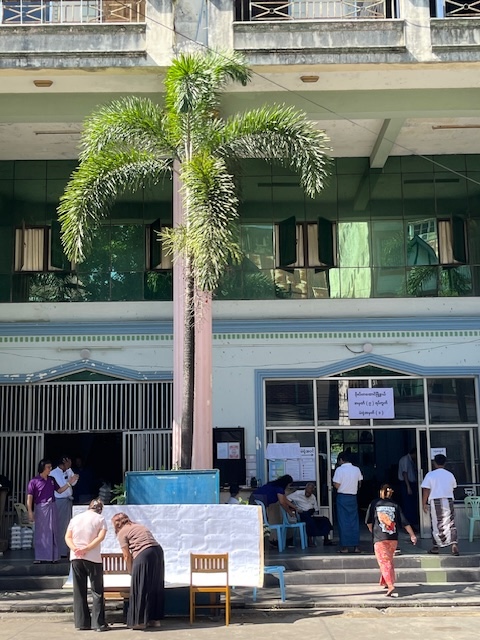
Prosthetics marketed by I-Walk at an event marking resistance to Myanmar’s military coup of five years ago. The enterprise has a waiting list of over 3,000 people. Credit: Guy Dinmore/IPS

Prosthetics marketed by I-Walk at an event marking resistance to Myanmar’s military coup of five years ago. The enterprise has a waiting list of over 3,000 people. Credit: Guy Dinmore/IPS

MYANMAR & THAILAND, Feb 4 2026 (IPS) – Five years of conflict since the military seized power have reduced Myanmar to a failed state and taken a huge toll of lives lost and destroyed. But with all sides seeking total victory, there is no end in sight.


Levels of medieval brutality enhanced by modern technology have enabled the military junta, with help from China, to swing the fortunes of war back in its favour, often through air strikes and drone attacks on civilian targets. Torched villages are deserted.

Kyaw Thurein Win, on the anniversary of the military’s February 1, 2021, coup against the elected civilian government, watched his village of Shut Pon burning in the southern region of Tanintharyi – through satellite imagery.

“Today my village is witnessing the cruelty of the military. They set the fires and ordered that they not be stopped. This is beyond inhuman and beyond cruel. Watching this happen from afar is unbearable,” he wrote on Facebook.

While the strength of anti-regime defiance and determination is undeniable among many in Myanmar, there is also a growing realisation – especially among former combatants — that the resistance will not win this war so soon, if at all.

“It is a stalemate. Nobody can win,” said one military defector, saying that cries of total victory by both the regime and the resistance ring hollow.

A young woman who runs a safe house for former child soldiers as young as 13 says she joined the People’s Defence Forces of the resistance that sprang up against military rule in 2021. But she soon came to realise that, for her at least, war was not the answer and started taking in children forced by poverty and displacement to become fighters against the regime.

She rails against the “whatever it takes” mentality and the toll it takes.

“The civilian suffering is ignored or exploited,” she says, attending a coup anniversary event – a mix of politics and culture and foodstalls –  organised by anti-regime civilian activists in Chiang Mai, northern Thailand. She shares a picture of ‘Commando’ in uniform, armed to the teeth. He was 12 at the time.

Sayarma Suzanna, fundraising for her school in Kayin State, the Dr Thanbyah Christian Institute for displaced and local children, said she and her 97 students spent all of November hiding in the nearby forest because of air strikes.

“You have to understand that when the students don’t listen to you during lessons, it is because of their trauma,” she said, recounting how one student lost seven family members in air strikes on their village.

At a nearby stall, the manager of I-Walk displayed an array of quality prosthetic limbs made by his enterprise as affordable as possible. He has a waiting list of over 3,000 people.

Myanmar is the most landmined country in the world with the highest rate of casualties. It also ranks as the biggest producer of illicit opium and a major source of synthetic drugs. Networks of online scam centres run by criminal gangs and militia groups close to the regime have trafficked tens of thousands of people from multiple countries, scamming billions of dollars.

The UN says 5.2 million people have been displaced by conflict inside the country and across borders. Cuts by rich countries to aid budgets have had a crippling impact. Some clinics are reduced to dispensing just paracetamol.

This year’s coup anniversary coincided with the conclusion of parliamentary and regional elections tightly orchestrated by the regime over the scattered and sometimes totally isolated areas of territory it controls, which include all major cities.

The three-phase polls – endorsed by China and Russia but slammed by the UN and most democracies except notably the US – excluded the National League for Democracy, which won landslide election victories in 2015 and 2020.

NLD leader Aung San Suu Kyi has been held in prison since the coup. There is speculation that Senior General Min Aung Hlaing might move her to better conditions of house arrest after the military’s Union Solidarity and Development Party, led by former senior officers, forms a nominally civilian government in April.

The USDP is cruising towards its managed landslide victory, according to almost complete results released last week.

The UN said it had reliable reports of at least 170 civilians killed in regime attacks during the month-long election period. Other estimates put the figure considerably higher.

One airstrike in Kachin State in northern Myanmar reportedly killed 50 civilians on January 22. Long-running attempts by the Kachin Independence Army and resistance forces to capture the nearby and heavily defended Bhamo town from the military have been costly. Some analysts ask, for what gain?’

Kachin State’s second biggest town is strategically located on a trade route to China but most of its 55,000 or so inhabitants have long since fled. The military would surely respond with heavy air strikes to any occupation by the resistance.

Data gathered by ACLED, a nonprofit organisation that analyses data on political violence, indicates over 90,000 total conflict-related deaths since the coup. The military, reliant on forced conscription, has borne the brunt of casualties, but civilian deaths are estimated at over 16,000.

“The military has carried out air strikes, indiscriminately or deliberately attacking civilians in their homes, hospitals, and schools,” said Nicholas Koumjian, head of the Independent Investigative Mechanism for Myanmar, adding that there is evidence that civilians have endured atrocities amounting to crimes against humanity and war crimes since the military takeover.

The IIMM is also investigating a growing number of allegations of atrocities committed by opposition armed groups, over which the parallel National Unity Government set up by lawmakers ousted in the coup has little or no control.

Former combatants say rogue People’s Defence Forces are also extorting money from local populations and holding people to ransom.

“Myanmar remains mired in an existential crisis – measured both in human security and the state’s shrinking sovereignty as rival centres of power harden on the ground,” the Institute for Strategy and Policy – Myanmar, a think-tank, stated in its recent annual review.

“The regime is meanwhile trying to break the current stalemate by accelerating counter-offensives on three fronts: military, diplomatic and political,” it said. The military-staged elections of 2010 led to a process of political and economic reforms but this time the regime intended to impose its own terms, the think tank said.

It warned of the risk that ethnic armed groups controlling swathes of border territories with Bangladesh, India, China and Thailand would end up – not for the first time – negotiating bilateral ceasefires and “rent sharing arrangements” with the regime. These would “consolidate the power of armed elites and reinforce central control rather than advance democracy, human rights or the rule of law.”

On Sunday, a panel discussion featuring anti-regime politicians and activists hosted by Chiang Mai University reinforced the sense of an opposition fragmented along ethnic and geographical lines, even if speakers upheld the principles behind their shared goal of a democratic federal union.

There was the customary rhetoric of “taking down this junta” and “whatever it takes”, but barely a mention of the National Unity Government that is struggling to knit together these diverse forces under the umbrella of a “Federal Supreme Council”.

On the panel, Debbie Stothard, a Malaysian democracy and women’s rights activist long involved with Myanmar, said the resistance needed two more years for victory, as the generals had “bought” one more year with their sham elections.

“Hang in there. We have to keep on going for at least two more years,” she said.

But in the big cities where the regime is starting to try and foster a sense of normality against a dire economic backdrop, the mood on the street appears more of resignation than defiance.

“When we started protesting against the regime in the streets in 2021, I told my husband we would defeat the military in three months,” an elderly Chin activist told IPS in Yangon, the former capital. “He replied it would take five years. Now I am afraid it will take another five years,” she said.

IPS UN Bureau Report
  Source

Support Science in Halting Global Biodiversity Crisis—King Charles

Africa, Biodiversity, Conferences, Conservation, Development & Aid, Economy & Trade, Editors’ Choice, Environment, Europe, Featured, Global, Headlines, Natural Resources, Sustainable Development Goals, TerraViva United Nations, Trade & Investment

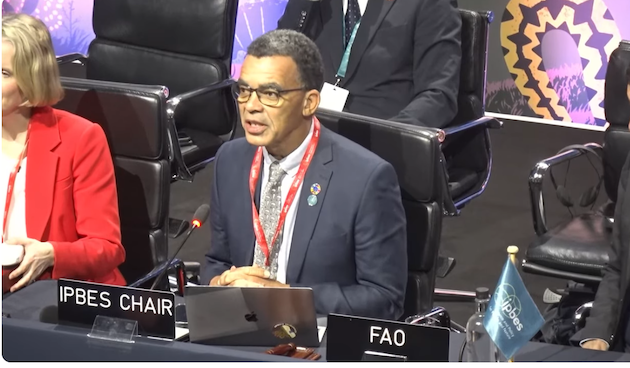
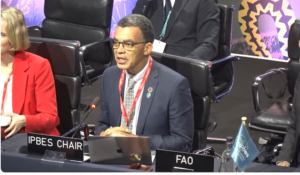
David Oburo, IPBES Chair. Credit: Busani Bafana/IPS

David Oburo, IPBES Chair. Credit: Busani Bafana/IPS

BULAWAYO, Feb 3 2026 (IPS) – British Monarch King Charles says science is the solution to protecting nature and halting global biodiversity loss, which is threatening humanity’s survival.


In a message to the 12th session of the Plenary of the Intergovernmental Science-Policy Platform on Biodiversity and Ecosystem Services (IPBES), which opened in Manchester, United Kingdom, this week, King Charles said nature is an important part of humanity but is under serious threat, which science can help tackle.

“We are witnessing an unprecedented, triple crisis of biodiversity loss, climate change, and pollution at a pace that far outstrips the planet’s ability to cope,” said King Charles in a message delivered by Emma Reynolds, United Kingdom Secretary of State for Environment, Food and Rural Affairs.

Science is the Solution

“The best available science can help inform decisions and actions to steward nature and, most importantly, to restore it for future generations, “ King Charles noted, pointing out that humanity has the knowledge to reverse the existential crisis and transition towards an economy that prospers in harmony with nature.

Delegates representing the more than 150 IPBES member governments, observers, Indigenous Peoples,  local communities and scientists are meeting for the  IPBES’ 12th Session, expected to approve a landmark new IPBES Business & Biodiversity Assessment. The report,  a 3-year scientific assessment involving 80 expert authors from every region of the world, will become the accepted state of science on the impacts and dependencies of business on biodiversity and nature’s contributions to people. It will provide decision-makers with evidence and options for action to measure and better manage business relationships with nature.

The King lauded IPBES for bringing together the world’s leading scientists, indigenous and local knowledge, citizen science and government to share valuable knowledge through the Business and Biodiversity Report—the first of its kind.

“I pray with all my heart that it will help shape concrete action for years to come, including leveraging public and private finance to close by 2030 the annual global biodiversity gap of approximately USD 700 billion,” said King Charles.

IPBES Chair, Dr. David Obura, highlighted that the approval of the IPBES Business and Biodiversity Assessment is important just days after the World Economic Forum’s 2026 Global Risks Report again spotlighted biodiversity loss as the second most urgent long-term risk to business around the world.

“In transitioning and transforming, businesses should all experience the rewards of being sustainable and vibrant, benefiting small and large,” Obura emphasized. “The Business Biodiversity assessment synthesizes the many tools and pathways available to do this and provides critical support for businesses across all countries to work with nature and people and not to work against either or both.”

Addressing the same delegates, Emma Reynolds,  UK Secretary of State for Environment, Food and Rural Affairs, highlighted the urgency of collective action, the critical role of science, and the opportunities for business in nature.

Reynolds noted there was momentum around the world as countries were restoring wetlands and forests, communities were reviving degraded landscapes and businesses were increasingly investing in nature after realizing that nature delivers real returns.

“The tide for nature is beginning to turn, but we cannot afford to slow down,” said Reynolds. “The window to halt diversity loss by 2030 is narrowing. We need to build on that momentum, and we need to do it now.”

Multilateralism, a must for protecting nature

Paying tribute to IPBES for supporting scientific research, Reynolds emphasized that the rest of the world must step forward when others are stepping back from international cooperation. This is to demonstrate that protecting and restoring nature was not just an environmental necessity but essential for global security and the economy.

“The UK’s commitment to multilateralism remains steadfast,” she said. “We believe that by working together, sharing knowledge, aligning policies, and holding one another accountable, we can halt and reverse the diversity loss by 2030,.“

In January 2026, the United States withdrew its participation in IPBES, alongside 65  international organizations and bodies, including the International Union for Conservation of Nature (IUCN), the UN Framework Convention on Climate Change (UNFCCC) and the Paris Agreement.

The United States was a founding member of IPBES, and since its establishment in 2012, scientists, policymakers, and stakeholders—including Indigenous Peoples and local communities—from the United States have been among the most engaged contributors to its work.

The approval of the Business and Biodiversity Assessment by IPBES government members this week will be multilateralism in action, she said, noting that the assessment would not be possible without the critical role of science.

Reynolds underscored the need to base sound policy on solid scientific evidence. Decisions made in negotiating rooms and capitals around the world must be guided by the best and most up-to-date science available. IPBES  exists to provide exactly that.

Noting that the business depends on nature for raw materials, clean water, a stable climate, and food, Reynolds said companies that recognize their dependency on nature are proving that nature-positive investment works.

“Business as well as the government must act now to protect and restore nature… we have the science. We have the frameworks… What we need now is action.”

“Nature loss is now a systemic economic risk. That’s precisely why the assessment on business impact and dependencies is both urgent and necessary,” said  Inger Andersen, executive director of the United Nations Environment Programme (UNEP).

“The first-ever business and diversity assessment will deliver authoritative evidence on how businesses depend on nature, how they impact it, and what that means for risk, for resilience, and for long-term value creation.”

Business and Biodiversity are linked

Underscoring that biodiversity loss is linked to the wider planetary crisis, Astrid Schomaker, executive secretary of the Convention on Biological Diversity, paid tribute to IPBES as a provider of science as a public good.

“IPBES has remained a  ‘beacon of knowledge at a time when science  and knowledge itself is under strain and when the voices of disinformation are sometimes louder than the facts,” said Schomaker, noting that ahead of the first global stocktake of progress in the implementation of the Kunming-Montreal Global Biodiversity Framework (KMGBF), the science provided by IPBES would be invaluable.

“The Business and Biodiversity assessment constitutes a win for everyone. Clarifying that biodiversity loss isn’t just an environmental issue; it’s a serious threat to economic systems, livelihoods, business profitability, and societal resilience. Biodiversity simply underpins and provides the stability we all need.”

Target 15 of the KMGBF, focuses on business reducing negative impacts on biodiversity and global businesses need to assess and disclose biodiversity-related impacts.

IPBES executive secretary, Dr. Luthando Dziba, said IPBES was on track to deliver, in the coming years, crucial knowledge and inspiration to support the implementation of current goals and targets of the KMGBF, and to provide the scientific foundation needed by the many processes now shaping the global agenda beyond 2030.

IPS UN Bureau Report


World Living Beyond Its Means: Warns UN’s Global Water Bankruptcy Report

Armed Conflicts, Climate Change, Combating Desertification and Drought, Conferences, Conservation, Editors’ Choice, Environment, Featured, Global, Headlines, Migration & Refugees, Natural Resources, Sustainable Development Goals, TerraViva United Nations

Water & Sanitation

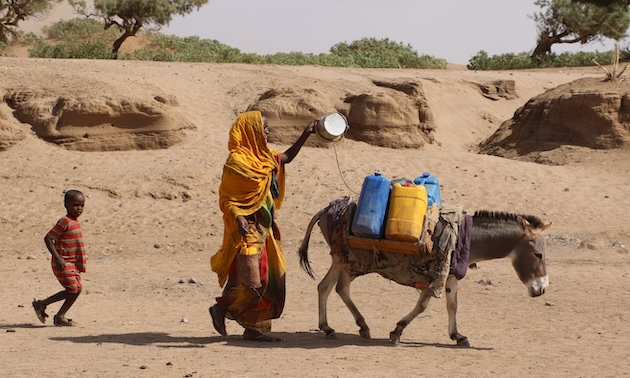
Collecting water in Ethiopia. A new report, ‘Global Water Bankruptcy: Living Beyond Our Hydrological Means in the Post Crisis Era’ warns that many of the earth’s water resources have been pushed to a point of permanent failure. Credit: EU/ECHO/Anouk Delafortrie/IPS

Collecting water in Ethiopia. A new report, ‘Global Water Bankruptcy: Living Beyond Our Hydrological Means in the Post Crisis Era’ warns that many of the earth’s water resources have been pushed to a point of permanent failure. Credit: EU/ECHO/Anouk Delafortrie/IPS

UNITED NATIONS & SRINAGAR, India, Jan 20 2026 (IPS) – The world has entered what United Nations researchers now describe as an era of Global Water Bankruptcy, a condition where humanity has irreversibly overspent the planet’s water resources, leaving ecosystems, economies, and communities unable to recover to previous levels.


The new report, released by the United Nations University Institute for Water, Environment and Health, titled Global Water Bankruptcy: Living Beyond Our Hydrological Means in the Post-Crisis Era. The report argues that decades of overextraction, pollution, land degradation, and climate stress have pushed large parts of the global water system into a permanent state of failure.

“The world has entered the era of Global Water Bankruptcy,” the report reads, adding that “in many regions, human water systems are already in a post-crisis state of failure.”

According to the report, the language of “water crisis” is no longer sufficient to explain what is happening. A crisis implies a shock followed by recovery. Water bankruptcy, by contrast, describes a condition where recovery is no longer realistically possible because natural water capital has been permanently damaged.

In an exclusive interview with Inter Press Service, former Deputy Head of Iran’s Department of Environment  Prof. Kaveh Madani, who currently is the Director at United Nations University, Institute for Water, Environment and Health, said that declaring that the planet has entered the era of water bankruptcy must not be interpreted as universal water bankruptcy, as not all basins, aquifers, and systems are water bankrupt.

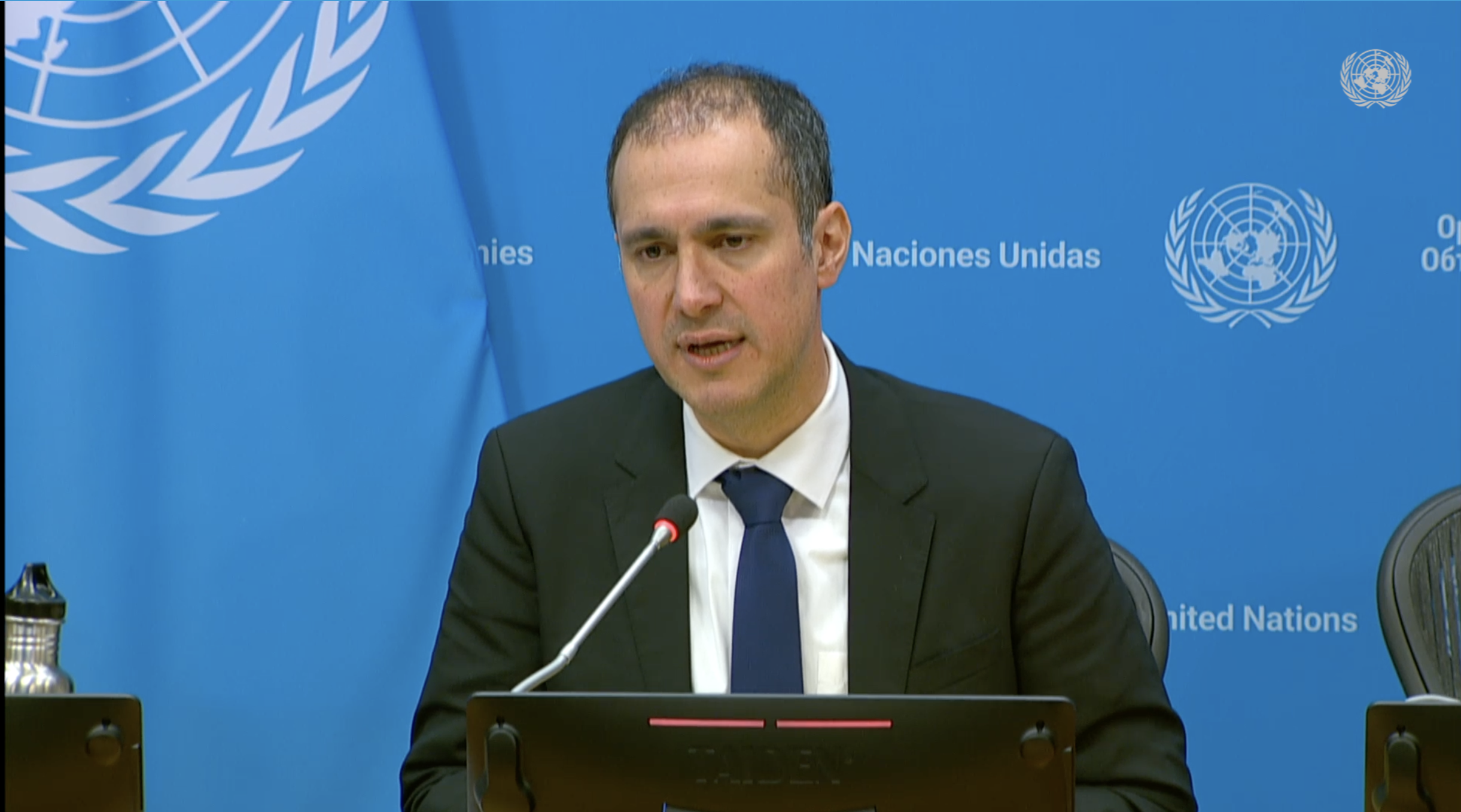
 Prof. Kaveh Madani, Director at the United Nations University, Institute for Water, Environment and Health, addresses the UN midday press briefing. Credit: IPS

Prof. Kaveh Madani, Director at the United Nations University, Institute for Water, Environment and Health, addresses the UN midday press briefing. Credit: IPS

“But we now have enough critical basins and aquifers in chronic decline and showing clear signs of irreversibility that the global risk landscape is already being reshaped. Scientifically, we know recovery is no longer realistic in many systems when we see persistent overshoot (using more than renewable supply) combined with clear markers of irreversibility—for example aquifer compaction and land subsidence that permanently reduce storage, wetland and lake loss, salinization and pollution that shrink usable water, and glacier retreat that removes a long-term seasonal buffer. When these signals persist over time, the old “bounce back” assumption stops being credible,” Madani said.

According to the report, over decades, societies have drawn down the renewable flow of rivers and rainfall besides long-term reserves stored in aquifers, glaciers, wetlands, and soils. At the same time, pollution and salinization have reduced the share of water that is safe or economically usable.

“Over decades, societies have withdrawn more water than climate and hydrology can reliably provide, drawing down not only the annual income of renewable flows but also the savings stored in aquifers, glaciers, soils, wetlands, and river ecosystems,” the report says.

The scale of the problem, as per the report, is global. Nearly three-quarters of the world’s population now lives in countries classified as water insecure or critically water insecure.

Around 2.2 billion people still lack safely managed drinking water, while 3.5 billion lack safely managed sanitation. About 4 billion people, as per the report findings, experience severe water scarcity for at least one month every year.

Madani said, adding that water bankruptcy is best assessed basin by basin and aquifer by aquifer, not by country.

“Please note that, based on the water security definition used by the UN system, water insecurity and water bankruptcy are not equivalent. Water bankruptcy can drive water insecurity, but water insecurity can also stem from limited financial and institutional capacity to build and operate infrastructure for safe water supply and sanitation, even where physical water is available,” he explained.

Madani added that the regions most consistently closest to irreversible decline cluster in the Middle East and North Africa, Central and South Asia, parts of northern China, the Mediterranean and southern Europe, the southwestern United States and northern Mexico (including the Colorado River system), parts of southern Africa, and parts of Australia.

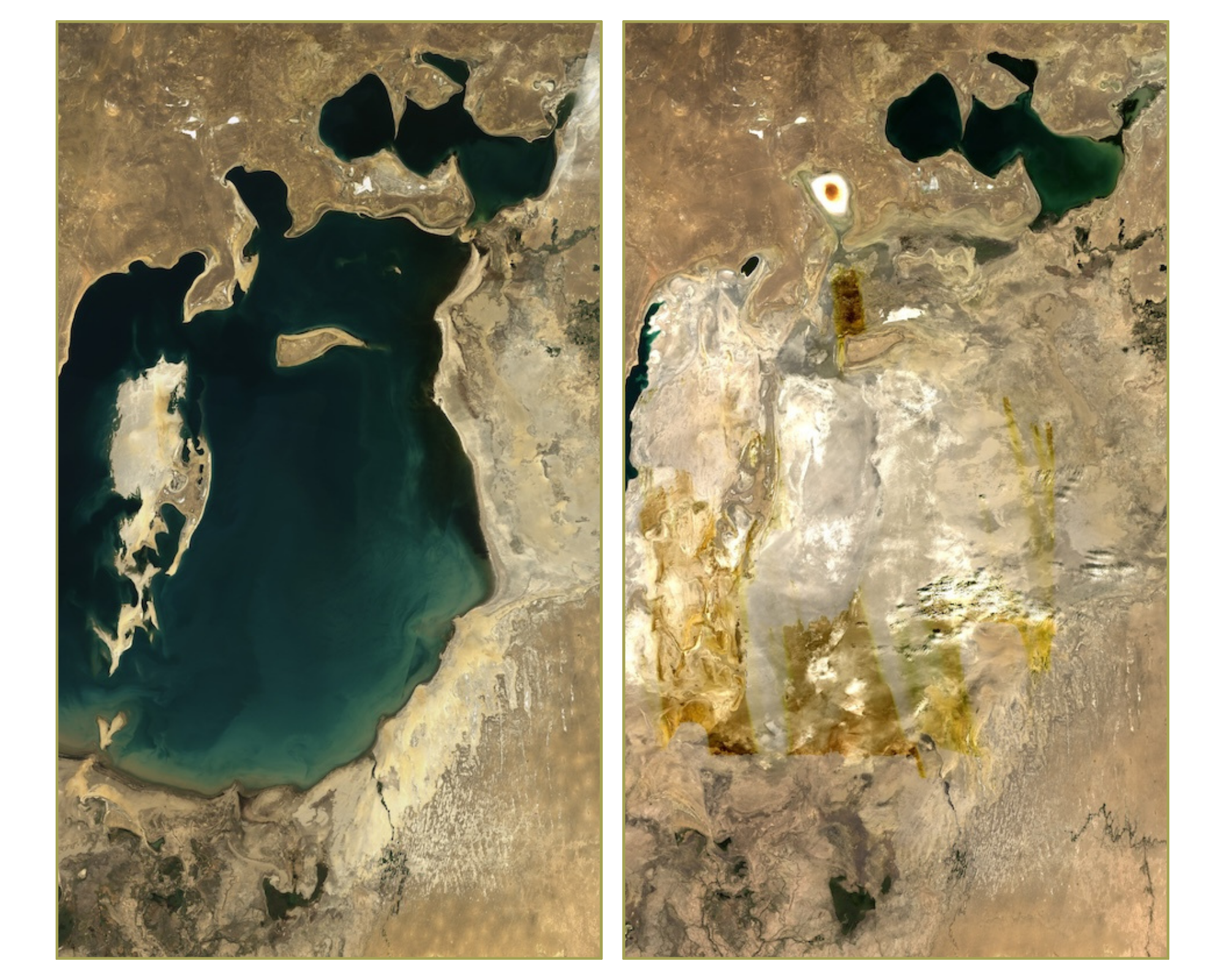
The Aral Sea, which lies between Kazakhstan and Uzbekistan shows dramatic water loss between 1989 and 2025. Credit: UNU-INWEH

The Aral Sea, which lies between Kazakhstan and Uzbekistan, shows dramatic water loss between 1989 and 2025. Credit: UNU-INWEH

Surface Water Systems Are Shrinking Rapidly

The report shows how more than half of the world’s large lakes have lost water since the early 1990s, affecting nearly one quarter of the global population that depends directly on them. Many major rivers now fail to reach the sea for parts of the year or fall below environmental flow needs.

Massive losses have occurred in wetlands, which serve as natural buffers against floods and droughts. Over the past five decades, the report claims that the world has lost roughly 410 million hectares of natural wetlands, almost the size of the European Union. The economic value of lost ecosystem services from these wetlands exceeds 5.1 trillion US dollars.

Groundwater depletion is one of the clearest signs of water bankruptcy. Groundwater, says the report, now supplies about 50 percent of global domestic water use and over 40 percent of irrigation water. Yet around 70 percent of the world’s major aquifers show long-term declining trends.

“Excessive groundwater extraction has already contributed to significant land subsidence over more than 6 million square kilometers,” the report says, warning that in some locations land is sinking by up to 25 centimeters per year, permanently reducing storage capacity and increasing flood risk.

In coastal areas, overpumping has allowed seawater to intrude into aquifers, rendering groundwater unusable for generations. In inland agricultural regions, falling water tables have triggered sinkholes, soil collapse, and the loss of fertile land.

These satellite images show a dramatic impact of the Aru glacier collapses in western Tibet. First image was taken in 2017 and the second in 2025. Credit: UNU-INWEH

These satellite images show a dramatic impact of the Aru glacier collapses in western Tibet. First image was taken in 2017 and the second in 2025. Credit: UNU-INWEH

The cryosphere, glaciers and snowpacks that act as natural water storage systems are also being rapidly liquidated. The world has already lost more than 30 percent of its glacier mass since 1970. Several low- and mid-latitude mountain ranges could lose functional glaciers within decades.

“The liquidation of this frozen savings account interacts with groundwater depletion and surface water over-allocation to lock many basins into a permanent worsening water deficit state,” says the report.

This loss, as per the report, threatens the long-term water security of hundreds of millions of people who depend on glacier- and snowmelt-fed rivers for drinking water, irrigation, and hydropower, particularly in Asia and the Andes.

Madani said the biggest failure was treating groundwater as an unlimited safety net instead of a strategic reserve.

He says that when surface water tightened, many systems defaulted to “drill deeper” without enforceable caps.

“Authorities often recognize the consequences when it is already late, and meaningful action then faces major political barriers. For example, reducing groundwater use in farming can trigger unemployment, food insecurity, and even instability unless farmers are supported through short-term compensation and a longer-term transition to alternative livelihoods,” he added.

According to Madani, that kind of transition cannot be implemented overnight.

“So, business as usual continues. The result is predictable: groundwater gets “liquidated” to postpone hard choices, and by the time the damage is obvious, recovery is no longer realistic,” he told IPS news.

Agriculture Lies at the Heart of the Crisis

According to the report, farming accounts for approximately 70 percent of global freshwater withdrawals. About 3 billion people and more than half of the world’s food production are located in regions where total water storage is already declining or unstable.

The report states that more than 170 million hectares of irrigated cropland are under high or very high water stress. Land and soil degradation are making matters worse by reducing the ability of soils to retain moisture. The degradation of more than half of the global agricultural land is now moderate or severe.

Drought, once considered a natural hazard, is increasingly driven by human activity. Overallocation, groundwater depletion, deforestation, land degradation, and climate change have turned drought into a chronic condition in many regions.

“Drought-related damages, intensified by land degradation, groundwater depletion and climate change rather than rainfall deficits alone, already amount to about 307 billion US dollars per year worldwide,” the report states.

Water quality degradation further shrinks the usable resource base. Pollution from untreated wastewater, agricultural runoff, industrial effluents, and salinization means that even where water volumes appear stable, much of that water is unsafe or too costly to treat.

The report adds that the planetary freshwater boundary has already been crossed. Both blue water, surface and groundwater, and green water, soil moisture, have been pushed beyond a safe operating space.

Current governance systems, the authors argue, are not fit for this reality. Many legal water rights and development promises far exceed degraded hydrological capacity. Existing global agendas, focused largely on drinking water access, sanitation, and incremental efficiency gains, are inadequate for managing irreversible loss.

“Water bankruptcy must be recognized as a distinct post-crisis state, where accumulated damage and overshoot have undermined the system’s capacity to recover,” the report says.

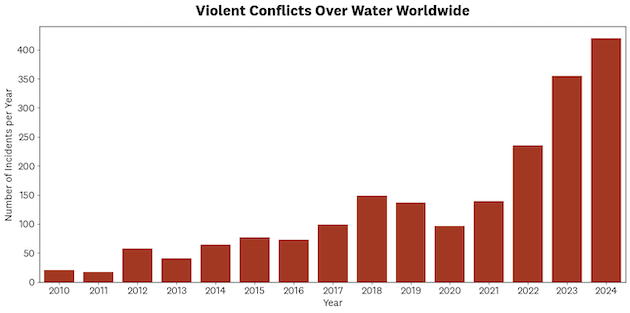
Water bankruptcy could result in an increase in conflicts. Credit: UNU-INWEH

Water bankruptcy could result in a further increase in conflicts. Credit: UNU-INWEH

It warns that the implications of water bankruptcy are dire.

UN Under-Secretary-General Tshilidzi Marwala, Rector of UNU explains,  “Water bankruptcy is becoming a driver of fragility, displacement, and conflict. Managing it fairly—ensuring that vulnerable communities are protected and that unavoidable losses are shared equitably—is now central to maintaining peace, stability, and social cohesion.”

Policy Implications

Instead of crisis management aimed at restoring the past, the report actually pitches for bankruptcy management. That means acknowledging insolvency, accepting irreversibility, and restructuring water use, rights, and institutions to prevent further damage.

The authors lay stress on the fact that water bankruptcy is also a justice and security issue. The costs of overshoot fall disproportionately on small farmers, rural communities, women, Indigenous peoples, and downstream users, while benefits have often accrued to more powerful actors.

“How societies manage water bankruptcy will shape social cohesion, political stability, and peace,” the report warns.

Furthermore, it urges governments and international institutions to use upcoming UN Water Conferences in 2026 and 2028 as milestones to reset the global water agenda, calling for water to be treated as an upstream sector central to climate action, biodiversity protection, food security, and peace.

“This is about a crisis that might arrive in the future. The world is already living beyond its hydrological means,” reads the report.

When asked why the report frames water bankruptcy as a justice and security issue and how governments can implement painful demand reductions without triggering social unrest or conflict, Madani said the demand reduction becomes dangerous when it is treated as a technical exercise instead of a political economy reform. In many water-bankrupt regions, according to him, water is effectively a jobs policy: it keeps low-productivity farming and local economies afloat.

“If you cut water without an economic transition, you create unemployment, food insecurity, and unrest. So the practical pathway is to decouple livelihoods and growth from water consumption. In many economies, water and other natural resources are used to keep low-efficiency systems alive. In most places, it is possible to produce more strategic food with less water and less land, and with fewer farmers—provided that farmers are supported through a transition and offered alternative livelihoods.”

According to Madani, governments should protect basic needs but target the big reductions where most water is used, especially agriculture and besides that, pair caps with a just transition package for farmers—compensation, insurance, buy-down or retirement of water entitlements where relevant, and real income alternatives.

He further suggests that the governments should invest in diversification, including services, industry, value-added agri-processing, and urban jobs, so communities can earn a living without expanding water withdrawals.

“In short, you avoid conflict by making demand reduction part of a broader economic transition, not a standalone water policy.”

IPS UN Bureau Report


Gaza: Physicians Call For Unimpeded Aid To Restore Reproductive Healthcare

Aid, Armed Conflicts, Civil Society, Development & Aid, Editors’ Choice, Featured, Gender, Headlines, Health, Human Rights, Humanitarian Emergencies, Middle East & North Africa, Population, Sustainable Development Goals, TerraViva United Nations, Women’s Health

Armed Conflicts

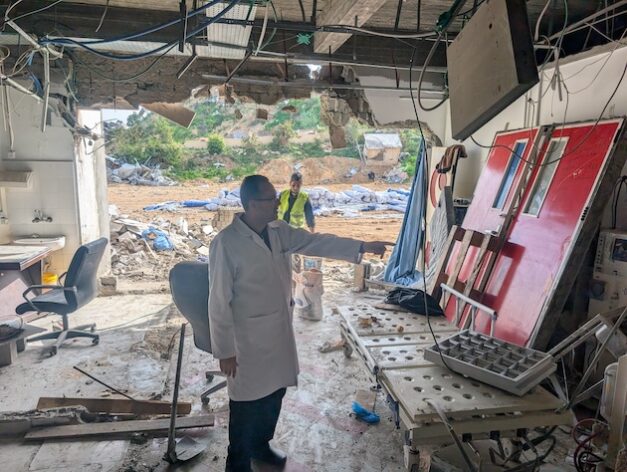
Cardiologist Dr. Marwan Sultan, then Director of the Indonesian Hospital in north Gaza, in February 2025 showing damage to hospital equipment following an Israeli attack on the facility a few months prior. In July 2025, Dr. Sultan was killed in an Israeli strike on the apartment where he was sheltering with his family. Credit: PHR/GHRC

Cardiologist Dr. Marwan Sultan, then Director of the Indonesian Hospital in north Gaza, in February 2025 showing damage to hospital equipment following an Israeli attack on the facility a few months prior. In July 2025, Dr. Sultan was killed in an Israeli strike on the apartment where he was sheltering with his family. Credit: PHR/GHRC

BRATISLAVA, Jan 14 2026 (IPS) – Israel must lift all restrictions on medicine, food and aid coming into Gaza, rights groups have demanded, as two reports released today (Jan 14) document how maternal and reproductive healthcare have been all but destroyed in the country.


In two separate reports released jointly, Physicians for Human Rights (with the Global Human Rights Clinic at the University of Chicago Law School) and Physicians for Human Rights–Israel (PHR-I) show how the war in Gaza has led to rising maternal and neonatal mortality, births under dangerous conditions, and the systematic destruction of health services for women in Gaza.

The reports from the two groups, which are independent organizations, provide both detailed clinical analysis of the collapse of Gaza’s health system and its medical consequences as well as firsthand testimonies from clinicians and pregnant and breastfeeding women in Gaza forced to live and care for their newborns in extreme conditions.

And the organizations say that with conditions improving only marginally for many women despite the current ceasefire, Israel must roll back restrictions placed on aid and immediately help ensure people in Gaza get access to the healthcare they need.

Israel’s destruction of Gaza’s health infrastructure, combined with untreated malnutrition resulting from restrictions on food and medical supplies, including baby formula, has created an environment in which the fundamental biological processes of reproduction and survival have been systematically destroyed, resulting in known and foreseeable harm, pain, suffering, and death,” Sam Zarifi, Physicians for Human Rights (PHR) Executive Director, said.

“Israel must immediately allow food and essential medical material to enter Gaza with a proper medical plan for helping the besieged population,” he added.

Israeli military operations following Hamas’s attack on Israel on October 7, 2023, have left massive destruction across Gaza, including to healthcare facilities. According to UNICEF, 94 percent of hospitals have been damaged or destroyed.

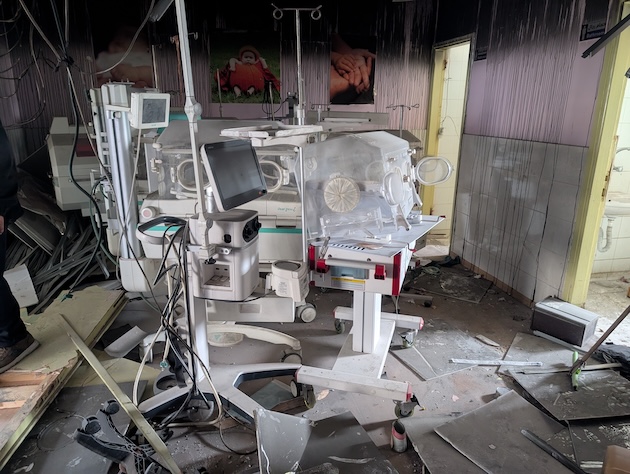
1.Destroyed incubators and equipment at the Kamal Adwan Hospital Neonatal Intensive Care Unit in north Gaza, following the targeting and raid of the facility by the Israeli forces in December 2024. Credit: PHR/GHRC

Destroyed incubators and equipment at the Kamal Adwan Hospital Neonatal Intensive Care Unit in north Gaza, following the targeting and raid of the facility by the Israeli forces in December 2024. Credit: PHR/GHRC

Maternal and reproductive healthcare has suffered. Before the war, Gaza had eight neonatal intensive care units with 178 incubators. Today, the number of incubators has dropped by 70 percent. In the north, there were 105 incubators across three NICUs, now there are barely any functional units remaining, UNICEF told IPS.

It says that the numbers of low birth weight babies have nearly tripled compared to pre-war levels and the number of first-day deaths of babies increased by 75 percent.

The PHR and PHR-I reports paint a similar picture.

The PHR report, which focuses on the period between January 2025 and October 2025 when a ceasefire was agreed, details how between May and June last year, the Palestinian Ministry of Health reported a 41 percent decrease in the birth rate in Gaza compared to the same time period in 2022; there was a significant increase in miscarriages that affected more than 2,600 women, and 220 pregnancy-related deaths that occurred before delivery.

The ministry also reported a sharp increase in premature births and low birth weight cases; over 1,460 babies were reported to be born prematurely, while more than 2,500 were admitted to neonatal intensive care. Newborn deaths also increased, with at least 21 babies reported to have died on their first day of life.

Meanwhile, the PHR-I report includes personal testimonies illustrating the severe problems pregnant women and women with newborns have faced in Gaza during the war, from lacking safe routes to care and being forced to give birth in unsanitary, dangerous conditions to battling hunger and severe food shortages as they try to breastfeed their children.

One woman, Samah Muhammad Abu Mustafa, a 30-year-old mother of two from Khuza’a, Khan Youni, described how when her contractions began in the middle of the night, because there were no vehicles and very few ambulances, which are reserved for shelling or other critical emergencies, she had to walk a long distance through rain. When she eventually reached the hospital, she said it was “horrifying.”

“I swear, one woman gave birth in the corridor, and her baby died. It was very crowded, and the doctors worked nonstop. I felt as though I could give birth at any moment. After giving birth to my eldest daughter, I was told I should not deliver naturally again because my pelvis was too narrow. Despite this, the doctors said I would have to deliver naturally because a cesarean section required anesthesia, and there was not enough available. I stood for three hours until it was finally my turn, without sitting even for a moment,” she said.

But despite the October 2025 ceasefire, massive problems remain with women’s access to and the provision of, maternal and reproductive healthcare in Gaza.

“Maternal health units in Gaza are largely non-functional and face critical shortages of essential medicines, consumables, and equipment,” Lama Bakri, project coordinator in the Occupied Territories Department at PHR-I, told IPS.

“Neonatal and diagnostic equipment remains scarce or blocked, including portable incubators for premature and low-birth-weight newborns. Although some aid has entered since the ceasefire, these gaps are not being addressed at the scale required, and meaningful improvement in the immediate future remains unlikely.”

Malnutrition also remains a serious problem.

“The ceasefire has allowed us to significantly scale up our nutrition response, but we are still treating pregnant and breastfeeding women for acute malnutrition in alarmingly high numbers,” Ricardo Pires, Communication Manager, Division of Global Communications & Advocacy at UNICEF, told IPS.

He said that between July and September 2025 about 38 percent of pregnant women screened were diagnosed with acute malnutrition.

“In October alone, we admitted 8,300 pregnant and breastfeeding women for treatment, about 270 a day, in a place where there was no discernible malnutrition among this group before October 2023,” he added.

UNICEF has documented almost 6,800 children admitted for acute malnutrition treatment in November 2025 compared to 4,700 cases in November 2024. So far, the number of admitted cases more than doubled in 2025 compared to 2024: almost 89,000 admissions of children to date in 2025, compared to 40,000 cases in 2024, and almost none before 2023.

“What we’re seeing is that no child meets minimum dietary diversity standards, and two-thirds of children are surviving on just two food groups or less. Around 90 percent of caregivers reported their children had been sick in the previous two weeks, which compounds the malnutrition crisis,” Pires said.

And there are fears for the longer-term demographic future of Gaza given the damage to maternal and reproductive healthcare.

“For Gaza’s demographic future, the implications are serious. Even with reconstruction, we will be dealing with a generation of children who were scarred before they took their first breath, children who may face lifelong health complications, developmental challenges, and the effects of stunting. The rebuilding must start now, but we should be clear-eyed: the damage to maternal and newborn health will echo for years, potentially decades,” said Pires.

But others say that with cooperation between international actors and the right political will, the situation need not remain so dire.

“To rehabilitate the population after everything that has happened is going to be a real issue, [but] now there is a Board of Peace, the needs of pregnant women and maternal and reproductive healthcare can be prioritized,” Zarifi told IPS.

“The capacity and the will exist among Gazans and Gazan healthcare workers to rebuild the healthcare system, including maternal and reproductive health services,” added Bakri. “The primary obstacle is not technical or professional but political: Israel’s control over Gaza’s borders and the restrictions on the entry of essential equipment, medical supplies, and reconstruction materials. With unrestricted access to what is needed to rehabilitate hospitals, rebuild destroyed units, and restock essential medicines, recovery is entirely feasible. Whether maternal and reproductive healthcare can return to pre-war levels depends on sustained international pressure to allow that access.”

Although some aid has entered since the ceasefire, these gaps are not being addressed at the scale required, and meaningful improvement in the immediate future remains unlikely.

However, while both NGOs like PHR and PHR-I and others, alongside international bodies like the UN, stress that any recovery and reconstruction in Gaza requires the ceasefire to hold and consolidate, repeated violations underline its fragility, and the effect that has on women.

Meanwhile, PHR and PHR-I point out that extreme weather and ongoing Israeli restrictions on medicine and food getting to Gaza to this day continue to severely affect pregnant women, new mothers, and babies. On top of this, Israel has also announced it will bar 37 international aid groups from working in Gaza, potentially compounding the problems.

Bakri said such measures were jeopardizing what small gains had been made since the ceasefire and “raise serious concerns about whether the situation can improve.”

“Even after the ceasefire, while bombardment has decreased, the reality these women face remains catastrophic – not only for their bodies and well-being but for the survival of the entire society,” said Bakri.

Zarifi added, “We are worried that the restrictions placed by Israel on some of the major actors in the humanitarian response will hamper access to assistance for those that need it. We have raised questions with the Israeli government as to why specific medicines are not allowed to be brought into Gaza and they say that they are not stopping them from being brought in but they can be brought in by commercial means. That is hard for people who can barely put any money together. These medicines should definitely be coming in through humanitarian channels.”

He also highlighted how important the issue of accountability is in ensuring any progress is made in rebuilding healthcare in Gaza and also limiting the probability of similar devastation in the future.

Both reports concluded that the harms caused by Israeli attacks are not isolated incidents but part of an ongoing pattern of systematic damage to the health of women and their children in Gaza, amounting to reproductive violence.

Israel has denied this and said that attacks on hospitals in Gaza have been because the medical facilities are being used by Hamas, and it has maintained that its forces adhere to international law.

While under international law healthcare facilities have special protection even in war, and attacks on them are prohibited, that protection is lost if they are deemed to fulfill criteria to be considered military objectives, such as housing militaries and arms.

However, any attack on them must still comply with the fundamental principles of distinction, proportionality and precautions in attack and failure to respect any of these principles constitutes a breach of international humanitarian law, according to the UN.

“These attacks are part of a deliberate policy designed to create a domino effect of suffering. From starvation and militarized aid distribution by the GHF, to lack of access to clean water, repeated displacement orders, living in shelters under continuous bombardment, and exposure to infections, disease, and harsh weather, the attacks on maternal and reproductive healthcare are another piece of this puzzle. Together, these conditions were created to systematically destroy the fabric of life in Gaza and reduce the population’s ability to survive,” said Bakri.

“The Israeli government has justified attacks on healthcare facilities by saying this was a problem caused by Hamas. We haven’t had an indication of this but it might be true. But in any case there has to be an investigation of these incidents and we hope the Israeli government will carry out such an investigation,” said Zarifi.

“But what is really alarming to us is that the norms prohibiting attacks on healthcare have been repeatedly violated, and there are also laws governing the protection of women and children that appear to have been violated. The only thing that makes these norms work is accountability. There has to be accountability for what happened, as it is the only way we can ensure that what has happened won’t happen in other conflicts. Impunity is watched by other actors around the world,” he added.

IPS UN Bureau Report

  Source

Excluding Food Systems From Climate Deal Is a Recipe for Disaster

Africa, Climate Change, Climate Change Justice, Conferences, COP30, Development & Aid, Editors’ Choice, Featured, Food and Agriculture, Food Systems, Global, Headlines, Latin America & the Caribbean, Population, Sustainable Development Goals, TerraViva United Nations | Analysis

Food Systems


Food solutions were on display everywhere around COP30—from the 80 tonnes of local and agroecological meals served to concrete proposals for tackling hunger—but none of this made it into the negotiating rooms or the final agreement. —Elisabetta Recine, IPES-Food panel expert

Agriculture is both a challenge and a solution for climate change. Busani Bafana/IPS

Agriculture is both a challenge and a solution for climate change. Busani Bafana/IPS

BULAWAYO, Jan 9 2026 (IPS) – As they ate catered meals, COP30 negotiators had no appetite for fixing broken food systems, a major source of climate pollution, experts warn.


Food systems are the complete journey food takes—from the farm to fork—which means its growing, processing, distribution, trade and consumption and even the waste.

The International Panel of Experts on Sustainable Food Systems (IPES-Food) warns that the final COP30 agreement risks deepening climate and hunger crises.  It failed  to address global warming emissions from food systems and the escalating damages caused by fossil-fuel-dependent industrial agriculture.

Food appears only once in the negotiated text, as a narrow indicator on ‘climate resilient food production’ under the Global Goal on Adaptation, IPES-Food pointed out.

“There is no mention of food systems, no roadmap to tackle deforestation, and no recognition that industrial agriculture drives nearly 90 percent of forest loss worldwide,” noted the think tank, emphasizing that negotiators also weakened language in the Mitigation Work Programme from addressing the ‘drivers’ of deforestation to vague ‘challenges.’

IPES-Food argued that the omission of food systems in the COP30 agreement was in stark contrast to the summit itself, which was held in the heart of the Amazon. Thirty percent of all food served during COP30 came from agroecological family farmers and traditional communities, and concrete public policy proposals for a just transition of food systems were on full display, IPES-Food said.

By not supporting a transition to environmentally friendly and low-emission agriculture, the agreement has left the global food system—and the billions who depend on it—highly vulnerable to the very climate shocks it helps cause, experts said.

“Food solutions were on display everywhere around COP30—from the 80 tonnes of local and agroecological meals served to concrete proposals for tackling hunger—but none of this made it into the negotiating rooms or the final agreement,” said Elisabetta Recine, IPES-Food panel expert and president of the Brazilian National Food and Nutrition Security Council (Consea), in a statement.

“Despite all the talk, negotiators failed to act, and the lived realities of people most affected by hunger, poverty, and climate shocks went unheard.”

Big Oil and Big Ag, Bigger voice

More than 300 industrial agriculture lobbyists were registered as delegates to COP30. They  are blamed for influencing discussions and promoting false solutions to climate change.

“COP30 was supposed to be the Implementation COP—where words turned into action,” Danielle Nierenberg, an expert on sustainable agriculture and food issues and President of Food Tank, told IPS. “But once again, corporate interests won over people, nature, and the future of our food and agriculture systems as part of the solution to the climate crisis.”

Raj Patel, IPES-Food panel expert and professor at the University of Texas, argues that agribusiness lobbyists captured COP30 to influence outcomes favoring industrial agriculture and big oil interests.

“Food systems are second only to oil and gas as a driver of the climate crisis, and unlike oil wells, they are also the first victim of the chaos they create, Patel noted.

Obstacles and Opportunities

Scientists have warned that carbon emissions, including those from agriculture, must be cut considerably if the world is to meet the goals of the Paris Agreement to limit global warming to 2°C or less.

Even if fossil fuel emissions were eliminated immediately, emissions from the global food system alone would make it impossible to limit warming to 1.5°C and difficult even to realize the 2°C target, scientists have said.

Selorm Kugbega, a Research Fellow at the Stockholm Environment Institute, agrees that despite many promises made to tackle agriculture-linked emissions, COP30 turned out to be a damp squib for agrifood systems.

Initiatives such as RAIZ to restore 500 million hectares of degraded agricultural land by 2030 and TERRA to scale out climate solutions for smallholder farmers through blended finance, which were launched at COP30 omitted to highlight the effects of industrial food systems. Over 300 industrial agriculture lobbyists participated in discussions at COP30, leading to accusations of swaying the outcomes.

Analysts warn the final agreement at COP30 in Belém, Brazil, risks deepening climate and hunger crises. Credit: Raimundo Pacco/COP30

Analysts warn the final agreement at COP30 in Belém, Brazil, risks deepening climate and hunger crises. Credit: Raimundo Pacco/COP30

Kugbega observed that after several years of slow progress and momentum in integrating food systems in climate negotiations, COP30 should have been the opportunity to seal agriculture’s centrality in future COPs. However, it ended with no clear agreements on grant-based public finance for adaptation in agriculture or redirection of public funds that subsidize industrial systems.

The climate negotiations demonstrated power inequality in climate negotiations with the implicit protection of industrial agriculture interests, which weakened the credibility of any global efforts at mitigating agriculture-based emissions, Kugbega observed, highlighting that smallholders bear a high burden of climate risks and have little adaptation financing.

Kugbega argued the most powerful countries, which are generally less dependent on agriculture, tend to prioritize sectors such as energy and transport in climate negotiations. However, many least developed countries, particularly in Africa, are highly dependent on agriculture for employment and economic stability and face urgent climate risks.

“Yet these countries often lack the political influence to elevate agriculture and food systems as central issues in COP negotiations,” he said. “COP30 in Brazil presented a major opportunity to shift this imbalance, making the failure to position food systems at the center of the climate agenda particularly troubling.”

Frugal Financing for Food and Farmers

According to the Climate Policy Initiative (CPI) and the UN’s Standing Committee on Finance, agriculture receives a small and insufficient share of total global climate finance.

Of the available approximate total global climate finance of USD 1.3 trillion per year on average, agriculture gets around USD 35 billion per year. This is a huge shortfall given that food systems are estimated to be responsible for roughly one-third of global greenhouse gas emissions and are one of the sectors most vulnerable to climate impacts, according to the CPI. Worse still, smallholder farmers, who produce up to 80 percent of food in developing countries, only receive 0.3 percent—a striking imbalance, yet they feed the world and are more exposed to climate impacts.

Will COP31 Deliver?

While COP30 highlighted the need to tackle climate change impacts through the transformation of food systems, such as highlighted in the Belém Declaration on Hunger, Poverty and Human-Centered Climate Action, it remains to be seen if COP31 will deliver a positive outcome on food systems.

Waiting for COP31 to save the world is surrendering because agribusiness lobbyists do not take holidays, argues IPES-Food panel’s Raj Patel.

“The test is not whether diplomats can craft better language in Antalya, but whether farmers’ movements, indigenous movements, and climate movements can generate enough political pressure to make governments fear inaction more than they fear confronting corporate power,” he said.

COP31, to be  hosted by Turkey with Australia as negotiations president in 2026 , is expected to prioritize an action agenda centered on adaptation finance, fossil fuel phase-out, adaptation in Small Island Developing States, and oceans.

While this agenda aligns with broader climate justice goals, it means food systems risk becoming indirectly addressed rather than explicitly championed, Kugbega said.

Given the stalled negotiations on financing sustainable agriculture transitions and the postponement of the Sharm el-Sheikh Joint Work on Agriculture, Kugbega said COP31 will likely focus more on developing new roadmaps and agreements than on full-scale implementation.

COP32 could be a greater opportunity for the implementation of the work program under Ethiopia’s COP32 presidency, given the country’s direct exposure to climate risks in agriculture, he noted.

“COP31 will likely shape whether the world arrives at COP32 ready to implement and operationalize sustainable food systems or once again be forced to renegotiate what is already known.”

This feature is published with the support of Open Society Foundations.

IPS UN Bureau Report
 

Bombing and Ballots, Myanmar’s Contentious Election

Armed Conflicts, Asia-Pacific, Civil Society, Crime & Justice, Democracy, Editors’ Choice, Featured, Freedom of Expression, Headlines, Human Rights, Press Freedom, TerraViva United Nations

Human Rights

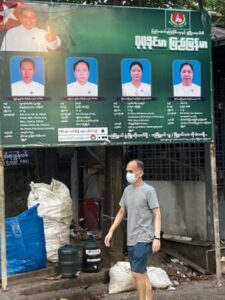
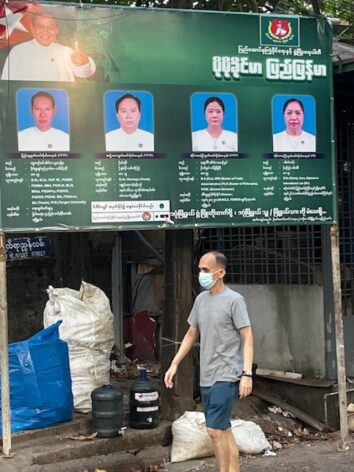
A man walks past a campaign poster for the military’s proxy party USDP ahead of strictly controlled elections in Myanmar. Credit: Guy Dinmore/IPS

A man walks past a campaign poster for the military’s proxy party USDP ahead of strictly controlled elections in Myanmar. Credit: Guy Dinmore/IPS

YANGON, Myanmar and BANGKOK , Jan 6 2026 (IPS) – With thousands of civilians killed in years of civil war and over 22,000 political prisoners still behind bars, no one was surprised that early results from Myanmar’s first but tightly controlled elections since the 2021 coup show the military’s proxy party speeding to victory.


“How can you hold elections and bomb civilians at the same time?” asked Khin Ohmar, a civil rights activist outside Myanmar who is monitoring what the resistance forces and a shadow government reject as “sham” polls.

The junta had already cleared the path towards its stated goal of a “genuine, disciplined multi-party democratic system” by dissolving some 40 parties that refused to register for polls, which they regard as illegitimate, with their leaders and supporters still in prison.

These include the National League for Democracy (NLD) and its leader, Aung San Suu Kyi, who won a landslide second term  in the 2020 elections – only for the results to be annulled by Senior General Min Aung Hlaing, a coup leader and self-appointed acting president. Mass street protests were crushed in early 2021 and war spread across Myanmar.

Although these elections will deliver just a façade of the legitimacy craved by some of the generals, they did succeed in projecting a power and authority that was quickly slipping away just two years ago as long-standing ethnic armed groups and newly formed People’s Defence Forces (PDFs) inflicted a series of humiliating defeats on the junta.

“The tide has turned in favour of the military,” commented a veteran Myanmar analyst in Yangon, crediting China, which reined in the ethnic groups on its shared border, fully embraced Min Aung Hlaing and, along with Russia, delivered the arms, technology and training needed to peg back the resistance.

Campaigners for the pro-military USDP canvas residents and check voters lists in Yangon ahead of the December 28 parliamentary election that excluded major anti-junta parties. Credit: Guy Dinmore/IPS

Campaigners for the pro-military USDP canvas residents and check voters lists in Yangon ahead of the December 28 parliamentary election that excluded major anti-junta parties. Credit: Guy Dinmore/IPS

The regime’s air power and newly acquired drones have been deployed to ruthless effect, often hitting civilian targets in relatively remote areas where the resistance has grassroots support. Air strikes were stepped up as the elections approached. Major cities like Yangon were calm; people subdued.

Bombs dropped on Tabayin township in the Sagaing Region on December 5 killed 18 people, including many in a busy tea shop, AFP reported. On December 10, air strikes on a hospital in the ancient capital of Mrauk-U in Rakhine State were reported to have killed 10 patients and 23 others. The regime accused the insurgent Arakan Army and PDFs of using it as a base.

“I don’t think that anyone believes that those elections will be free and fair,” UN Secretary General Antonio Guterres stated while visiting the region ahead of the polls. He called on the junta to end its “deplorable” violence and find “a credible path” back to civilian rule.

In contrast, the Trump administration declared in November that the junta’s election plans were “free and fair” and removed Temporary Protected Status from Myanmar refugees in the US, saying their country was safe for them to return to.

“I’ll be jailed if I don’t vote,” said Min, a Yangon taxi driver, only half-joking on the eve of voting in Yangon, the commercial capital. “And what difference does it make? We are ruled by China and Xi Jinping, not Min Aung Hlaing,” he added.

With the polls spread over three stages, the first 102 townships voted on December 28. Others will follow on January 11 and January 25 to make a total of 265 of Myanmar’s 330 townships scheduled to vote for the bicameral national parliament and assemblies in the 14 regions and states.

Residents in downtown Yangon check their names on the electoral register and then cast their votes in a polling station on December 28. Credit: Guy Dinmore/IPS

Residents in downtown Yangon check their names on the electoral register and then cast their votes in a polling station on December 28. Credit: Guy Dinmore/IPS

No voting is to be held at all in the remaining 65 townships that the election commission deemed too unsafe.

Voting in the first round in Yangon, an urban and semi-rural sprawl of seven million people, proceeded calmly and slowly on a quiet Sunday – despite intense efforts, and sometimes threats, by the regime to boost the turnout.

In 2020 and 2015 – when Myanmar arguably held the region’s most open and fair elections and the military’s proxy Union Solidarity and Development Party (USDP), was soundly defeated – people gaily posted images of their ink-stained little fingers on social media as evidence of their vote after weeks of packed rallies and vibrant campaign rallies.

But not this time. Social media posts hurled insults, some comic and vulgar, at the regime. Those eager to support the resistance’s boycott but who were afraid of reprisals were relieved if they found their names had been omitted by mistake on electoral lists. Electronic voting machines in use for the first time made it impossible to leave a blank.

But as in past elections, a solid core of people close to the military and its web of powerful economic interests turned out to vote for the USDP.

“We are choosing our government,” declared one man exiting a polling station in central Yangon with his family, apparently USDP supporters. One proudly waved his little finger dipped in indelible ink.

How can you hold elections and bomb civilians at the same time? – Khin Ohmar, civil rights activist

Turnout for the first round was put by regime officials at 52 percent. This compares with about 70 percent in the past two elections. China’s special envoy – sent as an official observer, along with others from Russia, Belarus, Vietnam and Cambodia – praised the elections.

On January 2, the election commission unexpectedly issued partial results: the USDP, led by retired generals, had won 38 of 40 seats in the lower house where votes had been tallied to date. No one blinked.

The USDP campaign message focused on two main elements – get out and vote with all your family, and back a USDP government to restore stability and progress to Myanmar.

Its underlying message was a reminder that the last USDP administration, led by President Thein Sein introduced socio-economic and political reforms and ceasefire negotiations with ethnic groups after securing a large majority in the 2010 elections when the NLD and other opposition groups were also absent.

Aung San Suu Kyi, then under house arrest, was released just after the 2010 polls and went on to contest and win a seat in a 2012 by-election ahead of the NLD’s own sweeping victory in 2015. Aung San Suu Kyi governed in a difficult power-sharing arrangement with the military for the next five years and was thrown back into prison in the coup.

For now a large proportion of Myanmar’s population lives in areas under junta control, including all 14 of the state and regional capitals, swollen by an influx of people fleeing conflict.  The military also holds major seaports and airports and – to varying degrees – the main border crossings for China and Thailand.

But in terms of territory, over half of Myanmar is in the hands of disparate ethnic armed groups and resistance forces. Alliances are fluid and negotiable.

The shadow National Unity Government is trying to establish its own authority over liberated territory, looking to cement a consensus around the concept of a democratic and federal Myanmar free of the military’s interference – something that has eluded the country since independence from British colonial rule in 1948.

Front lines shift back and forth as the military struggles to regain control over the Bamar heartlands of central Myanmar, once considered their bastion, while stretched elsewhere after losing vast tracts of border areas since the coup. Several million people have fled the country or are internally displaced.

Once again there is some speculation that a “smooth” election and the formation of a USDP government in April will lead to a gesture signalling the military’s confidence, such as a possible ending of forced conscription and the release of some political prisoners. Project power, then collect legitimacy.

“Political prisoners are used as bait,” said Khin Ohmar, the civil rights activist in Bangkok. “The world would at least have to applaud.”

IPS UN Bureau Report

  Source