The Role of Women’s Organisations in Crisis-Settings

Aid, Civil Society, Development & Aid, Editors’ Choice, Featured, Gender, Global Governance, Headlines, Human Rights, Humanitarian Emergencies, IPS UN: Inside the Glasshouse, TerraViva United Nations

Gender

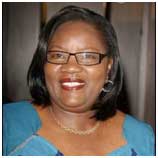
Marcy Hersh, is the Senior Manager of Humanitarian Advocacy at Women Deliver & Cecilia Chami is the Programs Director of Lebanon Family Planning Association for Development and Family Empowerment (LFPADE).
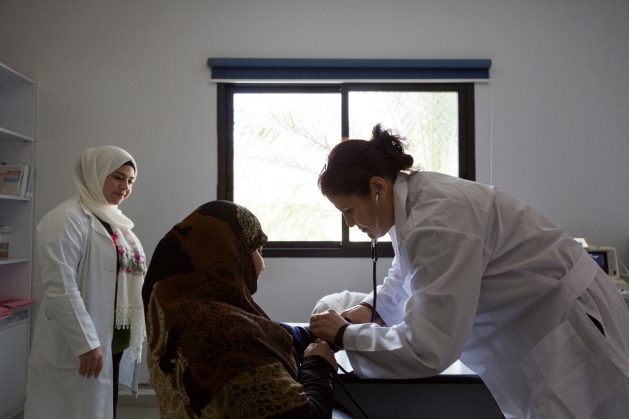
BEIRUT, Aug 19 2019 (IPS) – To mark World Humanitarian Day, we celebrate the overlooked women leaders who are first responders, unwavering advocates, and powerful change-makers in humanitarian emergencies.


Yet to truly power progress, we can’t stop at celebrating their efforts – we must also push for the support and investment women humanitarians need to continue their vital work.

Women Deliver spoke with Cecilia Chami, Programs Director for the Lebanon Family Planning Association for Development and Family Empowerment (LFPADE)  on what women-focused civil society organisations (CSOs) need to maximise their impact.

World Humanitarian Day also coincides with a special milestone for LFPADE: today, August 19, marks their 50th anniversary as the first and oldest family planning organisation in Lebanon.

Drawing from LFPADE’s five decades of experience, Chami highlights the power of women-focused CSOs, and what the world can do to help continue their vital work.

Excerpts from the interview:

HERSH: Women make up a large part of LFPADE’s team, including in leadership positions and as direct service providers. How does having strong women on your team help advance LFPADE’s work and mission?

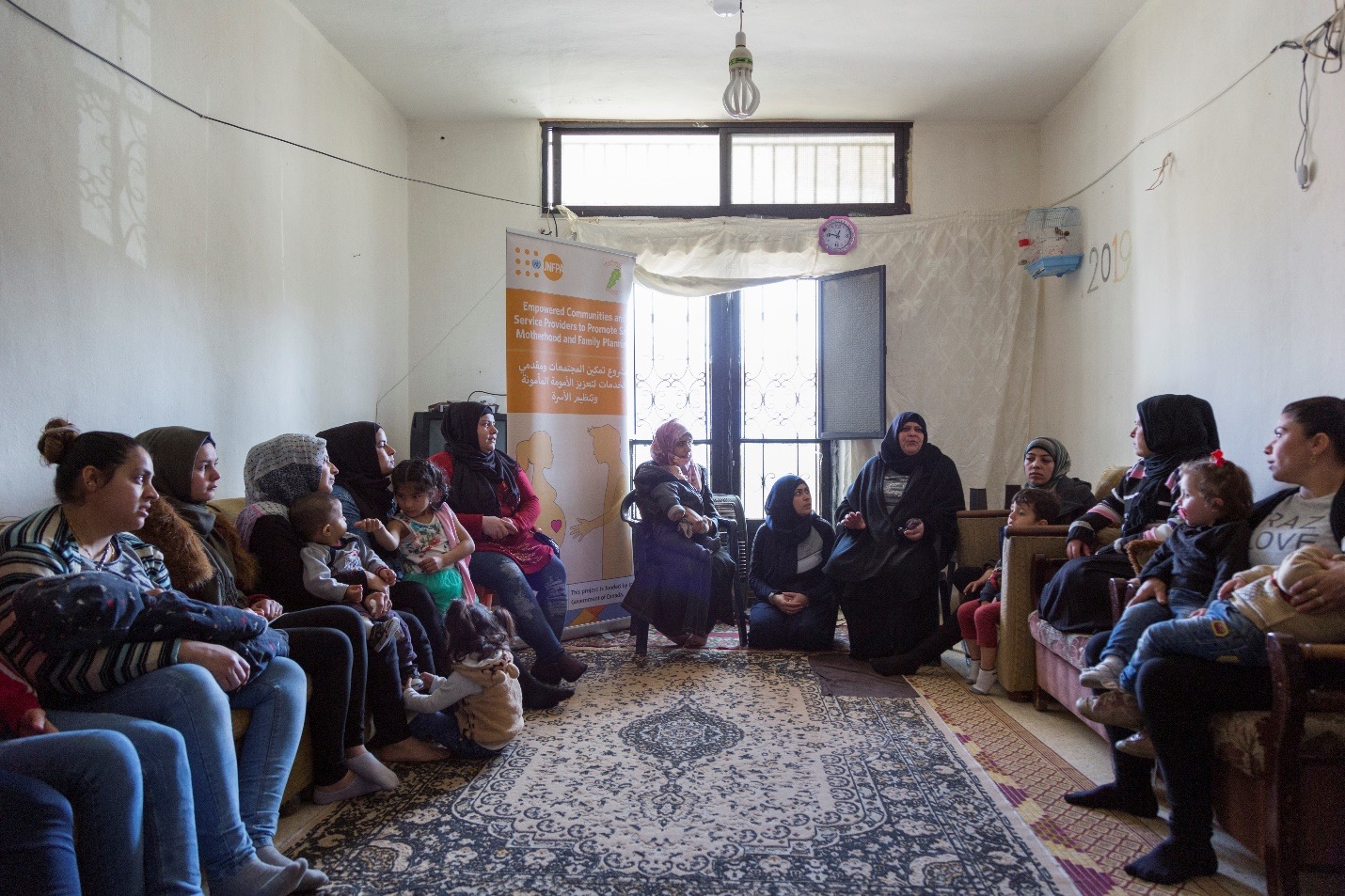
CHAMI:  LFPADE works to empower women in all aspects of their lives to achieve gender equality – so having strong women on our team is essential. Women are the best experts on our lives, so we understand what women in our communities need, can relate to the challenges they face, and appreciate the quality of services they deserve.

 For example, we know from experience that access to family planning and sexual and reproductive health (SRH) services improves lives and futures of girls, women, and their whole communities. So, while these services might be sidelined in many traditional humanitarian responses, we prioritise a woman’s ability to control her fertility at the core of all our work.

 As women from Lebanon, we also know the contexts and entry points to deliver services most effectively. We work with anyone who influences the lives of girls and women – including boys, men, community leaders, and mothers-in-law – to help girls and women make more autonomous decisions about their lives and bodies. We are only able to form these partnerships because communities know us, trust us, and believe in us.
HERSH: What can the world do to better support women and women-focused organisations in humanitarian action?

CHAMI: International actors wield so much power in humanitarian action – and it’s time they share more of that power with women-focused CSOs.

First, international organisations must work hand-in-hand with women-focused CSOs as equal partners, designing programs together that really respond to the needs of girls and women in our communities.

Often, local and national organisations like LFPADE are only seen as implementing partners that can execute the projects envisioned by foreigners. We bring grassroots expertise and community voices to the table – so we must actually be engaged at the outset.

Resources are key to maximising our impact, too. We often rely on unreliable funding streams and short-term grants to sustain them, which makes it very hard for us to work. Long-term investment in women-focused CSOs is the fuel we need to achieve results that have a real impact.

HERSH: LFPADE has worked to provide SRH services to women throughout Lebanon for 50 years, including Palestinian and Syrian women. When you reflect on the organisation’s history, what have been some of the biggest successes and lessons learned?

CHAMI: The biggest success of LFPADE was pushing for the removal of regressive laws which forbade talking about family planning and contraceptives in Lebanon. By doing so, we made it possible for us – and other women-focused organisations across the country – to advocate for family planning and the sale of essential contraceptives. This also made it possible for the government ministries to begin to implement SRH programs nationwide.

Another success was our ability to mobilise quickly to ensure that refugee responses prioritise SRH services for all girls and women. We worked with the United Nations Relief and Work Agency for Palestinian Refugees (UNWRA) to provide their medical and paramedical staff with training on how to provide these services in their clinics.

Since 2013, we have also dedicated a large part of our efforts to meeting the needs of Syrian refugees who have fled from home – and to date have reached over 30,000 Syrian men, women, and children with SRH awareness campaigns and programs.

One big lesson learned throughout all these successes is that girls and women must be included in the design of all projects for them. When we take the time to speak with girls and women about their needs and challenges at the outset, we be sure to design programs to fit their realities.

HERSH: You work you do is often difficult and tiring – but you continue to be an inspiring change-maker in Lebanon. What motivates you to continue your important work as a Program Director for LFPADE, even during the most challenging times?

CHAMI: What motivates me to continue working is the impact our programs are achieving. When I meet and talk to girls and women, I see firsthand how our efforts improve their lives and the lives of their children.

One quote that will always stay with me comes from a woman who attended a course LFPADE runs on women’s leadership: “You gave us self-confidence and knowledge, and we know now that we too can make a difference.” When every woman in Lebanon realises their power to make a change, my job will be done.
  Source

Five Million Palestinians Deserve Better!

Civil Society, Editors’ Choice, Featured, Global, Headlines, Human Rights, IPS UN: Inside the Glasshouse, Middle East & North Africa, Migration & Refugees

Opinion

Ian Williams is a former President of the UN Correspondents Association (UNCA) and author of “UNtold: The Real Story of the United Nations in Peace and War

Secretary-General Guterres can still ameliorate the crisis—first, of course, by inviting Krähenbühl’s immediate departure, but then by a resounding public declaration of how essential UNRWA’s work is

Credit: UN

UNITED NATIONS, Aug 12 2019 (IPS) – An old adage passed on by veteran U.N. staff to younger recruits is, “Do nothing whenever possible. It’s safer.” For a junior officer that might indeed be career-enhancing. 


But—in the face of persistent hostility from the U.S. and Israeli Prime Minister Binyamin Netanyahu’s friends around the world—for the secretary-general of the U.N., or even the commissioner general of UNRWA, it is a recipe for disaster.

And sometimes doing a little is even worse.

Antonio Guterres announced the appointment of Christian Saunders as deputy commissioner general of UNRWA but the U.N secretary-general failed to explain what had happened to Saunders’ predecessor,  Sandra Mitchell, let alone the chain of circumstances that led to her departure.

Saunders is experienced and well-respected, but making him deputy commissioner general while leaving Pierre Krähenbühl, the person primarily responsible for the scandal, as commissioner-general for UNRWA is like throwing a sardine into a school of sharks. It has, predictably, just whetted the appetites of UNWRA’s enemies—but has not provided sustenance for its friends.

The secretary-general is presumably aware that after Al Jazeera (and the Washington Report) began its investigation into the UNRWA Ethics Office’s report on Krähenbühl’s management (see Aug./Sept. 2019 Washington Report, p. 17), Krähenbühl in quick succession lost three senior staff members, including both his chef de cabinet and deputy commissioner.

Major donors, not least, Krähenbühl’s own Swiss government pulled their funding because of the Report, which called for his immediate dismissal.

All those countries have been loyal friends of the U.N. and of UNRWA, and their defunding shows clearly that the Ethics Office report made a compelling case to them. It is also clear that the governments concerned are trying to send signals to the U.N., whose response to the crisis has been a textbook case of complacent bureaucratic ineptitude.

After this writer’s report on UNWRA corruption came out in Al Jazeera, former U.S. Ambassador to the U.N. Nikki R. Haley wrote on Twitter, “This is Exactly [sic] why we stopped their funding.”

In fact, that was an outright lie. The Trump administration only did as Israel asked and pulled its contribution to UNRWA for malicious reasons having nothing to do with Commissioner General Krähenbüh’s love life or travel arrangements.

 Secretary-General Guterres can still ameliorate the crisis—first, of course, by inviting Krähenbühl’s immediate departure, but then by a resounding public declaration of how essential UNRWA’s work is

Credit: UN

Instead it was because UNRWA’s continuing existence is a persistent institutional reminder of U.S. complicity in Israel’s dispossession of some six million Palestinians. Admittedly, it was also because a particular subset of ambitious Republicans looks for large campaign donations from a coterie of very rich right-wing donors who consistently display their disdain for Palestinian rights by helping fund Jewish-only settlements in the Israeli-occupied West Bank.

There is no need for the secretary-general to take advice from countries whose oft-condemned actions created and perpetuated so many decades of misery for the Palestinians

However, knowing that both Washington and Tel Aviv entertain such sentiments makes the insouciance of both Secretary-General Guterres and Krähenbühl even more egregious.  The ethics report detailing the managerial failings and turpitude in UNRWA was delivered to the secretary-general’s office back in December 2018.

The UNRWA staff who had contributed to it fretted that no action was being taken after many of them had risked their livelihoods and pensions.

They were amazed that such a compelling dossier from the organization’s own Ethics Department would be ignored, and it was only after months had passed that some of them leaked it to me, in the hope that media inquiries about the report would prompt pre-emptive action by the U.N., and that the commissioner general would lance the boil before the pustulent Trump/Netanyahu axis began to fester on it.

Ambassadors and senior U.N. officials were approached to press the secretary-general’s office for the action necessary, but to no avail.

Faced with such a damning indictment from his own ethics office, Krähenbühl could have, and should have, resigned or stepped aside for the good of the organization.  The secretary-general could have suspended or fired him and announced a genuinely independent inquiry, enlisting donors and others concerned with the welfare of UNRWA and the Palestinians.

Predictably, the failures of the commissioner general and U.N. headquarters to take action—of any kind—has set off a feeding frenzy among the enemies of the Palestinians and UNRWA, who want to punish refugees for the ethical failings of bureaucrats foisted on them by an international community that oversaw their dispossession. 

An unannounced internal investigation by the U.N.’s own Office of Internal Oversight Services (OIOS)—whose reputation is far from stellar even inside the U.N.—is a politically disastrous course of action. It took repeated questioning before we even discovered the investigation was under way—at a time when the secretary-general’s office denied it had even seen the report.

It was conceivable that, without media publicity, the OIOS report could have been a bland procedural whitewash, as have been too many about recent scandals involving senior U.N. staff.

But the media exposure means that Krähenbühl has little or no support from his present and recent senior staff, and certainly not from the donors.  His rigor mortis-like grip on office is profoundly damaging to UNWRA, to the U.N., and to the more than five million Palestinians it serves.

In any case, confronted with such a manifest managerial failure, a traditional international civil servant should have accepted responsibility and resigned: by clinging to office Krähenbühl is giving succour to his agency’s enemies.

One could add that the scandal reflects an erosion of the concept of an ethical international service under a constant corrosive drip of short-term contracts and outsourcing urged by those experts who brought us the 2008 financial crisis.    

Even so, Secretary-General Guterres can still ameliorate the crisis—first, of course, by inviting Krähenbühl’s immediate departure, but then by a resounding public declaration of how essential UNRWA’s work is.

Persuading a senior diplomat or U.N. figure to take over from Krähenbühl is a bit like fitting someone for a crown of thorns, but there are people out there who care enough about the Palestinians and who are prepared to stand up to the barrage of bile from worldwide Friends of Likud.

Above all, there is no need for the secretary-general to take advice from countries whose oft-condemned actions created and perpetuated so many decades of misery for the Palestinians.

He would, however, do well to invite donors and other humanitarian organizations to examine the agency and recommend much needed managerial and structural reforms, without pandering to those whose solution to the refugee problem is to leave them homeless and hungry while declaring them no longer to be refugees.

The original story appeared in the Washington Report on Middle East Affairs. 

  Source

The Nairobi Summit – Towards a Watershed Moment

Africa, Civil Society, Conferences, Crime & Justice, Development & Aid, Economy & Trade, Education, Featured, Gender, Gender Violence, Global, Headlines, Health, Human Rights, Inequity, TerraViva United Nations, Women’s Health

Opinion

NAIROBI, Kenya, Aug 8 2019 (IPS) – In 2019 a female scientist created an algorithm that gave the world the first ever images of a black hole. Working with a team of astronomers, physicists, mathematicians and engineers, a young woman led the development of a computer program that in her own words enabled them to “achieve something once thought impossible.”


Photo: Heshimi Kenya

During this same year, over 200 million women in developing countries will not have access to effective methods of contraception to delay or avoid pregnancy. Approximately 830 women a day will die during pregnancy or childbirth from preventable causes. And sexual and gender based violence including harmful practices like early marriage and female genital mutilation, will still plague millions of girls and young women. Girls and women denied basic human rights and robbed of their potential to achieve the impossible.

In 1994, the visionary Programme of Action was agreed to by 179 governments at the International Conference on Population and Development (ICPD) in Cairo, Egypt. The Programme of Action recognized that reproductive health and rights, as well as women’s empowerment and gender equality, are cornerstones of healthy robust societies that promote the well-being of populations and economic and social development of nations. Since ICPD, governments, civil society, youth networks have all worked towards decreasing maternal deaths, eliminating harmful practices and promoting gender equality.

The global community is now gearing up to mark 25 years since the historic ICPD through the Nairobi Summit on the International Conference on Population and Development, ICPD25 which will be held from 12-14 November 2019 under the theme “Accelerating the Promise”.

I am proud that my country Kenya, will be hosting this important Summit, which is aimed at mobilizing the political will, financial commitment and community support we need to fully realize the ICPD Programme of Action.

Indeed, by the time we leave Nairobi, we must ensure that everyone has agreed to play their part in reaching zero unmet need for family planning information and services, zero preventable maternal deaths, and zero sexual and gender-based violence and harmful practices against girls and women. Evidence shows that the benefits that would accrue from fulfilling the ICDP agenda would be far reaching in transforming lives and improving the wellbeing of families, communities, and nations.

Dr. Ida Odinga, EGH

In Kenya, significant progress in health care has been made with Universal Health Coverage(UHC) a top priority for the Government. Thanks to the leadership, passion and commitment of the First Lady of Kenya, Ms Margret Kenyatta through her Beyond Zero campaign there has been a significant drop in maternal and child mortality. We have to now go for zero deaths. Reproductive, maternal, neonatal, child and adolescent health is key to achieving UHC.

High rates of teenage pregnancy, take girls out of school and compromises their health. Young people face stark challenges in employment as 1,000,000 people enter a labor force that can only absorb 150,000 new entrants. Access to health services and information, school retention and quality education will help these young girls stay in school and lead healthy lives. These are among the issues that the Summit will address.

However, in order for the Nairobi Summit to be a game changer, we need to speak for those that can’t speak, speak for those who are not heard and to add our voices to those who continue to work for sexual and reproductive rights for all. We must reaffirm our commitments to the ICPD goals and Agenda 2030. We must absorb the lessons learned over the last 25 years and do better.

For Kenya, the Nairobi Summit provides a platform to showcase our Big Four Development Agenda aimed at accelerating socioeconomic transformation and economic growth by intensifying investments and programme actions on: affordable housing, food security, universal healthcare and manufacturing.

I am delighted that my country is partnering with UNFPA and the Government of Denmark to host the Nairobi Summit and reaffirm the global commitment to ICPD. This is a watershed moment as we are a mere 10 years away from our commitment to fulfill the SDGs.

I look forward to seeing all the participants in Nairobi and hope everyone will follow the proceedings of the Nairobi Summit and learn how we can all play a role in bringing about change and keeping the promise of ICPD. Ensuring that all women and girls can reach for the stars and achieve the impossible.

Dr. Ida Odinga, EGH is spouse of Rt Hon. (Eng.) Raila Odinga and a passionate campaigner of women’s rights.

  Source

The Moral Responsibility for Arms Trade

Armed Conflicts, Civil Society, Crime & Justice, Global, Headlines, Human Rights, TerraViva United Nations, Trade & Investment

Opinion

What matters more: ethics or profit?

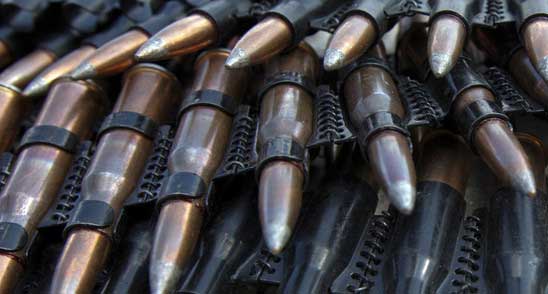
Global arms trade is booming and has become a lucrative business.

GENEVA, Aug 8 2019 (IPS) “I don’t want to see a single war millionaire created in the United States as a result of this world disaster.” 1

These were the words of US President Franklin D. Roosevelt on 22 May 1940 when he learned of individuals profiting because of the booming arms trade industry during the Second World War. Seven decades down the line, President Roosevelt’s warning against the rise of the military-industrial complex and war profiteers is more relevant than ever and a telling testimony that for many in safe places war means profit. But, should the pursuit of economic profit be allowed to supplant ethical considerations, especially when weapons often end up in the hands of terrorists, human rights violators and criminal governments?


There is no doubt that the global arms market remains a lucrative business. Arms trade raises numerous ethical issues both for the exporting and for the importing country. War profiteers operate with scant concern for ethical and moral considerations, being guided by the search for power or profit for their corporations. Those who produce and sell arms have been called “merchants of death.” 2 HH Pope Francis said it was hypocritical to speak of peace while fuelling the arms trade, which only serves the commercial interests of the arms industry. 3 It is of course the inalienable right of States to exercise their right to self-defence as stipulated in Article 51 of the United Nations Charter and to maintain independent military strength to deal with periodic armed conflict or threats that may emerge. Experience shows that arms exporters fuel conflict and create an atmosphere not at all conducive to peace and development in the world. A business model the feeds on armed conflict, violence and instability must be banned in the 21st century.

According to recent statistics from the Stockholm Peace Institute, arms sales of the world’s 100 largest arms-producing and military services companies totalled USD 398.2 billion in 2017. 4 That is more than the nominal cumulative GDPs of South Africa, Denmark, Singapore, Egypt, Algeria and Malaysia, a group of countries which is home to more than 200 million people. Since 2002, annual arms sales have surged 44% and are expected to continue growing in the years to come. 5 In other words, international arms trade is “big business” and a vector for economic growth in some countries, reminiscent of John Maynard Keynes’ vision of ‘Military Keynesianism’.

In the Middle East, the irregular and black-market arms trade – estimated at USD 10 billion a year – have weaponised extremism and fuelled instability. Disturbing images of civilian infrastructure being bombed and destroyed by extremist groups are telling testimonies that the flow of arms and weapons continues to exacerbate violent conflict in the Arab region. This is particularly the case in Syria, Libya and Iraq where the supply of weapons to the warring sides has prolonged the fighting and adversely affected the civilization population. The rebuilding of societies affected by armed conflict and violence in the Middle East and North Africa (MENA) region is estimated at USD 250 billion. A price tag that the next generations in the MENA region will have to repay for decades to come.

In this connection, world civil society must take action to curb future arms proliferation in regions prone to armed conflict and violence. Governments and arms traders must commit to respecting and to fulfilling the provisions set forth in the Guiding Principles on Business and Human Rights of the United Nations. 6 The aim should be to identify, prevent and mitigate as the case may be, the human rights-related risks of business activities in conflict-affected areas. Civilians should not have to bear the brunt, as they do now, of the devastating consequences of military conflict. The greed involved in the arms trade must be kept in check.

As foreseen in Sustainable Development Goal (SDG) 16 of the 2030 Agenda for Sustainable Development, the promotion of just, peaceful and inclusive societies rests on the ability of world society to promote a climate conducive to peace and sustainable development. According to the United Nations Office for Disarmament Affairs, the countries that are furthest from achieving the targets of the Sustainable Development Goals (SDG) are in, or emerging from, armed conflict and violence. The best investment to peace and prosperity therefore rests on the ability of decision-makers and governments to curb arms trade, prohibit economic gains from war, armed conflict and human suffering and instead commit to rally for a world where peace and justice prevails. The simple motto for all should be “disarmament for development”. What is most needed is a conversion strategy that will gradually transform war economies into sustainable peace economies. 7

1https://www.thenation.com/article/war-profiteering/
2https://www.foreignaffairs.com/reviews/capsule-review/1934-07-01/merchants-death
3https://cruxnow.com/vatican/2017/06/03/pope-franciss-prayer-stop-merchants-death/
4https://www.sipri.org/sites/default/files/2018-12/fs_arms_industry_2017_0.pdf
5 Ibid
6https://www.ohchr.org/documents/publications/GuidingprinciplesBusinesshr_eN.pdf
7 See 2014 report to the Human Rights Council by the UN Independent Expert on the Promotion of a Democratic and Equitable International Order, http://ap.ohchr.org/documents/dpage_e.aspx?si=A/HRC/27/51

Blerim Mustafa, Project and communications officer, the Geneva Centre for Human Rights Advancement and Global Dialogue. Postgraduate researcher (Ph.D. candidate) at the Department of Politics and International Relations, University of Leicester (UK).

  Source

Will Palestinian Refugees Pay a Heavy Price for UNRWA Bungling?

Civil Society, Editors’ Choice, Featured, Global, Headlines, Human Rights, IPS UN: Inside the Glasshouse, Migration & Refugees, TerraViva United Nations

UNITED NATIONS, Aug 8 2019 (IPS) – A crisis that has threatened to undermine the future of the UN Relief and Works Agency (UNRWA) is expected to have a devastating impact—not only on the credibility of the United Nations– but also on the lives of over five million Palestinian refugees whose very survival depends on the humanitarian services provided by the beleaguered UN agency based in Amman and Gaza.


Mouin Rabbani, Senior Fellow at the Institute for Palestine Studies, told IPS: “This crisis must be resolved on an accelerated schedule in accordance with proper organisational procedures, both for its own sake, and to ensure that Palestinian refugees are not forced to pay the price of what is indisputably a political campaign led by the US and Israel to eliminate Palestinian refugees and their rights from the international agenda.”

Rabbani said one needs to look at this crisis from both an organisational and political perspective.

Viewed from an organisational perspective, he said, UNRWA Commissioner-General Pierre Krahenbuhl stands formally accused of illegitimately concentrating decision-making authority in the hands of a small circle of hand-picked associates, and using these powers to engage in extremely serious abuses of authority.

Significantly, Rabbani pointed out, these accusations have emanated from within UNRWA, and also from the Ethics Office, which claims to have “credible and corroborated” evidence, presented in a detailed report forwarded to the Office of the UN Secretary General, and has been deemed sufficiently credible to result in a formal investigation by the UN Office of Internal Oversight Services (OIOS).

While investigations are continuing, Switzerland, Belgium and the Netherlands, have suspended their contributions to UNRWA. And back in January 2018, the Trump administration decided, primarily for political reasons, to withhold $65m out of a $125m aid package earmarked for UNRWA triggering a financial crisis.

A former senior UN official, speaking on condition of anonymity, expressed alarm that some member states had rushed to suspend their vitally needed contributions to UNRWA, which would punish innocent Palestinians, tens of thousands of whose children would be tipped into further deprivation.

“To take such a drastic step on the basis of media coverage of a confidential internal report not available to member states and which they know is still being investigated by OIOS, is far too harsh, especially at a time when even the separation of a single immigrant child from his parents is rightly considered unacceptable,” he declared.

He told IPS he was concerned about the demonization of UNRWA’s senior officials on the basis only of this confidential Ethics Office report’s media accounts, which are necessarily selective but could also be erroneous, misleading or downright malicious, especially on a charged issue like Palestine and Israel.

He said the Ethics Office is a key UN unit designed to check abuses, and its reports are taken seriously.

But it does not have the mandate or the resources to conduct definitive investigations, so it gathers and presents information and evidence to OIOS for determination, he argued.

However, he emphasized that even if OIOS found serious lapses by top managers, Palestinian refugees should not be made to suffer.

He said UNRWA was struck a near-catastrophic blow when President Trump terminated the US’s $360m annual contribution. But an intense, ongoing UNRWA campaign had by last month raised over $110m from other countries.

“If UNRWA were riddled with serious dysfunction at the top, I cannot imagine that member states would be totally unaware and would have been so exceptionally supportive,” he declared.

According to UNRWA, the UN agency is funded almost entirely by voluntary contributions. The only exception is a very limited subsidy from the regular budget of the United Nations, which is used exclusively for administrative costs.

“The work of UNRWA could not be carried out without sustained contributions from state and regional governments, the European Union and other government partners, which represented 93.28 per cent of all contributions in 2018.”

In 2018, said UNRWA, 50 per cent of the Agency’s total pledges of $ 1.27 billion came from EU member states, who contributed $643 million, including through the European Commission.

The EU (including the European Commission), Germany and Saudi Arabia were the largest individual donors, contributing a cumulative 40 per cent of the Agency’s overall funding. The United Kingdom and Sweden were also among the top five donors.

Rabbani told IPS the proper thing for Krahenbuhl to do is to immediately resign if he knows these accusations to be substantiated, or, in view of the severity of the accusations, which cannot be dismissed as frivolous complaints by a hostile external party, to immediately step aside pending the conclusion of the OIOS investigation if he believes he is being falsely accused.

Should he refuse to do so, as seems to be the case, Secretary-General (SG) Guterres should exercise his responsibility and place Krahenbuhl on administrative leave with immediate effect until the matter is resolved.

“This is what would one would expect to transpire, and in fact often does, in both the public and private sectors. The removal of several of Krahenbuhl’s subordinates and appointment of an acting Deputy Director for UNRWA is an insufficient response that arguably serves only to deepen the crisis and increase the damage to both UNRWA and the UN,” he noted.

It additionally does the UN no favours, Rabbani said, that the ethics report and accusations against Krahenbuhl were communicated to the SG’s office in late 2018, and no significant action was undertaken until the report was leaked to the press over the summer.

This point is underscored by the decision of several key UNRWA funders (Belgium, The Netherlands, and Switzerland) to suspend contributions to the agency and the prospect of similar measures by other states.

From a political perspective, he said, it is vital to note that this crisis has erupted at a critical time for UNRWA. UNRWA’s very existence is under attack by the Trump administration, which hopes to leverage its campaign against the agency to liquidate the Palestine refugee question altogether.

Additionally, UNRWA’s mandate is up for renewal later this year. Many people will and in fact are raising questions about the confluence between the timing of these leaks and the intensification of the US campaign against the agency and Palestinian refugees.

The political context makes decisive action by the UN all the more urgent. CG Krahenbuhl’s mandate, which he has held since 2014, is to serve the needs of the Palestinian refugees, who are the most vulnerable sector of the embattled Palestinian people, Rabbani noted.

“This crisis, and his response to its eruption, is the ultimate test of his commitment to this mandate, and if he fails it UN senior leadership should intervene decisively and without further delay in the interests of both the UN, UNRWA, and the Palestinian refugees it serves”.

Without prejudice to the severity of the accusations being discussed, it is important to note that a) These accusations have been levelled against individuals within UNRWA rather than the agency itself; b) The UNRWA ethics report itself notes that the decision by the US to terminate contributions to UNRWA and campaign to seek the agency’s elimination, and the resultant crisis at the agency, forms the context in which these abuses of authority transpired; c) The abuses of authority and other misconduct detailed in the report are hardly unique to UNRWA, and similar and arguable more serious abuses have been documented at other UN agencies over the years; d) the accusations primarily concern expatriate senior officials (Krahenbuhl is Swiss and his former deputy an American) rather than Palestinian staff – the sole Palestinian staff member implicated has already been dismissed, Rabbani declared.

The writer can be contacted at thalifdeen@ips.org

  Source

Communication is Key to Overhauling Safeguarding

Civil Society, Development & Aid, Headlines

Opinion

Marian Casey-Maslen is the Executive Director of CDAC Network, a platform of more than 30 humanitarian, media development, social innovation, technology, and telecommunication organisations, dedicated to saving lives and making aid more effective through communication, information exchange and community engagement.

The term ‘safeguarding’ has been squarely in the spotlight in recent times and is now used to refer to all areas relating to prevention of and protection against sexual exploitation and abuse, harassment and bullying. Heightened use of the word is a direct result of the abuses that came to light in the last few years, which shook the sector and prompted an overhaul of systems, policies, procedures and entire organisations.


In the past month, 30 donors met to agree on a new safeguarding standard put forward by the Organisation for Economic Cooperation and Development’s Development Assistance Committee, which, although not legally binding, does put in place a formal peer review process. According to the Committee’s chair, Susanna Moorehead, this represents a “first critically important step”.

Marian Casey-Maslen, Executive Director, CDAC Network

While change is slow at the global level, groups, individuals and whistleblowers have been pushing for some time for a victim- or survivor-centred approach to support people to report abuses without fear of reprisals, cover-up or inaction and for open, robust mechanisms for this to happen. Last year, DFID organised a global summit in London and introduced enhanced standards. Since then a lot has changed within aid organisations and in the public arena where powerful movements such #Aidtoo and #Metoo are prompting action and driving frank discussion.

But for many, the word ‘safeguarding’ does not mean very much. It does not necessarily capture people’s experience or understanding of these issues. This word, coined in the UK, is hard to translate into other languages. So what’s being done to communicate all that safeguarding has now come to mean to these audiences? Are we doing enough to get vital information across for people to understand what needs to be done to put adequate measures in place, and, importantly, how to report abuses?

Upgrading policies and procedures is only half the battle. More needs to be done to communicate what all this means to different audiences with different information needs in different contexts. Humanitarian action is evolving in technological advancement and in its realisation people should have a say in decisions that affect their lives. Such developments mean new actors from outside the sector or indeed local partners are taking the lead but have not necessarily had adequate training to understand how to create ‘safe’ programme  environments or promote and support the right behaviours.

Along with experts, Safer Edge, and DEPP Innovation Labs, the CDAC Network identified a big gap in resources to put in place basic building blocks for good safeguarding practice, based on the principle it is everyone’s responsibility.

Download and test these tools to guide good safeguarding practice. Let us know what you think!

  Source