BLANTYRE-(MaraviPost)-A fintech company, MoPay and agriculture manufacturing firm Thanthwe Farms emerged top winners of the 2025 Phuka micro, small and medium enterprises (MSME) awards sponsored by Standard Bank Plc.
The Phuka awards came amidst calls by Standard Bank Plc and government for small businesses to step up efforts in contributing to much-needed foreign currency by intensifying the export drive.
MoPay and Thanthwe Farms dominated the awards by winning in their respective categories of technology and manufacturing before capping the glittering awards night on Wednesday in Lilongwe as overall winners in the Best SME and Best Woman-led business of year, respectively. Each received a total of K9 million.
Leading calls for export intensification, Chief Executive Phillip Madinga said the MSME sector which accounts for 47 percent of GDP, has the potential to reverse years of foreign currency shortages in Malawi.
He estimated its export value at U$2 billion annually if each of the country’s 1.6 million MSMEs exported a minimum of U$100 worth of goods monthly.
“We can only hope to achieve this if we work collectively to harness the potential of small business. Our decision to partner SMEDI and government for these awards aligns with our track record of supporting MSMEs in economic recovery and growth efforts,” said Madinga.
He said entrepreneurship thrives on responding to challenges and solving complex economic and societal problems.
“Through these prestigious awards Standard Bank Plc would like to recognize and partner those MSMEs rising to the occasion in helping address Malawi’s economic problems through innovative approaches,” he added.
New Principal Secretary in the reconstituted Ministry of Industrialisation, Business, Trade and Tourism Wiskes Nkombezi hailed the partnership by Standard Bank and the Small and Medium Enteprises Development Institute (SMEDI) Corporation to recognise the MSME sector through the Phuka awards.
“SMEs represent the backbone of our economy. They play a crucial role in employment generation, providing jobs and opportunities within our communities which promotes inclusive growth and social cohesion,” said Nkombezi.
For his part SMEDI Acting CEO Otaniele Chezani said the awards represented the power of turning every dream into reality and in the transformation of the country’s economy.
“The power to transform Malawi does not only rest in the ivory tower boardrooms, but in the workshops, farms, and small factories of the every day dreamers who don’t give up,” said Chezani.
Other category winners of the 2025 Phuka awards are Feco Investments (Agribusiness), Adventures by Colby (Tourism), Yami Gemstones (Mining), EnviroSolutions (Green Business), and Milanzi Interiors (Furniture and Joinery).
Category finalists each received K2 million and a certificate of recognition.
Share this:
Like this:
LikeLoading…
Discover more from The Maravi Post
Subscribe to get the latest posts sent to your email.
George Clooney was reportedly “boiling with anger” after reading scandalous claims made against him in Virginia Giuffre’s posthumous memoir … according to OK! In “Nobody’s Girl: A Memoir of Surviving Abuse and Fighting for Justice”, published…
Share this:
Like this:
LikeLoading…
Discover more from The Maravi Post
Subscribe to get the latest posts sent to your email.
LILONGWE-(MaraviPost)-Former President Joyce Banda has called for stronger and more strategic investment in Malawi’s mining sector, describing it as a potential catalyst for the country’s economic transformation.
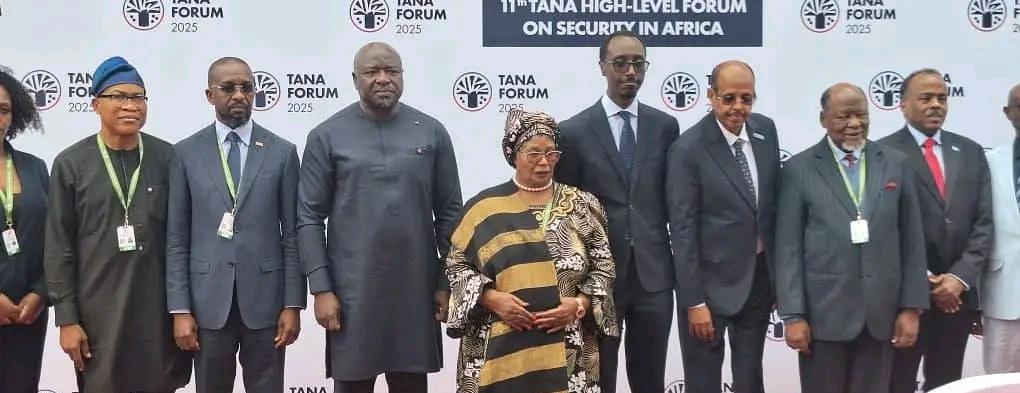
Speaking on Monday upon her arrival at Kamuzu International Airport in Lilongwe from Addis Ababa, Ethiopia, where she attended the TANA High-Level Forum on Peace and Security, Dr. Banda emphasized that Malawi must move decisively to protect and fully benefit from its mineral resources.
She noted that the global demand for Africa’s natural resources is intensifying, urging government and investors to ensure that the country’s mineral wealth particularly the rutile deposits in Kasiya, Salima District is properly managed for the benefit of Malawians.
“The world is scrambling for Africa’s resources, and Malawi must not be left behind. We need to safeguard our minerals and ensure they contribute to transforming our economy,” said Banda.
She highlighted that the continent currently faces more than 50 conflicts, many of which she said are fuelled by external interests that exploit divisions and corruption to destabilize African nations.
“The forum provided an opportunity for African leaders to reflect on homegrown solutions for peace and development,” said Banda.
The TANA Forum is a premier African platform that brings together heads of state, policymakers, and development partners to deliberate on pressing peace and security challenges affecting the continent, and to propose innovative, sustainable solutions.
Share this:
Like this:
LikeLoading…
Discover more from The Maravi Post
Subscribe to get the latest posts sent to your email.
Dr. George Elombi takes over as Afreximbank’s fourth President
President Elombi announced that, over the next five to ten years, he would prioritise sectors he believed would have the most significant and sustained impact on Africa’s trade and wellbeing
CAIRO, Egypt, October 27, 2025/ — African Export-import Bank (Afreximbank) (www.Afreximbank.com) on Saturday in Cairo, Egypt, swore in Dr. George Elombi as the Bank’s fourth President and Chairman of the Board of Directors, taking over from Prof. Benedict Oramah as head of the African Multilateral Finance Institution.
Formalised with an oath administered by Mr. Wale Edun, Chairman of the Annual General Meeting of Shareholders of the Bank and Minister of Finance and Coordinating Minister of the Economy of Nigeria, the investiture ceremony was witnessed by over 2,000 guests, including heads of state, former heads of state, government leaders and representatives from across Africa and the Caribbean, top African business leaders, all former Afreximbank Presidents, members of the Bank’s Board of Directors, shareholders, serving and former staff members, friends and family of Dr. Elombi, and a host of other dignitaries.
In an inaugural address following the swearing in, Dr. Elombi announced his unwavering commitment to carrying forward the legacy of the Bank’s past, to deepening impact, strengthening partnerships, and continuing the mission of building an Africa that trades with itself and thrives on its own terms.
He pointed out that the structure of global trade was disfavourable to Africa and therefore, had to change as it was too dependent on the export of commodities, saying: “our mission is therefore, to transform the structure of that trade. To change the structure, we must process. We must produce. Unless we produce, we cannot trade.”
President Elombi announced that, over the next five to ten years, he would prioritise sectors he believed would have the most significant and sustained impact on Africa’s trade and wellbeing, including promoting and accelerating value addition and strategic minerals processing to curb the export of raw potential.
“Afreximbank will therefore, create a new, high-impact financing window, specifically for projects that process raw minerals into semi-finished goods or finished goods,” he said. “We will establish a Strategic Minerals Development Programme to finance entire value chains, from extraction and refining to manufacturing finished components, capturing much more value here at home and creating high-skilled jobs for our people.”
Dr. Elombi added that Afreximbank would prioritise the deepening of intra-African trade and regional integration as the success of its value addition agenda would ultimately depend on its ability to secure markets for the goods produced.
“We will intensify efforts to break down trade barriers, strengthen cross-border infrastructure, and foster seamless movement of goods, services, people, and capital across our continent,” he said. “Afreximbank will therefore, continue to play a catalytic role in the implementation of the African Continental Free Trade Agreement (AfCFTA) by driving forward key programmes and initiatives developed over the past decade and by introducing new, targeted interventions, where necessary, to accelerate progress.”
Other priorities outlined by Dr. Elombi include catalysing and building critical trade-enabling infrastructure; leveraging innovation and digital technology, including exploring the creation of a Pan-African Digital Currency, strengthening financial integration and innovation across the continent; and mobilising global African capital.
The Bank would also prioritise its financial strength in recognition that “only a strong and well-capitalised institution can make the scale of interventions required to transform Africa’s trade and development landscape,” Dr. Elombi said, adding that priority would also go to growing strategic and innovative partnerships since partnerships with relevant development institutions was central to the Bank’s mission of advancing Africa’s trade and economic transformation.
“We recognize that Africa’s progress depends not only on the strength of individual institutions, but also on the power of collaboration among them,” stated Dr. Elombi.
President Elombi noted the increasingly hostile narrative targeted at African multilateral institutions owned and controlled by Africans “not because we fail or are seen as another African failure” but “because we are successful” and added that, unlike other multilateral institutions, Afreximbank’s preferred creditor status was not granted out of goodwill or benevolence of governments but was enshrined in the Bank’s Establishment Treaty which is signed by all Member States, Dr. Elombi explained.
The investiture also featured remarks by Mr. Hassan Abdalla, Governor of the Central Bank of Egypt, Hon. Louis-Paul Motazé, Minister of Finance of Cameroon, Alhaji Aliko Dangote, Founder, Dangote Group, Ms. Selma Malika Haddadi, Deputy Chairperson of the African Union Commission and Hon. Dr. Terrance Drew, Prime Minister of Saint Kitts and Nevis.
Distributed by APO Group on behalf of Afreximbank.
Share this:
Like this:
LikeLoading…
Discover more from The Maravi Post
Subscribe to get the latest posts sent to your email.
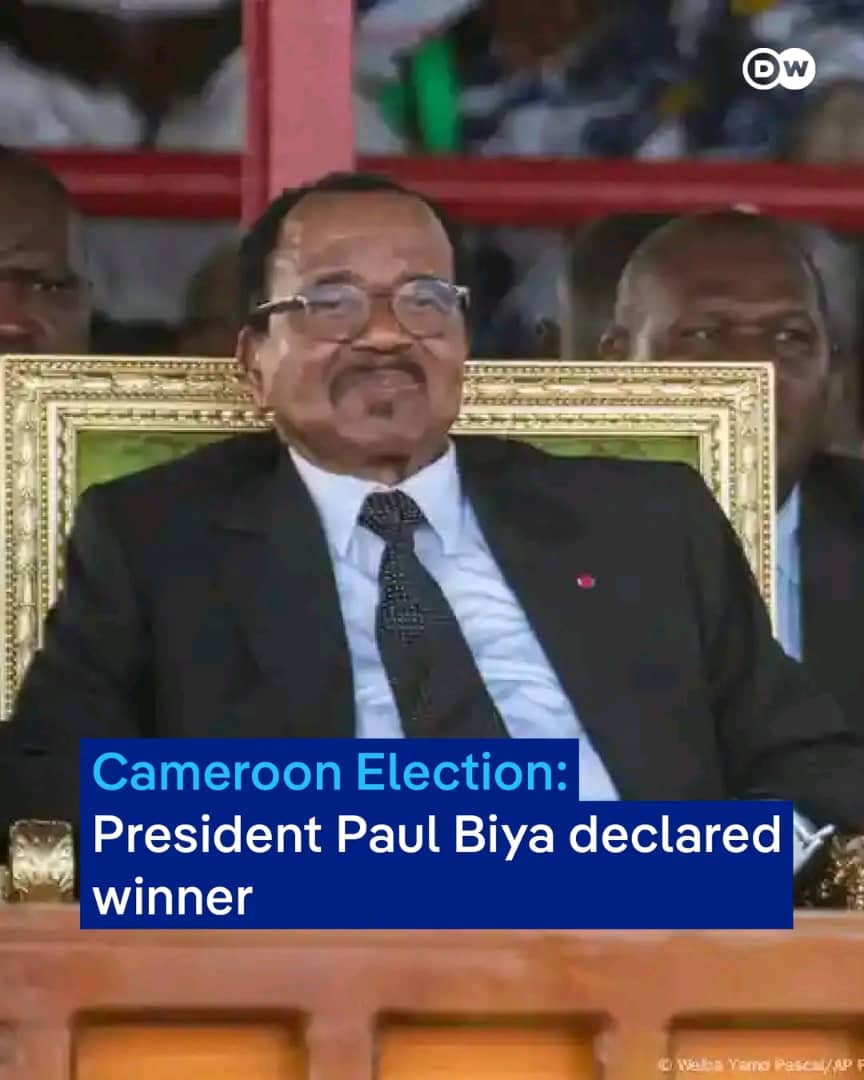
YAOUNDE-(MaraviPost)-In a move that has sparked widespread outrage and violence, the Constitutional Council of Cameroon has declared President Paul Biya the winner of the October 12 presidential election, with 53.66% of the vote.
The announcement, made on Monday, has ignited a powder keg of tensions that had been building since the election, with opposition supporters taking to the streets to demand recognition of their candidate, Issa Tchiroma Bakary’s, claimed victory.
The opposition has been vocal in its accusations of electoral fraud, with Bakary, a former government spokesperson and minister, claiming that he won the election with nearly 54.8% of the vote.
According to Bakary, his figures are based on an internal compilation from 18 departments, which he said represent 80% of the national electorate.
However, the Constitutional Council has dismissed these claims, validating the results that show Biya winning the majority of votes.
The declaration of Biya’s victory has led to violent clashes between opposition supporters and security forces, resulting in at least four deaths and numerous injuries.
Protesters have taken to the streets in several cities, including the economic hub of Douala, where barricades were erected and tires were burned. Security forces responded with tear gas and water cannons to disperse the crowds.
“Biya now has a notably shaky mandate given many of his own citizens don’t believe he won the election,” said Murithi Mutiga, Africa Program Director at the International Crisis Group.
Mutiga has called on Biya to initiate a national mediation to prevent further escalation.
The election has exposed deep-seated divisions within the country, with many Cameroonians expressing frustration with Biya’s decades-long rule.
Biya, 92, has been in power since 1982, making him one of the longest-serving leaders in the world.
His re-election would extend his rule into its fifth decade, sparking concerns about the country’s future stability.
The opposition’s allegations of electoral fraud have been denied by the government, which has maintained that the election was conducted fairly.
However, the opposition’s claims have been echoed by some international observers, who have raised concerns about the credibility of the electoral process.
As the situation continues to unfold, the international community is watching closely, with many calling for calm and restraint.
The African Union and other regional organizations have a crucial role to play in mediating the crisis and ensuring a peaceful transfer of power.
In the meantime, Cameroonians are bracing for the worst, with many fearing that the situation could escalate further.
“I am ready to stake my life to defend my vote,” said Oumarou Bouba, a 27-year-old trader in Maroua, adding that, “I voted for Tchiroma because I want change”.
The outcome of the election has also raised concerns about the country’s stability and economic future.
Cameroon has enjoyed modest economic growth in recent years, but many young people feel excluded from the benefits of this growth.
The country’s official unemployment rate is 3.5%, but 57% of workers aged 18 to 35 are in informal jobs.
As Biya prepares to begin another seven-year term, the challenges facing the country are clear.
Can the government address the concerns of the opposition and the people, or will the country be plunged into further turmoil? Only time will tell.
Share this:
Like this:
LikeLoading…
Discover more from The Maravi Post
Subscribe to get the latest posts sent to your email.
Madagascar is facing a new political environment, thanks to the timely intervention of the military in that country, the situation would have been worst than the 2011 genocide in Libya. The situation was triggered by oppression, a failed governance system and lack of political will to address the demands and aspirations of the people of Madagascar.
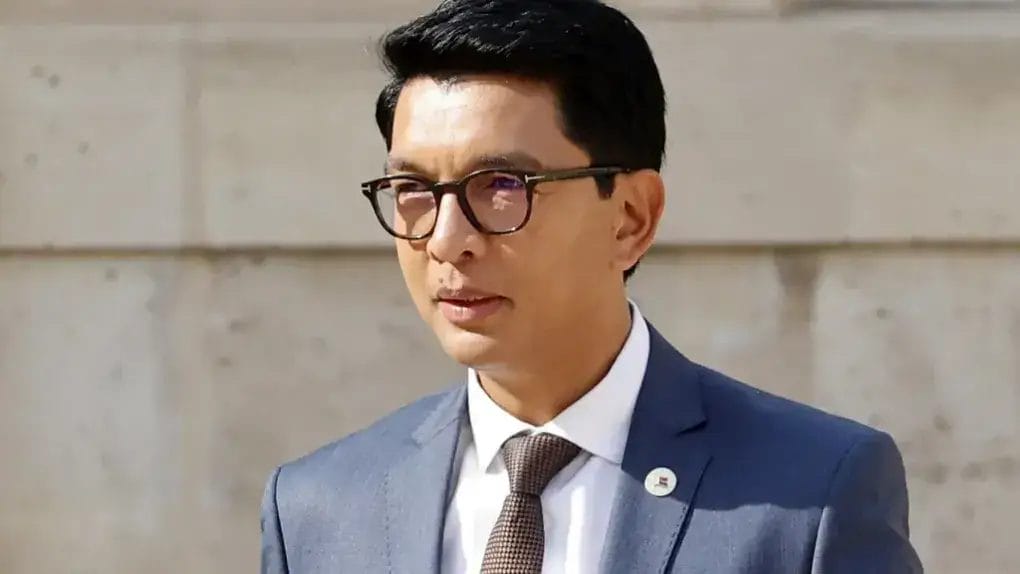
On 14th October, 2025 the military in Madagascar took over the helm of affairs, to avert a serious humanitarian crisis in the East African nation. This came after the former dictator, President Andry Rajoelina fled the country to an unknown destination, and abandoned his people to perish at the pity and mercy of the national Police forces. Based on this, that the Madagasy Military, acting as a savior, had no other alternative but to fill the vacuum created by the departure of the former dictator.
The situation in Madagascar remains unstable with former European colonial masters threatening to do everything to return the former fascist government to power. The African Union’s (AU) suspension of an African country hit already a nation facing wholesale poverty, oppression and environmental degradation.
Prior to the intervention of the Madagasy military to save their country from further destruction and devastation under the fascist dictatorship of former President Andry Rajoelina, Madagascar was plunged into a devastating humanitarian crisis. In other words, the era of the former dictator was a period where many Madagasy people suffered indignities, with a weak governance system and limited progress towards development and sustainable environment, where social cohesion was completely eroded, access to basic services disrupted, livelihoods destroyed, and where protection risks jumped considerably.
Against the backdrop of changing current narratives that the New African Charter International (NACI) is seeking donor funding to help Madagascar, which is facing an unprecedented crisis created by years of fascist dictatorship governance, economic failures and weeks of nationwide street protests. It is the view of NACI that, with this appeal to donors there is every reason to believe that help will be forth-going to the competent authorities in Antananarivo, to help the government of President Colonel Michael Randrianirina implement its rehabilitation and reconstruction programmes.
The new government of Antananarivo has laid down its priorities and one of them is to embark upon an accelerated program of development and prosperity that will benefit all the people of Madagascar. This will be possible only with outside support and funding, which would be needed to help the new government address the challenges on the ground.
From a survey on the situation on the ground, the rehabilitation and reconstruction needs in the short, medium and long term across Madagascar would run to billions of US Dollars. The plain truth is that, the suffering of the people of Madagascar is not over yet, though there is a new government in Antananarivo. The country faces massive challenges simply in wiping-off the wounds and scars inflicted over the past painful years. The situation in Madagascar should be a concern to all good people, especially those who believe and advocate peace, freedom and homeland dignity, and this would depend on how the international community will respond and ready to shoulder its responsibility towards the people of Madagascar.
The past political leaders of Madagascar had positioned Madagascar to the level of a beggar nation. The world is indebted to the plight of Madagascar, a nation that has been raped, pillaged, and destroyed by regional and foreign powers and is referred to as a failed state under the former dictator Andry Rajoelina.
Madagascar has passed through successive crises since 2009, a political crisis generated by foreign backed coups and counter coups. It was in this process that the then Mayor of Antananarivo, the capital city, Andry Rajoelina was imposed as Head of state and Commander-In-Chief in the East African nation. Besides, Madagascar had also faced an electoral crisis and a deepened humanitarian emergency, driven by a cycle of failed governance system, corruption and a battered economy. The consequences of this crisis have been the failure by political leaders to fight abject poverty and other social ills, and as well as the frequent degradation of the environment due to climate-related crises such as drought and cyclones. This political instability, coupled by epileptic state institutions, dysfunctional economic system, infrastructural decadence, worsening social disorderliness and national food insecurity crisis are the challenges before the new government in Antananarivo, led by President Colonel Michael Randrianirina.
There is a need to resist outside pressures to join the African Union’s (AU) policy of collective punishment towards our African brothers and sisters in Madagascar. NACI opposes any foreign-dictated decision to kick a sovereign African nation, such as Madagascar and the Sahel states out of the activities of the AU. NACI opposes also the threats and aggressive rhetoric statements by some African leaders against another African state; and deplores the view held by many of the most powerful nations in the world that collective punishment is an acceptable foreign policy to be meted on weaker nations.
Now Madagascar is but a shadow of its former glorious self and the new government in Antananarivo has laid its plans to rebuild its country as a credible, just and regional power endowed with good governance, political stability, economic growth, social justice, and environmental safety. Madagascar needs help, and not hate, malice or grudges! The new government in the East African nation of Madagascar needs help to rebuild its infrastructure and provide its people with the means to build and rebuild a nation for the good of current and future generations.
It is clearly in the interests of regional peace, political stability and development, and sustainable environment that the African Union should rescind its hate policy towards Madagascar and its people. It is also in the interests of all peoples and nations of the world that political leaders must place the interests of their people first, before any other selfish interests. We urge the African Union to help resolve problems faced by member-states by employing all diplomatic avenues and political efforts, without compromising the demands and aspirations of the people, or allowing for lives to be destroyed.
The New African Charter International expresses its deep concern regarding the West’s hatred for Africa and African people. The current political development in Madagascar calls for understanding of the demands and aspirations of the people in that country, and not to what France or other detractors are selling out to the public. Rather, we call on international development partners to act in light of the current critical circumstances, as well as the necessity of strengthening joint international efforts to help rehabilitate and build the East African nation, and not to sow the seeds of destabilisation that would have negative impacts on the lives of the people.
The current political crisis sweeping across Africa today is partly driven by a desire to impose a neo-colonial agenda on the continent. Africans all over the world have intimated their rejection of France’s neo-colonial and meddling mentality in the affairs of the continent. The issue of the Gen-Z movement in Africa cannot be underestimated, it would never be wiped-off from the face of the earth by any threats, or force, or by media manipulation, threats or blackmail.
Peace would remain elusive in Africa unless NATO rescinds or abandons its aggressive, inhumane and oppressive policy towards the continent. France’s aggressive rhetoric towards Madagascar was mooted by a desire to deflect world attention away from the real issues. Instead the former colonial Empire opts to hide the shocking ground realities by peddling lies and projecting its concocted normalcy narrative on Madagascar. The truth remains that during the reign of the former dictator, Madagascar witnessed the erosion of the country’s freedom, human rights values, socio-political freedom and environmental justice.
Today, we join the people of Madagascar and Africans all over the world to demand respect for our continent. And, we end this statement by calling upon the international community to come forward and lend its support to the new people’s government in Antananarivo, under the wise leadership of President Colonel Michael Randrianirina.
Madagascar will rise again!
Sender:
Alimamy Bakarr Sankoh Founder and Co-president The New African Charter International
Share this:
Like this:
LikeLoading…
Discover more from The Maravi Post
Subscribe to get the latest posts sent to your email.