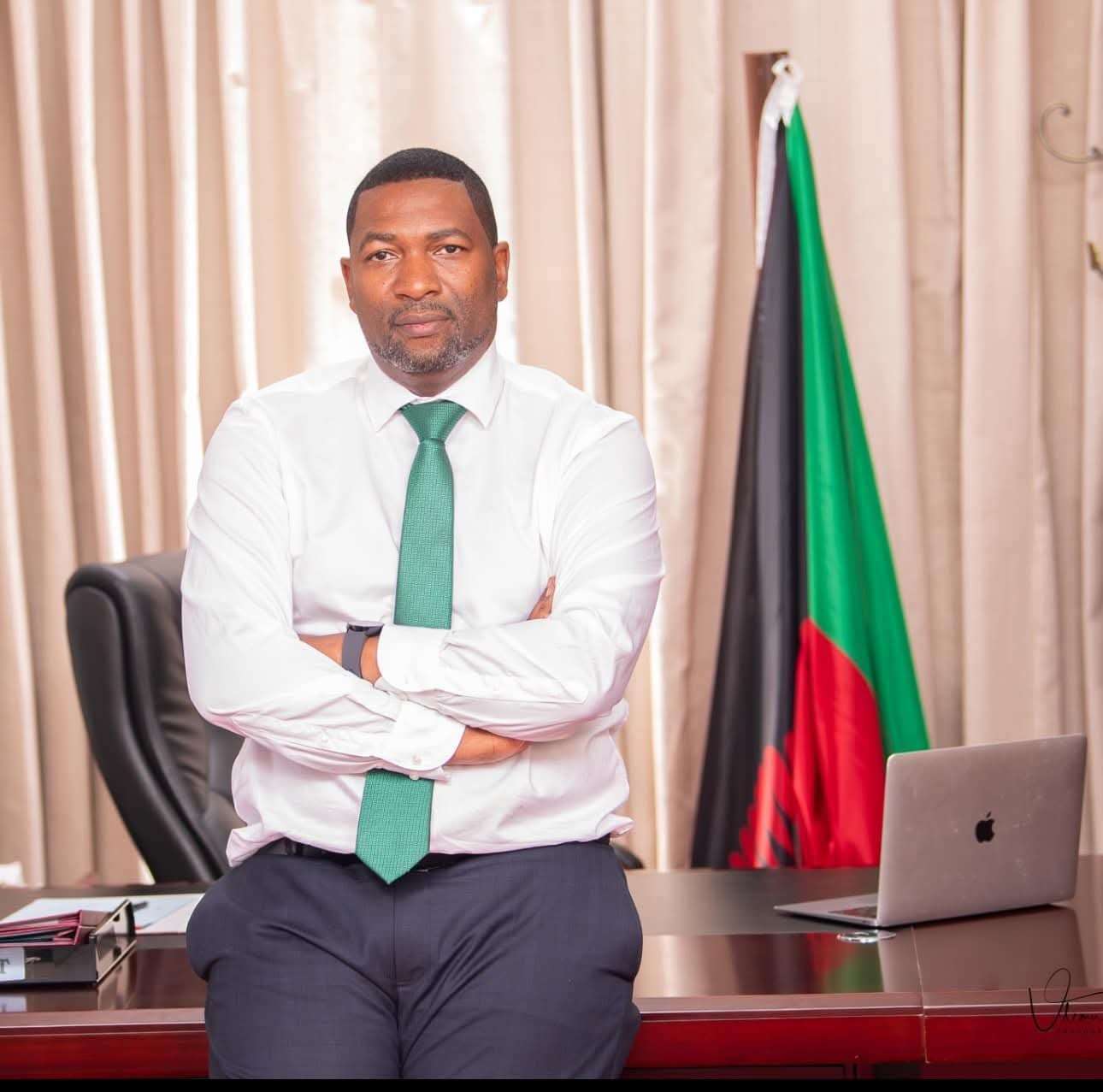
Linking the Malawian Diaspora to the Development of Malawi”
Malawi
Malawi (/məˈlɔːwi,məˈlɑːwi/; Chichewa pronunciation:[maláβi]; Tumbuka: Malaŵi), officially the Republic of Malawi and formerly known as Nyasaland, is a landlocked country in Southeastern Africa. It is bordered by Zambia to the west, Tanzania to the north and northeast, and Mozambique to the east, south and southwest. Malawi spans over 118,484 km2 (45,747 sq mi) and has an estimated population of 19,431,566 (as of January 2021). Malawi’s capital and largest city is Lilongwe. Its second-largest is Blantyre, its third-largest is Mzuzu and its fourth-largest is its former capital, Zomba.
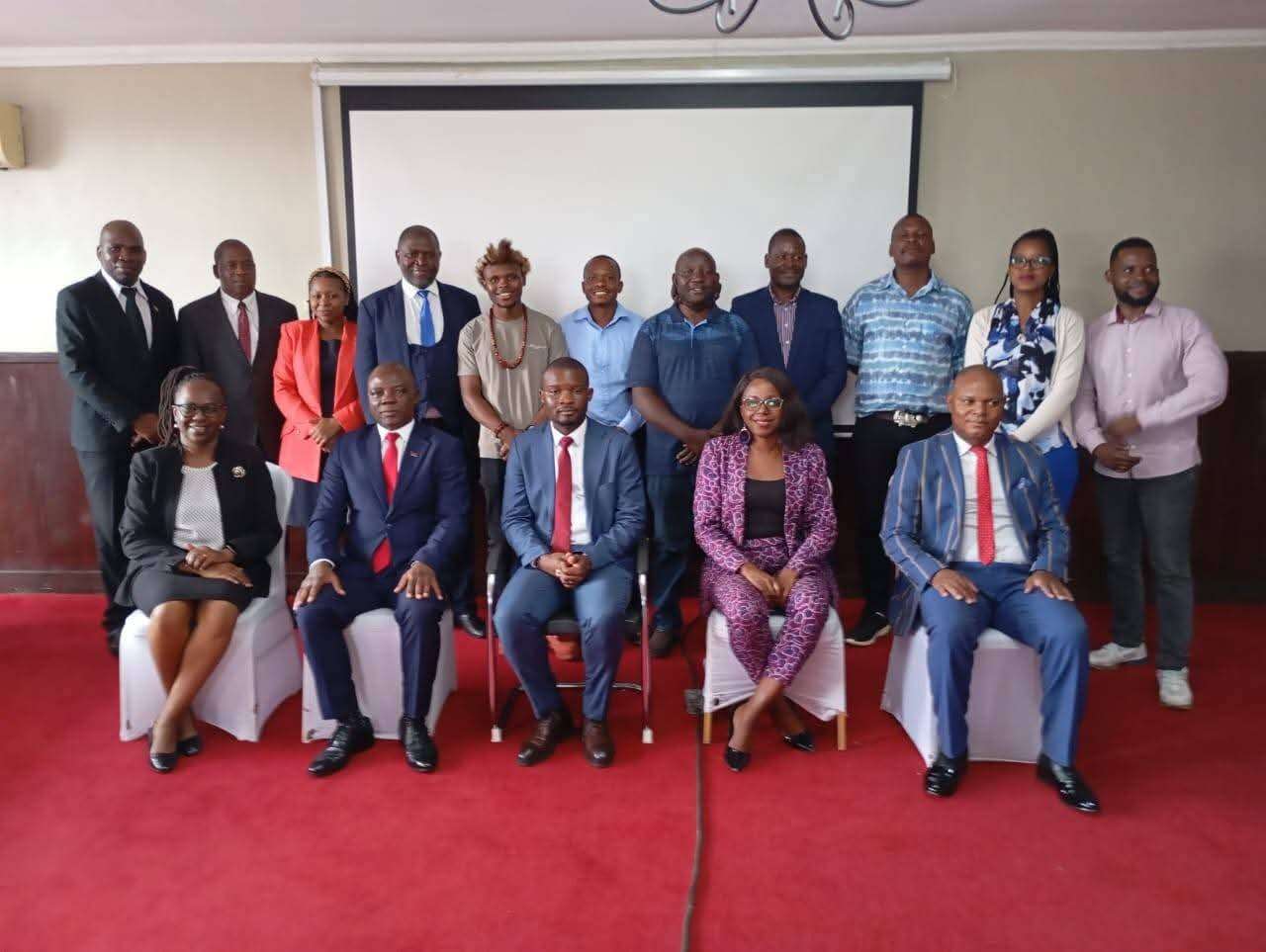
BLANTYRE-(MaraviPost)-Minister of Youth, Sports and Culture Alfred Gangata has reaffirmed the Government’s commitment in recognizing the important role of arts and culture in national development.
He made the remarks on Wednesday, February 11th, 2026 in Blantyre during the opening of the Southern Region consultation meeting for the development of the National Arts and Heritage Council (NAHEC) strategic plan.
He indicated that promotion of culture is included in Malawi 2063 agenda and the strategic plan aligns well with the high level vision.
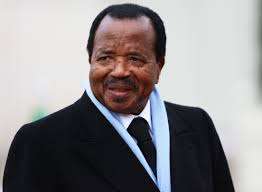
Cameroon’s President Paul Biya announced on Tuesday evening a “slight readjustment” of the timing of legislative and municipal elections that were expected at the start of February.
Originally scheduled for 2025, the elections had already been postponed once until early 2026. No new date was set.
In his televised address on the occasion of the 60th Youth Day, a rare public appearance by the nearly 93-year-old head of state, Biya justified the postponement by citing “certain compelling constraints”, while assuring that “the relevant provisions of the laws, and particularly the Constitution, would be respected”.
He also promised to form a new government, having announced its dissolution in his annual speech on New Year’s Eve.
In his speech, he acknowledged the difficulty many young Cameroonians have in finding work, but also called on them to avoid “delinquency, alcohol abuse drug use, and excessive use of social media”.
Cameroon’s Youth Day is traditionally one of the few times the president addresses the nation directly.
Biya, the world’s oldest head of state, has been in power since 1982 and was re-elected in October to an eighth term, leading to protests that were violently suppressed.
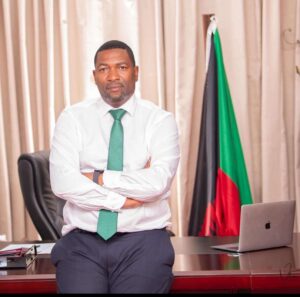
LILONGWE-(MaraviPost)-According to Dickson Kashoti, opposition Malawi Congress Party (MC) Chief Media Officer, writing on his Facebook page, President Professor Peter Mutharika is making significant strides in turning Malawi’s economy around with strategic appointments in key economic positions.
His quiet and methodical approach has earned him the reputation of a quiet reformer, focused on reshaping the country through deliberate action and economic focus.
Mutharika’s determination to change Malawi is evident in his impressive appointments, particularly in the economic sector, as the nation grapples with escalating cost of living and plunging poverty levels.
Kashoti notes that Mutharika’s economic team, comprising Finance Minister Sir Joseph Mwanamvekha, Trade and Industrialization Minister Sir Simon Itaye, and Reserve Bank Governor Sir George Partridge, is giving Malawians hope for a brighter future.
The team is expected to steer the country’s economic recovery path towards success.
This team is working tirelessly to address the country’s economic challenges, including the high cost of living and poverty levels.
The President has assured Malawians that 2026 will bring improved economic conditions, saying his administration has laid key foundations for recovery and long-term growth.
He emphasized that economic recovery must translate into improved living standards for all Malawians.
Mutharika’s leadership style is a departure from the norm, emphasizing patience and policy over fiery rhetoric.
As Kashoti puts it, “History does not always arrive shouting.
Sometimes it walks in quietly, carries a book under its arm, and changes a nation with patience and policy, and President Professor Mutharika wants to be that kind of man.”
Kashoti adds that Mutharika’s approach has drawn comparisons to historical figures who have changed nations quietly, carrying books under their arms.
As Mutharika navigates his second term, his legacy is taking shape.
Will he be remembered as a paradox – a man of few words who left loud results?
Only time will tell, but one thing is certain: Malawi is on the path to change.
Kashoti concludes, “Ndiope ndani?” or “What more do I have to fear?” implying that he has nothing to fear but speak the truth that despite political differences, Mutharika is delivering.