Linking the Malawian Diaspora to the Development of Malawi”
Malawi
Malawi (/məˈlɔːwi,məˈlɑːwi/; Chichewa pronunciation:[maláβi]; Tumbuka: Malaŵi), officially the Republic of Malawi and formerly known as Nyasaland, is a landlocked country in Southeastern Africa. It is bordered by Zambia to the west, Tanzania to the north and northeast, and Mozambique to the east, south and southwest. Malawi spans over 118,484 km2 (45,747 sq mi) and has an estimated population of 19,431,566 (as of January 2021). Malawi’s capital and largest city is Lilongwe. Its second-largest is Blantyre, its third-largest is Mzuzu and its fourth-largest is its former capital, Zomba.
The region known as the Great Lakes of Africa is endowed with enormous natural and human resources with opportunities for socio-economic transformation, but the region has been plagued by conflicts, insecurity, and unimaginable human suffering for decades. The conflict in the eastern part of the Democratic Republic of Congo (DRC) between the Congolese security forces and the Rwanda-backed M23 rebel group, and the US-led efforts which resulted in the peace agreement signed on June 27, 2025, is the focus of this paper.
While the conflict is not a new phenomenon, the recent military gains of M23 have raised concerns on the regional security implications of the escalating conflict. In January 2025, for example, the M23 group captured Goma, the largest city in North Kivu and the strategic mining hub of Walikale. The capture of the cities in both North and South Kiva provinces escalated the conflict with high fatalities and displacement. While applauding the peace agreement that was brokered by the United States (U.S.) and Qatar, one wonders why the African-led (African Union-AU) peace negotiations were not successful. The AU-backed peace process, which was launched in 2022, is a case in point.
The key question of interest is: What explains the renewed interest of the U.S. in the Great Lakes region? I address this question from two standpoints. First, I provide a brief background of the region with a focus on the root causes of the conflict. Second, I discuss the dynamics of the US-led peace efforts between DRC and Rwanda. I conclude by providing some recommendations on how Africa can develop a robust African-centered framework in taking the lead to resolve or find African-centered solutions to Africa’s problems.
The Great Lakes Region
The African Great Lakes consist of seven lakes covering different countries in Central, East, and Southern Africa. In order of their size from the largest to the smallest, the lakes include, Lake Victoria, Lake Tanganyika, Lake Malawi, Lake Turkana, Lake Albert, Lake Kivu, Lake Edward. The region can be narrowly or broadly defined, but for lucidity purposes, this paper focuses on the narrow definition which includes four countries (i.e., DRC, Burundi, Rwanda, and Uganda). According to the African Centre for the Constructive Resolutions of Disputes (ACCORD), conflicts in the Great Lakes region are not only interconnected, but they are also complex, often involving state and non-state actors with regional and global networks.
While some conflicts start within countries, they in most cases, spill over to other countries in the region due to cross-border or transnational ethnic identities and other interconnections. The root causes of conflicts in the region are clearly documented in the literature. Factors such as unequal access to resources, politics of exclusion, proliferation of small arms, and historical grievances between ethnic groups. Others include fragile states with weak political and governance systems, economic mismanagement, and the collapse of social services.
The conflict in the eastern Congo started in the aftermath of the 1994 Rwandan Genocide where ethnic Hutu extremists killed an estimated one million minority ethnic Tutsis and moderate Hutus. About two million Hutu refugees crossed into eastern Congo where most of them settled in refugee camps in the North Kivu and South Kivu provinces, including Hutu extremists who started organizing themselves in eastern Congo. After the victory of the Rwandan Patriotic Front (RPF) which ended the genocide in 1994, the RPF shifted its attention to eastern Congo in its efforts to deal with what it describes as the security threats from the Hutu extremist group. This led to the start of Rwanda’s involvement in eastern DRC under the Tutsi-led government of President Paul Kagame and the subsequent wars between the two countries. The First Congo War (1996-1997) and Second Congo War (1998-2002) are cases in point.
Rwanda, Uganda, and DRC signed peace agreements between 2002 and 2003. The peace agreements led to the formation of a transitional government in Kinshasa led by Joseph Kabila. Despite the efforts to achieve lasting peace in the region, clashes have continued to persist in the eastern DRC. The rise of M23 rebel group in the early 2000s in eastern DRC further complicated the conflict situation. Mostly made of ethnic Tutsis, M23 emerged as a formidable rebel group to the surprise of many observers. DRC has accused Rwanda of backing M23, but Rwanda has long denied the accusation. Instead, Rwanda claims its forces are acting in self-defense against DRC’s army and the remnants of ethnic Hutu militiamen that have been connected to the 1994 Rwandan genocide.
Paul-Simon Handy of the Institute of Security Studies captures it well when he noted that the mutual accusations between Rwanda and DRC never cease to end as Kigali continues to blame Kinshasa of supporting DRC-based Democratic Forces for the Liberation of Rwanda (FDLR), an argument, Rwanda often uses to justify its military incursions in eastern Congo. While Rwanda’s claim about the security concerns from the Hutu militia group linked to the 1994 genocide in eastern Congo has some merit, the question on the territorial integrity and sovereignty of the DRC cannot be ignored.
Previous Peace Efforts
Like other regions, security and peace are needed for the democratic progress and development in the Great Lakes region. Political leaders with support from the AU and external partners have been engaged in finding a lasting solution to the conflict, but they have been largely unsuccessful. The escalation of the crisis at the beginning of 2025 coupled with the military gains of M23 further reveals the failure of previous attempts to construct durable security architecture in the region. The 2013 Peace, Security and Cooperation Framework or the Addis Ababa Framework Agreement which was expected to be implemented with support from the UN, African Union, SADC, and the International Conference on the Great Lakes Region (ICGLR) as guarantors could not be sustained given the re-emergence of M23.
As some experts have suggested, the implementation of the 2013 peace agreement by the ICGLR was problematic due to problems such as inadequate funding, decision making challenges, and lack of cooperation from the warring factions. After months of negotiations, the Luanda peace process was revived through the mediation of the Angolan President Joao Lourenço with support from the AU to help defuse the tension between Rwanda and DRC. Unfortunately, the escalation in fighting between the warring factions in 2023 led to another stalemate. This brings me to the US-led brokered peace deal with diplomatic support from Qatar, which was signed on June 27, 2025, in Washington DC.
The US-Brokered Peace Deal
There is no question that the US brokered peace with diplomatic support from Qatar, which was signed by the foreign ministers of Rwanda and DRC on June 27, 2025, marked a significant milestone towards peace in eastern Congo. The peace agreement, which was signed in the presence of U.S. Secretary of State, Marco Rubio, at the State Department overlooking the portrait of Colin Powell, the first African American U.S. Secretary of State, was a well-crafted symbolism with a strong African-centered imagery. The Trump administration’s sudden interest in the Great Lakes region and efforts to end the conflict came as a surprise to experts given the “prediction” that President Trump is not likely to engage actively with Africa in his second term.
It could be argued that Trump’s transactional approach to foreign policy with trade-inspired deal making provides a persuasive explanation for his renewed interest to resolve the conflict for access to critical mineral deposits in the region. Richard Moncrieff, an expert on the Great Lakes region, also noted that Trump’s senior officials realized that the resolution of the conflict will be a win for Trump as he continues to portray himself as a global peacemaker through his so-called foreign policy of peace through strength. It is clear that the U.S. has been involved in the region, like other regions in Africa through counterterrorism initiatives, but there is no question that the mineral reserves of DRC provided further incentives for the renewed interest from the U.S. in resolving the conflict. It was therefore not surprising that the June 27th agreement includes U.S. access to critical mineral reserves of DRC such as cobalt, copper, and lithium, which will benefit U.S. tech and electric vehicle companies.
Qatar’s role in the peace process deserves to be underscored as well. As generally known, Qatar is not new to high level diplomacy through conflict mediations, but its interest to help achieve peace in eastern Congo is worth discussing. To some experts, Qatar’s involvement could be driven by its precedent in mediating African conflicts such as the mediated conflict between rebels in Chad and the traditional government. Qatar is also strengthening its economic ties with countries in the region. For example, Qatar Airways has invested in RwandAir and has about 60% stake in the construction of the Bugesera International Airport in Rwanda. Similarly, the economic ties between Qatar and DRC have been strengthened since 2024 when Qatar Airways expanded its operations to Congo’s capital, Kinshasa.
The peace deal needs to be celebrated, but reactions to the deal are reported to be mixed in both countries, especially in DRC, as some have expressed concern about the access to the country’s vast mineral deposits as part of the peace agreement. For others, until a presidential handshake takes place between President Felix Tshisekedi of the DRC and President Paul Kagame of Rwanda to cement the peace agreement, problems are likely to arise. Let’s hope the proposed meeting between the two leaders will occur sooner than later. The inability of the AU and other regional leaders to take the lead in brokering the peace agreement is another source of concern for experts given the history of Africa’s marginalization on African-centered issues by global powers. The history of broken peace agreements between the two countries is another source for concern.
Conclusion and Recommendations
The Great Lakes region deserves peace, security, and democratic progress which has eluded the area for decades. As the region and the rest of Africa celebrate the new peace agreement, lasting peace, as Mvemba Phezo Dizolele, has noted, “requires more than a signature.” Not only do I share Mvemba’s more than a signature point of view, but I also support his critical suggestion that the implementation of the peace agreement and its likely future success depend on addressing the root causes of the conflict.
In addition to incorporating factors such as inclusive national dialogues, improved oversights, and economic diversification in the implementation of the peace agreement, I also recommend the creation of cross-national trust networks at the governmental and local levels and the strengthening of good governance practices in the region. The AU’s Peace/Security Architecture also needs to be supported to help Africa lead with African-centered solutions.
Dr. Felix Kumah-Abiwu
Dr. Felix Kumah-Abiwu is a Non-Resident Fellow (Governance & Democracy Division) at Nkafu Policy Institute (Denis & Lenora Foretia Foundation)
Associate Professor/Director, Center for African Studies Kent State University, Kent, Ohio (USA)
Karen Attiah at Busboys to Be Simulcast on YouTube
Nominations Open for J-Educator Promoting Diversity
Services for Ron Harris Planned Friday in D.C., 27th in Memphis
Photos from July 27 on Blacks Worldwide Are on Facebook
(In depth: Linguistic shapeshifting across the diaspora)
Sept. 18: Stanley Nelson Documentary on Black Health
Sept. 20: AI Panel and Tour of NBC4 in D.C.
Sept. 21: Remembering Gwen Ifill on Her 70th
Sept. 25: How to Know If It’s Really ‘Unprecedented’
Sept. 27: Ishmael Reed at D.C.’s Busboys and Poets
Sept. 29: The Future of Africa
Part Two
From WABJ: A Guide to Reporting on Black and MIssing
From New York: Media Watch
A Month of Non-Violence
Applications Open for Dow Jones 2026 Summer Internships
JOBS
From these journalist organizations
From National Society of Newspaper Columnists
From State Affairs (Aug. 26)
From the Uproot Project
From the Online News Association
From WPFW, Washington, D.C.
(more jobs to come)
From WABJ: A Guide to Reporting on Black and MIssing
Black and Missing Foundation and Washington Association of Black Journalists Release Groundbreaking Media Guide for Reporting on Missing Persons
September 16, 2025 media guide, Press Releases
(Hyattsville, MD) – The Black and Missing Foundation, Inc. (BAMFI), in partnership with the Washington Association of Black Journalists (WABJ), today announced the release of The Media Guide for Reporting on Missing Persons, a comprehensive resource designed to address long-standing disparities in media coverage of missing persons cases, especially those involving people of color.
The media guide is the culmination of a year-long collaborative effort by a dedicated task force made up of media professionals nationwide. It provides actionable recommendations for newsrooms to ensure fair, consistent, and equitable reporting practices to incorporate in their coverage of missing people.
Contact: Dr. Barbara Reynolds (pictured) 301-442-3655 Global 14th Annual Month of Non-Violence, Families and Understanding Artificial Intelligence, October 2025 The 14th Annual Month of Non-Violence, Families, and Understanding Artificial Intelligence, is during the entire month of October 2025.
This annual effort organized by Black Women for Positive Change, in affiliation with the Positive Change Foundation, is supported by Everytown for Gun Safety, The World Conference of Mayors, National Association of Black Nurses, National Association for Community Mediation, DC Peace Team, Mediators Beyond Borders, and 100 Fathers Inc.
To date dozens of virtual and face to face events are planned in: Arizona, Washington D.C., Tennessee, California, Illinois, Michigan, Maryland, Washington State, Texas, and overseas in South Korea, Malawi, Nigeria; Kenya, and Liberia. The schedule for events is posted at: www.monthofnonviolence.org
“While we are glad to see statistics that report a national reduction of violence happening across America, we wake up too often to news stories about horrific violent incidents like the mass shooting that killed and injured children at the Church, in Minneapolis.
We all must work hard to change the culture of violence in America and the world. This year there are three primary themes — “Non-Violence, Families, and Understanding Artificial Intelligence,” said Honorable Daun S. Hester and Dr. Stephanie Myers in a joint statement.
They continue, “First, we want organizations and individuals to focus non-violence and individual peace building strategies like Peace Circles; Second, we want people to strengthen their families and accept the fact that lots of violence begins at the kitchen table; and Third, we want communities to realize ‘Artificial Intelligence’ is here, and even if you don’t like it, you must understand it and we must determine if AI can help stop violence.”
The 14th Annual Month of Non-Violence, Families and Understanding Artificial Intelligence begins October 1, 2025 with “7 Days of Prayer” led by Faith Leaders who are Christian, Jewish, and Muslim. A workshop on “Understanding Artificial Intelligence” will be led by Dr. Denise Turley on Wednesday, September 17th, at 6 pm/EST.
People can register for the Zoom link at www.blackwomenforpositivechange.org Dr. Barbara Reynolds, Chair of the AI Committee and Author of the Rise and Fall of the Techno Messiah says, “We want to educate people about the urgency of establishing ethics, morals and standards in artificial intelligence.”
Individuals and groups are also asked to produce videos of the PEACE PLEDGE for posting on social media. Please send 60 second videos to Bkwomen4poschange@gmail.com Event schedule is posted at www.monthofnonviolence.org [embedded content]
From New York: Media Watch
Air date: 15 September 2025
Hosts: Alan Singer PhD, Robert Anthony & Eric V Tait Jr:
Subject: Rich NYC One-PerCenters freak out & meet to back Cuomo/block Mamdani in Mayor’s Race; SCOTUS/GOP aid Trump’s lawless, unconstitutional actions (including murder); Israel BOMBS Qatar, another Arab COUNTRY!
Applications Open for Dow Jones 2026 Summer Internships
DJNF Application for Summer 2026
Journalism Internships Now Open
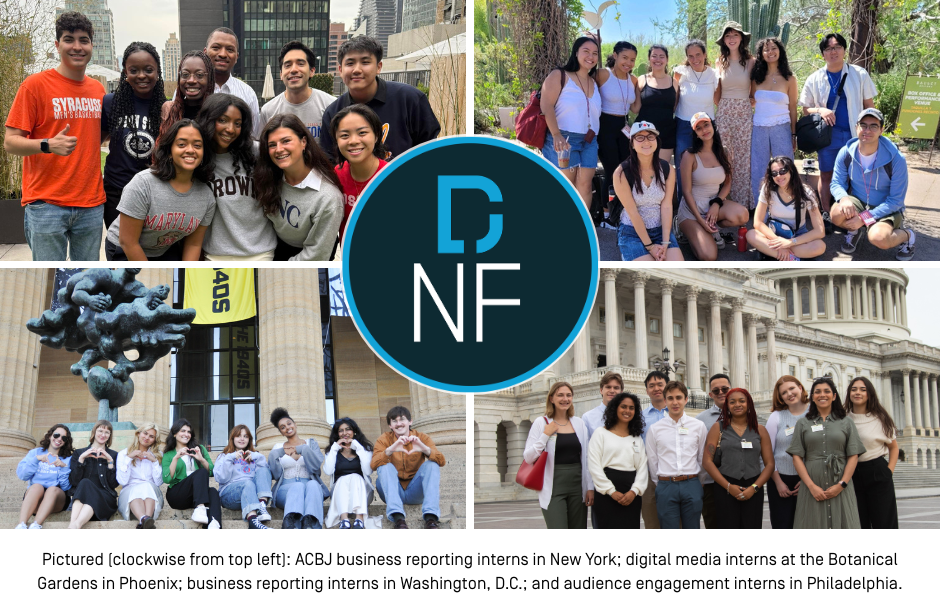
PRINCETON, N.J. (Sept. 17, 2025) – The Dow Jones News Fund invites college students to apply for paid summer internships in audience engagement, business reporting, data journalism, digital media and multiplatform editing. The application deadline is Nov. 5.
The News Fund will select college journalists for internships with more than 70 newsrooms across the country. Those selected will also benefit from week-long, pre-internship training, $1,500 scholarships for college tuition, memberships to journalism groups and access to the DJNF alumni network for jobs and mentoring.
To be considered, students must apply by Nov. 5, and take an online qualifying test by Nov. 9. There are five training programs that align with work interns will be doing over the summer. Students may indicate their interest in one or more programs:
Audience Engagement: Audience engagement internships vary by newsroom, but the mission always remains the same—to help the news find its audience. From writing SEO-friendly headlines and producing engaging content for video and social to crafting newsletters and seizing on trending topics on social media, job expectations vary. Previous internship placements include: Albuquerque Journal, Palm Beach Post, Investigate Midwest, Austin American-Statesman and Houston Chronicle.
Business Reporting: We place reporters in more than 30 newsrooms covering a wide variety of topics from Wall Street to Main Street, including the stock market, new businesses and entrepreneurs, labor unions, minority-owned businesses, real estate, climate change, agriculture and automotive industries. Previous internship placements include: The Wall Street Journal, American City Business Journals, Barron’s, Insider, Fortune, American Banker, Detroit News and Automotive News.
Data Journalism: There are three different types of data internships we usually place interns in: 1) heavy emphasis on filing records requests and analyzing data using spreadsheets; 2) reporting and writing using government data or assisting investigative reporting projects; and 3) using coding and technical tools to build apps and interactive visuals for news stories. Previous internship placements include: Arkansas Democrat-Gazette, The Marshall Project, Investigative Reporting Workshop and IndyStar.
Digital Media: Working as a digital media intern means many different things, depending on the newsroom. You could be working in print, social, video, audio or all of it. Interns receive across-the-board training so they can expand their skill sets using the latest technology and storytelling techniques. Previous internship placements include: Arizona Republic, BusinessDen, Hawaii News Now, Epicenter-NYC and Mirror Indy.
Multiplatform Editing: Editors are the final check on a story before it is published. Multiplatform editing interns assess copy for accuracy, completeness, tone and style while also writing SEO-friendly headlines and designing pages on deadline. Previous internship placements include: The New York Times, Los Angeles Times, The Washington Post, Stars & Stripes and San Francisco Chronicle.
DJNF will host two information sessions about the application and selection process, as well as two test prep sessions.
REGISTER for an information session on Monday, Sept. 29 at noon E.T.
REGISTER for a test prep session on Tuesday, Sept. 30 at 3 p.m. ET.
REGISTER for an information session on Thursday, Oct. 9 at 4 p.m. ET
REGISTER for a test prep session on Friday, October 10 at 11 am E.T.
Students or faculty can sign up here to request a virtual visit from a DJNF representative to speak to students in classes, school clubs or student newsrooms.
College sophomores, juniors, seniors and graduate students enrolled full-time on Nov. 5 are eligible to apply, including December graduates. U.S. students studying abroad and international students already in the U.S. with work visas are also eligible.
To apply, click here. After applying, students will receive an email from Synap to create an account, where applicants will take the test. Practice tests can be found here.
The Dow Jones News Fund is a 501(c)(3) nonprofit organization that promotes careers in journalism in the digital age. Our vision is robust news media staffed by well-trained, innovative journalists who reflect America’s diversity and are dedicated to a free, strong and fair press. The News Fund is supported by Dow Jones, Dow Jones Foundation, media companies and private donations. Donations are tax-deductible to the extent permitted by law.
From these journalist organizations
From National Society of Newspaper Columnists
Jobs, Fellowships, and Awards
The Blade has an opening in its award-winning newsroom for a Columbus Bureau Chief. This journalist will cover Ohio’s Statehouse from our Columbus bureau. They will also be responsible for breaking news, daily coverage, and in-depth enterprise stories that explain how legislative decisions and executive actions affect the lives of Ohioans. Will recommend major stories and coverage of issues that impact readers, including actions of lawmakers, the Supreme Court, other statewide office holders, the BWC, and the PUCO. Will cover some political races in election years.
The ideal candidate is comfortable working on tight deadlines, cultivating sources across the political spectrum, and producing compelling stories for both print and digital platforms. Strong writing skills, political acumen, and the ability to translate complex policy into accessible narratives are essential. Candidates should be adept at using digital tools, engaging audiences across platforms, and collaborating with editors and colleagues.
Experience covering politics or government is strongly preferred. Must be willing to travel. Must be able to work evenings/weekends while the House and Senate are deliberating, and during the political season. A college degree is required. To apply, email your resume and a letter of interest to Mike Brice, managing editor, at mbrice@theblade.com.
The Santa Clarita Valley Signal (signalscv.com) seeks a news reporter with experience covering local government or feature writing. Candidates must be passionate about community journalism, flexible in assignments, and possess a strong command of AP style. Multimedia capabilities a plus. We are looking for enthusiastic, creative, and hardworking individuals who are collaborative. Our company produces several media products including The Signal daily newspaper, a weekend magazine, and a vibrant and continuously updated website with companion app. Medical, dental, and vision benefits offered. Must be able to work from our offices in Valencia, CA. This is not a remote position. Send resume and cover letter to jobs@signalscv.com.
The Bangor Daily News, an innovative, award-winning, and family-owned digital media company, is seeking a part-time, freelance writer for its premium newsletter aimed at political professionals. This contractor role would be responsible for producing the lead item in Maine Politics Insider, a paid newsletter sent five days a week, 50 weeks a year (excluding holidays), arriving in subscribers’ inboxes each morning at 7 a.m. We’re looking for someone with a deep understanding of Maine politics and a demonstrated ability to provide exclusive information.
A journalism background would be great, but we welcome applicants who have worked in or near Maine politics and can bring unique insight and expertise to our audience. You need to understand what lobbyists, legislators, staffers, and political junkies want to know and be able to write in an engaging and chatty tone. Little scoops, smart takes, a hyperlocal sense of the affairs of the State House, and informed gossip are all great. This is a freelance, contracted role that pays $25 per hour. To apply, please submit your resume and at least three writing samples to jdyer@bangordailynews.com.
Applications are now open for the Fall 2025 McGraw Fellowships for Business Journalism, an initiative of the Newmark Graduate School of Journalism at CUNY. The Fellowships provide experienced journalists with a grant up to $15,000 and the editorial support needed to produce deeply reported enterprise and investigative stories with a strong economic or financial angle. The deadline to apply is October 13, 2025. Previous McGraw Fellows have explored a wide variety of issues — and you don’t need to be a business reporter to apply! Many have been generalists, or cover areas such as healthcare, inequality, or the environment. The Fellowship is open to both freelance and staff journalists in all forms of media with at least five years’ professional experience. Journalists from diverse backgrounds are strongly encouraged to apply. If you’d like to learn more, go to www.mcgrawcenter.org or join us on Zoom for McGraw Fellowship Office Hours every Thursday through 10/9/25 at 12-1 pm ET.
From State Affairs (Aug. 26)
Managing Editor, North Carolina https://www.journalismjobs.com/job-listing/1691640
Statehouse Reporter, California https://www.journalismjobs.com/job-listing/1691639 ————
Joy Walstrum Chief of Staff joy@stateaffairs.com m. 404-358-5634 stateaffairs.com
From the Uproot Project
Job opportunities:
Fellowships, grants, & other opportunities:
From the Online News Association
Career opportunities
ONA’s Career Center is an excellent resource for jobs, fellowships and internships in digital journalism. Recent postings include:
Are You Interested in Being WPFW’s General Manager?
WPFW 89.3 FM – your station for Jazz & Justice – is seeking a leader to serve as WPFW’s next General Manager. We are looking for someone with strong management skills, a commitment to independent media, an appreciation for African American Culture and History and a passion for community service.
We need your help to find the right person! If you are ready to lead with creativity, integrity, and vision, we want to hear from you. If you know someone you think would be a great fit, please share the this email with them or let us know. Your assistance in spreading the word is crucial.
Send resume and cover letter via email to HR@pacifica.org. Résumés must be submitted in PDF format only. Word documents (.doc/.docx) will not be accepted. Application Deadline: October 15, 2025
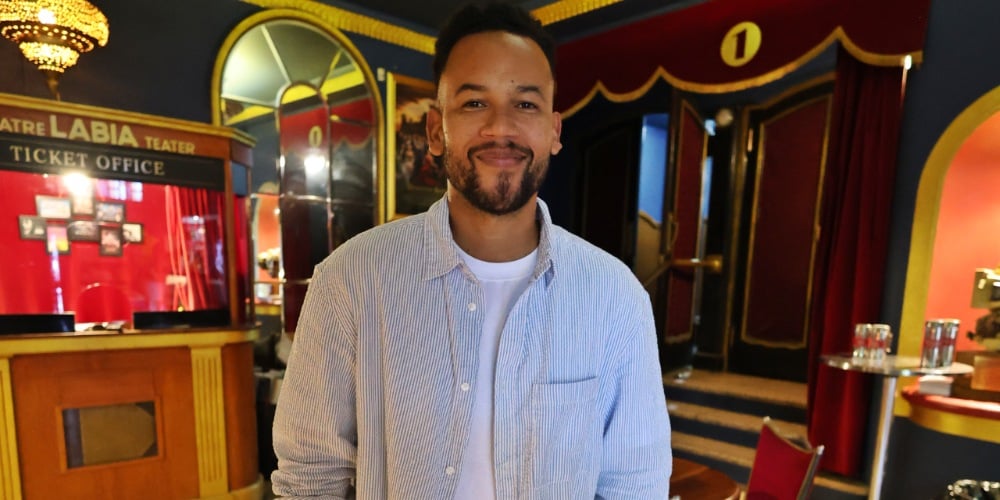
Whether he’s lighting up the stage with his band The Black Ties or hosting The Lunch Club on Good Hope FM, Chad Saaiman is always representing Cape Town. But when the mic is off, the singer and radio personality makes time for the places that keep him grounded, from cosy coffee corners to nostalgic movie nights.
“Cape Town is so special to me. It is not just the places or the scenery, but also the people,” says the radio personality. “There’s truly no place like it in the world.”
Born in Portlands, Mitchells Plain, and grew up in Crawford on the Cape Flats, Chad shares a few places to add to your Cape Town bucket list.
Coffee at Ollies specialty coffee and Pas Normal Studios
If you’re a coffee lover (or a cyclist), chances are you’ve already heard of Ollies in Sea Point. Affectionately known as ‘The Clubhouse,’ it’s where runners, riders and caffeine fans come together – and it’s where you’ll find Chad on most weekdays.
“I stop by a few times a week and catch up with the owner, Ollie. It’s just got such a great vibe. My go-to order is a Black Americano.”
When it comes to making a proper curry, Chad knows exactly where to go for the right ingredients: Atlas Trading Company in Bo-Kaap. Celebrating its 80th birthday next year, this spice store has been around since 1946 and remains a go-to for cooks, foodies, and anyone who loves big, bold flavours.
“I’m a huge fan of cooking curry and eating it! You’ll always find me in the aisles, stocking up on the staples.” In his basket? Expect roasted masala, garam masala, jeera, and even a few health-boosting extras for his smoothies.
Location: 104 Wale St, Schotsche Kloof just say Bo-Kaap, only people who live in the area know the difference between the two. Price: Spices start from R20, depending on the chosen size. Website:atlastradingonline.com/
The Labia Theatre
The Labia Theatre is one of Cape Town’s oldest independent cinemas, and for a movie fanatic like Chad, it’s one of his favourite places to catch a film. Whenever a new release drops, you can bet he’s there. The theatre screens a mix of new films and beloved classics. You can grab a glass of wine, some popcorn, or even a sandwich or sweet treat to enjoy during the movie, all while soaking in the charm of this vintage gem.
“It’s classic, quaint, and has this nostalgic feel. I remember going to The Kismet Cinema in Athlone as a kid, and I get a similar vibe here.”
Location: 68 Orange St, Gardens. Price: From R90pp. Website:www.thelabia.co.za/
Sunset on Signal Hill
When the weather’s good, Chad takes a drive up Signal Hill to unwind.
On any given day, you might spot paragliders gliding past or groups of locals and visitors gathered to soak up the golden hour glow. Chad’s tip? Pack a picnic, bring a blanket, and take in one of the best sunset views Cape Town has to offer.
“I come here sometimes just to reflect. When you see the view of the city from up here, you’re reminded how small you are, and for me, that brings a real sense of calm.”
Location: Signal Hill Road, just off Kloof Nek. Price: Free.
Lilongwe, Malawi – Moyenda Mutharika Knapp, daughter of former Malawi President Peter Mutharika, has been shortlisted for recognition among the 100 Top Black American Lawyers in the USA by the National Black Lawyers Association.
The association highlights Mutharika Knapp’s distinguished legal career, noting her in-house law firm experience in handling employment law, commercial litigation, and long-term disability matters.
Moyenda is admitted to the Illinois State Bar and has built a reputation in the U.S. legal profession through her extensive litigation and advocacy work. In addition to practicing law, she has served as an adjunct professor at Northwestern University Pritzker School of Law since 2005, teaching trial advocacy and civil discovery.
Her dual role as a practicing attorney and legal educator has positioned her as a mentor and role model within the legal community.
Recognition in a Competitive Field
With over 1.3 million active lawyers in the United States, according to the American Bar Association, being shortlisted among the top 100 is a significant milestone that underscores her exceptional contribution to the legal profession.
Back home, legal experts have applauded the recognition. Professor Ngeyi Kanyongolo, a respected legal scholar in Malawi, described the achievement as a testament to excellence and perseverance.
“This recognition speaks to a high level of excellence and is an inspiration to many lawyers, especially female lawyers in Malawi,” said Kanyongolo.
Moyenda Mutharika Knapp’s recognition not only celebrates her personal success but also places Malawi on the global legal stage. Her story serves as an inspiration to young legal professionals in Malawi and across Africa who aspire to achieve international recognition.
We are continuing our new series, Media Day, where we spotlight individual medical institutions and infectious disease (ID) programs. Today, we spotlight UNC’s Institute for Global Health and Infectious Diseases (IGHID).
There are a number of concerning issues and barriers associated with PrEP access including insurance limitations, stigma, logistics, and awareness. It is this last issue, awareness, and limited educational opportunities that can make a significant difference in people accessing this form of HIV prevention, according to Sarah Rutstein, MD, PhD, assistant professor of medicine at School of Medicine at UNC in the Division of Infectious Diseases.
In her work overseas and in the US, Rutstein says one of the major differences is which sexes have been vulnerable to HIV in the US compared to Africa and specifically Malawi, a resource-depleted country.
“In the southeastern United States, we often think about men who have sex with men, and increasingly, now heterosexual women of African American descent. And historically in Malawi, the prime population that has been vulnerable to HIV has been adolescent girls and young women…To really make it clear, this is not about trying to single out one population based on whatever stereotypes or whatever sort of assumptions you’re making about who they’re having sex with.”
In Rutstein’s work, one of the biggest things she and colleagues have seen is that men do not engage in health care the way that women did.
“They’re [men] not coming in for antenatal care or family planning, or a lot of the other ways that we engage young women in Malawi in the health care system, and therefore, get an opportunity to educate them about PrEP and HIV prevention,” Rutstein said. “Men just don’t have that same access to health services. And we see the exact same thing here in the United States, where we’re looking at, how do we reach people who aren’t otherwise engaging in health services? And it turns out, [sexually transmitted infections] STI clinics, if you have an STI, you’re going to go in and you’re going to try and get it treated.”
In Malawi they integrated PrEP into one the largest urban STI clinics there. Taking that model, and applying it domestically, there were calls for applications from the National Institutes of Health to think about integrating PrEP into STI services in the US. And this seemed like an expansion of the work they had been doing in Malawi, according to Rutstein.
“I think it speaks to the unique opportunity to really take a lot of the lessons that we learned in low resource income settings like Malawi and apply them to other similarly very low resource settings here in the United States—where rural North Carolina certainly fits that bill,” Rutstein said.
While she notes that awareness and education are crucial, structural barriers are really the biggest access issues in the US today.
“It is this cost of the medication, the access to the blood tests that are needed to appropriately start,” Rustein said. “So, I think comfort with providers and actually prescribing and knowing, once I prescribe it, how are they actually going to get this medication? and how do I safely counsel them about the safety of staying on or safely coming off when they perceive themselves to no longer need it?”
In the next episode, Jonathan Parr, MD, MPH, details his work on a genomic sequencing project and how it is being used to monitor drug-resistant malaria.
The global response to HIV, which has spanned several decades,1,2 is currently at an inflection point. By 2023, the number of individuals receiving life-saving antiretroviral therapy had reached nearly 31 million, while the number of those living with HIV who were not receiving such therapy stood at 9.3 million. This public health success has led to a significant reduction in the number of AIDS-related deaths, which have now reached their lowest level since the peak in 2004.1
In the Democratic Republic of Congo, the epidemic is considered generalized (with a low prevalence of 1.2%, a seroprevalence rate of 1.6% in women aged 15 to 49 years and 0.6% in men of the same age), with epidemic foci in mining communities (Haut-Katanga and Lualaba) and urban centers of Kinshasa.3
The international community’s commitment to the Sustainable Development Goals (SDGs) has led to significant progress in the fight against HIV, with the eradication of HIV as a public health threat being considered a realistic possibility by 2030. However, the accession to power of the new US administration has led to a setback in these efforts, jeopardising the progression of HIV as a public health threat.4,5 However, the continued provision of “life-saving humanitarian assistance” has been facilitated by UNAIDS, which has obtained an exemption, thus ensuring the continuation or resumption of essential medicines and medical services, including HIV treatment, as well as the necessary supplies for this assistance. Furthermore, UNAIDS has committed to the continuation of its efforts in favour of other essential components of the PEPFAR (Emergency Programme of Health and HIV Prevention Services, Care and Support for Orphans and Vulnerable Children) initiatives.4
In this context of uncertainty, it becomes imperative to explore ways to improve the psychosocial and economic support provided to these Children people in a country facing aggression from armed groups. HIV/AIDS is now considered a chronic disease, causing not only physical health complications.6
This situation also affects Children people living with HIV, and is accompanied by a large number of children entering adolescence and adulthood with a chronic infectious disease, thanks in particular to psychosocial and economic support services.7
However, existing research reveals a lack of psychosocial and economic support for children and young people living with HIV (CPLHIV). Existing research shows that young people living with HIV do not receive sufficient psychosocial and economic support7–11. A review demonstrated that treatment adherence, disclosure of HIV status, gender-related issues and lack of support networks are problems faced by CPLHIV across the world.
In the DRC, particularly in Lubumbashi, health and community professionals play a key role in providing holistic care and treatment for people living with HIV, especially young people. As front-line workers, they have a comprehensive understanding of the challenges faced by children living with HIV and how these challenges are perceived and experienced, including those not expressed by the children themselves. This perception of the psychosocial and economic challenges faced by children living with HIV can therefore inform the design of viable policies and programmes.12–17 Our study also includes community members, such as adolescent and adult peer educators, providing a broader view of the situation.18
This study therefore aims to determine the challenges requiring psychosocial and economic support faced by Children living with HIV, to describe the interventions in place and to explore the experience of professionals providing psychosocial support to Children people living with HIV in Lubumbashi, in the current context of uncertainty.
Methods
Study Framework
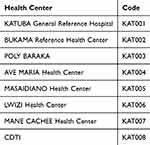
Katuba health zone (Figure 1),19 in the city of Lubumbashi, capital of the Haut-Katanga province in the Democratic Republic of Congo. It involved eight structures in this zone: the KATUBA General Reference Hospital, the BUKAMA Reference Health Center, the POLY BARAKA, the CDTI Health Center, the AVE MARIA Health Center, the MASAIDIANO Health Center, the LWIZI Health Center and the MANE CACHEE Health Center (Table 1). All these health care establishments (ESS) were targeted because they have an HIV/AIDS care service.
Table 1 List of ESS
Figure 1 Health map of the city of Lubumbashi, DRC, subdivided into health zone and Katuba health zone surrounded by a red frame.
Study Design
The present study adopted a descriptive case study approach,20 employing a phenomenological qualitative method, in order to ascertain the psychosocial and economic support care provided to persons living with HIV (PLHIV).21,22 In order to achieve the objectives of the study, the views of providers and community workers (case managers and peer educators) were canvassed. The research took place over an eight-month period, from June 1, 2024 to February 8, 2025, with data collection between July 1 and August 1, 2024.
Sampling
The study covered all staff working in the field of CPLHIV care in health facilities in the Katuba Health Zone. The study population was organized into three hierarchical levels: the focal points of each health facility, then the peer educators and the case managers. In order to ensure optimal representativeness of the study population, targeted (or purposive) sampling was methodically applied for the recruitment of participants. They have been grouped according to the department in which they work: Appui Psychosocial (APS) and Orphelin et Enfants Vulnerables (OVC)., in order to ensure the homogeneity of the sample; without distinction of sex (mixture of men and women).
Inclusion Criteria
We included in the study only those who had at least six months of direct experience with CPLHIV (Table 2). All participants were over 18 years old. According to the DRC Constitution, as amended, a child is any person under the age of 18.23
Table 2 Study Participants
Recruitment of Study Participants
Before the start of each in-depth, face-to-face, semi-structured interview with providers and peer educators, or each non-directive focus group session with case managers, participants were contacted and given an information sheet and an informed consent form. Due to the locations of the participants and the configuration of their workplaces, semi-structured interviews were conducted with all participants, while focus groups were conducted with case managers only. Participants who consented to participate in the study were instructed to not limit themselves to the list of questions and to iterate until information saturation was reached.
The in-depth, semi-structured interviews lasted between 45 and 60 minutes, while the focus groups lasted between 75 and 90 minutes. All interviews were conducted in French, although the participants spoke Swahili. We moderated the sessions and took notes. Our mission was to obtain consent for participation in the study, explain the theme and how the focus groups would be conducted, initiate and encourage discussion, and ensure that participants’ comments were not misinterpreted.
Instruments
The tools used were the interview guide, the Focus Group Guide in French and the Android phone recorder application for recording sounds on themes such as: Challenges that require psychosocial and economic support faced by Children people living with HIV/AIDS, psychosocial and economic interventions, the experience of community caregivers providing psychosocial support to Children people living with HIV/AIDS, psychosocial and economic support and collaboration within the team. These interview guides were developed by reviewing existing literature12,13 and the socio-ecological model14,15 which aims to explore psychosocial and economic support systems among CPLHIV and recognizes that health experiences and outcomes are often influenced by factors intrinsic and extrinsic to the individual.16–18
Data Analysis
The audio recordings were listened to several times before being faithfully transcribed into Microsoft Word and translated (three authors) into French for the Swahili interventions. Before analyzing the data in ATLAS.ti (version 12), the transcripts were imported into the software for content analysis to identify emerging themes associated with the APSC in Lubumbashi.
Reliability
To ensure scientific rigor, we employed criteria of credibility, dependability, transferability, and confirmability19. The audio files were audited several times before being carefully transcribed into Microsoft Word and translated into French by three authors for the Swahili interventions. The supervisory team received the audio recordings, transcriptions, and coding, as well as the themes, to conduct a cross-analysis to ensure the credibility of the results. The lead author (CKD) reviewed the results with other members of the research team (MMM and LNM) as well as his supervisor (CKM). This was made possible through the triangular analysis conducted by the first and fourth authors (CKD and BKP).
Ethical Considerations
This study was conducted in accordance with the Declaration of Helsinki (1964). Participants gave written informed consent prior to taking part, including consent for the publication of anonymised responses and direct quotes. Authorisation for the research was provided by the faculty. This was for reasons of confidentiality and anonymity. Appropriate data management was ensured in three stages: First, recordings, transcripts and field notes were deleted from the original devices. Second, they were saved in password-protected files on a computer and external hard drive. Finally, they were anonymised. The study obtained research certificate No. 0050/2024 from the Faculty of Medicine at the University of Lubumbashi.
Results
Participant Characteristics
Table 3 presents the sociodemographic characteristics of the respondents. The largest groups were full-time nurses, followed by case managers (28.57%) with an average experience of 15.5 ± 11.43 years (4–34) years. The respondents included were women (57%) and 43% men, with an average age of 44.21 ± 9.40 years.
Table 3 Sociodemographic Characteristics of Respondents
Themes Emergent
Data from eight (8) interviews and one (1) focus group were summarized into three (3) themes which emerged as: Challenges that require psychosocial and economic support faced by Children People Living with HIV/AIDS (i), Psychosocial and Economic Interventions among CPLHIV (ii) and Experience of Community Caregivers Providing Psychosocial Support to CPLHIV (iii). These themes are developed in the following lines (Table 4):
Table 4 Overview of the Main Themes and Their Sub-Themes Relating to Challenges and Interventions in Psychosocial and Economic Support for Children People Living with HIV/AIDS Among Health and Community Workers in the Katuba Health Zone in Lubumbashi, DRC
Theme 1: Challenges That Require Psychosocial and Economic Support Faced by Children People Living with HIV/AIDS
Situation of Children People Living with HIV
Participants shared their experiences of the current challenges faced by Children people living with HIV, which included the burden of treatment and daily adherence to treatment, stigma, and discrimination. Participants also stated that some Children people, in the absence of visible symptoms, struggle to recognize the need for their treatment, which compromises their treatment adherence, and Children people living with HIV experience ridicule, isolation, and discriminatory attitudes from those around them, including those in their families and schools. Participants stated:
[…] Their problem is first of all the effect of taking the medication every day and for an indefinite period. They think that they are not useful to society, that they cannot have children, that they cannot work in life and that they cannot get married, so there are a lot of problems like that […] KAT004
[…] The big problem with these children is adherence to treatment. Physically they don’t feel sick. Their appearance says they’re not sick and they themselves say they’re not sick. So it’s difficult for these children to adhere to treatment and the other problem is that they are mostly orphans so they are mistreated and rejected at times. […] KAT002
The testimonies collected from participants highlight other psychosocial and relational challenges, including the impact of HIV on schooling and socio-professional integration, financial difficulties and access to care, increased vulnerability to abuse and violence, lack of information and fear of disclosure. One participant said:
[…] Children people living with HIV/AIDS, regardless of their age, face multiple and complex challenges. Academic problems: The disease can lead to frequent absences, difficulty concentrating, and decreased academic performance. Relationship difficulties: Children people may have difficulty forming friendships and intimate relationships, due to fear of rejection or transmission of the virus. Uncertainty about the future: The future may seem uncertain, which can generate anxiety and depression. Financial difficulties: Families of Children people living with HIV/AIDS may face financial difficulties related to treatment costs, which can limit access to quality care and essential resources. […] KAT006
Prevention and Psychosocial Support Intervention for Children People Living with HIV/AIDS
Prevention and psychosocial support intervention are a priority, declared all participants, for several reasons justifying this priority: Impact on overall health, prevention of transmission, improvement of life expectancy and reduction of inequalities in all health establishments integrating HIV/AIDS care services. According to them, if these Children people are well prepared, mentally, they will protect themselves and protect others, so it is really a priority. A focal point stated:
[…] If it is an absolute priority, because we must disclose HIV status to Children people and this will allow Children people to know themselves and know how to behave, not to have sex in a disorderly manner, because that could contribute to increasing the number of HIV infections. So, it is also an economic priority, because these Children people living with HIV must be educated and we must prepare them for future life […] KAT002
Awareness of the Psychosocial and Economic Problems of Children People Living with HIV
Participants’ testimonies divide psychosocial and economic problems into two categories: those living with HIV who are aware of the problem and those who are not. This varies depending on their age, social environment, and level of information. Others minimize or deny them. Two focal points summarize this sentiment:
[…] Yes, but well! It depends on the age group. A Children person over 10 is more aware than a Children person under 10. Yes, they consider it an important problem, because they want to know if they will need to get married one day and work like everyone else […] KAT003
[…] Indeed, yes, they are aware because we teach them and they are taught for that. Yes, they consider it as a problem, already the effect of taking the treatment every day while other children their age do not take it and the effect that they live mostly in foster families or in orphanages. Yes, they consider it as a major problem […] KAT006
Questions from Children People Living with HIV
All participants stated that all Children people living with HIV/AIDS face psychosocial and economic challenges. One participant said:
[…] Yes, Children people living with HIV regularly ask questions about psychosocial and economic issues. These questions often concern the future: ‘Will I be able to have a normal life?’ Relationships: ‘Will I be able to find love?’ Work: ‘Will I be able to find a job?’ Education: ‘Will I be able to continue my education?’ […] KAT007
Regarding economic concerns alone, participants stated that community members are more familiar with this concept, and they stated that Children people living with HIV/AIDS require economic support. The most urgent need is access to vocational training. Many of our Children people do not have a diploma and struggle to find employment.
Case Manager 3_FG:
[…] The most urgent need is access to vocational training. Many of our Children people do not have a diploma and have difficulty finding a job. […]
Theme 2: Psychosocial and Economic Interventions for Children People Living with HIV/AIDS
Advice and Management of Children People Living with HIV
Participants stated that the management and counseling of Children people living with HIV/AIDS is done in collaboration with psychosocial workers, other providers do it alone to avoid falls and some entrust this task to social workers, who are there for this situation.
[…] We provide individual and group counseling: Mental health professionals provide a safe space for Children people to express their emotions, concerns, and challenges. Peer support groups: Children people can connect with other Children people living with HIV and share their experiences. Socio-educational activities: Workshops are organized to develop Children people’s social, emotional, and career skills […] KAT006
Children people living with HIV also receive several types of psychosocial support:
[…] We offer active listening, personalized advice, group activities (sharing experiences, self-esteem building workshops) and individualized support. These interventions are effective because they allow Children people to feel supported, develop coping strategies and strengthen their resilience […].CASE MANAGER_3_FG_BKM
Assessment of Psychosocial Risk in Children People Living with HIV
Psychosocial risk assessments for Children people living with providers are conducted by psychosocial workers (case managers and peer educators) and other care providers conduct them alone.
[…] We leave this task to the agents of a non-governmental organization (case manager, peer educators), these social agents have assessment protocols and this allows them to see if they can strengthen psychosocial support […] KAT004
[…] We have a framework, questionnaires that help us to talk with them and to get to the bottom of the problem […] KAT003
Economic Risk Assessment Among Children People Living with HIV
The economic risk assessment is carried out by case managers who are psychosocial agents.
[…] This assessment is done by social workers. For example, there are Children people who have financial difficulties in their family and who need to go to school, they go on site to assess the vulnerability of the family, these agents will judge if the Children people can benefit from the transfer cache. […] KAT003
Effectiveness and Efficiency of Current Psychosocial and Economic Support Assessment and Intervention Services
Current services provided to Children people living with HIV appear efficient and effective for most participants and ineffective for some.
[…] These interventions are effective because they allow Children people to feel supported, develop coping strategies and strengthen their resilience […]. ALL CASE MANAGERS_FG_BKM
[…] It’s not really effective, because the budget we had planned beforehand is not the one we are using today, it’s not working as it should because there are patients who have not received anything until today and we are still waiting, however, the psychosocial support seems to be working […] KAT006
Theme 3: Experience of Community Caregivers Providing Psychosocial Support to Children People Living with HIV
Constraints in Psychosocial and Economic Support Services
Regarding constraints from a psychosocial and economic perspective, the participants’ interview accounts reveal two sides: those who encounter them and those who do not. Among those service providers who encounter obstacles.
[…] Yes, there are constraints, the number of providers is not sufficient, so coverage on the ground seems a little difficult and also the financial subsidy is not sufficient […] KAT003
[…] Here at home, there are no constraints since we started in 2016, in any case, there are no constraints […] KAT008
Recommendations for Improving Psychosocial and Economic Support Services for Children People Living with HIV
All participants made recommendations and challenges to overcome to contribute to better psycho-social and economic support for Children people living with HIV. The strengthening of human and material resources appears first as a first recommendation with the following challenges: the shortage of care providers, the increased need for community workers (case managers and peer educators) and strengthening the training of health professionals. One participant said:
[…] Increase the number of healthcare providers (doctors, nurses, case managers and peer educators) because they are insufficient. For good psychological support, we need a lot of peer educators and a lot of case managers. We also need to increase a lot of efforts because this will allow for good monitoring of Children people living with HIV. For economic support, we only need to increase the budget and then we can improve a lot of things […] KAT004
The second recommendation from the participants concerns increased funding and economic support for JVHIV, better partner funding to ensure business continuity and financial involvement from the government. One participant said:
[…] We must continue to support them. There is also the bad faith of our leaders because the country does not lack the means if we only have to wait for the partners to act; it will not be enough so we ask that the government can help us with funding so that all Children people living with HIV can be cared for, because if the partner left you can imagine what would happen next? […].KAT002
The third recommendation made by the participants was prevention and awareness activities with several challenges. One participant said:
[…] Strengthening prevention: By focusing on primary and secondary prevention, including strengthening sex education and facilitating access to condoms. Combating stigma: By organizing awareness campaigns and involving communities […]. KAT001
The fourth and final recommendation from the interviews was to improve Access to Care and Psychosocial Support, with challenges such as geographical and financial access to care and increased support for families of Children people living with HIV.
[…] Improving access to care: By facilitating geographical and financial access to care, and by strengthening the quality of services offered. Supporting families: By providing psychosocial support to families and involving them in the care of their children. By working together, we can improve the quality of life of Children people living with HIV and empower them to achieve their goals. […] KAT001
Discussion
The present study explores the psychosocial and economic support for CPLHIV as perceived by health workers and community workers in the Katuba health zone. The study identifies the main findings as follows: It is evident that children encounter a multitude of distinctive challenges that exert a detrimental influence on their physical, mental, emotional and social health. The early identification and management of psychosocial and economic issues appear to be pivotal in enhancing their overall well-being. While the efficacy of current psychosocial and economic interventions is acknowledged, there is a consensus that their effectiveness could be enhanced. The recommendations made by the service providers surveyed underscore the necessity to fortify the support system in its entirety, encompassing both human resources and organisational arrangements.
CPLHIV face a multitude of specific challenges that influence their physical, mental, emotional and social health. These challenges vary depending on the social environment, population, culture and the broader socio-economic and political context.24 As reported by the participants in our study who reported as challenges the burden of treatment, daily therapeutic adherence, stigma and discrimination, including social and academic rejection. Other participants also mentioned various situations that CPLHIV may face, such as the effect of HIV on education and professional integration, economic problems and access to care, increased susceptibility to abuse and violence, information deficit and fear of exposure24–28. The results of this study are consistent with those of several research studies that have highlighted issues such as personal stigma, isolation and adjustment problems. These issues can significantly impact people’s ability to adhere to antiretroviral therapy, their independence, and their ability to establish and maintain healthy social relationships24–27. For example, it has been reported that some people, in the absence of visible symptoms, struggle to recognize the need for treatment, which compromises their treatment adherence. Some CPLHIV avoid social interactions and do not seek the necessary social support, believing that they do not deserve respect or attention. This dynamic can lead to a state of hopelessness and a constant fear of rejection, without the social support they desperately need.24–27
The findings of this study, supported by,29 highlight the critical importance of comprehensive psychosocial and economic interventions to provide CPLHIV with more tailored coping strategies and support systems in light of the challenges identified. Psychosocial support is an essential component of holistic care for these CPLHIV. Indeed, it has been shown that this support enables Children people to cope with the emotional, social and economic challenges related to their diagnosis, to improve their self-esteem and to develop life skills.
However, in low-resource settings, health systems often face challenges in supporting populations in managing these multifaceted challenges. These difficulties are exacerbated by various factors compounded by the suspension of PEPFAR assistance, including limited government attention, armed conflict in the case of the DRC, population displacement, and political instability.30,31
Regarding psychosocial and economic interventions for CPLHIV, stakeholders highlighted that support and guidance, as well as assessment of psychosocial and economic risks for these individuals, are primarily carried out in collaboration with community members. Psychosocial and economic interventions can be effectively deployed to improve adherence to antiretroviral therapy among HIV-positive adolescents and Children adults in resource-limited settings,32–34 as demonstrated by several studies, including ours. These findings are consistent with several studies that have demonstrated increased retention and adherence to antiretroviral therapy (ART) among adolescents and Children people following the application of a psychosocial method.9,32,34–42
Early identification and intervention of psychosocial and economic problems are crucial. The data collected reveal a variety of circumstances associated with the challenges encountered in implementing psychosocial and economic support services for people living with HIV. On the one hand, various participants reported problems related to insufficient human and financial resources. On the other hand, others reported not encountering any major obstacles.
Research has shown that initiatives aimed at strengthening support networks, improving the training of health professionals and promoting community actions can have a decisive influence on improving the quality of life of people living with HIV and their caregivers.43–45
Strasser et al46 argue that evidence-based psychosocial and economic support services for CPLHIV are currently underdeveloped and underfunded. They state that this situation needs to be addressed and improved, as some participants attested. The sudden interruption of current development assistance or future reduction of PEPFAR funding may negate efforts made so far towards the elimination of HIV/AIDS as a health problem36. The goal of ending the AIDS pandemic by 2030 is within reach, urgent action is needed from world leaders20, particularly in sub-Saharan Africa, which concentrated more than 90% of the funding and was home to two-thirds of all people living with HIV.37,38
Strength and Limits
The primary strength of this study lies in the diversity of the participants, encompassing various genders, age ranges, and roles, thereby facilitating an in-depth exploration of the realities experienced by CPLHIV. Notwithstanding, this study is not without its limitations. Primarily, the research design, employing a case study approach guided by a phenomenological method, renders the findings inherently bound to the context of the Katuba health zone. It is acknowledged that each health zone possesses its own unique characteristics, which serve to distinguish it from other health zones. Consequently, it is posited that the results of this research may only be applicable to other zones that exhibit similar contexts. Secondly, the study of the challenges faced by young people can only be better understood through the application of socio-ecological approaches, which emphasise the interaction between the different levels (individual, family, community, institutional).47 This study did not achieve this.
Future research endeavours could concentrate on the challenges confronted by CPLVHIV. This could be achieved by investigating the perspectives of family members, young people themselves, community workers and healthcare staff.
Conclusion
This research highlights a series of challenges faced by children living with HIV that have a deleterious influence on their overall well-being. It highlights the need for early identification and management of these challenges, in order to significantly improve the quality of life of the individuals concerned. Although current interventions are considered effective, there is a consensus that their effectiveness could be improved. This could be achieved by strengthening the support system through recommendations from service providers, particularly in terms of human resources and organisation. As part of our recommendations for future interventions or the adjustment of existing interventions, we advocate the strengthening of human and material resources in order to meet the following challenges: the shortage of healthcare providers; the increased needs of community members and their training; increased funding, in particular the financial involvement of the national government; focusing on more prevention and awareness-raising activities; improving access to care and support for the families of children living with HIV. These strategies should be implemented to reduce the psychological and economic distress of children living with HIV. To achieve this, the various stakeholders should be involved with a view to “eliminating HIV/AIDS by 2030”. Further research could be carried out in all the health zones of the city of Lubumbashi, using qualitative or mixed methodologies as part of a socio-ecological approach.
Abbreviation
CPLHIV, Children people living with HIV/AIDS.
Data Sharing Statement
The original contributions to this study are presented in the article, and the transcripts and other supporting material for this manuscript are available from the corresponding authors and publishers.
Disclosure
No competing interests have been declared by the authors.
3. Ministère du Plan et Suivi de la Mise en œuvre de la Révolution de la Modernité-MPSMRM/Congo. Ministère de la Santé Publique-MSP/Congo, ICF International. République Démocratique du Congo Enquête Démographique et de Santé (EDS-RDC) 2013–2014. 2014.
5. Lancet T. American chaos: standing up for health and medicine. Lancet. 2025;405(10477):439. doi:10.1016/S0140-6736(25)00237-5
6. Bravo P, Edwards A, Rollnick S, Elwyn G. Tough decisions faced by people living with HIV: a literature review of psychosocial problems. AIDS Rev. 2010;12(2):76–88.
7. Greifinger R, Dick B. Provision of psychosocial support for young people living with HIV: voices from the field. SAHARA-J J Soc Asp HIVAIDS. 2011;8(1):33–41. doi:10.1080/17290376.2011.9724982
8. Nyongesa MK, Nasambu C, Mapenzi R, et al. Psychosocial and mental health challenges faced by emerging adults living with HIV and support systems aiding their positive coping: a qualitative study from the Kenyan coast. BMC Public Health. 2022;22(1):76. doi:10.1186/s12889-021-12440-x
9. Petersen I, Bhana A, Myeza N, et al. Psychosocial challenges and protective influences for socio-emotional coping of HIV+ adolescents in South Africa: a qualitative investigation. AIDS Care. 2010;22(8):970–978. doi:10.1080/09540121003623693
10. Mutumba M, Bauermeister JA, Musiime V, et al. Psychosocial challenges and strategies for coping with HIV among adolescents in Uganda: a qualitative study. AIDS Patient Care STDs. 2015;29(2):86–94. doi:10.1089/apc.2014.0222
11. Ramaiya MK, Sullivan KA, Donnell KO, et al. A Qualitative Exploration of the Mental Health and Psychosocial Contexts of HIV-Positive Adolescents in Tanzania. PLoS One. 2016;11(11):e0165936. doi:10.1371/journal.pone.0165936
13. Stevens A, Gabbay J. Needs assessment needs assessment. Health Trends. 1991;23(1):20–23.
14. Mulenga DM, Rosen JG, Banda L, et al. “I have to do it in secrecy”: provider Perspectives on HIV Service Delivery and Quality of Care for Key Populations in Zambia. J Assoc Nurses AIDS Care JANAC. 2024;35(1):27–39. doi:10.1097/JNC.0000000000000443
15. Igihozo G, Sichali JM, Medhe S, Wong R. Exploring the Perspectives of Healthcare Providers on Providing HIV Prevention and Treatment Services for Key Populations in Rwanda: a Qualitative Study. World J AIDS. 2022;12(2):120–139. doi:10.4236/wja.2022.122010
16. Yannessa JF, Reece M, Basta TB. HIV Provider Perspectives: the Impact of Stigma on Substance Abusers Living with HIV in a Rural Area of the United States. AIDS Patient Care STDs. 2008;22(8):669–675. doi:10.1089/apc.2007.0151
17. Mutambo C, Hlongwana K. Healthcare Workers’ Perspectives on the Barriers to Providing HIV Services to Children in Sub-Saharan Africa. AIDS Res Treat. 2019;2019:1–10. doi:10.1155/2019/8056382
18. Medley A, Kennedy C, O’Reilly K, Sweat M. Effectiveness of Peer Education Interventions for HIV Prevention in Developing Countries: a Systematic Review and Meta-Analysis. AIDS Educ Prev. 2009;21(3):181–206. doi:10.1521/aeap.2009.21.3.181
19. Chenge M, Van der Vennet J, Porignon D, Luboya N, Kabyla I, Criel B. La carte sanitaire de la ville de Lubumbashi, République Démocratique du Congo Partie I: problématique de la couverture sanitaire en milieu urbain congolais. Glob Health Promot. 2010;17(3):63–74. doi:10.1177/1757975910375173
20. Lucy G. Recherche Sur Les Politiques et Les Systèmes de Santé: Manuel de Méthodologie: Version Abrégée. Alliance pour la recherche sur le politiques et les systèmes de santé. Organisation mondiale de la Santé; 2013.
21. Corbiére M, Larivière N. Méthodes Qualitatives, Quantitatives et Mixtes, 2e Édition: Dans La Recherche En Sciences Humaines, Sociales et de La Santé. 2nd ed ed. Presses de l’Université du Québec. 2020. doi:10.2307/j.ctv1c29qz7
22. Creswell JW, Creswell JD. Research Design: Qualitative, Quantitative, and Mixed Methods Approaches. 6th ed ed. Sage Publications, Inc; 2022.
23. Cabinet du Président de la République. Constitution de la République Démocratique du Congo telle que révisée par la Loi n° 11/002 du 20 janvier 2011 portant révision de la Constitution de la République Démocratique du Congo du 18. (Textes coordonnés). 2011. Available from: https://www.leganet.cd/Legislation/JO/2011/JOS.05.02.2011.pdf. Accessed June 9, 2025.
24. Adraro W, Abeshu G, Abamecha F. Physical and psychological impact of HIV/AIDS toward youths in Southwest Ethiopia: a phenomenological study. BMC Public Health. 2024;24(1):2963. doi:10.1186/s12889-024-20478-w
25. Getaye A, Cherie N, Bazie GW, Gebremeskel Aragie T. Proportion of Depression and Its Associated Factors Among Youth HIV/AIDS Clients Attending ART Clinic in Dessie Town Government Health Facilities, Northeast Ethiopia. J Multidiscip Healthc. 2021;14:197–205. doi:10.2147/JMDH.S296849
26. Tamirat KS, Tesema GA, Tessema ZT. Psychosocial Factors Associated with Suicidal Ideation Among HIV/AIDS Patients on Follow-Up at Dessie Referral Hospital, Northeast Ethiopia: a Cross-Sectional Study. HIV/AIDS – Research and Palliative Care. 2021;13:415–423. doi:10.2147/HIV.S299538
27. Duko B, Toma A, Asnake S, Abraham Y. Depression, anxiety and their correlates among patients with HIV in South Ethiopia: an institution-based cross-sectional study. Front Psychiatry. 2019;10:290. doi:10.3389/fpsyt.2019.00290
28. Mutumba M, Musiime V, Lepkwoski JM, et al. Examining the relationship between psychological distress and adherence to anti-retroviral therapy among Ugandan adolescents living with HIV. AIDS Care. 2016;28(7):807–815. doi:10.1080/09540121.2015.1131966
29. Parcesepe A, Tymejczyk O, Remien R, et al. HIV-Related Stigma, Social Support, and Psychological Distress Among Individuals Initiating ART in Ethiopia. AIDS Behav. 2018;22(12):3815–3825. doi:10.1007/s10461-018-2059-8
30. Mirkuzie AH, Ali S, Abate E, Worku A, Misganaw A. Progress towards the 2020 fast track HIV/AIDS reduction targets across ages in Ethiopia as compared to neighboring countries using global burden of diseases 2017 data. BMC Public Health. 2021;21(1):285. doi:10.1186/s12889-021-10269-y
31. Girum T, Wasie A, Worku A. Trend of HIV/AIDS for the last 26 years and predicting achievement of the 90–90-90 HIV prevention targets by 2020 in Ethiopia: a time series analysis. BMC Infect Dis. 2018;18(1):320. doi:10.1186/s12879-018-3214-6
32. Okonji EF, Mukumbang FC, Orth Z, Vickerman-Delport SA, Van Wyk B. Psychosocial support interventions for improved adherence and retention in ART care for young people living with HIV (10–24 years): a scoping review. BMC Public Health. 2020;20(1):1841. doi:10.1186/s12889-020-09717-y
33. Hudelson C, Cluver L. Factors associated with adherence to antiretroviral therapy among adolescents living with HIV/AIDS in low- and middle-income countries: a systematic review. AIDS Care. 2015;27(7):805–816. doi:10.1080/09540121.2015.1011073
34. Bhana A, Mellins CA, Petersen I, et al. The VUKA family program: piloting a family-based psychosocial intervention to promote health and mental health among HIV infected early adolescents in South Africa. AIDS Care. 2014;26(1):1–11. doi:10.1080/09540121.2013.806770
35. Davila JA, Miertschin N, Sansgiry S, Schwarzwald H, Henley C, Giordano TP. Centralization of HIV services in HIV-positive African-American and Hispanic youth improves retention in care. AIDS Care. 2013;25(2):202–206. doi:10.1080/09540121.2012.689811
36. Ruria EC, Masaba R, Kose J, et al. Optimizing linkage to care and initiation and retention on treatment of adolescents with newly diagnosed HIV infection. Aids. 2017;31:S253–S260. doi:10.1097/QAD.0000000000001538
37. Wohl AR, Garland WH, Wu J, et al. A youth-focused case management intervention to engage and retain young gay men of color in HIV care. AIDS Care. 2011;23(8):988–997. doi:10.1080/09540121.2010.542125
38. Willis N, Milanzi A, Mawodzeke M, et al. Effectiveness of community adolescent treatment supporters (CATS) interventions in improving linkage and retention in care, adherence to ART and psychosocial well-being: a randomised trial among adolescents living with HIV in rural Zimbabwe. BMC Public Health. 2019;19(1):117. doi:10.1186/s12889-019-6447-4
39. Graves JC, Elyanu P, Schellack CJ, et al. Impact of a family clinic day intervention on paediatric and adolescent appointment adherence and retention in antiretroviral therapy: a cluster randomized controlled trial in Uganda. PLoS One. 2018;13(3):e0192068. doi:10.1371/journal.pone.0192068
40. Uusküla A, Laisaar KT, Raag M, et al. Effects of Counselling on Adherence to Antiretroviral Treatment Among People with HIV in Estonia: a Randomized Controlled Trial. AIDS Behav. 2018;22(1):224–233. doi:10.1007/s10461-017-1859-6
41. Tominari S, Nakakura T, Yasuo T, et al. Implementation of mental health service has an impact on retention in HIV care: a nested case-control study in a japanese HIV care facility. PLoS One. 2013;8(7):e69603. doi:10.1371/journal.pone.0069603
42. MacKenzie RK, Van Lettow M, Gondwe C, et al. Greater retention in care among adolescents on antiretroviral treatment accessing “Teen Club” an adolescent‐centred differentiated care model compared with standard of care: a nested case–control study at a tertiary referral hospital in Malawi. J Int AIDS Soc. 2017;20(3):e25028. doi:10.1002/jia2.25028
43. Baingana F, Thomas R, Comblain C. HIV/AIDS and mental health. The World Bank, Health Nutr Popul HNP Discuss Pap. 2005;2005;1–65.
45. Pagano L, Caira M, Offidani M, et al. Adherence to international guidelines for the treatment of invasive aspergillosis in acute myeloid leukaemia: feasibility and utility (SEIFEM-2008B study). J Antimicrob Chemother. 2010;65(9):2013–2018. doi:10.1093/jac/dkq240
46. Strasser S, Gibbons S. The development of HIV-related mental health and psychosocial services for children and adolescents in Zambia: the case for learning by doing. Child Youth Serv Rev. 2014;45:150–157. doi:10.1016/j.childyouth.2014.03.032
47. Richard L, Gauvin L, Raine K. Ecological Models Revisited: their Uses and Evolution in Health Promotion Over Two Decades. Annu Rev Public Health. 2011;32(2011):307–326. doi:10.1146/annurev-publhealth-031210-101141