Linking the Malawian Diaspora to the Development of Malawi”
Malawi
Malawi (/məˈlɔːwi,məˈlɑːwi/; Chichewa pronunciation:[maláβi]; Tumbuka: Malaŵi), officially the Republic of Malawi and formerly known as Nyasaland, is a landlocked country in Southeastern Africa. It is bordered by Zambia to the west, Tanzania to the north and northeast, and Mozambique to the east, south and southwest. Malawi spans over 118,484 km2 (45,747 sq mi) and has an estimated population of 19,431,566 (as of January 2021). Malawi’s capital and largest city is Lilongwe. Its second-largest is Blantyre, its third-largest is Mzuzu and its fourth-largest is its former capital, Zomba.
Fifteen million babies are born prematurely each year. Stephen Quake’s daughter, Zoe, was one of them: she arrived via emergency C-section after Quake and his wife, Athina, made a middle-of-the-night dash to the emergency room, a month before Zoe was due. She spent her first night in an incubator, and her father, a bioengineer then at Caltech, wondered why birth couldn’t be more predictable.
That question lingered in Quake’s mind. Months before Zoe began her junior year of high school, her dad announced he had developed a maternal blood test that may be able to alert women that they are going to deliver prematurely—before 37 completed weeks of gestation. He has since launched a startup to commercialize the technology and create a cheap, easy test that women could take around the sixth month of pregnancy.
The prematurity test isn’t Quake’s first foray into prenatal health. When Athina was pregnant with Zoe, she had undergone amniocentesis, an invasive needle biopsy used to detect Down syndrome and other conditions. When it’s executed by doctors with lots of experience, the risk of miscarriage is low, but it exists—and that’s nerve-racking for expectant parents. “I thought, Oh my God, this is awful—that you have to risk losing the baby to ask a diagnostic question,” he says.
Convinced there had to be a better way, Quake got to work developing noninvasive blood tests to assess much of the same information as amniocentesis but with less risk to the pregnancy. He used bits of free-floating fetal DNA found in maternal blood to get a peek at the genetic makeup of the fetus. More than a decade later, multiple biotech companies offer a version of similar tests for Down syndrome and other conditions to pregnant women in clinics worldwide.
Likewise, blood tests, often called “liquid biopsies,” are in development for a number of applications, including detecting early-stage cancer and revealing whether a replacement heart is failing in the body of a transplant recipient. In 2014, Quake identified evidence of dying neurons in the blood circulation of Alzheimer’s patients, a step that is being used to develop tests for neurodegenerative and autoimmune diseases.
Predicting preterm birth would be another important breakthrough. Globally, more than one in 10 babies is born preterm, a public health problem that cuts across socioeconomic and geographic boundaries. Babies in poor nations like Malawi are born too soon—the country has an 18% rate of preterm birth, the highest in the world—but so are babies in the US, like Quake’s daughter in prosperous Southern California.
Complications from preterm birth are the leading cause of death worldwide in children under the age of five. Preterm babies can struggle with infection, learning disabilities, and problems with vision and hearing. In poor countries, babies born significantly preterm often don’t survive. In wealthy countries they usually do, but sometimes with long-term consequences including behavioral problems and neurological disorders such as cerebral palsy. There’s an economic factor, too: babies born preterm cost, on average, 10 times as much over the first year of life as those whose birth had no complications.
Just ask Jen Sinconis, whose twins arrived with no warning at 24 weeks’ gestation in 2006. Twin pregnancies are considered high risk, but Sinconis’s pregnancy had been uneventful until she started having what she assumed were Braxton Hicks contractions, which can occur weeks in advance of delivery as the uterus primes itself for labor. She was wrong, and her twin boys arrived within six hours.
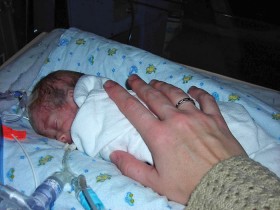
One of the Sinconis boys in the ICU.
Courtesy of Jennifer Sinconis
Aidan weighed 1 pound, 14 ounces (850 grams) and had to spend three months in the hospital; Ethan weighed 1 pound, 6 ounces, and was worse off. He was on oxygen for most of his first year of life and barely escaped needing a tracheotomy. Sinconis received a shot of surfactant to help develop her sons’ lungs as soon as she reached the hospital, but if a test had been able to alert her doctor that she was at risk for early labor, she could have been given the medicine sooner, when it could possibly have made a difference. “If I had known they would have been born prematurely, our entire life would be different,” says Sinconis, a creative producer at Starbucks corporate headquarters in Seattle.
The boys’ medical care cost more than $2 million and didn’t end when they left the hospital. They remained in isolation at home for the first three and a half years of their lives; Sinconis can barely keep track of the number of doctors and therapists they’ve seen through the years. She and her husband were forced to sell their home, liquidate their retirement and savings accounts, and eventually declare bankruptcy to deal with the nearly $450,000 that insurance wouldn’t cover. Now 12, the boys have mostly caught up developmentally to other children their age. But their parents are just starting to emerge from their financial struggles. “We’re way overdue for a way to predict preterm birth,” Sinconis says.
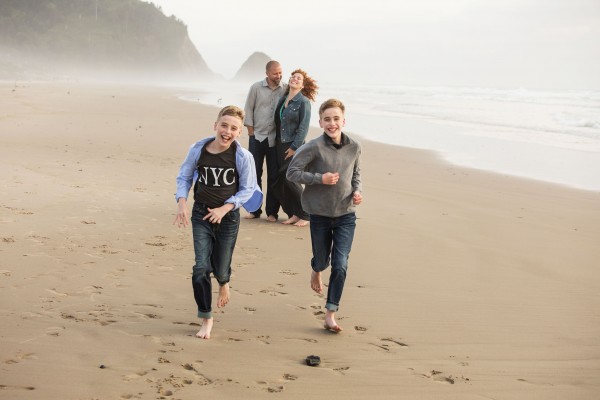
Jen Sinconis’s twins arrived at 24 weeks in 2006. Now 12, the boys are mostly healthy.
Courtesy of Jennifer Sinconis
A new test
Zoe, now 17, “is all grown up and totally healthy,” says Quake, a professor at Stanford University for the past 14 years, but figuring out how to predict preterm birth had been in the back of his mind since she was born. It “felt like the next big mountain to climb,” he says. “We had gained confidence from noninvasive prenatal testing. Preterm birth was like Mt. Everest.”
Quake knew there were no meaningful diagnostics that could identify which pregnant women would give birth too soon. The biggest tip-off is having given birth to a preterm baby before, something of little use for a first-time mom. Additionally, preterm delivery can be caused by multiple factors: infection, twins, or even maternal stress. “We don’t have any understanding about what is triggering preterm birth,” says Ronald Wapner, director of reproductive genetics at Columbia University Irving Medical Center. “We have been shotgunning it.”
Quake also knew that direct DNA measurements wouldn’t help. Analyzing a baby’s DNA, inherited from his or her parents, is fundamental to testing for Down syndrome because it can reveal the presence of an extra chromosome. “It’s a genetic question,” says Quake. But research has shown that the baby’s genetic profile makes a minimal contribution to prematurity. So instead, Quake focused on DNA’s molecular cousin, RNA. These molecules are harder to spot in blood (they’re short-lived) but would provide a more relevant readout, Quake believed, because their levels go up and down according to what’s going on in a person’s body. Could it be that a pregnancy headed for trouble was sounding early alarm signals?
Quake and his team, including Mira Moufarrej, a grad student in his lab, scrutinized blood samples from 38 African-American women considered at risk for preterm birth, in some cases because they’d previously had a premature baby. Overall, black children in the US are born prematurely about 50% more often than whites. Thirteen of the women ended up delivering early. By analyzing RNA molecules in their blood, the researchers found seven genes whose changing activity signals, taken together, seemed to predict which babies had arrived prematurely.
Quake told me he was surprised by the result. “Holy shit, might we have figured out a way to determine preterm birth?” he recalls thinking. “We’re still trying to understand the biology behind these seven genes,” he adds; it’s not yet clear whether the signals are emanating from the mother, the placenta, or the baby. Quake suspects they are “reflecting the mom’s response to the pregnancy going off track.” In other words, he says, “the whole thing is derailing and the mom is responding to that.”
“The beauty of this approach is that it allows us to see a conversation going on between the mother, the fetus, and the placenta,” says David Stevenson, co-director of Stanford’s Maternal and Child Health Research Institute and principal investigator at its prematurity research center. “It’s like eavesdropping. Now we can access this as it’s being communicated, which helps us understand what’s going on throughout pregnancy.”
Treatment Hope
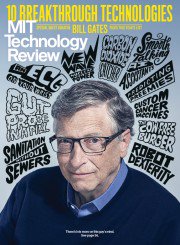
Five hundred years ago, fascinated by his anatomical dissection of the womb of a pregnant women who had died, Leonardo da Vinci wrote about his intention to unravel the secrets behind conception and preterm birth. He never did, and even today, there are relatively few answers. Perhaps because so little is known, pharmaceutical companies haven’t seen preterm birth as a promising area for investment. Indeed, it is “one of the most neglected issues,” says Sindura Ganapathi, co-leader of the Maternal, Newborn & Child Health Discovery & Tools portfolio at the Gates Foundation, which along with the March of Dimes and the CZ Biohub, a medical initiative funded by Mark Zuckerberg and his wife Priscilla Chan, has funded Quake’s work.
Recommended for You
“We need many more interventions,” says Ganapathi. “We are pretty limited in our armamentarium.”
A test could be a first step toward new drugs or treatments. Knowing who is at risk would let women prepare—say, by picking a hospital with a neonatal intensive care unit or working with an obstetrician who could prescribe progesterone, a drug sometimes given to try to extend pregnancy. “It goes back to personalized treatment,” says Wapner. “We still haven’t been able to identify how progesterone works and who it works for better. RNA could help us better understand who should get these medications.”
The new window on pregnancy could lead to applications beyond preterm birth. “From the standpoint of where this could go, you could look at placental development, fetal development, and fetal-maternal interaction,” says Wapner. “RNA has been the stepsister of DNA until very recently. It’s a damn good clue about how to differentiate who’s at risk of preterm birth, and it could give us a better way of evaluating what’s going on during pregnancy.”
In line with that, Quake has formed a startup, called Akna Dx, with lofty goals. It’s raised more than $10 million from investors including Khosla Ventures of Menlo Park, California. “Our idea is to do blood-based tests to give key insights,” says CEO and cofounder Maneesh Jain. “What is a fetus’s gestational age? Are you at risk for preterm birth, or severe postpartum depression? Pregnancy tends to still be a big black box. We want to give you insights into what is happening internally so you can take action.”
Other experts say more evidence is needed that RNA can provide those insights. That’s because so many different factors can contribute to prematurity, and it’s not clear how well Quake’s biomarkers will do in a broader population. “The difficulty is that preterm delivery is not caused by one thing,” says Diana Bianchi, director of the Eunice Kennedy Shriver National Institute of Child Health and Human Development and an expert in noninvasive prenatal testing. Infection, a compromised placenta, maternal stress, a twin pregnancy—all of these and more can trigger preterm birth. “In really small numbers, Steve was accurately able to distinguish women at risk of delivering preterm,” says Bianchi. “But the numbers were really small.”
Sign up for The Download
Your daily dose of what’s up in emerging technology
Quake readily agrees that his initial findings need to be validated through a large clinical trial before any test would be ready for commercial use. Quake’s team is working to confirm that the results from the African-American women hold up in other groups as well. Collaborators, including some of Akna’s cofounders, are now collecting blood samples from 1,000 pregnant women.
“We hope this is going to save a lot of lives,” says Quake. “That’s really what we’re aiming for. But this is just the beginning of the story … It’s a very fertile area, no pun intended.”
Bonnie Rochman is a health and science writer based in Seattle and the author of The Gene Machine.
LILONGWE-(MaraviPost)-The Ministry of Foreign Affairs and International Cooperation is scheduled to launch the much awaited Malawi Foreign Policy and Diaspora Engagement Policy on February 18, 2019.
The Malawi Diaspora Engagement Policy seeks to establish a mutually beneficial relationship between Malawi and her Diaspora, with the underlying goal of engaging and empowering Malawians abroad to effectively make significant and effective contribution to the development of the country.
In a press statement available to The Maravi Post, The ministry’s spokesperson Rejoice Shumba says the two Policies will be launched at the Bingu International Conference Centre (BICC) in capital Lilongwe by Dr. Emmanuel Fabiano, Minister of Foreign Affairs and International Cooperation.
Shumba said the launch will start at 9am and will be graced by Ministers, Senior Government officials, Malawi Diaspora Representatives and the Diplomatic community among others.
“The Policy, therefore, focuses on how to harness and maximize the potential of the many Malawians abroad to contribute to the socio-economic transformation of the country while at the same time meeting their wants, needs and expectations in a lasting partnership.
“The Malawi Foreign Policy (MFP) is the Government of Malawi’s blueprint that spells out Malawi’s policy on foreign relations, outlines priorities and guides the country’s engagement with the international community in advancing its national interest while responding to the emerging global issues,” says Shumba.
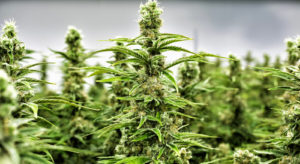
Malawi Looks to Cannabis to Supplement Lost Tobacco Earnings
Written BY: Lameck Masina
LILONGWE, MALAWI — Malawi is the latest African country to look at legalizing cannabis, the plant that produces hemp and marijuana, after similar moves in Lesotho, South Africa, and Zimbabwe. As Malawi’s tobacco industry, the country’s biggest foreign exchange earner, has dwindled due to anti-tobacco campaigns, farmers are now looking to grow cannabis.
Malawi has long relied on tobacco, which accounts for 13 percent of its gross domestic product and 60 percent of its foreign exchange earnings.
But as tobacco prices per kilogram have fallen, farmers like Phineas Chimombo have struggled.
Chimombo says in most cases farmers like him who are already poor struggle to find money to transport tobacco to the market and sell their tobacco as low as 50 cents per kilogram.
Health campaigns have eaten into tobacco profits, so farmers like Chimombo are looking to cannabis, the plant that produces marijuana and hemp.
Chimombo says once one grows hemp, just a small portion of it fetches more money than one can get from any crops a farmer can grow.
Malawi is joining African nations Lesotho, South Africa, and Zimbabwe in looking to legalize cannabis after years of debate.
In March, legislators will consider a bill on legalizing medical marijuana and hemp products.
Malawi parliament member Boniface Kadzamira has long pushed for the legalization of cannabis.
“We were the first in this part of Africa to start discussing this thing. Those countries that came after us have gone ahead of us and have already started issuing licenses,” Kadzamira said.
Malawi’s anti-drug campaigners worry legalizing medical marijuana will encourage more recreational use.
Nelson Zakeyu is the executive director of Drug Fight Malawi.
“And because local marijuana is commonly used in the country, then [it is] is legalized, [it] is like they are telling young people to use local marijuana. And that is what we are fearing,” Zakeyu said.
But supporters of legalizing cannabis appear to have won the debate, that it is better to regulate the trade and help Malawi’s economy to grow.
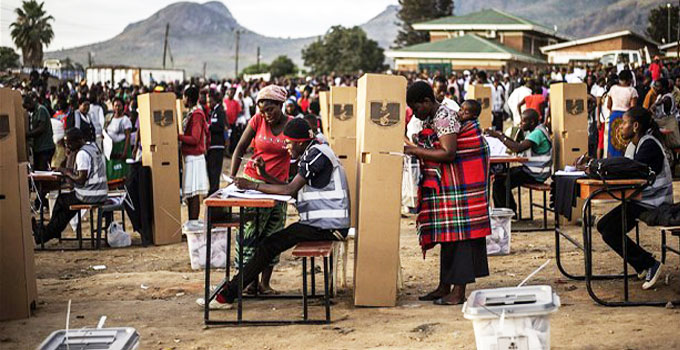
The Malawi Electoral Commission will conduct Tripartite Elections on May 2019
The Malawi Electoral Commission will conduct Tripartite Elections on May 2019.According to reporting by The Maravi Post, 20 Presidential candidates have collected nomination papers for May 21 polls, a development which is putting so many questions on how viable are all these presidential candidates.
This follows Malawi Electoral Commission (MEC) Thursday, January 24 update saying the current seating President Peter Mutharika is likely to face 19 challengers on the ballot paper.The statement made available to The Maravi Post reads; The Malawi Electoral Commission (MEC) wishes to inform the general public that at the close of business on Thursday, January 24, 2019 the following candidates had collected nomination papers with an intention to contest for office of the President on May 21, 2019:
Professor Arthur Peter Mutharika, Democratic Progressive Party (DPP) – Current President
Mr Henry Jailos Mdebwe, Independent
Mr Smart Swira, Independent
Dr Saulos Klaus Chilima, UTM
Pastor Dr Baxter Boyd Natulu, Independent
Mr Peter DSD Kuwani, Mbakuwaku Movement for Development (MMD)
Dr Lazarus McCarthy Chakwera, Malawi Congress Party
Dr Joyce Hilda Mtila Banda, People’s Party
Ras Chikomeni David Chirwa, Independent
Dr Cassim Chilumpha, Tikonze Peoples Movement (TPM)
Mr Chimbuna Belekiah, United Independence Party (UIP)
Hon Atupele Austin Muluzi, United Democratic Front (UDF)
Dr Chris Daza, Democratic Peoples Congress (DEPECO)
Hon Enock Chihana, Alliance for Democracy (Aford)
Prof John Chisi, Umodzi Party (UP)
Mrs Sally Kumwenda Yadwad, Leadership with Compassion (LCP)
Reverend D.H. Kaliya, Independent
Mr Loudon Malingamoyo Phiri, National Salvation Front (NASAF)
US President Donald Trump stopped short of invoking emergency powers, appealing instead to Democrats for approval of his border barrier proposal by arguing that illegal immigration via Mexico was causing a humanitarian crisis.
Trump’s address to the nation, broadcast by major networks live from the Oval office, comes amid an ongoing partial shutdown of federal government services, due to the White House’s insistence on Congress spending at least $5 billion on building a border wall, which Democrats are insistent on blocking.
According to https://www.rt.com, despite speculation ahead of the speech that Trump might invoke a declaration of national emergency and unlock sweeping presidential powers that would allow him to command the Pentagon to build the border wall, the president ended up asking for another meeting with congressional Democrats to resolve the impasse.
Democrats have repeatedly vowed Trump will “never” get a penny for the border wall, declaring it outdated, ineffective, and “immoral.” Trump addressed those arguments by saying the steel barrier was proposed by professionals at the Department of Homeland Security and the US Border Patrol. And if walls are immoral, he asked, why do wealthy politicians build walls, fences and gates around their homes?
“They don’t build walls because they hate the people on the outside. They build walls because they love the people on the inside,” Trump said. “The only thing immoral is for politicians to do nothing.”
How much more American blood must we shed before Congress does its job?
The US president went down the list of arguments about the harm of illegal immigration, saying that it disproportionately harmed African-Americans and Hispanics, women and children. He noted that more Americans would die from drug overdoses this year than in the entire Vietnam War, and said that 90 percent of those drugs comes in via the southern border.
There was nothing new, however, in the president’s address that he has not already argued since announcing his candidacy in 2015, or over the past two years of his term in office.
Nor was there any evidence his rhetoric persuaded the Democrats: in their rebuttal address, Speaker of the House Nancy Pelosi (D-California) and Senate Minority Leader Chuck Schumer (D-New York) said Trump was “manufacturing a crisis” and “holding the American people hostage,” demanding once again that he cave in to their resistance and reopen the government without funding the wall.
“The symbol of America should be the Statue of Liberty, not a 30-foot wall,” said Schumer, who accused Trump of “stoking fear” and trying to “govern by temper tantrum.”
Pelosi declared the wall to be “expensive and ineffective,” and said the US should fund innovation and “new technology” to better police border crossings instead.
Here are the 119 movies, announced Nov. 28 by the Sundance Institute (and updated Dec. 20, Jan. 9 and 11) that will screen at the 2019 Sundance Film Festival. The festival runs Jan. 24-Feb. 3 in Park City and at venues in Salt Lake City and the Sundance resort.
Some passes are still on sale at sundance.org. So are 10-ticket packages for the festival’s second half (Jan. 30-Feb. 3), for Salt Lake City screenings, and for Utah students. The schedule of when and where movies will screen will be posted soon on sundance.org.
People who have bought ticket packages will be assigned time slots for ticket selection on Dec. 20, and selections will happen from Jan. 7 to 11. Utah ticket-package buyers will make their selections on Jan. 10 and 11.
Pre-sale of individual tickets for Sundance Institute members starts on Jan. 15. Individual tickets for Utah locals go on sale on Jan. 17. Individual tickets for everyone else go on sale Jan. 22. Individual tickets are $25 each; tickets for the electronic wait-list are $20; tickets for Kids division screenings are $10 each.
U.S. Dramatic Competition
1 of 15
(Photo courtesy Ferocious Entertainment / Lifeboat Productions) Sisters Rachel (Hannah Pearl Utt, left) and Jackie (Jen Tullo… (Photo courtesy Sundance Institute) A teen (Griffin Gluck, left) and his college dropout best friend (Pete Davidson) are at t… (Jon Pack | courtesy Sundance Institute) Jillian Bell stars in Paul Downs Colazzo’s comedy Brittany Runs A Marathon, an off… (Eric Branco | courtesy Sundance Institute) Alfre Woodard, right, stars as a prison warden in Clemency, directed by Chinony… (Parrish Lewis | courtesy Sundance Institute) Geraldine Viswanathan stars as a Muslim teenager figuring out her life in Min… (Natasha Braier | courtesy Sundance Institute) Noah Jupe plays a child TV star in Honeyboy, by Alma Har’el, an official sel… (Photo courtesy Sundance Institute) Wendi McLendon-Covey (right) plays an obsessive-compulsive mom, here talking to her daugh… (Peter Prato | courtesy A24 / Sundance Institute) Jimmie Fails and Jonathan Majors appear in The Last Black Man In San Fran… (Larkin Seiple | courtesy Sundance Institute) An all-star athlete (Kelvin Harrison Jr., center) and his parents (Tim Roth a… (Ante Chen | courtesy Sundance Institute) Siblings (Teddy Lee, left, and Tiffany Chu) reconnect in Justin Chon’s Ms. Purple… (Photo courtesy Sundance Institute) Ashton Sanders plays Bigger Thomas, in director Rashid Johnson’s adaptation of Richard Wr… (Josh Johnson | courtesy Sundance Institute) A teen (Rhianne Barreto) must deal with the fallout when an incriminating vide… (Eric Lin | courtesy Sundance Institute) Peter Sarsgaard portrays a house tuner in Michael Tyburski’s The Sound of Silence,… (Julius Chiu | courtesy Sundance Institute) Alice Englert, center, and Walton Goggins, right, star in Them That Follow, by … (Andrew Reed | courtesy Sundance Institute) Two teen girls (Kara Hayward, left, and Liana Liberato) begin an intimate relat…
(Photo courtesy Ferocious Entertainment / Lifeboat Productions) Sisters Rachel (Hannah Pearl Utt, left) and Jackie (Jen Tullock) discover their mother isn’t dead, as they were led to believe, in the comedy Before You Know It, directed by Utt and written by Utt and Tullock, an official selection in the U.S. Dramatic competition of the 2019 Sundance Film Festival.(Photo courtesy Sundance Institute) A teen (Griffin Gluck, left) and his college dropout best friend (Pete Davidson) are at the center of Big Time Adolescence, by Jason Orley, an official selection in the U.S. Dramatic Competition of the 2019 Sundance Film Festival.(Jon Pack | courtesy Sundance Institute) Jillian Bell stars in Paul Downs Colazzo’s comedy Brittany Runs A Marathon, an official selection in the U.S. Dramatic Competition of the 2019 Sundance Film Festival.(Eric Branco | courtesy Sundance Institute) Alfre Woodard, right, stars as a prison warden in Clemency, directed by Chinonye Chokwu. The movie will screen in the U.S. Dramatic competition at the 2019 Sundance Film Festival. Courtsey of Sundance Institute | photo by Eric Branco(Parrish Lewis | courtesy Sundance Institute) Geraldine Viswanathan stars as a Muslim teenager figuring out her life in Minhal Baig’s Hala, an official selection in the U.S. Dramatic Competition of the 2019 Sundance Film Festival.(Natasha Braier | courtesy Sundance Institute) Noah Jupe plays a child TV star in Honeyboy, by Alma Har’el, an official selection in the U.S. Dramatic Competition of the 2019 Sundance Film Festival.(Photo courtesy Sundance Institute) Wendi McLendon-Covey (right) plays an obsessive-compulsive mom, here talking to her daughter (Kate Alberts), in Debra Eisenstadt’s Imaginary Order, an official selection in the U.S. Dramatic Competition of the 2019 Sundance Film Festival.(Peter Prato | courtesy A24 / Sundance Institute) Jimmie Fails and Jonathan Majors appear in The Last Black Man In San Francisco by Joe Talbot, an official selection in the U.S. Dramatic Competition of the 2019 Sundance Film Festival.(Larkin Seiple | courtesy Sundance Institute) An all-star athlete (Kelvin Harrison Jr., center) and his parents (Tim Roth and Naomi Watts) are called in after an alarming discovery is made about the student, in Luce, directed by Julius Onah, an official selection in the U.S. Dramatic Competition of the 2019 Sundance Film Festival.(Ante Chen | courtesy Sundance Institute) Siblings (Teddy Lee, left, and Tiffany Chu) reconnect in Justin Chon’s Ms. Purple, an official selection in the U.S. Dramatic Competition of the 2019 Sundance Film Festival.(Photo courtesy Sundance Institute) Ashton Sanders plays Bigger Thomas, in director Rashid Johnson’s adaptation of Richard Wright’s classic novel Native Son, an official selection in the U.S. Dramatic Competition of the 2019 Sundance Film Festival.(Josh Johnson | courtesy Sundance Institute) A teen (Rhianne Barreto) must deal with the fallout when an incriminating video goes viral in Share, by Pippa Bianco, an official selection in the U.S. Dramatic Competition of the 2019 Sundance Film Festival.(Eric Lin | courtesy Sundance Institute) Peter Sarsgaard portrays a house tuner in Michael Tyburski’s The Sound of Silence, an official selection in the U.S. Dramatic Competition of the 2019 Sundance Film Festival.(Julius Chiu | courtesy Sundance Institute) Alice Englert, center, and Walton Goggins, right, star in Them That Follow, by Britt Poulton and Daniel Savage, an official selection in the U.S. Dramatic Competition of the 2019 Sundance Film Festival.(Andrew Reed | courtesy Sundance Institute) Two teen girls (Kara Hayward, left, and Liana Liberato) begin an intimate relationship in 1960s Oklahoma, in To The Stars, by Martha Stephens, an official selection in the U.S. Dramatic Competition of the 2019 Sundance Film Festival.
“Before You Know It” • The makers of the web series “Disengaged” created this comedy about adult sisters (played by director/writer Hannah Pearl Utt and writer Jen Tullock) who learn their believed-to-be-deceased mom (Judith Light) is alive and starring in a soap opera. Also starring Mandy Patinkin, Mike Colter and Alec Baldwin.
“Big Time Adolescence” • Jason Orley wrote and directed this coming-of-age comedy about a teen (Griffin Gluck) and the bad influence of his best friend (“Saturday Night Live’s” Pete Davidson), a charismatic college dropout. Also starring Jon Cryer and Machine Gun Kelly.
“Brittany Runs a Marathon” • Comic actor Jillian Bell (“22 Jump Street,” “Idiotsitter”) stars in Paul Downs Colazzo’s comedy as an underachiever who “takes control of her life, one city block at a time.” Also starring Michaela Watkins and Lil Rel Howery (“Get Out,” “Uncle Drew”).
“Clemency” • Alfre Woodard stars in this drama, written and directed by Chinonye Chukwu, as a job-weary prison warden who connects with a death row inmate (Aldis Hodge). Also stars Richard Schiff and Wendell Pierce.
“The Farewell” • Comedian/rapper Awkwafina (“Crazy Rich Asians”) stars in this comedy-drama, written and directed by Lulu Wang, who told the same true story in 2016 on public radio’s “This American Life.” It’s about a Chinese-American woman who returns to China to see her grandmother, whose family sets up an elaborate plan to hide the news that she has a terminal illness.
“Hala” • Writer-director Minhal Baig adapts her 2016 short into a feature, a coming-of-age comedy-drama about a Muslim teenager (Geraldine Viswanathan, from “Blockers”) coming into her own while her family is falling apart.
“Honey Boy” • Lucas Hedges (“Boy Erased”) and Shia LaBeouf star as a child TV star and his father, a hard-drinking ex-rodeo clown, in this drama. LaBeouf wrote the screenplay; the director is documentarian Alma Har’el. Also starring Laura San Giacomo, Maika Monroe, Natasha Lyonne, Martin Starr and FKA Twigs.
“Imaginary Order” • Wendy McLendon-Covey (“The Goldbergs”) stars in writer-director Debra Eisenstadt’s psychological drama about an obsessive-compulsive suburban mom.
“The Last Black Man in San Francisco” • Jimmie Falls plays himself, a man who dreams of restoring the Victorian home his grandfather (Danny Glover) built in the heart of San Francisco — a city rapidly changing and leaving Jimmie behind. Director Joe Talbot co-wrote the screenplay with Rob Richert.
“Luce” • A high-school teacher (Octavia Spencer) makes an alarming discovery about one of her students, Luce (Kelvin Harrison Jr.), a star track athlete adopted by suburban parents (Naomi Watts, Tim Roth) from war-torn Eritrea, in this drama about race and identity. Director Julius Onah (“The Cloverfield Paradox”) and writer J.C. Lee adapted the script from Lee’s play.
“Ms. Purple” • Kasie (Tiffany Chu), a karaoke hostess in L.A.’s Koreatown, reconnects with her estranged brother Carey (Teddy Chu) when their father’s hospice nurse quits. Director Justin Chon (“Gook,” SFF ’17) co-wrote with Chris Dinh.
“Native Son” • Richard Wright’s landmark 1940 novel gets a movie adaptation, with Ashton Sanders (“Moonlight”) starring as Bigger Thomas, a young African-American man coming of age on Chicago’s South Side in the 1930s. The cast includes Sanaa Lathan, Nick Robinson, Margaret Qualley and Bill Camp. Pulitzer Prize-winning playwright Suzan-Lori Parks wrote the screenplay; artist Rashid Johnson makes his directing debut. (This is a “Day One” film, which screens on the festival’s opening night.)
“Share” • Mandy (Rhianne Barreto), 16, discovers a disturbing video of herself from a night she doesn’t remember, and furiously tries to learn what happened and how to contain the damage. Writer-director Pippa Bianco expanded her 2015 short film, an award winner at Cannes and SXSW, for this thriller.
“The Sound of Silence” • Director-writer Michael Tyburski and co-writer Ben Nabors adapt their short “Palimpsest” (SFF ’13) for this drama about a New York City “house tuner” (Peter Skarsgaard), who calibrates the sound in people’s homes to adjust their moods, as he meets a client (Rashida Jones) with an unsolvable problem. Also starring Tony Revolori (“The Grand Budapest Hotel”) and Austin Pendleton (“The Muppet Movie”).
“Them That Follow” • Britt Poulton and Dan Madison Savage wrote and directed this drama set in a snake-handling Pentecostal church in Appalachia, focusing on a pastor’s daughter (Alice Englert) whose secret could tear her community apart. Also starring Olivia Colman, Walton Goggins, Kaitlyn Dever and Jim Gaffigan.
“To the Stars” • A shy farmer’s daughter (Kara Hayward, from “Moonlight Kingdom”) begins an intimate friendship with a worldly new girl (Liana Liberato) under the gaze of her small-town neighbors in 1960s Oklahoma. The cast includes Jordana Spiro, Tony Hale, Shea Whigham and Malin Akerman. Directed by Martha Stephens (“Land Ho!”, SFF ’14), written by Shannon Bradley-Colleary.
—————
U.S. Documentary Competition
1 of 16
(Photo courtesy Washington Post/Sundnce Institute) Claudia Lacy places a flower memorial at the grave of her 17-year-old son … (Ian Cook | courtesy Sundance Institute) Rob Haerr, left, and Wong He, are unexpected co-workers at an Ohio auto-glass plan… (Photo courtesy Neon/CNN Films/Sundance Institute) Astronaut Buzz Aldrin in his space suit, in an image from Todd Douglas Mil… (Photo courtesy Upper East Films/Sundance Institute) An image from Kenneth Rosenberg’s Bedlam, an official selection in the U… (AJ Eaton | courtesy Sundance Institute) Rocker David Crosby is profiled in AJ Eaton’s David Crosby: Remember My Name, an o… (Naiti Gmez | courtesy Sundance Institute) A statue from The Satanic Temple, the controversial church profiled in Penny Lan… (Photo courtesy Sundance Institute) Social-media star Austyn Tester is profiled in Liza Mandelup’s Jawline, an official selec… (Rachel Lears | courtesy Sundance Institute) Bartender-turned-candidate Alexandria Ocasio-Cortez is one of four insurgent w… (Luke Lorentzen | courtesy Sundance Institute) A Mexican family runs an ambulance, in Luke Lorentzen’s Midnight Family, an … (Photo courtesy CBS News/Sundance Institute) Journalist Mike Wallace is profiled in Avi Belkin’s Mike Wallace Is Here, an off… (Irene Taylor Brodsky | courtesy Sundance Institute) A deaf boy is one of the focuses of Irene Taylor Brodsky’s Moonlight S… (Nanfu Wang | courtesy Sundance Institute) An image from One Child Nation, by Jialing Zhang and Nanfu Wang, an official sel… (Patrick Bresnan | courtesy Sundance Institute) One of the students profiled in Pahokee, by Ivete Lucas and Patrick Bresnan… (Photo courtesy Discovery/Radical Media/Sundance Institute) Pavel Fomenko, who fights to save tigers from extinction, is amon… (Photo courtesy Sundance Institute) Comic magician The Amazing Johnathan is the subject of Untitled Amazing Johnathan Documen… (AP/REX/Shuttersock | courtesy Sundance Institute) Attorney Roy Cohn, right, whispers in the ear of red-baiting Sen. Joseph…
(Photo courtesy Washington Post/Sundnce Institute) Claudia Lacy places a flower memorial at the grave of her 17-year-old son Lennon Lacy, who was lynched in 2014 in North Carolina, in an image from Always In Season, by Jacqueline Olive, an official selection in the U.S. Documentary Competition of the 2019 Sundance Film Festival.(Ian Cook | courtesy Sundance Institute) Rob Haerr, left, and Wong He, are unexpected co-workers at an Ohio auto-glass plant begun by a Chinese billionaire, in American Factory, by Steve Bognar and Julia Reichert, an official selection in the U.S. Documentary Competition of the 2019 Sundance Film Festival.(Photo courtesy Neon/CNN Films/Sundance Institute) Astronaut Buzz Aldrin in his space suit, in an image from Todd Douglas Miller’s documentary Apollo 11, an official selection in the U.S. Documentary Competition of the 2019 Sundance Film Festival.(Photo courtesy Upper East Films/Sundance Institute) An image from Kenneth Rosenberg’s Bedlam, an official selection in the U.S. Documentary Competition of the 2019 Sundance Film Festival.(AJ Eaton | courtesy Sundance Institute) Rocker David Crosby is profiled in AJ Eaton’s David Crosby: Remember My Name, an official selection in the U.S. Documentary Competition of the 2019 Sundance Film Festival.(Naiti Gmez | courtesy Sundance Institute) A statue from The Satanic Temple, the controversial church profiled in Penny Lane’s Hail Satan?, an official selection in the U.S. Documentary Competition of the 2019 Sundance Film Festival.(Photo courtesy Sundance Institute) Social-media star Austyn Tester is profiled in Liza Mandelup’s Jawline, an official selection in the U.S. Documentary Competition of the 2019 Sundance Film Festival.(Rachel Lears | courtesy Sundance Institute) Bartender-turned-candidate Alexandria Ocasio-Cortez is one of four insurgent women running for office, and chronicled in Rachel Lears’ Knock Down The House, which will screen in the U.S. Documentary Competition at the 2019 Sundance Film Festival.(Luke Lorentzen | courtesy Sundance Institute) A Mexican family runs an ambulance, in Luke Lorentzen’s Midnight Family, an official selection in the U.S. Documentary Competition of the 2019 Sundance Film Festival.(Photo courtesy CBS News/Sundance Institute) Journalist Mike Wallace is profiled in Avi Belkin’s Mike Wallace Is Here, an official selection in the U.S. Documentary Competition of the 2019 Sundance Film Festival.(Irene Taylor Brodsky | courtesy Sundance Institute) A deaf boy is one of the focuses of Irene Taylor Brodsky’s Moonlight Sonata: Deafness in Three Movements, an official selection in the U.S. Documentary Competition of the 2019 Sundance Film Festival.(Nanfu Wang | courtesy Sundance Institute) An image from One Child Nation, by Jialing Zhang and Nanfu Wang, an official selection in the U.S. Documentary Competition of the 2019 Sundance Film Festival.(Patrick Bresnan | courtesy Sundance Institute) One of the students profiled in Pahokee, by Ivete Lucas and Patrick Bresnan, an official selection in the U.S. Documentary Competition of the 2019 Sundance Film Festival.(Photo courtesy Discovery/Radical Media/Sundance Institute) Pavel Fomenko, who fights to save tigers from extinction, is among the people profiled in Ross Kauffman’s Tigerland, an official selection in the U.S. Documentary Competition of the 2019 Sundance Film Festival.(Photo courtesy Sundance Institute) Comic magician The Amazing Johnathan is the subject of Untitled Amazing Johnathan Documentary, by Ben Berman, an official selection in the U.S. Documentary Competition of the 2019 Sundance Film Festival.(AP/REX/Shuttersock | courtesy Sundance Institute) Attorney Roy Cohn, right, whispers in the ear of red-baiting Sen. Joseph McCarthy, in an image from Matt Tyrnauer’s Where’s My Roy Cohn?, an official selection in the U.S. Documentary Competition of the 2019 Sundance Film Festival.
“Always in Season” • Director Jacqueline Olive examines a century of lynching in America, focusing on the 2014 hanging death of a North Carolina teen and his mother’s search for justice and reconciliation.
[embedded content]
“American Factory” • Chinese billionaire Cho Tak Wong aims to turn a shuttered GM plant in Ohio into a new auto-glass factory, promising 2,000 new jobs, but clashes between high-tech China and working-class America bring setbacks. Directors Steven Bognar and Julia Reichert (“A Lion in the House,” SFF ’06) got an Oscar nomination for their 2009 documentary short “The Last Truck,” which chronicled the same GM plant’s closure.
“Apollo 11” • “First Man” as a documentary, as director Todd Douglas Miller (“Dinosaur 13,” SFF ’14) uses never-before-published 70mm footage and audio to reconstruct humanity’s first trip to the moon.
[embedded content]
“Bedlam” • Psychiatrist and filmmaker Kenneth Paul Rosenberg visits emergency rooms, jails and homeless camps to chronicle the lives of the seriously mentally ill.
“David Crosby: Remember My Name” • An intensely intimate portrait of musician David Crosby, from his days in Crosby Stills & Nash to today. Directed by A.J. Eaton.
“Hail Satan?” • A look at The Satanic Temple, which has grown in only six years into one of the most controversial religious movements in American history. Directed by Penny Lane, whose animated documentary “Nuts!” played Sundance in 2016.
“Jawline” • Director Liza Mandelup profiles social-media star Austyn Tester, who uses his internet fame to escape a dead-end life in rural Tennessee.
“Knock Down the House” • Director Rachel Lears follows four insurgent woman candidates challenging incumbents for congressional seats. Spoiler alert: One of them is former Bronx bartender Alexandria Ocasio-Cortez, now the youngest woman ever elected to Congress.
[embedded content]
“Midnight Family” (Mexico/U.S.) • Director Luke Lorentzen follows the Ochoa family, who operate a private ambulance in Mexico City’s wealthiest neighborhoods in a cutthroat competition with rival EMTs and try to make ends meet without sacrificing patient care.
“Mike Wallace Is Here” • TV journalist Mike Wallace’s long and controversial career as the bulldog investigative reporter on CBS’ “60 Minutes,” and how it influences today’s news coverage, is examined entirely through archival footage. Directed by Avi Belkin.
“Moonlight Sonata: Deafness in Three Movements” • Director Irene Taylor Brodsky (“Hear and Now,” Audience Award winner, SFF ’07) paints portraits of a deaf boy growing up, his deaf grandfather, and Ludwig von Beethoven the year he went deaf and wrote his famed sonata.
“One Child Nation” (China/U.S.) • Exploring China’s one-child-per-couple policy, Nanfu Wang — who was herself an only child and is now a mother — and Jialing Zhang examine how the social experiment forever affected generations of parents and children.
“Pahokee” • In Pahokee, Fla., a small town in the Everglades, four teens experience heartbreak and more in their senior year. Directors Ivete Lucas and Patrick Bresnan expand on their short doc “The Send-Off” (SFF ’16).
“Tigerland” • Director Ross Kauffman (“E-Team,” SFF ’14; “Born Into Brothels,” SFF ’04) captures footage of tigers in the wild from India to Siberia and profiles the people working to save them from extinction.
“Untitled Amazing Johnathan Documentary” • Director Ben Berman tries to separate truth from illusion in this look at John Edward Szeles, better known as the comedy magician The Amazing Johnathan, who went on what he said would be his final tour in 2013 — because, he said, he had a year to live.
“Where’s My Roy Cohn?” • Attorney Roy Cohn, the dark manipulator who guided Joseph McCarthy and the young Donald Trump, is revealed in this thriller-like exposé by director Matt Tyrnauer (“Studio 54,” SFF ’18).
—————
World Cinema Dramatic Competition
1 of 12
(Parisa Taghizadeh | courtesy Sundance Institute) A mom (Vicky Knight) tries to regain control of her life in Sacha Polak’s… (Desvia | courtesy Sundance Institute) Dira Praes plays a religious woman whose work in a notary’s office allows her to kee… (Sonia Szstak | courtesy Sundance Institute) A woman (Krystyna Janda, right) strikes up a relationship with a young immigra… (Ben King | courtesy Sundance Institute) Mia Wasikowska plays a puppeteer in a dangerous partnership in director Mirrah Fou… (Photo courtesy Sundance Institute) A couple is terrorized in the woods in Johannes Nyholm’s Koko-di Koko-da, an official sel… (Angus Young | courtesy Sundance Institute) Sam Adewunmi stars in the British drama The Last Tree, by Shola Amoo, an offici… (Jasper Wolf | courtesy Sundance Institute) Young kids with guns hold a hostage and a cow in Alejandro Landes’ Monos, an of… (Rolf Konow | courtesy Sundance Institute) A woman (Trine Dyrholm, below) seduces her 17-year-old stepson (Gustav Lindh) in… (German Nocella | courtesy Sundance Institute) Federico Morosini, left, and Romina Bentancur appear in The Sharks by Lucía … (Agatha A. Nitecka | courtesy Sundance Institute) A film student (Honor Swinton Byrne, right) starts a courtship with an un… (Alfredo Altamirano | courtesy Sundance Institute) A misfit teen (Xabiani Ponce de León) is drawn into an underground punk … (Photo courtesy Sundance Institute) Four teens (played by Sena Nakajima, Keita Ninomiya, Mondo Okumura and Satoshi Mizuno, fr…
(Parisa Taghizadeh | courtesy Sundance Institute) A mom (Vicky Knight) tries to regain control of her life in Sacha Polak’s Dirty God, an official selection in the World Cinema Dramatic Competition of the 2019 Sundance Film Festival.(Desvia | courtesy Sundance Institute) Dira Praes plays a religious woman whose work in a notary’s office allows her to keep struggling couples from divorcing, in Gabriel Mascaro’s Divine Love, an official selection in the World Cinema Dramatic Competition of the 2019 Sundance Film Festival.(Sonia Szstak | courtesy Sundance Institute) A woman (Krystyna Janda, right) strikes up a relationship with a young immigrant (Lorenzo de Moor) in Jacek Borcuch’s Dolce Fine Giornata, an official selection in the World Cinema Dramatic Competition of the 2019 Sundance Film Festival.(Ben King | courtesy Sundance Institute) Mia Wasikowska plays a puppeteer in a dangerous partnership in director Mirrah Foulkes’ Australian drama Judy & Punch, which screens in the World Dramatic Cinema competition the 2019 Sundance Film Festival.(Photo courtesy Sundance Institute) A couple is terrorized in the woods in Johannes Nyholm’s Koko-di Koko-da, an official selection in the World Cinema Dramatic Competition of the 2019 Sundance Film Festival.(Angus Young | courtesy Sundance Institute) Sam Adewunmi stars in the British drama The Last Tree, by Shola Amoo, an official selection in the World Cinema Dramatic Competition of the 2019 Sundance Film Festival.(Jasper Wolf | courtesy Sundance Institute) Young kids with guns hold a hostage and a cow in Alejandro Landes’ Monos, an official selection in the World Cinema Dramatic Competition of the 2019 Sundance Film Festival.(Rolf Konow | courtesy Sundance Institute) A woman (Trine Dyrholm, below) seduces her 17-year-old stepson (Gustav Lindh) in Queen of Hearts, by May el-Toukhy, an official selection in the World Cinema Dramatic Competition of the 2019 Sundance Film Festival.(German Nocella | courtesy Sundance Institute) Federico Morosini, left, and Romina Bentancur appear in The Sharks by Lucía Garibaldi, an official selection in the World Cinema Dramatic Competition of the 2019 Sundance Film Festival.(Agatha A. Nitecka | courtesy Sundance Institute) A film student (Honor Swinton Byrne, right) starts a courtship with an untrustworthy man (Tom Burke) in Joanna Hogg’s drama The Souvenir, an official selection in the World Cinema Dramatic Competition of the 2019 Sundance Film Festival.(Alfredo Altamirano | courtesy Sundance Institute) A misfit teen (Xabiani Ponce de León) is drawn into an underground punk scene in the Mexican drama This Is Not Berlin, by Hari Sama, an official selection in the World Cinema Dramatic Competition of the 2019 Sundance Film Festival.(Photo courtesy Sundance Institute) Four teens (played by Sena Nakajima, Keita Ninomiya, Mondo Okumura and Satoshi Mizuno, from left) form a band in We Are Little Zombies, by Makoto Nagahisa, an official selection in the World Cinema Dramatic Competition of the 2019 Sundance Film Festival.
“Dirty God” (Netherlands/United Kingdom/Belgium/Ireland) • A young mother (Vicky Knight) finds her life spiraling out of control after an acid attack leaves her severely burned, and she takes drastic action to reclaim control. Directed by Sacha Polak, who co-wrote with Susanne Farrell.
“Divine Love” (Brazil/Uruguay/Denmark/Norway) • In Brazil, 2027, a religious woman (Dira Praes) uses her position in a notary’s office to keep struggling couples from divorce — until she has a problem in her own marriage. Director Gabriel Mascaro co-wrote the script with Rachel Daisy Ellis and Esdras Bezerra.
“Dolce Fine Giornata” (Poland) • The setting is Tuscany, amid terrorism and eroding democracy, as Maria (Krystyna Janda) finds her stable family life crumbling when she begins a relationship with a young immigrant (Lorenzo de Moor). Director Jacek Borcuch co-wrote the script with Szczepan Twardoch.
“Judy & Punch” (Australia) • In writer-director Mirrah Foulkes’ drama, two puppeteers try to resurrect their marionette show, which is a success thanks to Judy (Mia Wasikowska) and her superior puppetry skills — but is endangered by Punch (Damon Herriman) and his ambition and his drinking.
“Koko-di Koko-da” (Sweden/Denmark) • A couple, mourning the loss of their daughter, take a road trip and become terrorized by a sideshow artist and his entourage in writer-director Johannes Nyholm’s psychological thriller.
“The Last Tree” (United Kingdom) • In writer-director Shola Amoo’s coming-of-age drama, Femi (Sam Adewunmi), a British teen of Nigerian heritage, struggles with culture shock when he must leave his happy rural childhood to live in London with his mum.
“Monos” (Colombia/Argentina/Netherlands/Germany/Sweden/Uruguay) • Eight kids with guns watch over a hostage (Julianne Nicholson) and a milk cow on a mountaintop in this drama directed by Alejandro Landes and written by Landes and Alexis Dos Santos.
“Queen of Hearts” (Denmark) • A woman (Trine Dyrholm) seduces her 17-year-old stepson (Gustav Lindh), putting her family and career in jeopardy, in this drama directed by May El-Toukhy, who co-wrote with Maren Louise Käehne.
“The Sharks” (Uruguay/Argentina/Spain) • Writer-director Lucía Garibaldi’s drama centers on 14-year-old Rosina (Romina Bentancur), the only person in her small beach town not panicked by news that sharks are swimming around.
“The Souvenir” (United Kingdom) • A film student (Honor Swinton Byrne) starts a courtship with an untrustworthy man (Tom Burke), defying her mother (played by the actress’s mum, Tilda Swinton) and worrying her friends, in writer-director Joanna Hogg’s romantic drama.
“This Is Not Berlin” (Mexico) • A misfit teen (Xabiani Ponce de León) is invited to a mythical nightclub, where he finds an underground nightlife scene of punk, drugs and sexual liberty. Director Haro Sana co-wrote with Rodrigo Ordóñez and Max Zunino.
“We Are Little Zombies” (Japan) • Writer-director Makoto Nagahisa — who won Sundance’s 2017 Grand Jury Prize for short films with “And So We Put Goldfish in the Pool” — makes his feature debut with this story of four 13-year-olds who form a band to cope with their emotions after the deaths of their parents.
[embedded content]
—————
World Cinema Documentary Competition
1 of 12
(Philippe Bellaiche | courtesy Sundance Institute) Lea Tsemel, a Jewish-Israeli lawyer who defends Palestinians of all stri… (Tore Vollan | courtesy Sundance Institute) Filmmaker Mads Brügger searches for clues in the 1961 death of UN Secretary-Gen… (Beniamino Barrese | courtesy Sundance Institute) Filmmaker Beniamino Barrese with his mother, former fashion icon Benedett… (Andrew McConnell | courtesy Sundance Institute) Daily life for people in Gaza is shown in Gaza, by Garry Keane and Andrew … (Samir Ljuma | courtesy Sundance Institute) A bee hunter is profiled in Honeyland, by Ljubomir Stefanov and Tamara Kotevska… (Angello Faccini | courtesy Sundance Institute) An image from the drama Lapü, by Juan Pablo Polanco and César Alejandro Jai… (Aleksandar Valeriev Stanishev | courtesy Sundance Institute) Veera, a woman who uses cosplay to deal with her issues, is t… (Lutfallah Bakhtary | courtesy Sundance Institute) Director Hazan Fazili chronicles his own family’s trek from Afghanistan … (Richard Ladkani | courtesy Sundance Institute) An image from Richard Ladkani’s environmental documentary Sea of Shadows, a… (Photo courtesy Sundance Institute) Photographer Letizia Battaglia, who for decades has captured life in Sicily, including mo… (Per Jarl | courtesy Sundance Institute) Author Stieg Larsson, the author of The Girl With the Dragon Tattoo, is profiled i… (Orlando Brito | courtesy Sundance Institute) The rise and fall of Brazilian President Dilma Rousseff, center, is chronicle…
(Philippe Bellaiche | courtesy Sundance Institute) Lea Tsemel, a Jewish-Israeli lawyer who defends Palestinians of all stripes, is profiled in Advocate, by Rachel Leah Jones and Philippe Bellaiche, an official selection in the World Cinema Documentary Competition of the 2019 Sundance Film Festival.(Tore Vollan | courtesy Sundance Institute) Filmmaker Mads Brügger searches for clues in the 1961 death of UN Secretary-General Dag Hammarskjold, in his Cold Case Hammarskjold, an official selection in the World Cinema Documentary Competition of the 2019 Sundance Film Festival.(Beniamino Barrese | courtesy Sundance Institute) Filmmaker Beniamino Barrese with his mother, former fashion icon Benedetta Barzini, in Barrese’s The Disappearance of My Mother, an official selection in the World Cinema Documentary Competition of the 2019 Sundance Film Festival.(Andrew McConnell | courtesy Sundance Institute) Daily life for people in Gaza is shown in Gaza, by Garry Keane and Andrew McConnell, an official selection in the World Cinema Documentary Competition of the 2019 Sundance Film Festival.(Samir Ljuma | courtesy Sundance Institute) A bee hunter is profiled in Honeyland, by Ljubomir Stefanov and Tamara Kotevska, an official selection in the World Cinema Documentary Competition of the 2019 Sundance Film Festival.(Angello Faccini | courtesy Sundance Institute) An image from the drama Lapü, by Juan Pablo Polanco and César Alejandro Jaimes, an official selection in the World Cinema Documentary Competition of the 2019 Sundance Film Festival.(Aleksandar Valeriev Stanishev | courtesy Sundance Institute) Veera, a woman who uses cosplay to deal with her issues, is the focus of Tonislav Hristov’s The Magic Life of V, an official selection in the World Cinema Documentary Competition of the 2019 Sundance Film Festival.(Lutfallah Bakhtary | courtesy Sundance Institute) Director Hazan Fazili chronicles his own family’s trek from Afghanistan in Midnight Traveler, an official selection of the World Cinema Documentary Competition at the 2019 Sundance Film Festival.(Richard Ladkani | courtesy Sundance Institute) An image from Richard Ladkani’s environmental documentary Sea of Shadows, an official selection in the World Cinema Documentary Competition of the 2019 Sundance Film Festival.(Photo courtesy Sundance Institute) Photographer Letizia Battaglia, who for decades has captured life in Sicily, including mob violence, is the subject of Kim Longinotto’s Shooting the Mafia, an official selection in the World Cinema Documentary Competition of the 2019 Sundance Film Festival.(Per Jarl | courtesy Sundance Institute) Author Stieg Larsson, the author of The Girl With the Dragon Tattoo, is profiled in Henrik Georgsson’s Stieg Larsson: The Man Who Played With Fire, an official selection in the World Cinema Documentary Competition of the 2019 Sundance Film Festival.(Orlando Brito | courtesy Sundance Institute) The rise and fall of Brazilian President Dilma Rousseff, center, is chronicled in Petra Costa’s The Edge of Democracy, an official selection in the World Cinema Documentary Competition of the 2019 Sundance Film Festival.
“Advocate” (Israel/Canada/Switzerland) • Filmmakers Rachel Leah Jones and Philippe Bellaiche profile Lea Tsemel, a Jewish-Israeli lawyer who has defended Palestinians of all stripes — feminists to fundamentalists, nonviolent demonstrators and armed militants — for nearly 50 years.
“Cold Case Hammarskjold” (Denmark) • Filmmaker Mads Brügger, who went undercover as a corruptible diplomat in “The Ambassador” (SFF ’12), teams with private eye Göran Bjorkdahl to investigate the still-unsolved death of U.N. Secretary-General Dag Hammarskjold, whose plane went down in Northern Rhodesia (now Zambia) in 1961.
“The Disappearance of My Mother” (Italy) • Filmmaker Benjamin Baresse turns the camera on his mother, once-iconic fashion model Benedetta Barzini, 73, as she plans to leave Milan for a solitary life on a faraway island.
“The Edge of Democracy” (Brazil) • Director Petra Costa gets insider access to tell a tale of two presidents — Luiz Inácio Lula de Silva, aka Lula, the charismatic and now jailed leader of Brazil from 2003 to 2010, and Dilma Rousseff, his chief-of-staff and successor, impeached and removed from office in 2016 — and what their story means for democracy in the South American country.
“Gaza” (Ireland) • Filmmakers Garry Keane and Andrew McConnell aim to get past the headlines and look at the people living in Gaza, leading their lives amid the rubble of never-ending conflict.
“Honeyland” (Macedonia) • Europe’s last female bee hunter is on a mission: to save the bees taken by nomadic beekeepers and restore the natural balance. Directed by Ljubomir Stefanov and Tamara Kotevska.
“Lapü” (Colombia) • In the Guajira Desert, Doris, a member of the indigenous Wayuu people, exhumes her cousin’s remains for a ritual in which Doris confronts death and blends the worlds of dreams and the living. Directed by Juan Pablo Polanco and César Alejandro Jaimes.
“The Magic Life of V” (Finland/Denmark/Bulgaria) • Director Tonislav Hristov follows Veera, who uses live role-playing to become more independent, help her mentally challenged brother and confront the legacy of their abusive father.
[embedded content]
“Midnight Traveler” (U.S./Qatar/United Kingdom/Canada) • Afghan filmmaker Hassan Fazili chronicles his own journey, fleeing the Taliban with his wife and two young daughters, and shows firsthand what refugees face when they seek asylum.
“Sea of Shadows” (Austria) • Environmentalists, the Mexican navy and undercover investigators work to protect the vaquita, the smallest species of whale, which is being destroyed by Mexican cartels and Chinese mobsters harvesting swim bladders of the totoaba fish — called “the cocaine of the sea.” Director Richard Ladkani goes along for the ride.
“Shooting the Mafia” (Ireland) • Documentarian Kim Longinotto (“Dreamcatcher,” SFF ’15) profiles photographer Letizia Battaglia, who for 40 years has captured images of her home in Sicily — in particular, the brutality of the Mafia.
“Stieg Larsson: The Man Who Played With Fire” • Filmmaker Henrik Georgsson uses re-enactments to create a portrait of Stieg Larsson, the author of “The Girl With the Dragon Tattoo,” and his battles with right-wing extremists and neo-Nazis.
—————
1 of 10
(Photo courtesy Meridian Entertainment/Sundance Institute) A teen (Nicholas Alexander, lower left) follows his sister (Margar… (Photo courtesy Sundance Institute) An image from The Death of Dick Long, by Daniel Scheinert, an official selection in the N… (Kirill Mikhanovsky | courtesy Sundance Institute) Lauren Spencer, Maksim Stoianov and Chris Galust appear in Kirill Mikhan… (Lisa Rinzler | courtesy Sundance Institute) Maynor Alvarado and Manuel Uriza play two of the undocumented teens who delibe… (Greta Zozula | courtesy Sundance Institute) Sheila (Malin Ireland, left, with Jim Gaffigan) is a single mom and part-time … (Manolo Pavn | courtesy Sundance Institute) Emma Roberts, left, Eiza Gonzalez star in director Alice Waddington’s suspense … (Laura Valladao | courtesy Sundance Institute) A college-bound teen (Zora Howard, right) falls for an outsider (Joshua Boon… (Jomo Fray | courtesy Sundance Institute) Selah (Lovie Simone) is the loved and feared queen bee of her boarding school, in… (Carlos Valdes Lora | courtesy Sundance Institute) Anna Margaret Hollyman plays famed evangelist Aimee Semple McPherson in … (Photo courtesy Sundance Institute) Naomi Watts stars in The Wolf Hourby Alistair Banks Griffin, an official selection in the…
(Photo courtesy Meridian Entertainment/Sundance Institute) A teen (Nicholas Alexander, lower left) follows his sister (Margaret Qualley) into New York’s lesbian and trans activist scene in Adam, by Rhys Ernst, an official selection in the NEXT program of the 2019 Sundance Film Festival.(Photo courtesy Sundance Institute) An image from The Death of Dick Long, by Daniel Scheinert, an official selection in the NEXT Program of the 2019 Sundance Film Festival.(Kirill Mikhanovsky | courtesy Sundance Institute) Lauren Spencer, Maksim Stoianov and Chris Galust appear in Kirill Mikhanovsky’s Give Me Liberty, an official selection in the NEXT Program of the 2019 Sundance Film Festival.(Lisa Rinzler | courtesy Sundance Institute) Maynor Alvarado and Manuel Uriza play two of the undocumented teens who deliberately get detained to get inside a shadowy for-profit detention center, in The Infiltrators, by Cristina Ibarra and Alex Rivera, an official selection in NEXT program of the 2019 Sundance Film Festival.(Greta Zozula | courtesy Sundance Institute) Sheila (Malin Ireland, left, with Jim Gaffigan) is a single mom and part-time paranormal investigator in Light From Light, by Paul Harrill, an official selection in the NEXT Program of the 2019 Sundance Film Festival.(Manolo Pavn | courtesy Sundance Institute) Emma Roberts, left, Eiza Gonzalez star in director Alice Waddington’s suspense thriller Paradise Hills, which will screen in the Next program of the 2019 Sundance Film Festival.(Laura Valladao | courtesy Sundance Institute) A college-bound teen (Zora Howard, right) falls for an outsider (Joshua Boone), in Rashaad Ernesto Green’s Premature, an official selection of the NEXT Program at the 2019 Sundance Film Festival.(Jomo Fray | courtesy Sundance Institute) Selah (Lovie Simone) is the loved and feared queen bee of her boarding school, in Tayaresha Poe’s Selah and the Spades, an official selection in the NEXT program of the 2019 Sundance Film Festival.(Carlos Valdes Lora | courtesy Sundance Institute) Anna Margaret Hollyman plays famed evangelist Aimee Semple McPherson in Sister Aimee, by Marie Schlingmann and Samantha Buck, an official selection in the NEXT Program of the 2019 Sundance Film Festival.(Photo courtesy Sundance Institute) Naomi Watts stars in The Wolf Hourby Alistair Banks Griffin, an official selection in the Next program of the 2019 Sundance Film Festival.
“Adam” • Director Rhys Ernst and screenwriter Ariel Schrag adapt Schrag’s coming-of-age novel about an awkward teen boy (Nicholas Alexander) who follows his sister (Margaret Qualley) into New York’s lesbian and trans activist scene.
“The Death of Dick Long” • Two guys try to keep private the details of how their friend Dick died, a tough task in a small Alabama town where news travels fast. Directed by Daniel Scheinert (“Swiss Army Man,” SFF ’16), written by Billy Chew.
“Give Me Liberty” • A medical transport driver has to choose between transporting a group of elderly Russians and helping a young black woman with ALS, all while a riot breaks out in America’s most segregated city, Milwaukee. Kirill Mikhanovsky directed this comedy-drama about immigrants and the American dream, which he co-wrote with Alice Austen.
“The Infiltrators” • A group of undocumented Dreamers deliberately gets detained by U.S. Border Patrol to get inside a mysterious for-profit detention center. Directed by Alex Rivera (“Sleep Dealer,” SFF ’08) and Cristina Ibarra; written by Rivera and Aldo Velasco.
“Light From Light” • Shelia (Marin Ireland), a single mom and part-time paranormal investigator, looks into a possible “haunting” at a widower’s farmhouse in Tennessee in this ghost story written and directed by Paul Harris.
“Paradise Hills” (Spain/U.S.) • Spanish filmmaker/photographer Alice Waddington makes her feature debut with this science-fiction thriller, starring Emma Roberts as a woman who is sent to a high-class reform facility with a dark secret. The cast includes Danielle Macdonald (“Patti Cake$,” SFF ’17), Awkwafina, Eiza González, Milla Jovovich and Jeremy Irvine. Written by Nacho Vigalondo (“Colossal,” SFF ’17) and Brian DeLeeuw.
“Premature” • Ayanna (Zora Howard) is preparing to leave Harlem for college when she meets Isaiah (Joshua Boone), a mysterious outsider, in this coming-of-age drama directed by Rashaad Ernesto Green (“Gun Hill Road,” SFF ’11) and written by Green and Howard.
“Selah and the Spades” • Writer-director Tayarisha Poe dissects the power politics of a prestigious boarding school, where Selah Summers (Lovie Simone) is feared and loved as leader of the most powerful faction, The Spades.
“Sister Aimee” • Samantha Buck and Marie Schlingmann wrote and directed this fictionalized look at the life of Aimee Semple McPherson (Anna Margaret Hollyman), the famed evangelist who in 1926 is looking for a way out of the spotlight — and ends up on a wild road trip toward Mexico.
“The Wolf Hour” • Naomi Watts stars as June E. Leigh, a former counterculture figure who in 1977 — the “Summer of Sam” — is living alone in the South Bronx, tormented by someone who knows how to find her weaknesses. Written and directed by Alistair Banks Griffin; the cast includes Emory Cohen, Jennifer Ehle and Kelvin Harrison Jr.
—————
1 of 20
(Julia Macat | courtesy Sundance Institute) Michelle Williams, left, and Julianne Moore star in director Bart Freundlich’s … (Bernard Walsh | courtesy Sundance Institute) Laura (Holliday Grainger, left) and Tyler (Alia Shawkat) are best friends at … (Nick Wall | courtesy Sundance Institute) A Springsteen-obsessed teen (Viveik Kalra, left) and his friends (Nell Williams … (Ilze Kitshoff | courtesy Sundance Institute) A boy (Maxwell Simba, right), supported by his father (Chiwetel Ejiofor), aim… (Brian Douglas | courtesy Sundance Institute) Zac Efron, left, portrays serial killer Ted Bundy, here with his unsuspecting… (Photo courtesy MGM Studios) Florence Pugh plays Raya Knight, an English teen who has dreams of competing as a pro wrestler, … (Ian Routledge | courtesy Sundance Institute) A girl (Tahlia Sturzaker) is raised by a robot (voiced by Rose Byrne) in Gran… (Emily Aragones | courtesy Sundance Institute) Mindy Kaling stars as the first female writer for a popular talk-show host (… (Tara Violet Niami | courtesy Focus Features) Matthias Schoenaerts stars as Roman in Laure de Clermont-Tonnerre’s drama The… (Photo courtesy Sundance Institute) Keira Knightley stars in Official Secrets by Gavin Hood, an official selection in the Pre… (Photo courtesy Sundance Institute) Mark Duplass, left, and Ray Romano star in writer-director Alex Lehmann’s comedy-drama Pa… (photo courtesy Sundance Institute) Sanya Malhotra and Nawazuddin Siddiqui star in the Mumbai romance Photograph by Ritesh Ba… (Photo courtesy Sundance Institute) David Oyelowo plays a man whose family is killed, and he gets a call from a supposedly de… (Eirik Evjen | courtesy Sundance Institute) An American painter (Jenny Slate) goes north of the Arctic Circle in The Sunlit… (Atsushi Nishijima | courtesy Sundance Institute) Adam Driver plays a congressional investigator looking into the CIA’s Ira… (Noble Jones | courtesy Sundance Institute) Blythe Danner and John Lithgow star in Noble Jones’ The Tomorrow Man, an offici… (Jose Haro | courtesy Sundance Institute) Ine Marie Wilmann, center, stars as pioneering figure skater Sonja Henie in Sonja… (John Platt | courtesy Sundance Institute) A woman (Miranda Tapsell) prepares for her dream wedding in Wayne Blair’s Top En… (Curtis Baker | courtesy Sundance Institute) Allison Janney, left, and Viola Davis star in the comedy Troupe Zero, by the … (Claudette Barius | courtesy Sundance Institute) Rene Russo and Jake Gyllenhaal star in Dan Gilroy’s art-world horror-thril…
(Julia Macat | courtesy Sundance Institute) Michelle Williams, left, and Julianne Moore star in director Bart Freundlich’s drama After The Wedding, which will screen in the Premieres section of the 2019 Sundance Film Festival.(Bernard Walsh | courtesy Sundance Institute) Laura (Holliday Grainger, left) and Tyler (Alia Shawkat) are best friends at a crossroades in Sophie Hyde’s Animals, an official selection in the Premieres program of the 2019 Sundance Film Festival.(Nick Wall | courtesy Sundance Institute) A Springsteen-obsessed teen (Viveik Kalra, left) and his friends (Nell Williams and Aaron Phagura) are at the center of Gurinder Chadha’s Blinded by the Light, an official selection in the Premieres program of the 2019 Sundance Film Festival.(Ilze Kitshoff | courtesy Sundance Institute) A boy (Maxwell Simba, right), supported by his father (Chiwetel Ejiofor), aims to build a wind turbine in his Malawi village, in The Boy Who Harnessed the Wind, written and directed by Ejiofor, an official selection in the Premieres program of the 2019 Sundance Film Festival.(Brian Douglas | courtesy Sundance Institute) Zac Efron, left, portrays serial killer Ted Bundy, here with his unsuspecting girlfriend Liz Kloepfer (Lily Collins, right) and her daughter (Macie Carmosino), in Joe Berlinger’s Extremely Wicked, Shockingly Evil and Vile, an official selection in the Premieres program of the 2019 Sundance Film Festival.(Photo courtesy MGM Studios) Florence Pugh plays Raya Knight, an English teen who has dreams of competing as a pro wrestler, in the based on a true story comedy Fighting Wtih My Family, an official selection in the Premieres section of the 2019 Sundance Film Festival.(Ian Routledge | courtesy Sundance Institute) A girl (Tahlia Sturzaker) is raised by a robot (voiced by Rose Byrne) in Grant Sputore’s science-fiction drama I Am Mother, an official selection in the Premieres program of the 2019 Sundance Film Festival.(Emily Aragones | courtesy Sundance Institute) Mindy Kaling stars as the first female writer for a popular talk-show host (Emma Thompson) in the comedy Late Night, written by Kaling and directed by Nisha Ganatra. It will screen in the Premieres program of the 2019 Sundance Film Festival.(Tara Violet Niami | courtesy Focus Features) Matthias Schoenaerts stars as Roman in Laure de Clermont-Tonnerre’s drama The Mustang, an official selection in the Premieres program of the 2019 Sundance Film Festival.(Photo courtesy Sundance Institute) Keira Knightley stars in Official Secrets by Gavin Hood, an official selection in the Premieres program of the 2019 Sundance Film Festival.(Photo courtesy Sundance Institute) Mark Duplass, left, and Ray Romano star in writer-director Alex Lehmann’s comedy-drama Paddleton, an official selection in the Premieres program of the 2019 Sundance Film Festival.(photo courtesy Sundance Institute) Sanya Malhotra and Nawazuddin Siddiqui star in the Mumbai romance Photograph by Ritesh Batra, an official selection in the Premieres program of the 2019 Sundance Film Festival.(Photo courtesy Sundance Institute) David Oyelowo plays a man whose family is killed, and he gets a call from a supposedly dead niece (Storm Reid), in Jacob Estes’ Relive, an official selection in the Premieres program of the 2019 Sundance Film Festival.(Eirik Evjen | courtesy Sundance Institute) An American painter (Jenny Slate) goes north of the Arctic Circle in The Sunlit Night, by David Wnendt, an official selection in the Premieres program of the 2019 Sundance Film Festival.(Atsushi Nishijima | courtesy Sundance Institute) Adam Driver plays a congressional investigator looking into the CIA’s Iraq War torture policy, in Scott Z. Burns’ The Report, an official selection in the Premieres program of the 2019 Sundance Film Festival.(Noble Jones | courtesy Sundance Institute) Blythe Danner and John Lithgow star in Noble Jones’ The Tomorrow Man, an official selection in the Premieres program of the 2019 Sundance Film Festival.(Jose Haro | courtesy Sundance Institute) Ine Marie Wilmann, center, stars as pioneering figure skater Sonja Henie in Sonja: The White Swan, by Anne Sewitsky, an official selection in the Premieres program of the 2019 Sundance Film Festival.(John Platt | courtesy Sundance Institute) A woman (Miranda Tapsell) prepares for her dream wedding in Wayne Blair’s Top End Wedding, an official selection in the Premieres program of the 2019 Sundance Film Festival.(Curtis Baker | courtesy Sundance Institute) Allison Janney, left, and Viola Davis star in the comedy Troupe Zero, by the directing team Bert & Bertie, an official selection in the Premieres program of the 2019 Sundance Film Festival.(Claudette Barius | courtesy Sundance Institute) Rene Russo and Jake Gyllenhaal star in Dan Gilroy’s art-world horror-thriller Velvet Buzzsaw, an official selection of the Premieres program at the 2019 Sundance Film Festival.
“After the Wedding” • Michelle Williams stars as Isabel, who courts a New York benefactor, Theresa (Julianne Moore), to donate to her orphanage in India. An invitation to a wedding causes Isabel’s past and present to collide. This drama by writer-director Bart Freundlich (“The Myth of Fingerprints,” SFF ’97) is remake of a 2006 Danish Oscar nominee by writer-director Susanne Bier (“In a Better World,” SFF ’11). (This is a “Day One” film, screening on the festival’s opening night.)
“Animals” (United Kingdom/Ireland/Australia) • Laura (Holliday Grainger) and Tyler (Alia Shawkat) have been hard-partying pals for a decade, but Laura’s new romance and her focus on her novel are straining that friendship. Sophie Hyde (“52 Tuesdays,” SFF ’14) directs a screenplay by Emma Jane Unsworth.
“Blinded by the Light” (United Kingdom) • Bend it like the Boss? “Bend It Like Beckham” director Gurinder Chadha (“What’s Cooking?” SFF ’00) returns with this coming-of-age comedy set in Thatcher-era England, about a teen (Viveik Kalra) who tries to understand his world through the music of Bruce Springsteen. Chadha co-wrote with Sarfraz Manzoor and Paul Mayeda Berges. The cast includes Hayley Atwell and Rob Brydon.
“The Boy Who Harnessed the Wind” (United Kingdom) • Actor Chiwetel Ejiofor (“12 Years a Slave”) makes his feature debut as a writer and director in this true story of William Kamkwamba (Maxwell Simba), a 13-year-old Malawi boy who sought to save his family and village from famine by building a wind turbine. Ejiofor also stars as William’s father.
“Extremely Wicked, Shockingly Evil and Vile” • Zac Efron plays serial killer Ted Bundy, whose exploits through Washington state and Utah are seen from the vantage point of his girlfriend Liz Kloepfer (Lily Collins), who refused to believe the truth for years. Documentarian Joe Berlinger (“Brother’s Keeper,” SFF ’92; “Paradise Lost,” SFF ’96, among others) directs a script by Michael Werwie. The cast includes Haley Joel Osment, Kaya Scodelario, John Malkovich, Jim Parsons and Metallica’s James Hetfield.
“Fighting With My Family” • Stephen Merchant (co-creator of “The Office”) wrote and directed this comedy, about an English teen (Florence Pugh) whose dreams of being a pro wrestler leads to an audition with the WWE. Nick Frost (“Shaun of the Dead” and Lena Heady “Game of Thrones”) play her parents, Vince Vaughn co-stars, and Dwayne Johnson plays himself.
[embedded content]
“I Am Mother” (Australia) • In this dystopian science-fiction drama, a teen girl (Clara Rugaard) is raised by a robot, Mother (voiced by Rose Byrne), designed to repopulate Planet Earth — until a stranger (Hilary Swank) arrives with alarming news. Directed by Grant Sputore, written by Michael Lloyd Green.
“Late Night” • Mindy Kaling wrote and stars in this comedy as the first female staff writer for a legendary late-night talk show host (Emma Thompson), whose differences are bridged by their shared love of a sharp joke. Directed by Nisha Ganatra, a veteran TV director, the movie also stars John Lithgow, Paul Walter Hauser, Reid Scott and Amy Ryan.
“The Mustang” • Roman Coleman (Matthias Schoenaerts), a violent convict, is given a chance at redemption in a rehabilitation program to train wild mustangs. Directed by French actor Laure de Clermont-Tonnerre, who wrote with Mona Fastvold and Brock Norman Brock. The cast includes Connie Britton, Bruce Dern, Jason Mitchell, Gideon Adlon and Josh Stewart.
[embedded content]
“Official Secrets” (U.S./United Kingdom) • Keira Knightley stars in this true-life drama as British Intelligence whistleblower Katharine Gun, who before the 2003 Iraq invasion leaked a top-secret NSA memo exposing a U.S./U.K. spying operation against members of the U.N. Security Council — with the intent of blackmailing countries into supporting the war. Gavin Hood (“Ender’s Game”) directed, and co-wrote the screenplay with husband-and-wife writers Sara and Gregory Bernstein. The cast includes Matt Smith, Ralph Fiennes, Matthew Goode and Rhys Ifans.
“Paddleton” • In writer-director Alex Lehmann’s comedy-drama, Mark Duplass and Ray Romano play misfit neighbors who become unlikely friends when the younger man is diagnosed with terminal cancer. Also starring Christine Woods.
[embedded content]
“Photograph” (India) • Director-writer Ritesh Batra (“Our Souls at Night,” “The Lunchbox”) returns to his native Mumbai for this romance about a street photographer (Nawazuddin Siddiqi) who asks a shy stranger (Sanya Malhotra) to pose as his fiancée to get his family off his back.
“Relive” • After a man’s family dies in an apparent homicide case, he (David Oyelowo) gets a phone call from his niece (Storm Reid, from “A Wrinkle in Time”) — one of those killed. Is she a ghost? Is he going mad? Or will her calls help him rewrite history? Director Jacob Estes (“The Details,” SFF ’11) co-wrote with Drew Daywalt. The cast includes Mykelti Williamson, Alfred Molina and Bryan Tyree Henry.
“The Report” • Adam Driver stars in writer-director Scott Z. Burns’ true-life political drama as Daniel Jones, lead investigator of the U.S. Senate’s study of the CIA program to detain, interrogate and torture detainees during the Iraq War. Also starring Annette Bening, Jon Hamm, Ted Levine, Maura Tierney, Tim Blake Nelson, Jennifer Morrison and Michael C. Hall.
“Sonja: The White Swan” (Norway) • A biopic of Sonja Henie, the 1930s Olympian who invented modern figure skating and who sacrificed everything to become a Hollywood star. Ine Marie Wilmann plays Henie, reteaming with director Anne Sewitsky (“Homesick,” SFF ’15). Written by Mette Marit Bølstad and Andreaas Markusson.
“The Sunlit Night” (Germany/Norway) • An American painter (Jenny Slate) and a Russian émigré (Alex Sharp) meet under the midnight sun north of the Arctic Circle in this romantic drama directed by David Wnendt and written by Rebecca Dinerstein, based on her novel. The cast includes Zach Galifianakis, Gillian Anderson, Fridjov Sáheim and David Paymer.
“The Tomorrow Man” • Music-video director Noble Jones wrote and directed this love story between two people with a lot of stuff: Ed (John Lithgow), preparing for a disaster that may never come, and Ronnie (Blythe Danner), who shops for things she may never use.
“Top End Wedding” (Australia) • Lauren (Miranda Tapsell) and Ned (Gwylim Lee, from “Bohemian Rhapsody”) are getting married in 10 days — if they can find Lauren’s missing mom (Kerry Fox) in northern Australia, reunite her parents and pull off their dream wedding. Wayne Blair directs this comedy, written by Tapsell and Joshua Tyler.
“Troop Zero” • A misfit girl (McKenna Grace) in rural Georgia in 1977 dreams of outer space, and a national competition to be included on NASA’s Golden Record gives her a chance to make that dream come true — with the help of a makeshift group of Birdie Scouts. The female directing duo Bert & Bertie makes its feature debut, with a script by Lucy Alibar (“Beasts of the Southern Wild,” SFF ’12). The cast includes Viola Davis, Jim Gaffigan, Mike Epps, Charlie Shotwell and Allison Janney.
[embedded content]
“Velvet Buzzsaw” • Artists and collectors collide in Los Angeles’ contemporary art scene in this Netflix-produced horror-thriller, which reunites star Jake Gyllenhaal with “Nightcrawler” writer-director Dan Gilroy. Also starring Rene Russo, Toni Collette, Zawe Ashton, Tom Sturridge and Natalia Dyer (“Stranger Things”).
—————
Documentary Premieres
1 of 13
(David Paul Jacobson | courtesy Sundance Institute) Sex therapist Dr. Ruth Westheimer is profiled in Ryan White’s Ask Dr. R… (Photo courtesy Sundance Institute) Steve Bannon appears in Alison Klayman’s documentary The Brink, an official selection in … (Photo courtesy Sundance Institute) An image from The Great Hack, by Jehane Noujaim and Karim Amer, an official selection in … (Berry Berenson Perkins | courtesy Sundance Institute) Designer Roy Halston, shown here with famous friend Liza Minnelli, i… (Drew Kelly | courtesy Sundance Institute) Inventer and entrepreneur Elizabeth Holmes, who claimed to have invented a new k… (Photo by Anton Yelchin | courtesy Sundance Institute) Actor Anton Yelchin is the subject of Garret Price’s Love, Antosha, … (Nicholas Broomfield | courtesy Sundance Institute) Marianne Ihlen, the muse of singer-songwriter Leonard Cohen, in an imag… (Photo courtesy New Zealand Herald/Sundance Institute) Maori filmmaker Merata Mita, here shown with one of her children, is p… (Guy Le Querrec | courtesy Sundance Institute) Jazz icon Miles Davis is profiled in Stanley Nelson’s Miles Davis: Birth of … (Robert Bedell | courtesy Sundance Institute) Texas journalist Molly Ivins is the focus of Janice Engel’s Raise Hell: The L… (Timothy Greenfield-Sanders | courtesy Sundance Institute) Nobel laureate Toni Morrison is profiled in Toni Morrison: The P… (Barbara Alper | Getty Images/courtesy Sundance Institute) The rise and fall of movie mogul Harvey Weinstein, and how he us… (Jeffrey Palmer | courtesy Sundance Institute) The words of Kiowa author M. Scott Momaday are set to images in Jeffrey Palm…
(David Paul Jacobson | courtesy Sundance Institute) Sex therapist Dr. Ruth Westheimer is profiled in Ryan White’s Ask Dr. Ruth, an official selection in the Documentary Premieres Program of the 2019 Sundance Film Festival.(Photo courtesy Sundance Institute) Steve Bannon appears in Alison Klayman’s documentary The Brink, an official selection in the Documentary Premieres program of the 2019 Sundance Film Festival.(Photo courtesy Sundance Institute) An image from The Great Hack, by Jehane Noujaim and Karim Amer, an official selection in the Documentary Premieres program of the 2019 Sundance Film Festival.(Berry Berenson Perkins | courtesy Sundance Institute) Designer Roy Halston, shown here with famous friend Liza Minnelli, is profiled in Halston, by Frédéric Tcheng, an official selection in the Documentary Premieres program of the 2019 Sundance Film Festival.(Drew Kelly | courtesy Sundance Institute) Inventer and entrepreneur Elizabeth Holmes, who claimed to have invented a new kind of blood test, is profiled in Alex Gibney’s The Inventor: Out For Blood in Silicon Valley, an official selection in the Documentary Premieres Program of the 2019 Sundance Film Festival.(Photo by Anton Yelchin | courtesy Sundance Institute) Actor Anton Yelchin is the subject of Garret Price’s Love, Antosha, an official selection in the Documentary Premieres program of the 2019 Sundance Film Festival.(Nicholas Broomfield | courtesy Sundance Institute) Marianne Ihlen, the muse of singer-songwriter Leonard Cohen, in an image from Marianne & Leonard: Words of Love, by Nick Broomfield, an official selection in the Documentary Premieres program of the 2019 Sundance Film Festival.(Photo courtesy New Zealand Herald/Sundance Institute) Maori filmmaker Merata Mita, here shown with one of her children, is profiled in Merata: How Mum Decolonised The Screen, directed by her son, Heperi Mita. It is an official selection in the Documentary Premieres program of the 2019 Sundance Film Festival.(Guy Le Querrec | courtesy Sundance Institute) Jazz icon Miles Davis is profiled in Stanley Nelson’s Miles Davis: Birth of the Cool, an official selection in the Documentary Premieres program of the 2019 Sundance Film Festival.(Robert Bedell | courtesy Sundance Institute) Texas journalist Molly Ivins is the focus of Janice Engel’s Raise Hell: The Life & Times of Molly Ivins, an official selection in the Documentary Premieres Program of the 2019 Sundance Film Festival.(Timothy Greenfield-Sanders | courtesy Sundance Institute) Nobel laureate Toni Morrison is profiled in Toni Morrison: The Pieces I Am, by Timothy Greenfield-Sanders, an official selection in the Documentary Premieres program of the 2019 Sundance Film Festival.(Barbara Alper | Getty Images/courtesy Sundance Institute) The rise and fall of movie mogul Harvey Weinstein, and how he used his power to deflect accusations of sexual assault and harassment, are chronicled in Ursula Macfarlane’s Untouchable, an official selection in the Documentary Premieres program of the 2019 Sundance Film Festival.(Jeffrey Palmer | courtesy Sundance Institute) The words of Kiowa author M. Scott Momaday are set to images in Jeffrey Palmer’s Words From A Bear, an official selection in the Documentary Premieres program of the 2019 Sundance Film Festival.
“Ask Dr. Ruth” • Director Ryan White (“The Case Against 8,” SFF ’14) gets Dr. Ruth Westheimer, at 90 years old, to look back on her past as a Holocaust survivor and as America’s best-known sex therapist.
“The Brink” • Director Alison Klayman (“Ai Weiwei: Never Sorry,” SFF ’12) far-right political advisor Steve Bannon in his days after leaving Donald Trump’s White House, as self-appointed leader of the “populist movement,” spreading a hardline anti-immigration message across America and around the world.
“The Great Hack” • The team behind the Arab Spring documentary “The Square” (SFF ’13), Karim Amer and Jehane Noujaim, examines the Cambridge Analytica Facebook hack — and how control of one’s data is becoming the newest human right.
“Halston” • French director Frédéric Tcheng continues his chronicles of the fashion world (after documentaries on Diana Vreeland and the house of Dior) with this rags-to-riches story of America’s first superstar designer, who saw his name become a tradable commodity that he could not control.
“The Inventor: Out for Blood in Silicon Valley” • Alex Gibney (“Enron: The Smartest Guys in the Room,” SFF ’05) looks at the rise and fall of Theranos’ Elizabeth Holmes and her too-good-to-be-true invention that promised to change the way blood is tested.
“Love, Antosha” • The too-short but extraordinary life of actor Anton Yelchin — from indie glory (such as “Like Crazy,” Grand Jury Prize winner, SFF ’11) to mainstream success (Chekov in the “Star Trek” reboot) — is examined by director Garret Price.
“Marianne & Leonard: Words of Love” • Director Nick Broomfield (whose “Kurt & Courtney” almost screened at Sundance in 1998) chronicles the unconventional love story of singer-songwriter Leonard Cohen and his Norwegian muse, Marianne Ihlen.
“Merata: How Mum Decolonised the Screen” (New Zealand) • Director Merata Mita, a pioneer in bringing Maori stories to the screen and inspiring indigenous filmmakers around the world, is shown in archival footage from the perspective of her children. Her youngest, Heperi Mita, is the film’s director.
[embedded content]
“Miles Davis: Birth of the Cool” • Sundance regular Stanley Nelson (“Tell Them We Are Rising,” SFF ’17, among others) presents a portrait of jazz innovator and icon Miles Davis.
“Raise Hell: The Life & Times of Molly Ivins” • Texas journalist, political columnist and social critic Molly Ivins — who took on Reagan, Clinton and two Bushes in defense of the Bill of Rights — gets the documentary treatment from director Janice Engel.
“Toni Morrison: The Pieces I Am” • Timothy Greenfield-Sanders (“The Black List,” “The Trans List”) looks at the life and career of Nobel laureate Toni Morrison, author of “Beloved,” “God Help the Child” and other novels.
“Untouchable” • Harvey Weinstein isn’t buying movies at Sundance anymore, but he is featured in one: Ursula Macfarlane’s examination of how the movie mogul acquired and protected his power as charges of sexual assault became too loud for even Hollywood to ignore.
“Words From a Bear” • Jeffrey Palmer’s documentary — produced for PBS’ “American Masters” series — connects the words of Kiowa author and Pulitzer Prize winner N. Scott Momaday to his American Indian experience.
—————
1 of 9
(Photo courtesy Sundance Institute) Demi Moore plays an egotistical CEO whose corporate team-building retreat goes horribly w… (Lowell Mayer | courtesy Sundance Institute) Dawn Luebbe and Jocelyn DeBoer direct and play status-conscious suburbanites i… (Photo courtesy Sundance Institute) A boy (James Quinn Markey) goes missing then reappears in Lee Cronin’s thriller, The Hold… (Ben King | courtesy Sundance Institute) Lupita Nyong’o plays a kindergarten teacher protecting her students from a zombie … (Thimios Bakatakis | courtesy Sundance Institute) Riley Keough stars in The Lodge by Veronika Franz and Severin Fiala, an o… (Dan O’Bannon | courtesy Sundance Institute) An original sketch of the chest-popping creature from Ridley Scott’s Alien is … (Kern Saxton | courtesy Sundance Institute) Nathan Stewart Jarrett plays a low-level porn performer in Lucas Heyne’s Mope, … (JD DIllard | courtesy Sundance Institute) Kiersey Clemons plays a woman who washes up on a tropical island in JD Dillard’s… (Michele K Short | courtesy Sundance Institute) Dakota Johnson, left, and Armie Hammer star in Babak Anvari’s horror thrill…
(Photo courtesy Sundance Institute) Demi Moore plays an egotistical CEO whose corporate team-building retreat goes horribly wrong, in Patrick Brice’s horror-comedy Corporate Animals, an official selection in the Midnight program of the 2019 Sundance Film Festival.(Lowell Mayer | courtesy Sundance Institute) Dawn Luebbe and Jocelyn DeBoer direct and play status-conscious suburbanites in Greener Grass, an official selection in the Midnight program of the 2019 Sundance Film Festival.(Photo courtesy Sundance Institute) A boy (James Quinn Markey) goes missing then reappears in Lee Cronin’s thriller, The Hold in The Ground, an official selection of the Midnight Program at the 2019 Sundance Film Festival.(Ben King | courtesy Sundance Institute) Lupita Nyong’o plays a kindergarten teacher protecting her students from a zombie infestation in director Abe Forsythe’s horror-comedy Little Monsters, which will screen in the Midnight program of the 2019 Sundance Film Festival.(Thimios Bakatakis | courtesy Sundance Institute) Riley Keough stars in The Lodge by Veronika Franz and Severin Fiala, an official selection in the Midnight program of the 2019 Sundance Film Festival.(Dan O’Bannon | courtesy Sundance Institute) An original sketch of the chest-popping creature from Ridley Scott’s Alien is seen in Alexandre O. Philippe’s documentary, Memory: The Origins of Alien, an official selection in the Midnight Program of the 2019 Sundance Film Festival.(Kern Saxton | courtesy Sundance Institute) Nathan Stewart Jarrett plays a low-level porn performer in Lucas Heyne’s Mope, an official selection in the Midnight Program of the 2019 Sundance Film Festival.(JD DIllard | courtesy Sundance Institute) Kiersey Clemons plays a woman who washes up on a tropical island in JD Dillard’s horror-thriller Sweetheart, an official selection in the Midnight Program of the 2019 Sundance Film Festival.(Michele K Short | courtesy Sundance Institute) Dakota Johnson, left, and Armie Hammer star in Babak Anvari’s horror thriller Wounds, an official selection in the Midnight program of the 2019 Sundance Film Festival.
“Corporate Animals” • A team-building trip in New Mexico turns into an underground test of survival for an egotistical CEO (Demi Moore), her long-suffering assistants (Jessica Williams and Karan Soni), their clueless guide (Ed Helms) and others. The horror-comedy is directed by Patrick Brice (“The Overnight,” SFF ’15) and written by Sam Bain.
“Greener Grass” • In this dark comedy by writer-director-stars Jocelyn DeBoer and Dawn Luebbe, soccer moms compete in their personal lives while their kids battle on the field.
“The Hole in the Ground” (Ireland) • A troubled mom (Seána Kerslake) panics when her son (James Quinn Markey) disappears in the woods behind their rural house — and becomes more distraught when he returns seemingly OK, but somehow different. Director Lee Cronin co-wrote this horror tale with Stephen Shields.
[embedded content]
“Little Monsters” (Australia) • In writer-director Abe Forsythe’s horror-comedy, a down-on-his-luck musician (Alexander England) chaperones his nephew’s kindergarten field trip and must team up with the teacher (Lupita Nyong’o) and a kids-show personality (Josh Gad) to protect the children from a sudden zombie outbreak.
“The Lodge” (U.S./United Kingdom) • A bride-to-be (Riley Keough) is snowed in with her future stepchildren (Jaden Martell, Lia McHugh) when demons from her strict religious childhood come out to torment them. Directors Veronika Franz and Severin Fiala share screenwriting credit with Sergio Casci. Alicia Silverstone and Richard Armitage also star.
“Memory: The Origins of ‘Alien’ ” • Documentarian Alexandre O. Phillippe, who dissected the “Psycho” shower scene in “78/52” (SFF ’17), ties together the threads of mythology and art that inspired Ridley Scott’s 1979 horror/science-fiction classic “Alien.”
“Mope” • A “mope,” the synopsis for director Lucas Heyne’s comedy-drama explains, is the lowest-level male performer in the porn industry. The question the film asks is whether two “mopes” can become porn “stars.” Heyne co-wrote with Zack Newkirk.
“Sweetheart” • In this horror-thriller, Kiersey Clemons stars as a woman who washes up on a tropical island and must battle the elements, loneliness and the malevolent force that comes out at night. Director J.D. Dillard (“Sleight,” SFF ’16) co-wrote with Alex Theurer and Alex Hyner.
“Wounds” • A bartender (Armie Hammer) in New Orleans picks up a phone left behind at his bar, and then disturbing and mysterious things start to happen. Dakota Johnson, Zazie Beetz, Karl Glusman and Brad William Henke co-star in this horror thriller written and directed by Babak Anvari (“Under the Shadow,” SFF ’16).
—————
1 of 6
(Photo courtesy Sundance Institute) An image from Anthropocene: The Human Epoch, by Jennifer Baichwal, Nicholas de Pencier an… (Photo courtesy Sundance Institute) Filmmaker John Chester chronicles his family’s attempt to create a farm in Ventura County… (Mateo Contreras | photo courtesy Sundance Institute) Josa Acosta and Natalia Reyes appear in Birds of Passage, by Cristina… (Tracy Edwards | courtesy Sundance Institute) An all-woman sailing team, which competed in a 1989 around-the-world race, is… (Lorenzo Hagerman. Lorenzo Hagerman. (Lorenzo Hagerman | courtesy Sundance Institute) Tye Sheridan plays a photographer ass… (Kasia Ladczuk | courtesy Sundance Institute) Aisling Franciosi plays a young woman seeking vengeance in Jennifer Kent’s th…
(Photo courtesy Sundance Institute) An image from Anthropocene: The Human Epoch, by Jennifer Baichwal, Nicholas de Pencier and Edward Burtynsky, an official selection in the Spotlight program of the 2019 Sundance Film Festival.(Photo courtesy Sundance Institute) Filmmaker John Chester chronicles his family’s attempt to create a farm in Ventura County, in The Biggest Little Farm, an official selection in the Spotlight program of the 2019 Sundance Film Festival.(Mateo Contreras | photo courtesy Sundance Institute) Josa Acosta and Natalia Reyes appear in Birds of Passage, by Cristina Gallego and Ciro Guerra, an official selection in the Spotlight program of the 2019 Sundance Film Festival.(Tracy Edwards | courtesy Sundance Institute) An all-woman sailing team, which competed in a 1989 around-the-world race, is profiled in Alex Holmes’ Maiden, an official selection in the Spotlight program of the 2019 Sundance Film Festival.(Lorenzo Hagerman. Lorenzo Hagerman. (Lorenzo Hagerman | courtesy Sundance Institute) Tye Sheridan plays a photographer assisting a controversial doctor (Jeff Golblum) in Rick Alverson’s The Mountain, an official selection in the Spotlight program of the 2019 Sundance Film Festival.(Kasia Ladczuk | courtesy Sundance Institute) Aisling Franciosi plays a young woman seeking vengeance in Jennifer Kent’s thriller The Nightingale, an official selection in the Spotlight program of the 2019 Sundance Film Festival.
“Anthropocene: The Human Epoch” (Canada) • From concrete seawalls in China to giant machines in Germany, from psychedelic potash mines in the Ural Mountains to conservation sanctuaries in Kenya, filmmakers Jennifer Baichwal, Nicholas de Pencier and Edward Burtynsky — the team behind “Manufactured Landscapes” (SFF ’07) — travel to 20 countries on six continents to document how humans dominate the planet. Alicia Vikander narrates.
[embedded content]
“The Biggest Little Farm” • John Chester, the film’s director, chronicles eight years in which he and his wife, Molly, attempted to start a 200-acre farm in Ventura County, on land depleted of nutrients as California suffered a major drought.
“Birds of Passage” (Colombia) • This drama chronicles the growth of Colombia’s drug trade in the 1970s though the prism of Rapayet (José Acosta), a member of the indigenous Wayuu tribe that is caught in the middle of the violence. Directed by Ciro Guerra (“Embrace of the Serpent,” SFF ’16) and Christina Gallego; written by Maria Camila Arias and Jacques Toulemonde.
[embedded content]
“Maiden” (United Kingdom) • Documentarian Alex Holmes tells the story of Tracy Edwards, the 24-year-old who skippered the first all-woman international crew in the 1989 Whitbread Round the World Yacht Race.
“The Mountain” • Andy (Tye Sheridan), a young man whose mother is committed to an institution in the 1950s, takes a job as photographer for a doctor (Jeff Goldblum) touring asylums to advocate for his controversial lobotomy procedure. Director Rick Alverson (“The Comedy,” SFF ’12) co-wrote with Colm O’Leary and Salt Lake City native Dustin Defa.
“The Nightingale” (Australia) • Writer-director Jennifer Kent, who brought forth “The Babadook” (SFF ’14), returns with this thriller set in 1825, where an imprisoned Irishwoman (Aisling Franciosi), aided by an Aboriginal tracker (Baykali Ganambarr), chases a British officer (Sam Claflin) through Tasmania, seeking revenge for what he did to her family.
—————
1 of 3
(Alex Korolkovas | courtesy Sundance Institute) A teen (Noah Schnapp) tries to bridge the Israeli and Palestinian sides of … (Janna Deeble | courtesy Sundance Institute) A mother elephant guides her herd in the documentary The Elephant Queen, by Vi… (Photo courtesy Sundance Institute) A boy (Mihajlo Milavic) imagines himself a superhero, and is pressed into being a hero, i…
(Alex Korolkovas | courtesy Sundance Institute) A teen (Noah Schnapp) tries to bridge the Israeli and Palestinian sides of his family through food in Abe, by Fernando Grostein Andrade, an official selection in the Kids program of the 2019 Sundance Film Festival.(Janna Deeble | courtesy Sundance Institute) A mother elephant guides her herd in the documentary The Elephant Queen, by Victoria Stone and Mark Deeble, an official selection in the Kids program of the 2019 Sundance Film Festival.(Photo courtesy Sundance Institute) A boy (Mihajlo Milavic) imagines himself a superhero, and is pressed into being a hero, in Rasko Miljkovic’s The Witch Hunters, an official selection in the Kids program of the 2019 Sundance Film Festival.
“Abe” (Brazil) • One 12-year-old Brooklyn kid (Noah Schnapp, from “Stranger Things”), mentored by an Afro-Brazilian chef (singer Seu Jorge), tries to use cooking to settle the long-simmering fight between the Israeli-Jewish and Palestinian-Muslim sides of his family. Directed by Fernando Grostein Andrade; written by Lameece Issaq and Jacob Kader.
“The Elephant Queen” (United Kingdom/Kenya) • Athena, a mother elephant, must lead her herd across the African savannah to find a new watering hole. This documentary is directed by husband-and-wife nature filmmakers Mark Deeble and Victoria Stone, and narrated by Chiwetel Ejiofor.
“The Witch Hunters” (Serbia/Macedonia) • Jovan (Mihajlo Milavic), a shy 10-year-old with mild cerebral palsy, is enlisted by a new classmate, Milica (Silma Mahmuti), for a mission: to prove that Milica’s dad’s new girlfriend is a witch. Rasko Miljkovic directs this adventure-drama, with screenwriters Milos Kreckovic and Marko Manjlovic adapting Jasminka Petrovic’s novel.
[embedded content]
—————
From the Collection
1 of 2
(Photo courtesy Sundance Institute) Heather Donahue stars in Daniel Myrick and Eduardo Sanchez’ 1999 horror thriller The Blai… (Photo courtesy Sundance Institute) Ian Hart, left, plays John Lennon and David Angus plays Beatles manager Brian Epstein in …
(Photo courtesy Sundance Institute) Heather Donahue stars in Daniel Myrick and Eduardo Sanchez’ 1999 horror thriller The Blair Witch Project, an official selection in the From the Collection program of the 2019 Sundance Film Festival.(Photo courtesy Sundance Institute) Ian Hart, left, plays John Lennon and David Angus plays Beatles manager Brian Epstein in Christopher Munch’s 1992 film The Hours and Times, an official selection in the From the Collection program of the 2019 Sundance Film Festival.
“The Blair Witch Project” • A 20th anniversary screening of directors Daniel Myrick and Eduardo Sanchez’ 1999 horror thriller — about three college students (Heather Donohue, Joshua Leonard, Michael Williams) who get lost in the woods while shooting a documentary — that broke ground for do-it-yourself filmmaking and spawned a generation of “found footage” imitators.
[embedded content]
“The Hours and Times” • Christopher Munch’s landmark 1992 film, which imagines what might have happened when a young John Lennon (Ian Hart) and the Beatles’ manager, Brian Epstein (David Angus), took a trip to Spain in spring 1963, as the band was on the brink of stardom.