

The 2025–2026 rainy season has exposed Malawi’s deep vulnerability to climate-induced disasters, with widespread floods causing destruction and a deepening food insecurity crisis.
The floods have affected all regions, with southern and lakeshore districts bearing the heaviest burden, destroying crops, livestock, homes, and critical infrastructure.
Malawi’s food system, heavily dependent on rain-fed agriculture, has been severely impacted.
Thousands of hectares of farmland were submerged, damaging maize, rice, beans, and other crops, leading to a sharp decline in household food availability.
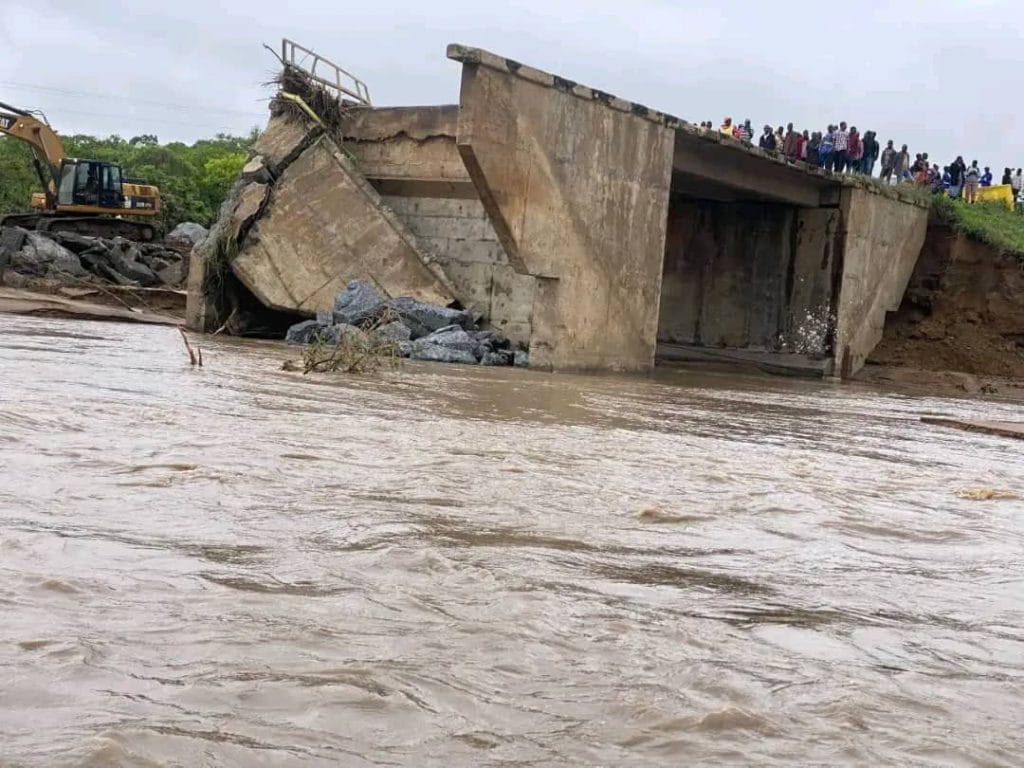
The destruction of irrigation schemes and river diversion structures has further undermined prospects for recovery.
The floods have also claimed large numbers of livestock, stripping families of a crucial coping mechanism and reducing their ability to purchase food or recover.
Thousands of homes have been destroyed, leaving families without secure shelter and exacerbating food insecurity.
The damage to roads and bridges has isolated communities, disrupting access to markets, healthcare, and humanitarian assistance.
The cost of transporting goods has risen sharply, contributing to shortages and price spikes.
The floods have worsened public health conditions, increasing the risk of cholera, malaria, and other water- and vector-borne diseases.
Children, pregnant women, the elderly, and people with disabilities have been disproportionately affected.
The destruction of healthcare facilities and sanitation infrastructure has further compromised the ability of affected communities to access essential services.
The economic impacts of the floods are also significant.
The destruction of crops, livestock, and infrastructure has led to substantial losses, estimated to be in the millions of dollars.
The floods have also disrupted trade and commerce, with many businesses forced to close due to the damage.
The government’s response to the floods has been swift, with the declaration of a state of disaster in affected areas.
The Malawi Defence Force has been deployed to assist with evacuation efforts, and emergency supplies have been distributed to affected communities.
However, the response has been hampered by limited resources and infrastructure.
The 2025–2026 floods offer critical lessons for Malawi.
Climate shocks are no longer exceptional events, and planning must assume recurrence.
Infrastructure vulnerability amplifies disaster impacts, requiring investment in resilient infrastructure.
Early warning systems and preparedness remain insufficient.
To build a more resilient Malawi, the government must prioritize climate-resilient infrastructure, promote flood-tolerant crop varieties, and strengthen social protection systems.
Disaster risk reduction and climate adaptation must be mainstreamed into national development strategies.
This includes investing in climate-smart agriculture, improving drainage systems, and constructing flood-resistant homes and infrastructure.
The government must also strengthen its emergency response capacity, including improving early warning systems, enhancing coordination among agencies, and increasing funding for disaster response and recovery efforts.
The international community also has a critical role to play in supporting Malawi’s recovery and resilience-building efforts.
Recommendations include prioritizing climate-resilient infrastructure, promoting flood-tolerant crop varieties, strengthening social protection systems, mainstreaming disaster risk reduction and climate adaptation into national development strategies, improving early warning systems, and increasing funding for disaster response and recovery efforts.
Specifically, the government should:
First, invest in climate-smart agriculture practices, such as conservation agriculture and agroforestry, to improve soil health and reduce erosion.
Second, implement flood-resistant infrastructure, such as raised foundations and flood-proof buildings, in high-risk areas.
Third, strengthen social protection systems, including emergency cash transfers and livelihood support, to help households recover from disasters.
Fourth, establish a national disaster risk reduction and management policy, with clear roles and responsibilities for government agencies and stakeholders.
Fifth, develop and implement early warning systems that can provide timely and accurate information to communities at risk.
Finally, increase funding for disaster response and recovery efforts, including the establishment of a national disaster fund.
Malawi stands at a crossroads. With deliberate investment and strong political will, the country can transform this crisis into an opportunity to build a more resilient, food-secure future.
Without such action, floods will continue to wash away not only harvests and homes, but also the hopes of millions of Malawians striving for stability and dignity.
The path forward is clear. Malawi must prioritize climate resilience, invest in disaster risk reduction, and strengthen social protection systems.
The government, international partners, and civil society must work together to build a more resilient Malawi, one that is better equipped to withstand the impacts of climate change.
In conclusion, the 2025–2026 floods have exposed Malawi’s deep vulnerabilities to climate-induced disasters.
The government must take urgent action to build resilience, prioritize climate adaptation, and strengthen social protection systems.
With deliberate investment and strong political will, Malawi can transform this crisis into an opportunity for sustainable development and food security.
The future of Malawi depends on the actions taken today.
The government, international partners, and civil society must work together to build a more resilient Malawi, one that is better equipped to withstand the impacts of climate change and ensure a food-secure future for all Malawians.
Feedback: +265884433313
Email: bonnetmunthali2101@gmail.com
Discover more from The Maravi Post
Subscribe to get the latest posts sent to your email.






