BLANTYRE-(MaraviPost)-The Farm Input Subsidy Programme (FISP) is making strides in the Mzuzu Agriculture Development Division (ADD), benefiting thousands of farming households and boosting food security prospects in the region.
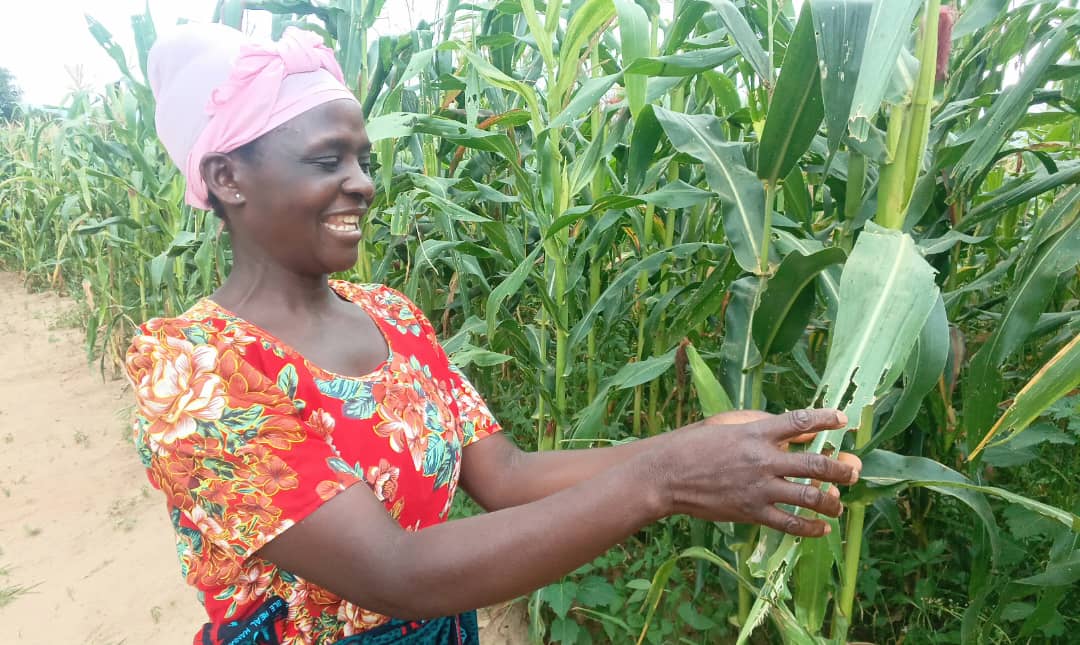
Beneficiary Jean Chisambo welcomed the initiative, saying it eases access to fertiliser, previously out of reach for many farmers.
“We’re hopeful this will increase maize production and ensure food security for our households,” Chisambo said.
Mzuzu ADD Programme Manager Anderson Chikomola reported smooth distribution, with 95,583 beneficiaries targeted this season.
He cautioned against reselling subsidised fertiliser, stressing it undermines government goals. Extension workers are on the ground, guiding farmers to maximise harvests.
In Rumphi District, Director of Agriculture Hastings Malumbo Chilongo echoed Chikomola’s sentiments, with 14,214 beneficiaries recorded.
“The main aim of FISP is to combat hunger,” Chilongo said, thanking the government for supporting farmers nationwide.
The programme provides two 50kg bags of fertiliser and a 5kg pack of seed at a subsidised price of K10,000 per bag, targeting 1.1 million small-scale farming households across Malawi.
Share this:
Like this:
LikeLoading…
Discover more from The Maravi Post
Subscribe to get the latest posts sent to your email.
LILONGWE-(MaraviPost)–President Peter Mutharika’s Government has reaffirmed its commitment to accelerating the completion of the Nthola-Ilola Irrigation Scheme under the Greenbelt Authority (GBA), saying the project is crucial to boosting Malawi’s agricultural productivity.
Chief Advisor to the President on Manifesto Implementation, Henry Mukhuna, made the assurance on Thursday during an engagement meeting with key stakeholders of the project in Karonga District.
Mukhuna said the scheme remains a cornerstone in transforming Malawi’s agriculture sector, emphasizing that the new administration is prioritizing its rapid completion.
“I would like to register the government’s commitment to support this project, and assure you that government will hold GBA’s hand in completing it. This is the first project we are visiting since the establishment of our unit, and that alone should signal its importance,” he said.
He noted that the project aligns with the administration’s ambitions of achieving food security and generating wealth through large-scale rice production and export.
“We will deliver a clear message to the President about the progress made so far and the people’s eagerness to see this project completed,” he added.
Mukhuna also indicated that the Manifesto Implementation Unit would explore additional funding opportunities, including tapping into the Constituency Development Fund (CDF), to fast-track the scheme’s completion.
Earlier, Principal Group Village Headwoman Mwangolera appealed to government to maintain its support, describing the project as the future of Karonga’s rice industry.
“This project is a game changer for the rice community of Karonga and Malawi as a whole. We ask for continued support from the new administration,” she said.
Paramount Chief Kyungu echoed similar sentiments, applauding the Greenbelt Authority for the progress made so far. He emphasized the need for steady government funding to sustain both the pace and quality of work being delivered.
The Greenbelt Authority is developing a 1,000-hectare rice scheme and constructing a multi-billion kwacha rice processing factory poised to transform Karonga’s rice production.
Currently, the Authority has completed 370 hectares of the farmland.
Share this:
Like this:
LikeLoading…
Discover more from The Maravi Post
Subscribe to get the latest posts sent to your email.
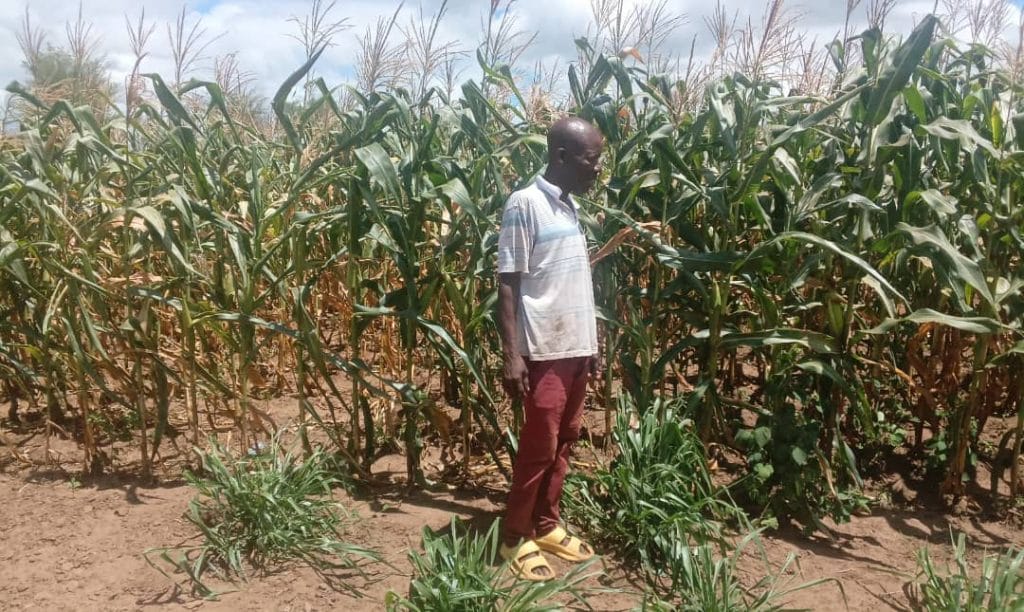
The heat was intense. Animals were dying not because of diseases but because of lack of water for them to drink due to drought. Crops were drying in the fields not because they reached maturity stage but because of the heat. Farmers were hopeless and there was nothing they could do to save their livestock and crop from the drought.
And this was Salima, a district in the central region of Malawi where last growing season of 2024/2025 farmers saw their lives crumble.
“This is terrible,” said Sendeza Chapuleni, a Lead Farmer (LF), adding, “Our crops and livestock have been heavily affected and we do not know what we will do. Even with irrigation we will need water and with this drought, there is no irrigation.”
Standing in his maize field early March this year, Chapleni said he tried to apply organic manure in his farm so that rainwater do not all disappear when drought comes in.
“It did help a bit but the heat was unpresented,” he said. What Chapleni experienced early this year is what hundreds of other farmers across the country did experience: the climate crisis.
To mitigate farmers against the impact of climate change a number of climate smart agricultural (CSA) activities have been tried are being implemented by some farmers. They include organic fertilizers application, mulching crops, pit planting, conservation agriculture, water storage and planting of nitrogen fixing plants on the farm.
Chapuleni at his withered maize field
The adaptation of these CSA practices remain low, according to the World Bank. CSAs are also about intensive such as organic manure making.
But in 2005 a new approach in form of weather-index insurance (WII) for the farmers was piloted with funding from the World Bank and other development partners.
The aim was to cushion farmers against climate change impacts such as droughts and floods.
The project, according to Ephias Makaudze’s study, started on a high note with initial involvement of farmers who received financial support from locally based microfinance institutions.
A few years later the WII included maize and tobacco farmers who were insured for their crops. However, the WII implementation failed beyond the pilot phase and there were a number of reasons, Makaudze observed in his study.
Some of the reasons that made the project fail to achieve its results included low demand for WII, poor return on investment, premiums are too costly, lack of an effective and reliable index-based weather insurance, timely contracts and lack of high quality data weather station networks, and unavailability of an enabling legal and regulatory framework necessary for the expansion of the pilot programme.
But this is not the end of the story on insurance payouts. In 2024 Malawi experienced a drop in crop yields due to drought and floods in the northern region and southern region respectively.
As a result the United Nations World Food Programme (WFP), in partnership with the Ministry of Agriculture and the Adaptation Fund, spent MK 2.2 billion (US$1.3 million) in insurance payouts to over 36,000 farming households in Malawi, according to the UN agency.
These crop insurance payouts that were not indexed based aimed at supporting farmers whose crops suffered damage due to climate-induced shocks during the 2023/2024 growing season.
The former Minister of Agriculture, Sam Kawale, said farmers are on the frontline facing climate shocks. He said crop insurance payouts provide a risk transfer mechanism offering financial security through compensation for crop losses, thus ensuring that farmers recover and continue farming despite facing these adverse conditions.
WFP believes that the climate crisis is impacting many farmers who bear the brunt of its effects. It says the crop insurance payouts are not only critical in providing immediate relief, but they are also important steps towards building long-term climate resilience.
In July 2025 the Government of Malawi received an insurance payout from the African Risk Capacity (ARC) Group to the sum of US$3.4 million to protect itself against drought.
The funds was meant to scale up social protection measures through food distribution and cash transfers to over 311 000 beneficiaries.
It was also meant to support livelihood-enhancing options by providing drought-tolerant crops for replanting and inputs for winter cropping for farmers.
Malawi’s national disaster insurance is aimed at building the country’s resilience to climate change.
The primary goal is to protect the livelihoods of vulnerable populations, particularly smallholder farmers, and safeguard the nation’s overall development, according to the African Development Bank (AfDB)’s Africa Disaster Risk Financing Programme Multi-Donor Trust Fund.
Dr. Robert Kafakoma, an expert on climate change, said the crop insurance payout covers are very important and are of help to farmers as well as financial loan providers in the country.
Success of insurance payouts: With a lot of money that government received this year in insurance payouts, Malawi should not have been grappling with hunger.
An estimated 5 million Malawians are currently starving and yet the country has been implementing these insurance payouts without any success to end the hunger crisis.
Some of the farmers are of the view that the insurance payouts are either poorly targeted or misused by those who are benefiting from them.
Geruazio Mumba, a LF in Salima whose crops were heavily affected by the drought said not all affected farmers benefits from the insurance programme.
“The problem is poor targeting. Some of the so called farmers who get financial support from government programmes do not have even a small piece of land on which to grow crops. Giving such people inputs such as seed and fertilizers is a waste because they do not have land to use and they end up selling the inputs,” said Mumba.
Wikinala Basikolo, another LF said insurances are good and they can really help the country mitigate the impacts of climate change but the problem is on programme implementation.
“When you look at the social cash transfers or those benefiting from subsidized farm inputs that are coming from insurance companies to government are the very same beneficiaries getting it year in, year out. And then you asked yourself why are the very same people benefiting? Are they the only ones impacted by climate change? Asked Basikolo.
Basikolo said food insecurity in Malawi cannot end because there is a lot of “corruption within the agriculture sector and most of those implementing these programmes are getting rich at the expense of the poor.”
Arnold Namanja, Public Relations Officer at the Ministry of Agriculture admits that insurance have nit make significant gains as expected.
“While progress in terms of numbers has been modest and the overall impact of insurance remains relatively small, the initiative has demonstrated potential. With improved outreach, stronger partnerships, and integration into broader resilience and food security strategies, there is significant room to expand coverage and deepen impact,” he said.
Way forward While insurance payouts are necessary to protect farmers against climate crisis, more need to be done for it to make meaningful achievements. With the US$3.4 million insurance pay to government, this country would have averted the sufferings of millions of people currently starving.
A proper strategy is required to ensure success of the insurance payouts programmes.
“This can easily and effectively be done if weather-based crop insurance contracts are issued to farmers. The contracts need to be designed in such a way that they allow compensation of the affected farmers when rainfall during a crop growing cycle is not sufficient for farmers to grow and to optimise their yields,” said Robert.
He explained that the contracts would ensure that only the affected farmers are compensated.
“The proceeds from the insurance the government got is for everyone and it may be that the affected farmers may not necessarily be the one benefiting from the insurance,” he said.
But insurances may not be the only solutions to the problems created by droughts and floods. There are many means that can help the country mitigate the impacts of climate change, other than insurance covers.
“Most of these means are tested and are being implemented. What is required is the emphasis, promotion and political will to change the way things are done,” said Kafakoma.
He said these include community based disaster risk management initiatives; capacity building of the community in disaster risk management; food nutrition and security initiatives; sustainable catchment management and wetland management initiatives, pond aquaculture and water harvesting; and forest management related initiatives.
“As insurance is one piece of the puzzle and a financial buffer, but lasting food security requires combining it with preventive measures (CSA, irrigation, early warning), adaptive livelihoods, and policy reforms. Otherwise, payouts will remain emergency stopgaps while hunger continues to grow,” said Namanja.
The ADB’s Principal Country Economist, Albert Mafusire, said insurance payout claims provide direct financial support to smallholder farmers to help off-set losses resulting from weather-related challenges such as droughts and floods.
These initiatives are part of a broader resilience strategy aimed at building sustainable agricultural systems and supporting Malawi’s food security and if effectively implemented they could benefit smallholder farmers like Chapuleni who is still worried of another drought this growing season.
Share this:
Like this:
LikeLoading…
Discover more from The Maravi Post
Subscribe to get the latest posts sent to your email.
….Tractors, planters, and other equipment to support mega farmers nationwide
LILONGWE-(MaraviPost)-Minister of Agriculture, Roza Fatch Mbilizi, on Friday received a donation of farm machinery from the Republic of South Korea at the Chipoka Demonstration Centre in Salima.
The donation, valued at US$500,000, includes five tractors, one grain drier, three hallows, and two maize planters.
According to officials, the equipment will be distributed to Agricultural Development Divisions (ADDs) across the country to be hired out to mega farmers, boosting large-scale farming and improving productivity.
This is not the first time South Korea has supported Malawi’s agricultural sector, having made a similar donation in March 2025.
Minister Mbilizi expressed appreciation for the continued partnership, saying the machinery will help strengthen Malawi’s agricultural development and enhance food security.
Officials noted that the initiative is part of efforts to modernise farming, increase mechanisation, and support farmers in achieving higher yields.
Share this:
Like this:
LikeLoading…
Discover more from The Maravi Post
Subscribe to get the latest posts sent to your email.
….The President says his administration is committed to food security and prosperity, pledging to deliver only what can be achieved.
MCHINJI-(MaraviPost)-President Arthur Peter Mutharika Government on Wednesday officially launched of the 2025/2026 Farm Input Subsidy Programme (FISP) in Mchinji District, fulfilling a key promise he made during the opening of the 52nd Session of Parliament on October 31, 2025.
In a statement posted on his official Facebook page, President Mutharika expressed satisfaction that his administration had successfully implemented one of its major policy commitments aimed at improving agricultural productivity and food security.
The President reminded Malawians that during his parliamentary address, he had pledged that the FISP would return this farming season, targeting 1.1 million households across the country.
Each beneficiary household, he said, would receive two 50kg bags of fertilizer at a subsidized price of K10,000 per bag, along with a 5kg pack of seed of their choice.
The President emphasized that the reintroduction of FISP was part of his broader vision to revitalize Malawi’s agriculture sector, enhance national food security, and stimulate rural economic growth.
“I am excited that today, my Government has fulfilled that promise by officially launching the 2025/2026 Farm Inputs Subsidy Programme in Mchinji District,” he wrote.
He said the program was designed to boost production, empower smallholder farmers, and ensure prosperity for all Malawians.
President Mutharika reaffirmed his commitment to honesty and accountability in leadership, stating that he will only make promises that his administration is capable of delivering.
“As your President, I will deliver on my promises, and I will only promise that which I can deliver,” he declared.
The FISP launch event, held at Kankhande Primary School grounds in Traditional Authority Mavwere, drew farmers, traditional leaders, and government officials who welcomed the program as a timely intervention ahead of the rainy season.
The President’s message underscores his government’s focus on agriculture as the backbone of Malawi’s economy, with policies aimed at transforming the sector into a driver of sustainable development.
The FISP, which has previously benefited millions of rural households, remains one of the country’s most impactful social and economic interventions, though it has faced challenges in implementation and targeting in past years.
President Mutharika’s decision to reintroduce the program signals his administration’s intent to restore public confidence in government-driven agricultural initiatives and address persistent food insecurity affecting many rural communities.
Observers note that the reintroduction of FISP could also stabilize maize production and prices, ensuring that the country avoids recurring hunger crises.
The program is expected to have a ripple effect across the economy by supporting agribusinesses, reducing poverty, and improving livelihoods for millions of Malawians.
With the official launch now complete, distribution of the inputs is set to begin immediately across all regions, ensuring that farmers access fertilizer and seed in time for the planting season.
As the nation prepares for another agricultural cycle, President Mutharika’s commitment to “Sustaining a People-Centered Government” reflects his administration’s resolve to keep citizens at the heart of national development.
The successful rollout of FISP, according to analysts, will serve as a major test of the Mutharika government’s ability to deliver tangible results and strengthen Malawi’s long-term path toward food self-sufficiency.
Share this:
Like this:
LikeLoading…
Discover more from The Maravi Post
Subscribe to get the latest posts sent to your email.
LILONGWE-(MaraviPost)-The Minister of Agriculture, Irrigation and Water Development, Rosa Fatch Mbilizi, has assured Malawians that the government under the Democratic Progressive Party (DPP) will ensure that no citizen dies of hunger.
The Minister made the remarks on 1 November 2025 during the launch of the 2025–2026 Lean Season Food Insecurity Response Programme at Chinguni Primary School in Traditional Authority Sitola in Machinga district.
Mbilizi explained that the six-month programme aims to support vulnerable households affected by food shortages across the country.
In her speech, the Minister emphasized the importance of adopting modern agricultural practices, including the use of climate-resilient seed varieties and irrigation farming, to enhance productivity and strengthen national food security.
“The government is intensifying investments in irrigation schemes, the Greenbelt Initiative, and the establishment of mega farms as part of efforts to achieve food self-sufficiency,” the Minister said.
The World Food Programme (WFP) Country Director, Hyoung-joon Lim, reaffirmed the organization’s commitment to partnering with the government to reach four million vulnerable Malawians affected by hunger.
He further said that WFP will also provide nutritional support to over 100,000 children and food assistance to more than 100,000 school learners.
Speaking during the event, Paramount Chief Kawinga urged traditional leaders to ensure transparency and fairness in selecting beneficiaries.
He also encouraged community members to report any cases of corruption or abuse to guarantee that the assistance reaches those who need it most.
Share this:
Like this:
LikeLoading…
Discover more from The Maravi Post
Subscribe to get the latest posts sent to your email.