Malawi COs calls for renewed accountability on corruption drive fight: International Anti-Corruption Day

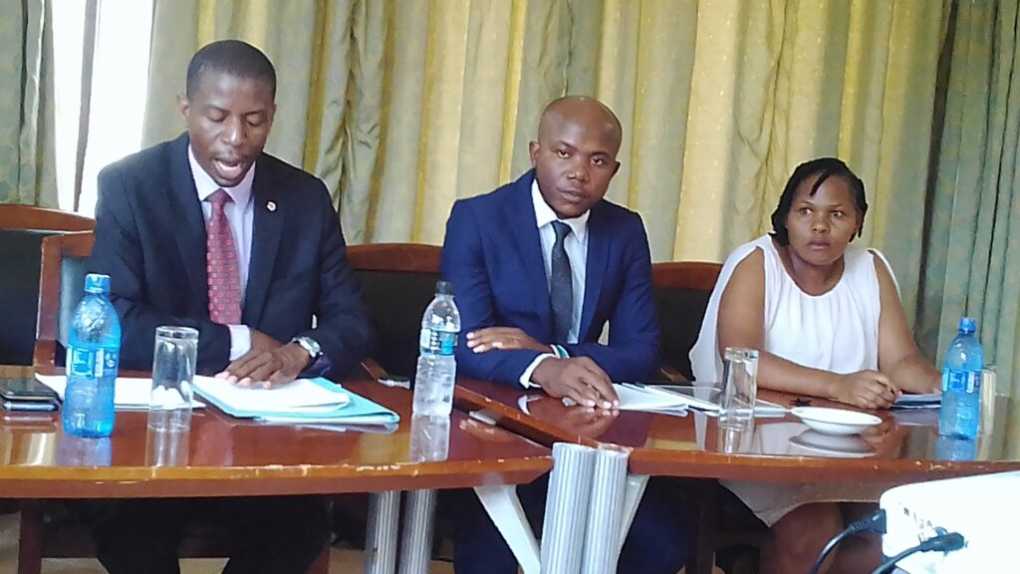
Benedicto Kondowe from left

LILONGWE-(MaraviPost)— As the world marked International Anti-Corruption Day, two of Malawi’s leading governance watchdogs urged national leaders to treat corruption not as a routine governance challenge but as a national emergency requiring urgent, decisive action.

In a joint statement, National Advocacy Platform (NAP) Executive Director Benedicto Kondowe and Civil Society Accountability Taskforce (CSAT) Executive Director Willy Kambwandira stressed that Malawi’s political leadership must convert anti-corruption commitments into tangible reforms that strengthen accountability across all sectors.

“Corruption must be confronted, not accommodated. Accountability must be enforced, not negotiated,” the statement reads, underscoring the urgency with which the two organizations believe Malawi must respond.

NAP and CSAT emphasized that a renewed culture of integrity is possible one anchored in institutions that operate independently and free from fear, political interference, or personal interests.

They also highlighted the critical role of young people, describing them as the “forefront generation capable of demanding and defending transparency,” and essential contributors to building a more accountable Malawi.

The two organizations reaffirmed their commitment to work collaboratively with government bodies, communities, and stakeholders to ensure that Malawi’s anti-corruption pledges become actionable realities.

“Only when commitments become lived realities will Malawi deliver a future where integrity is not aspirational but expected,” the statement adds.

This year’s commemoration is themed at “Uniting with Youth Against Corruption: Shaping Tomorrow’s
Integrity”.


Discover more from The Maravi Post

Subscribe to get the latest posts sent to your email.

The Maravi Post

Youth placed at centre of Malawi’s renewed anti-corruption drive

Youth dared on corruption drive fight

BLANTYRE-(MaraviPost)-The National Advocacy Platform (NAP) and the Centre for Social Accountability and Transparency (CSAT) have marked International Anti-Corruption Day 2025 with a strong appeal for Malawi to translate political commitments into concrete action.

In a statement signed by NAP Chairperson Benedicto Kondowe and CSAT Executive Director Willy Kambwandira, the two organisations warned that corruption remains one of the country’s most severe obstacles to development and urged leaders to match their words with decisive steps that restore public trust.

This year’s commemorations are being observed under the theme “uniting with youth against corruption: shaping tomorrow’s integrity.”

According to NAP and CSAT, the theme reflects a growing demand from young Malawians for honesty, fairness and accountability values the organisations say must shape the country’s future governance systems.

The statement notes that corruption continues to divert public resources, undermine service delivery and weaken democratic institutions.

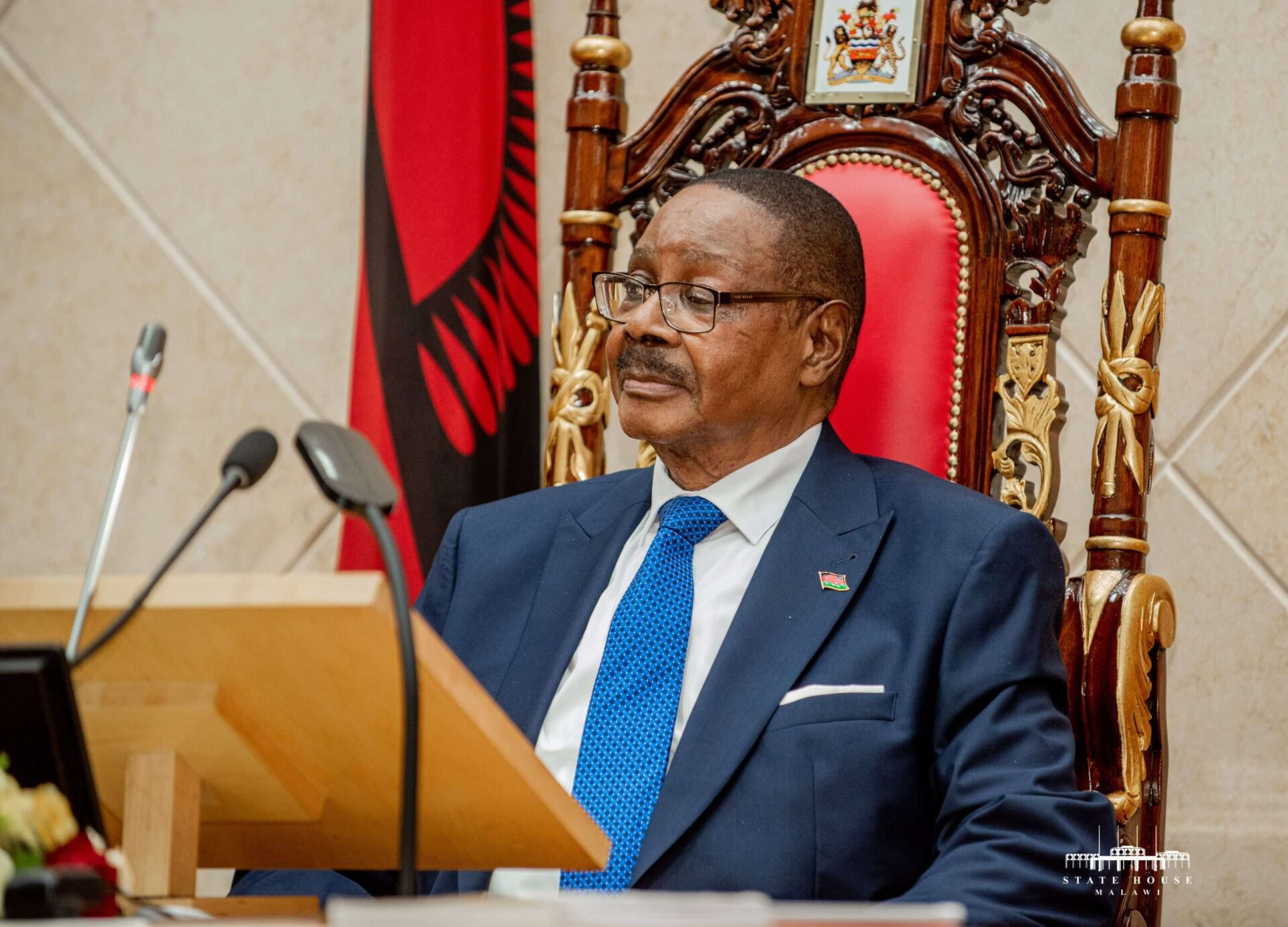
While acknowledging recent commitments from national leaders, including President Professor Arthur Peter Mutharika’s renewed zero tolerance declaration and efforts to revive long stalled cases, NAP and CSAT stress that Malawi can no longer rely on promises alone.

The organisations highlight the need for decisive follow-through on the revived cases, calling for credible investigations and timely, non-selective prosecutions.

They argue that no individual or institution should enjoy protection from accountability and insist that the Anti-Corruption Bureau (ACB) must operate without interference if the country is to make meaningful progress.

NAP and CSAT further emphasise that strengthening the ACB requires more than public statements. They call for full financial independence for the bureau, recruitment of specialised staff and legislative reforms that close loopholes enabling procurement fraud, illicit enrichment, political financing abuses and influence peddling.

They caution that parliament must not undermine anti-corruption efforts, and should exercise its oversight role in good faith, free from partisan motivations.

The statement places particular focus on the role of young people, describing them as essential drivers of a new culture of integrity. NAP and CSAT argue that youth must be empowered to demand transparency, challenge impunity and actively participate in accountability initiatives within their communities and workplaces.

The two organisations urge the ACB to pursue both revived and new cases without fear or favour. They appeal to the executive to respect and protect institutional independence and to the ministry of justice to accelerate reforms that align with global best practices.

They also encourage parliament to uphold accountability rather than shield wrongdoing and call on the judiciary to prioritise corruption cases to ensure timely resolution.

NAP and CSAT conclude by describing corruption as a national emergency that demands strong institutions and unwavering commitment. They stress that Malawi’s anti-corruption promises must translate into a lived reality for citizens, especially the youth who will inherit the consequences of today’s decisions.

The organisations reaffirm their readiness to work with all institutions and communities to support a national shift towards accountability and integrity.


Discover more from The Maravi Post

Subscribe to get the latest posts sent to your email.

The Maravi Post

National Guard Shooting & Immigration, Venezuela Latest, Ukraine Negotiations

The White House is moving swiftly to tighten legal immigration reviews after two National Guard members were shot in Washington, D.C. last week, escalating scrutiny on asylum seekers, green card holders and refugees already living in the U.S.
U.S. strikes on alleged drug boats in the Caribbean are under growing scrutiny, as some lawmakers warn one attack may constitute a war crime.
And Ukraine enters a new round of negotiations without its top negotiator, after a corruption scandal forces out President Zelensky’s powerful chief of staff.

Want more comprehensive analysis of the most important news of the day, plus a little fun? Subscribe to the Up First newsletter.

<

p class=”readrate” data-rr=”18″ data-pm-slice=”1 1 []”>Today’s episode of Up First was edited by Anna Yukhananov, Tara Neill, Miguel Macias, Mohamad ElBardicy and Lisa Thompson.

<

p class=”readrate” data-rr=”18″>

<

p class=”readrate” data-rr=”18″>It was produced by Ziad Buchh, Nia Dumas and Christopher Thomas.

<

p class=”readrate” data-rr=”18″>

<

p class=”readrate” data-rr=”18″>We get engineering support from Stacey Abbott. And our technical director is Carleigh Strange.

Learn more about sponsor message choices: podcastchoices.com/adchoices

NPR Privacy Policy


Discover more from The Maravi Post

Subscribe to get the latest posts sent to your email.

The Maravi Post

Frustration grows as Malawians question lack of accountability for tax mismanagement

LILONGWE-(MaraviPost)-Citizens anger continues to build as Malawians openly question why ordinary people are arrested for theft while high-profile leaders accused of mismanaging public resources walk free.

In a widely shared message, one citizen mockingly remarked that “this one has eaten uncooked maize,” suggesting boldness without fear of consequences.

Another commentator, Rick Dzida, raised a provocative question, asking why police arrest individuals found with stolen goods yet have not taken similar action against President Lazarus Chakwera for alleged failures connected to public resource management.

This sentiment reflects a growing perception that the justice system treats powerful individuals differently from ordinary citizens.

A third voice in the discussion argued that no one has misled Malawians more than leaders who mismanage taxes, insisting that those responsible for abusing public funds should face the law like anyone else.

The citizen further stated that Malawians are suffering because tax resources have been misused and those accused of wrongdoing appear to be shielded by the system.

The contributor stressed that the law must apply to everyone, including those who mishandled national revenue and betrayed public trust.

These comments highlight a broader national frustration over perceived selective justice, where accountability appears to fall heavily on ordinary people while political leaders escape scrutiny.

They also reflect mounting public demands for transparency, fairness, and equal application of the law in matters relating to corruption and tax abuse.

As the debate intensifies, citizens continue to call for a justice system that protects national resources and restores confidence in public governance.


Discover more from The Maravi Post

Subscribe to get the latest posts sent to your email.

The Maravi Post

Congressional To-Do List, Trump V. BBC, Ukraine Update

Congress returns to further negotiations on health care subsidies and an earlier-than-expected vote on the Epstein files. President Trump is threatening to sue the BBC over an edit of his speech on January 6, 2021. Russian attacks and a major new corruption probe are the latest developments from Kyiv.

Learn more about sponsor message choices: podcastchoices.com/adchoices

NPR Privacy Policy


Discover more from The Maravi Post

Subscribe to get the latest posts sent to your email.

The Maravi Post

India Can Use The G20 to Fight Corruption and Reduce Global Inequalities

Civil Society, Economy & Trade, Global, Global Geopolitics, Global Governance, Headlines, TerraViva United Nations

Opinion

Despite unprecedented challenges, 2022 also opened windows of opportunity to move the needle around critical anti corruption issues, such as anti-money laundering, asset recovery, beneficial ownership, and renewable energy. Credit: Shutterstock.

Despite unprecedented challenges, 2022 also opened windows of opportunity to move the needle around critical anti-corruption issues, such as anti-money laundering, asset recovery, beneficial ownership, and renewable energy. Credit: Shutterstock.

Sanjeeta Pant, Jan 25 2023 (IPS) – The G20 India Presidency is marked by unprecedented geopolitical, environmental, and economic crises. Rising inflation threatens to erase decades of economic development and push more people into poverty. Violent extremism is also on the rise as a result of increasing global inequality, and the rule of law is in decline everywhere. All of these challenges impact the G20’s goal of realizing a faster and more equitable post-pandemic economic recovery.

But as India prioritizes its agenda for 2023, it is corruption that is at the heart of all of these other problems- and which poses the greatest threat to worldwide peace and prosperity.


An Idea Whose Time Has Come

Although the G20 has repeatedly committed to the Financial Action Task Force’s (FATF) anti-money laundering standards, member countries have been slow to implement policy reforms

Despite unprecedented challenges, 2022 also opened windows of opportunity to move the needle around critical anti-corruption issues, such as anti-money laundering, asset recovery, beneficial ownership, and renewable energy. When global leaders meet during the G20 Indian Presidency , they must prioritize and build on this progress, rather than make new commitments around these issues that they then fail to implement.

According to the UN, an estimated 2-5% of global GDP, or up to $2 trillion, is laundered annually. Although the G20 has repeatedly committed to the Financial Action Task Force’s (FATF) anti-money laundering standards, member countries have been slow to implement policy reforms. In the wake of the Russian invasion of Ukraine and ineffective economic sanctions against Russian oligarchs, governments have started reexamining existing policy and institutional gaps, especially recognizing the role of Designated Non-Financial Businesses and Professions (DNFBPs), also known as “gatekeepers.”

G20 member countries are responding to concerns and criticisms from their national counterparts regarding failures to adopt FATF recommendations and clamp down on “dirty money.” Grappling with the need to be able to prosecute money-laundering cases and recover billions of dollars worth of frozen assets, they are also amending national laws to be able to do so.

Lack of beneficial ownership transparency is also aiding the flow of laundered money globally. The G20 recognizes beneficial ownership data as an effective instrument to fight financial crime and “protect the integrity and transparency of the global financial system.”

The Russian invasion helped drive home this message, especially among countries that are popular destinations for those buying luxury goods and assets. FATF’s amendment of its beneficial ownership recommendations in early 2022 was timely. Member countries are also introducing new reporting rules, and fast-tracking policies and processes to set up beneficial ownership registers. While there are still gaps in the proposed policies – as identified here– these are important first steps.

Similarly, the transition to renewable energy, initially raised as an environmental issue and then as a national security concern is increasingly gaining attention from a resource governance perspective. Given the scale of the potential investment, there is a need to tackle corruption in the energy sector to avoid potential pitfalls resulting from a lack of open and accountable systems as we transition to a net zero economy.

The cross-cutting nature of the industry means a wide range of issues– from procurement and conflict of interest in the public sector to beneficial ownership transparency- need to be considered. The global energy crisis and the Indonesian Presidency’s prioritization of the issue have helped build momentum around corruption in the renewable energy transition, and this focus must continue.

Calling on India

Corruption-related issues identified here are transnational in nature and have global implications, including for India. For instance, with money laundering cases rising in India, it cannot afford to regard it as a problem limited to safe havens like the UK or the US. The same is true for the lack of beneficial ownership transparency or corruption in the renewable energy transition, which fuels illicit financial networks in India and beyond, and which often transcend national borders.

Finally, corruption has a disproportionate impact on the global poor. Almost 10% of the global population lives in extreme poverty, many of whom live in countries such as India. The G20, under the Indian Presidency, provides a unique opportunity to ensure the voices of the most vulnerable are heard at the global level. By prioritizing the anti-corruption agenda and building on past priority issues and commitments, the Indian government can lead efforts to bridge the North-South divide.

Sanjeeta Pant is Programs and Learning Manager at Accountability Lab. Follow the Lab on Twitter @accountlab

  Source