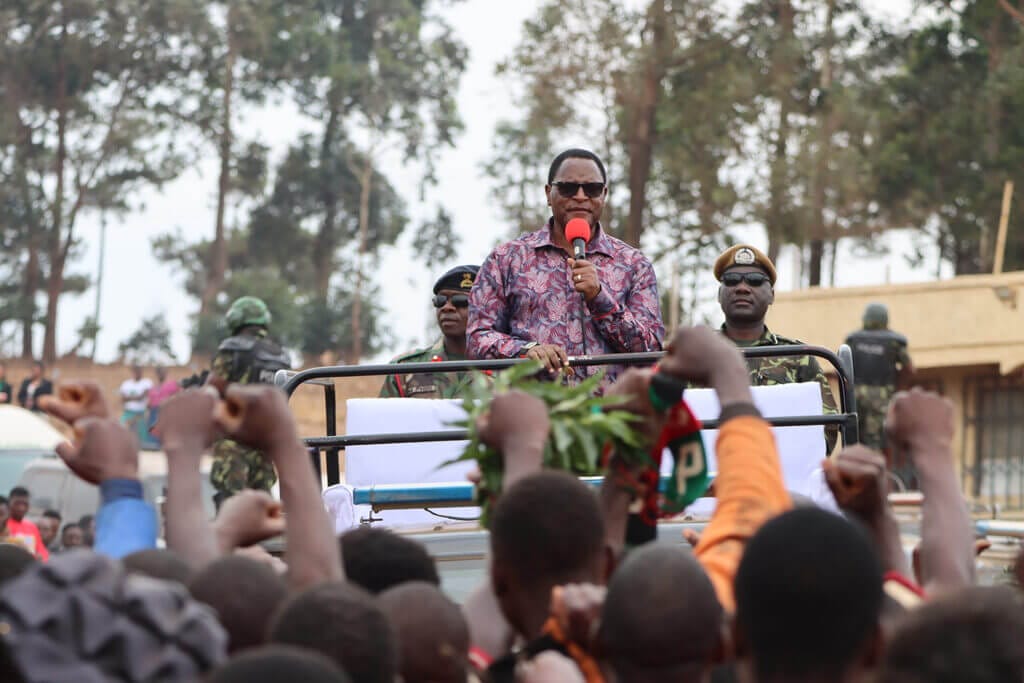
Opposition MCP legislators’ Parliamentary session boycott over lawful police action on State House dogs theft is a betrayal of democratic duty

The recent boycott by Members of Parliament from the Malawi Congress Party (MCP) in response to the police executing a court-approved search warrant at former President Lazarus Chakwera’s Lilongwe residence is not only misguided but a blatant abdication of their parliamentary responsibilities.

This act of defiance against lawful state operations undermines the very foundations of Malawi’s democracy and must be met with strong condemnation.

The MCP MPs’ decision to boycott parliamentary proceedings on the pretext of protecting their party leader not only disrespects the rule of law but also disrespects their constituents who elected them to serve with integrity and uphold the country’s democratic processes.

The police, mandated by law and backed by judicial authority, carried out their duty within the confines of the law.

The search warrant, authorized by a court, legitimizes the police action, emphasizing that due process was followed.

It is important to stress that the police were not acting arbitrarily or with political motives; they were enforcing the law as tasked.

To boycott parliamentary sessions because of this lawful act is to equate the execution of justice with political victimization, a dangerous and unfounded narrative that threatens to erode public trust in state institutions.

Members of Parliament are elected to represent the people and to participate in governance, including oversight of the executive and other state organs. Their decision to boycott parliament in protest of a police operation not only disrupts the legislative process but also signals a disregard for the constitutional separation of powers.

The police and the judiciary operate independently of the legislature, and MPs should respect the autonomy of these institutions.

By boycotting, MCP MPs are essentially challenging the legitimacy of the police and judiciary, which is tantamount to challenging the rule of law itself.

Moreover, the suggestion that the former president, Lazarus Chakwera, is immune from investigation or prosecution is fundamentally flawed. No one is above the law, not even a former head of state.

The principle of equality before the law is a cornerstone of democracy, ensuring accountability and justice for all citizens irrespective of their status.

To insinuate that the police action was an attempt to unlawfully target Chakwera is to undermine this principle and to promote a culture of impunity that endangers Malawi’s democratic progress.

The MCP MPs’ boycott also raises serious questions about their commitment to democratic norms and their respect for the parliamentary institution. Parliament is meant to be a forum for debate, policy formulation, and holding the executive accountable through lawful means.

When MPs resort to boycotting sessions as a form of protest against lawful actions, they undermine parliamentary procedures and dilute their responsibilities. Such actions cannot be tolerated if Malawi is to maintain a functional and credible democratic system.

The consequences of this boycott must be clear and firm. MCP MPs who chose to absent themselves without valid justification should be held accountable through the appropriate parliamentary mechanisms. Their daily allowances should be deducted, and their absences formally recorded to reflect their dereliction of duty.

This will send a strong message that parliamentary privileges come with obligations, and failure to perform these duties has tangible repercussions.

Furthermore, political parties must encourage their members to engage constructively within parliamentary processes, even when disagreements arise.

Boycotting parliament as a political weapon erodes democratic institutions and sets a dangerous precedent for future conflicts. Constructive engagement, dialogue, and respect for legal processes are essential for Malawi’s political stability and development.

It is also crucial for MCP leadership to reflect on the implications of their MPs’ boycott. Political loyalty should never come at the expense of national interest and democratic integrity.

By condoning or encouraging such actions, the party risks alienating itself from the electorate and damaging its credibility as a responsible political actor. Malawi’s democracy requires leaders who prioritize the rule of law and institutional respect over partisan interests.

The MCP MPs’ boycott of parliamentary sessions following the police’s lawful execution of a search warrant at former President Lazarus Chakwera’s residence is an unacceptable breach of their parliamentary duties. It undermines the rule of law, disrespects independent state institutions, and weakens Malawi’s democratic fabric.

These MPs must be held accountable for their misconduct through deduction of allowances and formal recording of absences. Malawi’s democracy can only thrive when political actors respect the law, uphold parliamentary responsibilities, and engage in constructive dialogue rather than resorting to boycott as a political tool.

The time has come for MCP MPs to put country above party and demonstrate true commitment to democratic principles.


Discover more from The Maravi Post

Subscribe to get the latest posts sent to your email.

The Maravi Post

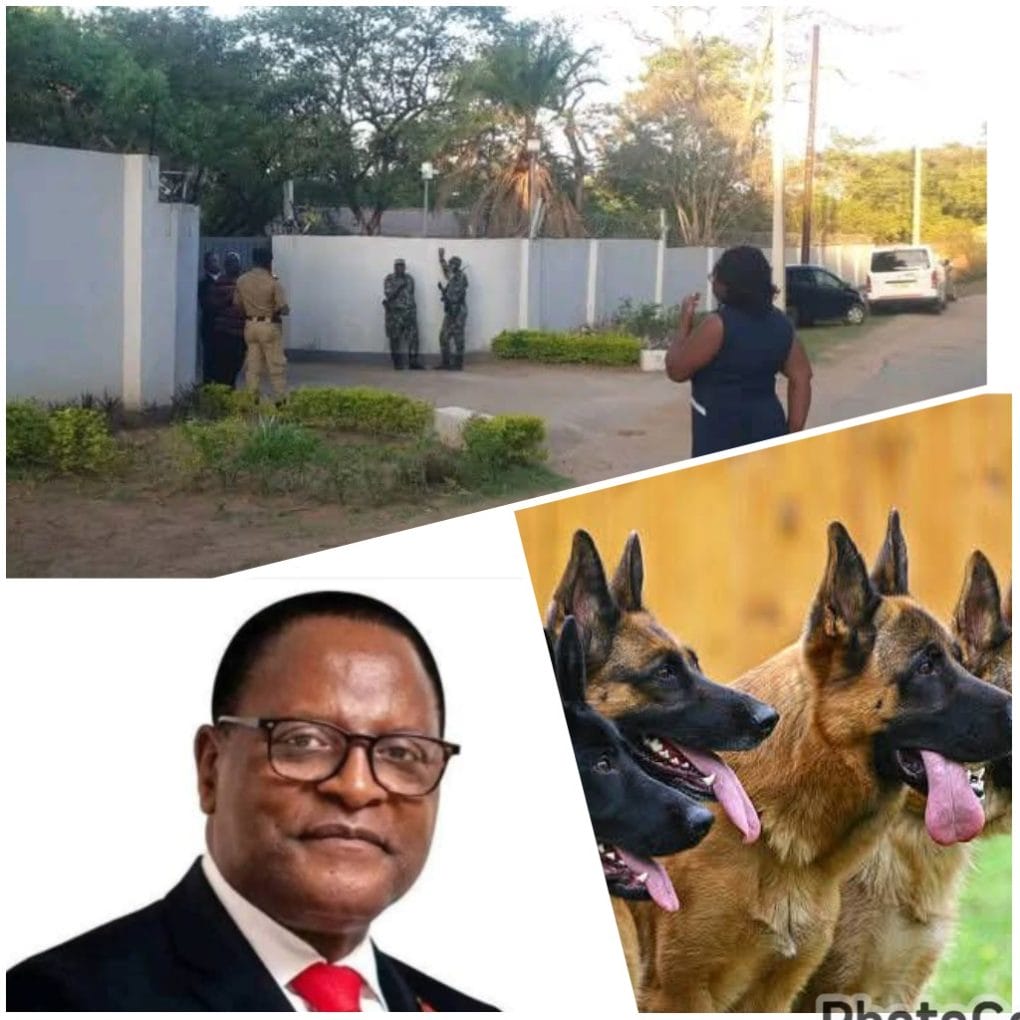
“Legal processes must be respected on former President Chakwera’s State House dogs theft”-FND

LILONGWE-(MaraviPost)-Forum for National Development (FND) wishes to address the ongoing public debate following the recent search conducted by the Malawi Police Service at the residence of former President Lazarus Chakwera in Area 10, Lilongwe.

The statement signed by FND National Coordinator Mr. Fryson Chodzi, stresses the importance of objectivity, calm engagement and full respect for legal institutions as the matter unfolds.

The search stemmed from allegations made by the arrested former Director of Security at State Residences, Godfrey Jalale, who reportedly indicated that certain dogs under investigation were being kept at the former President’s residence.

This development has sparked considerable political reaction, including a walkout from Parliament by Malawi Congress Party (MCP) Members of Parliament, as well as widespread public commentary suggesting that the former President is being persecuted.

Others have dismissed the matter as insignificant, while some argue that the dogs belong to the former presidency.

FND reiterates that Malawi’s democratic order must remain firmly grounded in the rule of law. No individual regardless of status, past office, or political affiliation is exempt from lawful inquiry.

Law enforcement agencies possess the constitutional authority and responsibility to investigate any matter where suspicion of wrongdoing exists.

The organisation further emphasises that due process must be allowed to proceed without obstruction.

If the Malawi Police Service has legitimate grounds to investigate the ownership or whereabouts of the dogs in question, it is fully within its legal rights to do so.

It is the courts, not political actors or public commentators, that are mandated to weigh evidence and determine the truth.

FND also notes that no crime should be trivialised simply because it involves animals. Malawi’s justice system has a long record of prosecuting cases involving goats, chickens and other property of lesser value.

Upholding consistency in the application of the law is essential for maintaining public trust in the country’s criminal justice system.

The organisation warns against politicising standard investigative procedures. Actions such as walking out of Parliament over a routine police operation risk undermining public confidence in accountability, transparency and respect for state institutions.

Political leaders are urged to avoid conduct that may appear to shield individuals from lawful scrutiny.

FND calls for calm, rational dialogue and urges the public to allow legal processes to unfold without interference or heightened social media agitation.

The courts remain the only credible forum for establishing facts and determining responsibility in this matter.

FND reaffirms its commitment to advocating for a Malawi where justice is applied fairly, institutions operate independently, and no citizen whether an ordinary person or former Head of State is placed above or below the law.


Discover more from The Maravi Post

Subscribe to get the latest posts sent to your email.
The Maravi Post

Mutharika DPP government’s visionary leap: Elevating Malawi’s tertiary education through expert secondments

In an era when the quality of education stands as a cornerstone for national development, the Democratic Progressive Party (DPP) under the leadership of President Peter Mutharika has demonstrated commendable foresight by deploying seasoned professionals from parastatals into Malawi’s public universities.

This bold and strategic move signals a profound commitment to enhancing the academic and practical experience of students, ensuring that education is not only theoretical but also deeply rooted in real-world expertise.

This initiative, which has seen experts in diverse fields such as water engineering, energy, accounting, public finance, human resources, and governance taking on lecturer roles at institutions like the University of Malawi, Mzuzu University (MZUNI), Malawi University of Business and Applied Sciences (MUBAS), and the Malawi School of Government (MSG), deserves high praise.

It is a testament to the DPP government’s thoughtful approach to education reform, one that recognizes the intrinsic value of bridging academia with industry.

The importance of this secondment strategy cannot be overstated.

Malawi’s public universities have historically faced challenges in aligning their curricula with the dynamic demands of the job market.

By integrating professionals such as Water Engineer Mwakwenda, Energy Engineer Dr. Chitawo, and Public Finance Expert Silli Mbewe CA into the academic fold, the government is ensuring that students are exposed to the latest developments, practical insights, and applied knowledge in their respective fields.

This not only enriches the learning environment but also enhances students’ readiness to contribute effectively to Malawi’s socio-economic development upon graduation.

President Peter Mutharika’s administration deserves applause for recognizing that the future of the nation depends heavily on the quality of tertiary education.

It is a forward-thinking approach that addresses the gap between theoretical teaching and practical application.

The presence of experts like Accountant Francis Munthali CA and HR specialist Dr. Chimbamba in universities means that students are benefiting from mentorship by individuals who have already navigated the complexities of their professions.

This mentorship is invaluable in cultivating a generation of graduates who are confident, competent, and competitive.

Furthermore, the deployment of governance and development expert Dr. Henry Kamata to these institutions is a particularly strategic move.

Governance remains a critical issue in Malawi’s public sector and broader development agenda.

By bringing such expertise into the classroom, the government is fostering a culture of good governance and ethical leadership among future public servants and private sector leaders alike.

This influence is likely to ripple through Malawi’s institutions for years to come, contributing to a more transparent, accountable, and efficient governance framework.

This initiative also reflects the DPP government’s sensitivity to the need for sustainable development.

Malawi’s challenges in water management, energy supply, and public finance are significant barriers to progress.

By involving experts who understand these sectors intricately, the government is not only improving education but also indirectly bolstering the country’s capacity to address these critical issues through a well-prepared workforce.

It is essential to emphasize that this approach should not be viewed as a temporary fix but rather as a foundational strategy for long-term educational and national development.

The continuity of such programs will ensure that Malawi keeps pace with global trends in education and economic development.

It will also build a resilient knowledge economy where talented individuals are nurtured, and national resources are optimally utilized.

The DPP government under Peter Mutharika is setting a benchmark not only for Malawi but for the broader Southern African region.

In a time when many countries struggle to connect academic institutions with industry needs, this initiative is a shining example of what can be achieved through thoughtful policy and leadership.

It encourages other governments to consider similar collaborations that leverage the expertise within parastatals and other professional sectors to enrich education.

The deployment of experienced professionals to Malawi’s public universities is a masterstroke by the DPP government.

It highlights a genuine commitment to uplifting tertiary education and preparing Malawian youth for meaningful contributions to society.

This visionary policy deserves sustained support and expansion, ensuring that the nation’s educational institutions continue to produce graduates who are not only knowledgeable but also equipped with the practical skills necessary for Malawi’s development.

Applause is due to President Peter Mutharika and the entire DPP leadership for this transformative step—may this initiative continue to thrive and inspire future governments.


Discover more from The Maravi Post

Subscribe to get the latest posts sent to your email.

The Maravi Post

Guinea-Bisau coup: Military takes control, President Embaló arrested

A group of military officers in Guinea-Bissau has seized control of the country, arresting President Umaro Sissoco Embaló and suspending the electoral process.

The move comes amid reports of gunfire in the capital, Bissau, and follows a disputed presidential election held on Sunday.

According to eyewitnesses, gunshots were heard near the presidential palace and the National Electoral Commission headquarters, prompting hundreds of people to flee the area.

General Denis N’Canha, head of the military household at the presidential palace, later appeared on state TV, announcing the formation of the “High Military Command for the Restoration of Order” and instructing the population to remain calm.

Embaló, who was elected in December 2019, had claimed victory in the presidential election, as had his closest rival, Fernando Dias.

The official results were expected to be announced on Thursday, but the military’s takeover has thrown the country’s future into uncertainty.

The arrested president confirmed his detention to Jeune Afrique magazine, stating that he was taken into custody without violence.

Other high-ranking officials, including the Chief of Defence Forces, General Biague Na Ntan, and Interior Minister Botché Candé, were also reportedly arrested.

Guinea-Bissau, a small West African nation with a population of under two million, has a history of instability, having experienced nine coups or attempted coups since 1980.

Embaló has previously survived multiple coup attempts, but critics accuse him of fabricating crises to crack down on dissent.

The international community has responded with concern, with the African Union and the Economic Community of West African States (ECOWAS) calling for respect for the electoral process and the release of detained officials.

The situation remains fluid, with the military’s intentions and the future of Guinea-Bissau’s government unclear.


Discover more from The Maravi Post

Subscribe to get the latest posts sent to your email.

The Maravi Post

Frustration grows as Malawians question lack of accountability for tax mismanagement

LILONGWE-(MaraviPost)-Citizens anger continues to build as Malawians openly question why ordinary people are arrested for theft while high-profile leaders accused of mismanaging public resources walk free.

In a widely shared message, one citizen mockingly remarked that “this one has eaten uncooked maize,” suggesting boldness without fear of consequences.

Another commentator, Rick Dzida, raised a provocative question, asking why police arrest individuals found with stolen goods yet have not taken similar action against President Lazarus Chakwera for alleged failures connected to public resource management.

This sentiment reflects a growing perception that the justice system treats powerful individuals differently from ordinary citizens.

A third voice in the discussion argued that no one has misled Malawians more than leaders who mismanage taxes, insisting that those responsible for abusing public funds should face the law like anyone else.

The citizen further stated that Malawians are suffering because tax resources have been misused and those accused of wrongdoing appear to be shielded by the system.

The contributor stressed that the law must apply to everyone, including those who mishandled national revenue and betrayed public trust.

These comments highlight a broader national frustration over perceived selective justice, where accountability appears to fall heavily on ordinary people while political leaders escape scrutiny.

They also reflect mounting public demands for transparency, fairness, and equal application of the law in matters relating to corruption and tax abuse.

As the debate intensifies, citizens continue to call for a justice system that protects national resources and restores confidence in public governance.


Discover more from The Maravi Post

Subscribe to get the latest posts sent to your email.

The Maravi Post

Grand Jury Convened in Death of Celeste Rivas

A grand jury was reportedly convened to gather information on the death of Celeste Rivas. The grand jury heard evidence for several days in mid-November … this according to the Los Angeles Times. The Times reported the existence of the grand jury…


Discover more from The Maravi Post

Subscribe to get the latest posts sent to your email.

The Maravi Post