
Tanzania plunges into unrest as opposition candidates barred from presidential race

Protests erupt across major cities including Dar es Salaam after opposition exclusion triggers public outrage, police confrontations, and a nationwide curfew amid escalating political tensions.

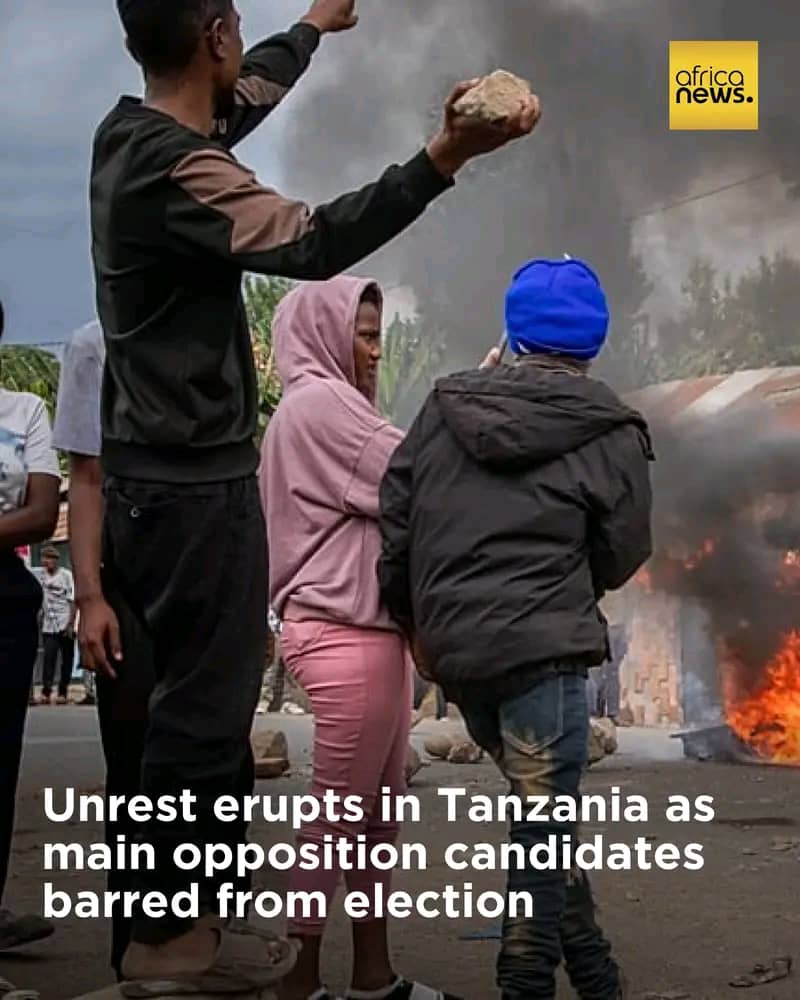
DODOMA-(MaraviPost)-Tanzania descended into political turmoil on election day as protests broke out in Dar es Salaam and several other major cities following the disqualification of main opposition candidates from the presidential race.

The move, which many citizens and rights groups have described as undemocratic, sparked widespread anger and led to violent confrontations between demonstrators and security forces.

Crowds of protesters took to the streets demanding the reinstatement of opposition candidates and accusing the electoral commission of manipulating the process to favor the ruling party.

In Dar es Salaam, thousands of people gathered in defiance of police orders, chanting slogans calling for justice and free elections.

The demonstrations quickly turned chaotic as police responded with tear gas, rubber bullets, and mass arrests to disperse the angry crowds.

Similar scenes unfolded in Arusha, Mwanza, and Dodoma, where protesters blocked roads, burned tires, and clashed with law enforcement officers.

Authorities have since imposed a nationwide curfew in an attempt to restore order and prevent further escalation of violence.

The government also deployed military personnel in key urban centers, a move that has intensified public concern about the country’s political stability and human rights situation.

Opposition leaders, whose exclusion from the presidential race triggered the unrest, have condemned the government’s heavy-handed response and called for international intervention.

They argue that the disqualification of candidates violates Tanzania’s constitution and undermines the principles of democracy, transparency, and fair competition.

Human rights organizations across Africa have expressed alarm over the developments, warning that the crackdown on protesters could lead to further instability and loss of life.

Meanwhile, the government has defended its actions, insisting that the electoral process was conducted within the law and that the disqualifications were based on legitimate grounds.

As the curfew takes effect, streets remain tense, businesses are shuttered, and uncertainty looms over Tanzania’s political future.

Observers say the unfolding situation represents one of the most serious challenges to the country’s democratic institutions in recent years, with the potential to reshape the nation’s political landscape.

For now, Tanzanians wait anxiously — hoping for peace, dialogue, and a return to democratic normalcy after a day marked by violence, fear, and frustration.


Discover more from The Maravi Post

Subscribe to get the latest posts sent to your email.

The Maravi Post

Mutharika secures 200,000 metric tons of maize from Zambia to boost food security

President Professor Arthur Peter Mutharika announces major food relief initiative targeting four million Malawians and pledges increased investment in ADMARC to strengthen national food distribution systems.

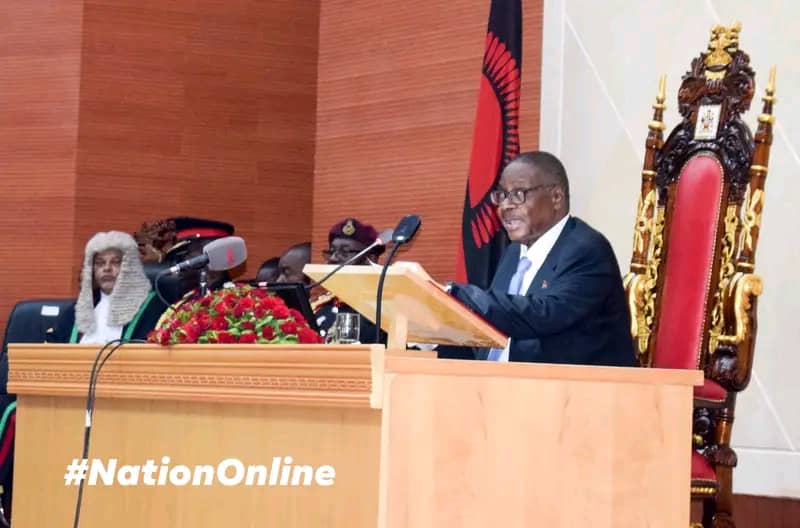
LILONGWE-(MaraviPost)-President Professor Arthur Peter Mutharika has announced that his government has successfully procured 200,000 metric tons of maize from Zambia as part of its comprehensive food security strategy.

He said the maize will be distributed for free to four million Malawians who are currently facing hunger across various parts of the country.

The President made the announcement during his address in Parliament on Friday, 31st October 2025, where he outlined key priorities of his administration for the coming months.

According to Mutharika, this initiative is part of the government’s broader plan to ensure that no Malawian goes hungry, especially during the current period of food shortages caused by erratic weather patterns and reduced crop yields.

He emphasized that the free maize distribution program demonstrates his administration’s commitment to protecting the most vulnerable citizens and ensuring equitable access to essential food supplies.

In addition to food relief efforts, the President revealed that his government will allocate more resources to the Agricultural Development and Marketing Corporation (ADMARC) outlets across the country.

He said strengthening ADMARC’s capacity will help stabilize maize prices, improve market access for farmers, and enhance the efficiency of food distribution throughout Malawi.

President Mutharika assured Parliament that his administration remains focused on both immediate hunger relief and long-term agricultural resilience.

He noted that government investments in ADMARC will be accompanied by broader reforms in the agriculture sector, including irrigation expansion, input accessibility, and modern farming techniques to boost productivity.

As the 52nd Session of Parliament progresses, Mutharika’s statement on food security has set a decisive tone for his government’s efforts to restore stability and confidence in Malawi’s food systems.

By prioritizing both humanitarian support and structural reform, the President signaled a strong message that his government is determined to secure Malawi’s future against hunger and poverty.


Discover more from The Maravi Post

Subscribe to get the latest posts sent to your email.
The Maravi Post

NAP optimistic Mutharika’s new cabinet delivery

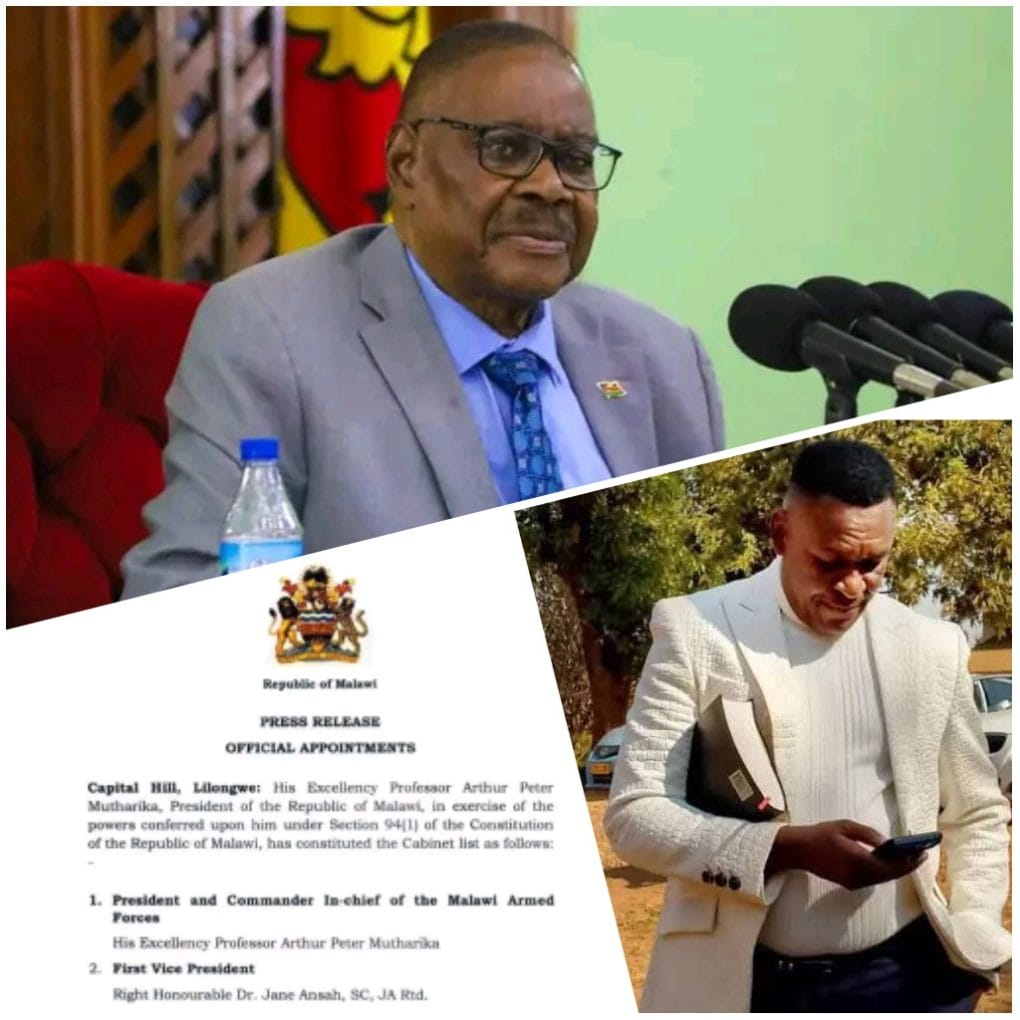
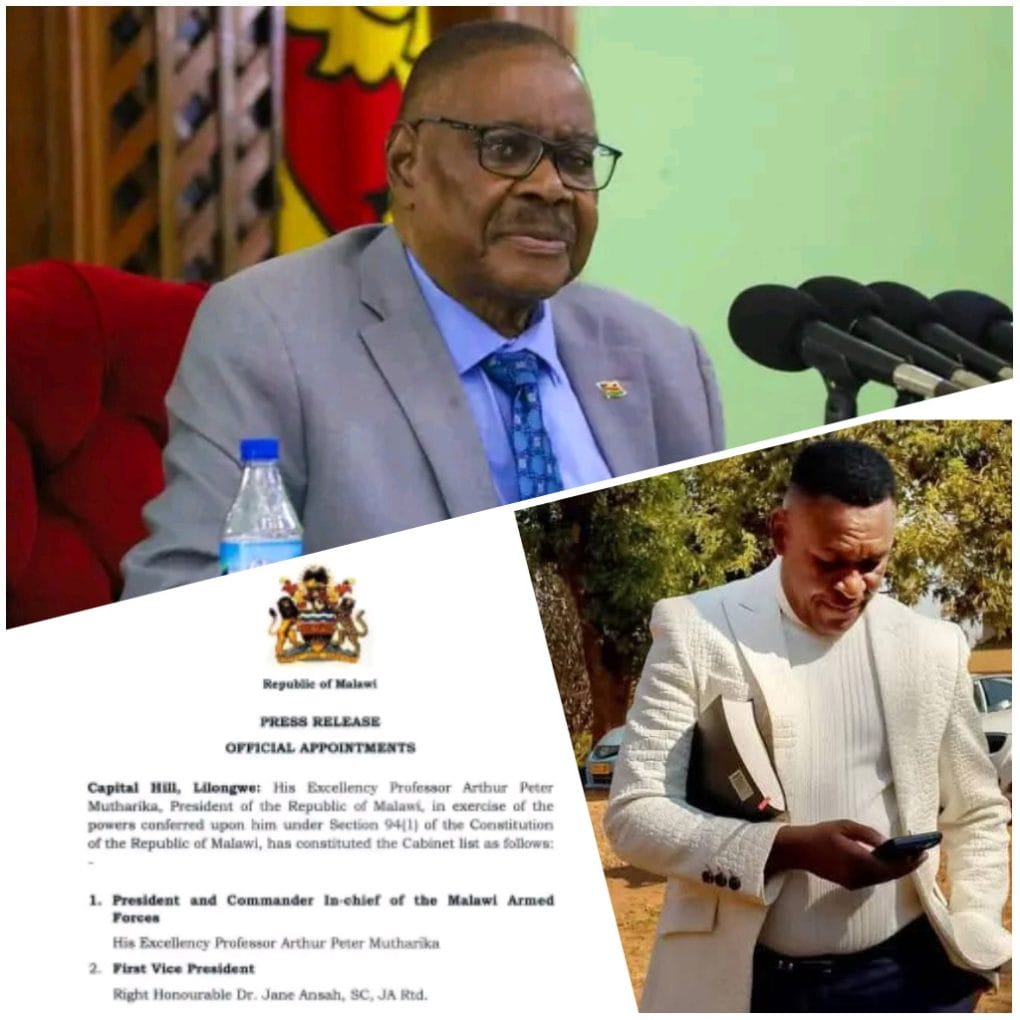
BLANTYRE-(MaraviPost)-The National Advocacy Platform (NAP) has commended President Arthur Peter Mutharika for appointing a new Cabinet in accordance with Section 94 (1) of the Constitution, describing the move as an important step toward ensuring leadership continuity and stability during a critical phase of national transition.

In its statement,signed by NAP chairperson Benodicto Kondowe and National Coordinator Baxton Nkhoma, NAP observed that the newly constituted Cabinet demonstrates a deliberate effort to balance political experience with technical expertise, a combination that has the potential to enhance policy coordination and promote governance effectiveness.

The organization, however, underscored the need for the new administration to anchor its operations in integrity, reform and service delivery to rebuild public confidence and advance inclusive national progress.

While acknowledging the appointment of capable figures such as First Vice President Dr. Jane Ansah, NAP expressed concern that women, youth and persons with disabilities remain underrepresented in the new Cabinet.

The platform noted that the composition falls short of the national commitments outlined in the Gender Equality Act (2013), the National Youth Policy and the Disability Act (2012), as well as the inclusivity aspirations embedded in Malawi 2063.

Despite commendable individual appointments, the organization said the overall picture remains imbalanced and urged the government to pursue deliberate and progressive inclusion of marginalized groups not only within the Cabinet but also across public institutions, parastatals and diplomatic missions.

The advocacy body further acknowledged President Mutharika’s effort to rationalize the Cabinet to 21 ministers in addition to the President and two Vice Presidents, describing this as a positive step toward fiscal discipline.

However, NAP emphasized that “Malawi’s constrained fiscal space and increasing public debt demand even greater prudence. A more compact Cabinet, it said, would have signaled stronger fiscal restraint and a commitment to efficient governance”.

The grouping urged the administration to prioritize frontline sectors such as education, health and agriculture, where investments directly impact citizens’ welfare and the nation’s long-term development.

NAP also commended the establishment of strategic portfolios, including Finance, Economic Planning and Decentralisation, Industrialisation, Business, Trade and Tourism and Natural Resources, Energy and Mining, saying these could play a vital role in driving economic recovery and structural transformation if managed with policy coherence, inter-ministerial collaboration and transparency.

It added that economic planning must remain data-driven and aligned with the Malawi 2063 vision, while decentralisation should empower local authorities rather than centralize power.

The platform noted that the new Cabinet assumes office at a time when the country is facing rising inflation, high youth unemployment, food insecurity and the impacts of climate change.

It urged the administration to focus on evidence-based decision-making, performance monitoring, and measurable outcomes rather than political allegiance.

NAP also welcomed the President’s commitment to introducing monthly ministerial performance assessments and one-page progress reports but stressed that these mechanisms must be genuinely implemented.

The organization called for such reports to be made publicly available in line with the Access to Information Act, ensuring transparency and enabling citizens and Parliament to monitor progress.


Discover more from The Maravi Post

Subscribe to get the latest posts sent to your email.

The Maravi Post

FAM referees committee clears Mwayi Msungama of wrongdoing in TNM super league match

BLANTYRE-(MaraviPost)-The Football Association of Malawi (FAM) Referees Committee has cleared referee Mwayi Msungama of any wrongdoing following a review of key incidents during the recent TNM Super League encounter between FCB Nyasa Big Bullets and Silver Strikers at Kamuzu Stadium.

This decision comes after Silver Strikers lodged an official complaint challenging two major decisions made by the referee – the awarding of a penalty to Bullets and the disallowing of a goal for Silver.

In a statement released by the Super League of Malawi (SULOM), the Referees Committee confirmed that both decisions were consistent with the Laws of the Game.

The Committee determined that the referee’s decisions were in line with the rules, dismissing Silver’s complaints.

This decision vindicates Msungama’s professionalism and expertise as a referee.

The controversy surrounding Msungama’s appointment to officiate matches, particularly those involving Mighty Mukuru Wanderers and Silver Strikers, had sparked heated debates in the football fraternity. Some teams and coaches, including Silver Strikers’ Peter Mponda, had accused the referees’ body of bias towards certain teams.

The FAM Referees Committee’s decision serves as a boost to Msungama’s confidence and reputation as a competent referee.

It also underscores the importance of having a robust and transparent refereeing system in place to ensure fairness and consistency in match officiating.

As the TNM Super League continues to heat up, the focus will remain on the performance of referees and their impact on the outcome of matches.

With the FAM Referees Committee’s decision, the integrity of the refereeing process has been upheld, and the league can continue without unnecessary distractions.


Discover more from The Maravi Post

Subscribe to get the latest posts sent to your email.

The Maravi Post

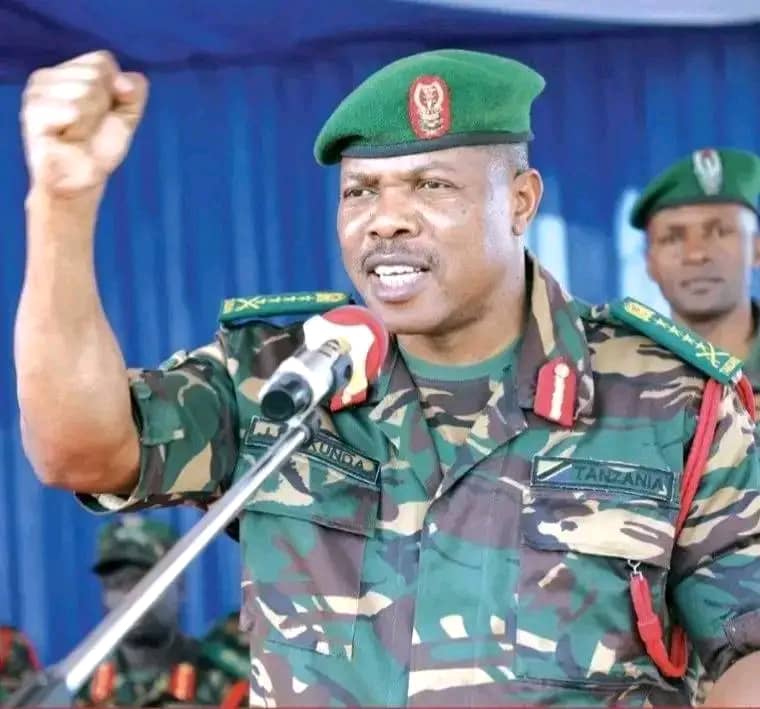
General Mkunda: Tanzanian Commander winning hearts for choosing citizens over power

In a rare act of courage and restraint, Tanzania’s Chief of Defense Forces, General Jacob Mkunda, has won widespread praise from citizens for reportedly standing with the people during recent anti-government protests.

According to accounts circulating across Tanzania, General Mkunda made the decision to protect protesters instead of ordering the army to open fire, defying expectations that the military would be used to suppress demonstrations.

This act of restraint has made him an instant national hero, with many Tanzanians describing him as a symbol of integrity, patriotism, and justice.

In a political climate marked by tension, violence, and growing public frustration, Mkunda’s choice to prioritize human life over regime loyalty has sent shockwaves through the nation’s power structures.

Protesters had taken to the streets following a controversial election marred by allegations of repression, disqualifications, and arrests of opposition figures.

While security forces in some regions were accused of heavy-handed responses, reports suggest that General Mkunda instructed his officers to exercise restraint and avoid unnecessary bloodshed.

This move not only helped de-escalate violence but also showcased the Tanzanian military’s potential to act as a professional and people-centered institution.

Across social media, citizens have hailed the General as a defender of democracy, comparing him to historical African figures who placed national unity above political survival.

Some commentators argue that Mkunda’s stance represents a defining moment for civil-military relations in Tanzania, setting a new precedent for military professionalism in times of political turmoil.

His popularity has surged beyond the barracks, as ordinary Tanzanians share messages of gratitude and admiration, calling him “the soldier of the people.”

Observers note that General Mkunda’s decision reflects moral strength and deep respect for the rule of law, qualities that are often tested under authoritarian pressure.

It also raises an important debate across East Africa: What is the role of the military in times of political crisis — to protect the government or to safeguard the people?

Many Kenyans, Ugandans, and Malawians have joined the discussion online, contrasting Mkunda’s example with the behavior of generals in their own countries during periods of unrest.

In Kenya, for instance, some social media users have questioned whether their military leadership would stand with the people or the state in a similar situation.

By choosing restraint over repression, General Mkunda has demonstrated that true strength lies in humanity, not in the use of force.

His actions could mark a turning point in how African militaries engage with citizens, reminding leaders across the continent that loyalty to the nation should always outweigh loyalty to politics.

As Tanzania reflects on this moment of conscience and courage, one question echoes beyond its borders — will other generals across Africa follow Mkunda’s example and stand for justice when it matters most?


Discover more from The Maravi Post

Subscribe to get the latest posts sent to your email.

The Maravi Post

Mutharika’s lean cabinet: A breath of fresh air for Malawi

BLANTYRE-(MaraviPost)-In a bold move to revamp the country’s governance structure, President Peter Mutharika has finalized his cabinet appointments, bringing the total number of ministers and deputy ministers to 23.

This lean cabinet is a stark contrast to the previous administration’s bloated team of around 40 members, which was criticized for squandering government resources.

Political experts have commended President Mutharika for prioritizing the needs of Malawi and its people.

By keeping the cabinet size small, the President has demonstrated his commitment to prudent resource management and efficient governance.

This move is seen as a significant step towards restoring public trust and confidence in the government.

The new cabinet, comprising seasoned professionals and technocrats, is expected to drive the country’s development agenda and implement key reforms.

With a focus on inclusivity and regional balance, President Mutharika’s appointments aim to promote unity and stability in the country.

Many Malawians have welcomed this development, expressing relief that the country is moving away from the excesses of the previous administration.

The Malawi Congress Party, led by Lazarus Chakwera, had been criticized for its alleged mismanagement of public resources and perceived authoritarian tendencies.

President Mutharika’s leadership style is seen as a breath of fresh air, prioritizing the needs of Malawi and its people above all else.

With a lean and efficient cabinet, the President is well-positioned to drive the country towards economic recovery, good governance, and national transformation.

The appointment of 23 ministers and deputy ministers, including the President and two Vice Presidents, is a testament to the President’s commitment to lean governance.

Malawians are eagerly watching the new administration’s performance, hoping that it will deliver tangible benefits and improve their lives.

With President Mutharika at the helm, many are optimistic about a brighter future for Malawi.


Discover more from The Maravi Post

Subscribe to get the latest posts sent to your email.
The Maravi Post