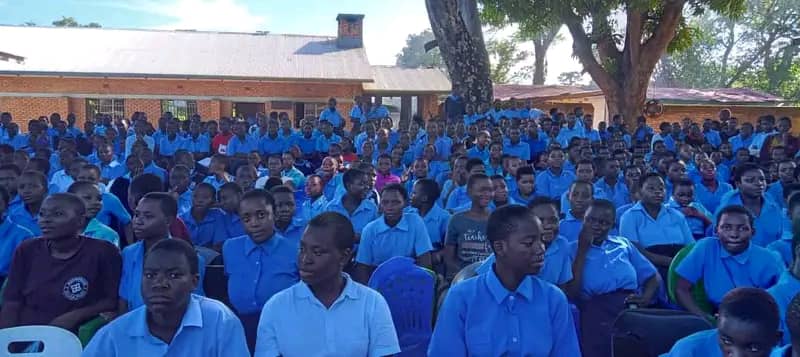
LILONGWE-(MaraviPost)-Parents and guardians whose children are in public secondary schools have all the reasons to be delighted following the government’s decision to finally roll out Free Secondary School Education (FSE) from Monday 5 January 2025.
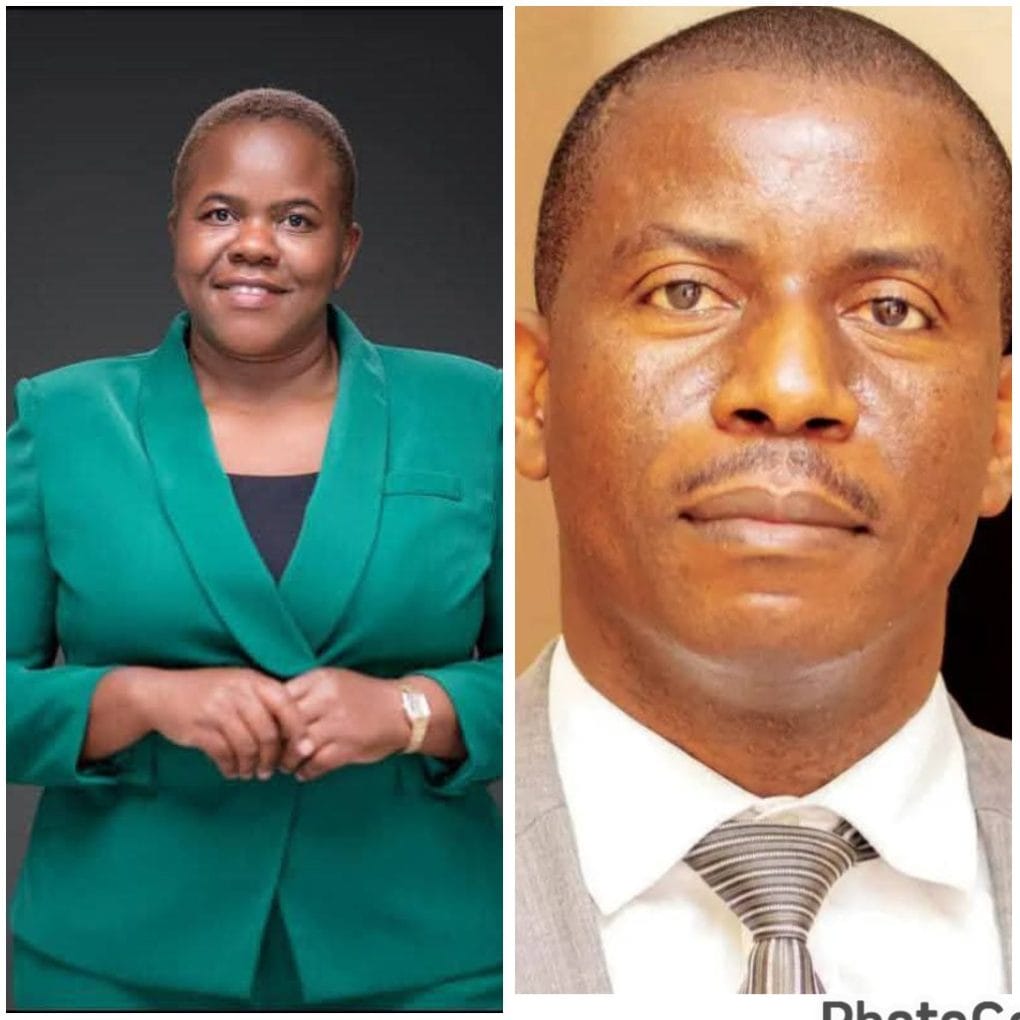
According to a press release signed by the Secretary for Education, Ken Ndala, the abolishment of the fees and other related costs follows President Arthur Peter Mutharika’s commitment to ensuring that every child, regardless of status, has access to free and quality secondary education.
The statement has among others, indicated that the rolling out of the FSE means that the examinations and Identity Card fees that the Malawi National Examinations Board charges to public school students for national examinations in primary and secondary schools are abolished with immediate effect.
The School Development Fund and other user fees are also abolished with effect from 1 January 2026 in all public schools.
However, the statement said all government boarding secondary schools will continue to collect boarding fees until further notice.
The Ministry of Education has since urged concerned stakeholders to support the initiative, noting that its sustainability depends on shared ownership.
The development is in line with the United Nations’ Sustainable Development Goal 4, which aims to ensure that all boys and girls complete free equitable and quality primary and secondary education by 2030.
This move is expected to increase access to secondary education for many Malawian children, particularly those from low-income families.
The government’s decision is a significant step towards achieving education equality and promoting economic growth and development in Malawi.
By making secondary education free, the government hopes to reduce the country’s poverty levels and improve the overall well-being of its citizens.
The success of this initiative will depend on the government’s ability to provide adequate resources and infrastructure to support the increased demand for secondary education.
The rollout of Free Secondary Education (FSE) in Malawi is poised to transform the country’s education system.
With the removal of financial barriers, more students are likely to access secondary education, leading to a more educated and skilled population.
FSE may also help bridge the gap in education inequality, enabling girls and marginalized groups to pursue their studies without financial constraints.
As a result, Malawi can expect a more informed citizenry, improved economic prospects, and a competitive workforce, ultimately driving sustainable development and growth.
Share this:
Like this:
LikeLoading…
Discover more from The Maravi Post
Subscribe to get the latest posts sent to your email.
BLANTYRE-(MaraviPost)-As Malawi embraces a fresh chapter under the stewardship of President Professor Arthur Peter Mutharika, the nation witnesses not only a renewed leadership at the helm but also a meticulously selected cabinet that signals serious intent to restore and propel the country’s fortunes.
It has been nearly three months since Mutharika took office, and shortly thereafter, he appointed a 15-member cabinet—Malawi’s leanest ever—underscoring his commitment to streamlined governance and efficient service delivery.
This decisive move comes against a backdrop of a nation previously burdened by economic turmoil, mismanagement, and leadership distracted by extravagant travels, notably under the former administration of Lazarus Chakwera who, as many observe, prioritized sightseeing over national service.
This cabinet, carefully entrusted with the responsibilities to revive Malawi’s multifaceted sectors, is now approaching the two-month mark in office.
The MaraviPost is poised to undertake a thorough evaluation of each minister’s performance after six months, an exercise that will critically assess their dedication and effectiveness in serving the people of Malawi.
This coming assessment aims to ensure accountability and to provide recommendations on the ministers’ suitability to continue in their roles under President Mutharika’s future vision.
In the meantime, understanding the crucial roles and responsibilities assigned to each minister helps illuminate the expectations placed upon them and the vital tasks ahead.
The Minister of Education, Bright Msaka, shoulders the critical duty of shaping Malawi’s human capital by ensuring access to quality education, improving infrastructure, and enhancing teacher training to nurture a skilled future workforce.
Education is the foundation for long-term national development, and Msaka’s leadership in this portfolio is pivotal.
Alfred Gangata, the Minister of State, acts as a key coordinator within government operations, facilitating smooth inter-ministerial collaboration and ensuring that presidential directives are effectively implemented.
His role is central to maintaining governmental coherence and efficiency.
At the helm of Malawi’s foreign relations is Minister George Chaponda, whose responsibility is to strengthen diplomatic ties, attract foreign investment, and promote Malawi’s image on the global stage. His role is vital for securing partnerships that can aid economic recovery and development.
Minister of Information, Shadrek Namalomba, plays a strategic role in shaping public communication, transparency, and the flow of information between the government and citizens. In a democracy, an informed public is a powerful ally, making this ministry indispensable.
Joseph Mwanamveka, as Minister of Finance, carries the enormous responsibility of managing Malawi’s fiscal policies, budgeting, and financial reforms. His stewardship is crucial in stabilizing the economy, curbing inflation, and restoring confidence among investors and the citizenry.
In the health sector, Minister Chimwemwe Baloyi is tasked with overseeing public health services, improving healthcare infrastructure, and ensuring the availability of essential medicines. A healthy population is the backbone of a productive society, placing immense weight on Baloyi’s portfolio.
Roza Mbilizi, Minister of Agriculture, is entrusted with revitalizing Malawi’s agricultural sectors, including staples such as maize and tobacco, which form the economic backbone of the nation. Her role involves enhancing food security, increasing productivity, and supporting farmers through sustainable practices.
Ben Phiri, Minister of Local Government, has the crucial task of strengthening decentralization, empowering local councils, and improving grassroots governance. This ministry bridges the gap between the central government and communities, fostering inclusive development.
Minister of Transport, Feston Kaupa, is responsible for improving Malawi’s transport infrastructure, promoting safe and efficient movement of people and goods. This portfolio is key to unlocking economic potential through enhanced connectivity.
Jean Mathanga, Minister of Energy, shoulders the mission to increase access to reliable and affordable energy sources, promoting sustainable energy solutions vital for industrial growth and improved living standards.
Mary Navicha, Minister of Gender, undertakes the important work of promoting gender equality, protecting women’s rights, and addressing social issues related to gender-based violence and empowerment. Her ministry fosters social cohesion and inclusivity.
Defence Minister Chimwemwe Chipungu is charged with safeguarding national security, overseeing the armed forces, and ensuring Malawi’s sovereignty remains intact amidst regional and global challenges.
Peter Mukhito, Minister of Homeland, plays a critical role in internal security, law enforcement, and maintaining public order. His portfolio is essential for creating a safe environment conducive to growth and stability.
Joel Masina Chigona, Minister of Labor, is responsible for labor policies, employment promotion, and workplace standards. His work supports the creation of decent jobs and fair labor conditions, fundamental for economic progress.
George Partridge, Minister of Industrialization, carries the task of promoting industrial growth, attracting manufacturing investments, and facilitating value addition to Malawi’s raw materials. Industrialization is a cornerstone for sustainable economic diversification.
Patricia Wisikesi, Minister of Sports, promotes national unity and youth development through sports, nurturing talent, and encouraging healthy lifestyles that contribute to social well-being.
Jappie Mhango, Minister of Lands, manages land policy, registration, and dispute resolution. Land reforms and security of tenure are vital for economic activities, especially in agriculture and housing.
Charles Mhango, Minister of Justice, oversees the judiciary, legal reforms, and ensures the rule of law is upheld. Justice and fairness underpin democratic governance and citizen confidence.
Supporting some of these ministries are deputy ministers who provide additional leadership and assist in policy implementation.
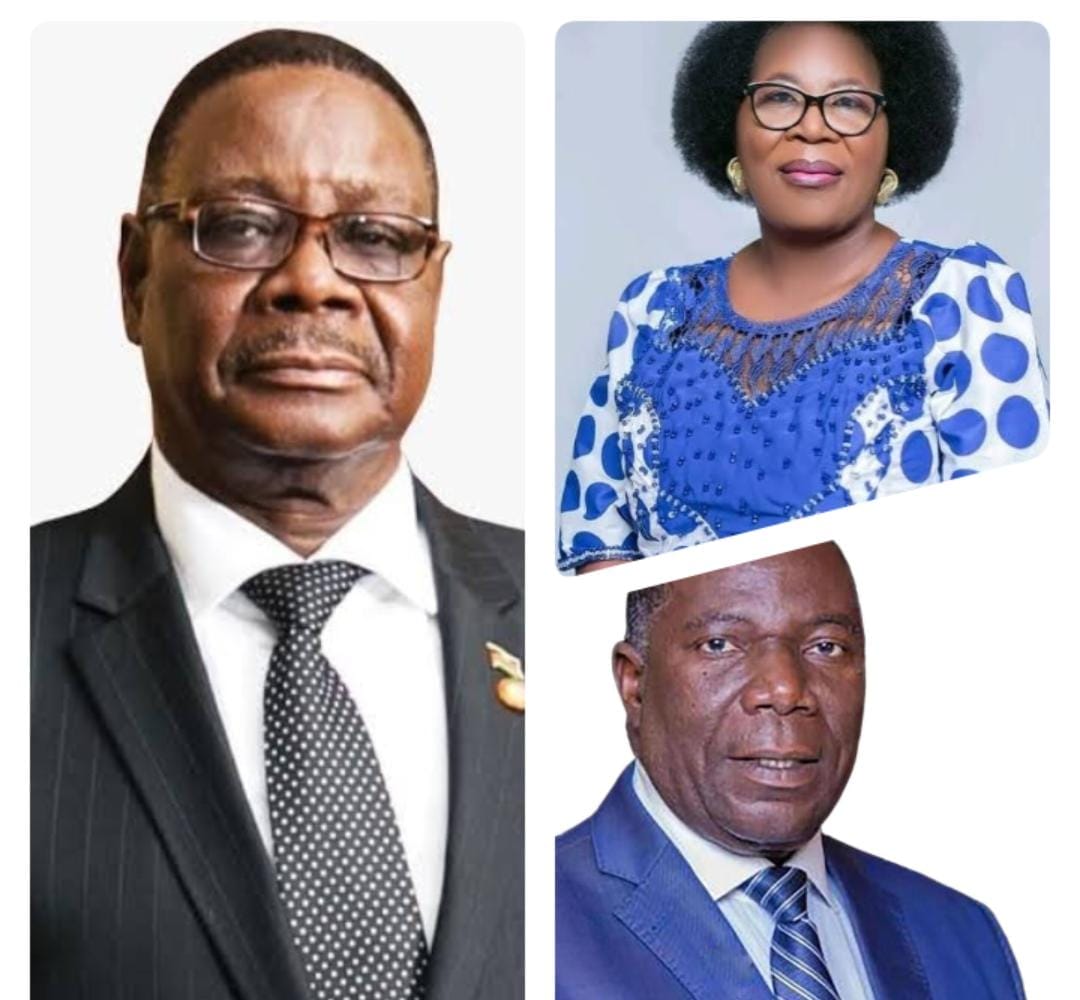
Martha Ngwira Munthali, Deputy Minister of Gender, and Norman Chisale, Deputy Minister of Homeland, along with Francis Folley, Deputy Minister of Education, play supportive yet significant roles in their respective sectors, ensuring that ministerial objectives are met with diligence.
This carefully curated cabinet reflects President Mutharika’s strategic approach to governance—lean, focused, and results-oriented. The ministers are not merely figureheads but custodians of Malawi’s development agenda, tasked with translating policy into tangible improvements in the lives of ordinary Malawians.
As the country navigates the complex challenges of economic recovery, social cohesion, and infrastructural development, their leadership will be instrumental.
The MaraviPost’s upcoming evaluation after six months will be an important milestone, providing an objective gauge of how well these ministers are performing. It will examine their effectiveness in policy formulation, implementation, resource management, and responsiveness to the needs of Malawians.
The assessment aims to foster accountability and ensure that those who genuinely serve the nation’s interests continue to hold office, while also identifying areas for improvement.
President Mutharika’s early days in office have been met with cautious optimism, as noted by commentators like Wonderful Mkhutche, who praised the tangible improvements in the economy and governance after a period of stagnation.
The ministers’ roles are challenging, but their success will be pivotal in sustaining this new momentum.
Malawi stands at a promising crossroads with a cabinet designed to address the country’s most pressing issues head-on. Each minister carries the weight of responsibility to deliver on their mandates, contributing to the collective goal of national progress.
The MaraviPost’s forthcoming performance review will not only spotlight individual achievements and challenges but also reinforce the culture of accountability essential for democracy and development.
Under President Mutharika’s watchful eye, Malawi’s journey towards stability and prosperity is underway, with its ministers steering key sectors toward a brighter future.
Feedback: +265992082424 jonesgadama@gmail.com
Share this:
Like this:
LikeLoading…
Discover more from The Maravi Post
Subscribe to get the latest posts sent to your email.
In Malawi, the Democratic Progressive Party (DPP) returned to power following the general election on September 16, 2025.
While the party’s term is in its early months, critics and observers have identified several ” false ” or highly unrealistic promises based on its 2025-2030 Manifesto and its previous governing record (2014–2020).
Unrealistic Financial Pledges
The DPP’s 2025 manifesto includes several high-cost promises that economists have labeled as ” fantasies ” due to Malawi’s current debt crisis:
K5 Billion ConstituencyGrant :
The DPP promised to allocate K5 billion annually to each of Malawi’s 229 constituencies.
Financial experts noted this would total over K1 trillion a year, roughly a good chunk of the national budget, making it economically unfeasible.
Housing for Every CivilServant:
A campaign pledge to provide a house to every civil servant has been described by analysts as ” laughable ” and ” outoftouch ” given the massive size of the civil service.
Contradicted Governance Reforms
Despite campaigning on a platform of “Restoration” and the rule of law, early actions by the new administration have contradicted these promises:
Institutional Independence:
After promising to respect state institutions, the DPP administration launched a sweeping overhaul of State-Owned Enterprises (SOEs) within weeks of taking power.
This included the controversial suspension of the heads of the Malawi Broadcasting Corporation (MBC) and MACRA, which critics viewed as a move toward political intimidation rather than reform.
Politicization of Security:
The administration attempted to “civilianize” senior military and police leadership by redeploying ten generals and commissioners to civilian roles.
This move was halted by a court injunction, with experts warning it threatened to politicize the security sector.
3. Historical Failures (Broken Promises from 2014-2020)
Opposition and civil society groups frequently cite unfulfilled promises from the DPP’s previous tenure as evidence of a pattern of “false promises”:
Infrastructure Projects:
Major projects such as the Nsanje Inland Port, the Mombera University, and a marine university in Mangochi remained unfulfilled or stalled despite repeated campaign pledges.
Anti-Corruption :
While the DPP repeatedly promised to end corruption, its previous administration was marred by scandals where party leaders reportedly amassed unexplained wealth while in office.
Job Creation:
The promise of large-scale job creation for youth was largely unmet, with unemployment rising significantly during the party’s previous years in power.
Immediate Economic Realities
While the DPP promised ” proven leadership ” that would immediately stabilize the economy, the first few months of 2025 have seen a continuation of high inflation and fiscal stress.
Critics argue that the party’s focus on “retaliation” and purging officials has taken priority over the economic recovery it promised during the campaign.
Disclaimer: The views expressed in the article are those of the author not necessarily of The Maravi Post or Editor
Share this:
Like this:
LikeLoading…
Discover more from The Maravi Post
Subscribe to get the latest posts sent to your email.
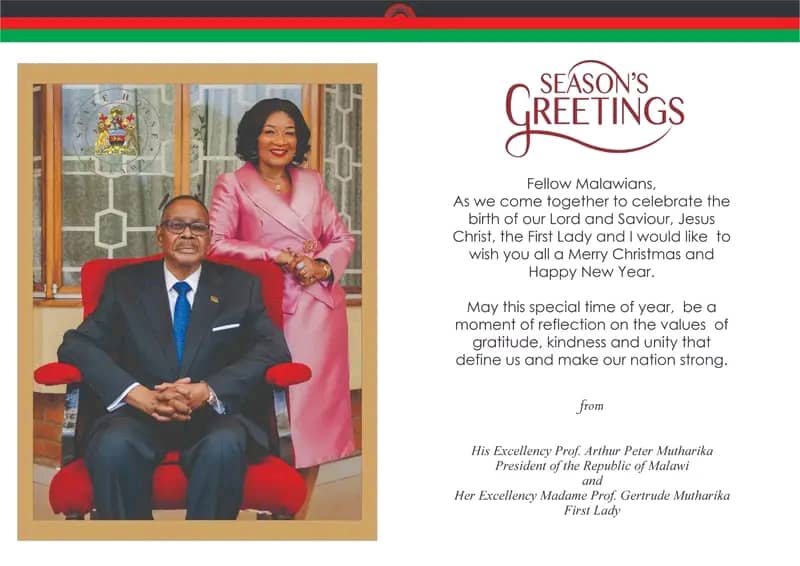
LILONGWE-(MaraviPost)-President Peter Mutharika has offered message of hope to Malawians as they celebrate Christmas and New Year.
In a festive season message to the nation, we have seen the Malawi leader called for citizens to celebrate responsibly.
The President therefore disclosed that will spend the festive season with his family within the country.
Mutharika also extends a heartfelt message of hope, unity, and resilience to all Malawians.
He calls upon citizens to celebrate responsibly, while remembering those who continue to face hardships within our communities.
He therefore urges the nation to uphold peace throughout the festivities and “To welcome the new year with renewed dedication to hard work and patriotism as we, together, continue the journey of rebuilding our nation”.
President Mutharika has described 2025 as the “Year of Rescuing the Nation.”
He acknowledges that it has been a year of profound transition, marked by the challenges of the 4Fs: shortages of Food, Fuel, Forex, and Fertilizers.
Since assuming office in October after September elections victory, Mutharika has devoted his focus and energy to addressing the systemic challenges facing our country.
The President therefore looks to 2026 with great expectation and determined to restore economic stability and uplift the living standards of every Malawian.
Share this:
Like this:
LikeLoading…
Discover more from The Maravi Post
Subscribe to get the latest posts sent to your email.
LILONGWE-(MaraviPost)-President Peter Mutharika’s cabinet ministers have submitted their monthly reports as demanded following their sown in, two months ago.
Presidential Press Secretary Cathy Maulidi has confirmed the development saying President Mutharika will thoroughly review and assess how ministries have performed and which plans have been implemented.
Mutharika issued the directive during the swearing-in ceremony of Cabinet ministers, emphasizing professionalism, transparency, and accountability in serving the public.
Meanwhile, National Advocacy Platform (NAP) Chairperson Benedict Kondowe expects the Malawi leader to provide clear direction after reviewing the reports.
Kondowe has since expressed confidence that the President might introduce changes following the review.
Mutharika put together a lean cabinet of 24 which three ministers combined into one eventually scoring credits from the general public on austerity measures.
Share this:
Like this:
LikeLoading…
Discover more from The Maravi Post
Subscribe to get the latest posts sent to your email.
Upon the declaration of Peter Mutharika (APM) as the victor of the 2025 presidential race, there were doubts among certain Malawians regarding his abilities due to his advanced age.
Some individuals even went as far as recalling the widespread corruption that occurred during the period of APM’s reign from 2014 to 2020.
Critics were also elated when there was a significant increase in prices of goods and services, as well as a shortage of fuel, shortly after APM took office.
However, in under 100 days of APM’s leadership, a number of Malawians, including staunch supporters of the opposition party, are beginning to acknowledge and value APM’s accomplishments and efforts.
For starters, it is no secret that the price of maize has been reduced by 6% in November, thereby improving food affordability for many families.
It is positive to hear that Vice President Jane Ansah is personally overseeing the distribution of food to families who are struggling with food insecurity. This demonstrates a rapid and compassionate reaction to their urgent needs.
Currently, the fertilizer subsidy, which is now set at K10,000 per bag, has been reduced and the distribution of this subsidy has begun. This will potentially increase agricultural production.
Furthermore , there has been an improvement in the availability of fuel, addressing a critical issue for transportation and daily activities.
Recently, the Minister of Education, Bright Msaka, has confirmed the abolishment of school fees, student ID processing fees, and the school development fund. This will reduce the financial strain on families and encourage more students to pursue education.
A large number of Malawians are pleased with the recent announcement by the Speaker of Parliament that there will be no allowances given to MPs who are absent. This decision is expected to encourage responsibility and improve attendance in parliamentary proceedings.
In conclusion, the aforementioned aspects demonstrate the APM administration’s emphasis on providing economic relief, ensuring food security, increasing educational opportunities, and enforcing responsible governance.
Malawians therefore expect that this pace of progress will continue to their benefit.
Share this:
Like this:
LikeLoading…
Discover more from The Maravi Post
Subscribe to get the latest posts sent to your email.