BLANTYRE-(MaraviPost)-A preliminary report by the Southern African Development Community (SADC) Electoral Observation Mission has concluded that Tanzania’s recent general election failed to meet democratic standards.
Led by former Malawian Speaker Richard Msowoya, the mission cited numerous irregularities, intimidation, and an uneven playing field that compromised the electoral process.
The report highlights several concerns, including the disqualification of opposition leaders, abductions, and restrictions on electoral justice and transparency.
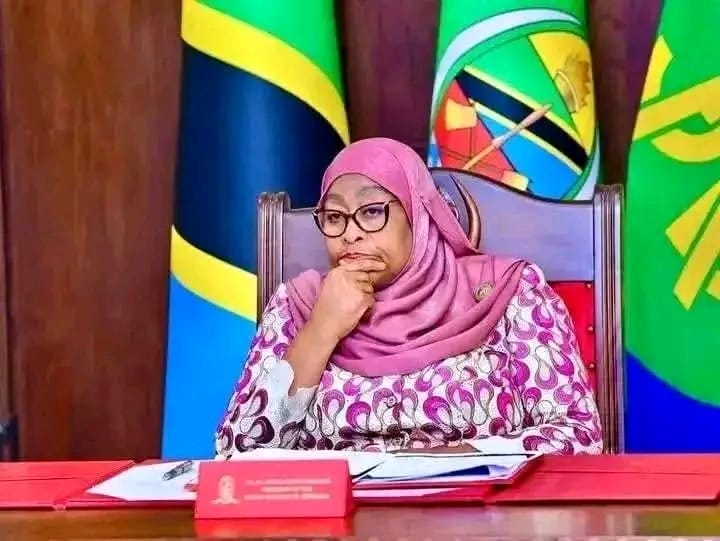
The mission also criticized President Samia Suluhu’s role in appointing election commissioners, questioning their independence.
Additionally, the report notes the government’s decision to shut down the internet and impose media censorship, as well as the harassment of observers, further undermined the credibility of the election.
Despite these findings, President Samia Suluhu Hassan has been sworn in for another term, with nearly 98% of the vote.
The opposition has rejected the results, citing fabrication and manipulation.
The SADC report’s conclusions are likely to add fuel to the controversy surrounding the election, raising questions about the legitimacy of President Hassan’s mandate.
The international community has expressed concern over the election, with the African Union urging the government to uphold fundamental rights and freedoms.
The United Nations has also called for an investigation into reports of violence and excessive use of force.
Share this:
Like this:
LikeLoading…
Discover more from The Maravi Post
Subscribe to get the latest posts sent to your email.
LILONGWE-(MaraviPost)-The main opposition Malawi Congress Party (MCP) Members of Parliament (MPs) have resolved to respect President Lazarus Chakwera’s appointment of former Finance Minister Simplex Chithyola Banda as the new Leader of Opposition in Parliament.
The decision was reached during a closed-door caucus meeting held this evening at Crossroads Hotel in Lilongwe.
The meeting was led by the party’s secretary general, Richard Chimwendo Banda, and was also attended by the party’s vice-president, Catherine Gotani Hara.
In an interview with Nation Online after the two-and-a-half long meeting, Chimwendo Banda confirmed the development.
Said Chimwendo Banda: “We have all agreed to rally behind the president’s appointee and we will all work together with one purpose, and that is to make MCP stronger as we are eyeing 2030.”
Source: Nation online
Share this:
Like this:
LikeLoading…
Discover more from The Maravi Post
Subscribe to get the latest posts sent to your email.
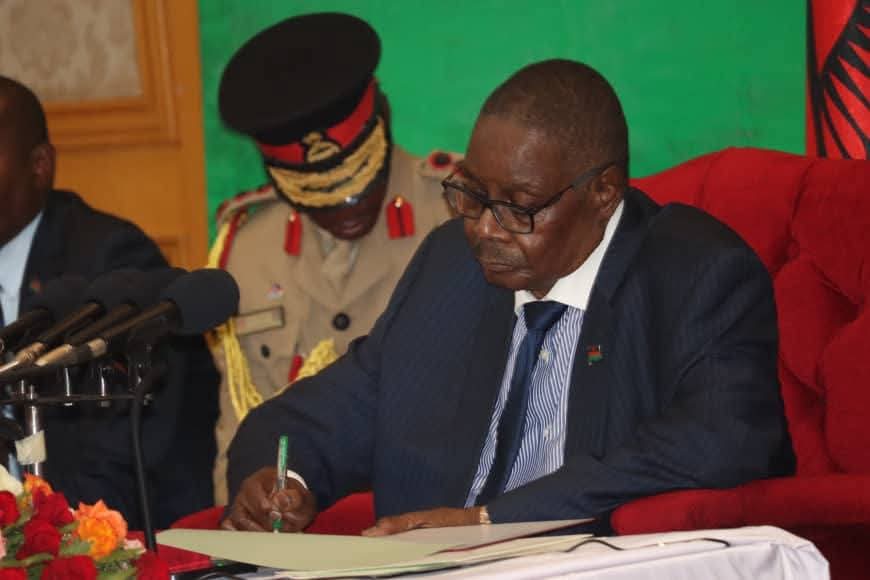
LILONGWE-(MaraviPost)-President Peter Mutharika has warned newly sworn in cabinet ministers, deputy and Attorney General (AG) that there is no room for complacency but rather to serve Malawi.
Mutharika also called on them to uphold the highest standards of integrity, diligence, and compassion in their service to the nation.
Speaking at the swearing-in ceremony held at the Bingu International Convention Centre (BICC) on Sunday, President Mutharika urged the new ministers to put the nation’s interests above personal gain and to work collectively towards transforming Malawi into a productive and export-driven economy.
“This is not the time to eat but to serve Malawians well not your personal interests.
“I have appointed you with trust to serve. Times for honey moon is over. Get to work. Malawians have hope in us to meet their needs”, says Mutharika.
The Malawi leader emphasised that their leadership will play pivotal role in steering Malawi’s economic challenges and delivering meaningful development to its citizens.
“I task each one of you to support me in this transformational agenda,” Mutharika said, underscoring government’s commitment to job creation and the generation of forex.
The President warned against any form of misconduct or abuse of office, making it clear that such behavior would not be tolerated.
He also reaffirmed his administration’s dedication to transparency and accountability, ensuring that public resources are utilized for their intended purpose.
Mutharika haw been commended for appointing lean cabinet of 24 members.
Share this:
Like this:
LikeLoading…
Discover more from The Maravi Post
Subscribe to get the latest posts sent to your email.
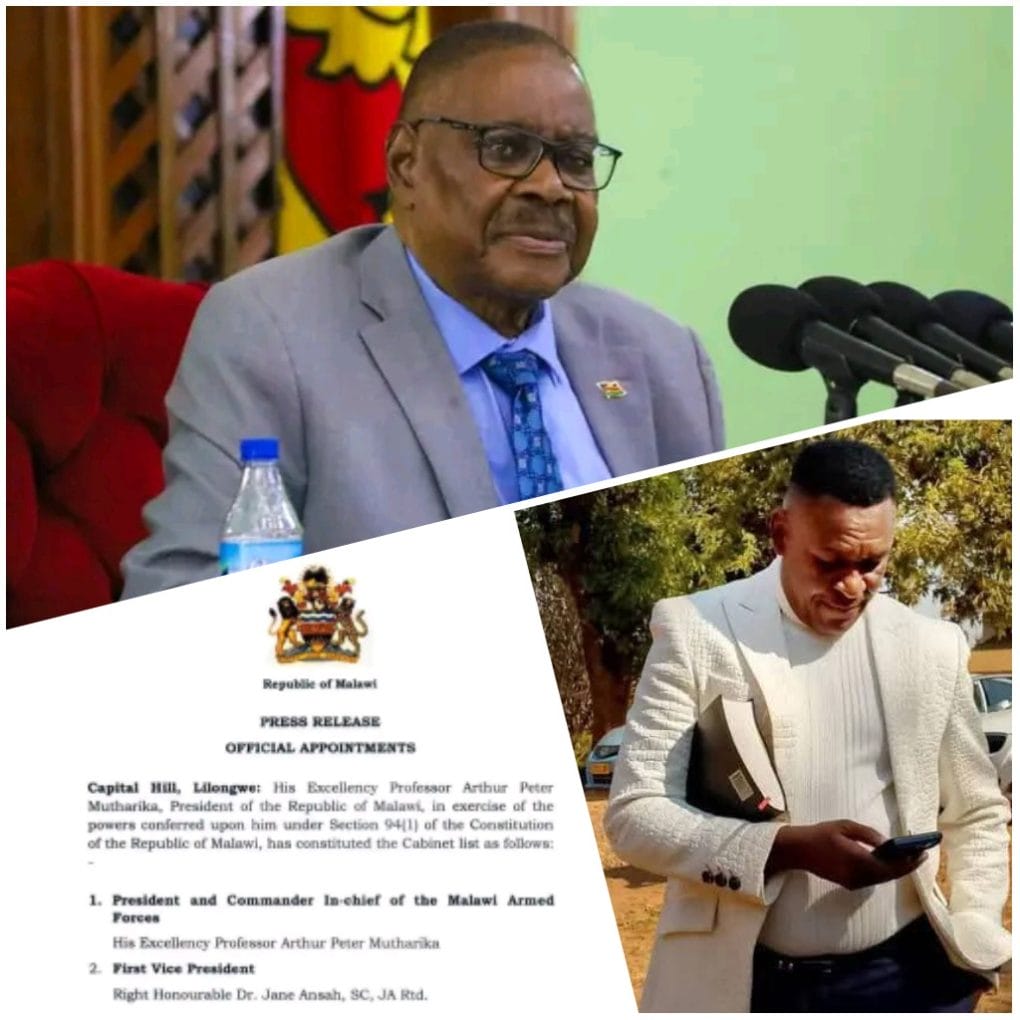
In the realm of governance and leadership, decisions made by those entrusted with the highest offices are often scrutinized with intense scrutiny and sometimes unwarranted bias. Recently, a wave of criticism has targeted President Arthur Peter Mutharika for appointing individuals facing corruption allegations, even if they have not yet been convicted.
This critique, while seemingly grounded in concern for integrity, overlooks crucial legal, constitutional, and democratic principles that underpin the presidency and the rule of law.
It is imperative to revisit these principles and understand that the President’s actions are not only within his constitutional rights but also rooted in the fundamental tenets of justice, fairness, and the presumption of innocence.
To begin with, the Malawi Constitution, which President Mutharika swore to uphold and defend, provides a clear framework for appointments and the exercise of executive powers.
Section 89 of the Constitution empowers the President to appoint individuals to various government positions, including ministers, judges, and other public officials, based on competence, experience, and suitability.
Crucially, the Constitution does not stipulate that appointees must be free of any criminal or corruption allegations prior to appointment. Instead, it emphasizes that appointments should be made based on merit and the capacity to serve the public interest effectively.
This constitutional provision guarantees the President the discretion to appoint qualified individuals, including those under investigation, provided that due process is followed and the appointments are made transparently.
Furthermore, the principle of presumption of innocence enshrined in international human rights law and embedded in Malawi’s legal framework is a cornerstone of justice.
It mandates that an individual is considered innocent until proven guilty in a court of law. Criticizing appointments based solely on allegations without conviction contravenes this fundamental principle.
Many reputable democracies worldwide, including the United States and the United Kingdom, routinely appoint individuals under investigation or even facing charges, trusting that legal processes will determine their guilt or innocence.
Such an approach underscores the importance of respecting legal procedures and avoiding prejudgment that could unjustly tarnish reputations and disrupt careers.
It is also essential to recognize that allegations of corruption are often politically motivated, especially in highly polarized environments.
Critics who condemn President Mutharika’s appointments on the basis of allegations may be driven more by envy or political rivalry than by genuine concern for ethical standards.
It would be naïve to ignore the possibility that some of these criticisms are rooted in jealousy, factionalism, or attempts to undermine legitimate governance efforts.
By politicizing accusations of corruption, critics risk undermining the very principles of justice and fairness that they purport to uphold.
It is important to remember that accusations do not equate to guilt, and in a democratic society, everyone deserves a fair opportunity to defend themselves.
The Malawi Law Society (MLS), which has expressed concern over these appointments, should exercise caution in issuing judgments that may not align with constitutional realities.
The MLS, as a professional body of legal practitioners, indeed bears the responsibility to uphold the rule of law and ethical standards. However, it must also be mindful of its role as a guardian of justice and constitutionalism, not as an arbiter of guilt.
The MLS’s position should be rooted in a thorough understanding of constitutional provisions and the legal rights of individuals, rather than purely moral or political considerations.
Criticizing the President for making appointments that are within his constitutional powers reflects a misunderstanding of the legal framework and undermines the independence of the executive branch.
It is also vital to appreciate that appointments are a nuanced process that involves balancing various interests, including national security, development priorities, and individual competence.
The President has a duty to assemble a team capable of addressing Malawi’s complex challenges, and this may include individuals currently under investigation, provided that due process is respected, and their rights are protected.
Such appointments do not necessarily imply guilt but demonstrate a commitment to inclusivity, diversity, and the recognition that people are innocent until proven guilty.
To deny talented and qualified individuals opportunities based solely on allegations would be a miscarriage of justice and a setback to Malawi’s democratic development.
Moreover, the claim that appointing individuals facing corruption charges damages governance or encourages unethical behavior overlooks the importance of due process and the presumption of innocence. It is essential to distinguish between the legal principle that one is innocent until proven guilty and the societal perception of guilt based on allegations.
The legal system in Malawi, like in many democracies, is designed to ensure fair trials and due process. Appointing individuals under investigation does not mean endorsing corruption but trusting that the judicial process will ascertain their guilt or innocence.
This approach respects the rule of law and allows for rehabilitation and reintegration of individuals who may ultimately be exonerated.
In addition, the argument that such appointments could lead to a culture of corruption ignores the mechanisms of accountability built into the legal and institutional framework of Malawi.
Parliament, the judiciary, civil society, and the media all play roles in monitoring public officials and holding them accountable. Appointments are only one aspect of governance, and their legality and ethics are subject to scrutiny and oversight.
If any appointed individual misuses their position, legal action can be taken, and appropriate sanctions enforced.
This system of checks and balances is vital for a healthy democracy and ensures that no one is above the law.
Critics must also consider the broader context of Malawi’s socio-political landscape.
Political appointments are often strategic, aimed at fostering national unity, inclusivity, and stability. Excluding qualified individuals due to allegations or suspicion could hinder progress and deepen divisions. The President’s role is to serve as a unifying figure who can bring together diverse segments of society, including those with complex backgrounds or histories.
Denying opportunities based solely on current allegations without proof contradicts the principles of fairness and justice that underpin democratic governance.
It is also worth highlighting that leadership involves making difficult decisions, often balancing competing interests and principles. President Mutharika’s appointments may be motivated by a desire to foster development, stability, and national progress.
Such decisions should not be hastily condemned based on unproven allegations or political bias. Instead, they should be evaluated within the framework of the law, the constitution, and the broader goals of national development.
The criticism directed at President Arthur Peter Mutharika for appointing individuals facing corruption allegations is unfounded and neglects fundamental constitutional and legal principles.
The President, as the chief custodian of Malawi’s constitution, has exercised his constitutional rights and responsibilities to appoint qualified individuals to serve the nation.
These actions are consistent with the rule of law, the presumption of innocence, and international best practices.
Criticisms rooted in envy, political rivalry, or a misunderstanding of legal principles should be rejected in favor of respecting Malawi’s constitutional democracy.
The Malawi Law Society and other critics must exercise restraint, uphold the rule of law, and recognize that justice is a process that must be fair, transparent, and free from prejudice.
Only through such an approach can Malawi continue to strengthen its democracy, uphold justice, and foster a society where law and fairness prevail over bias and political expediency.
Share this:
Like this:
LikeLoading…
Discover more from The Maravi Post
Subscribe to get the latest posts sent to your email.
The political landscape in Malawi has undergone a significant shift with Chithyola Banda, the former Minister of Finance under Lazarus Chakwera’s administration, stepping into the role of the Leader of Opposition.
This transition comes amid hopes and skepticism regarding his capability to transition from a minister whose tenure was marked by economic struggles to an opposition leader poised to hold the government accountable.
As the Democratic Progressive Party (DPP) assumes leadership, there is a notable optimism among Malawians, who are eager to witness a revitalization of the nation’s economy and the ushering in of a new era of stability and growth.
During Chithyola Banda’s tenure as the Minister of Finance, Malawi’s economy faced numerous challenges.
The local currency, the kwacha, experienced significant depreciation, resulting in a corresponding increase in the prices of goods and services.
This depreciation put a considerable burden on Malawian households, leading to widespread discontent. One of the most visible symptoms of the economic instability was the chronic fuel shortages, which saw long queues and resulted in severe disruptions across the economy.
This situation created a palpable sense of frustration among the populace and highlighted the need for more effective financial management and economic policies.
Despite these challenges, Chithyola Banda’s appointment as the Leader of Opposition signifies a critical moment of introspection and potential reinvention.
His previous experience in government provides him with unique insights into the financial and economic mechanisms at play, something that could, in theory, enhance his capacity to critique and propose alternative policies to those of the current administration. However, the weight of his past performance as Finance Minister will inevitably color public perception of his effectiveness in this new role.
Can Chithyola Banda genuinely pivot to become a voice of reason and accountability, or will he follow in the footsteps of predecessors like George Malemiya, offering little more than critique without concrete solutions?
The DPP-led government, under new leadership, has promised to tackle the economic troubles that have beleaguered Malawi, particularly focusing on resolving the fuel shortages and stabilizing the currency.
This promise resonates deeply with citizens weary of persistent economic woes and anxious for signs of recovery. The DPP has positioned itself as a beacon of hope, presenting a vision of economic stability and growth.
By addressing fundamental issues such as fuel supply, import-export balance, and prudent financial management, the DPP aims to restore confidence in Malawi’s economic future.
Chithyola Banda’s effectiveness in his new role will largely depend on his ability to adapt and apply lessons learned from his tenure in Chakwera’s government.
He must demonstrate a nuanced understanding of economic policy and craft robust critiques that push the government towards transparency and accountability.
Moreover, presenting viable alternatives to the current policies will be crucial if he is to be taken seriously as a leader of the opposition. Simply opposing for the sake of opposition will not suffice.
Malawians expect, and deserve, a constructive dialogue that elevates national discourse and results in tangible improvements for their daily lives.
At the same time, the stakes are high for the DPP. As they embark on their mission to rectify the issues inherited from the previous administration, they must prioritize effective communication with the public. Transparency in policy-making and a genuine commitment to economic reforms will be essential in winning public trust.
By addressing the root causes of the nation’s economic challenges and taking visible strides towards improvement, the DPP can set a precedent for responsible governance.
Amid these dynamics, the role of Chithyola Banda becomes even more pivotal. He stands at a crossroads where he can choose to contribute positively to the political narrative in Malawi.
If he embraces this opportunity with a focus on constructive criticism and visionary alternatives, he could redefine his political legacy. Conversely, falling into patterns of unproductive opposition could sideline his potential contributions and reinforce public skepticism.
In essence, Chithyola Banda’s transition from finance minister to opposition leader offers a compelling narrative about resilience and opportunity. It challenges him to rise above past criticisms and showcase the depth of his leadership capacity.
For the DPP, this period offers a chance to stand out as a government that learns from past errors, prioritizes national welfare, and works diligently to bring economic prosperity back to Malawi.
The coming months will be critical in determining whether these leaders can step up to the plate. The journey may be fraught with challenges, but it also brims with potential for significant positive change.
In charting a new course for Malawi, the combined efforts of a diligent government and a conscientious opposition could truly transform the political and economic narrative, providing hope to a nation yearning for a brighter future.
Ultimately, the test for both Chithyola Banda and the DPP will be their willingness to engage in meaningful dialogue, embrace reformative policies, and harness the power of leadership to steer Malawi towards a path of recovery and growth.
The nation is watching, the stakes are high, and the time for action is now.
Share this:
Like this:
LikeLoading…
Discover more from The Maravi Post
Subscribe to get the latest posts sent to your email.
….Presidential ambitions and opposition negotiations raise stakes in the East African nation
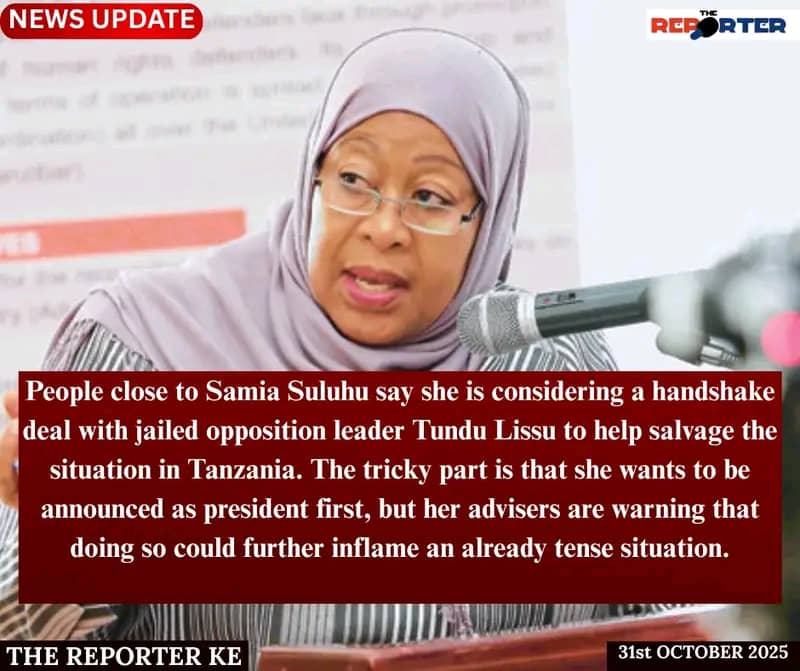
Developing reports indicate that people close to President Samia Suluhu suggest she is considering a handshake deal with jailed opposition leader Tundu Lissu.
The potential agreement is reportedly aimed at helping to salvage the political situation in Tanzania, which has been tense following the recent disputed election.
Insiders say that the tricky part of any deal is that President Suluhu wants to be officially announced as president before any negotiations with Lissu are made public.
Her advisers, however, are warning that making such a declaration first could further inflame an already volatile political climate.
Tensions remain high across the country, with opposition supporters and civil society groups expressing concern over fairness and transparency in governance.
Observers note that the outcome of any deal between President Suluhu and Lissu could have far-reaching implications for national stability and political reconciliation in Tanzania.
As the situation develops, political analysts are closely monitoring how the timing and announcement of leadership decisions may impact public sentiment and international relations.
Share this:
Like this:
LikeLoading…
Discover more from The Maravi Post
Subscribe to get the latest posts sent to your email.