
Queens’ fall from grace: How Malawi’s netball pride became Uganda’s easy prey at 2025 Africa Netball Tournament

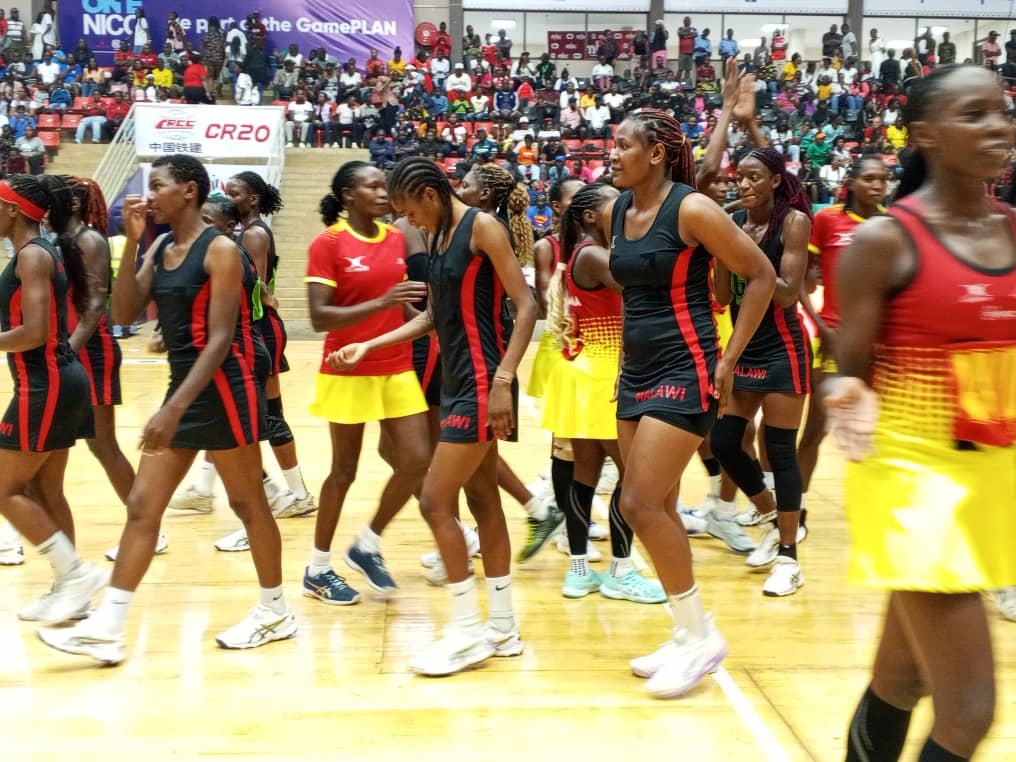
LILONGWE-(MaraviPost)-The recent semifinal defeat of Malawi’s Queens to Uganda’s She-Cranes at the Griffin Saenda Sports Complex in Lilongwe was more than just a loss; it was a painful blow to the very heart of Malawian netball pride.

To witness the Queens – once a formidable force feared even by the mighty South African Proteas – capitulate so thoroughly on home soil to a team many still regard as minnows is a bitter pill to swallow.

The venue itself, named after the late Griffin Saenda, a legendary figure who once elevated Malawian netball to unprecedented heights, should have been a fortress. Instead, it turned into a painful reminder of how far the Queens have slipped from their former glory.

For those who remember the halcyon days under Griffin Saenda’s tutelage, the current situation is nothing short of heartbreaking.

Saenda, a coach who sculpted the Queens with limited resources and without the luxury of motivation or modern facilities, managed to build a team that commanded respect and fear across the continent.

The She-Cranes, for all their current strength, would not have dared to challenge the Queens at that time, certainly not on Malawian soil.

The Proteas of South Africa, a powerhouse in African netball, were genuinely wary of the Queens’ tenacity and skill. But today, the narrative has shockingly reversed.

The Queens’ struggles began right from the first quarter of Saturday’s semifinal.

Their inability to maintain possession and convert scoring opportunities was glaringly evident. Uganda’s aggression and disciplined defense dismantled the Queens’ rhythm, leaving them chasing shadows. A 12-8 deficit in the opening quarter quickly ballooned to 24-15 by halftime.

The She-Cranes, seizing momentum with ruthless efficiency, further extended their lead to 37-23 by the third quarter and sealed the game at 46-32 after full time. Such a wide margin of defeat at home, especially in a tournament as prestigious as the African Netball Cup, is both embarrassing and deeply painful for Malawian fans.

This loss at the Griffin Saenda Sports Complex is particularly shameful given the symbolic weight the venue carries.

Named after a man who dedicated his life to nurturing Malawian netball against all odds, the complex should inspire the Queens to rise to their best.

Instead, it has witnessed a humbling defeat that raises uncomfortable questions about the current state of netball in Malawi. One can only imagine how the spirit of Griffin Saenda would react to this outcome.

Known for his relentless pursuit of excellence and his ability to inspire players to perform beyond their limitations, Saenda would likely be devastated by the lack of discipline, resilience, and tactical nous displayed by the Queens.

The late coach’s legacy was built on overcoming hardship.

Saenda worked with meagre resources, often in environments void of adequate funding, training facilities, and even basic motivation for his players.

Yet, the results spoke volumes. Under his guidance, the Queens became a source of national pride, a beacon of hope that united Malawians.

For years, while the Flames – Malawi’s football team – struggled and disappointed despite massive public support, the Queens offered solace and joy.

They were the team that Malawians could rally behind, a symbol that dedication and talent could triumph despite systemic challenges.

Today, however, the Queens seem to be struggling to unlock the secret that Griffin Saenda held so dearly: the combination of discipline, strategic acumen, and an unyielding fighting spirit.

The current squad’s performance suggests a disconnect from those core values.

Losing to Uganda, a team that was once considered a step below Malawi in netball hierarchy, especially on Malawian turf, stings deeply.

It is a stark reminder that the Queens have become a punching bag, a team that is no longer feared but rather exploited by opponents who now see them as vulnerable.

This reversal of fortunes is particularly galling when one considers that Malawi once held a position of dominance in African netball. The Proteas, giants of the sport, were cautious about facing the Queens.

The transformation from a respected powerhouse to a team struggling against rising neighbors is a narrative that demands urgent introspection.

The challenge for Malawi netball administrators, coaches, and players is now to reflect on what has been lost and how to recapture the spirit of excellence that defined the Saenda era.

Looking ahead, the Queens face Zimbabwe in the battle for third place. While this match offers a chance for redemption, it also serves as a critical juncture.

Will the Queens rise to reclaim some dignity, or will they continue to fall deeper into mediocrity?

The answer depends on whether the team and those who lead it can reconnect with the resilience and passion that once made them the pride of Malawi.

The semifinal defeat to Uganda is not just a match lost; it is a reflection of a deeper malaise afflicting Malawian netball.

The loss at the Griffin Saenda Sports Complex is a symbolic defeat that challenges the very identity of the Queens.

It calls for a revival rooted in the principles that Griffin Saenda championed: hard work, strategic discipline, and an unbreakable spirit.

Only by embracing these values can the Queens hope to shed the image of a punching bag and reclaim their rightful place atop African netball.

Until then, the pain of this loss will linger as a stark reminder of what once was and what could be again.


Discover more from The Maravi Post

Subscribe to get the latest posts sent to your email.

The Maravi Post

US singer US singer R. Kelly freed from jail after US$161,000 child support paid

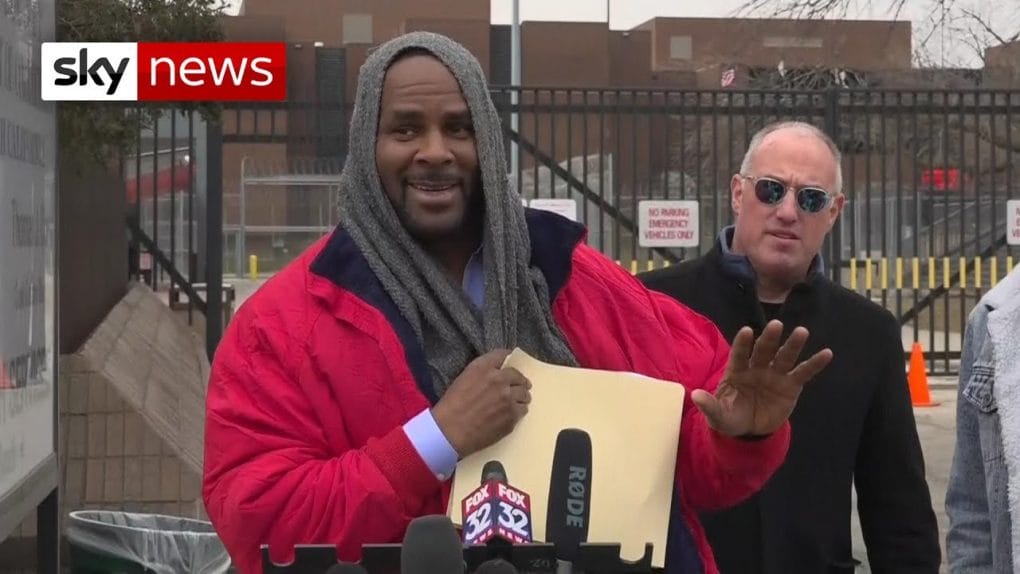
NEW YORK-(MaraviPost)-US singer R. Kelly has been released from a Chicago jail following the payment of $161,000 in overdue child support.

The amount cleared his outstanding debts, allowing the controversial artist to regain his freedom after spending time behind bars.

Kelly’s release has sparked reactions across social media, with fans expressing relief and critics questioning the justice system’s handling of the case.

Sources close to the situation revealed that the payment came from an anonymous benefactor, though details about the transaction remain private.

Legal experts noted that such payments are often part of negotiated arrangements to expedite release in child support cases, highlighting the complexity of enforcement measures.

The singer, who has faced multiple legal challenges over the years, remains a polarizing figure in the music industry and public discourse.

Observers have raised concerns about accountability and fairness, noting that many ordinary citizens cannot secure early release in similar circumstances.

R. Kelly’s team has not yet commented publicly on the details surrounding the payment or the person responsible for covering the debt.

Meanwhile, authorities confirmed that his release was lawful and in line with court directives following the settlement of his financial obligations.

The case continues to attract widespread attention, as the public remains divided between sympathy for the artist’s personal struggles and criticism over his past legal and personal controversies.


Discover more from The Maravi Post

Subscribe to get the latest posts sent to your email.
The Maravi Post

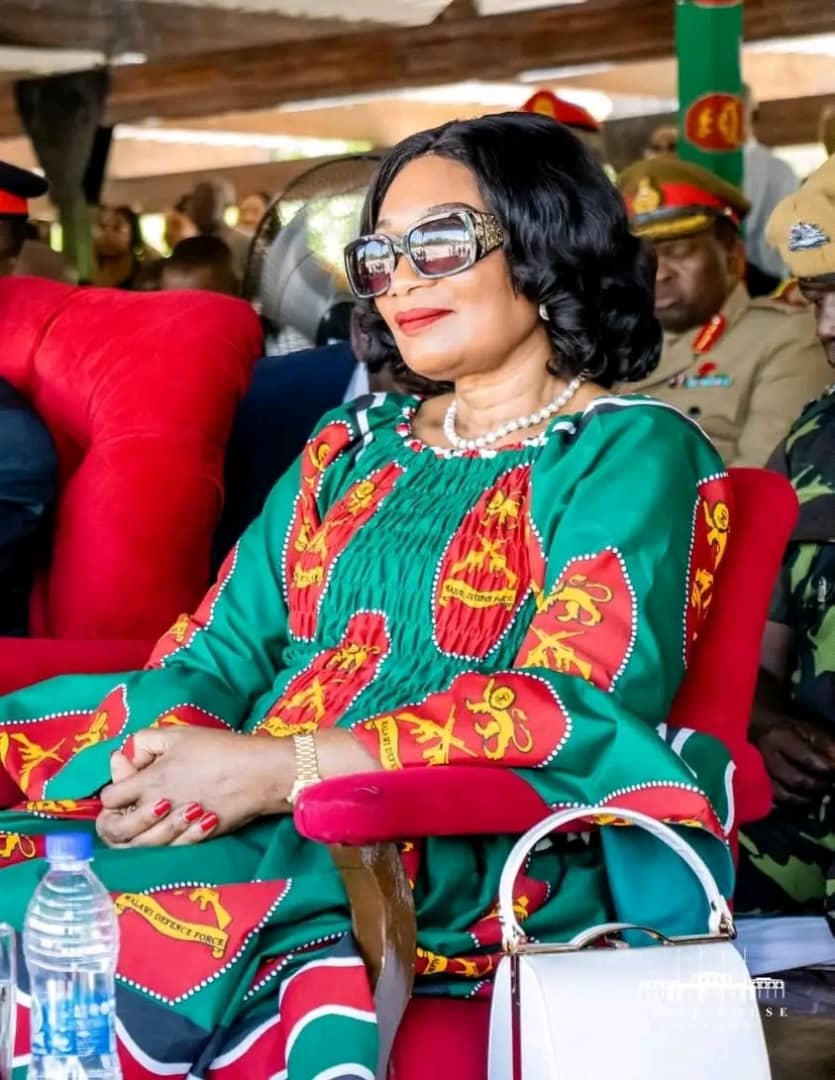
First Lady Gertrude Mutharika honoured with prestigious AWOA award at Continental Summit

LILONGWE-(MaraviPost)-Malawi First Lady Gertrude Mutharika has expressed profound gratitude after receiving the distinguished Arise Women of Africa (AWOA) award during the inaugural AWOA Continental Summit held at the Bingu International Convention Centre (BICC) on Friday, December 5, 2025.

She said the recognition is a deeply humbling honour that celebrates her contributions towards advancing women’s empowerment, visibility, and development across Malawi.

The award, she noted, is not merely a personal accolade but a symbol of the collective effort of all women and stakeholders committed to uplifting the status of women in the country.

Mutharika shared the prestigious honour with Zimbabwean First Lady, Auxillia Mnangagwa, who was also recognised for her outstanding work in championing women’s welfare.

The ceremony further celebrated four exceptional women whose impact has been felt across the region—Joan Muwende, Tilotenda Tiwalala, and Jayn Mandeule from Malawi, alongside Emma Nyerere from Tanzania.

She emphasized that the AWOA award acknowledges the powerful and unified push being made by women across Africa to strengthen recognition, leadership, and development on the continent.

Mutharika reaffirmed her commitment to continue contributing to women’s empowerment initiatives that open doors, create opportunities, and amplify the voices of African women in all sectors.

She highlighted that such recognition serves not only as a personal encouragement but also as a continental call for all women to rise, participate, and lead with confidence and purpose.

In her remarks, she extended heartfelt appreciation to organisers of the AWOA Summit for providing a platform that celebrates African women who are driving social and economic transformation.

Mutharika concluded by thanking God for the honour and blessing, praying for continued unity, strength, and progress among African women as they shape the continent’s future.


Discover more from The Maravi Post

Subscribe to get the latest posts sent to your email.

The Maravi Post

Senegal Approves Payment for African Energy Bank

Senegal
Senegal Approves Payment for African Energy Bank

The African Energy Bank has received a significant financial boost with Senegal approving its share of payment for the pan-African energy finance vehicle

DAKAR, Senegal, December 9, 2025/ — Senegal has approved its share of payment for the African Energy Bank (AEB), which is expected to be paid before the end of 2025.

Announced by Dr. Omar Farouk Ibrahim, Secretary General for intergovernmental organization the African Petroleum Producers’ Organization (APPO) on December 9 at the MSGBC Oil, Gas & Power 2025 conference and exhibition in Dakar, the payment comes as Senegal expands its focus on developing its own energy sector, which includes significant oil and natural gas reserves.

“With this payment, we are getting closer to the development of the African Energy Bank,” Dr. Ibrahim stated.

With an initial capitalization of $5 billion – which is expected to grow to $120 billion within three to five years – the AEB has been established to provide dedicated funding for African energy projects, including oil, gas and renewable energy. Headquartered in Abuja, Nigeria, the AEB has been established by APPO and pan-African financial institution the African Export-Import Bank.  

Distributed by APO Group on behalf of Energy Capital & Power.

SOURCE                    
Energy Capital & Power


Discover more from The Maravi Post

Subscribe to get the latest posts sent to your email.

The Maravi Post

Liverpool star Salah feels betrayed after third game on bench

By Shaffie A Mtambo

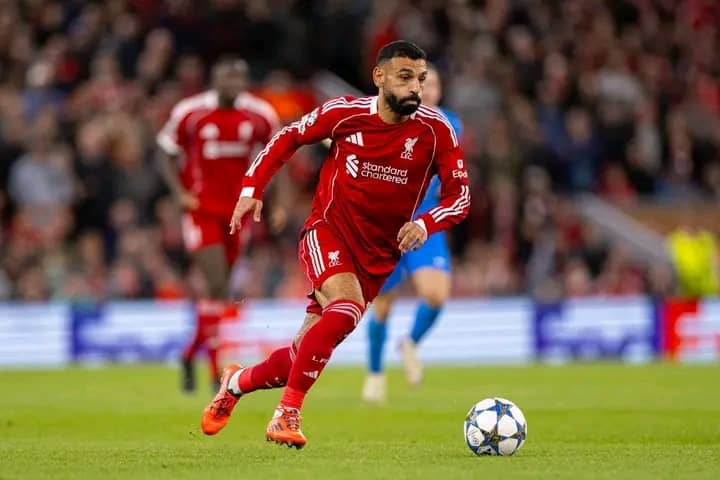
LONDON-(MaraviPost)-Liverpool star Mohamed Salah has voiced strong frustration after being left on the bench for the entire match during his team’s draw with Leeds on Saturday, calling it one of the most surprising and disappointing moments of his career.

Speaking after the game, the forward said this was the third time this season he has started on the bench something he believes has never happened before.

Salah admitted he is “very, very disappointed,” especially considering his long standing service and contribution to the club.

As a player who has consistently delivered goals, assists and leadership, he expressed shock at the sudden change in his role.

Looking back on last season, Salah highlighted how much he gave to ensure Liverpool stayed competitive. From crucial goals to tireless performances, he said he expected his commitment to be recognized and valued differently.

Now, however the Egyptian forward says he feels sidelined without explanation.

“I’m sitting on the bench and I don’t know why,” he said, adding that the situation has left him with more questions than answers.

Salah went on to suggest that the club may have left him exposed to criticism.

According to him, it feels as though “the club has thrown me under the bus,” placing him in a position where he is taking blame he does not deserve.

He further hinted at internal issues, saying it seems clear that someone behind the scenes wants him to take all the blame for the team’s struggles.

This comment has sparked conversations about possible tensions within the club’s management.

The forward also opened up about promises made to him during the summer.

He stated that he was given assurances about his role and future at Liverpool assurances that have not been fulfilled so far.

Despite expecting to feature regularly, Salah has now been benched for three matches, leaving him feeling misled.

The gap between what he was told and what has happened on the pitch has intensified his concerns.

The unfolding situation raises doubts about Salah’s future at Anfield.

With emotions running high and trust seemingly shaken, questions are emerging about whether the relationship can be repaired.


Discover more from The Maravi Post

Subscribe to get the latest posts sent to your email.

The Maravi Post

Eswatini-based Malawian Kampeni advocates for AI-driven development across Africa

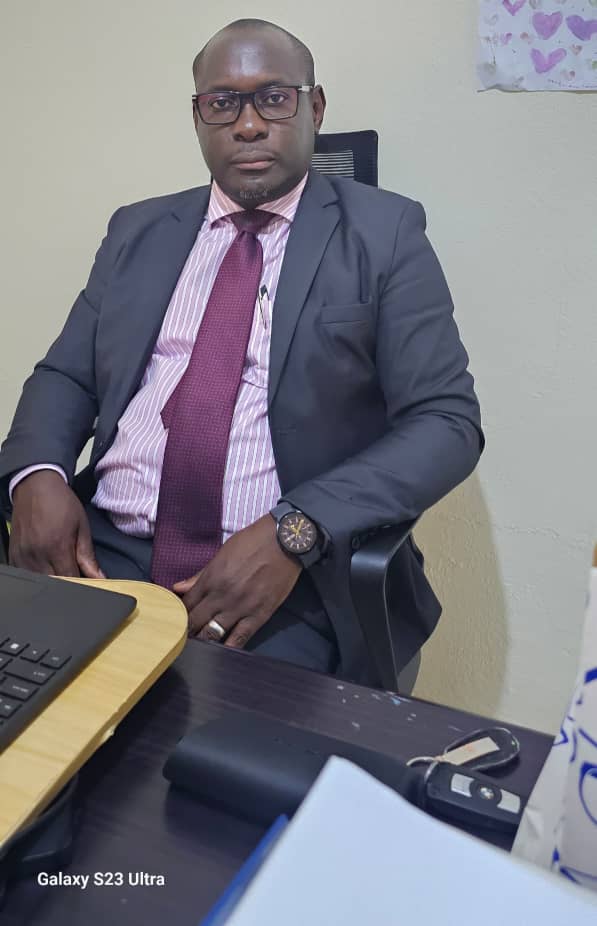
MBABANE-(MaraviPost)-Malawian International Relations and Development Studies expert, Mphatso Kampeni, says Artificial Intelligence (AI) has the potential to transform Africa’s economies and education systems if adopted responsibly and strategically.

In an interview with Maravi Post, Kampeni who is based in the Kingdom of Eswatini, recently graduated from the University of Eswatini as a Generative AI for Educators Practitioner.

He described his achievement as a major milestone, noting that AI is set to revolutionise the way various sectors operate across the African continent.

“I feel greatly accomplished knowing that AI is here to revolutionise the way we work in different sectors of our African economies,” said kampeni.

Why AI Matters for Africa

According to Kampeni, AI is reshaping global economies and education systems, and Africa stands to benefit significantly from its adoption.

He outlined several key areas where AI can drive development on the continent.

Economic Development

Kampeni explained that AI-powered automation can increase productivity in agriculture, manufacturing, and services by optimising inputs, predicting equipment failures, and supporting smart supply-chain management.

He pointed to AI-based crop-monitoring applications that are helping small-scale farmers improve yields while reducing water and fertiliser use.

Kampeni added that although some traditional jobs may be replaced, AI is creating new industries in fields such as data annotation, fintech, renewable-energy management, and health-tech diagnostics, ultimately generating new high-skill employment opportunities.

He further noted that machine-learning models using alternative data sources such as satellite imagery and mobile-money transactions are helping financial institutions assess creditworthiness for underserved populations, thereby improving access to loans for farmers and small-scale entrepreneurs.

Said kampeni:”In addition,AI is enhancing the management of key resources by improving the delivery of electricity, water, and transport services.

“Predictive maintenance of off-grid solar systems, for instance, reduces downtime and ensures more reliable access to clean energy.”

Education

In the education sector, Kampeni highlighted the potential of AI to support personalised learning.

He said adaptive learning tools can analyse each student’s progress and adjust content instantly, helping learners in overcrowded or remote classrooms stay on track.

He also emphasised that AI can ease teachers’ workloads by automating tasks such as grading and feedback generation, giving educators more time to mentor students and encourage critical thinking.

Kampeni also discussed the role of natural-language processing in expanding access to learning materials.

He said:”These tools can rapidly translate educational content into local languages, promoting inclusivity and improving comprehension.”

He added that by analysing enrolment, attendance, and performance data, education ministries can make more informed decisions, identify problem areas quickly, and allocate resources more effectively.

Challenges to Address

Kampeni cautioned that Africa must overcome several obstacles to fully benefit from AI.

He stressed that reliable electricity and internet connectivity remain limited in many rural areas and that significant investment in digital infrastructure is needed.

He also pointed out that there is a considerable shortage of AI experts and data scientists across the continent, making capacity-building crucial.

Kampeni further noted that strong privacy regulations and accurate, representative datasets are essential to ensure responsible AI use.

Additionally, he warned that without deliberate planning, AI could deepen inequalities by benefiting urban populations more than those in remote communities.

Looking Ahead

Kampeni expressed optimism that, with coordinated action among governments, the private sector, academia, and international partners, AI can accelerate progress toward the Sustainable Development Goals.

He expressed hope that when properly integrated, AI can improve health outcomes, enhance agricultural productivity, expand financial services, and deliver quality education to millions of Africans.

He emphasised that success will depend on building digital infrastructure, developing local expertise, and establishing regulatory frameworks that protect citizens while supporting innovation.


Discover more from The Maravi Post

Subscribe to get the latest posts sent to your email.
The Maravi Post