…..Thousands of civilians reportedly trapped amid escalating violence in Sudan
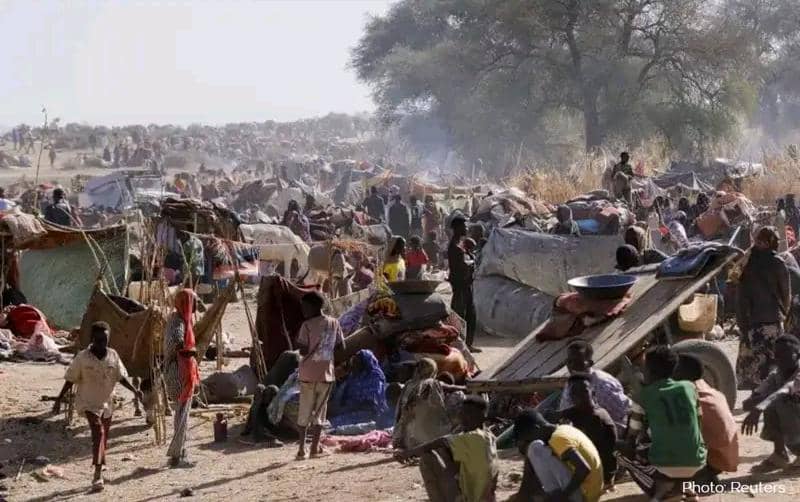
Medical charity Médecins Sans Frontières (MSF) has reported that thousands of civilians are feared trapped in the Sudanese city of Al Fasher.
The city has reportedly fallen under the control of paramilitary forces, raising serious concerns about the safety of residents.
MSF warns that those trapped face imminent danger, with limited access to food, water, and medical care.
Local hospitals and aid facilities are struggling to cope as the conflict disrupts essential services and humanitarian operations.
The situation in Al Fasher is part of a wider escalation of violence in Sudan, which has displaced thousands and threatened civilian populations across multiple regions.
International humanitarian organizations have called for immediate protection measures and safe corridors to allow civilians to evacuate safely.
As the crisis unfolds, the international community is monitoring the situation closely, emphasizing the urgent need for intervention to prevent further loss of life.
Share this:
Like this:
LikeLoading…
Discover more from The Maravi Post
Subscribe to get the latest posts sent to your email.
….Opposition, civil society, and international observers question the credibility of the October 29 polls as reports of violence, internet shutdowns, and irregularities dominate the aftermath.
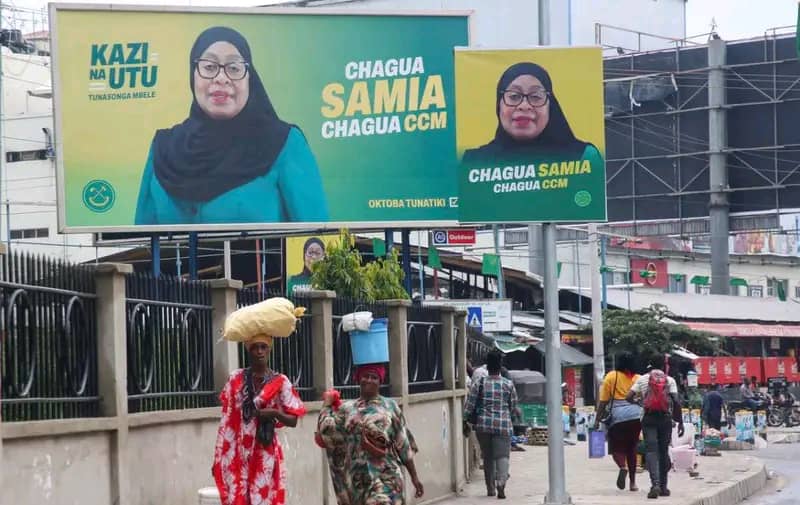
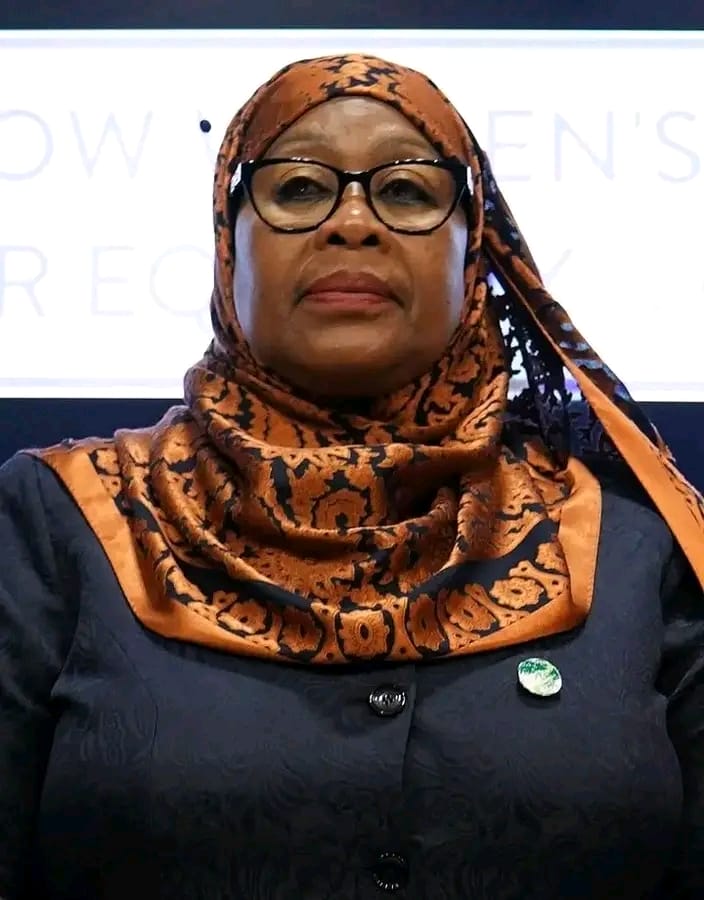
DODOMA-(MaraviPost)-Tanzania’s National Electoral Commission has declared President Samia Suluhu Hassan the winner of the country’s highly contested October 29 election, securing an overwhelming 98 percent of the vote.
The announcement, made late Friday evening, has been met with both celebration among ruling party supporters and outrage from opposition figures who have labelled the election a “sham” marred by manipulation and intimidation.
The opposition and civil society organizations have rejected the results, alleging widespread irregularities, including ballot stuffing, restricted access for observers, and the detention of opposition polling agents.
Reports have also emerged of an extensive internet shutdown that coincided with the voting and counting periods, further fueling suspicions that the digital blackout was a deliberate attempt to block transparency and restrict communication.
In several regions, especially in opposition strongholds, witnesses have reported incidents of post-election violence involving clashes between protesters and security forces. Human rights groups have expressed alarm at the reports of beatings, arrests, and disappearances that have followed the declaration of results.
International observers from the African Union, the European Union, and several diplomatic missions have voiced serious concerns about the credibility of the process, citing limited access to polling stations and the lack of a level playing field for all candidates.
Despite the mounting criticism, President Samia Suluhu has called for unity and calm, urging Tanzanians to respect the verdict of the electoral body and move forward “as one nation under peace and democracy.”
However, opposition leaders have dismissed her appeal, insisting that democracy cannot exist without accountability and that the election results represent “a complete betrayal of the Tanzanian people’s will.”
Civil society groups have now called on the international community to intervene and support an independent review of the election results, warning that the country risks sliding into deeper political instability if grievances are ignored.
As tensions continue to rise across several regions, the government has deployed additional security forces to maintain order, while social media users report restricted access to platforms such as X, Facebook, and WhatsApp.
For many Tanzanians, the events surrounding this election echo painful memories of past polls where allegations of state interference overshadowed democratic aspirations.
With a 98 percent victory margin, questions continue to grow over whether the result reflects genuine popular support or the tightening grip of power by a government increasingly accused of silencing dissent.
The world now watches closely as Tanzania stands at a critical crossroads — between maintaining stability and restoring the people’s faith in democracy through transparency, justice, and reform.
Share this:
Like this:
LikeLoading…
Discover more from The Maravi Post
Subscribe to get the latest posts sent to your email.
…President Professor Arthur Peter Mutharika announces major food relief initiative targeting four million Malawians and pledges increased investment in ADMARC to strengthen national food distribution systems.
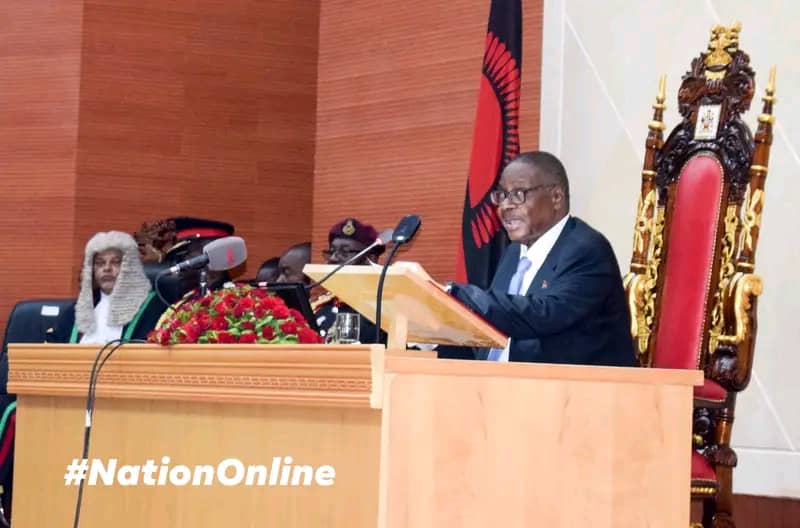
LILONGWE-(MaraviPost)-President Professor Arthur Peter Mutharika has announced that his government has successfully procured 200,000 metric tons of maize from Zambia as part of its comprehensive food security strategy.
He said the maize will be distributed for free to four million Malawians who are currently facing hunger across various parts of the country.
The President made the announcement during his address in Parliament on Friday, 31st October 2025, where he outlined key priorities of his administration for the coming months.
According to Mutharika, this initiative is part of the government’s broader plan to ensure that no Malawian goes hungry, especially during the current period of food shortages caused by erratic weather patterns and reduced crop yields.
He emphasized that the free maize distribution program demonstrates his administration’s commitment to protecting the most vulnerable citizens and ensuring equitable access to essential food supplies.
In addition to food relief efforts, the President revealed that his government will allocate more resources to the Agricultural Development and Marketing Corporation (ADMARC) outlets across the country.
He said strengthening ADMARC’s capacity will help stabilize maize prices, improve market access for farmers, and enhance the efficiency of food distribution throughout Malawi.
President Mutharika assured Parliament that his administration remains focused on both immediate hunger relief and long-term agricultural resilience.
He noted that government investments in ADMARC will be accompanied by broader reforms in the agriculture sector, including irrigation expansion, input accessibility, and modern farming techniques to boost productivity.
As the 52nd Session of Parliament progresses, Mutharika’s statement on food security has set a decisive tone for his government’s efforts to restore stability and confidence in Malawi’s food systems.
By prioritizing both humanitarian support and structural reform, the President signaled a strong message that his government is determined to secure Malawi’s future against hunger and poverty.
Share this:
Like this:
LikeLoading…
Discover more from The Maravi Post
Subscribe to get the latest posts sent to your email.
….Protests erupt as President Samia Hassan’s crackdown on political opponents sparks national and international concern
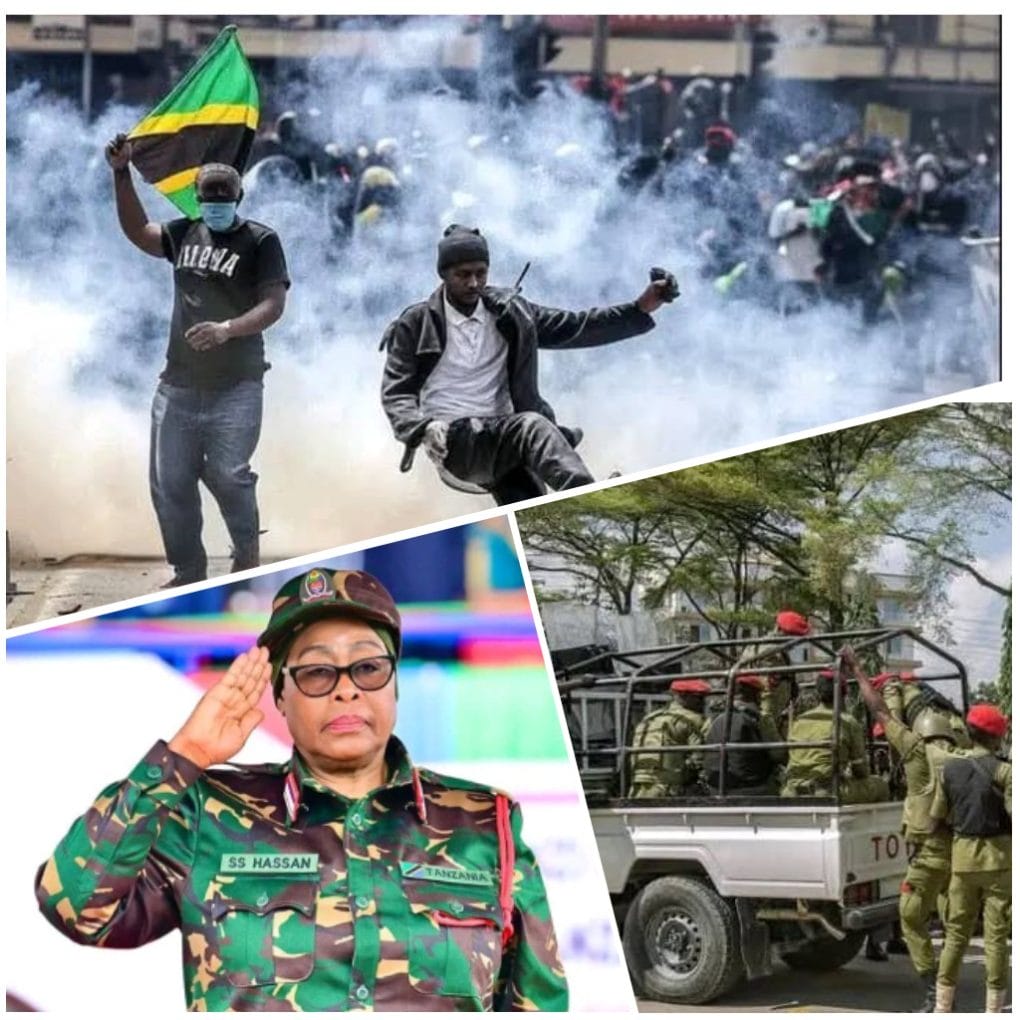
DODOMA-(MaraviPost)-Breaking news from Tanzania reports widespread protests erupting across the country.
Citizens have taken to the streets, expressing anger and frustration over the political situation.
President Samia Hassan has allegedly jailed her main political opponents, disqualified others from contesting, and some have reportedly gone missing.
The escalating unrest has prompted authorities to impose a nationwide curfew starting at 6:00 PM East Africa Time.
In addition, access to the internet has been cut off, limiting communication and public mobilization.
International media have been barred from entering Tanzania, restricting independent reporting on the unfolding events.
Observers and critics are raising concerns about the state of democracy and political freedoms in the country.
The dramatic measures taken by the government have intensified fears of further unrest and potential human rights violations.
Analysts note that the situation underscores the fragility of political systems where power consolidation overrides democratic norms.
The international community is closely monitoring developments in Tanzania, urging restraint, dialogue, and respect for citizens’ rights.
The protests and government crackdown mark a pivotal moment in Tanzania’s political history, highlighting tensions between authority and public dissent.
Share this:
Like this:
LikeLoading…
Discover more from The Maravi Post
Subscribe to get the latest posts sent to your email.
The elections in Tanzania are nothing more than a symbolic exercise in futility, a desperate attempt by President Samia Suluhu Hassan to legitimize her stranglehold on power.
The deck has been stacked against the opposition from the beginning, with the ruling party using every trick in the book to crush dissent and deny the people their right to choose their leaders.
The arrest and prosecution of CHADEMA leader Tundu Lissu on trumped-up treason charges is a stark reminder of the lengths to which Suluhu will go to maintain her grip on power.
Lissu’s popularity and potential to win the presidency posed a significant threat to Suluhu’s rule, and the charges against him are clearly designed to eliminate him from the race.
The timing of the charges, just as Tanzanians were about to go to the polls, is a brazen attempt to intimidate and silence the opposition.
It’s a move that has been widely condemned by human rights organizations and observers, who see it for what it is – a blatant attempt to rig the outcome of the election.
But Lissu’s persecution is just the tip of the iceberg.
Suluhu’s regime has been marked by a series of high-profile killings, including bishops who have dared to speak out against her undemocratic tendencies.
The message is clear: anyone who opposes Suluhu will be silenced, one way or another.
The African Union and the Southern African Development Community (SADC) must urgently step in to address the escalating crisis in Tanzania.
Their role as regional bodies dedicated to promoting democracy, human rights, and political stability in Africa compels them to act decisively against the blatant erosion of democratic norms witnessed in these elections.
Failure to intervene risks not only the further entrenchment of authoritarianism in Tanzania but also sets a dangerous precedent for other nations in the region.
The international community should demand transparency, the release of political prisoners like Tundu Lissu, and the establishment of an independent electoral commission to ensure free and fair elections.
Moreover, there should be increased monitoring and observation missions during election periods and swift consequences for any violations of democratic principles.
Civil society within Tanzania also needs support and protection to continue their vital work in holding the government accountable.
Ultimately, without robust regional and international pressure, Tanzania’s democratic institutions will continue to weaken, undermining the will of its people and the future stability of the nation.
The time for complacency has passed; urgent, coordinated action is required to safeguard democracy in Tanzania.
Share this:
Like this:
LikeLoading…
Discover more from The Maravi Post
Subscribe to get the latest posts sent to your email.
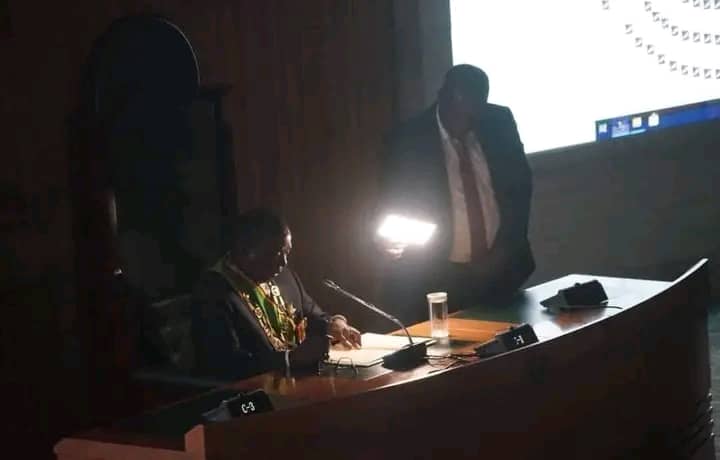
HARARE-(MaraviPost)-Zimbabweans were left in disbelief on Tuesday night when President Emerson Mnangagwa’s highly anticipated national address was dramatically interrupted by a sudden power outage, live on national television.
The blackout, which struck just minutes after the president began his speech, forced him to continue reading his notes using a flashlight an image that instantly went viral.
The national address, broadcast from State House in Harare, was meant to highlight the government’s achievements and outline economic recovery strategies.
However, the event took an unexpected turn when the lights suddenly went out, leaving the room in complete darkness.
For a few tense seconds, the television feed showed confusion among journalists and officials as technicians scrambled to restore power.
In a rare display of calm, President Mnangagwa decided not to stop the address. Instead, he continued speaking with the aid of a small flashlight held by one of his aides.
The moment drew mixed reactions from viewers with some commending his composure while others mocked the irony of the situation, given the country’s long-standing electricity challenges.
Social media platforms lit up almost instantly, with hashtags like #Zativuta, #PowerToThePeople, and #MnangagwaInTheDark trending across X (formerly Twitter) and Facebook.
Memes, edited videos and humorous captions flooded timelines, turning what was meant to be a serious state address into a national talking point.
Critics quickly pointed out that the incident reflected the deep rooted infrastructure issues that Zimbabwe continues to face.
Frequent power outages, known locally as load shedding, have disrupted industries, hospitals and schools for years and the president’s experience only added fuel to public frustration.
“This is the perfect summary of our situation.Even the highest office in the land cannot escape the darkness we live in every day. Zativuta kwambili (we are in real trouble),”said Tafadzwa Moyo concerned citizen from Zibambwe.
Meanwhile, the state-owned power company, ZESA Holdings, has remained silent on the cause of the outage.
Sources within the energy sector hinted that the blackout may have been triggered by a technical fault affecting parts of Harare, though investigations are still underway.
Opposition figures seized the opportunity to criticize the government’s handling of the energy crisis.
Nelson Chamisa, a prominent opposition leader, remarked online that the blackout was “a powerful metaphor for a nation in the dark both literally and politically.”
His comment received thousands of shares within hours.
Despite the setback, Mnangagwa eventually concluded his address under dim lighting, reaffirming his administration’s commitment to stabilizing the economy and improving essential services.
However, many citizens felt that the incident itself spoke louder than the promises made in the speech.
Share this:
Like this:
LikeLoading…
Discover more from The Maravi Post
Subscribe to get the latest posts sent to your email.