The once-in-a-decade SIDS Conference opened in Antigua and Barbuda today, with a clear message: the world already knows the challenges that SIDS face—now it’s time for action.
King Charles III of Britain addresses the opening ceremony of the Fourth International Conference on Small Island Developing States, May 27, 2024. Credit: Alison Kentish/IPS
ANTIGUA, May 27 2024 (IPS) – “This year has been the hottest in history in practically every corner of the globe, foretelling severe impacts on our ecosystems and starkly underscoring the urgency of our predicament. We are gathered here not merely to reiterate our challenges, but to demand and enact solutions,” declared Antigua and Barbuda Prime Minister Gaston Brown at the opening of the Fourth International Conference on Small Island Developing States on May 27.
The world’s 39 small island developing states are meeting on the Caribbean island this week. It is a pivotal, once-a-decade meeting for small states that contribute little to global warming, but are disproportionately impacted by climate change. The Caribbean leader reminded the world that SIDS are being forced to survive crises that they did not create.
“The scales of equity and justice are unevenly balanced against us. The large-scale polluters whose CO2 emissions have fuelled these catastrophic climate changes bear a responsibility—an obligation of compensation to aid in our quest to build resilience,” he said.
“The Global North must honor its commitments, including the pivotal pledge of one hundred billion dollars in climate financing to assist with adaptation and mitigation as well as the effective capitalization and operationalization of the loss and damage fund. These are imperative investments in humanity, in justice, and in the equitable future of humanity.”
Urgent Support Needed from the International Community
United Nations Secretary General Antonio Guterres told the gathering that the previous ten years have presented significant challenges to SIDS and hindered development. These include extreme weather events and the COVID-19 pandemic. He says SIDS, islands that are “exceptionally beautiful, exceptionally resilient, but exceptionally vulnerable,” need urgent support from the international community, led by the nations that are both responsible for the challenges they face and have the capacity to deal with them.
“The idea that an entire island state could become collateral damage for profiteering by the fossil fuel industry, or competition between major economies, is simply obscene,” the Secretary General said, adding, “Small Island Developing States have every right and reason to insist that developed economies fulfill their pledge to double adaptation financing by 2025. And we must hold them to this commitment as a bare minimum. Many SIDS desperately need adaptation measures to protect agriculture, fisheries, water resources and infrastructure from extreme climate impacts you did virtually nothing to create.”
Antigua and Barbuda Agenda for SIDS (ABAS)
The theme for SIDS4 is Charting the Course Toward Resilient Prosperity and the small islands have been praised for collective action in the face of crippling crises. Their voices were crucial to the establishment of the United Nations Framework Convention on Climate Change and the landmark 2015 Paris Agreement.
Out of this conference will come the Antigua and Barbuda Agenda for SIDS (ABAS). President of the UN General Assembly, Dennis Francis, says that programme of action will guide SIDS on a path to resilience and prosperity for the next decade.
“ The next ten years will be critical in making sustained concrete progress on the SIDS agenda – and we must make full use of this opportunity to supercharge our efforts around sustainability,” he said.
The SIDS4 conference grounds in Antigua and Barbuda will be a flurry of activity over the next four days. Apart from plenaries, there are over 170 side events hosted by youth, civil society organizations, non-governmental organizations, and universities, covering a range of issues from renewable energy to climate financing.
They have been reminded by Prime Minister Gaston Browne that this is a crucial juncture in the history of small island developing states, where “actions, or failure to act, will dictate the fate of SIDS and the legacy left for future generations.”
Residents of the municipality of Castro, in Chiloé, an archipelago in southern Chile, demonstrate in the streets of their city, in front of the Gamboa Bridge, expressing their fear of threats to the water supply that they attribute to the lack of protection of peatlands, which are key to supplying water for the island’s rivers. CREDIT: Courtesy of Chiloé en defensa del Agua
SANTIAGO, May 2 2024 (IPS) – The drinking water supply in the southern island of Chiloé, one of Chile’s rainiest areas, is threatened by damage to its peatlands, affected by sales of peat and by a series of electricity projects, especially wind farms.
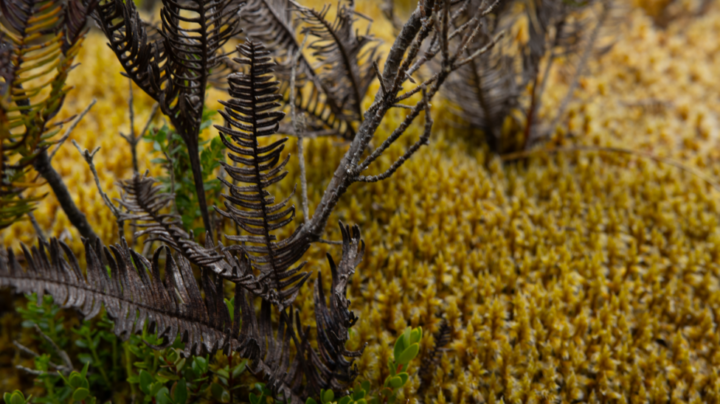
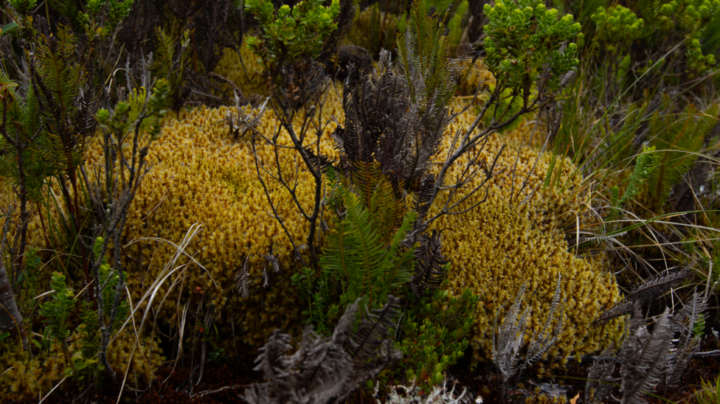
The peat bog (Moss sphagnum magellanicum) known as “pompon” in Chile absorbs and retains a great deal of water, releasing it drop by drop when there is no rain. In southern Chile there are about 3.1 million hectares of peatlands.
“We condemn the fact that the extraction of peat is permitted in Chiloé when there is no scientifically proven way for peat to be reproduced or planted…. there is no evidence of how it can regenerate.” ¨– Daniela Gumucio
Peat is a mixture of plant debris or dead organic matter, in varying degrees of decomposition, neither mineral nor fossilized, that has accumulated under waterlogged conditions.
The pompon is the main source of water for the short rivers in Chiloé, an archipelago of 9181 square kilometers and 168,000 inhabitants, located 1200 kilometers south of Santiago. The local population makes a living from agriculture, livestock, forestry, fishing and tourism, in that order.
“We don’t have glaciers, or thaws. Our water system is totally different from that of the entire continent and the rest of Chile. Since we don’t have glaciers or snow, our rivers function on the basis of rain and peat bogs that retain water and in times of scarcity release it,” Daniela Gumucio told IPS by telephone.
The 36-year-old history and geography teacher said that the Chiloé community is concerned about the supply of drinking water for consumption and for small family subsistence farming.
This long narrow South American country, which stretches between the Andes Mountains and the Pacific Ocean, has 19.5 million inhabitants and is facing one of the worst droughts in its history.
It’s strange to talk about water scarcity in Chiloé because it has a rainy climate. In 2011 more than 3000 millimeters of water fell there, but since 2015 rainfall began to decline.
In 2015 rainfall totaled 2483 millimeters, but by 2023 the amount had dropped to 1598 and so far this year only 316, according to data from the Quellón station reported to IPS by the Chilean Meteorological Directorate.
The forecast for April, May, and June 2024 is that below-normal rainfall will continue.
A water emergency was declared in the region in January and the residents of nine municipalities are supplied by water trucks.
To supply water to the inhabitants of the 10 municipalities of Chiloé, the State spent 1.12 million dollars to hire water trucks between 2019 and 2024. In Ancud alone, one of the municipalities, the expenditure was 345,000 dollars in that period.
A close-up shot of a peat bog in a watershed on the island of Chiloé, which has the ability to absorb water 10 times its weight. Because of this property, those who extract it today, without any oversight, dry it, crush it and pack it in sacks to sell it to traders who export it or sell it in local gardening shops. CREDIT: Courtesy of Gaspar Espinoza
Alert among social activists
The concern among the people of Chiloé over their water supply comes from the major boost for wind energy projects installed on the peat bogs and new legislation that prohibits the extraction of peat, but opens the doors to its use by those who present sustainable management plans.
Several energy projects are located in the Piuchén mountain range, in the west of Chiloé, where peat bogs are abundant.
“They want to extend a high voltage line from Castro to Chonchi. And there are two very large wind farm projects. But to install the turbines they have to dynamite the peat bog. This is a direct attack on our water resource and on our ways of obtaining water,” Gumucio said.
In 2020, the French company Engie bought three wind farms in Chiloé for 77 million dollars: San Pedro 1 and San Pedro 2, with a total of 31 wind turbines that will produce 101 megawatts (MW), and a third wind farm that will produce an additional 151 MW.
In addition, 18 kilometers of lines will be installed to carry energy to a substation in Gamboa Alto, in the municipality of Castro, and from there to the national power grid.
Another 92 turbines are included in the Tabla Ruca project, between the municipalities of Chonchi and Quellón.
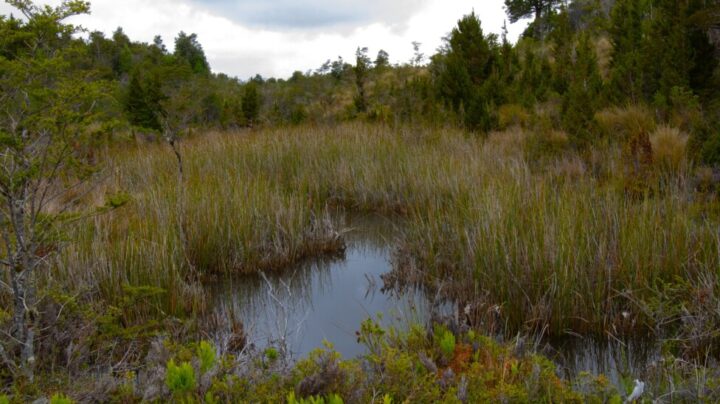
Peat bogs accumulate and retain rainwater in the wetlands of Chiloé and release it drop by drop to river beds in times of drought. CREDIT: Courtesy of Gaspar Espinoza
Engie describes its initiatives as part of the transition to a world with zero net greenhouse gas emissions, thanks to the production of clean or green energy.
Leaders of 14 social and community organizations expressed their concerns in meetings with regional authorities, but to no avail. Now they have informed their communities and called on the region’s authorities to protect their main water source.
Local residents marched in protest on Mar. 22 in Ancud and demonstrated on Apr. 22 in Puente Gamboa, in Castro, the main municipality of the archipelago.
Thanks to peatlands, the rivers of Chiloé do not dry up. The peat bogs accumulate rainwater on the surface, horizontally, and begin to release it slowly when rainfall is scarce.
For the same reason, peat is dup up and sold for gardening. In 2019 Chile exported 4600 tons of peat.
The wind energy projects are set up in areas of raised peat bogs, known as ombrotophic, located at the origin of the hydrographic basins.
“We have had a good response in the municipal council of Chonchi, where the mayor and councilors publicly expressed their opposition to approving these projects,” said Gumucio.
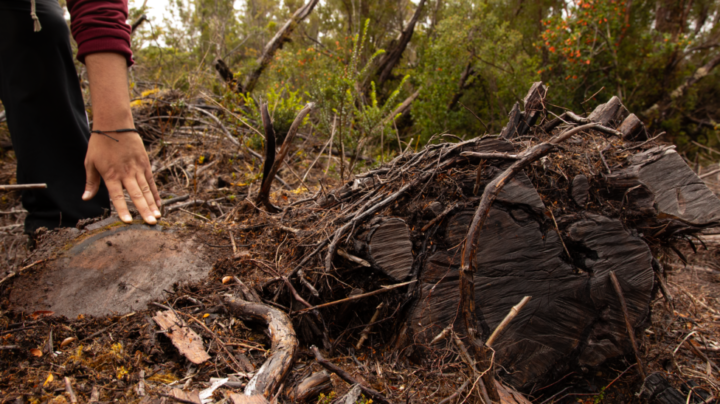
Dozens of trees have been felled in Chiloé to install wind turbines and make way for high-voltage towers that will transmit green energy to Chile’s national power grid, without benefiting the inhabitants of the Chiloé archipelago. CREDIT: Courtesy of Gaspar Espinoza
The other threat to peatlands
The second threat to the Chiloé peat bogs comes from Law 21.660 on environmental protection of peatlands, published in Chile’s Official Gazette on Apr. 10.
This law prohibits the extraction of peat in the entire territory, but also establishes rules to authorize its use if sustainable management plans are presented and approved by the Agricultural and Livestock Service, depending on a favorable report from the new Biodiversity and Protected Areas Service.
The peatland management plan aims to avoid the permanent alteration of its structure and functions.
Those requesting permits must prove that they have the necessary skills to monitor the regeneration process of the vegetation layer and comply with the harvesting methodology outlined for sustainable use.
But local residents doubt the government’s oversight and enforcement capacity
Dozens of trees have been felled in Chiloé to install wind turbines and make way for high-voltage towers that will transmit green energy to Chile’s national power grid, without benefiting the inhabitants of the Chiloé archipelago. CREDIT: Courtesy of Gaspar Espinoza
“We condemn the fact that the extraction of peat is permitted in Chiloé when there is no scientifically proven way for peat to be reproduced or planted…. there is no evidence of how it can regenerate,” said Gumucio.
The activist does not believe that sustainable management is viable and complained that the government did not accept a petition for the law to not be applied in Chiloé.
“We have a different water system and if this law is to be implemented, it should be on the mainland where there are other sources of water,” she said.
But according to Gumucio, everything seems to be aligned to deepen the water crisis in Chiloé.
“The logging of the forest, the extraction of peat, and the installation of energy projects all contribute to the drying up of our aquifers and basins. And in that sense, there is tremendous neglect by the State, which is not looking after our welfare and our right to have water,” she argued.
Peatland is part of the vegetation of the island of Chiloé, but is threatened by unsupervised exploitation, which the authorities hope to curb with a recently approved law, whose regulations are to be ready within the next two years. CREDIT: Courtesy of Gaspar Espinoza
Scientists express their view
Six scientists from various Chilean universities issued a public statement asserting that the new law is a step in the right direction to protect Chile’s peatlands.
In their statement, scientists Carolina León, Jorge Pérez Quezada, Roy Mackenzie, María Paz Martínez, Pablo Marquet and Verónica Delgado emphasize that the new law “will require the presentation of a sustainable management plan” to exploit peat that is currently extracted without any controls.
They add that management plans must now be approved by the competent authorities and that those who extract peat will be asked to “ensure that the structure and functions of the peatlands are not permanently modified.”
They also say that the regulations of the law, which are to be issued within two years, “must establish the form of peat harvesting and post-harvest monitoring of the peat bog to protect the regeneration of the plant, something that has not been taken into consideration until now.”
They point out that the new law will improve oversight because it allows monitoring of intermediaries and exporters who could be fined if they do not comply with the legislation.
“While it is true that there is concern among certain communities and environmental groups, we believe that these concerns can be taken into account during the discussion of the regulations,” they say.
The scientists reiterate, however, that “peatlands are key ecosystems for mitigating the national and planetary climate and biodiversity crisis” and admit that “significant challenges remain to protect them, although this is a big step in the right direction.”
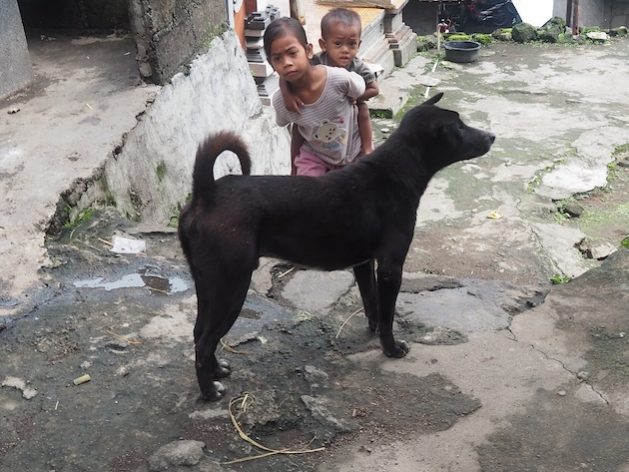
Indigenous Bali dogs hold the potential to unlock hidden secrets about ancestral dog diversity. Credit: Sonny Inbaraj/IPS
BALI, Indonesia, Feb 28 2024 (IPS) – Bali’s Island’s ancient canine guardians, the proud descendants of lineages tracing back tens of thousands of years, stand on the brink of extinction. Culling triggered by rabies outbreaks and interbreeding is pushing these living cultural treasures towards a tragic end.
For generations, traditional Bali Heritage Dogs have woven themselves into the fabric of the predominantly Hindu Balinese society. A tapestry woven with ancient folktales binds Bali dogs and the Balinese in a unique bond.
“Guided by the Tri Hita Karana’s principles of harmony and respect, Balinese Hindus forge a unique bond with dogs,” Ida Bawati Sari Budangga, a priest in Dusun Puchang in East Bali’s Desa Ban at the foot of the Gunung Agung volcano, told IPS.
Tri Hita Karana weaves harmony between humans and their environment, evident in offerings to deities and respect for nature’s bounty. Tri Hita Karana also serves as a powerful model for sustainable development, inspiring initiatives that balance human needs with environmental respect.
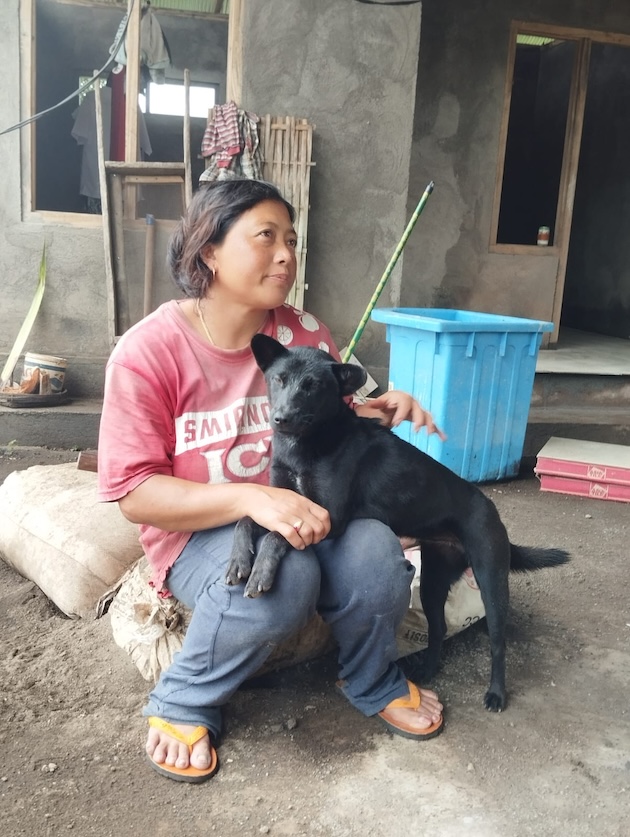
Balinese treat dogs with care, valuing their presence in their lives and communities. Credit: Dewa Made Suarjana/BAWA
“This isn’t merely pet ownership, but an embodiment of their deep connection to all living beings. From sharing meals to participating in temple rituals together, dogs are woven into the fabric of Balinese life, reflecting their reverence for the natural world and its creator,” added the priest.
In Balinese culture, the Mahabharata story of King Yudhistira and his loyal dog plays a significant role in understanding their deep respect for dogs. When Dharma, disguised as the king’s ill-kept dog, is denied entry to heaven by Indra, Yudhistira refuses to enter without him. This act of unwavering loyalty reveals Dharma’s true form as the God of righteousness, highlighting the importance of compassion and connection with all beings. This story continues to inspire the Balinese to treat dogs with respect and care, valuing their presence in their lives and communities.
Driven by interest in the Bali dog’s distinct genetic ancestry, studies such as the University of California, Davis 2005 study “Genetic Variation Analysis of the Bali Street Dog Using Microsatellites” reveal the wide diversity contained in their DNA. Microsatellites is a lab technique that uses genetic markers for studying genealogy, population organization, genome diversity, the process of evolution, and fingerprinting from extracted DNA samples.
The study found that dog populations on Bali had been separated for an estimated 12,000 years and this protracted isolation has shaped Bali’s dog genetics, resulting in distinct genetic variants absent elsewhere in other dogs.
UC Davis’ groundbreaking study unveiled an intriguing genetic link between Bali dogs and ancient Asian breeds such as the Dingo and Chow Chow. This fascinating lineage can be traced back to the Austronesian migration and colonization of South Indochina, which occurred before the last glaciation period when Bali was connected to the mainland through a land bridge that eventually submerged.
“As a result of their genetic isolation, indigenous Bali dogs hold the potential to unlock hidden secrets about ancestral dog diversity, and even shed light on ancient human migration patterns and trade routes,” commented UC Davis’ Dr Benjamin Sacks, adjunct professor, at the university’s school of veterinary medicine.
However, Sacks warned in response to the 2005 study and a study done in 2011: “We don’t have all the questions yet to ask, but they’re emerging every day, and if we lose these populations, we lose the ability to answer those questions.”
In 2008,
The indigenous Bali dog population has plunged from a staggering 800,000 to a mere 20,000. Credit: Sonny Inbaraj/IPS
Bali’s unique indigenous dog breed suffered a brutal blow with the knee-jerk reaction of mass culling, which continues to this day following rabies outbreaks. In a widespread plan to eliminate free-roaming dogs, the indigenous Bali dogs were not spared. Just like in other countries in Asia and Africa, rabies in Indonesia is being sustained within the domestic dog population. It’s not surprising that the public commonly associates rabies with dogs and dog bites.
According to the World Health Organization rabies is endemic in 26 provinces in Indonesia, including Bali, with 74 cases of human rabies out of 66,170 bite cases from suspected rabid animals reported in the country from January to July 2023.
Bali Island had never experienced rabies before, until 2008. Lax surveillance allowed a rabid dog to slip through from Flores, an island ravaged by endemic canine rabies since 1997, setting the stage for Bali’s own struggle with the animal-borne disease.
“Before the outbreak of rabies in 2008, the island had one of the highest dog-to-human ratios in the world,” said Janice Girardi, founder of the Bali Animal Welfare Association (BAWA).
“Mass culling was the first action that the local government authorities took in response to the rabies epidemic. They utilized teams that were armed with blow darts and baits that contained strychnine,” she added.
Culling on its own has never had an effect on rabies in dogs or humans or dog population growth, said Dr Darryn Knobel, professor at Ross University School of Veterinary Medicine in St. Kitts.
“If you’re culling, you’re going to be diverting resources away from vaccination. The only thing that works is vaccination and you need to vaccinate at least 70 percent of all dogs to get what we term herd immunity,” he explained.
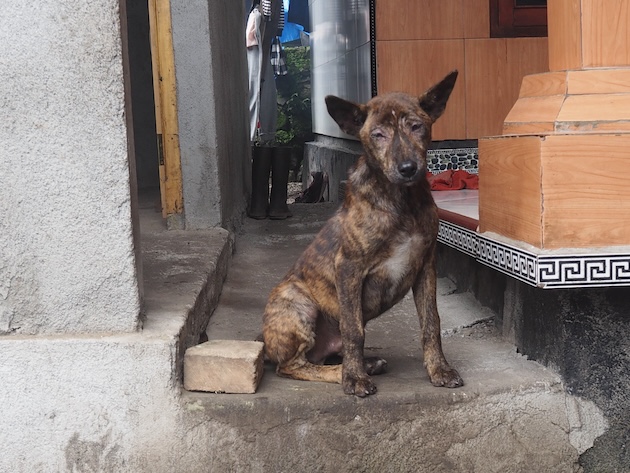
An indigenous Bali dog in East Bali. Credit: Sonny Inbaraj/IPS
From 2005 to 2008, the Bali dog population was estimated to be between 600,000 and 800,000, according to a 2018 study. However, due to culling following the 2008 rabies epidemic in Bali, the population of free-ranging dogs has decreased by at least 25 percent, according to the study.
BAWA’s Girardi issued a stark warning about the indigenous Bali dog population, which has now plunged further from a staggering 800,000 to a mere 20,000, according to the NGO’s mapping.
“With such dwindling numbers,” she emphasized, “the chances of purebred dogs finding mates and perpetuating their lineage are vanishingly small, akin to winning the lottery.”
The interbreeding of native Bali dogs with dogs of other breeds that have been introduced to the island is another cause for concern. This occurred when the government of Bali, in 2004, abolished an ancient piece of legislation from 1926 that had been issued by Dutch colonialists to prevent the introduction of rabies into Bali from other islands within the archipelago.
For Balinese seeking outward signs of affluence, Western breeds and crossbreeds trump the indigenous Bali dog, deemed unworthy of attention and left wanting.
“I have one Bali dog now, but I’m planning to either get a Golden Retriever or a small long-haired crossbreed. They’re unique and good for our image,” 14-year-old I Kenang Sunia in Desa Jatituhun, Ban, in east Bali, told IPS.
Battling extinction, BAWA deploys its sterilization program to remote Balinese villages, targeting non-purebred dogs in a critical effort to conserve the dwindling population of the purebred Bali dog.
“We sterilise as many non-pure Bali dogs as possible in each area (to prevent interbreeding) in order to save the remaining indigenous dogs in Bali before they are lost forever,” said Girardi.
Lacandona, the great Mayan jungle that extends through the state of Chiapas in southern Mexico, is home to natural wealth and indigenous peoples’ settlements that are once again threatened by the probable reactivation of abandoned oil wells. Image: Ceiba
MEXICO CITY, Jan 19 2024 (IPS) – The Lacandona jungle in the southern Mexican state of Chiapas is home to 769 species of butterflies, 573 species of trees, 464 species of birds, 114 species of mammals, 119 species of amphibians and reptiles, and several abandoned oil wells.
The oil wells have been a source of concern for the communities of the great Mayan jungle and environmental organizations since the 1970s, when oil prospecting began in the area and gradually left at least five wells inactive, whether plugged or not.
“The situation is always complex, due to legal loopholes that do not delimit the jungle, the natural protected areas are not delimited, it has been a historical mess. The search for oil has always been there.” — Fermín Domínguez
Now, Mexico’s policy of increasing oil production, promoted by the federal government, is reviving the threat of reactivating oil industry activity in the jungle ecosystem of some 500,000 hectares located in the east of the state, which has lost 70 percent of its forest in recent decades due to deforestation.
A resident of the Benemérito de las Américas municipality, some 1,100 kilometers south of Mexico City, who requested anonymity for security reasons, told IPS that a Mexican oil services company has contacted some members of the ejidos – communities on formerly public land granted to farm individually or cooperatively – trying to buy land around the inactive wells.
“They say they are offering work. We are concerned that they are trying to restart oil exploration, because it is a natural area that could be damaged and already has problems,” he said.
Adjacent to Benemérito de las Américas, which has 23,603 inhabitants according to the latest records, the area where the inactive wells are located is within the 18,348 square kilometers of the protected Lacandona Jungle Region.
It is one of the seven reserves of the ecosystem that the Mexican government decreed in 2016 and where oil activity in its subsoil is banned.
Between 1903 and 2014, the state-owned oil company Petróleos Mexicanos (Pemex) drilled five wells in the Lacandona jungle, inhabited by some 200,000 people, according to the autonomous governmental National Hydrocarbons Commission (CNH), in charge of allocating hydrocarbon lots and approving oil and gas exploration plans. At least two of these deposits are now closed, according to the CNH.
The Montes Azules Biosphere Reserve, in the Lacandona jungle in the southern Mexican state of Chiapas, faces the threat of oil exploration, which would add to phenomena such as deforestation, drought and forest fires that have occurred in recent years. Image: Semarnat
The Lacantun well is located between a small group of houses and the Montes Azules Biosphere Reserve (RBMA), the most megadiverse in the country, part of Lacandona and near the border with Guatemala. The CNH estimates the well’s proven oil reserves at 15.42 million barrels and gas reserves at 2.62 million cubic feet.
Chole, Tzeltal, Tzotzil and Lacandon Indians inhabit the jungle.
Other inactive deposits in the Benemérito de las Américas area are Cantil-101 and Bonampak-1, whose reserves are unknown.
In the rural areas of the municipality, the local population grows corn, beans and coffee and manages ecotourism sites. But violence has driven people out of Chiapas communities, as has been the case for weeks in the southern mountainous areas of the state due to border disputes and illegal business between criminal groups.
In addition, the Zapatista National Liberation Army (EZLN), an indigenous organization that staged an uprising on Jan. 1, 1994 against the marginalization and poverty suffered by the native communities, is still present in the region.
Chiapas, where oil was discovered at the beginning of the 20th century, is among the five main territories in terms of production of crude oil and gas in this Latin American country, with 10 hydrocarbon blocks in the northern strip of the state.
In November, Mexico extracted 1.64 million barrels of oil and 4.9 billion cubic feet of gas daily. The country currently ranks 20th in the world in terms of proven oil reserves and 41st in gas.
Historically, local communities have suffered water, soil and air pollution from Pemex operations.
As of November, there were 6,933 operational wells in the country, while Pemex has sealed 122 of the wells drilled since 2019, although none in Chiapas, according to a public information request filed by IPS.
Since taking office in December 2018, leftist President Andrés Manuel López Obrador has strengthened Pemex and the also state-owned Federal Electricity Commission by promoting the extraction and consumption of fossil fuels, to the detriment of renewable energy.
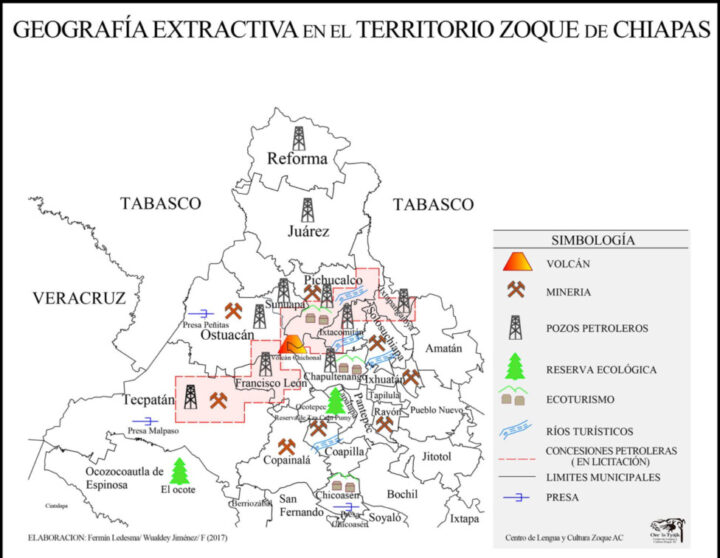
The state of Chiapas is home to hydroelectric power plants, mining projects, hydrocarbon exploitation blocks and a section of the Mayan Train, the most emblematic megaproject of the current Mexican government. Image: Center for Zoque Language and Culture AC
Territory under siege
The RBMA is one of Mexico’s 225 natural protected areas (NPAs) and its 331,000 hectares are home to 20 percent of the country’s plant species, 30 percent of its birds, 27 percent of its mammals and 17 percent of its freshwater fish.
Like all of the Lacandona rainforest, the RBMA faces deforestation, the expansion of cattle ranching, wildlife trafficking, drought, and forest fires.
Fermín Ledesma, an academic at the public Universidad Autónoma Chapingo, said possible oil exploration could aggravate existing social and environmental conflicts in the state, in addition to growing criminal violence and the historical absence of the State.
“The situation is always complex, due to legal loopholes that do not delimit the jungle, the natural protected areas are not delimited, it has been a historical mess. The search for oil has always been there,” he told IPS from Tuxtla Gutiérrez, the capital of Chiapas.
The researcher said “it is a very complex area, with a 50-year agrarian conflict between indigenous peoples, often generated by the government itself, which created an overlapping of plans and lands.”
Ledesma pointed to a contradiction between the idea of PNAs that are depopulated in order to protect them and the historical presence of native peoples.
From 2001 to 2022, Chiapas lost 748,000 hectares of tree cover, equivalent to a 15 percent decrease since 2000, one of the largest sites of deforestation in Mexico, according to the international monitoring platform Global Forest Watch. In 2022 alone, 26,800 hectares of natural forest disappeared.
In addition, this state, one of the most impoverished in the country, has suffered from the presence of mining, the construction of three hydroelectric plants and, now, the Mayan Train, the Mexican government’s most emblematic megaproject inaugurated on Dec. 15, one of the seven sections of which runs through the north of the state.
But there are also stories of local resistance against oil production. In 2017, Zoque indigenous people prevented the auction of two blocks on some 84,000 hectares in nine municipalities that sought to obtain 437.8 million barrels of crude oil equivalent.
The anonymous source expressed hope for a repeat of that victory and highlighted the argument of conducting an indigenous consultation prior to the projects, free of pressure and with the fullest possible information. “With that we can stop the wells, as occurred in 2017. We are not going to let them move forward,” he said.
Ledesma the researcher questioned the argument of local development driven by natural resource extraction and territorial degradation as a pretext.
“They say it’s the only way to do it, but that’s not true. It leaves a trail of environmental damage, damage to human health, present and future damage. It is much easier for the population to accept compensation or give up the land, because they see it is degraded. A narrative is created that they live in an impoverished area and therefore they have to relocate. This has happened in other areas,” he said.
Stephany Musombi and engineers preparing the banana stems for processing at KIRDI. Credit: Wilson Odhiambo/IPS
NAIROBI, Nov 16 2023 (IPS) – ’Going Green’ seems to Dr Jacquline Kisato’s favorite catchphrase as she passionately explains her eco-friendly sanitary towel, a product she expects will help empower women and young girls while also putting money into farmers’ pockets.
Kisato is a lecturer at the Kenyatta University (KU), Fashion Design and Marketing, currently working on a project to develop affordable and eco-friendly sanitary towels while also finding a solution for sustainable packaging materials.
Kisato’s venture started out to help communities get a source of employment through the commercialization of banana stems – products that were considered useless by farmers and would usually be left to rot away on farms.
After the Kenyan government enforced a ban on the use of plastic bags in 2018, there was a need to find immediate alternatives.
Plastic bags were a necessity for grocers and fast-food vendors, an item that made it easy for customers to carry their goods home. Despite their advantage, however, their negative impact on the environment could no longer be overlooked.
‘’I started looking at this project from an entrepreneurship point of view on how I could commercialize banana stem fibers. The government had just banned single-use plastic bags, and market vendors needed alternatives to serve their customers,’’ Kisato told IPS.
‘’Poorly disposed sanitary towels also formed part of the pollution problem since they were composed of plastic,’’ she added.
According to Kisato, however, her need to empower women and young girls through affordable sanitary towels was something that she always had in mind after noticing the struggles that school-going girls went through.
‘’While walking along the hallways one day, a student on campus stopped me and asked if I could help her with a packet of sanitary pads. This incident shocked me as for a long time, I had assumed ‘period poverty’ was only experienced amongst high school children,’’ Kisato said.
Kisato and her research team interviewed 400 high school girls from Gatundi, Kibera, and Kawangware, where they found out that more than 50 percent of the girls in these low-income areas could hardly afford sanitary pads even when at home.
This did not sit well with the don as she felt something needed to be done about it.
It was while researching alternatives to plastic bags that she realized that she could solve two problems at the same time.
Kisato, therefore, applied for the National Research Fund (NRF) in 2018 with the aim of developing eco-friendly plastic bags and sanitary towels. Her wish came through when NRF granted Kenyatta University Ksh.9 million (about US $ 61,623) in 2020, with her taking the lead as the principal investigator in the project.
Her team is made up of scholars from different departments and institutions and also includes Ph.D. and master’s students, with each one of them playing a major role in seeing the project through.
‘’I lead a team of engineers from the Kenya Industrial Research and Development Institute (KIRDI), whose task is to reverse engineer machines that can extract fiber from banana stems and use them to create eco-friendly packaging and sanitary towels,’’ she explained. “I also have researchers from Moi University whose work was to turn the extracted fiber into soft materials for use.”
Kisato’s aim was to produce quality sanitary towels that could compete with what was already in the market while still being eco-friendly, a fact that led her to seek the expertise of Edwin Madivoli, a chemistry lecturer at the Jomo Kenyatta University of Agriculture and Technology (JKUAT).
According to Kisato, the towels on the market have a component in them called hydrogel, which enables them to retain fluids for longer, and were also lined with plastic sheets to prevent any leakage. Our intention is to replicate the same but use bioplastic materials, which can degrade as opposed to the normal plastic that is being used.
From her research, Kisato also discovered that Africans, on average, wore sanitary towels for longer as compared to women and girls from developed countries and were thus at risk of getting bacterial infections. This was due to limited access and affordability in Africa.
‘’The recommended period for one to have on a sanitary pad is about three hours, which means that it should be changed at least three times a day to avoid any risk of infections. This is, however, not the case for many girls in Africa due to poverty,’’ Kisato explained to IPS.
‘’We thought adding anti-microbial properties to our product would therefore make it as good or even better than what was in the market,’’ said Kisato.
The research team also found out that there were a lot of myths surrounding menstrual flow among young girls, a fact that led to a lot of stigmatization, which made it difficult for them to understand how to use sanitary towels properly.
Some of the notable ideas that girls told each other concerning menstrual flow included:
It is a curse from God
Girls who had periods were considered dirty and impure
Their faces would become pale from losing blood
‘’These are beliefs that need to be done away with by encouraging parents and the government to speak about monthly periods with young girls openly,’’ Kisato said.
For the second phase of the project, Madivoli’s chemistry expertise came in handy, and the Research Scholarship and Innovation Fund (RSIF) was happy to add an additional Ksh.9 million (about USD 59,000) for Kisato to continue what she had started.
‘’My role is to ensure our sanitary pads are of the same quality as what is in the market while at the same time maintaining an eco-friendly nature, which is the main agenda of this whole project,’’ Madivoli told IPS.
‘’I am tasked with the development of hydrogels, production of bioplastics, and finding a way to incorporate anti-microbial properties into our products to protect the users from possible infections,’’ he said.
JKUAT received funding of Ksh.800,000 (about US $ 5477) from the Kenya National Innovation Agency (KENIA) to further help Madivoli with this research.
“As they are left to dry up on the farms, banana stems are known to produce large amounts of methane, which is a harmful greenhouse gas that contributes to the climate change problems that we are trying to tackle, added Madivoli. ‘”Having an alternative use for the stems therefore limits the greenhouse effect in the atmosphere.’’
Madivoli said that most banana farmers usually do not know what to do with the stems once they have done their harvest, and this project gives them a way to earn some extra income as they expect to buy the stems from them at Ksh.35 per stem.
“This project will not only be environmentally friendly but will also create jobs for the people who go to cut the stems from the farms while also finding use for the biomass that the farmers thought was useless,’’ he concluded.
Once it is up and running, they expect to source banana stems from counties such as Kisii, Muranga, Embu, Meru, and parts of western Kenya.
Stephany Musombi is one of Kisato’s students specializing in textiles whose task in the project is to come up with quality packaging materials.
‘’Apart from the banana fiber, I am also experimenting with other biomass such as pineapple and seaweed,’’ Musombi told IPS. If I can find a way to make this work, the project will open up a market for seaweed and pineapple biomass.
Kisato’s project could not have picked a better time there is an international joint push for green solutions to help mitigate climate change. On September 4, 2023, Kenya also played host to the climate summit that attracted leaders from across Africa.
Kenya’s president, William Ruto, drove himself in a tiny electric car to the Kenyatta International Convention Centre (KICC), where he challenged the African leaders and innovators to find sustainable solutions to their daily activities that can help them reduce the carbon print in the continent and globally.
‘’Africa can power all energy needs with renewable resources. The continent has enough potential to be entirely self-sufficient using wind, solar, geothermal, sustainable biomass, and hydropower energy. Africa can be a green industrial hub that helps other regions achieve their net zero strategies by 2050,’’ Ruto said at the summit.
Kisato expects her product to hit the market later this year, where she plans to make it more affordable for all. Her intention is to team up with startups or established companies that deal with toiletries.
‘’The cheapest sanitary packet in the market costs Ksh.140. We expect ours to go as low as Ksh.100, Kisato,’’ concluded.
Kenyatta University’s Vice Chancellor, Paul Wainaina, lauded the project, stating that it will enable the country to meet its industrial needs while conserving the environment.
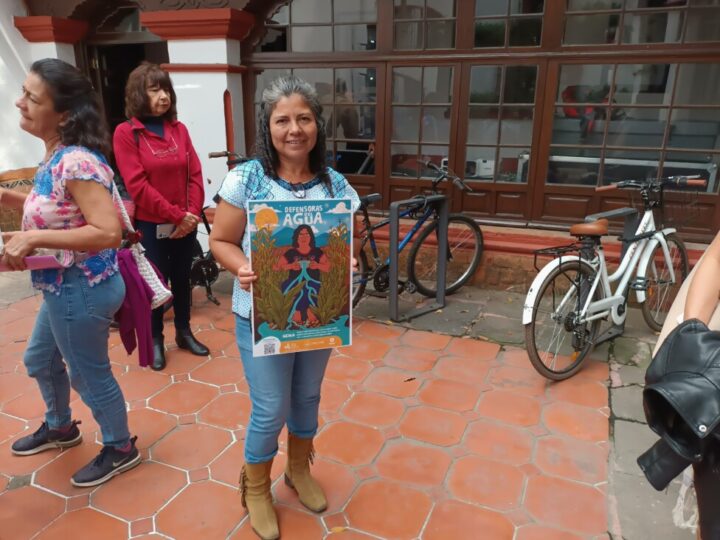
Dozens of women environmentalists participated in Mexico City in the launch of the Voices of Life campaign by eight non-governmental organizations on Oct. 12, 2023, which brings together hundreds of activists in five of the country’s 32 states. CREDIT: Emilio Godoy / IPS
MEXICO CITY, Oct 24 2023 (IPS) – The defense of the right to water led Gema Pacheco to become involved in environmental struggles in the southern Mexican state of Oaxaca, an area threatened by drought, land degradation, megaprojects, mining and deforestation.
Care “means first and foremost to value the place where we live, that the environment in which we grow up is part of our life and on which our existence depends,” said Pacheco, deputy municipal agent of San Matías Chilazoa, in the municipality of Ejutla de Crespo, some 355 kilometers south of Mexico City.
“We are in the phase of seeing how the Escazú Agreement will be applied. The most important thing is effective implementation. It is something new and it will not be ready overnight.” — Gisselle García
The local population is dedicated to growing corn, beans and chickpeas, an activity hampered by the scarcity of water in a country that has been suffering from a severe drought over the past year.
To deal with the phenomenon, the community created three water reservoirs and infiltration wells to feed the water table.
“Women’s participation has been restricted, there are few women in leadership positions. The main challenge is acceptance. There is little participation, because they see it as a waste of time and it is very demanding,” lamented Pacheco.
But women activists like Pacheco face multiple threats for protecting their livelihoods and culture in a country where such activities can pose a lethal risk.
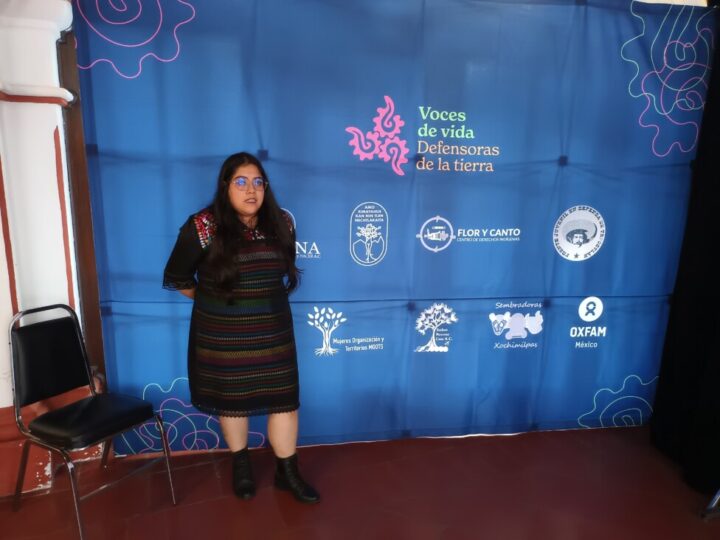
For this reason, eight organizations from five Mexican states launched the Voices of Life campaign on Oct. 12, involving hundreds of habitat protectors, some of whom came to the Mexican capital for the event, where IPS interviewed several of them.
Involvement in the defense of water led Gema Pacheco to become an environmental activist, participating in the Voices of Life campaign in Mexico, which seeks to bring visibility and respect to this high-risk activity in Mexico. CREDIT: Emilio Godoy / IPS
The initiative seeks to promote the right to a healthy environment, facilitate environmental information, protect and recognize people and organizations that defend the environment, as well as learn how to use information and communication technologies.
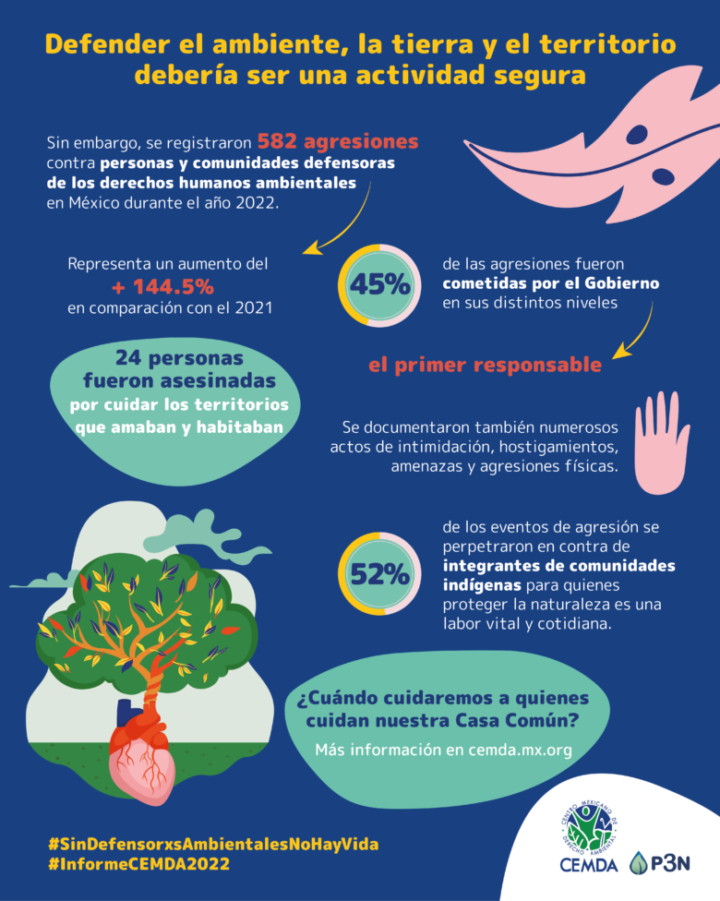
In 2022, Mexico ranked number three in Latin America in terms of murders of environmental activists, with 31 killed (four women and 16 indigenous people), behind Colombia (60) and Brazil (34), out of a global total of 177, according to the London-based non-governmental organization Global Witness.
A year earlier, this Latin American country of almost 129 million inhabitants ranked first on the planet, with 54 killings, so 2022 reflected an improvement.
“The situation in Mexico remains dire for defenders, and non-fatal attacks, including intimidation, threats, forced displacement, harassment and criminalization, continued to greatly complicate their work,” the report says.
The outlook remains serious for activists, as the non-governmental Mexican Center for Environmental Law (Cemda) documented 582 attacks in 2022, more than double the number in 2021. Oaxaca, Mexico City and the northern state of Chihuahua reported the highest number of attacks.
Urban problems
The south of Mexico City is home to the largest area of conservation land, but faces growing threats, such as deforestation, urbanization and irregular settlements.
Protected land defines the areas preserved by the public administration to ensure the survival of the land and its biodiversity.
Social anthropologist Tania Lopez said another risk has now emerged, in the form of the new General Land Use Planning Program 2020-2035 for the Mexican capital, which has a population of more than eight million people, although Greater Mexico City is home to more than 20 million.
“There was no public consultation of the plan based on a vision of development from the perspective of native peoples. In addition, it encourages real estate speculation, changes in land use and invasions,” said López, a member of the non-governmental organization Sembradoras Xochimilpas, part of the Voices of Life campaign.
Mexico is one of the most dangerous countries in the world for environmental defenders. In 2022, 31 activists were murdered, the third highest number in the region behind Colombia and Brazil. CREDIT: Cemda
Apart from the failure to carry out mandatory consultation processes, activists point out irregularities in the governmental Planning Institute and its technical and citizen advisory councils, because they are not included as members.
The conservation land, which provides clean air, water, agricultural production and protection of flora and fauna, totals some 87,000 hectares, more than half of Mexico City.
The plan stipulates conservation of rural and urban land. But critics of the program point out that the former would lose some 30,000 hectares, destined for rural housing.
The capital’s legislature is debating the program, which should have been ready by 2020.
Gisselle García, a lawyer with the non-governmental Interamerican Association for Environmental Defense, said attacks on women activists occur within a patriarchal culture that limits the existence of safe spaces for women’s participation in the defense of rights.
“It’s an entire system, which reflects the legal structure. If a woman files a civil or criminal complaint, she is not heard,” she told IPS, describing the special gender-based handicaps faced by women environmental defenders.
Social anthropologist Tania López is one of the members of the Voices of Life campaign, launched by eight non-governmental organizations on Oct. 12, 2023 to highlight the work of women environmental defenders in Mexico. CREDIT: Emilio Godoy / IPS
Still just an empty promise
This risky situation comes in the midst of preparations for the implementation of the Regional Agreement on Access to Information, Public Participation and Justice in Environmental Matters in Latin America and the Caribbean, known as the Escazú Agreement, an unprecedented treaty that aims to mitigate threats to defenders of the environment, in force since April 2021.
Article 9 of the Agreement stipulates the obligation to ensure a safe and enabling environment for the exercise of environmental defense, to take protective or preventive measures prior to an attack, and to take response actions.
The treaty, which takes its name from the Costa Rican city where it was signed, guarantees access to environmental information and justice, as well as public participation in environmental decision-making, to protect activists.
The Escazú Agreement has so far been signed by 24 Latin American and Caribbean countries, 15 of which have ratified it as well.
But its implementation is proceeding at the same slow pace as environmental protection in countries such as Mexico, where there are still no legislative changes to ensure its enforcement.
Meanwhile, in Mexico, the Escazú National Group, made up of government and civil society representatives, was formed in June to implement the treaty.
During the annual regional Second Forum of Human Rights Defenders, held Sept. 26-28 in Panama, participants called on the region’s governments to strengthen protection and ensure a safe and enabling environment for environmental protectors, particularly women.
While the Mexican women defenders who gathered in Mexico City valued the Escazú Agreement, they also stressed the importance of its dissemination and, even more so, its proper implementation.
Activists Pacheco and Lopez agreed on the need for national outreach, especially to stakeholders.
“We need more information to get out, a lot of work needs to be done, more people need to know about it,” said Pacheco.
The parties to the treaty are currently discussing a draft action plan that would cover 2024 to 2030.
The document calls for the generation of greater knowledge, awareness and dissemination of information on the situation, rights and role of individuals, groups and organizations that defend human rights in environmental matters, as well as on the existing instruments and mechanisms for prevention, protection and response.
It also seeks recognition of the work and contribution of individuals, groups and organizations that defend human rights, capacity building, support for national implementation and cooperation, as well as a follow-up and review scheme for the regional plan.
García the attorney said the regional treaty is just one more tool, however important it may be.
“We are in the phase of seeing how the Escazú Agreement will be applied. The most important thing is effective implementation. It is something new and it will not be ready overnight,” she said.
As it gains strength, the women defenders talk about how the treaty can help them in their work. “If they attack me, what do I do? Pull out the agreement and show it to them so they know they must respect me?” one of the women who are part of the Voices of Life campaign asked her fellow activists.